
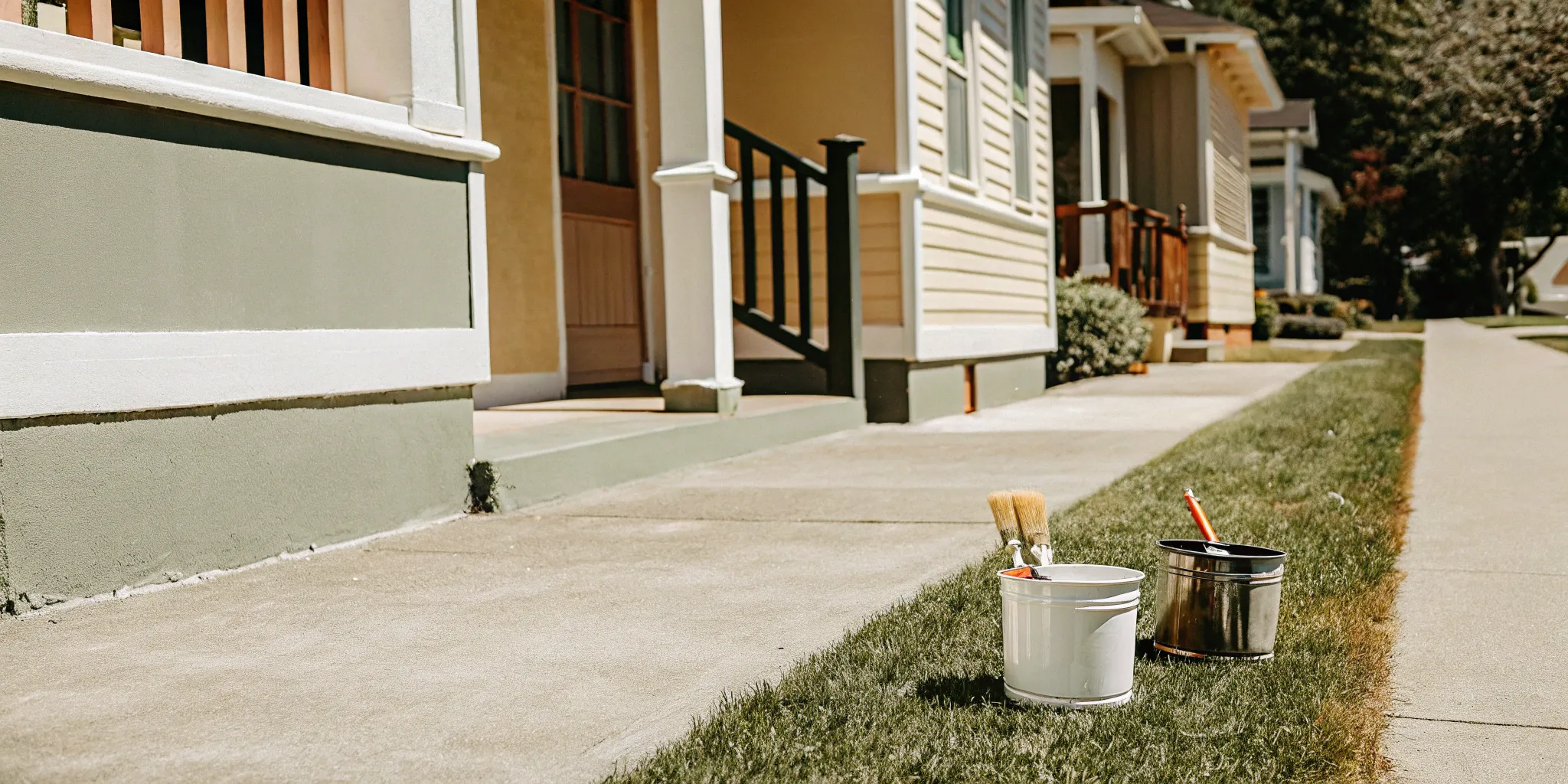
A fresh coat of paint does more than just change your home’s color—it completely transforms its personality. It’s the difference between a house that blends in and one that stands out for all the right reasons. But achieving that flawless, professional-looking finish is all about smart planning. This includes knowing the right techniques, avoiding common mistakes, and answering the big question: how much paint for 1,500 sq ft house exterior is actually needed? Getting this right is key to improving your curb appeal and protecting your investment. We’ll cover everything you need to know to get the job done right.
Key Takeaways
- Prioritize preparation for a finish that lasts: A durable, professional-looking result comes from properly cleaning, repairing, and priming your home’s exterior surfaces before you even open a can of paint.
- Invest in quality materials and proper technique: Choose a high-quality exterior paint and always apply at least two coats for the best color and protection. Using the right methods, like working from top to bottom, prevents drips and ensures a smooth finish.
- Make an informed DIY vs. Pro decision: Honestly evaluate the project’s complexity, your skills, and your available time. If you choose to hire a contractor, be sure to get multiple detailed quotes, verify their insurance, and understand the warranty.
Is It Time to Repaint? Why Your Home’s Exterior Matters
It’s easy to think of exterior paint as just a color choice, but it’s one of the most important parts of maintaining your home. A fresh coat of paint does more than just make your house look good—it’s a smart investment in its health, value, and overall appeal. Especially here in Chicagoland, where our homes face everything from blazing summer sun to icy winters, a quality paint job is essential. Let’s look at why keeping your home’s exterior fresh is a project worth prioritizing.
Protect Your Home from Weather Damage
Your home’s paint is its first line of defense against the weather. Think of it as a protective shield. A quality coat of paint serves as a barrier that helps prevent moisture intrusion, which is a big deal in our humid summers and snowy winters. Without that seal, water can seep into your siding, leading to rot, mold, and even structural damage. Regularly repainting your exterior is a proactive step that helps you avoid costly and complex home renovations later on. It’s a simple way to preserve the integrity of your home and keep it standing strong for years to come.
Add Instant Value to Your Property
A fresh exterior paint job is one of the most effective ways to increase your home’s market value. It offers a fantastic return on investment, whether you’re planning to sell soon or just want to build equity. A well-maintained exterior immediately signals to potential buyers that the property has been cared for, making a strong first impression. Investing in a high-quality paint job not only attracts buyers but also ensures the finish lasts longer, saving you money over time. According to industry reports, even minor exterior improvements can recoup a significant portion of their cost at resale, making it a financially savvy move for any homeowner.
Instantly Upgrade Your Curb Appeal
Nothing transforms a home’s appearance quite like a fresh coat of paint. It’s the key to incredible curb appeal, making your property stand out in the neighborhood. The right color can completely change the character of your house, creating a warm and welcoming atmosphere for family and guests. Whether you’re refreshing your current color or trying something new, a high-quality paint job makes every detail pop, from the trim to the front door. If you’re looking for inspiration, you can see how different color palettes and finishes come to life in our project gallery. A beautiful exterior makes you proud to call your house a home.
What Tools Do You Need for Exterior Painting?
Before you even think about picking a color, let’s talk tools. Having the right gear on hand makes all the difference between a frustrating weekend project and a professional-looking finish you can be proud of. It’s not just about the paint and brushes; it’s about setting yourself up for a smooth, safe, and efficient process from start to finish. Getting your toolkit in order is the first real step toward that fresh new look for your home. Think of it as your project’s foundation—without it, the end result just won’t be as strong.
A Checklist of Essential Painting Tools
You don’t need a professional-grade workshop, but a few key items are non-negotiable for a quality paint job. Start with a sturdy extension ladder to safely reach high spots and a 5-in-1 tool, which is a painter’s best friend for scraping, cleaning, and opening cans. You’ll also want a paint scraper for any stubborn peeling areas. To protect your porch, driveway, and landscaping, have plenty of drop cloths ready. Finally, invest in high-quality brushes for cutting in around trim and rollers with extension poles for covering large surfaces. Having these essential tools organized before you begin will save you countless trips to the hardware store.
Safety First: Your Essential Gear
Painting, especially on an exterior, comes with risks, so let’s not skip the safety talk. Protecting yourself is just as important as protecting your home’s siding. Essential safety gear should always include a mask or respirator to avoid inhaling fumes and particulates, especially when scraping or sanding. A good pair of safety glasses will shield your eyes from paint splatters and debris. Finally, wear gloves to protect your hands from chemicals and make cleanup much easier. It only takes a few minutes to gear up, and it ensures your project is remembered for the beautiful results, not an avoidable accident.
How to Choose the Right Paint (and Calculate How Much You Need)
Picking a color is the fun part, but selecting the right type of paint and quantity is crucial. For exteriors, you need a durable paint designed to withstand Chicago’s weather. As a rule of thumb, one gallon of paint covers about 250–400 square feet. To figure out your needs, measure the height and width of each exterior wall, multiply them to get the square footage, and add it all up. For example, a 1,500-square-foot house typically requires about five gallons for a single coat. Since most homes need two coats for the best coverage and durability, you’ll want to double that. It’s always better to calculate how much you’ll need and buy a little extra for future touch-ups.
The Basic Formula for Calculating Paint
To get a more precise number, you can use a simple calculation that painters rely on. The basic formula is: (Total Square Footage ÷ Coverage per Gallon) × Number of Coats = Gallons Needed. First, find your total square footage by measuring the length and height of each wall and adding them together. Don’t worry about subtracting windows and doors unless they are exceptionally large. Next, check the paint can for its coverage rate, which is usually around 350 square feet per gallon. Finally, since you’ll almost always need two coats for a durable, even finish, you’ll multiply your result by two. This straightforward formula helps you buy with confidence.
Paint Estimates for Different House Sizes
If you’d rather skip the detailed math, you can use general estimates to get a ballpark idea of your paint needs. For a smaller home around 1,000 to 1,500 square feet, you can expect to use between 8 and 12 gallons for two complete coats. For a medium-sized home, roughly 1,500 to 2,500 square feet, that number increases to about 12 to 18 gallons. Keep in mind these are just starting points. Factors like the texture of your siding—stucco, for example, absorbs more paint than smooth wood—can affect the total amount you’ll need. Use these figures as a guide to help you budget for your project.
Factoring in Doors, Shutters, and Trim
It’s easy to focus on the main walls and forget about the details, but trim, doors, and shutters need paint, too. These elements are often a different color or finish, so you’ll need to purchase paint for them separately. For an average-sized home, plan on needing one to two gallons of paint for all the trim. Your front door will likely require about one quart of paint per side for each coat. Including these smaller areas in your calculations is essential for achieving the polished, cohesive look that defines a professional home renovation. Making a separate list for these items ensures nothing gets overlooked during your trip to the store.
The 15% Rule: Always Buy Extra
Here’s a piece of advice every professional follows: always buy more paint than your calculations suggest. A good rule of thumb is to add an extra 10% to 15% to your final number. This buffer is your safety net. It covers you for any accidental spills, mistakes that need correcting, or areas where the surface is more porous and absorbs extra paint. Having that extra can on hand is also perfect for future touch-ups when life inevitably happens. There’s nothing more frustrating than running out of paint mid-project, especially if you’re using a custom-tinted color that can be hard to match perfectly again.
Does Paint Quality Really Matter?
It can be tempting to save a few dollars on budget paint, but this is one area where you get what you pay for. Investing in high-quality exterior paint is one of the smartest decisions you can make for your home. Premium paints are formulated with better binders and pigments, which means the color stays truer for longer and the finish is more resistant to cracking and peeling. More importantly, the best exterior house paint contains additives that provide vital UV protection, preventing the sun from fading your beautiful new color. A better paint job not only looks fantastic but also provides a stronger protective barrier for your home, extending the life of your siding and trim.
Top Exterior Paint Brands Recommended by Pros
When you ask professionals what paint they trust, you’ll hear a few names over and over. Brands like Sherwin-Williams and Benjamin Moore are industry favorites for a reason. Their premium lines, such as Sherwin-Williams’ Duration and Benjamin Moore’s Aura, are engineered with superior binders and pigments that create a durable, flexible finish. This is especially important in Chicagoland, where the paint needs to withstand everything from humid summers to freezing winters without cracking or peeling. These top-tier paints also offer excellent UV protection, ensuring your chosen color remains vibrant and doesn’t fade under the sun. While they might cost more upfront, using a top-rated exterior paint is a long-term investment in your home’s protection and beauty, ensuring the results of your project last for years.
Plan and Prep for a Flawless Exterior Finish
A beautiful, long-lasting exterior paint job is all in the preparation. Rushing this stage is the single biggest mistake you can make. Before you even think about picking up a roller, you need a solid plan that covers your budget, timeline, and the condition of your home’s exterior. Taking the time to properly plan and prep ensures the paint will adhere correctly and stand up to Chicago’s weather for years to come. Think of it as laying the foundation for a perfect finish.
How Much Does It Cost to Paint a House Exterior?
First things first, let’s talk budget. The cost of painting a house exterior can vary quite a bit. On average, you can expect to pay between $3,000 and $5,000, but the final price depends on your home’s size, the type of siding, and how much prep work is needed. Some painters charge by the square foot, typically between $1.50 and $4.00. Factors like extensive repairs, multiple stories, and intricate architectural details will push the cost toward the higher end of that range. Getting a detailed quote is the best way to understand the full investment required for a quality job.
Breaking Down the Costs: Labor vs. Materials
When you get a quote for exterior painting, the total cost is generally split into two main categories: labor and materials. Labor often makes up the largest portion of the bill, especially if your home requires extensive prep work like scraping old paint, sanding rough spots, or making minor repairs to the siding. The more time-intensive the preparation, the higher the labor cost will be. Materials include paint, primer, caulk, and other supplies. While it might be tempting to cut corners on material quality to lower the price, remember that premium paint provides better protection and a longer-lasting finish, which saves you money in the long run.
The Price of Paint per Gallon
The cost of paint itself can have a big impact on your budget. You can expect to pay anywhere from $20 to $80 for a gallon of exterior paint, with some high-end options exceeding $100 per gallon. A single gallon typically covers between 350 and 400 square feet. While budget-friendly paints are available, investing in a higher-quality product pays off. Premium paints offer superior durability, better color retention, and increased resistance to fading and mildew. This means your home will look great for longer, extending the time between repaintings and providing a better return on your investment.
Special Considerations: Lead Paint Removal
If your home was built before 1978, there’s a chance it has lead-based paint. This is a serious safety concern that requires special handling and adds a significant cost to your project. Safely removing lead paint is not a DIY job; it must be done by a certified professional to prevent contamination. The cost for lead paint removal can range from $6 to $17 per square foot. While this can increase your overall budget substantially, it’s a necessary expense to ensure the health and safety of your family and comply with environmental regulations. Always factor this possibility into your budget if you have an older home.
Pro Tip: Buying in Bulk to Save Money
Here’s a simple way to save on material costs: buy your paint in larger quantities. A 5-gallon bucket of paint is almost always cheaper per gallon than buying five individual 1-gallon cans. Before you head to the store, do the math to figure out your total paint needs. If you calculate that you need nine gallons, it’s likely more cost-effective to purchase two 5-gallon buckets instead. This strategy not only saves you money but also ensures you have plenty of extra paint from the same batch for any future touch-ups, guaranteeing a perfect color match down the road.
When Is the Best Time of Year to Paint?
Timing is everything when it comes to exterior painting. Paint needs specific conditions to cure properly, so you’ll want to watch the weather forecast closely. The ideal temperature range for painting is between 50°F and 90°F. Avoid painting in direct, intense sunlight or when humidity is high, as this can cause the paint to dry too quickly and blister. A string of clear, mild days is what you’re looking for. A quality exterior paint job should last you a good 7 to 10 years, so scheduling the project during the right season is a small step that protects your investment for the long haul.
How Long Does an Exterior Paint Job Take?
Once you have a clear week of weather, you can start thinking about the timeline. Generally, a professional exterior paint job takes anywhere from three to seven days to complete. The biggest variable is the size of your home; a single-story house might only take a couple of days, while a larger, multi-story home could require four days or more. The condition of your siding also plays a major role. If there’s a lot of scraping, sanding, and repair work to do before the first can of paint is even opened, that will add to the schedule. A professional crew can paint an average-sized home in about three to four days, but quality prep work should never be rushed.
Step 1: Inspect and Repair Your Exterior
Before you clean anything, take a slow walk around your house and inspect every surface. Look for peeling or bubbling paint, cracked wood, and damaged siding. Pay close attention to the areas around windows and doors, checking for any missing or cracked caulk. Painting over existing damage is like putting a bandage on a broken bone—it doesn’t fix the underlying problem and will only lead to bigger issues later. Addressing these repairs first is non-negotiable. If you find widespread rot or damage, it may be part of a larger issue that requires professional home renovations to correct properly.
Step 2: Why You Can’t Skip Cleaning and Priming
You can’t paint a dirty house. Dirt, mildew, and chalky residue prevent the new paint from sticking, leading to peeling and chipping down the road. The most effective way to clean your exterior is with a pressure washer. Once it’s clean, you have to be patient and let the surface dry completely, which usually takes 24 to 48 hours. After cleaning and repairs, priming is your next critical step. A quality primer seals porous surfaces, blocks stains, and creates a uniform base for your topcoat to adhere to. Skipping proper surface preparation is a major mistake, so give cleaning and priming the attention they deserve.
Understanding Primer Coverage vs. Paint Coverage
So, do you need the same amount of primer as you do paint? It’s a great question. While a gallon of primer and a gallon of paint cover a similar area—usually around 250 to 350 square feet—they do very different jobs. Think of primer as the essential groundwork for a flawless finish. Its purpose isn’t to add color, but to seal the surface and create a uniform base that your paint can grip onto. This single step is what prevents common issues like peeling and chipping down the line. To plan your purchase, you’ll need to calculate the total square footage for one coat. For example, a 1,500-square-foot house typically needs about five gallons per coat. Since a durable, professional-looking job requires one coat of primer and two coats of paint, you’ll need to budget for three coats in total.
Painting Techniques for a Professional-Looking Finish
Once the prep work is done, it’s time for the transformation. The right painting techniques are what separate an amateur job from a professional one. It’s not just about applying color; it’s about creating a durable, even, and beautiful finish that will protect your home for years. With a little patience and the right approach, you can achieve a look that makes your home the standout on the block. Let’s walk through the methods that will help you get that flawless, long-lasting result.
Brush, Roll, or Spray? Choosing Your Method
Your choice of tools—and how you use them—will have the biggest impact on your final result. While brushes and rollers are essential for certain areas, using an airless paint sprayer can make painting large sections of your exterior much faster and give you a beautifully even coat. Always start painting at the top of a wall and work your way down. This simple rule prevents you from having to place a ladder against wet paint and helps you catch any drips before they mar the surface below. This top-down strategy applies whether you’re using a sprayer, roller, or brush, ensuring a clean and efficient workflow.
How Your Application Method Affects Paint Usage
The way you apply paint isn’t just about speed—it directly affects how much you’ll use. While a paint sprayer can cover large areas quickly, it often consumes more paint due to overspray. A gallon of paint might cover 250 to 350 square feet when sprayed, whereas you can often get 350 to 400 square feet from the same gallon with a roller. This makes rolling a more paint-efficient choice, though it takes more time. Keep in mind that your home’s siding plays a big role, too. Rough surfaces like brick or stucco will soak up more paint than smooth siding, no matter which method you choose. Drastic color changes can also require extra coats, so it’s important to factor in your application method and surface texture when buying your supplies.
How to Paint Different Exterior Surfaces
Your home’s exterior isn’t one uniform surface, so your painting technique shouldn’t be either. Different materials require different types of paint for the best adhesion and durability. As a general rule, a satin or semi-gloss finish is perfect for trim and doors because it’s easier to clean and stands up to wear. For large siding areas, a flat or eggshell finish can help hide minor imperfections. If you encounter any peeling paint during your prep, make sure you scrape it off completely to create a smooth, stable surface for the new paint. A flawless finish starts with a flawless foundation.
Adjusting Paint Needs for Surface Texture
The texture of your home’s siding plays a huge role in how much paint you’ll actually use. Think of it this way: rough, porous surfaces like stucco or brick are thirsty and will soak up a lot more paint than smooth, non-porous surfaces like vinyl or finished wood. The condition of the surface matters, too. If your siding is old, weathered, or hasn’t been primed, it will absorb paint more readily. Factoring in your home’s specific texture is a critical step in your calculations. It helps you buy the right amount of paint from the start, so you aren’t making a last-minute trip to the store with a half-painted wall.
Coverage Rates for Stucco, Brick, and Siding
To get a more precise estimate, it helps to know the typical coverage rates for different materials. While the can might say one gallon covers up to 400 square feet, that’s usually based on a smooth, primed, non-porous surface. For more textured exteriors, your mileage will vary. For example, a gallon of paint on highly porous brick might only cover 150 square feet and require multiple coats. In contrast, that same gallon could easily cover 350 square feet on smooth vinyl siding. Understanding these different coverage rates will help you create a much more accurate budget and shopping list for your project.
Why a Second Coat of Paint is Non-Negotiable
While it might be tempting to stop after one coat, applying two full coats is non-negotiable for exterior painting. The first coat acts as a base, sealing the primer and providing initial color, but the second coat is what delivers the true, rich color and creates a protective shell against the elements. Be sure to let the first coat dry completely before starting the second—this usually takes about four to six hours, but check the paint can for specific instructions. This patience pays off by creating a much more durable and vibrant finish that will hold up against sun, rain, and Chicago’s tough winters.
Tips for Nailing the Trim and Detail Work
Crisp, clean lines around windows, doors, and trim are the details that truly define a professional paint job. Here’s a pro tip: paint all your trim before you paint the main walls. This allows you to work faster on the trim without worrying about getting paint on the siding. When you’re ready to paint the walls, you can carefully tape off the trim for a perfect edge. For cutting in around edges, try using a small roller in addition to a brush. This can help you achieve a smoother texture that blends seamlessly with the rest of the wall. The care you take with these details is what creates that stunning, polished look you can see in a professional project gallery.
Common Painting Mistakes (and How to Avoid Them)
Painting your house seems straightforward enough, but a few common missteps can quickly turn a rewarding project into a frustrating mess. Even the highest-quality paint won’t perform well if it’s applied incorrectly. The difference between a professional-looking finish and one that peels in a year often comes down to avoiding a few key errors.
Think of it like this: the final coat of paint is just the finishing touch. The real work that ensures a durable, beautiful result happens long before you even open the can. From preparing the surface to choosing the right day to paint, every step matters. Let’s walk through the most frequent mistakes homeowners make and, more importantly, how you can steer clear of them to get the job done right the first time.
Mistake #1: Skipping the Prep Work
It’s tempting to jump right into the exciting part—applying the color. But neglecting proper surface preparation is one of the biggest mistakes you can make. Prep work is the foundation of your entire paint job; without it, you’re setting yourself up for chipping, peeling, and a finish that just won’t last. Before you even think about painting, you need to clean, sand, and prime. Start by thoroughly washing your home’s exterior to remove dirt and mildew. Next, address any underlying issues. If you have cracked siding or rotting wood, these problems need to be fixed first. A simple coat of paint won’t solve them and can actually trap moisture, making things worse. Proper home renovations ensure your exterior is sound before the first drop of paint is applied.
Mistake #2: Ignoring the Weather
Painting on a whim without checking the weather is a recipe for disaster. The temperature and humidity play a huge role in how paint dries and adheres to the surface. Applying paint in the wrong conditions—whether it’s too hot, too cold, or too humid—can lead to bubbling, streaking, and uneven drying. Painting in direct, intense sunlight can cause the paint to dry too quickly, preventing it from bonding properly. On the other hand, high humidity or impending rain can introduce too much moisture, leading to drips and a weak finish. The ideal scenario is a string of clear, mild days with low humidity. Always check the forecast for at least a few days out before you begin your project.
Mistake #3: Using the Wrong Technique
The tools and methods you use to apply the paint are just as important as the paint itself. Using a low-quality brush can leave behind bristles and create an uneven texture. Similarly, not loading your roller or brush with enough paint can result in a thin, patchy application. A classic mistake is failing to maintain a “wet edge,” which means you allow a section of paint to dry before blending the next section into it. This creates noticeable lap marks that are impossible to hide. To avoid this, work in small, manageable sections and always paint from an unpainted area into the wet paint you just applied. Using steady, consistent strokes will give you that smooth, professional finish you’re looking for.
Mistake #4: Getting Streaky, Uneven Coverage
Seeing the old color peek through your fresh coat of paint is incredibly frustrating. This issue, known as poor hide or uneven coverage, is often the result of rushing the job or skimping on materials. In almost all exterior painting projects, one coat is simply not enough to provide a rich, uniform color and adequate protection from the elements. Another cause is skipping primer, especially if you’re making a dramatic color change (like going from dark to light). Primer helps neutralize the base color and creates a uniform surface for your topcoat to adhere to, ensuring the final color looks true and vibrant. Always plan for at least two full coats of your finish paint, and be sure to let each coat dry completely before applying the next.
How to Make Your New Paint Job Last
After all the hard work of prepping and painting, the last thing you want is for your beautiful new exterior to start showing wear and tear prematurely. A great paint job is an investment in your home’s protection and curb appeal, and with a little care, you can extend its life for years to come. The work isn’t quite over when the brushes are clean; think of this next phase as protecting your investment.
The good news is that long-term maintenance doesn’t have to be complicated. It’s all about being proactive and knowing what to look for. By creating a simple plan, you can catch minor issues before they turn into major headaches that require a full repaint or costly repairs. We’ll walk you through a straightforward approach to keep your home’s exterior looking fresh and vibrant, ensuring you get the most out of your new paint job.
How to Spot and Fix Mistakes While You Paint
The first step to a long-lasting finish happens before the paint has even fully cured. As your new paint dries, keep a close eye on it. Environmental factors play a huge role in how well the paint adheres and settles. Applying paint in the wrong conditions—like extreme heat, cold, or high humidity—can lead to bubbling, streaking, or uneven drying. If you spot any of these issues, it’s best to address them right away. Catching a problem early, while the project is still fresh, is much easier than trying to fix it months or years down the line. A flawless initial application is the foundation for a durable, long-lasting exterior.
Your Simple Post-Painting Maintenance Plan
Think of your home’s exterior like you do your car—it needs a regular wash to stay in top condition. At least once a year, give your siding a gentle rinse with a garden hose to wash away dirt, dust, and pollen that can settle on the surface and degrade the paint over time. For any stubborn spots or mildew, a soft-bristled brush and a mild cleaning solution will do the trick. While you’re cleaning, do a quick walk-around inspection. Look for any areas that might need attention. This simple annual check-up is one of the best ways to support the longevity of your paint and keep your home renovation looking its best.
How to Handle Quick Touch-Ups Like a Pro
Life happens. A stray baseball, a leaning ladder, or an overgrown shrub can easily cause small nicks, chips, or scratches in your paint. The key is to tackle these minor blemishes as soon as you spot them. Letting them sit exposes the underlying material to moisture and the elements, which can cause the damage to spread. Always save a small, clearly labeled container of your leftover paint for this exact purpose. To perform a touch-up, gently clean the area, lightly sand the edges of the chip to smooth them, and apply a thin layer of paint with a small brush. Proper prep is just as important for small repairs as it is for the main event.
When to Repaint: Signs Your Paint is Failing
Even the highest-quality paint job will eventually show its age. Knowing what to look for can help you determine if you need a simple touch-up or if it’s time to call in a professional. Keep an eye out for common signs of paint failure, such as extensive cracking, bubbling, or peeling, which often indicate moisture is getting trapped behind the paint. Another sign is chalking—a powdery residue that appears on the surface. Experts agree that cracking is especially critical because it exposes your home’s siding to water, which can lead to rot and structural damage. If you see widespread issues, it’s wise to get a professional opinion.
Should You DIY or Hire a Professional?
Deciding whether to paint your house yourself or hire a professional is one of the biggest choices you’ll make in this process. It’s a classic trade-off between your time and your money. A DIY paint job can certainly save you on labor costs, but it requires a significant investment of your time, energy, and patience. On the other hand, hiring a professional team means a higher upfront cost, but it buys you expertise, efficiency, and peace of mind.
There’s no single right answer—it really comes down to the specifics of your project and your personal comfort level. To make the best decision for your home, you need to honestly evaluate the scope of the work, know what to look for in a contractor, understand how to compare bids, and be clear on what a warranty should offer. Let’s walk through each of these steps so you can feel confident in your choice.
How to Decide if You Can DIY Your Exterior Painting
First, take a realistic look at the job ahead. Are you painting a small, single-story ranch with simple siding? That could be a manageable weekend project. But if you have a multi-story home, intricate trim, steep gables, or siding that needs extensive repairs, the project’s complexity grows exponentially. The choice to paint your house yourself or hire professionals has different costs and benefits that often hinge on the scale of the work.
Think beyond just applying the paint. Consider the prep work involved: pressure washing, scraping old paint, sanding, caulking, and priming. Then there’s the cleanup. Be honest with yourself about your skills, your physical ability to work on ladders for hours, and how much time you can realistically dedicate to the project. A job that takes a professional crew a few days could take you several weekends, leaving your home in a state of disarray in the meantime.
Finding the Right Pro: What to Look For
If you’re leaning toward hiring a pro, your next step is to find the right one. You want a team that will deliver a high-quality, long-lasting paint job, not just a quick cover-up. Start by looking for established contractors with a proven track record in the Chicagoland area. Local experience is key, as they’ll understand how our specific climate affects different paints and surfaces.
When vetting potential painters, look for a few key things. A professional portfolio or gallery of past projects is a great starting point. You should also ask for client testimonials or check their online reviews to see what other homeowners have to say. Most importantly, ensure any contractor you consider has proper licensing and insurance. This protects you from liability if an accident happens on your property and is a non-negotiable sign of a legitimate business.
Key Questions to Ask a Painting Contractor
Once you have a few potential contractors in mind, it’s time to dig a little deeper. The right questions can tell you everything you need to know about their professionalism and the quality of their work. Start by asking about their experience. Can they provide a portfolio of recent work and a list of references you can contact? Next, and this is crucial, confirm they are fully licensed and insured. You’ll also want a clear understanding of the project scope. Ask for a detailed, written quote that breaks down the costs for labor, materials, and any necessary prep work. Finally, clarify the project timeline and what kind of warranty they offer on their work. Getting clear answers to these questions is a key part of any successful home renovation.
Getting and Comparing Quotes from Painters
Once you have a shortlist of qualified contractors, it’s time to get quotes. Make it a rule to ask at least three different painters for a detailed estimate. This isn’t just about finding the lowest price; it’s about understanding the value each contractor offers. A quote should be a detailed, written document—not just a number scribbled on a business card.
A thorough quote will break down the costs for labor, materials (including the brand and type of paint), and all prep work like scraping, sanding, and priming. It should also specify the number of coats to be applied and outline the cleanup process. Be wary of any bid that seems drastically lower than the others. It could be a red flag for cutting corners, using low-quality materials, or overlooking crucial prep work that will cost you more in the long run.
What Should a Painter’s Warranty Cover?
A professional painter who is confident in their work will stand behind it with a warranty. This is your assurance that the job was done right and that you’re protected against premature peeling, blistering, or chipping due to poor workmanship or faulty materials. Before you sign any contract, make sure you fully understand the terms of the warranty.
Ask specific questions: How long does the coverage last? What exactly is covered, and are there any exclusions? What is the process for filing a claim if an issue arises? A reputable contractor will be transparent about their warranty and happy to answer your questions. A solid warranty not only protects your investment but also reflects the contractor’s commitment to quality and customer satisfaction, which is one of the biggest benefits of hiring a professional.
Related Articles
Frequently Asked Questions
How often should I repaint my house, especially with Chicago weather? A quality exterior paint job should last about 7 to 10 years, but Chicago’s mix of humid summers and icy winters can definitely put that to the test. Instead of sticking to a strict calendar, it’s better to inspect your home’s exterior once a year. Look for signs like significant fading, cracking, or peeling paint. These are your true indicators that it’s time for a fresh coat, regardless of how many years it’s been.
Is premium exterior paint really worth the extra cost? Absolutely. Think of it as an investment in your home’s protection. Budget paints often use lower-quality resins and pigments, which means they fade faster and are more likely to crack and peel. A premium paint is formulated to create a stronger, more flexible shield against moisture and UV rays. It provides better coverage and durability, so you won’t have to repaint nearly as often, saving you time and money in the long run.
What’s the most critical step in the whole painting process? Without a doubt, it’s the preparation. You can use the best paint in the world, but if you apply it to a dirty or damaged surface, it simply won’t last. Taking the time to thoroughly clean, scrape, sand, and prime your home’s exterior is what creates the foundation for a durable, professional-looking finish. Rushing through the prep work is the single biggest mistake you can make.
Can I just paint over minor damage like cracked wood or peeling paint? You should never paint over existing damage. Covering up peeling paint or cracked wood is like putting a bandage on a serious wound—it hides the problem but allows it to get worse underneath. Painting over these issues traps moisture, which accelerates rot and can lead to much more extensive and costly repairs down the road. All damage must be properly repaired before you begin painting.
If I decide to hire a pro, what’s the most important thing to look for in their quote? Look for a quote that is detailed and transparent. A trustworthy contractor will provide a written estimate that breaks down the costs for both labor and materials. It should clearly specify the brand of paint they plan to use, outline all the prep work they will perform, and state how many coats will be applied. Be cautious of any quote that is just a single number without any supporting details.