
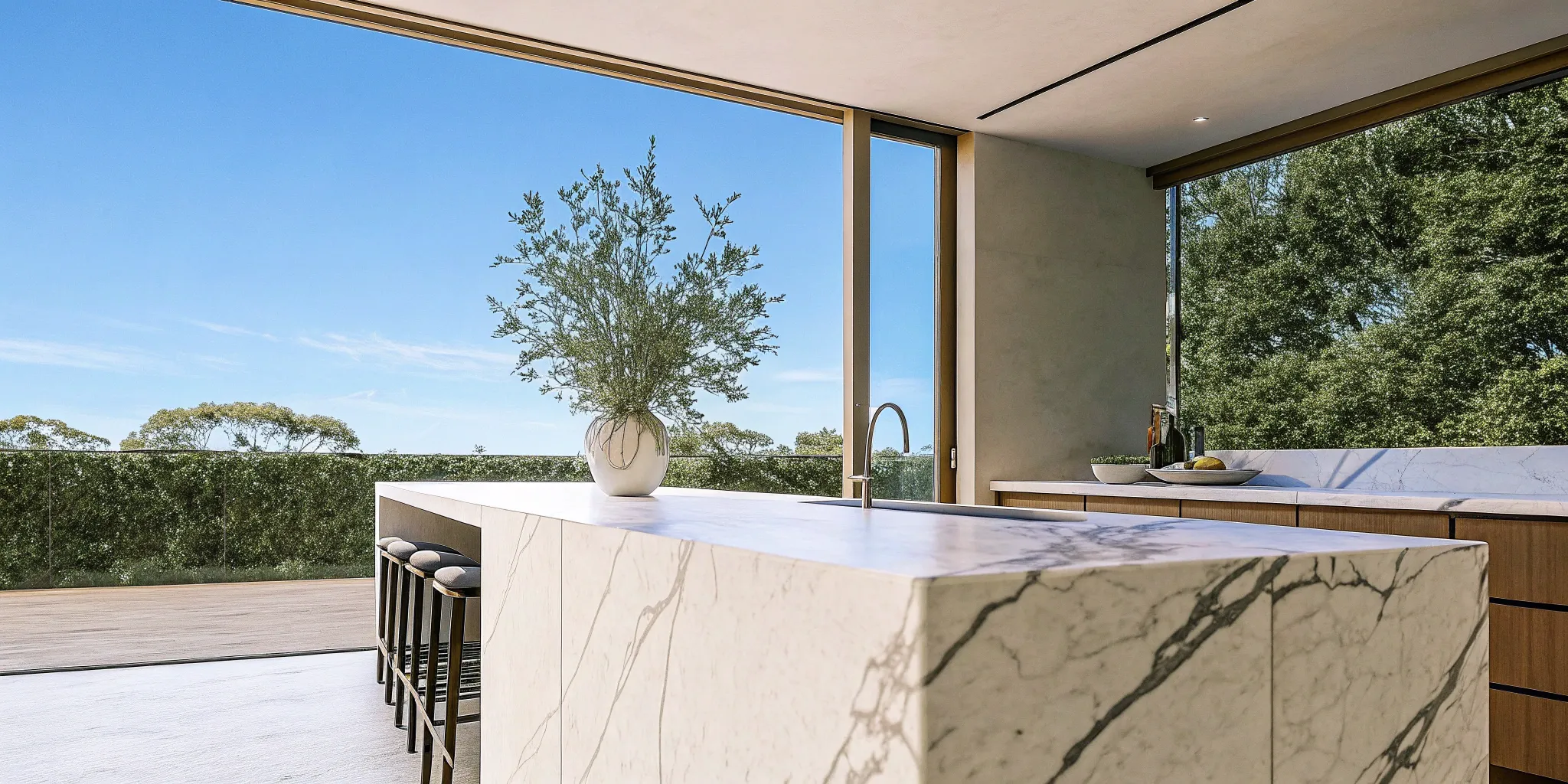
Many people see a kitchen island as one big piece, but it’s really a collection of parts. The most important part? The base. Focusing on the kitchen island base only is the secret to a functional design that avoids common frustrations. Your kitchen island base cabinets provide the structure for a heavy countertop, house your plumbing and electrical, and create the custom storage you need. A beautiful countertop is great, but without a well-planned base cabinet kitchen island, it’s just a surface. Let’s get the foundation right so you can build a centerpiece that truly works for your home.
Key Takeaways
- Function Starts with Flow: Before you fall in love with a countertop, measure your kitchen. A successful island requires at least 36 to 42 inches of clearance on all sides to ensure you can move freely and open appliance doors without creating a traffic jam.
- Choose Drawers and Durable Materials: Opt for deep drawers over standard cabinets for easier access to pots and pans. Investing in high-quality materials like solid wood or plywood for the cabinet boxes ensures your island will stand up to daily life for years to come.
- Personalize the Style, Professionalize the Install: Have fun choosing contrasting colors or statement lighting to make your island a focal point. But when it’s time to build, rely on a professional team to handle the technical details, ensuring it’s level, secure, and up to code.
What Are Base Cabinets for a Kitchen Island?
When you picture a kitchen island, you’re likely thinking of the beautiful countertop, the stylish seating, and the extra workspace it provides. But underneath all of that is the island’s true foundation: the base cabinets. These are the structural building blocks that support the countertop, house your appliances, and provide essential storage. Think of them as the workhorses of your kitchen island, defining its shape and function long before the finishing touches are added.
You can create a completely custom island by joining several standard base cabinets together. This approach gives you incredible flexibility to design an island that perfectly fits your space and meets your specific needs. Whether you’re dreaming of deep drawers for pots and pans, a pull-out trash bin, or a dedicated cabinet for your stand mixer, it all starts with a solid plan for your base cabinets. A successful kitchen remodeling project hinges on getting this foundation right, ensuring your island is as functional as it is beautiful for years to come.
Anatomy of an Island Base Cabinet
At their core, kitchen island base cabinets are sturdy boxes that provide storage and support. But they’re so much more than that. Modern cabinet systems are designed to be incredibly practical, helping you make the most of every square inch of your kitchen. You can combine different types of base cabinets—like standard cabinets with shelves, deep drawer units, or specialized sink cabinets—to build a personalized island. This modular approach allows you to create a layout that supports how you actually cook and live, making your kitchen workflow smoother and more intuitive.
Island Cabinets vs. Perimeter Cabinets
It’s easy to think all kitchen cabinets are the same, but island and perimeter cabinets play very different roles in your kitchen. Perimeter cabinets are the ones that line your walls. Their primary job is straightforward: storage. You access them from the front, and they hold your dishes, pantry items, and other essentials. Island cabinets, on the other hand, are the multitasking core of your island. They provide the structural support for your countertop while offering dynamic storage that’s often accessible from multiple sides. This is where you can get creative, integrating features like a pull-out trash bin, a dedicated microwave shelf, or deep drawers for pots and pans. A thoughtful kitchen design uses both types to create a smart workflow, keeping everyday items along the perimeter and your most-used cooking tools right at your fingertips in the island.
Sizing Up Your Space: Standard Dimensions
Getting the dimensions right is crucial for a kitchen island that feels balanced and easy to use. Standard base cabinets are typically 24 inches deep, giving you plenty of storage and countertop depth. Just as important is the space around the island. You’ll want to plan for at least 36 to 42 inches of clearance on all sides to ensure comfortable traffic flow. The standard height for an island countertop is 36 inches, which is the same as the rest of your kitchen counters, creating an ideal surface for meal prep. Our design and build services always account for these key measurements to create a kitchen that is both functional and inviting.
Island Height Options: Counter, Bar, and Standard
Choosing the right height for your island is all about how you want to use the space. The most common choice is standard counter height, which is 36 inches tall. This creates a seamless, uniform look with the rest of your kitchen countertops, making it a perfect, expansive surface for meal prep. If you envision your island as more of a casual dining spot or a place for guests to gather, you might prefer bar height. At 40 to 42 inches tall, a bar-height island creates a subtle separation from the main cooking area and pairs perfectly with taller bar stools for a more social atmosphere.
Common Cabinet Widths and Depths
While you can create a custom island of almost any size, the base cabinets themselves come in standard dimensions that make planning much easier. The standard depth for a base cabinet is 24 inches, which provides ample storage and supports a functional countertop overhang for seating. When it comes to width, you have a lot of flexibility. Base cabinets are commonly available in widths of 12, 15, 18, 24, 30, 33, and 36 inches. This variety allows you to mix and match sizes to create a truly custom layout for your kitchen remodeling project, fitting everything from a slim pull-out spice rack to wide drawers for pots and pans.
Types of Kitchen Island Bases
Once you have a clear idea of your island’s size and function, it’s time to explore the different types of bases that can bring your vision to life. The base you choose will influence everything from your storage options to the overall aesthetic of your kitchen. Whether you prefer a classic, built-in look or need something more flexible, there’s a solution that fits your space and lifestyle. Understanding these options is the next step in creating a kitchen centerpiece that is both practical and beautiful, serving as the hardworking hub of your home for years to come.
Standard Base Cabinets
The most common approach to building a kitchen island involves using standard base cabinets—the same kind you would install along the perimeter of your kitchen. These cabinets form the structural core of the island, supporting the countertop and providing enclosed storage. Because they are designed to be modular, you can combine different sizes and types, such as drawer units, cupboards, and even specialized cabinets for trash pull-outs or appliances. This method offers a streamlined, cohesive look that integrates perfectly with the rest of your kitchen’s design, making it a go-to choice for a permanent and highly functional island.
Pre-Made Island Kits
If you’re looking for a more straightforward solution, pre-made island kits are a great option. These kits typically include a set of cabinets and finishing pieces designed to be assembled into a standalone island. While they might offer slightly less design flexibility than a fully custom approach, they simplify the process significantly. As designer Erin Zubot notes, most islands are essentially just “a bunch of cabinets attached together,” and these kits provide all the necessary components in one package. This can be an appealing choice for homeowners who want a classic island look without the complexity of designing one from scratch.
Custom-Built Bases
For a truly personalized kitchen, a custom-built base is the ultimate solution. This approach allows you to design an island that perfectly suits your kitchen’s unique layout and your specific needs. As we often explain in our design process, you can create a completely custom island by joining several standard base cabinets together in a unique configuration. This gives you incredible freedom to incorporate features like a multi-level countertop, integrated seating, or unique storage solutions tailored to your cooking style. Working with a professional team ensures your custom island is not only beautiful but also structurally sound and seamlessly integrated into your home.
Mobile Islands on Casters
For smaller kitchens or homeowners who crave flexibility, a mobile island on casters is a smart and practical choice. This type of island provides extra counter space and storage right where you need it, but it can also be easily moved out of the way to open up the room for entertaining or cleaning. You can find pre-made kitchen carts or add furniture casters to a small cabinet base to create your own movable workstation. This adaptability makes mobile islands a fantastic solution for anyone who wants the benefits of an island without committing to a permanent fixture in their kitchen layout.
Planning Your Perfect Kitchen Island Layout
A great kitchen island is the heart of the home, but a poorly planned one can quickly become a bulky obstacle. The key to getting it right is thoughtful layout planning that considers how you actually live and move in your space. From ensuring you have enough walkway clearance to planning for seating and utilities, every detail matters in creating an island that is both beautiful and incredibly functional.
Measure Twice: Getting Your Kitchen Dimensions Right
Before you start browsing for inspiration, the first step is to measure your kitchen. You need to know exactly how much room you have to work with. A good rule of thumb is to aim for at least 36 to 42 inches of clearance on all sides of the island. This ensures you have enough space for people to walk by comfortably and for appliance doors—like your oven, dishwasher, or refrigerator—to open fully without creating a roadblock. This measurement is the foundation of a functional and frustration-free kitchen design.
Don’t Get Boxed In: Planning for Traffic Flow
Proper clearance is about more than just fitting the island in; it’s about creating a natural and efficient flow. Your kitchen likely has key work zones, and you need to move between them easily. Plan for 36 to 48 inches of open space around the island to serve as clear pathways. This prevents traffic jams when multiple people are in the kitchen and makes tasks like carrying hot pots or groceries much safer. A well-designed kitchen remodeling project prioritizes this flow, making the entire room feel more spacious and intuitive to use.
Making Room for Guests: Seating and Overhang
If you envision your island as a spot for casual meals, morning coffee, or homework sessions, comfortable seating is a must. To achieve this, you’ll need a countertop overhang that provides adequate knee room. Plan for an overhang of at least 12 inches, though 15 inches is even more comfortable for adults. This small detail makes a huge difference in whether your island seating is actually used and enjoyed. Without it, guests will be knocking their knees against the cabinets, which isn’t a very welcoming experience.
Will You Need Outlets or a Sink?
Do you want to include a prep sink, dishwasher, or microwave in your island? Or maybe just a few outlets for charging devices and using small appliances? These features add incredible functionality but require planning from the very beginning. Running electrical wiring and plumbing lines to the middle of a room is a complex job that needs to be done right. Before you finalize any plans, it’s wise to consult with a professional. Our design and build services can help you map out these technical needs to ensure your island is as practical as it is beautiful.
Defining Your Island’s Purpose
Before you get lost in the details of cabinet styles and hardware, take a step back and ask yourself a simple question: What do you need this island to do? Is it primarily for storage, a place for the kids to do homework, or an extra food prep station? Defining its main purpose from the start will guide every other decision you make. A clear vision ensures your island becomes a hardworking hub that simplifies your daily routine, rather than just a pretty centerpiece. Let’s explore a few common functions to help you find the right fit for your home.
Storage-Focused Islands
If your kitchen is short on cabinet space, a storage-focused island can be a game-changer. These islands are designed to maximize every inch, helping you keep your main countertops clear and organized. You can use a combination of deep drawers for pots and pans, pull-out shelves for small appliances, and even specialized inserts for things like trash bins or wine racks. By creating a central spot for all your cooking essentials, a well-planned island helps keep your kitchen tidy and makes meal prep much more efficient. It’s a core component of any successful kitchen remodeling project.
Multi-Functional Workstations
For many families, the kitchen island is the true heart of the home. A multi-functional workstation is designed to be a central hub for cooking, eating, and connecting. By including features like a seating area with a comfortable overhang, built-in spots for a microwave or wine cooler, and plenty of outlets, the island becomes a versatile command center. It’s the perfect spot for a quick breakfast, a place for kids to work on homework while you cook, or a casual serving area when you’re entertaining guests. A well-designed island like this really enhances your home’s overall flow and value.
Islands with Integrated Sinks
Adding a sink to your island can dramatically improve your kitchen’s workflow. An integrated prep sink is incredibly handy for washing vegetables, filling pots, and quick clean-ups, especially in larger kitchens where the main sink might be several steps away. This creates a highly efficient work triangle between your refrigerator, cooktop, and prep area. While it requires careful planning for plumbing, the convenience it adds is often worth it. Our design and build services can help you figure out the best placement to make your cooking and cleaning process seamless.
Achieving a Symmetrical and Balanced Look
Once you’ve decided on the function, it’s time to think about aesthetics. A symmetrical design often creates a sense of calm and order, making the island feel grounded and professionally designed. You can achieve this by using cabinets of similar sizes on both ends of the island, creating a clean, balanced look. This doesn’t mean your island has to be boring—you can still play with different cabinet types in the middle. Even if you opt for an asymmetrical layout to accommodate specific appliances or seating, the goal is always visual balance. A thoughtful arrangement of standard cabinets can create a custom-looking kitchen island that becomes a beautiful and timeless focal point in your home.
Choosing the Best Base Cabinets for Your Kitchen Island
Once you have your layout planned, it’s time to focus on the cabinets themselves. The right base cabinets are a long-term investment in your kitchen’s function and style. They need to withstand daily use, hold everything you need, and look great while doing it. Choosing quality from the start means you won’t be dealing with sagging shelves, peeling finishes, or broken drawers in a few years. Think about how you use your kitchen every day and select cabinets that are built to last and designed to make your life easier.
What Are Your Cabinets Made Of? A Material Guide
The material your cabinets are made from is the single biggest factor in their longevity. Solid wood and high-quality plywood are excellent choices for cabinet boxes because they are strong, hold screws securely, and resist moisture better than cheaper alternatives like particleboard or MDF. When you’re looking at options, ask about the construction. Are the drawers joined with sturdy dovetails? Are the shelves made of thick plywood that won’t bow under the weight of your dishes? Investing in durable construction now will pay off for years, ensuring your island remains a beautiful and functional centerpiece in your kitchen remodel.
Popular Wood Species
The type of wood you choose for your island cabinets plays a huge role in the overall look and feel of your kitchen. You can choose from many premium solid wood types, including Maple, Cherry, Red Oak, Walnut, and White Oak. Each one has a distinct personality. Maple, with its smooth, fine grain, is a perfect canvas for paint, while Red Oak offers a more traditional, textured look with its prominent grain pattern. For a touch of modern luxury, Walnut provides a rich, dark finish that makes a sophisticated statement. The right wood not only ensures durability but also sets the stylistic tone for your entire kitchen renovation.
Eco-Friendly Materials
If sustainability is a priority for you, there are fantastic eco-friendly cabinet options available. These are made from materials that are good for the environment, like rapidly renewable bamboo or stylish recycled wood. Just as important are the finishes. Look for cabinets that use low- or no-VOC (Volatile Organic Compound) paints and stains. These options are less harmful because they release fewer chemicals into the air, contributing to better indoor air quality for your family. Choosing sustainable materials doesn’t mean you have to compromise on style; it simply means you’re making a healthier, more conscious choice for your home.
From Shaker to Slab: Finding Your Door Style
Cabinet doors and hardware are the most visible parts of your island, setting the tone for your entire kitchen. Whether you prefer the clean, timeless lines of a Shaker-style door or the modern simplicity of a flat-panel design, the style you choose should complement your home’s architecture. You can explore a wide range of cabinet styles to find the perfect fit. Hardware—the knobs and pulls—is like jewelry for your cabinets. It’s a small detail that makes a huge impact, so take your time selecting finishes and shapes that tie the whole look together. Our project gallery is a great place to see how different combinations come to life.
Clever Storage Solutions for Your Island
A truly great kitchen island is as functional as it is beautiful. This is where smart storage comes in. Instead of empty cabinets, think about incorporating features that organize your items and make them easy to access. Deep drawers are perfect for pots and pans, while vertical dividers can neatly store baking sheets. Consider adding a pull-out trash and recycling center, a dedicated spice drawer, or a corner cabinet with a lazy Susan. Planning for these innovative storage options from the beginning is a key part of our design and build services, helping you create an island that works exactly how you need it to.
Signs of Quality Construction
When you’re evaluating cabinets, it’s easy to get focused on the color and door style. But what truly determines if your island will last is the quality of its construction. High-quality cabinets are built to withstand the daily demands of a busy kitchen, from heavy pots and pans to accidental bumps and spills. Knowing what to look for under the surface will help you choose cabinets that are a smart, long-term investment. At THP Builders, we believe that a successful kitchen remodel is built on a foundation of quality materials and expert craftsmanship, ensuring your space is beautiful and durable for years to come.
Durable Joinery Methods
How a cabinet is put together is a tell-tale sign of its quality. Look closely at the drawers. High-end cabinets often feature dovetail joints—interlocking wood pieces that create an incredibly strong and durable connection. This type of joinery ensures the drawer box can handle years of opening and closing without falling apart. In contrast, lower-quality options might be held together with just staples, glue, or plastic brackets, which are far more likely to fail over time. Taking a moment to check the construction of the drawers is a simple way to gauge the overall craftsmanship of the cabinets you’re considering.
Building for Heirloom Quality
Investing in high-quality materials for the cabinet boxes is essential for creating an island that will stand the test of time. Look for cabinets made from solid wood or thick, furniture-grade plywood. These materials provide the strength needed to support heavy countertops and prevent shelves from sagging under the weight of your dishes. Cheaper alternatives like particleboard can absorb moisture and crumble over time, leading to costly repairs. Choosing quality from the start means you won’t be dealing with peeling finishes or broken drawers in a few years. It’s about building a kitchen that not only looks great but is built to last for your family’s daily life.
Designing an Island You’ll Actually Love
Once you’ve sorted out the layout and functional aspects of your kitchen island, it’s time for the most exciting part: making it beautiful. Your island is a major focal point, so its design sets the tone for the entire kitchen. This is your chance to inject personality, whether you prefer a timeless, cohesive look or a bold, modern statement. From cabinet colors to countertop materials and lighting, every choice contributes to an island you’ll enjoy for years to come. Our design and build services focus on creating spaces that are both stunning and perfectly suited to your lifestyle. Let’s walk through the key design elements that will bring your vision to life.
What’s Your Style? Picking a Cabinet Color
The style and color of your island’s base cabinets are foundational to its overall look. You can choose a cabinet style that matches the rest of your kitchen for a seamless, integrated feel, or you can select a different style to make the island stand out. Color offers another opportunity for expression. A neutral shade can create a calm, classic vibe, while using vibrant or contrasting colors on the island can establish it as a striking centerpiece. Deep blues, rich greens, or even a warm wood tone can add depth and character, turning your island from a simple workspace into a piece of furniture.
Should You Match or Contrast Finishes?
Deciding whether to match your island cabinets to your perimeter cabinets is a common design question. Matching creates a harmonious and unified look, which is great for smaller kitchens or for achieving a more traditional aesthetic. On the other hand, contrasting the finishes adds visual interest and dimension. A popular approach is to use a different paint color on the island, or to pair painted perimeter cabinets with a stained wood island. There are pros and cons to each choice, and the right decision depends on your personal style and the overall design goals for your kitchen.
Current Design Trends to Consider
While it’s always wise to choose a design you’ll love for the long haul, looking at current trends can be a great source of inspiration. Many of today’s popular kitchen island ideas focus on creating a warm, inviting space with plenty of personality. Think rich textures, interesting material combinations, and thoughtful color choices that make the island a true centerpiece. These trends move beyond fleeting fads by emphasizing quality craftsmanship and a custom feel that enhances your entire home.
Natural Textures and Unfinished Wood
There’s a definite shift towards bringing natural elements into the kitchen, and the island is the perfect place to do it. Using a warm wood finish for your island base cabinets can ground the space and add a layer of organic texture that painted cabinets can’t replicate. This trend works beautifully when the island’s wood tone contrasts with lighter, painted cabinets around the perimeter of the room. This creates an immediate focal point and makes the island feel like a special, handcrafted piece of furniture. Whether you opt for a light oak or a rich walnut, incorporating natural wood is a timeless way to add warmth and character to your kitchen design.
Mixing Materials like Wood and Metal
Why settle for just one material when you can create a richer, more dynamic look by combining several? Designers are increasingly mixing materials to give kitchen islands a unique, custom-built appearance. Imagine pairing a warm wood base with a sleek quartz countertop, then adding subtle metal accents through hardware or even decorative legs. This layering of textures—the organic feel of wood, the cool smoothness of stone, and the industrial touch of metal—adds incredible visual depth. It’s a sophisticated approach that makes the island feel thoughtfully designed and structurally solid. You can see examples of how different materials come together in our project gallery.
Bold Color Contrasts
Using a bold, contrasting color for your island base cabinets is one of the most effective ways to make a statement. This trend allows the island to stand out as the clear focal point of your kitchen. Pairing dark island cabinets—think deep navy, forest green, or charcoal gray—with lighter perimeter cabinets creates a dramatic and sophisticated look that really pops. This intentional contrast not only adds personality but also enhances the overall design, making the space feel more curated and custom. A beautifully designed island is more than just a workspace; it’s a feature that can significantly improve your home’s aesthetic and feel, which is a core goal of any successful kitchen remodeling project.
From Quartz to Butcher Block: Picking a Countertop
Your island countertop needs to be both durable and beautiful. It’s a high-traffic surface that will see everything from meal prep to homework sessions. Luckily, there’s a wide range of kitchen countertop materials to choose from, including natural stones like granite and marble, engineered quartz, and warm butcher block. When making your selection, consider how the material will complement your cabinets and flooring. Think about maintenance, too—some materials require more care than others. A beautiful countertop is a key component of any successful kitchen remodeling project, so it’s worth taking the time to find the perfect one.
Don’t Forget Island Lighting
Proper lighting is essential for both the functionality and ambiance of your kitchen island. Without it, even the most beautifully designed island can feel dark and uninviting. Pendant lights are a popular choice, as they provide focused task lighting while also serving as a major style element. You can choose a single large fixture or a series of smaller pendants. Recessed lighting can offer more general, ambient light. It’s crucial to plan for your electrical needs early in the design process to ensure everything is placed correctly. A professional designer can help you create a lighting plan that maximizes both function and style.
Making Every Inch Count: Island Storage Ideas
A kitchen island is more than just a pretty centerpiece; it’s a workhorse. To make it truly functional, you need to think strategically about storage. The right combination of cabinets, drawers, and clever solutions can transform your island from a simple counter into the most organized and efficient part of your kitchen. This is your chance to create dedicated spots for everything from bulky stand mixers to tiny spice jars, keeping your main countertops clear and your workflow smooth. When you plan a kitchen remodel, thinking through your storage needs from the very beginning ensures your new island works just as hard as you do.
Imagine pulling out a single deep drawer where all your pots and pans are neatly arranged, instead of kneeling to dig through a dark cabinet. Picture a dedicated pull-out for trash and recycling, hidden away but easily accessible. These thoughtful details are what separate a good kitchen from a great one. By customizing your island’s storage to your specific cooking and lifestyle habits, you create a space that feels intuitive and effortless to use. Let’s explore how to pack the most function into your island’s footprint and make every square inch count.
Drawers vs. Doors: Which Is Better?
When it comes to lower cabinets, drawers almost always win. Think about it: with a standard cabinet door, you have to open it, then bend down and reach into the back to find what you need. With a full-extension drawer, you simply pull it out, and everything is visible and within reach from above. This makes it so much easier to organize and access pots, pans, and small appliances. If you love the look of cabinet doors, you can still get the best of both worlds by installing pull-out drawers inside the cabinet. It’s a small change that makes a huge difference in daily convenience.
Add Pull-Outs, Dividers, and More
Modern cabinetry offers so many brilliant ways to organize your kitchen. Go beyond standard shelves and consider what would make your life easier. A narrow pull-out cabinet next to the stove is perfect for spices and oils. A double pull-out for trash and recycling keeps bins hidden but handy. You can also include vertical dividers for baking sheets and cutting boards, or custom inserts for utensils and knives. These specialized solutions turn chaotic spaces into highly functional zones, ensuring everything has its place. Don’t be afraid to mix and match to create an island that perfectly suits your needs.
Corner Cabinets with Carousels
If your island has a corner, you know how tricky that deep, awkward space can be. It often becomes a black hole where forgotten small appliances and Tupperware lids go to hide. This is where a carousel, often called a Lazy Susan, comes to the rescue. These rotating shelves spin to bring everything from the back of the cabinet right to the front, transforming a hard-to-reach space into fully accessible storage. It’s the perfect spot for storing pots, pans, or mixing bowls. By incorporating a smart solution like this, you ensure that no inch of your valuable island storage goes to waste.
Pull-Out Work Surfaces
Ever wish you had just a little more counter space for a big baking project or when hosting a party? A pull-out work surface is a brilliant solution hidden right inside your island’s base cabinets. Disguised as a drawer front, this sturdy shelf slides out to provide an instant, stable surface for chopping vegetables, rolling out dough, or setting down a cookbook. It’s the perfect way to add temporary prep space without sacrificing your kitchen’s open feel. This is a fantastic custom feature to consider in a design and build project, giving you flexibility for how you use your kitchen.
How to Fit Appliances into Your Island
Your kitchen island can also house essential appliances, freeing up counter and cabinet space elsewhere. It’s a popular spot for a microwave drawer, which is safer and more accessible for everyone in the family. You could also add a beverage fridge, a secondary prep sink, or even a dishwasher. If you plan to integrate appliances, remember to account for the necessary plumbing and electrical from the start. Local building codes often require electrical outlets in an island, so working with a professional design and build team ensures everything is installed safely and correctly.
Keep It Tidy with Smart Organizers
The most effective kitchen islands use a variety of storage types. A successful design isn’t about choosing just one style; it’s about creating a balanced system. Combine deep drawers for heavy pots with shallow drawers for cutlery and linens. Use standard base cabinets for bulky, less-frequently-used items like a stand mixer or bread machine. You can even incorporate a section of open shelving to display your favorite cookbooks or decorative bowls. This mixed-use approach ensures you have the right kind of storage for everything you need to keep in your island, making it both practical and beautiful.
Key Construction and Finishing Details
The difference between a kitchen island that looks okay and one that looks professionally built often comes down to the finishing touches. Once the main cabinets are in place, a series of small but crucial steps transforms a collection of boxes into a seamless, high-end piece of furniture. These details—like covering exposed sides, adding trim, and ensuring a perfect fit—are what create that polished, custom look. While they might seem minor, they require precision and a keen eye for detail. This is where the craftsmanship of an experienced team truly makes a difference, ensuring your island is not only sturdy and functional but also a beautiful, cohesive centerpiece for your kitchen.
Building a Solid Foundation on a Level Frame
A beautiful countertop needs a perfectly stable and level surface, which all starts with the island’s foundation. Your island isn’t just a set of cabinets placed on the floor; it’s a structure built on a solid base frame, typically made of lumber, that is secured to the subfloor. This frame ensures all the cabinets are perfectly aligned and level with each other, which is critical for a flawless countertop installation. You can create a custom island by joining several standard base cabinets together, but they must be attached to this level frame and to each other to form a single, rigid unit. This solid construction prevents shifting over time and guarantees your island will be a durable and safe workspace for years to come.
Creating a Seamless Look with Panels and Trim
Unless your island is made from a single custom piece, you’ll have exposed sides and backs of cabinets that need to be covered. This is where finishing panels and trim come in. These pieces are designed to conceal the raw cabinet boxes and create a cohesive, polished appearance from every angle. For an island that sits in the center of your room, this step is essential for making it look like a deliberate, high-end piece of furniture rather than just a row of cabinets. The back of the island, especially if it faces a living area and includes seating, needs a large panel to create a smooth, attractive surface that ties the entire piece together.
Using Decorative End Panels or Beadboard
Finishing panels don’t just have to be functional; they can also be a major design element. You can enhance the visual appeal of your island by choosing decorative options like panels with applied molding, V-groove details, or classic beadboard. These touches add texture and character, helping to define your kitchen’s style. For example, beadboard can lend a charming, cottage-like feel, while a shaker-style end panel reinforces a clean, timeless aesthetic. Looking through a project gallery can give you great ideas for how these decorative elements can transform an island from a simple workspace into a true statement piece that reflects your personal taste.
Installing a Toe Kick
The toe kick is the recessed area at the bottom of your base cabinets, and it’s a small detail with a big impact. Functionally, it allows you to stand closer to the counter comfortably without stubbing your toes. Aesthetically, it’s essential for a finished look. A continuous toe kick board is installed around the base of the island to cover the frame, hide the seams between cabinets, and conceal the gap underneath. This trim piece is typically matched to your cabinet finish, making the island appear grounded and fully integrated into the space. It’s a simple but necessary step that gives your island a clean, professional profile from top to bottom.
Using Filler Strips for a Professional Fit
In a perfect world, standard cabinet sizes would fit your kitchen dimensions exactly, but reality often leaves small, awkward gaps. This is where filler strips are used. These are small pieces of finished wood designed to close the space between cabinets or between a cabinet and a wall, creating a seamless, built-in look. For a kitchen island, they can be used to make the design look perfectly symmetrical or to hide the edges of end panels for a cleaner transition. Our design and build services often use filler strips to conceal wiring for outlets or to ensure a perfect fit around structural columns, proving that these small details are key to achieving a truly custom and professional result.
Hiring a Pro? What to Expect During Installation
You’ve designed the perfect kitchen island, but bringing it to life requires precision and expertise. Professional installation is the critical final step that turns a great plan into a stunning and functional reality. While it might seem straightforward, installing base cabinets involves meticulous measurements, knowledge of local regulations, and an understanding of how to handle the unique quirks of any home. A skilled installation team ensures your island is perfectly level, secure, and built to last, preventing issues like uneven countertops or misaligned doors down the road. This is where the craftsmanship of an experienced design and build team truly shines, guaranteeing the final result matches your vision and meets the highest quality standards.
From Delivery to Done: The Installation Process
A professional installation follows a structured and predictable path to ensure everything goes smoothly. The process begins long before the first cabinet is moved into place. First, your team will carefully inspect the new cabinets upon arrival to check for any damage or defects. Next, they prepare the space by removing any old fixtures and ensuring the floor is clean and ready. The real precision work starts with mapping out the placement on the floor and walls. Only then does the team begin setting, leveling, and securing the cabinets, creating a solid foundation for your beautiful new island and making your kitchen remodeling project a success.
Staying Safe and Legal with Building Codes
Every construction project, including a kitchen island installation, must adhere to local building codes. These regulations aren’t just red tape; they are essential safety measures that dictate requirements for things like electrical outlet placement, clearance around the island, and proper structural support. A professional contractor is well-versed in Chicagoland’s specific codes and will manage all necessary permits and inspections for you. This ensures your new island is not only beautiful but also completely safe and compliant, protecting your family and your home’s value. Working with a team that understands these rules gives you peace of mind that the job is done right.
Common Installation Mistakes (and How to Avoid Them)
One of the biggest benefits of hiring a professional is their ability to avoid common DIY pitfalls. A frequent mistake is failing to account for uneven floors. Pros start by finding the highest point on the floor and drawing a perfectly level line on the wall to guide the top of the cabinets. This single step prevents a tilted work surface and ensures all your drawers and doors will function smoothly. They also know how to properly anchor the island to the floor, so it’s completely stable and secure. These details make a huge difference in the final quality and longevity of your kitchen island.
What a Good Installation Looks Like
Beyond just avoiding mistakes, professionals follow established best practices that guarantee a flawless finish. For example, when a floor isn’t perfectly level, they use shims—small wedges of wood—to raise and adjust each cabinet until the entire island is perfectly aligned. This meticulous process ensures your countertop will sit flat without any stress on the material. They also use specialized tools to join cabinets together, creating tight, seamless connections that look clean and add structural integrity. You can see the results of these high standards in our project gallery, where every detail is thoughtfully executed.
Benefits and Considerations of a Kitchen Island
A kitchen island can be a game-changer, transforming your kitchen into a multi-functional hub for cooking, entertaining, and daily life. It offers extra storage, seating, and valuable prep space right where you need it most. But before you commit, it’s important to weigh the benefits against the practical considerations. A thoughtfully planned island can add tremendous value and function to your home, while one that’s poorly considered can create more problems than it solves. Thinking through the key factors from the start ensures your new island will be a feature you love, not a frustration you live with.
How an Island Can Increase Your Home’s Value
A well-designed kitchen island is one of the most sought-after features for homebuyers, making it a smart investment in your home’s value. It instantly makes a kitchen feel more modern and functional, serving as a natural gathering spot that enhances the room’s role as the heart of the home. A beautiful, practical island not only improves your daily life but also creates a strong selling point. When potential buyers see a thoughtfully integrated island, they see a space that’s perfect for both everyday living and entertaining. This upgrade can significantly boost your home’s overall appeal and is a key feature in any successful kitchen remodeling project.
Potential Downsides to Keep in Mind
While the benefits of a kitchen island are clear, a successful project depends on careful planning. It’s easy to get swept up in the excitement of design, but overlooking a few key practicalities can lead to long-term frustration. An island that’s too large can make your kitchen feel cramped, while an underestimated budget can cause stress and compromises down the line. Thinking through potential challenges like space, cost, and lighting from the very beginning is the best way to ensure your island is a perfect fit for your home and your lifestyle. Let’s break down these important considerations.
Space Requirements
The single most important factor in planning a kitchen island is space. An island needs room to breathe. Proper clearance is about more than just fitting it in; it’s about creating a natural and efficient flow. You need to move easily between your sink, stove, and refrigerator. As a rule, you should plan for at least 36 to 48 inches of open space around all sides of the island. This ensures clear pathways for foot traffic and allows you to fully open appliance doors without creating a bottleneck. Our design and build services always prioritize a layout that feels open and intuitive.
Budget and Cost
A kitchen island is a significant investment, and it’s important to have a realistic budget from the start. The total cost includes not just the base cabinets and countertop but also installation, hardware, and any necessary plumbing or electrical work. While it can be tempting to cut corners, choosing quality materials from the beginning will save you money and headaches in the long run. Investing in durable cabinets means you won’t be dealing with sagging shelves or broken drawers in a few years. A clear budget helps you make smart choices that balance style with long-term performance.
Additional Lighting Needs
Don’t leave lighting as an afterthought. Proper lighting is essential for both the functionality and ambiance of your kitchen island. Your existing ceiling lights may not provide enough focused light for tasks like chopping vegetables or reading recipes. Pendant lights are a fantastic option, as they offer direct task lighting while also adding a major style element. It’s crucial to plan for these electrical needs early in the process to ensure fixtures are centered and installed correctly. A well-lit island is more inviting and infinitely more useful, making it a critical part of your kitchen remodel.
Keep Your Kitchen Island Looking New
Your kitchen island is more than just a workspace; it’s the central hub for morning coffee, homework sessions, and conversations with friends. With all that activity, it’s bound to show some signs of daily life. The good news is that maintaining its beauty doesn’t require a lot of effort. A few simple habits and quick fixes can keep your island looking as stunning as the day it was installed. By incorporating these easy routines, you can protect your investment and ensure your island remains a beautiful and functional centerpiece in your custom kitchen for years to come.
Your Daily Cleaning Checklist
You don’t need harsh chemicals to keep your island’s base cabinets clean. For daily wipe-downs, a simple mix of warm water and a few drops of mild dish soap is all you need. This gentle cleaning solution is perfect for cutting through grease and grime from cooking without harming the cabinet finish. Just dampen a soft microfiber cloth with the soapy water, wipe down the surfaces, and then go over it again with a cloth dampened with plain water to rinse. A quick dry with a third cloth prevents water spots and leaves a streak-free shine. It’s a simple two-minute task that makes a huge difference.
Protecting Your Island from Scratches and Dings
The best way to handle repairs is to prevent them from happening in the first place. Start by always using cutting boards to avoid knife marks and coasters to prevent water rings on the countertop. For the base cabinets, establish a quick cleaning routine. Before wiping them down, give them a quick pass with a duster or the brush attachment on your vacuum to pick up any debris that could scratch the finish. For a flawless, streak-free clean, try the three-towel system: one for cleaning, one for rinsing, and one for drying. This method ensures no residue or water is left behind, keeping your cabinets looking pristine.
Quick Fixes for Common Cabinet Issues
Even with the best care, minor scuffs and scratches can happen. For small marks on painted cabinets, a melamine sponge (like a Magic Eraser) can often lift the scuff without damaging the paint. If your cabinets have a natural wood finish that’s starting to look a little dry, you can rejuvenate the finish with a simple mixture of baking soda and vegetable oil. It’s also a good idea to periodically check your cabinet hardware. A quick turn of a screwdriver to tighten any loose knobs or pulls can prevent them from becoming wobbly and causing unnecessary wear on the wood over time.
Making It Yours: How to Customize Your Island
A kitchen island shouldn’t just be a block in the middle of your room; it should be the functional and social hub of your home. This is your chance to create a feature that is perfectly tailored to how you live, cook, and entertain. Thinking through custom options early in the design and build process ensures your island works hard for you for years to come.
From Spice Racks to Bookshelves: Custom Add-Ons
To make your island a true powerhouse, consider which built-in features would simplify your daily routine. Do you want a prep sink for washing vegetables, a secondary dishwasher for easy cleanup, or a built-in microwave to free up counter space? Planning for these additions from the start is crucial. You’ll need to plan for electrical outlets and plumbing lines early to ensure they are seamlessly integrated and meet local building codes. A well-planned kitchen remodel accounts for these details, making your island as practical as it is beautiful.
Accessibility Tips for a User-Friendly Island
A great kitchen is one that everyone can use comfortably. Universal design principles help you create a space that’s safe and accessible for family members of all ages and abilities. For your island, this starts with proper clearance. Aim for at least 36 to 42 inches of open space on all sides to ensure easy traffic flow, even when dishwasher or cabinet doors are open. You might also consider a multi-level island with a lower counter section, which is perfect for kids who want to help bake or for someone who prefers to sit while doing prep work.
Show Your Personality with Unique Details
Your kitchen island is the perfect place to inject some personality into your space. While matching your island to your perimeter cabinets is a classic look, using a contrasting finish can turn it into a stunning focal point. Many homeowners choose bold kitchen island color ideas, like a deep navy or a warm green, to create a beautiful accent in an otherwise neutral kitchen. You can also personalize the style with unique hardware or decorative end panels. Don’t be afraid to make a statement—browse our project gallery to see how a standout island can define the entire room.
Designing an Island That Lasts
When planning your island, think about not just your needs today, but also how they might change in the future. A future-proof design is flexible and can adapt as your family grows or your lifestyle evolves. The shape of your island plays a big role in its versatility. While a simple linear island works well in a galley kitchen, an L-shaped or two-tiered island can offer dedicated zones for cooking, homework, and socializing. Considering different island configurations helps you invest in a design that will continue to serve you well for the long haul.
Related Articles
- The Ultimate Guide to Kitchen Renovation Services
- Kitchen Remodeling Ideas for Small Kitchens
- The Ultimate Guide to Kitchen Cabinet Doors
Frequently Asked Questions
How much space do I really need around my kitchen island? Think about your daily movements in the kitchen. You’ll want at least 36 to 42 inches of clearance on all sides of your island. This isn’t just an arbitrary number; it’s the sweet spot that allows you to open your oven or dishwasher door fully without hitting the island, and it lets two people pass by each other without having to turn sideways. Getting this spacing right is the key to a kitchen that feels open and easy to move in, rather than cramped and frustrating.
Should my island cabinets match the rest of my kitchen? There’s no right or wrong answer here—it all comes down to the look you want to achieve. Matching your island to your perimeter cabinets creates a very cohesive, seamless, and often more traditional feel. On the other hand, choosing a contrasting color or wood finish for the island can turn it into a beautiful focal point. This is a great way to add a pop of color or a different texture to the room, making the island feel more like a unique piece of furniture.
Are drawers really a better choice than cabinets for an island base? For lower cabinets, drawers are almost always the more functional choice. With a standard cabinet, you often have to get on your knees and dig around in the back to find what you’re looking for. Deep, full-extension drawers solve this problem completely. You just pull the drawer out, and you can see and reach everything from above, which is a game-changer for organizing heavy pots, pans, and small appliances.
Can I add a sink or other appliances to my island? Yes, you absolutely can, and it’s a fantastic way to improve your kitchen’s workflow. Islands are a popular spot for prep sinks, microwave drawers, and even dishwashers. However, this requires careful planning from the very beginning of your project. Running plumbing and electrical lines to the middle of a room is a complex job that needs to be mapped out before any construction begins to ensure everything is safe, functional, and up to code.
What’s the biggest mistake people make when planning a kitchen island? The most common mistake is prioritizing size over function. It’s easy to dream of a massive island, but if it’s too large for your kitchen, it will disrupt the flow and make the whole room feel crowded. A successful island isn’t just about having more counter space; it’s about creating a well-proportioned feature that provides smart storage and supports the way you actually cook and live in your kitchen.