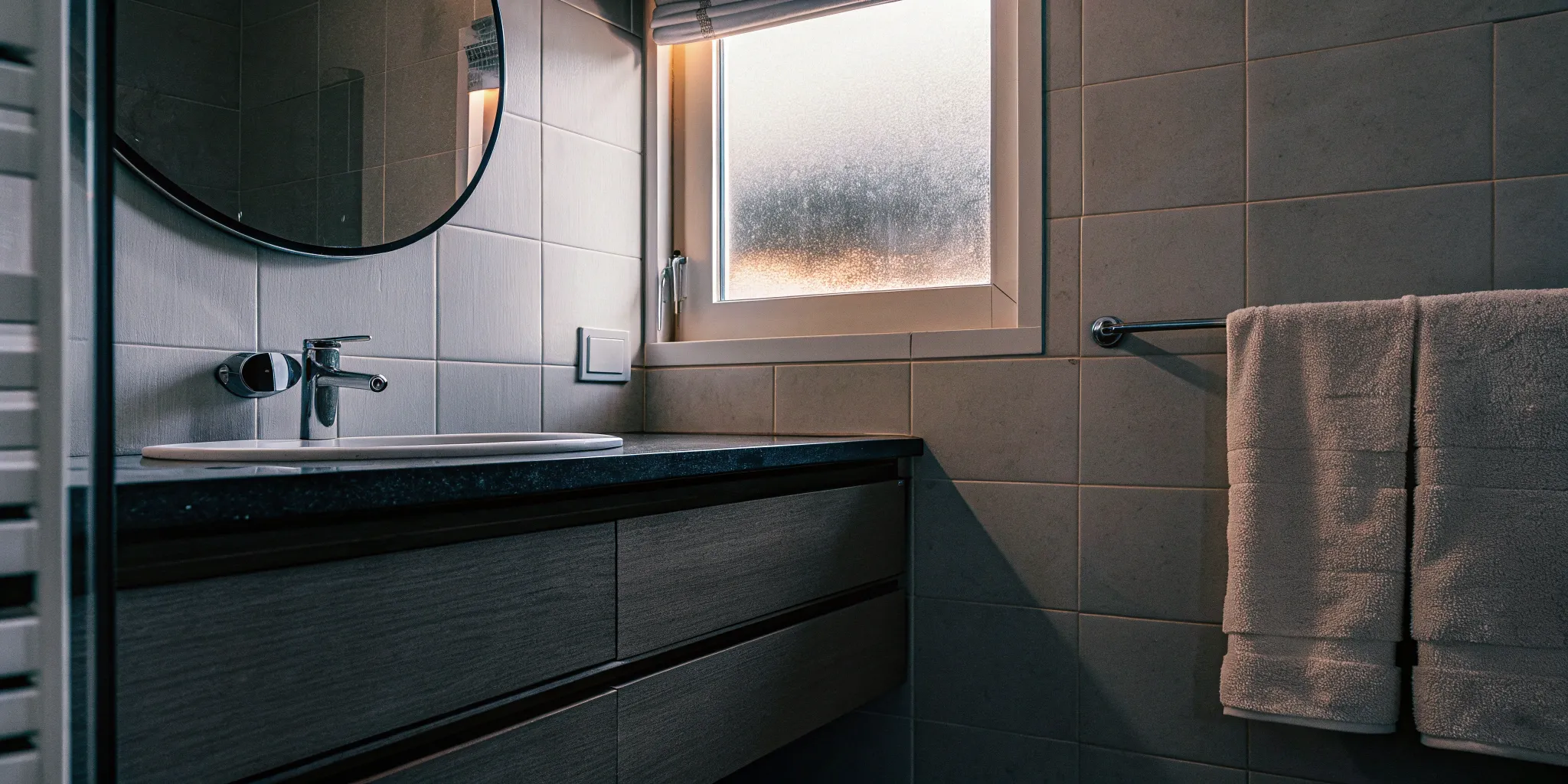
A small bathroom isn’t a limitation; it’s an opportunity. Think of it as a jewel box—a compact space where you can make a big design statement without a massive budget. Because the square footage is limited, you can afford to splurge on that gorgeous tile or high-end faucet you’ve been eyeing. This is your chance to get creative with clever storage solutions, play with light and color, and build a room that is packed with personality and function. A small bathroom remodel is the perfect project to prove that good things truly do come in small packages.
Key Takeaways
- Start with a plan, not just a Pinterest board: Before demolition begins, establish a realistic budget with a 15-20% contingency fund, finalize a functional layout that works for your daily routine, and be honest about which tasks require a professional.
- Use visual tricks to create a sense of space: Make a small bathroom feel larger with a light color palette, a large mirror to reflect light, and space-saving fixtures like a floating vanity that keeps the floor clear and sightlines open.
- Invest in function and durability for long-term value: Prioritize smart storage solutions like vertical shelving to keep clutter at bay, and always choose high-quality, moisture-resistant materials and proper ventilation to protect your remodel from humidity and wear.
Is a Small Bathroom Remodel Worth It?
Thinking about redoing a small bathroom can feel like a big undertaking for a tiny space, but the payoff is huge. A well-planned remodel goes beyond just updating tile and fixtures; it’s about transforming a cramped, frustrating room into a functional and serene part of your home. It’s your chance to fix all those little annoyances, from the lack of counter space to the awkward door swing. A thoughtful renovation can make your daily routine smoother, add significant value to your home, and create a space that feels surprisingly open and organized, proving that good things really do come in small packages.
Increase Your Home’s Resale Value
A bathroom remodel is one of the smartest investments you can make in your home. In a competitive market like Chicagoland, an updated, modern bathroom is a major draw for potential buyers. They’re looking for spaces that are not only beautiful but also move-in ready, clean, and functional. Even a small bathroom renovation can offer a substantial return on your investment by making your home more appealing and increasing its overall market value. It’s a project that pays you back, both in daily enjoyment and in your home’s equity. This kind of update is a key part of a smart home renovations strategy that focuses on high-impact areas.
Understanding the Return on Investment (ROI)
Let’s talk numbers. When you invest in your home, you want to know what you’ll get back, right? The good news is that a bathroom remodeling project offers a solid return. According to industry data, a midrange bathroom remodel can recoup around 66% of its cost when you sell your home. This means that a significant portion of what you spend comes right back to you in the form of increased home value. While a more high-end, upscale remodel sees a lower percentage return, the real value isn’t just in the final sale price. It’s about creating a space you love using every single day. That daily dose of joy and functionality is a return you can’t put a price tag on.
Create a Bathroom That Works for You
Let’s be honest: a poorly designed small bathroom can make your morning routine a hassle. A remodel is your opportunity to fix what isn’t working. Maybe it’s creating a better flow, installing a shower that doesn’t feel like a closet, or simply adding an outlet in a more convenient spot. A professional bathroom remodeling project also addresses critical behind-the-scenes issues. Since bathrooms are high-moisture areas, ensuring adequate ventilation is crucial to prevent mold and protect your home’s structure. By rethinking the layout and upgrading key features, you can create a space that works seamlessly for your daily life, turning a point of frustration into a place of function and comfort.
Solve Your Small Bathroom Storage Problems
The number one complaint about small bathrooms is almost always the lack of storage. Towels, toiletries, and cleaning supplies can quickly create clutter, making the room feel even smaller. A remodel allows you to get creative and reclaim every inch of space. The best way to add storage is to build “up.” Think about wall-mounted vanities that free up floor space, recessed medicine cabinets that hide clutter, and clever shelving above the toilet or door. This is where thoughtful design and build services make a huge difference, helping you find hidden opportunities for storage you never knew you had. With the right plan, you can create a designated spot for everything, making your bathroom feel organized and spacious.
How to Plan Your Small Bathroom Remodel
A successful small bathroom remodel begins long before the first tile is removed. Proper planning is the single most important step to ensure your project stays on track, within budget, and results in a space you love. Taking the time to think through the details now will save you from headaches and unexpected costs later. From setting a realistic budget to deciding who will do the work, this initial phase lays the groundwork for a smooth and stress-free renovation.
How to Set a Realistic Remodel Budget
Before you start pinning your dream vanities, let’s talk numbers. Your budget will guide every decision you make, from the type of flooring you choose to the fixtures you install. A full bathroom remodel can vary significantly in cost depending on the size of your space, the complexity of the layout changes, and the quality of the finishes. It’s wise to research costs in the Chicagoland area and then add a 15-20% contingency fund. This buffer will cover any surprises that might pop up once the walls are opened up, ensuring a small issue doesn’t derail your entire project.
Average Costs for a Small Bathroom
So, what does it actually cost to tackle a small bathroom? Generally, you can expect a project to fall somewhere between $3,000 and $15,000. That’s a wide range because the final price tag depends entirely on the scope of your project. A simple refresh with new paint, a budget-friendly vanity, and updated fixtures will land on the lower end. However, if you’re planning to move plumbing, install custom tile, or add high-end features, your costs will climb toward the higher end of that spectrum. The key is to understand that every choice, from the materials you select to the complexity of the labor, will influence the total investment in your new space.
Cost Breakdown: Low-End, Mid-Range, and High-End Projects
A low-end project is mostly cosmetic, focusing on surface-level updates like paint and new hardware. A mid-range remodel, which is the most common, involves more significant changes like a new vanity, toilet, and tub or shower combination. This level of update offers a great return, often recouping about 66% of its cost at resale. A high-end project pulls out all the stops with luxury materials, custom cabinetry, and potential layout changes. While beautiful, these upscale remodels tend to have a lower return on investment, around 36-40%. You can see examples of what these different levels look like in our project gallery to get a better feel for what fits your vision and budget.
Understanding Labor and Material Costs
Your total budget will be split primarily between two categories: materials and labor. Labor is a significant portion, typically making up 40-60% of the total cost. While it might be tempting to DIY certain tasks to save money, hiring professionals for plumbing, electrical, and tile work is essential to ensure the job is done right and up to code. Material costs are where you have the most control. The price of tile, countertops, and fixtures can vary dramatically, allowing you to splurge on a statement piece while saving on others. Working with an experienced team helps you balance these costs, ensuring you get quality craftsmanship and materials that fit your budget.
Remodel vs. Renovation: What’s the Difference?
It’s helpful to know whether you’re planning a renovation or a full remodel, as the terms mean different things. A renovation involves cosmetic updates to refresh the space without changing the layout. Think new paint, tile, or fixtures. It’s less expensive, faster, and usually doesn’t require permits. A remodel is more intensive and involves changing the structure or layout, like moving a toilet or converting a tub into a walk-in shower. This costs more, takes longer, and almost always requires permits. Understanding the difference helps you communicate your vision clearly and set realistic expectations for your project’s timeline and budget.
Map Out Your Project Timeline
Understanding the sequence of a remodel helps manage your expectations and minimize disruption to your daily life. A typical project involves several phases: design, demolition, plumbing and electrical rough-ins, drywall and tiling, and finally, fixture installation. While it’s tempting to jump right in, creating a clear timeline with your contractor is essential. By taking the time to plan your project properly, you can coordinate material deliveries and ensure every step is completed correctly, setting you up for a successful and low-stress renovation from start to finish.
Should You DIY or Hire a Pro?
The allure of saving money with a DIY remodel is strong, but it’s important to be honest about your skills and available time. While you might be able to handle painting or swapping out a faucet, tasks like plumbing, electrical work, and intricate tile setting are often best left to professionals. A mistake in these areas can lead to costly water damage or safety hazards. Working with an experienced design and build team can feel overwhelming at first, but it ensures the job is done right, on time, and up to code, saving you from potential disasters down the road.
How to Avoid Common Budget Busters
Many remodeling budgets get busted by a few common, avoidable mistakes. One of the biggest is choosing trendy finishes over timeless ones for permanent fixtures, which can date your bathroom quickly. Another is forgetting about ventilation. Since bathrooms are high-moisture areas, a proper fan is crucial to prevent mold and mildew. Finally, don’t skip the planning phase or underestimate costs. A detailed plan is your best defense against scope creep and unexpected expenses. Looking through a project gallery can give you timeless ideas that will look great for years to come.
The Impact of Moving Plumbing
One of the fastest ways to watch your remodel budget expand is by changing the bathroom’s layout. Moving a toilet, sink, or shower seems simple on the surface, but it involves complex and costly work behind the walls and under the floor. The real expense isn’t the fixture itself, but the labor required to re-route supply lines and drains. This can mean opening up walls, cutting into the foundation, or altering floor joists—all tasks that require professional expertise. For this reason, a successful bathroom remodeling project often works with the existing plumbing footprint to keep costs predictable. If a new layout is essential for better function, make sure you discuss the full cost implications with your contractor upfront so it’s built into your initial budget, not a surprise later on.
Design Ideas to Make a Small Bathroom Feel Bigger
A small bathroom doesn’t have to feel cramped. With a few smart design choices, you can create a space that feels open, airy, and much larger than its actual footprint. It’s all about tricking the eye and making every square inch count. Here’s how we approach designing a small bathroom to maximize its potential, turning it into a functional and beautiful retreat.
Find the Perfect Layout for Your Space
The right layout is the foundation of a functional small bathroom. We focus on creating a clear, unobstructed path from the door to the main fixtures. This might mean considering a pocket door to save the floor space a swinging door requires or placing the vanity and toilet on the same wall to streamline the flow. A thoughtful design and build plan ensures everything fits perfectly without feeling crowded, making your daily routine smoother and more enjoyable from the moment you step inside.
Consider a Tub-to-Shower Conversion
If you rarely take baths, that bulky tub might be the biggest space-waster in your bathroom. A tub-to-shower conversion is one of the most effective ways to open up a small room. Replacing a tub with a walk-in shower, especially one with a clear glass door or no door at all, instantly removes a major visual barrier. This makes the entire room feel more spacious and modern. Not only does it provide more elbow room, but a curbless or low-curb shower is also more accessible. A professional conversion ensures the new shower is properly waterproofed and integrated seamlessly into your existing space, transforming it from cramped to comfortable.
Use Corners and Pocket Doors to Save Space
Every inch matters in a small bathroom, and that includes the corners and the space behind the door. Instead of a standard rectangular vanity or shower, consider a corner unit to take advantage of an often-underused area. Even more impactful is replacing a traditional swinging door with a pocket door. A standard door can eat up nearly 10 square feet of usable floor space when it swings open. A pocket door slides neatly into the wall, freeing up that valuable real estate for better storage, a larger vanity, or simply more room to move. These kinds of smart design choices are key to maximizing a compact layout.
When to Consider a “Wet Room” Design
For the tightest of spaces, a “wet room” design can be a game-changer. This approach involves waterproofing the entire bathroom and creating an open, unenclosed shower area. By eliminating the need for a separate shower stall or even a curtain, you create the ultimate open-concept bathroom that feels incredibly spacious. This design is also highly accessible and easy to clean. Because the entire room is designed to handle water, proper drainage and expert waterproofing are absolutely critical to prevent moisture issues. This is a sophisticated solution that requires professional installation to ensure it’s both beautiful and built to last.
Pick Paint Colors That Create Space
Color has a huge impact on how we perceive space. Light and bright color palettes—think soft whites, light grays, and pale blues—are your best friends in a small bathroom. These shades reflect light, making the room feel more open and expansive. Using a similar light color for the walls and tile creates a seamless look that visually pushes the walls back, erasing the room’s tight boundaries. A glossy or semi-gloss finish can amplify this effect by bouncing even more light around the space.
Use Mirrors to Create the Illusion of Space
A large mirror is one of the most effective tools for making a small bathroom feel bigger. Instead of a small, standard mirror, opt for one that stretches across the vanity or even covers an entire wall. Mirrors bounce light around the room and reflect the space, creating a powerful illusion of depth. This simple addition can make the walls seem to disappear, instantly making the room feel less confined. You can see how we’ve used this technique to transform compact spaces in our project gallery.
Choose Fixtures Designed for Small Spaces
Modern fixtures are designed with small spaces in mind. A floating vanity is a fantastic choice because it exposes more floor, making the room feel less cluttered and more open. Similarly, a clear glass shower door is better than a shower curtain, as it doesn’t create a visual barrier. When planning your bathroom remodeling project, consider wall-mounted toilets and slim-profile pedestal sinks to save precious inches while maintaining a sleek, modern look. These choices are both stylish and incredibly practical for tight quarters.
Compact Toilets and Wall-Mounted Faucets
In a small bathroom, every single inch is prime real estate. This is where smart fixture selection becomes a game-changer. Opting for a wall-mounted faucet is a brilliant move because it frees up the entire surface of your vanity, giving you more usable counter space and a clean, minimalist look. Similarly, a compact or wall-mounted toilet can save you several inches of precious floor space, which makes a surprisingly big difference in a tight room. These aren’t just practical choices; they are key elements in creating a modern, uncluttered feel. Thoughtful fixture selection is a core part of any successful design and build strategy, ensuring your new bathroom is as functional as it is beautiful.
Light Your Bathroom for a Brighter, Bigger Feel
Good lighting can completely change the feel of a small bathroom. A single overhead fixture can cast shadows and make a room feel cave-like. Instead, use layered lighting. Combine a central flush-mount light with vanity sconces on either side of the mirror. This provides even, flattering light and eliminates dark corners, making the entire room feel brighter and more welcoming. Choosing shiny fixtures that reflect light or even a lighted vanity mirror can add another layer of brightness, making a huge difference in the overall ambiance.
Small Bathroom Storage Ideas That Actually Work
A small bathroom can quickly feel cramped and chaotic when there’s no designated spot for your daily essentials. The secret to a serene and functional space isn’t about having less stuff; it’s about having smarter storage. Before you start your bathroom remodeling project, take inventory of everything you need to store—from extra towels and toilet paper to your skincare collection. Thinking through your storage needs from the beginning ensures that every design choice contributes to a clutter-free and organized room. With a little creativity, you can create a bathroom that feels both spacious and perfectly equipped to handle your daily routine. The goal is to design a system where everything has a home, making it easy to keep the space tidy and peaceful.
Take Advantage of Vertical Space
When floor space is at a premium, the only way to go is up. Thinking vertically is one of the best ways to add storage without making the room feel smaller. Look for opportunities to use the wall space above the toilet or in an empty corner. A tall, narrow étagère or a set of ladder shelves can hold towels, baskets, and decorative items while drawing the eye upward. This simple shift in perspective opens up a surprising amount of storage potential. By building “up,” you maximize every available inch, keeping your countertops clear and your essentials within easy reach.
Consider Sleek, Built-In Storage
For a truly seamless and high-end look, built-in storage is the perfect solution. Custom options like recessed medicine cabinets or shelves built directly into the wall are fantastic space-savers that don’t protrude into the room. A niche in the shower wall is a game-changer for keeping shampoo and soap organized and off the floor. These integrated features require careful planning, which is where professional design and build services can make all the difference. They can help you identify the best spots for built-ins that blend perfectly with your bathroom’s design, creating a custom, clutter-free environment.
Incorporate Recessed Shelving and Shower Niches
If you want to add storage that feels seamless and high-end, recessed shelving is the answer. A shower niche is the perfect example of this concept in action. It’s a small, built-in shelf that sits inside the shower wall, giving you a designated spot for shampoo and soap. This simple feature eliminates the need for a clunky shower caddy and keeps your shower floor clear, creating a clean, spa-like environment. It’s a small detail that makes a huge difference in the daily function and overall look of a modern bathroom remodel.
This same idea works beautifully outside the shower, too. By using the empty space between wall studs, you can create recessed shelving above the toilet or next to the vanity for towels and toiletries. Because these shelves don’t protrude into the room, they provide valuable storage without taking up any of your limited floor space. Planning for these custom features is a key part of a thoughtful design and build process, turning unused wall cavities into sleek, practical storage that makes your bathroom feel organized and intentionally designed.
Pick Furniture That Does Double Duty
In a small bathroom, every piece of furniture should work hard. Opt for fixtures that serve more than one purpose to get the most out of your space. A vanity with drawers or cabinets offers far more storage than a pedestal sink. If you’re tight on space, a “floating” vanity that mounts to the wall makes the room feel more open by showing more floor. You can also choose a mirrored medicine cabinet that provides hidden storage for toiletries. Even smaller items, like a towel rack with a built-in shelf, can add an extra layer of functionality.
Make the Most of Under-Sink Space
The cabinet under the sink is often a dark hole where bottles and cleaning supplies get lost. Bring order to this chaotic space with simple organizational tools. Use clear stackable drawers, turntables (lazy Susans), or pull-out bins to make everything visible and accessible. Small baskets are perfect for grouping similar items like makeup or first-aid supplies. You can also mount small racks or hooks on the inside of the cabinet doors to hang hair tools or store cleaning brushes. A few smart additions can transform this underutilized area into a powerhouse of organization.
Get Creative with Shelving
Don’t underestimate the power of a few well-placed shelves. Floating shelves are a stylish way to display decorative items or store everyday essentials in pretty containers. They take up minimal visual space, which helps the room feel open and airy. Corner shelves are another great option for turning an awkward nook into a useful storage spot. You can also utilize slim cabinets, hooks, and ledges on the walls to store items without sacrificing floor space. For more ideas on how to integrate smart storage, check out our project gallery for inspiration from past remodels.
How to Choose Materials for Your Small Bathroom
Once you have a layout in mind, it’s time for the fun part: choosing the materials and fixtures that will bring your vision to life. In a small bathroom, these choices do double duty. They need to be beautiful and reflect your personal style, but they also have to be incredibly functional and durable. The right materials can make the room feel larger, brighter, and easier to clean, while the wrong ones can make it feel cramped and require constant upkeep.
This is where quality really matters. A bathroom is a high-moisture, high-traffic area, so every surface—from the floor under your feet to the paint on the walls—needs to be able to withstand daily wear and tear. Think about how different textures and finishes will work together. For example, pairing a glossy tile with a matte-finish vanity can create a sophisticated look with visual interest. As you explore your options, consider both the immediate aesthetic appeal and the long-term performance. A successful bathroom remodel balances style with practicality, ensuring your new space is one you’ll love for years to come.
What’s the Best Flooring for a Small Bathroom?
The floor is the foundation of your bathroom’s design, and in a small space, it can have a huge impact. To make the room feel more expansive, consider using large-format tiles. Fewer grout lines create a less busy, more seamless surface that tricks the eye into seeing a larger area. Materials like porcelain and luxury vinyl tile are excellent choices because they are waterproof, durable, and come in countless styles. You can even find options that convincingly mimic the look of natural stone or hardwood without the high maintenance. For a cohesive feel, try matching the floor tile color to the wall color to blur the lines of the room and make it feel more open.
Decide on Wall Finishes: Paint, Tile, or Wallpaper?
Your walls are your biggest opportunity to make a small bathroom feel bright and airy. Light colors are your best friend here. A crisp white, soft gray, or pale blue will reflect light and push the walls back visually. When choosing paint, opt for a satin or semi-gloss finish, as the subtle sheen will bounce more light around the room than a flat finish. For shower surrounds, large tiles or solid panels work wonders by minimizing grout lines, just like with flooring. This not only looks clean and modern but also means less scrubbing for you. The goal is to create smooth, uninterrupted surfaces that keep the space feeling uncluttered and open.
Using Tile Patterns to Create a Focal Point
Don’t be afraid to make a statement with tile, even in a small bathroom. A bold pattern can act as a stunning focal point, drawing the eye to one area and creating an illusion of depth. Think about using a beautiful mosaic or a striking geometric tile on a single feature wall, like the one behind your vanity or inside the shower. This technique not only adds a ton of personality but also helps to define different zones within the room. By keeping the other surfaces, like the floor, more subdued with large-format tiles, you create a balanced design that feels intentional and spacious. A well-chosen tile pattern is a fantastic way to inject style into your bathroom remodeling project without overwhelming the space.
Find the Right-Sized Toilet, Sink, and Shower
Every fixture you choose should be considered for its footprint. Instead of a bulky, floor-to-ceiling vanity, a floating or wall-mounted one is a game-changer. By lifting the cabinet off the floor, you create an uninterrupted line of sight that makes the entire room feel bigger. If storage isn’t a major concern, a simple pedestal sink offers a classic, airy look. When it comes to toilets, look for compact or round-front models, which take up less space than elongated ones. Even small details, like a wall-mounted faucet, can free up precious counter space and contribute to a cleaner, more streamlined aesthetic. You can see great examples of these fixtures in our project gallery.
Practical Glass Choices for Shower Doors
One of the most impactful changes you can make in a small bathroom is swapping a shower curtain for a glass door. A curtain chops the room in half visually, but a clear glass door keeps the sightlines open, making the entire space feel more expansive. For the most seamless effect, a frameless glass door is the way to go. Without the bulky metal frame, it creates an uninterrupted flow that contributes to a clean, modern aesthetic. This single choice can make a huge difference, turning your shower into a bright, airy feature rather than a dark corner. It’s a key element in any successful bathroom remodeling project designed to maximize space.
Get a High-End Look with Budget-Friendly Materials
Creating a beautiful bathroom doesn’t have to mean choosing the most expensive materials on the market. There are fantastic, high-quality alternatives that can give you a high-end look for less. For example, instead of pricey natural stone tiles like marble or slate, consider porcelain or ceramic tiles. Modern manufacturing techniques allow them to replicate the look of natural stone with incredible accuracy, but they are often more durable and much more affordable. The same goes for countertops; a high-quality laminate or cultured marble can provide a beautiful surface without the cost of quartz or granite. Smart swaps like these allow you to allocate more of your budget to statement pieces, like a unique light fixture or high-quality faucet.
Why Moisture-Resistant Materials Are a Must
A bathroom is the most humid room in your home, and that moisture can cause serious problems if your materials aren’t up to the task. This is a non-negotiable aspect of your remodel. Every single material, from the subfloor to the ceiling paint, must be rated for high-moisture environments. This means using moisture-resistant drywall (often called “green board”), waterproof flooring, and paint formulated with mildew-inhibiting properties. For vanities, choose solid wood or materials like MDF that are properly sealed for bathroom use. Most importantly, don’t forget about ventilation. A high-quality, properly sized exhaust fan is essential for pulling moisture out of the air and protecting your investment from mold, mildew, and water damage.
Add Your Personal Style (Without Breaking the Bank)
A small bathroom is the perfect place to make bold design choices. Because the square footage is limited, you can invest in high-impact features and materials that might be too costly for a larger room. This is your chance to create a jewel box of a space that truly reflects your personality. From a dramatic accent wall to carefully chosen hardware, adding your personal style is about making smart, focused decisions that deliver a custom look. Our design and build services focus on helping you find those opportunities to infuse character into your space, ensuring the final result is both beautiful and uniquely yours. Let’s explore a few ways to make your small bathroom stand out.
Design a Focal Point That Wows
You don’t need to cover every surface in expensive material to make a statement. Instead, create a single focal point that draws the eye and sets the tone for the entire room. An accent wall behind the vanity or in the shower is a fantastic way to do this. Consider using a bold, patterned tile—like a geometric or fish scale design—to add texture and visual interest. A vibrant color or a luxurious wallpaper (designed for bathrooms, of course) can also create a stunning effect. By concentrating your budget on one high-impact area, you get a designer look that feels intentional and sophisticated without the expense of a full-room application.
Upgrade Your Look with New Hardware
Never underestimate the power of the finishing touches. Fixtures and hardware are the jewelry of a bathroom, and upgrading them can completely transform the space. Swapping out a standard chrome faucet for one in matte black, brushed gold, or champagne bronze adds an instant touch of modern elegance. Coordinate your cabinet pulls, towel bars, and shower fixtures for a cohesive look. These small changes make a huge difference in the overall feel of the room, turning a functional space into a stylish one. You can see examples of how curated fixtures complete a design in our project gallery.
Add Personality with DIY Touches
While the core construction is best left to professionals, the final decorative touches are where you can really let your personality shine. Think about adding elements that feel personal to you. This could be a vintage mirror you found at a flea market, a piece of art you love, or a set of handmade shelves for extra storage. Even something as simple as a unique toilet paper holder or a beautiful tray to organize items on your countertop can add character. These details don’t have to be expensive, but they make the space feel curated and thoughtfully put together.
How to Mix and Match Textures and Finishes
A room that uses the same material everywhere can sometimes feel flat. Create depth and interest by mixing different textures and finishes. Pair a smooth, sleek quartz countertop with a rustic wood vanity. Combine glossy subway tile with a matte-finish floor. The contrast between different materials—like stone, wood, metal, and glass—makes a space feel more dynamic and professionally designed. Our bathroom remodeling team can help you find the right balance of materials to create a look that is both cohesive and rich with texture.
Incorporate Little Luxuries That Make a Big Impact
Have you always dreamed of a marble bathroom? In a small space, that dream is more attainable than you think. Because you’re working with less square footage, you can often afford to splurge on a small amount of a luxury material. Consider using a high-end tile for the floor or a beautiful slab of quartzite for the vanity countertop. These premium materials make the entire room feel more special and elevated. It’s a strategic way to get a high-end look and feel, making your small bathroom a truly luxurious retreat.
Adding Comfort with Heated Floors
Heated floors might sound like an over-the-top luxury, but in a small bathroom, they are a surprisingly practical and affordable upgrade. Imagine stepping out of the shower onto a warm, cozy floor on a cold Chicago morning—it’s a small detail that completely changes your daily routine. Beyond pure comfort, radiant floor heating is also incredibly energy-efficient. In a compact space, it can often provide enough gentle, even heat to warm the entire room, potentially lowering your heating bills. Plus, the warmth helps dry out moisture on the floor, which is a huge plus for preventing mold and keeping your new bathroom remodel looking pristine. It’s an investment in both daily comfort and your home’s long-term value.
Tricks to Maximize Light and Space
A small bathroom doesn’t have to feel cramped. The secret to creating an open, airy atmosphere lies in how you handle light and space. By making smart design choices, you can trick the eye into seeing a larger room, making your daily routine feel more relaxed and less cluttered. It’s not about knocking down walls; it’s about using light, color, and reflection to your advantage. From the placement of a window to the finish on your paint, every detail contributes to the overall sense of spaciousness. A well-lit, thoughtfully designed bathroom feels more inviting and functional, no matter its square footage. Let’s explore some practical ways you can transform your small bathroom into a bright and welcoming retreat.
How to Enhance Natural Light
If you have the option, never underestimate the power of a window. Natural light is your best friend in a small bathroom, making the space feel instantly bigger and more cheerful. Blocking or removing a natural light source is one of the most common remodeling mistakes. If your bathroom doesn’t have a window, consider adding one or even a skylight during your renovation. For privacy, you can use frosted or textured glass that lets light stream in without compromising your personal space. This single element can completely change the mood of the room, connecting it to the outdoors and making it feel less confined.
Create Ambiance with Layered Lighting
One overhead light just won’t cut it. To make a small bathroom truly shine, you need a layered lighting plan. This means using multiple light sources to illuminate the room properly and eliminate shadows. Start with ambient lighting, like a central ceiling fixture or recessed lights. Then, add task lighting around the vanity, such as sconces on either side of the mirror or a lighted mirror itself. This ensures you have clear, direct light for grooming. Finally, you can add accent lighting, like a small lamp or strip lights under a floating vanity, to create a warm glow. A thoughtful bathroom remodeling plan always includes a mix of lighting to make the space both functional and inviting.
Where to Place Mirrors for Maximum Impact
Mirrors are a classic tool for creating the illusion of space, and for good reason—they work. A large, well-placed mirror can visually double the size of your bathroom. It reflects both natural and artificial light, bouncing it around the room and making everything feel brighter. Consider installing a mirror that stretches from the vanity to the ceiling or covers an entire wall. If a single large mirror isn’t your style, a collection of smaller, decorative mirrors can achieve a similar effect while adding a personal touch. The key is to place them where they can catch the most light and reflect an open area of the room, not a cluttered corner.
Use Color to Create an Open Feel
The colors you choose have a huge impact on how large your bathroom feels. Light and airy colors are the way to go. Shades of white, soft gray, pale blue, or pastels reflect light and make walls recede, creating a sense of openness. When painting, consider the finish. A semi-gloss or glossy finish will reflect more light than a matte one, further enhancing the brightening effect. You can still incorporate darker colors, but use them as accents. For example, a dark vanity or bold floor tiles can ground the space without making it feel closed in, especially when surrounded by lighter walls and good lighting.
Try These Design Elements to Open Up the Room
Making a small bathroom feel spacious is about more than just one element; it’s about how everything works together. A cohesive design where every choice is intentional will have the biggest impact. Think about how your layout, colors, fixtures, and lighting interact. For instance, a floating vanity opens up floor space, making the room feel less crowded. A glass shower door is better than a shower curtain because it doesn’t create a visual barrier. Our design and build services focus on creating these harmonious spaces where every detail, from the tile choice to the faucet finish, contributes to a functional and beautiful result that feels just right.
Hang Shower Curtains High to Add Height
Here’s one of the simplest and most effective tricks in the book: hang your shower curtain rod as close to the ceiling as you can. This small adjustment works wonders by drawing the eye upward, which instantly creates the illusion of taller walls and a higher ceiling. Instead of chopping the room in half visually, a high-hung curtain creates a long, continuous vertical line that makes the entire space feel more open and less boxed-in. To pull this off, you’ll need an extra-long shower curtain that still reaches the floor. This simple swap can transform the feel of your bathroom, turning a standard shower into a more elegant feature. It’s a classic designer secret that proves thoughtful design choices, no matter how small, can make a huge difference in how you experience your home.
How to Remodel a Small Bathroom on a Budget
A beautiful bathroom remodel doesn’t have to drain your savings. With a bit of strategic planning, you can create a space that looks luxurious while sticking to your budget. It’s all about knowing where to invest your money for the biggest impact and where you can find clever savings. These tips will help you make every dollar count, ensuring you get a high-end result without the high-end price tag. Let’s explore how you can get the bathroom of your dreams for less.
What’s Worth Splurging On?
Even on a tight budget, some elements are worth the investment. Think about the high-touch, high-impact items you interact with daily. This could be a quality vanity, durable flooring, or a stunning shower fixture that you’ll love for years to come. Another smart strategy is to use luxury materials in small, focused areas. For example, choosing a high-end tile for a small shower niche or a backsplash behind the sink can make the entire room feel more special and custom. Take a look at our project gallery to see how small, premium details can transform a space. Investing in these key areas provides that “wow” factor without requiring a huge financial outlay.
Where to Save Money Without Sacrificing Style
To balance out your splurges, you need to identify areas where you can save. Materials are a great place to start. You can find beautiful and durable ceramic or porcelain tiles that offer a similar look to expensive natural stone for a fraction of the cost. For wet areas like the shower, consider using stylish wall panels instead of tiles, which can be quicker and cheaper to install. You can also save by shopping for fixtures during seasonal sales or considering gently used or floor-model vanities. A fresh coat of paint and new hardware can often make a budget-friendly vanity look completely custom, giving you a high-end feel without the expense.
Get the Look for Less with Smart Swaps
Getting a luxe look often comes down to smart material choices, not necessarily expensive ones. Today, there are amazing alternatives that mimic high-end materials beautifully. For instance, luxury vinyl tile can provide the warm look of hardwood or the elegance of marble without the cost or maintenance. Similarly, quartz countertops offer the beauty of natural stone but with greater durability and a lower price point. Choosing the right materials is crucial, as the wrong ones can lead to costly repairs down the road. Opting for timeless bathroom designs and durable finishes ensures your remodel will look great and function perfectly for years to come.
How Can You Reduce Labor Costs?
Labor can be a significant portion of your remodeling budget, but there are ways to manage it. If you’re comfortable with some hands-on work, you might be able to handle certain tasks yourself. For example, carefully removing old fixtures, tearing out tile, or handling the final paint job can save you money. It’s essential to have an open conversation with your contractor about which tasks are safe for you to tackle. However, always leave the complex work like plumbing, electrical, and major structural changes to the professionals. A DIY mistake can be far more expensive to fix than hiring an expert from the start for your bathroom remodeling project.
The Best DIY Projects to Save You Money
Beyond the initial demolition, there are plenty of DIY projects you can take on to add personality and save money. Once the main construction is complete, you can install your own open shelving, hang mirrors and artwork, or assemble flat-pack storage units. Creating a custom gallery wall or painting a unique accent wall are other simple ways to make the space your own without adding to labor costs. The key is to plan your projects properly and know when to call for help. By focusing on these finishing touches, you can contribute to the final look of your bathroom while letting professionals handle the foundational work, ensuring a beautiful and stress-free renovation.
Technical and Accessibility Considerations
A successful bathroom remodel goes deeper than the beautiful tile and shiny fixtures you see on the surface. It’s about making sure the space is safe, functional, and ready to adapt to your needs for years to come. This is where the technical details come into play. Planning for plumbing, electrical, and future accessibility isn’t the most glamorous part of the process, but it’s the foundation of a high-quality renovation. Getting these elements right from the start ensures your new bathroom not only looks great but also works perfectly and supports your lifestyle, preventing costly fixes down the road.
Planning for Electrical and Plumbing Needs
A remodel is the perfect time to fix all the little things that don’t quite work in your current bathroom. Think about your daily routine: Is there an outlet in a convenient spot for your electric toothbrush or hairdryer? Could the lighting be better over the vanity? During the renovation, when the walls are open, it’s relatively simple to move plumbing lines or add new electrical wiring. This is your chance to create a layout that truly works for you. A professional bathroom remodeling team can help you map out these changes, ensuring everything is placed logically and installed safely according to local codes.
Future-Proofing for Aging-in-Place
Thinking about the future might not be top of mind when you’re picking out tile, but designing a bathroom that can adapt as you age is one of the smartest investments you can make. This concept, often called “aging-in-place,” involves making design choices that enhance safety and accessibility for everyone, regardless of age or mobility. Features like wider doorways, comfortable toilet heights, and non-slip flooring can be seamlessly integrated into a stylish design. Planning for these elements during your remodel ensures your home remains a comfortable and safe place for the long haul, giving you peace of mind for years to come.
Installing a Walk-in Shower
One of the most popular and practical upgrades for future-proofing a bathroom is converting a traditional tub into a walk-in shower. Eliminating the high threshold of a tub makes the shower much easier and safer to access. A curbless or zero-entry design creates a completely seamless transition from the bathroom floor into the shower, which is ideal for accessibility and also provides a sleek, modern look. It’s important to know that this type of conversion is a major project that usually requires gutting the bathroom to properly slope the floor and waterproof the entire area, making it a job best handled by an experienced home renovations contractor.
Preparing for Grab Bar Installation
Safety is paramount in a wet environment like a bathroom, and grab bars provide crucial support near the toilet and in the shower. Even if you don’t need them now, the best time to prepare for them is during a remodel. For grab bars to be secure, they must be anchored into solid wood blocking behind the walls. A professional contractor can install this blocking in strategic locations before the drywall and tile go up. This foresight allows you to easily and securely add grab bars in the future without having to tear open your beautifully finished walls, making it a simple and inexpensive step that adds significant long-term value.
Challenges of Remodeling Bathrooms in Older Homes
Remodeling a bathroom in an older Chicagoland home can feel like an archeological dig—you never know what you’ll find when you open up the walls. Homes built decades ago often come with surprises like outdated plumbing, questionable electrical wiring, or hidden water damage from slow leaks. Be prepared for the unexpected, as these issues need to be addressed to bring everything up to modern building codes. This is where working with an experienced general contractor is invaluable. A team that understands the quirks of older homes can anticipate potential problems, handle them efficiently, and keep your project on track, ensuring the final result is not only beautiful but also safe and sound.
Common Small Bathroom Remodel Mistakes to Avoid
A bathroom remodel is an exciting project, but it’s easy to get tripped up by a few common missteps. Knowing what to watch out for ahead of time can save you from headaches, unexpected costs, and a finished space that doesn’t quite hit the mark. By sidestepping these frequent mistakes, you can ensure your project runs smoothly and results in a bathroom you’ll love for years. Let’s walk through some of the biggest pitfalls so you can confidently plan your renovation.
Mistake #1: Not Planning Your Layout
A beautiful bathroom that doesn’t function well is a frustrating space to live with. One of the biggest mistakes is rushing into demolition without a solid plan. Think about how you use the room every day. Does the door swing open and hit the vanity? Is there enough room to comfortably stand at the sink or step out of the shower? A thoughtful layout is the foundation of a successful remodel. A great design and build team will map out every inch to maximize flow and usability, ensuring your new bathroom works as beautifully as it looks.
Mistake #2: Forgetting to Plan for Storage
In a small bathroom, storage is everything. It’s easy to get caught up in choosing tile and fixtures and completely forget where you’ll put your towels and toiletries. As ELLE Decor points out, not thinking through storage can lead to a cluttered and inefficient space. Plan for storage from the very beginning. Consider a vanity with drawers instead of doors, recessed medicine cabinets for a streamlined look, and vertical storage like floating shelves or a tall linen cabinet. Every item should have a designated home to keep your new bathroom feeling serene and organized.
Mistake #3: Setting an Unrealistic Budget
It’s the least fun part of the project, but setting a realistic budget is critical. Many homeowners underestimate the total cost, forgetting to account for labor, permits, and the small things that add up. It’s also wise to set aside a contingency fund—typically 10% to 20% of your total budget—for any unexpected surprises that might pop up once the walls are opened. A detailed quote from a professional contractor can help you understand the true costs and prevent financial strain down the road, making your bathroom remodeling project a positive experience from start to finish.
Mistake #4: Ignoring Important Design Details
While it’s tempting to go all-in on the latest trends, a bathroom is a long-term investment. Choosing a fleeting trend over a timeless design can make your space feel dated in just a few years. Instead, focus on creating a classic foundation with your tile, vanity, and major fixtures. You can always bring in trendy colors and patterns with accessories that are easy and inexpensive to swap out, like towels, shower curtains, and artwork. Take a look at a project gallery to see how timeless materials can create a stunning and lasting look.
Mistake #5: Skipping Proper Ventilation
This is a mistake you can’t see, but you’ll definitely feel its effects later. According to The Spruce, “Since bathrooms are high-moisture environments, adequate ventilation is crucial.” Without a proper exhaust fan, moisture from hot showers can lead to peeling paint, warped cabinetry, and even mold and mildew growth. A quiet, efficient fan that is vented to the outside is a non-negotiable element of any bathroom renovation. It protects your investment and ensures your new bathroom remains a healthy and pleasant space for everyone in your home.
Related Articles
- Remodel a Very Small Bathroom: Ideas & Costs
- Your Guide to the Perfect Master Bathroom Layout
Frequently Asked Questions
How much should I budget for a small bathroom remodel in the Chicagoland area? The cost can vary quite a bit depending on your vision. A simple update with new fixtures and paint will be on the lower end, while a full gut renovation that involves moving plumbing and using high-end tile will cost more. The best first step is to get a detailed quote, but it’s also smart to have a 15-20% contingency fund set aside for any surprises we might find behind the walls.
How long does a typical small bathroom renovation take from start to finish? While every project is unique, a complete small bathroom remodel usually takes about three to five weeks. This timeline accounts for all the essential phases, from demolition and plumbing rough-ins to tiling and the final installation of your beautiful new fixtures. We create a clear schedule from the start so you always know what to expect and can plan your life around the work with minimal disruption.
What’s the single most effective way to make a small bathroom feel larger? If I had to pick just one thing, it would be light. Maximizing both natural and artificial light is the ultimate game-changer. This means keeping any windows unobstructed, using a light and bright color palette to reflect light, and installing a layered lighting plan with fixtures at the vanity and on the ceiling. A large mirror is the perfect partner to this strategy, as it will bounce all that brightness around and create a powerful illusion of depth.
If I have a limited budget, where should I splurge and where can I save? Focus your investment on the items that are difficult to change later and that you interact with daily. This includes quality flooring, a durable vanity, and the shower system. These are the foundational pieces of the room. You can save on elements that are easier to swap out down the road, such as paint color, decorative lighting, cabinet hardware, and accessories like towels and shower curtains.
Do I really need to hire a professional for a small project like this? While it can be tempting to DIY a small bathroom, this is one room where professional expertise is crucial. Any work involving plumbing or electrical systems should always be handled by licensed professionals to avoid costly leaks, water damage, or safety hazards. Hiring an experienced team ensures the job is done correctly, meets all building codes, and gives you a beautiful, long-lasting result without the stress.