
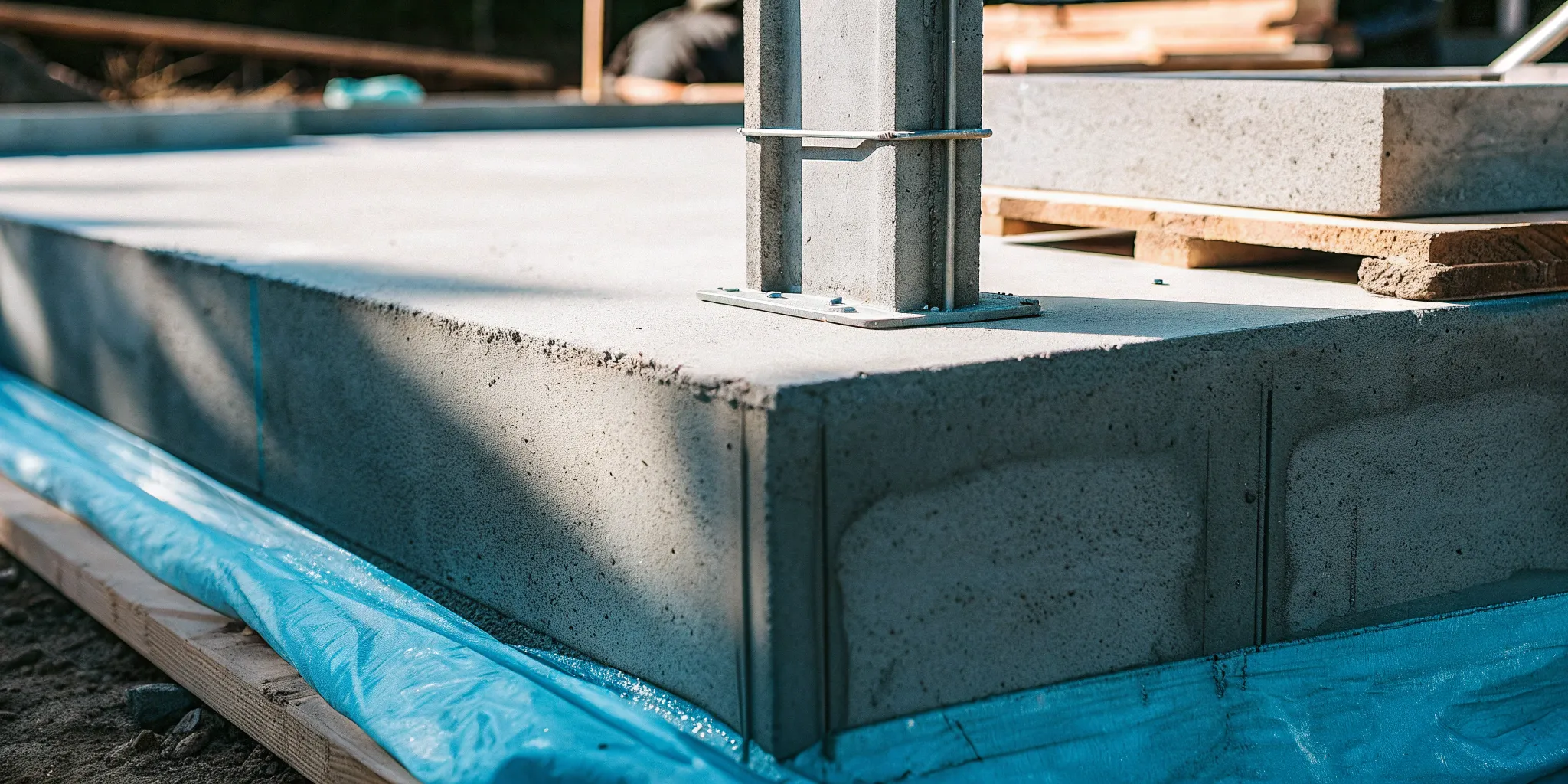
Before you can build up, you have to look down. A second-story addition is a fantastic investment, but it puts immense stress on your home’s existing structure. The single factor determining if your project is even possible is your foundation’s strength. Getting the requirements for a foundation home addition wrong can lead to serious, costly problems. That’s why a professional evaluation is non-negotiable. We’ll demystify the process, explaining everything from load-bearing capacity to soil types, so you have the knowledge to plan your project safely.
Key Takeaways
- Start with a Structural Engineer: Before any plans are drawn, a professional must assess your foundation. This is the only way to confirm your home can handle the new weight, and it’s a required step for securing building permits and ensuring a safe build.
- A Strong Foundation is More Than Just Concrete: An expert evaluation looks at the complete picture, including your foundation’s depth, the type of soil it sits on, and the condition of its materials, to determine its true load-bearing capacity.
- A ‘No’ for a Full Second Story Isn’t the Final Answer: If your foundation can’t support a full second level, you still have great options. Reinforcement can make it stronger, or you can explore alternatives like a partial addition or building out with a single-story expansion.
Can Your Foundation Support a Second Story?
Thinking about building up? A second-story addition can completely transform your home, giving you that much-needed master suite, extra bedrooms, or a dedicated home office. But before you start picking out paint colors, we need to talk about what’s holding your house up: the foundation. Adding a whole new level means adding a significant amount of weight, and your home’s original foundation might not be up for the job.
Figuring this out isn’t a guessing game. It requires a close look at a few key factors to ensure your home remains safe and structurally sound. Understanding these requirements will help you know what to expect when you start the conversation about your home addition project. A proper assessment is the first step in any successful build, making sure your dream expansion is built on a solid, reliable base.
Checking Its Load-Bearing Capacity
First things first, we need to determine if your foundation can handle the extra weight. Every foundation is designed with a specific load-bearing capacity, which is the maximum amount of weight it can safely support. This includes the weight of the house itself, its contents, and even environmental loads like snow. Adding a second story introduces thousands of pounds of new, permanent weight from framing, roofing, and drywall. A professional assessment is the only way to confirm if your current foundation has the strength to support this additional load without risking cracks, settling, or serious structural failure down the road.
Why Foundation Depth and Width Matter
The size of your foundation footings is just as important as their strength. Here in the Chicagoland area, building codes require foundations to be at least 42 inches deep to sit below the frost line. This depth is critical because it prevents the ground underneath from freezing, thawing, and shifting your foundation with the seasons. The width of the footings also matters, as wider footings help distribute the home’s total weight over a larger area of soil. Many older homes were built before these standards were in place, so it’s essential to verify that your foundation’s dimensions meet modern requirements for a two-story structure.
Assessing Your Foundation’s Material Strength
What is your foundation made of? The answer impacts its ability to support a second story. Most foundations are made of poured concrete or concrete blocks, but the quality and condition of these materials can vary. Over time, materials can degrade, and even a well-built foundation can develop cracks or weak spots. During an assessment, a structural engineer will inspect the integrity of the concrete or masonry. They’ll look for any signs of crumbling, water damage, or significant cracking. This step ensures the materials themselves are strong enough to serve as the base for your expanded home as part of a comprehensive design and build service.
How to Tell if Your Foundation is Strong Enough
Before you start picking out paint colors for your new second-story bedroom, you need to confirm that your home’s foundation can handle the extra weight. This isn’t a step you can guess on—it requires a close look at your home’s current condition and a professional evaluation. Understanding what to look for and who to call is the first step in making your home addition dreams a reality. A strong foundation is the literal base for a safe and successful project, ensuring your expanded home remains stable for years to come.
Spotting the Warning Signs of a Weak Foundation
You can start by playing detective around your own home. Look for visible signs of foundation stress, especially in your basement or crawl space. Large, horizontal, or stair-step cracks in the concrete or masonry walls are red flags. While thin, vertical cracks are often due to normal concrete curing, wider or shifting cracks suggest a bigger problem. Other clues include doors and windows that stick or don’t close properly, sloping floors, or moisture issues in the basement. If you spot any of these issues, it doesn’t automatically disqualify your home for an addition, but it does mean a professional inspection is essential before you proceed with any basement remodeling or expansion plans.
What Happens During a Professional Assessment?
This is not a DIY job. The only person qualified to give you a definitive answer about your foundation’s strength is a licensed structural engineer. When you work with a design-build firm, they will bring in an engineer to conduct a thorough assessment. This expert will inspect the existing foundation, analyze its materials and current condition, and review your home’s original blueprints if they’re available. They may also need to analyze soil samples from your property to understand its stability. This assessment is the most critical step in the entire process, as it provides the data needed to design a safe and code-compliant second-story addition.
How Engineers Calculate Foundation Loads
At its core, a foundation’s job is to transfer the weight of your house safely into the ground. This weight is called the “load.” Engineers calculate both the “dead load” (the fixed weight of the structure itself) and the “live load” (the variable weight of furniture, people, and even snow). Adding a second story dramatically increases these loads. The engineer’s calculations will determine if your current foundation and the soil beneath it can support this new weight. Factors like foundation depth and local soil conditions—like the expansive clay common in Chicagoland—play a huge role in this equation. These calculations are a key part of our design and build services and ensure your new addition is built to last.
Which Foundation Types Are Best for a Second Story?
The type of foundation your home sits on plays a huge role in whether you can build up. Some foundations are naturally better suited for the extra weight of a second story, while others will need significant reinforcement. Understanding what you’re working with is the first step in planning a successful home addition. Let’s look at the three most common foundation types you’ll find in the Chicagoland area and see how they stack up. Each has its own set of rules and possibilities, and knowing the difference can save you a lot of time and guesswork down the road.
Strip Foundations: Pros and Cons
If you have a strip foundation, you’re likely in a good position. These are long, continuous “strips” of concrete that run under your home’s load-bearing walls. Think of them as solid, reliable feet for your house. They are a popular choice for two-story homes because they are designed to distribute weight effectively over a large area. They are also relatively straightforward to construct and inspect, which makes them a cost-effective and dependable option. While a structural engineer still needs to confirm its capacity, a well-built strip foundation is often a green light for building upward.
Full Basements: A Solid Base?
For many homeowners in our area, a full basement is great news for a second-story addition. Because a basement requires deep excavation, the foundation walls are already substantial and extend far below the frost line, providing excellent stability. This inherent depth and strength mean the foundation is often robust enough to support the additional load of another floor without major modifications. Of course, an expert assessment is still essential to check the condition of the concrete and footings, but starting with a full basement foundation gives your project a significant head start.
Concrete Slabs: Can They Handle the Weight?
A concrete slab foundation, which is a single layer of concrete poured directly on the ground, typically presents more of a challenge. These are common in homes without a basement or crawl space and usually lack the deep footings needed to support a second level. On its own, a standard slab foundation can’t handle the extra weight. However, that doesn’t mean it’s impossible. A process called underpinning can be used to strengthen it by digging underneath the existing slab and pouring new, deeper concrete footings. This is a complex and often costly job, but it can make a second-story addition possible.
How Soil Conditions Impact Your Foundation Home Addition
The ground beneath your home is just as important as the foundation itself. Different soil types react differently to weight, water, and temperature changes, which directly impacts your foundation’s stability. Before you can even think about adding a second story, you have to understand what you’re building on. In the Chicagoland area, we see a variety of soil conditions, from heavy clay to looser, sandier types.
An unstable ground can cause a foundation to shift, settle unevenly, or crack under the new weight of a second floor. That’s why a thorough soil assessment is a non-negotiable first step in any major home renovation project. A professional will determine the soil’s composition and its ability to bear additional loads. This information dictates everything from how deep your foundation needs to be to whether it requires extra reinforcement. Ignoring the soil is like building a beautiful house on sand—sooner or later, problems will surface.
Building on Clay Soil
If your home is built on clay soil, you’re dealing with a material that acts like a sponge. When it rains, clay expands, and during dry spells, it shrinks and cracks. This constant cycle of expansion and contraction puts a tremendous amount of pressure on your foundation, causing it to heave and settle. To counteract this movement, foundations in clay soil must be dug deeper to reach more stable ground that isn’t as affected by surface moisture. For a home addition, ensuring the foundation is deep enough to handle both the soil’s behavior and the new weight is absolutely critical.
Tips for Sandy and Rocky Soil
Sandy and rocky soils are generally more stable than clay because they don’t hold as much water. However, they present their own set of challenges, especially in a climate with freezing winters. Water in sandy soil can freeze and expand, a process known as frost heave, which can lift and damage a shallow foundation. To prevent this, your foundation must be built below the local frost line—the depth at which the ground doesn’t freeze. This ensures the footings rest on stable, unfrozen ground all year long, providing a solid base for your home’s existing structure and any planned additions.
Why Drainage and Moisture Control Are Crucial
Regardless of your soil type, controlling the water around your foundation is key to its longevity. Poor drainage can lead to water pooling against your foundation walls, creating pressure and potential leaks. Nearby trees can also be a problem, as their roots naturally seek out water and can grow into or under your foundation, causing it to crack or shift. A professional assessment as part of our design and build services will identify potential moisture issues, from improper grading to hidden underground water sources, ensuring your foundation stays dry and stable for years to come.
What to Expect When Reinforcing Your Foundation
Adding a second story is an exciting way to expand your living space, but it all starts from the ground up. Before you can dream about new bedrooms or a home office, we have to talk about your home’s foundation. If it isn’t strong enough to support the extra weight, it will need to be reinforced. This step is crucial for the safety and longevity of your home. Let’s walk through what that involves, from the potential costs to the challenges you might encounter, so you can plan your home addition with confidence.
How Much Does Foundation Reinforcement Cost?
Let’s get straight to the point: what will this cost? Reinforcing a foundation for a second story typically ranges from $5,000 to $20,000. This cost covers the work needed to make your existing foundation stronger. If your foundation already has issues like significant cracks or settling, you’ll need to address those first. Foundation repairs can add another $2,000 to $8,000 to the project. Think of these numbers as a starting point. The final cost depends entirely on your home’s specific needs, which can only be determined after a thorough professional inspection.
What Influences the Final Price?
So, why such a wide price range? The final cost hinges on how much work your foundation actually needs. The core rule is that your foundation must be able to support the massive additional weight of a new level without shifting or failing. A newer home might have been built with a foundation strong enough to begin with, requiring minimal work. Older homes, however, were often built to different standards and are more likely to need significant reinforcement. Our design and build services always begin with a detailed assessment to uncover these factors and create a precise plan.
Common Construction Hurdles You Might Face
The single biggest hurdle to avoid is guesswork. You absolutely cannot take a chance on your foundation’s integrity. This is why the first step is always to bring in a structural engineer. They have the expertise to analyze your foundation, soil conditions, and home structure to determine exactly what’s needed. Trying to cut corners here can lead to disastrous and expensive problems down the road. Imagine discovering your foundation is failing after your new second story is already built. It’s a complicated and costly fix that we help our clients avoid by doing the essential prep work first. It’s a core part of our commitment to quality.
How to Reinforce a Foundation for a Home Addition
If a structural engineer finds your foundation can’t support a second story, it doesn’t mean the project is over. It simply means you’ll need to reinforce what you have. This is a complex job that requires deep expertise, as it involves altering the very base of your home. The right approach depends on your home’s structure, foundation type, and soil conditions. Here are the common methods professionals use to strengthen a foundation for a home addition.
Exploring Underpinning Techniques
Underpinning strengthens a foundation from below. The process involves excavating sections beneath your existing foundation and pouring new, deeper concrete footings to reach more stable soil. This distributes the added weight over a larger area. While effective, underpinning is an expensive and time-consuming process. It also carries risks—if the ground is unsuitable or the original slab was poorly built, it may not be successful. This is why a thorough structural analysis is essential before starting any underpinning work.
When to Add Support Beams and Columns
Sometimes, the best way to handle extra weight is to add new points of support. This often involves installing steel or concrete columns in your basement or crawlspace. These new columns are placed strategically to carry the load from the new floor and transfer it directly to the foundation footings. New support beams might also be added to distribute the weight more evenly. This method is a great solution if your foundation is generally stable but needs reinforcement in specific areas. It can often be integrated into a basement remodeling project.
Using Concrete to Strengthen Your Foundation
Another approach is to add mass to existing concrete structures. One technique is “jacketing,” where a new layer of reinforced concrete is wrapped around foundation walls or columns to make them thicker and stronger. Another option is to widen the existing footings by pouring additional concrete around them. This creates a larger base that spreads the home’s weight over more soil, reducing pressure on the ground below. The right solution depends on the weaknesses identified during the assessment, which is why it’s so important to work with an experienced team that can diagnose the problem correctly.
Why You Need a Professional Assessment
Before you start picking out paint colors or dreaming about your new master suite, there’s a critical first step that can’t be skipped: a professional assessment of your home’s foundation. Adding a second story is one of the most significant home additions you can undertake, and it literally puts a massive amount of new weight on your existing structure. Guessing whether your foundation can handle it isn’t just risky—it’s a recipe for disaster. This is where the experts come in.
A professional assessment isn’t just about getting a “yes” or “no.” It’s about understanding exactly what your home can support and creating a safe, durable plan for expansion. This process involves a team, typically led by an experienced general contractor who works with a structural engineer. They will evaluate everything from your foundation’s current condition to the soil it rests on. This detailed analysis forms the blueprint for your entire project, ensuring it’s built correctly from the ground up. It’s the only way to move forward with confidence, knowing your investment is secure and your family is safe.
What Does a Structural Engineer Do?
Think of a structural engineer as the ultimate authority on your home’s strength. Their job is to determine if your foundation has the muscle to support a second floor. They are the only professionals qualified to make this call. An engineer will conduct a thorough inspection, which may involve examining your home’s original blueprints, analyzing the soil composition around your house, and assessing the condition of the existing foundation. They calculate the new load from the proposed addition and compare it to what your foundation can safely bear. Their final report will give you a clear answer and outline any necessary reinforcements, providing the essential data your design and build team needs to proceed.
Getting the Right Permits and Following Codes
Every construction project has to follow the rules, and adding a second story is no exception. Local municipalities, including those across Chicagoland, have strict building codes to ensure all structures are safe. You can’t get the necessary building permits without proving your foundation is up to the task. A professional assessment provides the required documentation and engineering reports that the permit office needs to see. An experienced contractor will manage this entire process, ensuring that the soil and foundation evaluations meet all local regulations. This step keeps your project compliant and prevents costly delays or legal issues down the road. It’s about doing things the right way from the very beginning.
Consulting Your Local Building Department First
Before you get too far into planning, it’s a smart move to touch base with your local building department. Every town and village in the Chicagoland area has its own specific set of rules and permit requirements for major projects like a second-story addition. A quick call can give you a clear picture of what to expect and save you from headaches later. They can tell you about zoning laws, height restrictions, and the specific documentation you’ll need. While this might sound intimidating, it’s a standard part of the process. An experienced general contractor will handle all the official paperwork and inspections for you, ensuring your home addition is fully compliant with local codes from start to finish.
How to Keep Your Project Safe and Avoid Risks
Ultimately, a professional assessment is about protecting your home and your family. Building on an inadequate foundation can lead to severe structural problems, from major cracks in your walls to catastrophic failure. The truth is, you can’t take chances with your home’s foundation. Fixing these issues after a second story is already built is incredibly difficult and expensive. A thorough inspection identifies potential weaknesses before they become dangerous and costly problems. It gives you a clear path forward, whether that means your foundation is ready to go or requires reinforcement. This initial investment in a professional evaluation provides peace of mind and ensures your expanded home will be a safe, stable, and enjoyable space for years to come.
Planning for a Successful Home Addition Project
Once you’ve confirmed your foundation is ready for the challenge, the real fun begins: planning your new space. But a successful home addition is about more than just framing walls and picking finishes. It’s about creating a space that seamlessly integrates with the rest of your home and serves your family for years to come. Thinking through a few key details now will ensure your new second story is as comfortable and functional as it is beautiful. From mechanical systems to long-term flexibility, smart planning is what transforms a construction project into a true enhancement of your home and lifestyle.
Ensuring Your HVAC System Can Handle the New Space
Adding hundreds of square feet of living space puts new demands on your home’s mechanical systems. It’s crucial to make sure your heating and cooling system can handle the extra space. An undersized HVAC unit will struggle to keep your new rooms comfortable, leading to high energy bills and uneven temperatures throughout your home. As part of the planning for your home addition, your contractor should assess your current system’s capacity. You might need to upgrade to a more powerful unit or consider a separate, zoned system just for the second floor to ensure perfect comfort year-round.
Designing for Future Possibilities
When planning a home addition, it’s smart to think about your long-term needs, not just what you need right now. That extra bedroom might be a nursery today, but could it become a teen hangout or a home office in a few years? Designing with flexibility in mind ensures your investment continues to pay off as your family’s needs change. This forward-thinking approach is a core part of our design and build services. A strong, reinforced foundation gives you peace of mind and flexibility for future home expansions, making sure the base of your home is as ready for the future as your new floor plan is.
Common Mistakes to Avoid with Foundation Work
Adding a second story is an exciting way to gain space without losing your yard, but it’s a major construction project that rests entirely on your home’s existing foundation. Unfortunately, some common missteps can turn your dream addition into a stressful and expensive ordeal. The biggest issues often stem from what you can’t see—the structural support holding everything up. Many homeowners get swept up in the excitement of design—choosing finishes, planning layouts—and overlook the less glamorous but far more critical foundation work. This can lead to a cascade of problems, from project delays and budget overruns to serious structural failures that compromise the safety of your home.
A successful home renovation of this scale depends on meticulous planning and professional expertise. The foundation isn’t just a starting point; it’s the literal bedrock of your investment. Rushing this phase or cutting corners can have long-lasting consequences that are far more expensive to fix later than they would have been to prevent. By understanding the most frequent mistakes homeowners make, you can ensure your project is built on a solid, secure base from the very beginning. Let’s walk through the key areas where things can go wrong and how you can steer clear of them to protect your investment and your peace of mind.
Mistake #1: Skipping the Structural Assessment
It’s easy to get caught up in designing the perfect layout for your new floor, but one of the most critical steps happens before any plans are drawn up. Many homeowners don’t realize the importance of a thorough structural assessment before starting a home addition. Your original foundation was built to support a one-story structure, and adding a second level introduces a massive amount of new weight. A professional structural engineer needs to inspect your foundation, footings, and the soil beneath to confirm they can handle the extra load. Skipping this step is a huge gamble that can lead to serious structural failure down the road.
Mistake #2: Forgetting Permits and Zoning Rules
Navigating building codes can feel overwhelming, but it’s a non-negotiable part of any major renovation. A common mistake is focusing so much on design that you overlook the necessary permits and zoning regulations that can delay or even stop your project cold. Every municipality in the Chicagoland area has specific rules for home additions, especially second-story ones, that dictate height limits, property line setbacks, and structural requirements. Working with an experienced design and build firm ensures all the paperwork is filed correctly and your project is fully compliant, saving you from potential fines and legal headaches.
Mistake #3: Underestimating the Total Cost
Budgeting for a second-story addition is complex, and it’s easy to underestimate the total cost. Many homeowners are surprised by the expenses related to foundation work. If your assessment reveals that the foundation needs reinforcement, this will add a significant amount to your budget. It’s crucial to get a detailed quote from your contractor that accounts for potential foundation upgrades, materials, labor, and permits. A transparent and thorough plan helps prevent financial strain during the project, allowing you to prepare for the full scope of the investment without unexpected and costly surprises.
How to Plan Your Foundation Project Timeline
Adding a second story is an exciting prospect, but it’s a major construction project that starts from the ground up. Understanding the timeline helps you prepare for the process, from initial checks to the final build. A typical foundation project for a home addition is broken down into three main phases: assessment, construction, and coordination. Each step is essential for ensuring your new space is safe, stable, and built to last. While every project is unique, this general timeline gives you a clear picture of what to expect when you decide to build up. It’s easy to get caught up in dreaming about the extra space, but remembering that a strong second story needs an even stronger base is the key to a successful renovation. This planning phase is where a partnership with a trusted builder makes all the difference, as they can guide you through each step and manage the complexities involved.
Step 1: The Assessment Phase
Before any walls go up, your home’s foundation needs a thorough evaluation. This isn’t a step you can skip. The primary goal is to confirm if the existing structure can support the immense weight of a second story. The most important part of this phase is hiring a structural engineer to perform a professional inspection. They are the only ones qualified to determine if your foundation is strong enough. During this assessment, the engineer will examine the foundation’s depth, width, and material condition, as well as the surrounding soil. This initial check is a critical part of our design and build services, as it provides the essential data needed to create a safe and successful project plan.
Step 2: The Construction Phase
If the assessment reveals that your foundation needs strengthening, the project moves into the construction phase. This work must be completed before any framing for the second story can start. A common method for reinforcement is called underpinning, which involves extending the foundation’s depth or breadth to distribute the load over a greater area. This can be a time-consuming and expensive process, with costs for foundation reinforcement often ranging from $5,000 to $20,000 or more, depending on the scope of the work. This phase requires careful excavation and concrete work, highlighting the importance of working with an experienced team that understands the complexities of foundation reinforcement and can execute the job precisely.
Step 3: Coordinating with the Main Build
The foundation work doesn’t happen in a vacuum; it must be perfectly synchronized with the overall home addition plan. Your builder needs to use the information from the structural engineer’s assessment to secure the proper building permits. Local authorities will not approve a second-story addition without proof that the foundation can handle the new load. This coordination ensures that every part of the project, from the ground up, is aligned. A seamless process prevents costly delays and guarantees that your new addition is built on a solid, secure base, integrating flawlessly with the existing structure of your home. This is where clear communication between you, your builder, and the engineer is absolutely vital.
What If Reinforcement Isn’t an Option?
So, you’ve had a structural engineer assess your foundation, and the news isn’t what you hoped for. Reinforcing it is either too expensive or simply not feasible. It’s easy to feel like your dream of more space is slipping away, but don’t get discouraged. This isn’t a dead end; it’s just a detour. When building up is off the table, you still have fantastic alternatives for expanding your home. It’s all about shifting your perspective and exploring creative solutions that work with the home you have. Let’s look at a few paths you can take.
Consider a Partial Second-Story Addition
Sometimes, the issue isn’t that your entire foundation is weak, but that only certain parts can handle more weight. This is where a partial second-story addition comes in. If your existing foundation is deep and strong in one area—say, over the garage or a newer part of the house—it might be a great candidate for a smaller-scale addition. You could add a new primary suite, a home office, or a playroom without needing to overhaul the entire foundation. This approach can be a smart compromise, giving you valuable square footage while working within your home’s structural limits. A detailed professional assessment will show you exactly what’s possible for your home addition.
Explore Single-Story Alternatives
If going up isn’t an option, why not go out? Many homeowners assume that adding a second story is the most cost-effective way to expand, but that’s not always true. A single-story addition can be a more straightforward and sometimes less expensive project. Building out lets you reimagine your ground-floor layout, perhaps by adding a spacious family room, expanding your kitchen, or creating a beautiful sunroom. This approach avoids the major disruption of living in a construction zone that a second-story build can create. You can seamlessly connect your indoor and outdoor living spaces while getting the extra room your family needs.
When to Consider a New Build
In some cases, the foundation problems are so significant that the fix becomes a massive project in itself. Strengthening a foundation, a process called underpinning, is both expensive and time-consuming. If your home needs extensive structural work on top of the addition you want, the costs can start to spiral. When a renovation project begins to feel more like a complete overhaul, it might be time to consider a new build. This is a big step, but if the alternative is pouring money into a failing foundation, starting fresh could give you a better long-term return and the exact home you want. It’s worth discussing all possibilities with your design and build team to weigh the pros and cons.
Related Articles
- The Guide to a Second Story Addition
- Second Story Addition Guide | Planning, Costs & Tips
- Second Story Addition Ranch House: A Complete Guide
Frequently Asked Questions
What’s the absolute first step if I’m considering a second-story addition? Before you spend any time on floor plans or finishes, your first step is to schedule a professional assessment. The only way to know if your project is feasible is to have a structural engineer evaluate your home’s foundation and its ability to carry the immense weight of a new level. A reputable design-build firm can manage this entire process for you, bringing in the right experts from day one.
Can I tell if my foundation is strong enough just by looking at it? While you can certainly spot obvious red flags like large cracks in the basement walls or doors that no longer close properly, these are just surface-level clues. A visual check won’t tell you about the foundation’s depth, the soil’s stability, or the actual load-bearing capacity of the concrete. A definitive answer can only come from a licensed structural engineer who can perform the necessary analysis and calculations.
My house has a full basement. Does that automatically mean I can add a second story? Having a full basement is definitely a good sign, as these foundations are typically deep and robust. However, it isn’t an automatic green light. An engineer still needs to inspect the condition of the concrete walls, confirm the footings are wide enough, and ensure there are no underlying issues. A basement provides a great starting point, but a professional evaluation is still required to confirm it’s ready for the job.
What happens if an engineer says my foundation needs work? Is the project over? Not at all! Finding out your foundation needs reinforcement is actually a very common part of the process, especially with older homes. It just means you’ll need to factor that work into your project’s scope and budget. Methods like underpinning or adding support columns can make your foundation strong enough for the new addition. It’s much better to plan for this work upfront than to discover a problem after construction has already started.
Why is a structural engineer so important? Can’t my contractor just figure it out? Think of it this way: your contractor is the skilled builder who executes the plan, but the structural engineer is the expert who makes sure the plan is safe and sound. They are specialists who analyze forces, loads, and materials to ensure your home won’t suffer structural damage. Their assessment is a non-negotiable step for safety, and their certified report is required to get the building permits you need to even begin the project.
Building a New Foundation for a Ground-Level Addition
If building up isn’t the right move for you, building out with a single-story addition is a fantastic way to get the space you need. But just like a second-story project, a ground-level expansion starts with a solid base. You can’t just extend your walls and roof; you need a brand-new foundation to support the new part of your home. This new foundation must be strong, stable, and properly integrated with your existing structure to prevent issues like cracking and uneven settling down the road. Planning this part of your home addition correctly is essential for a successful build. From choosing the right type to understanding the costs and climate considerations, let’s walk through what it takes to lay the groundwork for your new space.
Foundation Types for Single-Story Additions
When you build a ground-level addition, you’re essentially creating a new piece of your home from scratch, and that starts with choosing the right foundation. The type you select will depend on your budget, your home’s existing structure, and your local climate. The three most common options are a concrete slab, a crawl space, and a post and beam foundation. Each has its own benefits and drawbacks, and the right choice will ensure your new room is stable, comfortable, and seamlessly connected to the rest of your house. Understanding these options is the first step in having a productive conversation with your builder about the best path forward for your project.
Slab Foundations
A slab foundation is a single, thick layer of concrete poured directly onto prepared ground. It’s a popular choice for home additions because it’s generally the most straightforward and cost-effective option. However, it does have its limitations. Since the concrete is poured at ground level, it can be challenging to perfectly match the floor height of your existing home, which might mean having a step down into your new room. Slabs also offer no easy underfloor access for plumbing or electrical lines, so all of that needs to be planned and installed before the concrete is poured. Despite these considerations, a well-built slab provides a durable and solid base for a new room.
Crawl Space Foundations
A crawl space foundation is a great middle-ground option. It involves building short foundation walls that lift the addition’s floor off the ground, creating a small space—the crawl space—underneath. This is a huge advantage for running utilities like plumbing, wiring, and HVAC ducts, as they remain accessible for future maintenance or repairs. A crawl space also helps keep the floors of your addition warmer than a concrete slab would, which is a nice bonus in a cold climate. While it’s more complex and costly to build than a simple slab, the convenience and comfort it offers make it a popular choice for many home renovations.
Post and Beam Foundations
A post and beam foundation, sometimes called a pier foundation, uses a series of posts set into concrete footings to support the addition’s floor structure. This type can be a good solution for sloped lots or areas where extensive excavation isn’t practical. However, it’s often considered an “alternate foundation” by building departments, which means you will almost certainly need a structural engineer to sign off on the design. It’s also crucial to properly insulate the underside of the floor to prevent drafts and cold spots. If not well-insulated, you’ll feel the chill, so spray foam is often recommended to keep the space comfortable.
Estimating the Cost of a New Foundation
Budgeting is a huge part of any home renovation, and the foundation is a significant line item. The cost for a new foundation can vary widely, but it’s an area where you don’t want to cut corners. The final price depends on the size of your addition, the type of foundation you choose, your local labor rates, and the specific conditions of your property. Getting a clear idea of these costs upfront will help you create a realistic budget for your entire project. It’s always a good idea to discuss these figures with your contractor early in the planning process to avoid any surprises down the road.
Average Costs and Per-Square-Foot Estimates
Generally, you can expect to pay between $8,000 and $25,000 for a new foundation for a home addition. To break it down further, the cost often falls somewhere between $5 and $35 per square foot. This wide range reflects the different materials, labor, and complexities involved with each foundation type. For example, a simple concrete slab will be on the lower end of that spectrum, while a full basement foundation would be at the very top. These figures are a helpful starting point, but a detailed quote from a professional is the only way to know the true cost to build a foundation for your specific project.
How Foundation Type Influences Price
The type of foundation you choose is one of the biggest factors driving the cost. A basic concrete slab is typically the most affordable, often costing between $4 and $8 per square foot for a standard pour. A crawl space foundation is the next step up in price, as it requires more excavation, formwork, and materials for the foundation walls. A post and beam foundation can have a variable cost depending on the number of piers and the engineering required. The price for any of these can also increase if you need a stronger, thicker slab or more robust footings to meet specific structural or soil requirements.
Regional Cost Variations
Where you live also plays a big role in how much your foundation will cost. Labor and material prices vary from one region to another, and local climate can add to the expense. Here in the Chicagoland area, as in other cold climates, foundations must be built with deep footings that extend below the frost line to prevent shifting. This requires more excavation and concrete than in warmer parts of the country, which naturally increases the cost. In some areas, a new foundation can cost upwards of $35,000, especially if extensive site work or engineering is needed to deal with challenging soil or weather conditions.
Tips for Managing Your Foundation Budget
To keep your foundation costs in check, start by getting at least three detailed quotes from different qualified contractors. This will give you a clear sense of the fair market price for the work in your area. When you’re planning a larger project, see if you can bundle the foundation work with other services. For example, if you’re also planning a basement remodel or extensive landscaping, your contractor may be able to offer a better price for the combined scope of work. Finally, be clear about your budget from the start. A transparent conversation with your builder allows them to suggest the most cost-effective solutions that still meet your project’s needs.
Key Construction and Design Considerations
Beyond cost and type, there are several important construction details to consider when adding a new foundation. These are the practical elements that ensure your addition not only stands strong but also feels like a natural part of your home. From the step-by-step process of pouring the concrete to making sure your floors line up perfectly, getting these details right is what separates a good build from a great one. This is where the expertise of an experienced design and build team becomes invaluable, as they can manage these complexities and ensure a high-quality result.
The Process for Pouring a New Concrete Slab
Building a concrete foundation is a multi-step process that requires precision. It begins with preparing the site, which involves clearing, leveling, and compacting the ground. Next, workers set up wooden forms to create the mold for the foundation’s shape. A base layer of gravel is added for drainage, followed by reinforcement like steel rebar to give the concrete tensile strength. Finally, the concrete is poured, carefully spread, and finished to create a smooth, level surface. Each step is critical for creating a durable slab that will last for decades, as detailed in this helpful home addition foundation guide.
Matching New and Existing Floor Heights
One of the biggest design challenges with a ground-level addition is ensuring the new floor is level with the existing one. A mismatch can result in an awkward and potentially hazardous step between rooms. This is a particular concern with slab foundations, which can sometimes end up slightly lower than the main house. A skilled contractor will take precise measurements and carefully plan the foundation’s height to create a seamless transition. With a crawl space or post and beam foundation, it’s generally easier to adjust the floor height to achieve a perfect match, but it still requires careful planning during the design phase.
Special Considerations for Post and Beam Construction
If you opt for a post and beam foundation, there are a few unique rules to follow. One of the most important is to never set pressure-treated wood posts directly into the ground or embed them in concrete footings. Even though the wood is treated, direct contact with soil and moisture will cause it to rot over time, compromising the entire foundation. Instead, the posts should be mounted on metal brackets that are anchored into the concrete footings. This keeps the wood elevated and dry, ensuring the long-term stability and safety of your home addition.
How Climate Impacts Your New Foundation
You can’t build a strong foundation without considering your local climate. Here in Chicagoland, we deal with cold, freezing winters, which has a major impact on how foundations must be designed and built. The ground freezes and thaws with the seasons, and this movement can put immense pressure on a foundation, causing it to shift, crack, or heave. A properly constructed foundation is designed to resist these forces, ensuring your home remains stable year-round. From meeting frost depth requirements to keeping your new floors warm, accounting for the climate is a non-negotiable part of building a lasting and comfortable home addition.
Meeting Local Frost Depth Requirements
In cold climates, the ground freezes to a certain depth each winter. This is known as the frost line. If your foundation’s footings are above this line, the moisture in the soil can freeze, expand, and literally lift your foundation—a process called frost heave. To prevent this, building codes require footings to be placed below the frost line. In the Chicagoland area, this depth is typically 42 inches. This ensures the foundation rests on stable, unfrozen ground all year, providing a solid base that won’t be disturbed by seasonal temperature swings. This is a critical safety and structural requirement for any new construction.
Insulating to Prevent Cold Floors
No one wants to step onto an ice-cold floor in the middle of winter. Foundations, especially concrete slabs, can be a major source of heat loss and can make a room feel chilly. To combat this, it’s essential to insulate your new foundation. For a slab, rigid foam insulation is installed around the perimeter and sometimes underneath the entire slab before the concrete is poured. For crawl spaces or post and beam foundations, the underside of the floor should be thoroughly insulated, often with spray foam, to block cold air from rising into the room. Proper insulation makes your addition more comfortable and energy-efficient.
Using Frost-Protected Shallow Footings (FPSF)
An alternative to digging deep footings is a technique called a Frost-Protected Shallow Footing (FPSF). This innovative approach uses strategic insulation to keep the ground under the footings from freezing. By placing rigid foam insulation horizontally in the ground around the foundation, you can raise the frost line near your home, allowing for a much shallower—and therefore less expensive—excavation. An FPSF system must be designed by an engineer to ensure it’s appropriate for your specific site and climate, but it can be a smart, cost-effective solution that still provides the stability your home addition needs.