
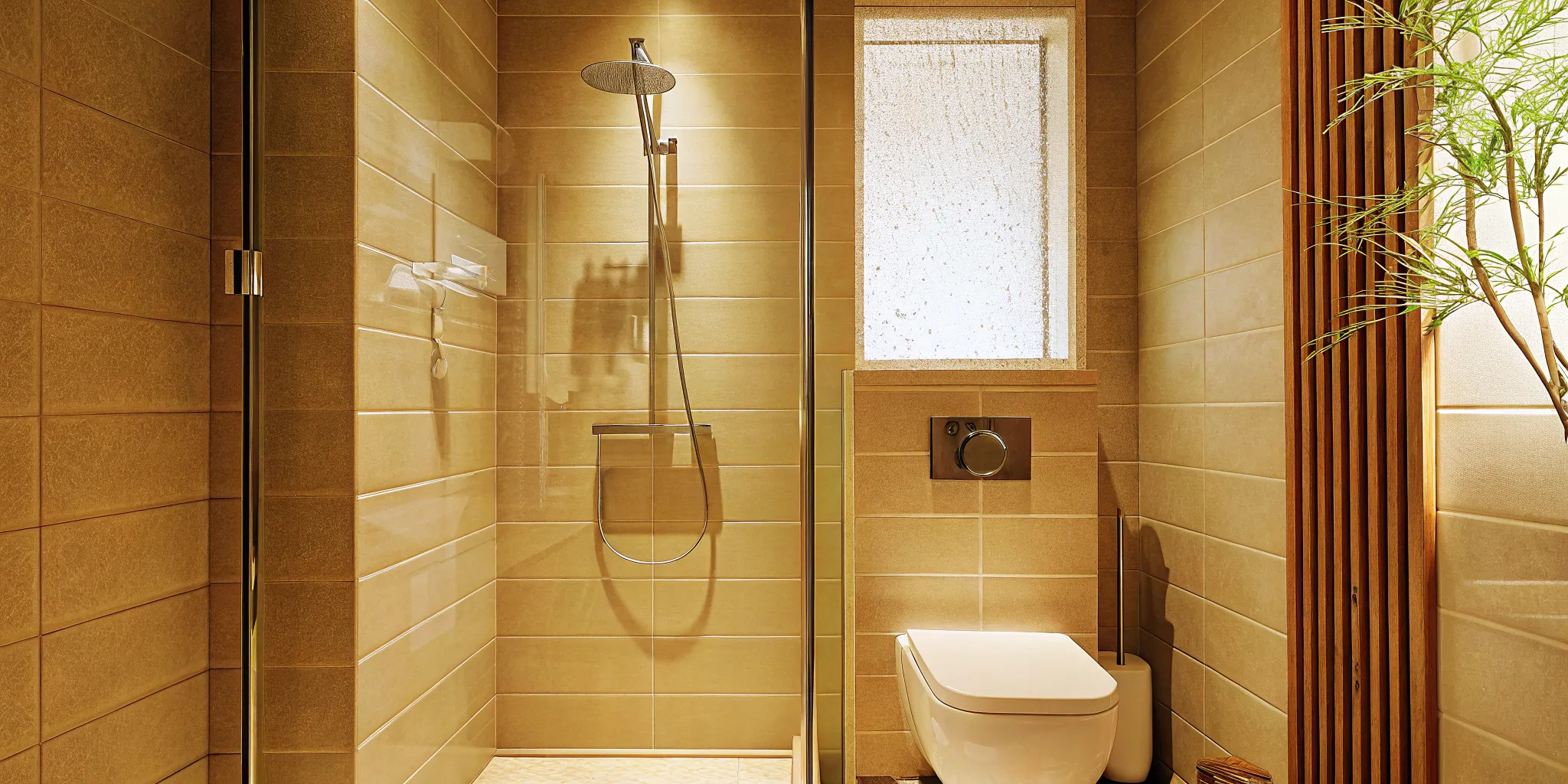
Is your morning routine a smooth start to the day, or an awkward shuffle around poorly placed fixtures? The “flow” of your bathroom has a huge impact on how you feel. A walk-in shower is a fantastic way to create an open, effortless space, but it’s not just about the shower itself. The secret is a smart master bathroom layout with walk in shower that considers clear pathways and intuitive placement. Getting the bathroom floor plan with a walk-in shower right turns your daily rituals into a seamless, pleasant experience.
Key Takeaways
- Start with a Solid Plan for Flow and Function: Before choosing tile, focus on a layout that feels intuitive and works for your daily routine. Getting the technical details right—like proper drainage, ventilation, and waterproofing—is the most critical step for a lasting, problem-free shower.
- Design for Your Real-Life Needs: Think about how you’ll actually use the space every day. Integrate practical features like built-in niches to eliminate clutter, non-slip flooring for safety, and a shower bench for comfort and accessibility.
- Balance Style with Practicality in Your Material Choices: The materials you select define the look and long-term maintenance of your shower. Choose durable, water-resistant finishes for the walls and safe, slip-resistant tiles for the floor to create a space that is both beautiful and easy to care for.
Why Add a Walk-In Shower to Your Master Bath?
Thinking about a master bathroom remodel? A walk-in shower is one of the most popular and impactful upgrades you can make. It’s more than just a place to get clean; it’s a feature that can transform the entire look, feel, and function of your space. From creating a spa-like retreat to improving accessibility, a well-designed walk-in shower adds daily luxury and long-term value to your home. Let’s look at a few reasons why this upgrade is a smart choice for your master suite.
Step In Safely and Easily
One of the most practical benefits of a walk-in shower is how easy it is to use. Traditional tub-and-shower combos require you to step over a high ledge, which can be awkward and even hazardous. A walk-in design, especially a curbless or zero-threshold entry, eliminates that barrier completely. This creates a seamless transition from the bathroom floor into the shower, making it safer for everyone, from kids to older adults. This focus on accessibility doesn’t mean sacrificing style; in fact, these designs are at the forefront of modern bathroom remodeling. Plus, with fewer nooks and crannies than a tub, they are significantly easier to clean.
Achieve a Clean, Modern Look
If you’re aiming for a sleek, contemporary aesthetic, a walk-in shower delivers. By removing the bulky footprint of a traditional tub, you instantly streamline the room’s appearance. Large glass panels, or even an open, doorless design, contribute to a minimalist vibe that feels clean and uncluttered. This style choice is incredibly versatile and can be customized to fit your personal taste, whether you prefer polished chrome fixtures or matte black finishes. The result is a sophisticated, spa-like atmosphere that feels both luxurious and timeless. You can see how these elements come together in our project gallery of completed Chicago-area homes.
Create an Open, Spacious Feel
A walk-in shower is a fantastic way to make your master bathroom feel larger, even if you aren’t changing the square footage. Traditional shower curtains or framed doors create visual barriers that chop up a room and make it feel confined. In contrast, a glass-enclosed walk-in shower allows light to flow freely, creating an illusion of more space. According to designers, there’s a clear trend towards open shower designs that often skip doors entirely to enhance this airy feeling. This design trick works wonders in smaller master baths, but it also adds a sense of grandeur and openness to larger layouts.
Popular and Upcoming Bathroom Design Trends
A great bathroom design feels both current and timeless. It should reflect your personal style while incorporating elements that will look great for years to come. Whether you’re planning a full overhaul or just looking for inspiration, it helps to know what’s popular right now and what’s on the horizon. We’re seeing a wonderful mix of clean, functional designs and warm, personality-filled spaces. Let’s explore the trends that are defining modern bathrooms and get a sneak peek at what’s next.
Current Favorites in Master Bathroom Design
When it comes to master bathrooms, today’s most sought-after designs blend luxury with everyday practicality. Homeowners are looking for spaces that feel like a personal retreat but are also easy to maintain and use. The focus is on clean lines, high-quality materials, and smart features that make daily routines feel a little more special. These trends are popular for a reason—they work beautifully and stand the test of time, creating a solid foundation for any master suite.
The Appeal of Curbless Showers
The curbless, or zero-threshold, shower is a hallmark of contemporary bathroom design. By eliminating the raised edge you have to step over, this style creates a completely seamless transition from the bathroom floor into the shower. This not only offers a sleek, minimalist aesthetic but also greatly improves accessibility and safety. According to a Houzz trend study, curbless designs are a top choice for their modern and open feel. It’s a sophisticated look that makes the entire room feel more spacious and integrated, turning a simple shower into a true walk-in experience.
Popular Colors and Materials
Neutral color palettes continue to dominate master bathroom design, creating a serene and calming atmosphere. Shades of white, gray, beige, and brown are incredibly popular because they provide a versatile and timeless backdrop. These colors make a space feel bright and clean and allow you to easily add personality with towels, art, and accessories. When it comes to materials, natural stone like marble and quartz remain top contenders for countertops and tile, while ceramic and porcelain offer durable and cost-effective alternatives. A professional bathroom remodeling team can help you select materials that fit both your style and your budget.
Vanity and Bathtub Styles
The right vanity and tub can serve as the stunning focal points of your master bathroom. Freestanding tubs are overwhelmingly the preferred choice, acting as a sculptural piece that adds a touch of spa-like luxury. For vanities, functionality is key, which is why double sinks are far more popular than single-sink setups in shared master baths. White remains the most common vanity color, contributing to a bright and airy feel. These classic choices provide a solid foundation for a beautiful and highly functional space, which you can see in the variety of styles in our project gallery.
Emerging Bathroom Trends to Watch
While classic designs are always in style, it’s exciting to see what new ideas are gaining momentum. The next wave of bathroom trends is all about warmth, personality, and texture. We’re moving away from stark, clinical looks and toward spaces that feel more layered, personal, and inviting. These emerging trends focus on rich colors, unique materials, and a blend of old and new that creates a truly custom feel for your home.
From Minimalism to “Newstalgia”
A fascinating trend called “newstalgia” is on the rise, blending the clean lines of modern design with the comfort of vintage styles. It’s about creating a space that feels both fresh and familiar. Think traditional materials like warm wood vanities, classic patterned tiles, or elegant marble countertops used within a contemporary, uncluttered layout. This approach allows you to incorporate timeless elements you love without making the room feel dated. It’s the perfect way to design a space that tells a personal story and feels uniquely yours.
Moody Palettes and Color Drenching
While neutrals will always have their place, many are now embracing deeper, moodier color palettes to create a cozy, sanctuary-like feel. Rich tones like deep burgundy, warm browns, and dark earthy greens are being used to make a bold statement. A popular technique is “color drenching,” where a single color is used across the walls, ceiling, and even the vanity. This creates an immersive, wrapped-in feeling that is both dramatic and incredibly chic. It’s a departure from the all-white bathroom and a move toward spaces with more depth and character.
Textured Tiles and Statement Fixtures
Texture is becoming just as important as color in bathroom design. Homeowners are choosing artisan and handmade-style tiles with rustic textures and subtle imperfections to add visual interest and a tactile quality to walls and floors. This move toward organic surfaces creates a sense of warmth and craftsmanship. Alongside textured tiles, we’re seeing a rise in statement fixtures. Bold metal finishes like aged brass, matte black, and champagne bronze are replacing standard chrome, turning faucets and showerheads into expressive design elements that complete the room’s unique look.
What Makes a Great Walk-In Shower Layout?
A truly fantastic walk-in shower is more than just beautiful tile and a fancy showerhead. The best designs are built on a foundation of smart planning that considers how you actually use the space every single day. When the layout is right, your bathroom feels effortless and intuitive. It’s about creating a space that works for you, not against you. By focusing on a few key elements, you can ensure your new walk-in shower is as functional as it is stunning.
Where Should Your Shower Fixtures Go?
Think about your morning routine. A great bathroom layout should guide you through it seamlessly. The path from the door to the vanity, toilet, and shower should feel natural and clear. When it comes to the shower itself, consider where the controls are placed. A smart layout puts the handles near the entrance of the shower, allowing you to turn on the water and let it warm up without getting sprayed with a cold blast. This small detail makes a huge difference in your daily experience. A well-planned bathroom remodel prioritizes this kind of intuitive flow, making the entire room feel more comfortable and efficient.
Create Clear Wet and Dry Zones
One of the most important principles in bathroom design is creating a clear separation between wet and dry zones. This means keeping the area that gets wet—your shower—contained from dry areas like your vanity, linen closet, or where you place your bathmat and towels. This separation prevents water from splashing all over the floor, reducing slip hazards and making cleanup easier. You can achieve this with a glass panel, a partial wall, or even a curbless design with a proper slope. A professional design and build service will ensure waterproof materials are used where needed and that your shower drains perfectly, protecting your home from moisture damage.
Build In Smart Storage Solutions
Clutter can quickly ruin the clean, open feel of a walk-in shower. Instead of relying on a clunky shower caddy, plan for integrated storage from the start. Built-in shower niches are a popular and elegant solution. They’re recessed into the wall, giving you a perfect spot for shampoo, soap, and other essentials without taking up any elbow room. A built-in bench can also serve as a storage ledge. The goal is to have everything you need within arm’s reach while keeping the shower floor clear and uncluttered. You can find plenty of inspiration for these sleek solutions in our project gallery.
Get the Lighting and Ventilation Right
Great lighting and proper ventilation are non-negotiables for a successful walk-in shower. Good lighting is crucial for safety, helping you see clearly and avoid slips. We recommend installing a waterproof recessed light directly above the shower. For ventilation, a high-quality, properly sized exhaust fan is essential. It pulls moisture and steam out of the air, which is the single best way to prevent the growth of mold and mildew. Placing the fan near the shower ensures it works as efficiently as possible. Together, the right lighting and ventilation will keep your shower safe, clean, and feeling fresh for years to come.
How Big Should Your Walk-In Shower Be?
Deciding on the size of your walk-in shower is one of the most important parts of planning your master bathroom remodel. It’s a balancing act between creating a spacious, spa-like retreat and making sure the rest of your bathroom remains functional. The right dimensions will make your daily routine feel effortless, while the wrong ones can leave the whole room feeling cramped. Let’s break down the key numbers and concepts to help you find that perfect fit.
What Are Standard Master Bathroom Dimensions?
Most master bathrooms in the Chicagoland area fall somewhere between 100 and 200 square feet. This size generally provides enough room for the essentials, like double sinks, a toilet, and often a separate tub and walk-in shower. If your bathroom is in this range, you have a good amount of flexibility. Of course, this is just a common benchmark. Whether your space is larger or a bit cozier, a thoughtful bathroom remodeling plan can make the most of every square inch. The key is to work with the space you have to create a layout that feels both luxurious and practical for your needs.
How Small Can a Walk-In Shower Be?
As a rule of thumb, you’ll want to set aside at least 16 to 20 square feet for your walk-in shower. This gives you enough room to move around comfortably without bumping your elbows. This minimum footprint is a great starting point, but remember to account for any extra features you’re dreaming of. If you want to add a built-in bench for seating or install multiple showerheads for a true spa experience, you’ll need to plan for a larger enclosure. You can see a variety of shower sizes in our project gallery to get a better feel for how different dimensions look in a finished space.
How to Allocate Space for Your Layout
Once you have a shower size in mind, think about how it fits into the bathroom’s overall flow. The best layouts guide you intuitively from one area to the next—from the door to the vanity, then to the shower. You should have clear, unobstructed pathways. The last thing you want is to feel like you’re squeezing past fixtures just to get to the sink. Our design and build services focus on creating these seamless transitions, ensuring there’s plenty of room to move, dry off, and get ready without feeling cramped.
Walk-In Shower Ideas for Small Master Bathrooms
A small master bathroom doesn’t mean you have to sacrifice style or function. In fact, a compact space can inspire some of the most creative and efficient designs. With a smart layout, you can create a walk-in shower that feels luxurious and open, even when square footage is limited. The key is to work with the room’s shape, not against it. Here are a few of our favorite layouts that make the most of a smaller master bath.
Tuck it in a Corner
This is a classic for a reason. A corner shower neatly fits into, well, a corner, using two existing walls to form the enclosure. This approach is incredibly efficient, freeing up valuable floor space for your vanity and toilet. You can choose a simple square design, or a neo-angle shower with an angled front to soften the look and provide a bit more clearance. We’ve even designed corner showers with built-in benches that don’t feel cramped. It’s a practical solution that maximizes every inch of your bathroom remodeling project.
Consider an Alcove or Doorless Design
If your bathroom has a natural nook or alcove, you have the perfect spot for a walk-in shower. Tucked between three walls, an alcove shower often only needs a single glass panel or door to complete the enclosure. For an even more open feel, consider a doorless design. Using a fixed glass panel or a half-wall contains the water while eliminating the need for door-swing space. This simple change can make a small bathroom feel significantly larger and more modern. It’s a sleek look that we love to incorporate into our custom designs.
Go for a Linear Layout
For long, narrow bathrooms, a linear layout is a fantastic choice. This design places the walk-in shower along one of the short walls at the end of the room. By doing this, you create a clean, uninterrupted line that draws the eye forward, making the entire space feel longer and more streamlined. This layout works beautifully in a galley-style bathroom, with the shower at one end and the vanity and toilet arranged along the long walls. It’s an elegant way to create a functional flow in a challenging space, and you can see examples in our project gallery.
Explore Curbless and Wet Room Options
To truly open up a small bathroom, a curbless shower is the way to go. By eliminating the curb or threshold, the flooring flows seamlessly from the dry area into the shower, creating one continuous space. This not only looks incredibly chic and modern but also improves accessibility. You can take this a step further with a full wet room, where the entire bathroom is waterproofed. A simple glass screen can protect the vanity from splashes, but the overall effect is one of expansive, open luxury. These designs require expert waterproofing and drainage, but the stunning result is well worth it.
What Are the Best Materials for a Walk-In Shower?
Choosing the right materials for your walk-in shower is about more than just looks—it’s about creating a space that is durable, safe, and easy to maintain for years to come. The materials you select for the floors, walls, and enclosure will define the shower’s character and functionality. From slip-resistant flooring that keeps you safe to gorgeous wall tiles that make a statement, every choice plays a role in the final result. A successful bathroom remodel balances beauty with practicality, ensuring your new shower is a long-lasting retreat. Let’s walk through the best options for each part of your shower so you can make informed decisions for your project.
Start with Safe, Non-Slip Flooring
Safety should always be top of mind in a wet environment, which makes non-slip flooring a non-negotiable for your walk-in shower. Thankfully, you don’t have to sacrifice style for security. Many beautiful materials offer excellent traction. Smaller tiles, for instance, create more grout lines, which naturally provide more grip. Matte-finish porcelain, ceramic tiles with a textured surface, and honed natural stones are all fantastic choices. When planning your design, you can also add grab bars and a built-in seat for an extra layer of safety and comfort. The goal is to create a space where you can relax completely, knowing it’s as safe as it is stunning.
How to Choose Your Glass Enclosure
The glass enclosure is often the star of a walk-in shower, setting the tone for the entire bathroom. A fully frameless glass door creates a seamless, open look that makes the room feel larger and brighter. If you’re working with a smaller space, you can save space and make the room feel more open by using a single fixed glass panel instead of a swinging door. This minimalist approach contains most of the water while maintaining an airy feel. For added convenience, consider treated glass, which is coated to repel water spots and soap scum, making cleaning much easier. You can see a variety of stunning enclosure options in our project gallery.
Stone vs. Porcelain: Comparing Wall Finishes
The walls of your shower are a canvas for your personal style. Porcelain and ceramic tiles are incredibly popular because they are durable, water-resistant, and come in a nearly endless variety of colors, patterns, and sizes. They are a reliable and often budget-friendly choice. For a touch of luxury, natural stone like marble or travertine offers unique, organic beauty, though it requires periodic sealing to protect it from moisture. Another great option is engineered stone or solid surface panels, which provide a sleek, seamless look with no grout lines to clean. Your final decision will depend on your aesthetic preferences, budget, and how much maintenance you’re comfortable with.
Get the Slope Right for Proper Drainage
Proper drainage is one of the most critical technical aspects of a walk-in shower. Without it, you risk pooling water, leaks, and long-term water damage. The shower floor must be built with a subtle, precise slope that directs every drop of water toward the drain. This is a detail that absolutely must be handled by a professional. You’ll also have a choice of drain types. While traditional center drains are common, modern linear drains offer a sleek, high-end look and can be placed along a wall, simplifying the floor slope. Getting the waterproofing and slope right is fundamental to a successful build, which is why working with an experienced design and build team is so important.
Must-Have Features for Your Walk-In Shower
Once you’ve nailed down the perfect layout for your walk-in shower, it’s time for the fun part: choosing the features that will transform it from a simple shower stall into your personal sanctuary. The right upgrades can add convenience, create a spa-like atmosphere, and make your daily routine feel like a small luxury. These details are what truly personalize your space and turn a functional room into a retreat from the outside world. In modern bathroom remodeling, the focus has shifted from pure utility to creating an experience. Homeowners want a space where they can unwind and recharge.
This is where thoughtful features come in. Think about how you use your shower every day. Are you tired of cluttered bottles? A built-in niche offers a sleek, integrated solution. Do you wish you had a place to sit and relax? A shower bench provides both comfort and a touch of spa-like elegance. The fixtures you choose also play a huge role. Moving beyond a single, standard showerhead to a multi-function system with a rain shower or handheld wand can completely change your daily ritual. And for those who love technology, a smart shower system offers unparalleled control over temperature, flow, and even music. These additions not only enhance your experience but can also add significant value to your home.
Add Built-In Niches and Shelving
Built-in niches are one of my favorite design elements because they are both beautiful and incredibly practical. These recessed shelves are built directly into the shower wall, giving you a sleek, seamless place to store your shampoo, conditioner, and soap. Say goodbye to rusty shower caddies and cluttered ledges! A well-placed niche keeps everything organized and within easy reach, maintaining the clean, open look of your walk-in shower. You can customize the size, shape, and even add a contrasting tile to make it a design feature. Our design and build services can help you plan the perfect integrated storage for your needs.
Include a Shower Bench or Seat
A shower bench is a game-changer, adding a touch of spa-like luxury and practical accessibility to your walk-in shower. It provides a comfortable spot to sit and relax, making tasks like shaving your legs much easier. For those planning to age in place, a bench is an essential safety feature. You can opt for a built-in bench that matches your shower tile for a cohesive look, or a floating bench made of teak or stone for a more modern feel. Even in smaller showers, a fold-down seat can offer the same benefits without taking up permanent space. It’s a simple addition that makes a huge difference in both comfort and convenience.
Pick Quality Fixtures and Multiple Showerheads
The right fixtures can completely define the feel of your shower. Instead of a standard showerhead, why not create a more immersive experience? Imagine starting your day under a gentle rain showerhead, or using a handheld wand for rinsing and cleaning. For the ultimate indulgence, you can even add body jets for a full-body massage. When you plan your renovation, consider a combination of fixtures to give you maximum flexibility. Beyond function, the finish matters, too. Matte black, brushed gold, and polished nickel can all serve as stunning accents that tie your whole bathroom design together. Investing in high-quality fixtures ensures they’ll look great and perform beautifully for years.
Consider a Double Shower for a Luxury Feel
If you have the space, a double shower is the ultimate upgrade for creating a true spa-like retreat in your master bathroom. Imagine two separate showerheads, each with its own controls, allowing you and your partner to shower at the same time without compromising on comfort or water pressure. This isn’t just about convenience; it’s about transforming a daily routine into a shared, luxurious experience. For larger master bathrooms, this has become a highly sought-after feature. A double shower setup can be designed with a variety of fixtures, from gentle rain showerheads to powerful massaging jets, giving each person their own customized shower experience. It’s a feature that adds significant daily luxury and long-term value to your home.
Consider a Smart Shower System
If you love technology, a smart shower system is the ultimate upgrade. These systems allow you to control your shower with a digital panel or even your voice. You can set the precise water temperature before you even step inside—no more chilly surprises! Many systems let you create presets for different family members, controlling everything from temperature to water pressure and which showerheads are active. Some even integrate with waterproof speakers for music and steam functions for a true spa experience at home. A smart system can also help you conserve water by monitoring usage, making it a forward-thinking and eco-friendly choice for your master bathroom.
Use a Pony Wall to Define the Space
A pony wall, or half-wall, is a fantastic design solution when you want to define your shower area without completely closing it off. These shorter walls strike the perfect balance, containing water spray while still allowing light and air to flow freely, which helps maintain that open, spacious feeling. It’s a great way to add a bit of privacy to the shower area without resorting to a full wall or a frosted door. Plus, the top of the pony wall can be capped with a beautiful piece of stone or tile, creating a handy ledge for your shower essentials. This feature is a popular way to define the shower space in a way that feels both intentional and integrated into the overall bathroom design.
Add Decorative Accents and Mirrors
A glass-enclosed walk-in shower is already a great tool for making your bathroom feel larger because it allows light to move through the room. You can amplify this effect by strategically placing a large mirror on the wall opposite the shower. This simple trick will reflect the light and the beautiful tilework, doubling the visual impact and creating a wonderful sense of depth. Inside the shower, don’t forget about decorative accents. A band of contrasting mosaic tile, a uniquely tiled niche, or statement-making fixtures in matte black or brushed gold can add a layer of personality. These are the details that make a space feel truly custom, and you can find plenty of inspiration in our project gallery.
How to Create a Better Bathroom Flow
A beautiful walk-in shower is a great start, but if the rest of the bathroom is awkward to use, you won’t be happy with the result. “Flow” is all about how you move through the space. A well-planned layout feels effortless, making your daily routines smoother and more pleasant. It’s the invisible framework that makes a good design truly great. Thinking through the flow from the start is a key part of our design and build process, ensuring your new master bath is as functional as it is stunning.
Map Out Clear Pathways
Your bathroom layout should guide you naturally through your routine. Think about your path from the moment you enter the room: can you get to the sink, toilet, and shower without any awkward maneuvering? Each step should feel easy. You shouldn’t have to squeeze past a vanity corner to reach a towel or sidestep the toilet to get into the shower. We map out these pathways to ensure there are no bottlenecks. The goal is to create a space where movement is intuitive, whether you’re getting ready in a hurry or winding down for the evening.
Think About Privacy and Sight Lines
What’s the first thing you see when you open the bathroom door? Ideally, it’s a beautiful vanity or your stunning new walk-in shower—not the toilet. Thoughtful design hides the toilet from the immediate line of sight. This can be done by tucking it into a corner, placing it behind a stylish half-wall, or creating a separate water closet with a pocket door if you have the space. This simple change makes the entire room feel more like a serene retreat and less like a purely functional space. It’s a small detail that has a huge impact on the overall ambiance of your master bathroom remodel.
Make Sure You Have Enough Clearance
Having enough room to move is non-negotiable for a comfortable bathroom. It’s crucial to plan for proper clearance around each fixture so you aren’t bumping into things. For example, building codes often require at least 30 inches of clear space in front of a toilet and adequate room on either side. You also need enough room to stand comfortably at the sink and open cabinet doors or drawers without obstruction. This isn’t just about comfort; it’s about safety and usability. A well-proportioned layout is a hallmark of professional work and a major factor in how much you’ll enjoy your new space every day.
Don’t Forget Plumbing and Structural Needs
While picking out beautiful tile and sleek fixtures is the fun part of a bathroom remodel, the elements hidden behind the walls are what truly make your new walk-in shower a lasting success. Getting the plumbing, electrical, and structural details right from the start is non-negotiable. These foundational aspects prevent costly problems like leaks, mold, and water damage down the road, ensuring your beautiful new space is also safe, functional, and built to last. A stunning shower that fails in a few years due to a hidden leak is a nightmare scenario that proper planning can completely avoid.
This is where a professional design and build team becomes your most valuable asset. We handle the technical complexities so you don’t have to. From rerouting pipes to installing proper ventilation and ensuring your floors can support the new layout, a comprehensive plan addresses every detail. Thinking through these needs early in the process saves you from headaches and unexpected expenses, leading to a seamless project and a master bathroom you can enjoy for years to come. It’s about building a space that not only looks incredible on day one but also performs flawlessly for decades.
Why Waterproofing Is Non-Negotiable
Think of waterproofing as your shower’s first line of defense. Before a single tile is laid, a waterproof membrane must be installed behind the walls and under the floor of your shower. This crucial step creates a sealed barrier that stops water from seeping into your home’s structure. Without it, you risk hidden leaks that can lead to wood rot, mold growth, and serious structural damage. Proper waterproofing is essential for maintaining a healthy, durable bathroom environment and protecting your investment. It’s a step that should never be skipped or rushed.
Plan Your Electrical Layout
Great lighting and ventilation are key to a functional and comfortable bathroom. Your electrical plan should include more than just a light over the vanity. Consider adding recessed lighting inside the shower (with a waterproof trim, of course) and task lighting where you’ll need it most. Just as important is an extractor fan. A high-quality fan placed near the shower is vital for removing moisture and smells, which helps prevent the buildup of mold and mildew. Planning for these elements ensures your bathroom is always bright, fresh, and inviting.
Does Your Floor Have Enough Structural Support?
Before you fall in love with heavy stone tiles or a large glass enclosure, it’s important to confirm your bathroom floor can handle the weight. A professional contractor will assess your home’s structure to ensure it can support the new design. It’s also smart to think about your plumbing layout. Whenever possible, try to group wet items like the shower and toilet along a single “wet wall.” This strategy simplifies the plumbing runs, which can save you money on labor and materials while also reducing the potential for future leaks.
Common Walk-In Shower Design Mistakes to Avoid
A walk-in shower can completely transform your master bathroom, but a few design missteps can turn your dream retreat into a daily frustration. While it’s fun to choose beautiful tile and shiny new fixtures, the success of your project really hinges on the planning that happens before demolition begins. From awkward layouts that make your morning routine a hassle to moisture problems that can cause damage down the line, many common issues are completely preventable with a thoughtful approach. This is where experience really counts. A professional design-build team has seen it all and knows how to anticipate challenges you might not even think of. They can help you create a space that not only looks stunning but also functions flawlessly for years to come. A great bathroom remodel is more than just a pretty picture; it’s about creating a room that makes your daily life easier and more enjoyable. Getting these foundational elements right means you won’t have to worry about costly repairs or a space that just doesn’t feel right. Let’s walk through some of the most frequent design mistakes we see and, more importantly, how you can steer clear of them.
Getting the Size and Spacing Right
One of the biggest mistakes we see is inadequate space planning. A poorly planned layout can leave your bathroom feeling cramped and difficult to use. It’s essential to make sure fixtures like the toilet, shower, and vanity are spaced properly to allow for comfortable movement. You need clear pathways and enough room to open doors and drawers without bumping into anything. A successful bathroom remodel accounts for every inch, ensuring the final design feels open and intuitive. Rushing this step can lead to a space that looks good in photos but doesn’t work for your everyday life.
Solving for Ventilation and Drainage
A steamy, spa-like shower is wonderful, but lingering moisture is not. Without proper ventilation, like a high-quality exhaust fan, steam and humidity can lead to mold, mildew, and peeling paint. Equally important is drainage. The shower floor must have a gentle, precise slope so water flows directly to the drain instead of pooling or leaking into the rest of the bathroom. This is a technical detail that requires professional installation to get just right. Proper design and build services will address these critical infrastructure needs from the very beginning, protecting your investment for years to come.
Don’t Overlook Storage and Accessibility
It’s easy to focus on the big picture—like tile and fixtures—and forget about the practical details of storage and accessibility. Where will you put your shampoo, soap, and towels? Built-in niches or floating shelves are great solutions that keep essentials within reach without cluttering your space. It’s also wise to think about the future. Incorporating features like non-slip flooring, a comfortable bench, or strategically placed grab bars can make your shower safer and more comfortable for everyone, including kids or older adults. You can find great inspiration for these features in our project gallery.
Ignoring Potential for Leaks, Mold, and Slips
This is a big one. It’s easy to get swept up in the beauty of a design and overlook the technical details that make it work. But ignoring the potential for water damage, mold growth, and slips can turn your dream shower into a costly nightmare. A successful walk-in shower is built on a foundation of expert craftsmanship that you can’t even see. It’s about what’s happening behind the tile and under the floor. Getting these elements right from the start is the single most important part of any bathroom remodeling project, ensuring your space is not only beautiful but also safe, healthy, and durable for the long haul.
Proper Sealing and Drainage to Prevent Water Damage
Proper drainage is one of the most critical technical aspects of a walk-in shower. The shower floor must be built with a subtle, precise slope that directs every drop of water toward the drain. Without it, you risk pooling water, leaks, and long-term water damage that can rot your home’s structure. This isn’t just about the slope, either. A complete waterproofing system, including a membrane installed behind the walls and under the floor, is essential to create a sealed, watertight enclosure. This is a detail that absolutely must be handled by a professional to ensure it’s done correctly, protecting your home and your investment.
Designing to Prevent Mold and Mildew Growth
A warm, damp shower is the perfect breeding ground for mold and mildew, but a smart design can stop it before it starts. The key is excellent ventilation. A high-quality, properly sized exhaust fan is non-negotiable. It pulls moisture and steam out of the air, which is the best way to keep your bathroom dry and healthy. The fan should be placed as close to the shower as possible for maximum effectiveness. Good lighting also plays a role, as it helps you see clearly and spot any potential issues early. Our design and build services always incorporate a robust ventilation plan to keep your new bathroom feeling fresh and clean.
Choosing Safe Flooring and Keeping It Clean
Safety should always be top of mind in a wet environment, which makes non-slip flooring a non-negotiable for your walk-in shower. Thankfully, you don’t have to sacrifice style for security. Many beautiful materials offer excellent traction. For example, smaller tiles create more grout lines, which naturally provide more grip underfoot. You can also choose porcelain or ceramic tiles with a matte or textured finish. Honed natural stone is another great option that feels luxurious while providing a secure surface. You can see how we blend safety and style in our project gallery, where beautiful, slip-resistant floors are a standard feature.
Related Articles
- 35+ Master Bathroom Remodel Ideas for a Luxury Spa
- 50 Brilliant Small Bathroom Ideas with Shower & Toilet
- Your Guide to the Perfect Master Bathroom Layout
- 25+ Luxury Master Bathroom Ideas for a Dream Spa
- How to Remodel a Small Bathroom: Cost, Layout & Tips
Frequently Asked Questions
Is a walk-in shower more expensive than a standard tub and shower combo? The cost really depends on the scope of your project. A simple walk-in shower using standard materials can be comparable in price to a new tub installation. However, the final cost is shaped by your choices in size, materials, and features. Things like custom tile work, frameless glass doors, multiple showerheads, and built-in benches will naturally increase the budget. The best approach is to think about it as a custom project tailored to your specific space and style.
Can I just replace my old bathtub with a walk-in shower? Yes, this is one of the most common ways homeowners upgrade their bathrooms. Converting an old tub alcove into a walk-in shower is a fantastic way to modernize the space and improve accessibility. The process involves removing the old tub, adjusting the plumbing for the new drain and fixtures, and then building and waterproofing the new shower enclosure. It’s a project that transforms the entire feel of the room.
How do you keep water from splashing everywhere in a doorless shower? A well-designed doorless shower is all about strategic planning. To contain water effectively, the shower needs a generous footprint and a floor that is precisely sloped toward the drain. We also use smart placement for the showerheads, directing the spray away from the entrance. Often, a single fixed glass panel is all that’s needed to shield the rest of the bathroom from splashes while maintaining that open, airy feel.
Will removing my only bathtub hurt my home’s resale value? This is a great question that many homeowners consider. While it’s true that families with young children often look for a home with at least one bathtub, the trend in master bathrooms is shifting. Most buyers today prefer a large, luxurious walk-in shower in the master suite over a tub they rarely use. If you have another full bathroom in the house with a tub, converting your master bath’s tub to a shower is generally a safe and valuable upgrade.
How much maintenance does a walk-in shower require? The amount of cleaning your shower needs comes down to the materials you choose. To make maintenance easier, you can opt for large-format porcelain tiles, which minimize the number of grout lines you have to scrub. Another great choice is a solid surface material for the walls, which eliminates grout entirely. Also, consider investing in treated glass for the enclosure; it’s coated to repel water spots and soap scum, which makes a huge difference.