
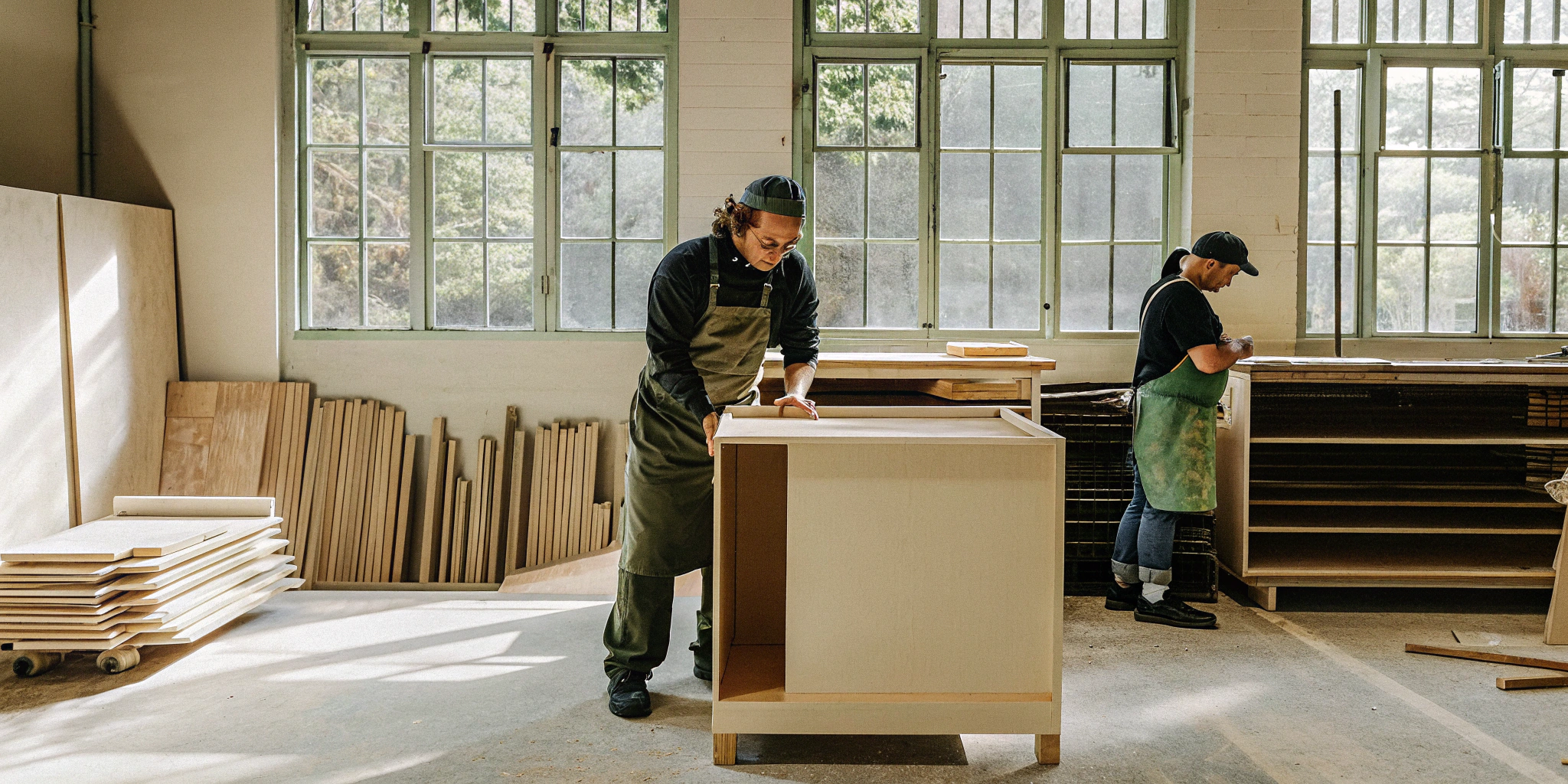
Scrolling through impressive DIY kitchen renovations can make building your own cabinets seem like a straightforward way to save a ton of money. While the potential savings are tempting, it’s crucial to understand the full picture before you head to the lumber yard. The real cost to build cabinets yourself isn’t just about the price of wood; it’s about having the right professional-grade tools, the massive time commitment, and the advanced carpentry skills needed for a flawless finish. A single mistake can be more expensive than hiring a professional in the first place. We’ll explore the real factors at play so you can decide if a DIY approach is truly the right choice for your project.
Getting quotes for a cabinet installation can feel a bit confusing. One contractor might charge by the hour, another by the linear foot, and a third might give you a single flat fee. How do you compare these numbers and know you’re getting a fair price for quality work? It starts with understanding what you’re actually paying for. The labor cost to build cabinets and install them isn’t just for screwing boxes to a wall; it’s for the expertise, precision, and problem-solving that a skilled professional brings to the job. We’ll walk you through the different pricing models and the key factors that shape the final number, so you can feel confident when reviewing your estimates.
Key Takeaways
- Factor in labor as a primary cost: Don’t be surprised when labor makes up 30% to 50% of your total cabinet budget. The price for installation is directly tied to the complexity of your project—custom cabinets and intricate designs require more skill and time, which increases the cost.
- Look beyond the cabinet installation itself: A complete budget accounts for all the necessary steps. Remember to include costs for removing old cabinets, potential plumbing and electrical work, and essential finishing touches like painting and hardware installation.
- Vet your professionals to guarantee a quality result: Don’t just focus on the lowest bid. To ensure your project is done right, get several detailed estimates, ask pointed questions about their process, and make sure you have a clear, written warranty for both the cabinets and the installation work.
Understanding the Full Cost of Kitchen Cabinets
When you start budgeting for new kitchen cabinets, it helps to have a ballpark figure in mind. Nationally, the average cost for custom cabinets hovers around $7,500, but this number can swing quite a bit depending on your choices. Most homeowners find themselves spending somewhere between $3,000 and $13,000 for their project. Of course, for larger kitchens or those featuring premium materials and intricate designs, the investment can easily surpass $30,000. These figures are a great starting point, but remember they are just averages. The final price tag will depend on your specific choices, the scope of the work, and other key factors that influence cabinet pricing.
Project Costs by Kitchen Size
It’s no surprise that the size of your kitchen is one of the biggest drivers of your total cabinet cost. A small galley kitchen will naturally require fewer cabinets than a large, open-concept space with a sprawling center island. Generally, you can expect the total cost to install new kitchen cabinets to fall somewhere between $6,300 and $40,000. The more square footage you have, the more materials and labor are needed, which drives up the price. That’s why a one-size-fits-all estimate is impossible. A professional contractor will need to measure your space precisely to provide an accurate quote for your specific kitchen remodeling project.
Cost Per Linear Foot: A Closer Look
As you gather quotes, you’ll likely hear the term “per linear foot.” This is a standard way to price cabinetry, but what does it actually mean? Simply put, it’s a measurement of one foot of length for your upper and lower cabinets combined. For custom cabinets, you can expect to pay between $500 and $1,200 per linear foot. So, if your kitchen design calls for 20 linear feet of custom cabinetry, you could be looking at a cost of $10,000 to $24,000 for the cabinets alone, before factoring in installation, hardware, and other finishing touches.
Breaking It Down by Cabinet Type
The price per linear foot also changes dramatically based on the type of cabinet you choose. Stock cabinets, which are mass-produced in standard sizes, are the most budget-friendly option, typically running from $170 to $390 per linear foot. Semi-custom cabinets offer more flexibility in size and style, costing between $430 and $820 per linear foot. At the high end are custom cabinets, which are built to your exact specifications. These range from $600 to $1,200 per linear foot and give you complete control over the material, finish, and design. While the upfront cost is higher, custom work ensures a perfect fit and a unique look, which you can see in our project gallery.
Breaking It Down by Material
Finally, the material you select for your cabinet doors and boxes will have a major impact on your budget. More common and accessible materials like MDF, birch, or maple generally cost between $300 and $400 per linear foot. If you’re looking for something with a more distinct grain or color, woods like white oak might run from $400 to $600 per linear foot. Premium hardwoods such as cherry are another step up, costing $500 to $700 per linear foot. For a truly luxurious look, high-end materials like walnut or other exotic woods can start at $700 per linear foot and go up from there. Each material offers a different aesthetic and level of durability, so it’s worth discussing the options with your designer.
How Much Does Cabinet Labor Actually Cost?
When you’re planning a kitchen remodel, the cost of new cabinets is a huge piece of the puzzle. But it’s not just the materials you have to think about—the labor to build and install them is a major factor in your budget. Understanding how contractors price their work can help you feel more prepared and confident as you start gathering quotes for your home renovation. The cost can swing quite a bit depending on who you hire, the complexity of your project, and where you live. Let’s break down what you can generally expect to pay.
Hourly vs. Per-Foot: What’s the Difference?
Contractors usually price cabinet labor in one of two ways: by the hour or by the linear foot. Hourly rates can range anywhere from $50 to $250, depending on the craftsman’s experience and your project’s details. Alternatively, you might see pricing from $50 to $450 per linear foot. A linear foot is just a straight, 12-inch measurement of your cabinet space. This method is common because it gives you a clearer idea of the total cost upfront. The final price within these ranges often comes down to whether you’re installing basic stock cabinets or going for a fully custom design.
What’s the National Average for Cabinet Labor?
As a rule of thumb, you can expect labor to make up about 30% to 50% of your total cabinet project cost. It’s a significant slice of the budget! Here in Chicagoland, those numbers look a little different. Local labor rates are typically between $60 and $100 per hour, and costs can be about 10-15% higher than the national average. This is due to our area’s labor market and the logistics of getting materials into the city. For a standard kitchen remodeling project, that often puts total installation costs somewhere between $1,500 and $3,000, before you even factor in the cabinets themselves.
How Cabinet Style Impacts Your Installation Bill
The type of cabinets you choose for your kitchen is one of the biggest factors influencing your project’s labor costs. It’s not just about the price of the cabinets themselves; the complexity of the installation plays a huge role in the final number on your invoice. A straightforward installation of pre-made cabinets will take a lot less time and specialized skill than fitting handcrafted, custom pieces. Think of it this way: the more tailored the solution, the more time and expertise are needed to get it just right. Understanding these differences from the start can help you align your vision with your budget. Let’s break down how labor costs stack up for the three main categories: stock, semi-custom, and custom cabinets.
Labor Costs for Stock Cabinets
Stock cabinets are your most straightforward and budget-friendly option. Because they are mass-produced in standard sizes and are ready to install, the process is much faster. Think of them as the “off-the-rack” choice for your kitchen. This efficiency significantly cuts down on labor hours, making them a great pick if you’re working with a tighter budget or timeline. While they offer fewer customization options, a skilled team can make stock cabinets look seamless and high-end. Our kitchen remodeling services often incorporate stock cabinets into beautiful, functional designs that don’t break the bank.
Labor Costs for Semi-Custom Cabinets
If you want more personality than stock cabinets can offer but aren’t ready for a fully custom project, semi-custom cabinets are the perfect middle ground. They provide a wider range of sizes, finishes, and styles, allowing for a more personalized look without starting from scratch. This added flexibility means installation can be a bit more involved. Your contractor will need to spend more time ensuring a perfect fit and integrating the unique elements, which translates to slightly higher labor costs. However, this investment gives you a kitchen that feels more tailored to your taste and needs, striking a great balance between cost and customization.
The Price Tag on Custom Craftsmanship
For a kitchen that is uniquely yours, custom cabinets are the ultimate choice. Designed and built to your exact specifications, they fit your space perfectly and reflect your personal style down to the last detail. This level of craftsmanship requires highly skilled carpenters and a meticulous installation process, making it the most labor-intensive option. In the Chicago area, specialized labor for custom cabinetry can range from $60 to $100 per hour due to the expertise required for intricate work. When you choose custom, you’re investing in bespoke quality and a one-of-a-kind result, which is a cornerstone of our design and build services.
What Factors Influence Cabinet Labor Costs?
When you start budgeting for a kitchen remodel, it’s easy to focus on the price tags of the cabinets themselves. But the labor—the skilled work of installing them perfectly—is a huge piece of the puzzle. The cost for this work isn’t a simple flat rate; it changes based on the specifics of your project. Think of it like this: installing a few basic boxes in a straight line is a much different job than fitting intricate, custom-built units into a kitchen with unique angles and features.
Understanding what drives these costs up or down is the key to creating a realistic budget and avoiding surprises. Several key factors come into play, from the style of cabinets you fall in love with to the very layout of your room. Each choice you make has a ripple effect on the time and skill required from your installation team. By getting familiar with these variables, you can make informed decisions that balance your dream design with your financial plan. It also helps you understand exactly what you’re paying for when you review a contractor’s estimate. Let’s walk through the main factors that will shape the labor costs for your new cabinets.
Simple vs. Complex: How Design Impacts Cost
The more detailed and unique your cabinet design is, the more time and expertise it takes to install. A straightforward run of stock cabinets is relatively simple, but if your vision includes custom features like crown molding, decorative trim, glass-front doors, or a complex island, the labor costs will reflect that intricacy. These elements require precise cuts, careful alignment, and a higher level of craftsmanship to get just right. Our design and build services team works with homeowners to create stunning, functional kitchens, and we know firsthand that bringing a complex design to life requires meticulous attention to detail from our installers.
How Cabinet Materials Influence Labor Costs
The type of material your cabinets are made from also plays a role in the installation cost. Heavy, dense woods or high-end custom finishes can be more challenging to work with than standard particleboard or MDF. They might require specialized tools or extra care to prevent scratches and dings during installation. For example, installing cabinets with a delicate, high-gloss finish demands more precision than working with a durable laminate. Choosing simpler door styles and limiting the number of specialty cabinets, like those with glass inserts, can help keep labor costs more manageable while still achieving a beautiful kitchen remodel.
Does Kitchen Size and Layout Change the Price?
It makes sense that the bigger your kitchen, the more cabinets you’ll need—and the more labor it will take to install them. A large kitchen with both upper and lower cabinets, plus a pantry and an island, is a much bigger job than a small galley kitchen. But it’s not just about square footage. The layout matters, too. A kitchen with lots of corners, soffits, or uneven walls requires more complex cuts and adjustments, which adds to the installation time. You can see a variety of layouts in our project gallery, and each one presented its own unique installation requirements.
Why Local Labor Rates Are a Major Factor
Where you live has a direct impact on labor costs, and here in Chicagoland, rates tend to be higher than the national average. This is due to a combination of factors, including a higher cost of living for skilled tradespeople and logistical challenges that can come with working in a dense urban area. Because of this, it’s important to budget accordingly and not rely on national cost estimators, which may not capture the nuances of our local market. The best way to get an accurate picture of what your project will cost is to get in touch with a local, reputable contractor who can provide a detailed estimate based on your specific needs.
How Do Contractors Price Cabinet Labor?
When you start getting quotes for your cabinet project, you’ll notice that not all contractors price their labor the same way. Understanding the different pricing models is key to comparing bids accurately and finding the right partner for your renovation. Most professionals use one of three common methods: charging by the hour, by the linear foot, or with a flat project fee. Each has its own logic, and the best one often depends on the scope and complexity of your specific project. Let’s break down what each of these looks like so you know exactly what to expect.
The Pros and Cons of Paying by the Hour
Some contractors charge an hourly rate for their work, which typically falls between $60 and $100 per hour. This approach is common for smaller jobs or projects where the full scope isn’t clear from the start. For example, if you’re dealing with tricky corners or uneven walls, an hourly rate allows the installer the flexibility to take the time needed to get it right. While this method is straightforward, it can make the final cost a bit unpredictable. To avoid surprises, always ask for an estimated number of hours your project will take before the work begins.
The Pros and Cons of Per-Foot Pricing
Another popular method is pricing by the linear foot. This is exactly what it sounds like: the contractor charges a set amount for each foot of cabinetry they install. Costs can range widely, from $100 to over $1,200 per linear foot, depending on the complexity of the cabinets and your location. This pricing structure is often used for more standard kitchen remodeling projects with straightforward layouts because it’s easy to measure and calculate. It gives you a clear, upfront cost based on the size of your kitchen, making it simpler to compare quotes from different professionals.
The Pros and Cons of a Flat Project Fee
Many homeowners prefer a flat project fee because it offers the most predictability. With this model, your contractor gives you a single, all-inclusive price for the entire cabinet installation. This fee is based on their assessment of the project’s scope, including the design complexity, materials, and estimated time. Labor often accounts for a significant portion of this fee, sometimes around 60% of the total project budget. This approach is ideal for larger renovations and comprehensive design and build services, as it bundles everything into one number, helping you budget with confidence and avoid unexpected costs down the line.
What Other Labor Costs Should You Budget For?
When you’re planning a kitchen remodel, the cost of building and installing the cabinets is a major line item. But it’s rarely the only labor cost involved. To create a truly accurate budget and avoid any last-minute surprises, you need to account for the other tasks that come with a full cabinet replacement. These related jobs are essential for a seamless and professional installation. A full-service design and build team will factor these into your overall project plan, but it’s smart for you to understand what they are and why they’re necessary. From tearing out the old to adding the final hardware, let’s look at the other potential labor costs that can come up during your project.
The Cost of Cabinet Removal and Disposal
Before your beautiful new cabinets can go in, the old ones have to come out. This isn’t just a matter of unscrewing them from the wall. It requires careful work to avoid damaging your walls, floors, and countertops (if you’re keeping them). The process involves disconnecting any plumbing or electrical fixtures, prying the cabinets away, and hauling them off-site. The cost for professional removal and disposal typically runs between $300 and $500. While it might seem like a simple task, hiring a pro ensures it’s done safely and efficiently, giving you a clean slate for your new kitchen.
Will You Need Plumbing or Electrical Work?
Are you dreaming of moving your sink to a new kitchen island or adding sleek under-cabinet lighting? Changes like these often require professional plumbing and electrical work. If your new cabinet layout is different from your old one, you’ll likely need a licensed plumber or electrician to move pipes, drains, outlets, or wiring. This is a critical step for both functionality and safety. These adjustments are not the place to cut corners, as improper work can lead to major issues down the road. It’s always best to have these tasks handled by qualified experts who are part of your remodeling team.
Factoring in Design Fees and Permits
A major kitchen overhaul, especially one that involves moving walls or altering plumbing and electrical systems, often requires a permit from your local municipality. This ensures the work meets safety and building codes. The cost for permits can range from $50 to $500, depending on the scope of your project. Additionally, you might consider hiring a designer to help you create the perfect layout. While this adds an upfront cost, a professional design can save you money by preventing mistakes and making the most of your space. An experienced contractor can guide you through the permitting process and help coordinate the design.
The Final Touches: Finishing and Hardware Installation
The work isn’t over once the cabinet boxes are on the wall. The finishing touches are what truly bring your vision to life. This includes painting, staining, or sealing your new cabinets, which can add $1,000 to $3,000 to your budget depending on the size of your kitchen and the finish you choose. This step protects the wood and gives your cabinets their final look. After that comes the hardware installation—the knobs, pulls, and handles that complete the style. This detailed work requires precision to ensure every piece is perfectly aligned. You can see examples of beautifully finished projects in our project gallery.
Don’t Forget These Additional Expenses
Beyond the big-ticket items, a successful kitchen remodel budget accounts for all the smaller costs that can add up. It’s easy to get focused on the price of the cabinets and the main installation fee, but things like delivery charges, sales tax, and custom add-ons can impact your bottom line. Thinking through these details ahead of time helps you create a more complete financial picture. This way, you can avoid that sinking feeling of unexpected bills and stay in control of your spending from start to finish, ensuring your project is as stress-free as possible.
Add-ons and Custom Features
If your dream kitchen includes special touches, remember that they affect both material and labor costs. The more detailed and unique your cabinet design is, the more time and expertise it takes to install. A straightforward run of stock cabinets is one thing, but a vision that includes crown molding, decorative trim, glass-front doors, or a complex island requires a higher level of craftsmanship. These features are what give a kitchen its character and custom feel, but the intricate work involved means the labor costs will reflect that complexity. When you request an estimate, be sure to detail every feature you want so your quote is as accurate as possible.
Delivery Fees, Sales Tax, and Hidden Costs
When you start budgeting for a kitchen remodel, it’s easy to focus on the price tags of the cabinets themselves. But the skilled work of installing them perfectly is just one piece of the puzzle. Don’t forget to account for practical costs like delivery fees for your cabinets and materials, as well as sales tax, which can add a significant amount to your total. It’s also wise to set aside a contingency fund—typically 10% to 15% of your total budget—for any surprises that might pop up once the old cabinets are removed, like hidden plumbing or electrical issues that need attention.
Budgeting for a General Contractor
Hiring a general contractor for your kitchen remodel is an investment in a smooth, well-managed project. Instead of you having to juggle multiple tradespeople, your contractor handles everything from scheduling the plumber and electrician to ensuring all work meets building codes. This comprehensive oversight is typically covered by a project management fee, which is part of the overall cost. Labor often accounts for a significant portion of this fee, sometimes around 60% of the total project budget. While it might seem like an added expense, a great contractor saves you time, prevents costly mistakes, and provides peace of mind, which is a core part of our commitment to our clients.
Does Your Location Affect Labor Costs?
Yes, where you live plays a significant role in what you’ll pay for cabinet labor. Think of it like any other service—the price reflects the local economy. Factors like the cost of living, regional demand for skilled tradespeople, and even local business operating costs all get baked into the final price. A contractor working in a major metropolitan area has different overhead expenses for things like insurance, transportation, and permits than one in a smaller town. This is why you can see such a wide range in national averages.
A project in a bustling city will almost always have a higher labor cost than the exact same project in a more rural or suburban setting. For homeowners in the Chicagoland area, this means you can expect to see rates that reflect a major city’s market. Understanding these regional differences is the first step in creating a realistic budget for your kitchen remodeling project and helps you compare quotes from local professionals with the right context. It’s not just about the work; it’s about where the work is being done. So when you start gathering estimates, remember that a quote from a Chicago-based contractor will naturally look different from one in a less populated area.
A Look at Costs: Northeast vs. Southeast
Generally, you’ll find that labor costs in the Northeast are higher than in the Southeast. This is largely driven by a higher cost of living and greater demand for skilled labor in densely populated areas. For example, in cities like Chicago, labor costs can be 10-15% higher than the national average, influenced by local wages and even logistical challenges like delivery in a busy city. This trend holds true for many major Northeastern cities where the economic climate pushes overall expenses up. In contrast, the Southeast often offers more moderate labor rates, making it a more affordable region for similar home projects.
What to Expect in the Midwest
Focusing on the Midwest, and specifically Chicago, gives us a clearer picture. Here, homeowners can expect to pay between $60 and $100 per hour for a skilled cabinet installer. For a standard installation, this often translates to a total labor cost of $1,500 to $3,000. Of course, this is just a baseline. The final price for your cabinet installation will depend heavily on the complexity of your project. Intricate designs, custom fittings, or challenging layouts will naturally require more time and expertise, pushing the cost toward the higher end of that range.
How West Coast Pricing Compares
The West Coast follows a similar pattern of higher labor costs, especially in its major cities. The principles are the same: higher living expenses and strong demand for construction services lead to higher prices for homeowners. To put it in perspective, it’s not uncommon for homeowners in high-cost areas to spend anywhere from $3,000 to $15,000 on cabinet installation alone. This wide range again highlights how much the project’s scope and complexity influence the final price. No matter the region, getting a detailed quote based on your specific design is the only way to know for sure what your labor costs will be.
3 Common Myths About Cabinet Labor Costs, Busted
When you’re planning a cabinet project, it’s easy to get tangled up in misconceptions about the costs, especially when it comes to labor. Believing these myths can throw your budget off track and lead to some frustrating surprises. Let’s clear the air and look at what really goes into the labor costs for your new cabinets, so you can plan with confidence.
Myth #1: Labor Is Just a Small Part of the Budget
It’s a common assumption that the cabinets themselves will be the biggest line item on your invoice, with labor being a smaller, secondary cost. In reality, labor is a major part of the investment. The skill, precision, and time required to build and install cabinets correctly are substantial. According to project budget breakdowns, labor often makes up 30% to 50% of the total project cost. This percentage covers the expertise of the craftspeople who ensure every cabinet is level, every door is perfectly aligned, and every piece of trim is flawlessly fitted. It’s this attention to detail that creates a high-end, durable result.
Myth #2: You’ll Always Save Money Doing It Yourself
Tackling cabinet installation yourself seems like a straightforward way to save money, but it often comes with hidden expenses. Unless you have solid carpentry skills and the right professional tools, you risk making costly mistakes. A mis-cut panel or an improperly secured cabinet can damage your new cabinets or even your walls, completely wiping out any potential savings. Beyond the financial risk, consider the time commitment. A project that takes a professional team a few days could take you weeks of evenings and weekends. Hiring an experienced team like ours for your kitchen remodeling project ensures the job is done efficiently and correctly the first time.
Myth #3: The Lowest Bid Is Always the Best Deal
When you’re collecting quotes, the lowest number can be tempting. However, not all bids are created equal. A cheaper quote might leave out crucial elements like demolition, hardware installation, finishing, or the use of lower-quality materials. When comparing bids, it’s essential to get a detailed, itemized breakdown from each contractor. A reputable builder will provide clear drawings and specify the exact materials they plan to use. This transparency allows you to make an informed, apples-to-apples comparison and understand exactly what you’re paying for, ensuring there are no surprises down the line.
The Great Debate: Building vs. Buying Cabinets
It’s a question that comes up in almost every kitchen renovation: should you build your own cabinets or buy them? The internet is full of impressive DIY stories that make building your own seem like a surefire way to save a ton of money. And while it’s true that a skilled woodworker can achieve incredible results, the decision isn’t just about the final price tag. You also have to weigh the quality of the finished product, the massive time commitment, and whether you have the right tools for the job. Before you head to the lumber yard, let’s break down the real costs and considerations of going the DIY route versus hiring a professional.
Is It Really Cheaper to Build Your Own?
On paper, building your own cabinets can certainly be cheaper, especially if you’re comparing high-quality materials to pre-made options. One DIYer estimated they could build a basic cabinet for around $75, whereas a low-quality store-bought version would cost double that. The savings become even more dramatic when you look at high-end custom work. Some homeowners have managed to build their own luxury cabinets for under $6,000—a project that could easily cost $50,000 or more from a professional. However, these numbers don’t tell the whole story. The true cost to build cabinets yourself must also include the price of specialized tools, finishing materials, and the value of your own time.
Considering Quality, Time, and Tools
Beyond the raw material costs, the biggest factors in this debate are quality, time, and tools. Professional cabinet makers deliver a level of precision and durability that’s difficult to replicate without years of experience. The quality of a DIY project is entirely dependent on your skill level. Then there’s the time commitment. Building a full set of kitchen cabinets is not a weekend project; it can take weeks or even months of dedicated work. Finally, a professional-grade result requires professional-grade tools, from table saws to routers, which can be a significant investment. For most homeowners, the peace of mind that comes with a guaranteed timeline and flawless execution makes hiring an expert for their kitchen remodeling project the more valuable choice.
How to Keep Your Cabinet Labor Costs in Check
Cabinet installation is one of those jobs where professional expertise really pays off, but that doesn’t mean the labor costs have to spiral out of control. With a bit of planning and some smart strategies, you can keep your budget in check without sacrificing the quality of the final result. It’s all about knowing where you can save and where it’s best to invest. Here are a few practical ways to manage the labor portion of your cabinet budget.
Always Get Multiple, Detailed Bids
Before you commit to a contractor, it’s wise to gather at least three detailed estimates. This isn’t just about finding the lowest price; it’s about understanding the full scope of what’s included. A good estimate will break down costs for materials, labor, and any additional services. Remember, labor can account for more than half of your total project cost, so it’s a significant number. When you request a quote, ask for a line-by-line breakdown so you can accurately compare what different professionals are offering. This clarity helps you spot any red flags and ensures there are no surprises down the road.
Save Money by Doing Your Own Prep Work
If you’re comfortable with a bit of hands-on work, you can trim labor costs by handling some of the prep yourself. Simple tasks like clearing out the old cabinets, removing appliances, and even taking down the old backsplash can save your contractor time, which saves you money. Some homeowners even tackle the demolition. However, it’s important to be realistic about your skill level. While you might be able to install simple stock cabinets, complex installations are best left to the pros. A mistake could end up costing more to fix than you would have paid for professional labor in the first place.
Consider Scheduling in the Off-Season
Like many industries, home remodeling has its peak seasons. Spring and summer are typically the busiest times for contractors, which can sometimes be reflected in their pricing and availability. If your timeline is flexible, consider scheduling your cabinet installation during the off-season, like late fall or winter. You may find that contractors have more room in their schedules and are able to offer more competitive rates. In a market like Chicagoland, where remodeling costs can be higher than national averages, strategic timing can make a real difference in your overall budget.
Consider Refinishing Instead of Replacing
If your kitchen layout works well and your cabinet boxes are still in good shape, a full replacement isn’t your only option. Refinishing your existing cabinets can be a fantastic way to get a fresh, modern look for a fraction of the cost. By choosing to refinish, you completely sidestep the labor costs associated with tearing out and disposing of your old cabinets—a job that can run between $300 and $500—not to mention the significant expense of installing new ones. A professional paint or stain job can dramatically transform your space, giving you the feel of a brand-new kitchen remodel without the disruption and high price tag of a complete overhaul.
Could a Hybrid DIY Approach Work for You?
You don’t have to choose between fully custom cabinets and basic stock options. A hybrid approach can give you a high-end look for less. Consider using stock cabinet boxes, which are more affordable, and pairing them with custom doors and drawer fronts for a personalized touch. You can also manage costs by choosing simpler door styles and limiting add-ons like glass panels or intricate trim. Working with a design and build firm can be incredibly helpful here, as they can guide you toward smart material and design choices that deliver maximum impact without inflating labor hours.
Build the Boxes, Buy the Doors
Here’s a fantastic strategy that many seasoned woodworkers recommend: build the cabinet boxes yourself but purchase the doors and drawer fronts from a company that specializes in them. The cabinet boxes are essentially simple, sturdy rectangles, which are manageable for a skilled DIYer. The doors, however, are what everyone sees. They require a high level of precision and specialized tools to look truly professional. By outsourcing this part of the job, you get the best of both worlds—you save on labor by building the structural components and get a flawless, high-end finish on the most visible parts of your kitchen.
Smart Material Choices for DIY Projects
The materials you choose can make or break your DIY cabinet budget. While it’s tempting to go for high-end hardwoods, you can get a beautiful and durable result with more affordable options. For the cabinet boxes, a quality sanded plywood is an excellent choice; it’s strong, stable, and provides a smooth surface for painting. For face frames and doors that you plan to paint, poplar is a great, cost-effective hardwood that doesn’t have a heavy grain. By making smart choices like these, you can reduce your material costs significantly, freeing up more of your budget for things like quality hardware or that statement countertop you’ve been eyeing.
Practice on a Smaller Project First
If you’re new to cabinet making, your kitchen is not the place to learn. The stakes are simply too high in the most-used room of your house. Instead, give yourself a practice run on a less critical project. Try building some simple storage cabinets for your laundry room, a workbench for the garage, or even a vanity for a basement bathroom. This allows you to learn the process, get comfortable with your tools, and make your inevitable first-time mistakes in a low-pressure environment. You’ll build valuable skills and confidence, which will make tackling your kitchen remodel a much smoother and more successful experience when the time comes.
Planning Your Cabinet Project for Success
A successful kitchen remodel is about more than just picking beautiful cabinets; it’s about thoughtful planning that balances your dream design with your real-world budget. Before you get lost in wood grains and hardware finishes, taking the time to map out your project will save you from headaches and unexpected costs later on. A solid plan helps you make smart decisions about where to spend and where to save, ensuring the final result is not only stunning but also perfectly suited to your family’s needs. It’s the blueprint that guides every choice, from the layout to the final finishing touches, and it’s the key to a smooth, successful renovation.
Designing for Your Lifestyle
When you start planning your cabinet project, think about how your design choices will support your daily life while also fitting into your budget. The type of cabinets you select has a direct impact on labor costs, because the complexity of the installation plays a huge role in the final number on your invoice. A straightforward installation of pre-made cabinets requires less time and skill compared to fitting handcrafted, custom pieces that need to be perfectly scribed to uneven walls. A thoughtful kitchen design considers not just aesthetics but also the practicalities of installation, helping you align your vision with your budget from day one.
Prioritizing Features to Stay on Budget
As you start dreaming up your ideal kitchen, it’s important to remember that labor can make up a huge part of your project budget—often between 30% and 50%. This means that the more intricate your design, the higher the labor costs will be. The more detailed and unique your cabinet design is, the more time and expertise it takes to install features like crown molding, light valances, or custom pull-outs. To keep your remodeling project on track financially, it’s wise to prioritize the features that matter most to you. A complete plan should also account for related jobs like removing old cabinets or any necessary plumbing and electrical work.
How to Hire the Right Cabinet Professional
Choosing the right person for your cabinet installation is just as critical as picking out the perfect style and finish. The right professional doesn’t just install cabinets; they ensure the entire project runs smoothly, the craftsmanship is top-notch, and the final result matches your vision. This is about finding a true partner for your home renovation, someone whose expertise you can trust from the initial design to the final hardware installation. A great contractor communicates clearly, respects your home, and stands behind their work.
To find that perfect fit, you’ll want to do a little homework. It starts with looking at their past work and credentials to verify their experience. Then, it’s about having a direct conversation where you can ask specific questions about their process and your project. Finally, you need to understand the guarantees they offer to protect your investment. Taking these steps will help you hire with confidence, ensuring your new cabinets look beautiful and function perfectly for years to come.
Check Their Portfolio and Qualifications
Before you even pick up the phone, do some initial research. Start by looking at a professional’s portfolio of work. A picture is worth a thousand words, and a gallery of completed projects will give you a clear idea of their style, quality, and attention to detail. Look for projects similar to what you have in mind. Beyond photos, check for proper licensing and insurance—this is non-negotiable and protects you from liability. You should also read online reviews and testimonials to see what past clients have to say about their experience. A reputable company will be transparent about their process and materials, providing detailed drawings and material lists so you know exactly what you’re paying for.
Know What to Ask Before You Hire
Once you’ve narrowed down your list to a few contenders, it’s time to start a conversation. Getting written quotes from several trusted professionals is a crucial step, but your evaluation shouldn’t stop at the price. Use this opportunity to interview them. Ask about their experience with projects like yours, their estimated timeline, and who will be the main point of contact. It’s also wise to ask how they handle unforeseen challenges, as every renovation has its surprises. A professional contractor should be able to walk you through their process, from tear-out to installation, and answer your questions clearly. Don’t hesitate to request references from recent clients to hear about their experience firsthand.
Always Ask About Warranties and Guarantees
A professional’s confidence in their work is often reflected in the warranties they offer. Before signing a contract, make sure you have a clear understanding of what is covered. Ask about warranties on both the cabinet materials and the labor itself. A good workmanship warranty protects you from installation errors, while manufacturer warranties cover defects in the cabinets. These protections can last anywhere from a year to a lifetime, so get the details in writing. A contractor who is proud of their work will be upfront about their guarantees, giving you peace of mind that your beautiful new cabinets are a sound, long-term investment in your home.
Related Articles
- How Much Do Custom Kitchen Cabinets Cost?
- Custom Kitchen Cabinets: A Complete Buyer’s Guide
- Cost to Install a Kitchen Island: A Full Breakdown
- The Ultimate Guide to Kitchen Cabinet Doors
Frequently Asked Questions
Why does my cabinet installation quote seem higher than the national averages I see online? This is a great question, and it almost always comes down to location. Here in Chicagoland, labor rates are higher due to the cost of living and the logistics of working in a major city. National averages are just that—an average of many different markets, from small towns to major hubs. Your quote reflects the local cost for skilled, insured professionals who know how to handle projects in our area.
Is it better to pay a contractor by the hour or a flat fee for cabinet installation? There isn’t one “better” way, as it depends on your project. An hourly rate can be great for smaller, less predictable jobs where the scope might change. However, for a full kitchen remodel, a flat project fee is often preferred. It gives you a clear, all-inclusive price upfront, which makes budgeting much easier and protects you from unexpected costs if the project takes longer than planned.
Besides the cabinets and installation, what other labor costs should I budget for? It’s smart to think beyond the main installation. You’ll likely need to budget for the careful removal and disposal of your old cabinets. If you’re changing your kitchen’s layout, you’ll also have costs for a licensed plumber or electrician to move pipes or outlets. Finally, don’t forget the finishing touches like painting or staining the cabinets and installing the hardware, which require precise, detailed work.
Is the extra labor cost for custom cabinets really worth it? This depends entirely on your goals for the space. While stock cabinets are quicker and cheaper to install, custom cabinets are built to the exact dimensions of your room, which means no awkward gaps or fillers. The higher labor cost reflects the meticulous craftsmanship needed to create and install a truly bespoke kitchen that maximizes every inch of your space and perfectly suits your style.
Can I really save money by doing the demolition myself? You can, but it’s important to be honest about your skill level. Handling tasks like clearing out old cabinets and removing appliances can definitely trim labor hours from your bill. However, demolition requires care to avoid damaging walls, floors, or hidden plumbing and wiring. If you’re not completely confident, you might create a more expensive problem, so it’s often best to leave the heavy-duty work to the pros.