
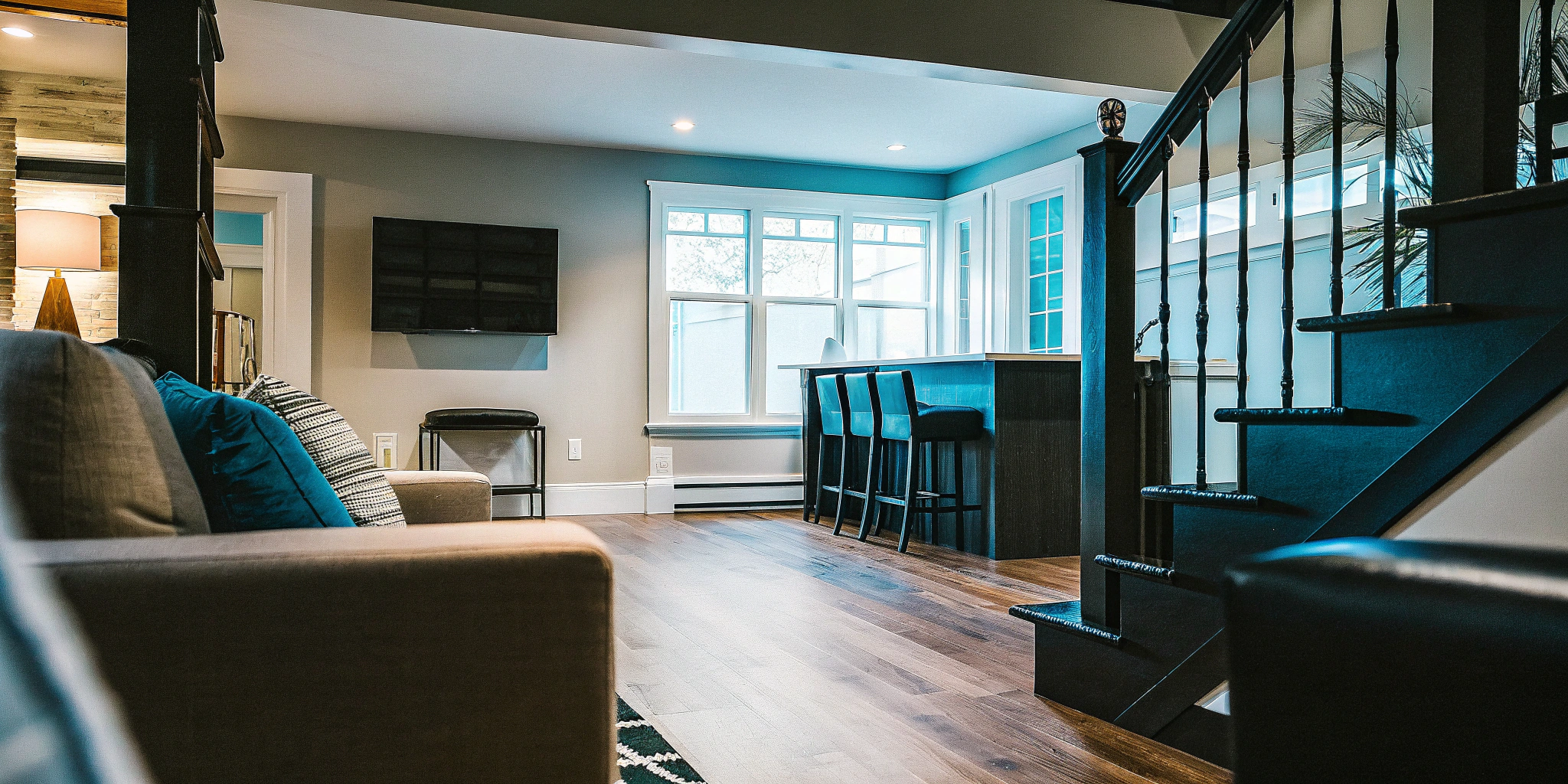
Gone are the days of dark, damp basements. Today, the lower level is becoming one of the most versatile and stylish areas of the home. Homeowners are creating everything from sophisticated guest suites and high-tech media rooms to bright, open-concept family spaces. If you’re looking for inspiration, you’ve come to the right place. A modern basement remodel Chicago style is all about combining smart function with beautiful design to fit your family’s lifestyle. In this guide, we’ll explore the latest trends, from multi-purpose layouts to climate-ready materials, to help you envision the incredible possibilities waiting in your own home.
Key Takeaways
- Prioritize a Dry Foundation from the Start: A successful Chicago basement remodel begins with professional waterproofing and moisture-resistant materials. Address potential water issues before any cosmetic work to protect your investment and create a healthy, long-lasting living space.
- Develop a Realistic and Detailed Budget: Understand that costs are influenced by size, layout, and material choices. Be sure to account for essential but often overlooked expenses like city permits and waterproofing to ensure your project stays on track financially.
- Vet Your Contractor Thoroughly: The right partner is crucial for success. Select a licensed and insured contractor who specializes in basements, manages the entire permit process, and can provide a portfolio of finished projects and client reviews.
Finding the Right Basement Contractor in Chicago
Choosing the right contractor is the single most important decision you’ll make for your basement remodel. This is the partner who will turn your vision into a functional, beautiful space, so it’s worth taking the time to find a team you can trust. A great contractor not only delivers high-quality work but also manages the project smoothly, handling everything from design details to city permits. In a city like Chicago, where building codes and climate considerations are unique, finding a local expert with a proven track record is key to a successful and stress-free home renovation. The right team will understand the specific challenges of Chicago basements, from dealing with potential moisture issues to maximizing light in a below-grade space. They’ll know the ins and outs of local regulations, preventing costly delays and ensuring your new living area is safe, compliant, and built to last. This partnership is the foundation of your project, so finding a contractor who communicates clearly, respects your budget, and values your input is just as important as their technical skill. They should feel like a trusted guide, helping you make informed decisions every step of the way.
THP Builders: Award-Winning Basement Specialists
When you’re looking for a team that specializes in transforming basements, you want a partner who understands the process inside and out. At THP Builders, we focus on creating incredible living spaces from the ground down. Our dedicated team handles every aspect of your basement remodeling project, including the complex but crucial step of securing permits and scheduling inspections with the city. This attention to detail saves you from headaches and ensures your project is done right and to code. We pride ourselves on a transparent process and award-winning results that speak for themselves. You can see the quality of our work in our project gallery and hear directly from homeowners we’ve worked with.
What to Look For in a Basement Contractor
Your search should start with contractors who specialize in basements. A general contractor might do good work, but a basement specialist has deep experience with the specific challenges of these spaces, like waterproofing and proper insulation. Look for a company with a clear, established process. They should be able to walk you through their steps, from the initial design consultation to the final walkthrough. A professional firm will offer comprehensive design and build services, ensuring your ideas are at the center of the project from day one. Always ask to see a portfolio of their finished basements to make sure their style and quality align with your expectations.
Essential Questions to Ask Potential Contractors
Before signing any contracts, come prepared with a list of questions to vet potential contractors. This will help you gauge their professionalism, experience, and suitability for your project.
Start with the basics:
- Are you and your subcontractors fully licensed and insured in Chicago?
- What is your experience with moisture control and waterproofing for basements in this climate?
- Can you provide a detailed, itemized estimate and a projected timeline?
- How do you handle project management and communication with clients?
A reputable contractor will be happy to answer these questions and provide clear, confident responses. Feel free to contact our team to discuss these points and learn more about our approach.
How Much Does a Chicago Basement Remodel Cost?
One of the first questions on every homeowner’s mind is, “How much is this going to cost?” It’s a great question, and the honest answer is: it depends. A basement remodel is not a one-size-fits-all project. The final price tag is shaped by your vision, the current state of your space, and the materials you choose. Think of it less like buying a product off the shelf and more like creating a custom piece of your home.
While the range can be wide, understanding the typical costs and the factors that influence them will help you set a realistic budget. We’ll walk through the numbers, from basic finishing projects to more complex renovations, so you can plan your investment with confidence. A well-planned basement remodel not only adds valuable living space but also increases your home’s overall value, making it a smart long-term investment.
Typical Price Ranges by Project Size
Let’s talk numbers. For most homeowners in the Chicago area, finishing a basement typically falls somewhere between $20,000 and $50,000. This range generally covers the essentials: framing, drywall, basic electrical work, standard flooring, and paint. It’s the perfect budget for creating a functional family room, home office, or play area.
If your plans are more ambitious—think a custom home theater, a full bathroom with high-end fixtures, or a wet bar with stone countertops—you’ll be looking at a higher price point. These more luxurious projects can easily cost more than $80,000. The key is to align your budget with your goals from the very beginning.
Factors That Influence Your Remodeling Costs
Several key factors will determine your final project cost. The size of your basement is the most obvious one—more square footage means more materials and labor. The current condition also plays a huge role; a raw, unfinished space will cost more than a partially finished one.
Beyond that, consider these variables:
- Layout: Adding walls to create separate rooms, like a bedroom or gym, will add to the cost.
- Plumbing and Electrical: Installing a new bathroom or wet bar requires extensive plumbing and electrical work.
- Materials: Your choice of flooring, lighting, and finishes can cause the budget to swing significantly.
- Permits: In Illinois, permits for structural, electrical, and plumbing work can run from $1,200 to $2,000 or more.
- Waterproofing: A must for Chicago basements, professional waterproofing can cost between $3,000 and $7,000.
Maximizing Your Investment and ROI
A basement remodel is more than just an expense; it’s an investment in your home. A professionally finished basement can significantly increase your property value, with many homeowners seeing a return on investment (ROI) of up to 70%. This means if you spend $50,000 on your remodel, your home’s value could increase by as much as $35,000.
Beyond the financial return, you’re also gaining valuable square footage for your family to enjoy for years to come. Whether it becomes a guest suite, a family entertainment hub, or a quiet home office, a finished basement enhances your lifestyle. You can see examples of how a finished space adds value in our project gallery.
What’s Trending in Chicago Basement Design?
Your basement holds so much potential, and a thoughtful remodel can transform it into one of the most-used areas of your home. Gone are the days of dark, damp storage rooms. Today’s basements are bright, functional, and tailored to fit your family’s lifestyle. If you’re looking for inspiration, here are some of the top design trends we’re seeing across Chicagoland. These ideas focus on maximizing space, adding value, and creating a comfortable retreat you’ll love for years to come.
Multi-Functional Living and Entertainment Spaces
The biggest trend in basement design is creating flexible spaces that can do it all. Think beyond a single-purpose room and imagine a layout that serves multiple needs. A cozy family room with a large-screen TV can easily share space with a dedicated home office nook. You could also incorporate a workout area with rubber flooring on one side and a play zone for the kids on the other. The key is smart design that defines different areas without making the space feel closed off. With the right basement finishing, you can create a versatile hub for work, play, and relaxation that adapts as your family’s needs change.
Guest Suites and Income-Generating Spaces
Why limit your basement to your own family’s use? Creating a private guest suite is a fantastic way to accommodate visitors comfortably. This often involves adding a bedroom with a proper egress window, a full or half bathroom, and maybe even a small kitchenette. This setup not only makes your home more welcoming for friends and family but can also add significant resale value. Some homeowners take it a step further by designing the space as a separate apartment or in-law suite, creating an opportunity for rental income. It’s a practical way to make your home work for you financially while expanding your usable square footage.
Climate-Ready Materials and Waterproofing
Living in Chicago means we have to be smart about building materials, especially below ground. A top priority for any basement remodel is ensuring the space stays dry and comfortable through our freeze-thaw cycles. This starts with professional waterproofing solutions to protect against moisture. From there, choosing climate-ready materials like water-resistant PVC wall panels and durable flooring is essential for longevity. These modern materials prevent common basement issues like mold and mildew, ensuring your investment is protected and your new living space is healthy and safe for your family. It’s a non-negotiable step for a successful renovation.
Modern Amenities and Smart Home Features
Today’s basements are just as tech-savvy as the rest of the house. Integrating smart home features is no longer a luxury—it’s becoming a standard expectation. Think about installing smart lighting you can control from your phone, a built-in surround sound system for the ultimate movie night, or energy-efficient thermostats that keep the space comfortable without wasting power. These modern amenities make the basement more convenient and enjoyable to use. You can explore our project gallery to see how we seamlessly incorporate high-tech features and sleek, modern finishes into our basement designs, creating spaces that are both beautiful and incredibly functional.
What Are the Best Materials for a Chicago Basement?
Choosing the right materials is one of the most important steps in your basement remodeling project. Chicago’s climate, with its humid summers and freezing winters, puts unique stress on below-grade spaces. The materials you select need to do more than just look good—they have to stand up to potential moisture, temperature fluctuations, and daily use. A smart material strategy is your best defense against common basement problems like dampness, mold, and musty smells.
Focusing on moisture-resistant and durable products from the start will ensure your new living space is comfortable, healthy, and built to last. This isn’t just about aesthetics; it’s about creating a resilient foundation for your new living area that won’t require costly repairs down the road. From the floor under your feet to the walls that surround you, every choice contributes to the overall quality and longevity of your investment. We’ll walk through the best options for flooring, walls, insulation, and waterproofing to help you create a basement that feels like a natural extension of your home.
Flooring Options for Moisture Control
Basement flooring has to be tough. Since basements are below ground, they’re naturally more susceptible to moisture and humidity, which can ruin materials like solid hardwood or traditional carpet. Your best bet is to choose a flooring material that is inherently water-resistant. Luxury Vinyl Plank (LVP) and Luxury Vinyl Tile (LVT) are fantastic choices because they are 100% waterproof, durable, and come in countless styles that convincingly mimic wood or stone.
For a more eco-conscious approach, you can find sustainable materials like bamboo flooring, which is both durable and moisture-resistant. Ceramic and porcelain tile are also excellent waterproof options, and with radiant heating installed underneath, you can create a warm and inviting floor.
Smart Choices for Walls and Insulation
Standard drywall is fine for the upper levels of your home, but in the basement, it can act like a sponge for any moisture that gets in, leading to mold. A better choice is moisture- and mold-resistant drywall. For even greater protection, consider modern wall panel systems. Some contractors use PVC materials for wall panels, which are completely waterproof and incredibly durable, preventing dents and scratches—perfect if your basement will double as a playroom.
Behind the walls, proper insulation is key to keeping your basement comfortable and energy-efficient. Closed-cell spray foam is a popular choice because it acts as both an insulator and a vapor barrier, stopping moisture from passing through the concrete foundation walls.
Modern Wall Systems: PVC Panels and More
Going a step beyond moisture-resistant drywall, fully integrated wall systems offer a complete solution for basement finishing. These systems often feature panels made from inorganic materials that simply don’t support mold growth. For instance, PVC panels are water-resistant and built to handle Chicago’s freeze-thaw cycles, making them a smart, long-term investment for any underground application.
These modern systems are not only practical but also aesthetically versatile, available in a range of finishes to suit your design vision. They create a clean, polished look without the need for taping, mudding, or painting. Many of these systems also include built-in insulation, which simplifies the installation process and improves your home’s overall energy performance.
Essential Waterproofing for Chicago Homes
Before a single stud is framed or a floor tile is laid, you need a solid waterproofing plan. This is the non-negotiable foundation of a dry, healthy basement. A comprehensive strategy often involves both interior and exterior solutions. This can include sealing foundation cracks, installing an interior drainage system (like a French drain), and ensuring you have a reliable sump pump.
When choosing materials, look for high-quality sealants. For example, polyurethane-based waterproofing is highly effective for sealing areas that are exposed to the elements, like the top of your foundation or around window wells. Investing in professional waterproofing is the single best thing you can do to protect your remodeling investment and ensure your new space remains beautiful for years to come.
Permits and Regulations for Chicago Basements
Let’s talk about the not-so-glamorous but absolutely essential part of your remodel: permits and regulations. I know, paperwork isn’t exactly exciting, but getting this right is crucial for a safe, legal, and successful basement renovation. Think of it as the foundation for your project’s foundation. In Chicago, the city has specific rules in place to ensure all construction is up to code, protecting both your family and your home’s future value.
Skipping this step can lead to major headaches down the road, from fines to having to tear out finished work. Even worse, it can create serious problems when you decide to sell your home. The good news is that you don’t have to figure this out on your own. An experienced general contractor handles the entire permitting process, from filing the application to scheduling inspections. They understand the city’s requirements and can keep your project moving forward without unnecessary delays, letting you focus on the fun parts, like picking out paint colors and furniture.
Permits by Project Type
So, what kind of work actually requires a permit? While a simple cosmetic update like new paint or flooring usually doesn’t, most substantial basement projects will. If your remodel involves any plumbing, electrical, or structural changes—like moving walls or adding a bathroom—you will need a permit. According to one report, these permits can cost anywhere from $1,200 to $2,000 or more, depending on the scope of your project. It might seem like a hefty fee, but it’s a small price to pay for the peace of mind that comes with knowing your project is built to last and fully compliant with city regulations.
Key Building Codes and Egress Standards
Beyond just getting a permit, your project must follow specific building codes. These rules cover everything from ceiling height to fire safety. For instance, if you’re adding a bedroom, you’ll need an egress window that’s large enough for someone to escape through in an emergency. Chicago is also updating its codes, with new standards set to take effect that will require higher ceilings and interconnected smoke and carbon monoxide detectors. A knowledgeable contractor stays on top of these changing requirements, ensuring your new space is not only beautiful but also safe for your family for years to come.
Permit Timelines and Professional Assistance
One of the biggest challenges with permits in Chicago is the timeline. It’s not uncommon for the approval process to take a significant amount of time. Homeowners have shared stories of waiting nearly two months just to get the green light to start. This is where having a professional on your side makes all the difference. A contractor with deep experience in Chicago knows how to prepare and submit applications correctly to avoid common pitfalls that cause delays. By managing the entire design and build process, they can streamline communication with the city and keep your project on track.
Avoiding Common Chicago Basement Remodeling Mistakes
A basement remodel is an exciting opportunity to add valuable living space to your home, but it comes with its own set of challenges—especially in our climate. Knowing what to watch out for can make the difference between a project that goes smoothly and one that’s full of costly surprises. From moisture issues unique to the Midwest to the complexities of city permits, a little foresight goes a long way. By understanding the most common missteps, you can ensure your new lower level is a beautiful, functional, and lasting investment for your family. Let’s walk through the key areas where homeowners can run into trouble and how you can steer clear of them from the start.
Prioritizing Planning and Waterproofing
Jumping into demolition without a detailed plan is one of the quickest ways to derail your project. A successful basement remodeling project starts with a comprehensive design that maps out everything from layout and lighting to electrical and plumbing. More importantly for a Chicago home, that plan must include robust waterproofing. Neglecting moisture control is a critical error that can lead to mold, mildew, and even structural damage down the road. Given our region’s weather, a proactive approach isn’t just recommended; it’s essential. A professional assessment will identify potential water intrusion points and establish a system to keep your new space dry and healthy for years to come.
Selecting Durable, Climate-Resistant Materials
The materials you choose for your basement have to work harder than those in other parts of your home. Because they are below ground, they need to stand up to potential dampness and temperature fluctuations. Opting for standard drywall or carpet might seem fine initially, but these materials can absorb moisture and become a breeding ground for mold. Instead, consider materials designed for subterranean spaces. Modern options like water-resistant PVC wall panels are incredibly durable and ideal for handling Chicago’s freeze-thaw cycles. When it comes to flooring, luxury vinyl tile (LVT) and engineered wood are excellent choices that offer the look of high-end finishes without the risk of water damage. You can see examples of these beautiful, durable finishes in our project gallery.
Contractor Red Flags to Watch For
Choosing the right partner for your remodel is the single most important decision you’ll make. A few red flags can help you spot a contractor who might not be up to the task. Be wary of anyone who suggests skipping permits or inspections; ignoring local building codes can create serious legal and safety issues. A true professional will insist on following regulations to the letter. Also, pay attention to their process. A contractor who doesn’t prioritize a clean and safe worksite or fails to provide a clear, detailed contract is signaling a lack of professionalism. Always check reviews and references and trust your gut. A reputable builder will be transparent, organized, and committed to protecting your home and your investment.
Related Articles
Frequently Asked Questions
How long does a typical basement remodel take from start to finish? The timeline really depends on the scope of your project. A more straightforward finishing project without major plumbing or structural changes can often be completed in 8 to 10 weeks once construction begins. If your plans include a new bathroom, a wet bar, or custom built-ins, it’s wise to plan for a 12 to 16-week construction schedule. Keep in mind this doesn’t include the initial design phase or the city’s permit approval process, which can add several weeks before any work starts.
My basement seems dry. Do I really need to invest in professional waterproofing? Yes, this is a step you absolutely don’t want to skip. Even a basement that appears dry can have hidden moisture issues, as water vapor can pass directly through concrete foundation walls. In Chicago, our soil conditions and weather patterns create a constant risk of water intrusion. Professional waterproofing is a preventative measure that protects your investment from mold, mildew, and structural damage, ensuring the air quality in your new space is healthy and your beautiful finishes are protected for the long haul.
What are the biggest challenges when adding a bathroom to a basement? Adding a basement bathroom involves a few key hurdles, with plumbing being the most significant. Because the new drains will be below the home’s main sewer line, you’ll likely need an ejector pump to move waste up and out of the house. Proper ventilation is also critical to control moisture, which requires installing a high-quality exhaust fan that is vented correctly to the exterior. Finally, meeting code requirements for ceiling height and lighting within a smaller, enclosed space requires careful planning.
What does the design and build process actually look like? Our design and build process is a collaborative, step-by-step approach to ensure everything goes smoothly. It starts with an initial consultation where we discuss your vision, needs, and budget. From there, our design team creates detailed plans and 3D renderings so you can see exactly what the finished space will look like. Once you approve the design, we handle all the material selections, permitting, and scheduling. This integrated process ensures a seamless transition from concept to construction, with one team managing every detail from the first conversation to the final walkthrough.
Besides adding a bedroom, what features add the most value to a basement? While bedrooms and bathrooms are great for resale value, other features can make your basement a true asset. Creating a flexible entertainment space with a wet bar or a small kitchenette is incredibly popular and adds a “wow” factor. A dedicated home office is also in high demand and adds practical value. Finally, don’t underestimate the appeal of great storage. Incorporating well-designed, built-in cabinets and closets keeps the space organized and functional, which is a huge selling point for any homeowner.