
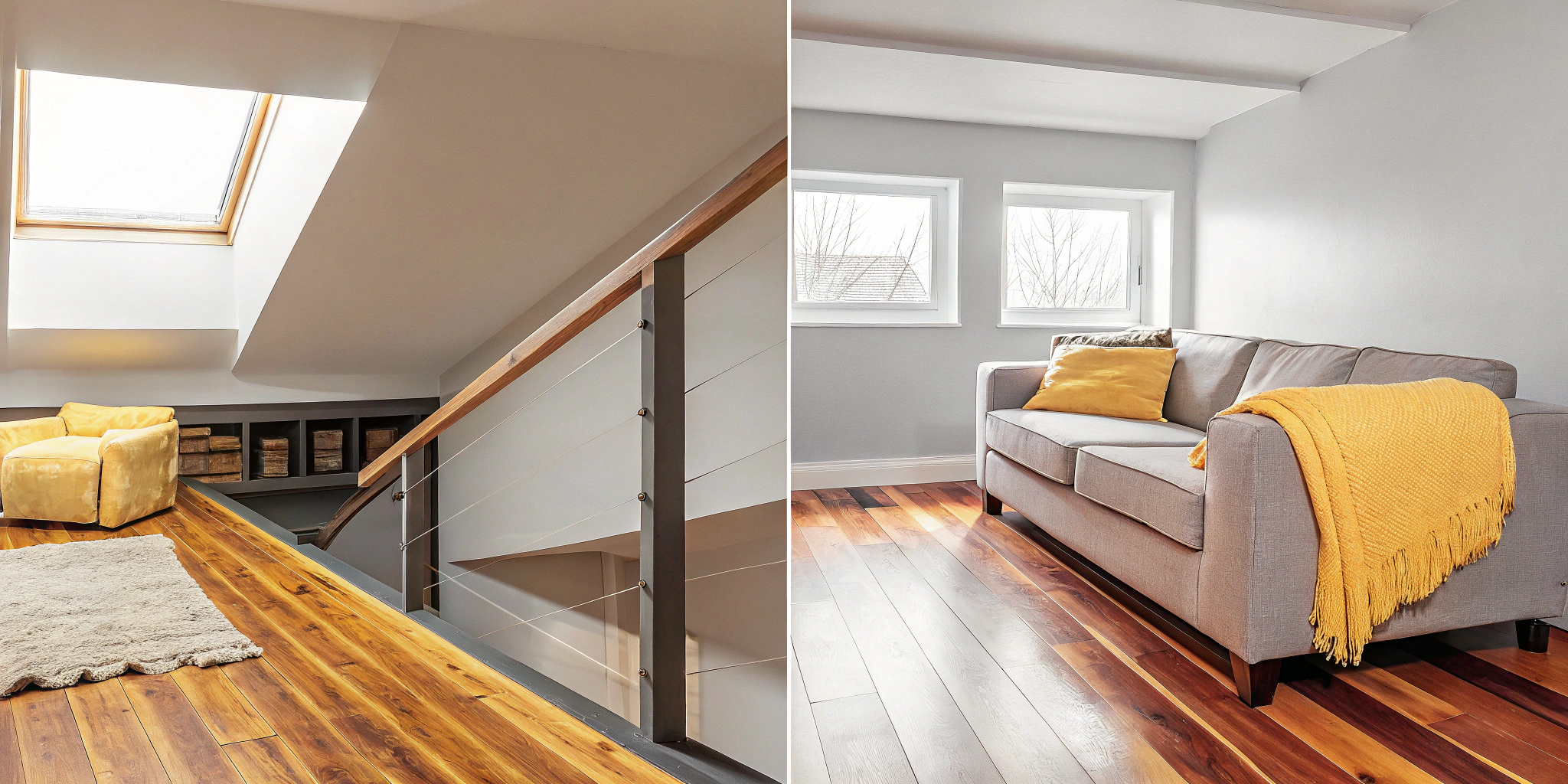
Your basement doesn’t have to be a dark, underutilized space. It can be the most exciting and versatile room in your house—a place designed specifically for entertainment, productivity, or relaxation. The possibilities are truly endless. You could create the ultimate home theater for family movie nights, a stylish wet bar for hosting friends, a productive home office free from distractions, or a private gym to focus on your wellness. Seeing past the concrete and pipes is the first step. To help you get inspired, we’ve gathered some of the most popular and practical design ideas for a basement remodel chicago, showing you how to transform your lower level into a beautiful and highly functional extension of your home.
Key Takeaways
- Vet your contractor to protect your investment: A successful remodel starts with a licensed and insured professional who understands Chicago’s building codes. Always check their portfolio, ask for proof of insurance, and read recent client reviews before signing a contract.
- Budget for the unseen essentials: Your total cost isn’t just about flooring and paint. A realistic budget must account for critical items like professional waterproofing, city permits, and a 10-20% contingency fund to handle any surprises.
- Prioritize function and comfort in your design: The best basements feel like a natural extension of your home. Focus on creating a functional layout, a layered lighting plan to make the space feel bright, and proper ventilation to ensure the room is comfortable year-round.
How to Choose the Best Basement Contractor in Chicago
Choosing the right contractor is the single most important decision you’ll make for your basement remodel. This project is a significant investment in your home, and your partner in the process will determine the quality of the outcome and your peace of mind along the way. A great contractor brings a combination of design vision, technical expertise, and transparent communication to the table. They don’t just build a space; they help you create a functional and beautiful extension of your home. For a project as complex as a basement renovation, you need a team that understands Chicago’s unique building codes and can manage every detail, from initial design to the final walkthrough. Finding a contractor with a proven track record in the Chicagoland area ensures they have the experience to handle any challenges that arise.
Why THP Builders is a Top Choice
When you work with THP Builders, you’re choosing an award-winning team dedicated to a seamless remodeling experience. We simplify the entire process with our comprehensive design and build services, ensuring a cohesive plan from the first sketch to the final coat of paint. We know that navigating Chicago’s permit process can be a major headache for homeowners. That’s why we handle all the paperwork and schedule every inspection, saving you time and stress. Our team is committed to clear communication and exceptional craftsmanship, which you can see for yourself in our gallery of completed projects. We build spaces designed for better living, and our long list of satisfied clients is a testament to that promise.
What to Look For in a Contractor
When vetting potential contractors, start by looking at their portfolio. Do they have extensive experience with projects similar to yours? A contractor who specializes in basements will understand the specific challenges, like moisture control and lighting. They should also be knowledgeable about Chicago-specific issues, such as recommending durable, water-resistant flooring if your home doesn’t have an overhead sewer. Beyond their work, pay attention to their communication style. A reliable contractor will listen to your ideas, provide clear answers, and offer a detailed, transparent contract. Finally, check their reviews to see what past clients in the Chicago area have to say about their experience.
Verify Licenses, Insurance, and Certifications
This step is non-negotiable for protecting your home and your investment. Before signing any contract, ask for proof of the contractor’s general liability insurance and worker’s compensation. This ensures you won’t be held liable for any accidents that happen on your property during the renovation. You should also confirm that they hold all necessary licenses to operate as a general contractor in Chicago and your specific municipality. A professional and established company will have all of this documentation readily available. This due diligence guarantees that your project will be handled by a legitimate business that adheres to industry standards and local regulations, giving you confidence in the quality and safety of the work.
Key Questions to Ask Before You Hire
Once you’ve narrowed down your options, a final consultation is the perfect time to ask some key questions to ensure you’ve found the right fit. Start with the basics: “Can you provide an itemized quote and a projected timeline?” Then, get into the specifics of their process. Ask, “Who will be my main point of contact?” and “How will you keep me updated on the project’s progress?” It’s also crucial to confirm that they use licensed professionals for all specialized work by asking, “Do you work with licensed subcontractors for all electrical and plumbing?” A great contractor will welcome these questions and provide clear, confident answers. Ready to ask us? Schedule a consultation to discuss your project.
How Much Does a Chicago Basement Remodel Cost?
Let’s talk about the big question: What will this project actually cost? There’s no one-size-fits-all answer, because the final price tag for a basement remodel depends entirely on your vision, the current state of your space, and the materials you choose. A project can range from a simple finishing job to create a cozy family room, all the way to a complex renovation that adds a full apartment with its own entrance. To give you a clearer picture, we’ve broken down the typical costs for basement projects in the Chicago area, from basic transformations to high-end custom builds.
Basic Finishing Costs
If you’re starting with a concrete shell, a basic finishing project is your first step. This typically involves adding framing, insulation, drywall, a simple ceiling, standard lighting, and durable flooring like luxury vinyl plank. For a project of this scope in Chicago, you can generally expect the cost to be between $25,000 and $50,000. This tier focuses on making the space clean, safe, and functional—perfect for a playroom, home gym, or organized storage. It’s the essential first step in any basement remodeling journey and creates a solid foundation for any future additions you might want to make down the road.
Mid-Range Renovation Costs
This is where most homeowners find their sweet spot. A mid-range renovation moves beyond the basics to create a truly customized living area. This could include building a full bathroom, installing a stylish wet bar, adding custom built-in shelving, or creating distinct zones for entertainment and relaxation. You’ll also have a wider selection of materials for flooring, lighting, and finishes. For a mid-range project in Chicago, a realistic budget is between $50,000 and $90,000. This investment allows you to add significant functionality and style, creating a space that feels like a natural extension of your home. You can see examples of these transformations in our project gallery.
High-End Remodel Costs
For those dreaming of a truly luxurious lower level, a high-end remodel offers almost limitless possibilities. Think home theaters with tiered seating and surround sound, custom wine cellars, full kitchens with premium appliances, or even a complete in-law suite. These projects involve top-of-the-line materials, intricate custom work, and complex structural or mechanical changes. A high-end basement remodel in Chicago can range from $90,000 to over $200,000. While it’s a significant investment, a high-end remodel can dramatically increase your home’s functionality and market value, offering a substantial return when it’s time to sell.
Factors That Influence the Price
Several key factors will shape your final project cost, no matter which tier you’re aiming for. The overall size of your basement is the most obvious one—more square footage means more materials and labor. The current condition of the space also plays a big role; addressing foundation cracks or leveling a concrete floor will add to the budget. Your choice of materials, from flooring to countertops, can cause costs to vary widely. Finally, the scope of your project, especially if it involves adding complex plumbing for a bathroom or kitchen or requires significant electrical work, will be a major price driver. Our design and build services help you account for these variables from the very beginning.
Budgeting for Waterproofing
In a city like Chicago, where we see our fair share of rain and snow, waterproofing isn’t an optional upgrade—it’s an absolute necessity. Overlooking moisture control is one of the biggest and most costly mistakes you can make. A proper waterproofing system protects your entire investment from water damage, mold, and mildew. Depending on your home’s needs, this could involve sealing foundation cracks, installing an interior drain tile system, and adding a sump pump. You should plan to set aside $5,000 to $15,000 specifically for waterproofing. Think of it as insurance for your beautiful new living space, ensuring it stays dry and healthy for years to come.
Popular Basement Design Ideas for Chicago Homes
Your basement holds so much potential. Instead of just being a place for storage, it can become one of the most-loved rooms in your house. A professional basement remodel transforms this underused area into a functional and beautiful space that adds significant value to your home. Whether you’re dreaming of a cozy family room, a state-of-the-art entertainment hub, or a private retreat for guests, the possibilities are endless. The key is to design a space that fits your family’s lifestyle.
Think about what you need most. Is it more room for the kids to play? A quiet place to work from home? Or maybe the ultimate spot to host friends for the big game? Whatever your vision, a well-planned design can bring it to life. For some visual inspiration, you can always explore a gallery of finished projects to see how other Chicago homeowners have reimagined their lower levels. From creating bright, open-concept living areas to building specialized rooms like home gyms or craft studios, a finished basement is a smart investment in your family’s comfort and your property’s future. Below are some of the most popular and practical ideas we see people incorporating into their homes.
Create a Multi-Functional Open Layout
An open-concept design is a fantastic way to make your basement feel spacious, bright, and connected. By removing non-essential walls, you can create a large, flexible area that serves multiple purposes at once. Imagine a space where one corner is a comfortable TV lounge, another is a dedicated play area for the kids, and a third holds your home gym equipment. This approach allows your family to be together while still enjoying separate activities. An open layout also improves airflow and light distribution, fighting that classic “dungeon” feeling some basements have. Our design and build services can help you map out a functional floor plan that maximizes every square foot.
Design a Home Theater or Entertainment Zone
Transform your basement into the ultimate escape with a custom home theater or entertainment zone. Basements are naturally suited for this, with their limited natural light and solid walls creating the perfect environment for an immersive viewing experience. You can go all out with a projector screen, surround sound, and plush, tiered seating for that authentic movie theater feel. Or, create a more casual media room with a large-screen TV, a comfy sectional, and a gaming console setup. It’s the perfect spot for family movie nights, watching sports with friends, or letting the kids have their own gaming tournaments without taking over the main living room.
Add a Private Guest Suite
If you frequently host family or friends, a basement guest suite is a game-changer. It offers your visitors a private and comfortable space of their own, complete with a bedroom and a dedicated bathroom. This thoughtful addition makes guests feel truly welcome and eliminates the need for them to live out of a suitcase in a spare room upstairs. A guest suite can also include a small sitting area or even a kitchenette for added convenience. Not only does this enhance your hosting capabilities, but it also adds significant resale value to your home. A well-designed bathroom remodel is a key part of making the suite feel like a true retreat.
Build a Productive Home Office
With more people working from home than ever, having a dedicated office is essential for focus and productivity. The basement is an ideal location for a home office because it’s separated from the noise and distractions of the main living areas. You can create a quiet, professional workspace tailored to your needs, with proper lighting, built-in shelving for organization, and enough outlets for all your tech. A basement office helps you create a healthy work-life balance by establishing a physical boundary between your job and your home life. When the workday is done, you can simply walk upstairs and leave your work behind.
Install a Wet Bar with Smart Home Features
A wet bar is the perfect centerpiece for a basement designed for entertaining. It instantly creates a social hub where you can mix drinks, serve snacks, and gather with friends and family. A proper wet bar includes a sink, custom cabinetry for storing glassware, and counter space for preparation, along with features like a mini-fridge or wine cooler. You can even incorporate smart home technology, like integrated lighting and sound systems you can control from your phone. It’s a feature that feels luxurious and is incredibly practical for hosting parties. The craftsmanship involved is similar to our kitchen remodeling projects, ensuring a high-quality, beautiful result.
Understanding Chicago’s Permit and Building Code Rules
Tackling permits and building codes can feel like the least exciting part of a basement remodel, but it’s one of the most important. Getting this right from the start protects your investment, ensures your family’s safety, and prevents major headaches down the road. Think of it as the solid foundation for your beautiful new space. In Chicago, the rules are specific, and following them is non-negotiable. A professional design-build firm will handle this entire process for you, but it’s always smart to understand what’s happening behind the scenes. This knowledge helps you ask the right questions and feel confident that your project is being done correctly from day one.
What Permits Will You Need?
For most Chicago basement remodels, you aren’t just getting one general permit. Instead, you’ll likely need separate permits for any plumbing, electrical, and structural changes. The costs for these can add up, typically falling between $1,200 and $2,000, sometimes more depending on your project’s scope. While it might be tempting to skip this step to save a little money, doing so can backfire spectacularly. The city can issue hefty fines, and if you ever decide to sell your home, the unpermitted work can cause serious complications with the sale. It’s always better to secure the right permits and have peace of mind.
Key Building Codes to Know
Building codes are constantly evolving to improve safety, and it’s crucial that your remodel meets the latest standards. For example, upcoming codes will require higher ceilings—a minimum of 7’6″ for living spaces—to make basements feel more open and comfortable. If you’re adding a bedroom, an egress window is mandatory for a safe fire escape. Another key update involves installing smart, interconnected smoke and carbon monoxide detectors. Failing to comply with these codes isn’t just a safety risk; it could force you into costly tear-outs to fix the mistakes later on.
The Permit Approval Timeline
Patience is a virtue, especially when it comes to Chicago’s permit approval process. It’s not uncommon for homeowners to wait a significant amount of time for the green light. In fact, some have reported waiting nearly two months just to get approval to start their project. This is where working with an experienced contractor really pays off. Companies that specialize in Chicago remodels understand the system, know how to prepare the paperwork correctly, and can often help move the process along more efficiently than a homeowner could on their own.
Working with Licensed Electricians and Plumbers
When it comes to the critical systems in your home, you can’t afford to cut corners. Any electrical, plumbing, or HVAC work in your basement must be completed by licensed professionals. This is a non-negotiable requirement to meet building codes and pass inspections. Hiring licensed tradespeople ensures that all work meets strict safety standards, protecting your home from potential hazards like electrical fires or leaks. A reputable general contractor will have a trusted team of licensed and insured electricians and plumbers, so you don’t have to worry about finding and vetting them yourself.
Common Basement Remodeling Mistakes (and How to Avoid Them)
A basement remodel is an exciting project, but it’s also one with unique challenges. Because you’re working with a space that’s below ground, there are specific issues that don’t come up in other home renovations. Knowing what to watch for can make the difference between creating a cozy retreat and a costly headache. Let’s walk through some of the most common missteps homeowners make and, more importantly, how you can avoid them to ensure your project is a success from the start.
Forgetting About Moisture Control
Here in Chicagoland, we’re no strangers to moisture. Between summer humidity and melting snow, water is always looking for a way in, and your basement is its prime target. The single biggest mistake you can make is failing to address moisture control before a single wall goes up. Ignoring this step can lead to musty smells, mold growth, and even damage to your home’s foundation. A proper basement remodeling project always begins with a thorough waterproofing plan. This isn’t just a nice-to-have; it’s the essential foundation for a healthy, comfortable, and long-lasting finished space.
Overlooking Lighting and Ventilation
No one wants to spend time in a space that feels like a cave. Basements often lack natural light, so a smart lighting plan is crucial for making the area feel bright and welcoming. Think in layers: use recessed lights for overall ambiance, task lighting for specific areas like a wet bar or desk, and accent lights to highlight architectural features. Just as important is proper ventilation. A good HVAC system will control the temperature and humidity, keeping the air fresh and preventing that stuffy “basement” feeling. This ensures your new lower level is just as comfortable as any other room in your house.
Creating a Poor Layout
It’s easy to get caught up in exciting ideas like a home theater or gym, but without a functional layout, your new basement won’t live up to its potential. Before you start, think carefully about how you want to use the space. Where will you place furniture? How will people move from one area to another? A common mistake is placing walls or support columns in awkward spots that disrupt the flow. Working with professional design and build services can help you create a thoughtful floor plan that maximizes every square foot and perfectly suits your family’s lifestyle.
Trying to DIY Too Much
While tackling a project yourself can be rewarding, a basement remodel involves complex jobs that are best left to the professionals. Electrical wiring, plumbing, and structural changes require specialized skills and knowledge to be done safely and correctly. Taking on too much can lead to expensive mistakes, project delays, and work that isn’t up to code. Be honest about your skill set. Handling the painting or decorating can be a great way to get involved, but for the critical systems that make your basement functional and safe, it’s always best to hire an experienced contractor who can guarantee quality work.
Ignoring Building Codes
Building codes and permits can seem like a hassle, but they exist for one primary reason: your safety. These regulations ensure that all electrical, plumbing, and structural work is done correctly to prevent fires, floods, and other hazards. Skipping the permit process might seem like a way to save time and money, but it can cause major problems down the road, including fines and difficulty selling your home. A reputable contractor will handle all the necessary permits and inspections as part of their home renovations process, giving you peace of mind that your new basement is not only beautiful but also completely safe and compliant.
How to Finance Your Basement Remodel
A basement remodel is one of the best investments you can make in your home, adding valuable living space and increasing its overall worth. But let’s be honest—it’s a significant project, and figuring out how to pay for it is the first major step. The good news is you have several excellent options to fund your dream basement without draining your savings. The key is to understand the pros and cons of each so you can choose the path that best fits your financial picture.
Whether you’re envisioning a cozy family room, a sleek home office, or a full guest suite, a solid financing plan makes it all possible. From leveraging your home’s value to straightforward personal loans, there’s a solution that can work for you. We’ll walk through the most common ways homeowners finance their basement remodeling projects, so you can move forward with confidence and get closer to enjoying your new space.
Contractor Financing
Some contractors offer financing options, usually by partnering with third-party lenders. This can be a convenient, one-stop-shop solution because the process is integrated directly with your remodeling project. You can often apply and get approved quickly, which helps keep your project on schedule. However, it’s important to read the fine print. These loans sometimes come with higher interest rates compared to other financing methods. While the convenience is appealing, be sure to weigh the terms against other options to ensure you’re getting a competitive rate. If you have questions about financing, feel free to contact us to discuss your project.
Home Equity Loans and HELOCs
If you’ve built up equity in your home, using it to fund your remodel is one of the most popular choices. A home equity loan gives you a lump sum of cash with a fixed interest rate, making your monthly payments predictable. A home equity line of credit (HELOC) works more like a credit card, allowing you to draw funds as needed up to a certain limit. Both options are popular for financing a basement remodel because they are secured by your home, which usually means you’ll get a much lower interest rate than with an unsecured loan. This can save you a significant amount of money over the life of the loan.
Personal Loans
A personal loan is another great way to pay for your basement remodel, especially if you don’t have a lot of equity in your home or prefer not to use it as collateral. These loans are typically unsecured, meaning you don’t have to put your house on the line. You’ll receive the funds in a single lump sum and pay it back in fixed monthly installments, which makes budgeting simple. While interest rates might be slightly higher than a home equity loan, they are often competitive and provide a straightforward way to get the remodel financing you need without the extensive application process tied to home equity products.
How to Plan Your Project Budget
No matter which financing route you take, creating a detailed budget is essential. Your project plan should account for everything—from materials and labor to permits and finishes. A clear budget is a critical part of our design and build services, as it ensures there are no surprises along the way. A smart rule of thumb is to add a contingency fund of 10% to 20% on top of your total estimated cost. This buffer gives you peace of mind to handle any unexpected expenses that might pop up, like discovering hidden moisture issues or deciding on a last-minute upgrade. Planning for the unexpected keeps your project on track and stress-free.
Related Articles
- Hire a Basement Finishing Contractor: Costs, Tips & Checklist | Thp Builders LLC
- Basement Finishing Cost Estimate: A 2026 Guide
- Basement Remodeling in Chicagoland | Thp Builders LLC
- Need Basement Remodel Contractors in Illinois? Call Today
- Renovation Planning & Basement Upgrades – Illinois Archives
Frequently Asked Questions
How long does a typical basement remodel take from start to finish? The timeline for a basement project can vary quite a bit depending on the scope of your plans. A straightforward finishing project might take around 8 to 10 weeks, while a more complex renovation with a new bathroom or custom features could extend to 12 to 16 weeks or more. This includes everything from the initial design and permit approvals to the construction and final touches. We always provide a detailed project schedule upfront so you know exactly what to expect.
Is finishing my basement a good investment for my home’s resale value? Absolutely. Finishing your basement is one of the smartest ways to add usable square footage to your home, which is a huge draw for potential buyers. While the exact return depends on the quality of the work and the features you add, homeowners in the Chicago area can often expect to recoup a significant portion of their investment. More importantly, it adds immediate value to your daily life by giving you a whole new level of your home to enjoy.
What does your ‘design and build’ process mean for me as a homeowner? Our design and build service simplifies the entire remodeling experience for you. Instead of you having to hire an architect or designer separately from your contractor, we handle everything under one roof. This means you have one team and one point of contact from the first sketch to the final walkthrough. It creates a seamless process where the design, budget, and construction plan are all developed together, which prevents miscommunication and keeps the project running smoothly.
What happens if you find problems like foundation cracks or water issues after the project starts? Discovering unexpected issues is a common concern, but it’s something a professional team is prepared for. If we uncover a problem like a foundation crack or evidence of moisture, we stop work on that area and immediately discuss the situation with you. We’ll explain the issue clearly, present you with the best solutions, and provide a transparent change order for your approval before any additional work is done. Our goal is to solve the root problem correctly so your new basement is built on a solid, dry foundation.
I’m interested in remodeling my basement, but I’m not sure where to even begin. What’s the first step? The best first step is simply to start a conversation. You don’t need to have all the answers or a perfect plan in mind. Just think about what you’d love to get out of the space—is it a family hangout spot, a quiet office, or an entertainment hub? From there, scheduling a consultation is the perfect next move. We can look at your space, listen to your ideas, and help you understand what’s possible within your budget.