
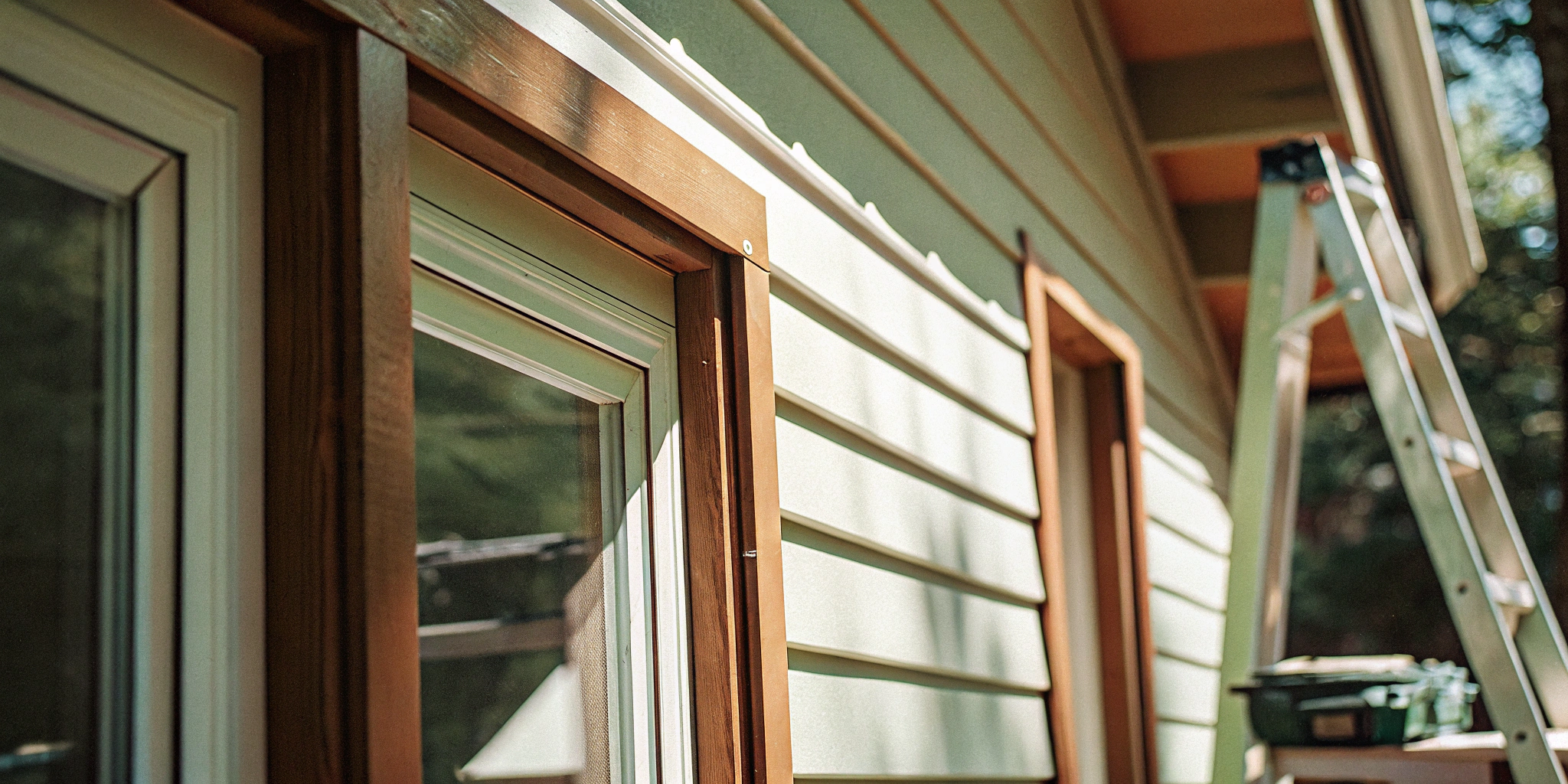
Vinyl siding looks simple to install, but small mistakes can lead to big headaches. Have you ever seen siding that looks wavy, buckled, or uneven? That’s almost always the result of an installation error, not faulty material. Things like nailing too tightly or forgetting to leave room for expansion can ruin an otherwise beautiful project. Protecting your home means getting these details right from the start. To help you avoid these common pitfalls, we’ve created this comprehensive CertainTeed vinyl siding installation guide. Following these professional steps ensures your siding performs as it should, keeping your home safe and looking its best.
Key Takeaways
- What’s Underneath Matters Most: A flawless siding finish starts with a solid, smooth wall and a properly installed weather-resistant barrier. This foundational layer is your home’s primary defense against moisture damage.
- Install for Movement, Not Rigidity: Vinyl siding must be able to expand and contract with temperature changes. This means leaving a small space behind each nail head and maintaining proper gaps at all trim pieces to prevent buckling and warping.
- Master the Details for a Watertight Seal: True weatherproofing comes from correctly installed flashing around windows and doors, not just the siding panels. These critical components work together to direct water away from your home’s structure.
What You’ll Need for Your CertainTeed Siding Project
Before you hang a single panel, gathering the right supplies is the most important first step. A successful siding project is all about preparation, and having the correct materials and tools on hand will make the entire process smoother and safer. Think of it as setting up your kitchen before you start cooking a big meal—it saves you from scrambling later. Getting this part right ensures your new siding not only looks fantastic but also provides the durable, long-lasting protection your home deserves. This initial phase can feel a bit tedious, but trust me, taking the time now prevents major headaches down the road. It’s the foundation for a beautiful exterior that will stand up to Chicago’s weather for years to come. Let’s walk through exactly what you’ll need to get started on the right foot.
Your CertainTeed Materials Checklist
First, let’s talk materials. To get that beautiful, durable finish, you’ll want to start with high-quality products. The main event is, of course, the CertainTeed vinyl siding itself, which is designed for both great looks and longevity. But what goes behind the siding is just as crucial. You’ll need a weather-resistant barrier, like CertaWrap, to shield your home from moisture and improve its energy efficiency. This protective layer is your home’s first line of defense against the elements, making it a non-negotiable part of a professional-quality installation and a key component of any successful home renovation.
The Right Tools and Equipment
You don’t need a professional workshop, but the right tools are essential for a clean installation. For cutting, a sharp utility knife works well for long, straight cuts, while aviation snips give you the control needed for detailed cuts around windows and trim. A circular saw fitted with a fine-tooth plywood blade (installed backward) can make quick work of cross cuts. To fasten the panels, a simple hammer will do, though a nail gun can speed things up. According to CertainTeed’s installation guide, you’ll want to place a nail every 16 inches for siding panels and every 8 to 12 inches for accessories to keep everything secure.
How to Prep Your Workspace and Safety Gear
Proper prep work is the secret to a flawless finish. Always install your siding over a smooth, flat surface like rigid sheathing—never directly over open wall studs. This ensures the panels lay flat and lock together correctly, preventing warping or buckling down the road. Most importantly, let’s talk safety. You’ll be cutting materials and working with tools, so protecting yourself is key. Always wear safety glasses to shield your eyes from debris and a good pair of gloves to protect your hands. Taking these simple precautions ensures your project is not only successful but also safe from start to finish.
How to Prepare Your Home for New Siding
Before a single panel of new siding goes up, a little prep work goes a long way. Think of it as creating the perfect canvas for your home’s new look. Proper preparation ensures your siding not only looks fantastic but also performs its best, protecting your home from the elements for years to come. Skipping these steps can lead to a finished product that looks wavy, wears out prematurely, or fails to keep moisture at bay.
Taking the time to inspect your walls, install a protective barrier, and plan your layout will make all the difference. It’s the foundation of a successful installation and a key part of any professional home renovation. Let’s walk through exactly what you need to do to get your home ready.
Inspect and Repair Your Walls
Your new siding needs a solid, smooth surface to rest on. You should always install siding over a flat surface, like rigid sheathing, and never directly onto open wall studs. Start by walking around your home and taking a close look at the existing exterior walls. You’re searching for any signs of damage, like soft spots, rot, or holes that need to be patched. Pay special attention to areas around windows and doors. Any issues you find should be repaired before you move forward. This ensures your new siding will lay flat and look uniform, giving you that clean, professional finish you’re after.
Install a Weather-Resistant Barrier
Here’s something many homeowners don’t realize: vinyl siding isn’t 100% waterproof. It’s designed to shed water, but a strong, wind-driven Chicago rain can still find its way behind the panels. That’s why installing a weather-resistant barrier (WRB) is a critical step. This special layer, often a house wrap like CertainTeed CertaWrap, goes on before the siding. It acts as a secondary line of defense, protecting your home’s structure from moisture that could otherwise lead to mold and rot. Properly sealing around all windows and doors is also part of creating a complete, weather-tight system for your home.
Measure and Plan Your Layout
A successful siding project starts with a solid plan. Before you begin, you’ll want to map out the entire project. This means more than just measuring the square footage of your walls. You should also plan the layout of the siding panels to create a balanced, aesthetically pleasing look. Think about where the seams will land—staggering them is key to avoiding noticeable patterns. Planning ahead helps you order the right amount of materials, including trim and accessories, which minimizes waste and prevents last-minute trips to the store. This level of detail is a hallmark of professional design and build services.
Check Local Building Codes
Before you start any work, it’s essential to check with your local municipality. Building codes in the Chicagoland area can vary from one town to the next, and they often have specific requirements for siding installation. These rules might dictate the type of materials you can use, how they must be fastened, or what kind of weather-resistant barrier is required. Following these regulations is non-negotiable, as it ensures your project is safe, compliant, and won’t cause issues down the road. Working with an experienced contractor can simplify this process, as they’ll be familiar with local codes and handle the necessary permits for you.
A Step-by-Step Guide to Installing CertainTeed Siding
With your materials ready and your home prepped, it’s time to start the installation. This process requires precision and patience, but taking it one step at a time makes it manageable. The goal is a beautiful, durable exterior that protects your home for years. While this guide covers the key steps, remember that complex projects often benefit from professional expertise. Our team is always here to help with home renovations to ensure a flawless finish.
Install Starter Strips and Corner Posts
Everything starts with a level foundation. First, find the lowest corner of the wall where you’ll be installing siding. From there, measure up and snap a level chalk line around the entire house to guide your starter strip. This single step is crucial for ensuring all your siding panels will be straight. Once your line is marked, you can install the starter strip. Next, install your corner posts, leaving a 1/4-inch gap at the top where the post meets the soffit. This gap allows for expansion and contraction with temperature changes, which is key to preventing buckling down the road. You can find detailed diagrams in CertainTeed’s guide on how to install vinyl siding accessories.
Attach J-Channels Around Openings
J-channel is the trim piece that gives your siding a clean, finished edge around windows and doors. It neatly hides the cut ends of the siding panels that will butt up against these openings. Before you install any J-channel or corner posts, it’s vital to properly flash these areas with a water-resistant material. This creates a barrier that directs water away from the wall sheathing, preventing moisture from getting behind your siding and causing potential damage. Think of it as an essential layer of protection for the framework of your home. Getting this step right is fundamental to a long-lasting, weatherproof exterior.
Hang the First Row of Siding
Now you can hang your first course of siding. Lock the bottom lip of the first panel into the starter strip you installed earlier. Gently push up until it clicks into place, but don’t pull it tight; the panel should feel secure but not strained. When you slide the end of the panel into the corner post, leave a small gap to allow for expansion. When nailing, place the nail in the center of the nailing slot and don’t drive it all the way in. You should leave about the thickness of a dime between the nail head and the vinyl. This allows the panel to move freely with temperature fluctuations, which is the secret to avoiding waves and warping.
Add More Rows and Stagger the Joints
As you work your way up the wall, each new panel will lock into the one below it. To create a professional look and a stronger wall, you need to stagger the seams. This means the end of one panel should not line up with the end of the panel directly below it. A good rule of thumb is to make sure seams are separated by at least three courses of siding. Also, try to plan your overlaps so they face away from high-traffic areas, like your front door or patio. This simple trick makes the seams less noticeable. You can see examples of beautifully finished siding projects in our project gallery.
Apply Finishing Touches and Trim
When you reach the top of a wall, you’ll likely need to cut the final panel lengthwise to fit. To secure this last piece, you’ll first install a piece of undersill or utility trim just under the soffit. After cutting the siding panel to the correct height, use a snap-lock punch to create raised tabs along the cut edge. These tabs, or “lugs,” will snap firmly into the utility trim, holding the panel securely in place without any visible nails. This final step provides a clean, polished look and completes your siding installation with a professional touch.
How to Nail and Align Siding Panels Correctly
Getting the nailing and alignment right is the secret to siding that not only looks fantastic but also lasts for decades. This is where the real craftsmanship comes in. Vinyl siding is designed to move—it expands in the summer heat and contracts in the winter cold. If you secure it too tightly or don’t leave enough room, you can end up with warped, buckled panels that compromise your home’s protection. Following these key techniques ensures your siding can handle Chicago’s changing seasons gracefully. A proper installation is a critical part of any successful home renovation, protecting your investment and keeping your home’s exterior looking sharp.
Proper Nailing Practices and Spacing
When fastening your siding, aim to place a nail every 16 inches to ensure it’s securely attached to the wall. For accessories and trim pieces, you’ll want to place them a bit closer, about every 8 to 12 inches. The most important rule is to avoid driving the nails in too tightly. You should leave a small gap, about 1/8 to 1/16 of an inch, between the nail head and the siding panel. This tiny bit of space is crucial because it allows the panel to move freely as it expands and contracts. Nailing it flush against the wall will cause it to buckle. Always drive the nail straight and center it in the nailing slot.
Overlapping Panels and Leaving Expansion Gaps
To create a seamless and weatherproof barrier, you’ll need to overlap the siding panels correctly. For standard panels (12 feet 6 inches or shorter), an overlap of about 1 to 1-1/4 inches is perfect. This ensures water can’t get behind the siding. Just as important are the expansion gaps at the ends of each panel. Where a panel meets a corner post, window trim, or any other accessory, leave a small gap of 1/4 to 3/8 of an inch. This space gives the siding room to grow into when the temperature rises. You can see how these details create a flawless finish in our project gallery.
How Temperature Affects Installation
The temperature on the day you install your siding directly impacts the size of the expansion gaps you need to leave. Because vinyl expands in heat and shrinks in cold, you have to account for the temperature during installation. Here’s a simple rule to follow: if you’re working on a day when the temperature is above 40°F, leave a 1/4-inch gap at the ends of the panels. If it’s colder than 40°F, you’ll need to leave a slightly larger 3/8-inch gap. This adjustment ensures that when summer arrives, the siding has enough room to expand without warping. Managing these details is what our design and build services team does best.
How to Make Your Siding Weatherproof
Getting your siding to look great is one thing, but making sure it protects your home from Chicago’s wild weather is the real goal. A truly weatherproof installation goes beyond just hanging panels; it’s about creating a complete system that manages moisture and stands up to the elements for years to come. Think of your siding as the final layer of a carefully planned defense. Without the right prep work and attention to detail, water can find its way behind the panels, leading to rot, mold, and structural damage that’s much more complicated to fix than a cosmetic issue.
Proper weatherproofing involves a few key steps that a professional team will never skip. It starts with what’s underneath the siding and includes the strategic placement of barriers and flashing to direct water away from your home’s vulnerable points. It also means understanding how the material itself behaves. Vinyl siding naturally expands and contracts with temperature swings, and a good installation accounts for that movement. Taking these steps ensures your home renovation not only looks fantastic but also provides a durable, protective shield for your family and your investment.
Sealing Around Windows and Doors
One of the biggest misconceptions about vinyl siding is that it’s completely waterproof on its own. In reality, it’s designed to shed the majority of water, but the real protection comes from the weather-resistant barrier installed underneath it. Before any siding goes up, a professional will wrap your home in a material like CertainTeed’s CertaWrap. This layer acts as your home’s last line of defense, catching any moisture that might get behind the siding and preventing it from reaching the wood sheathing. Properly sealing around all your windows and doors with this barrier is a critical step that ensures these common entry points for water are fully protected.
Installing Flashing Correctly
Flashing is a thin, waterproof material—usually aluminum—that’s installed at critical joints and angles to direct water away from the structure. You’ll find it at corners, above windows and doors, and where the siding meets a different material, like a brick facade or your roof. Without it, water would pool in these areas and seep into your walls. For example, a drip cap installed with flashing above a window acts like a tiny gutter, kicking water out and away from the window frame. This meticulous detail work is a hallmark of a quality installation and is essential for keeping your home dry and damage-free. You can see examples of this clean, protective finishing in our project gallery.
Managing Ventilation and Moisture
Vinyl siding needs a little room to breathe. Because it’s a plastic material, it expands in the heat and shrinks in the cold. A proper installation must account for this movement to prevent the siding from buckling, warping, or cracking over time. This is done by leaving a small gap—typically about 1/4 inch—where the end of a panel meets a corner post or window trim. It also means not driving the nails in too tightly. The nails should hold the panel in place without pinning it, allowing it to slide back and forth as the temperature changes. This technical know-how is a key part of our design and build services and ensures a long-lasting result.
Common Siding Installation Mistakes to Avoid
Even with top-quality materials like CertainTeed siding, the final result is only as good as the installation. A small mistake can lead to big problems down the road, from warping and water damage to a finish that just looks off. Getting these details right is what separates a DIY job from a professional one that protects your home for decades. Whether you’re tackling this project yourself or hiring a contractor, knowing what to watch for is the first step toward a flawless finish. Many of these issues are subtle and easy to miss, but they can compromise the integrity and appearance of your home’s exterior.
At THP Builders, we’ve seen it all, and we know that precision is everything in a home renovation. Paying attention to the fundamentals of siding installation ensures your home not only looks great but is also properly shielded from the Chicagoland weather. Let’s walk through some of the most frequent installation errors so you can make sure your project is done right from the start.
Critical Nailing Errors
One of the most common and damaging mistakes is improper nailing. It might seem logical to hammer nails in tightly to secure the siding, but vinyl siding needs room to breathe. The panels naturally expand and contract with temperature changes. If you nail them too tightly to the wall, you restrict this movement, which can cause the siding to buckle, warp, or crack. The correct technique is to leave a small gap—about 1/16 to 1/8 of an inch—between the nail head and the siding. This allows the panel to move freely as the seasons change, keeping it flat and secure against your home.
Spacing and Alignment Issues
Proper spacing is just as important as proper nailing. You should always leave a small gap of about 1/4 inch where siding panels meet corner posts, J-channels around windows, and other trim pieces. This space gives the panels room to expand without pushing against the trim and causing damage. Another key detail is alignment. You should never have the seams of your siding panels line up vertically from one row to the next. A professional will stagger these seams across the wall, ensuring a stronger, more visually appealing installation that looks seamless from a distance.
Weather-Related Problems
A big misconception is that vinyl siding itself is completely waterproof. While it is your home’s first line of defense against rain and snow, it’s not a perfect seal. That’s why installing a weather-resistant barrier, or house wrap, underneath the siding is absolutely essential. This barrier protects the sheathing and wall structure from any moisture that might find its way behind the panels. Properly sealing all gaps around windows, doors, and other openings with flashing and caulk is another critical step to prevent water intrusion and protect your home from the elements.
Forgetting Surface Prep
You can’t get a beautiful, smooth siding finish without a properly prepared surface. Installing siding over an uneven or damaged wall will only highlight those imperfections, resulting in a wavy or bumpy appearance. Before any panels go up, the walls should be inspected for rot or damage and repaired. The surface needs to be flat and solid. Installing vinyl siding directly over open wall studs, for example, is a recipe for an uneven finish. A smooth, solid substrate like rigid sheathing provides the ideal foundation for a secure and professional-looking installation that will stand the test of time.
Related Articles
Frequently Asked Questions
Can I install new vinyl siding directly over my old wood siding? While it might seem like a convenient shortcut, it’s not the best approach. For your new siding to lay flat and look perfectly smooth, it needs a solid, even surface underneath. Installing over old siding can telegraph any existing imperfections, leading to a wavy finish. More importantly, removing the old material gives you a chance to inspect the wall sheathing for any hidden rot or damage that needs to be repaired before you cover it up.
My neighbor’s siding looks wavy. What causes that and how can I avoid it? That wavy or buckled look is almost always a sign of improper installation. Vinyl siding is designed to expand and contract with temperature changes, so it needs to be able to move freely. This issue happens when the panels are nailed too tightly to the wall, restricting that movement. To avoid it, make sure the nails are not driven all the way in—leave about a dime’s thickness of space between the nail head and the panel. This allows the siding to hang securely while still having room to shift as needed.
Is the weather-resistant barrier (house wrap) really necessary? Yes, it is absolutely essential. A common misunderstanding is that vinyl siding is completely waterproof, but it’s actually designed as a water-shedding system. Wind-driven rain can and will find its way behind the panels. The weather-resistant barrier is your home’s true line of defense, protecting the wood structure from moisture that could otherwise lead to mold and rot. Skipping this step puts your home at risk for serious long-term damage.
How do I get a clean, finished look around my windows and doors? The key to a professional finish around openings is using the right trim pieces. A component called J-channel is installed around the perimeter of every window and door first. This creates a neat pocket for the cut ends of your siding panels to slide into, hiding any imperfections and creating a crisp, clean border. It’s also critical to install flashing above windows and doors to direct water out and away from the frame.
Does the outdoor temperature matter when I’m installing the siding? It definitely does. Because vinyl expands in the heat and shrinks in the cold, you have to account for the temperature on the day of your installation. This affects the size of the expansion gap you leave at the end of each panel where it meets a corner post or trim piece. If you’re working on a cold day, you’ll need to leave a slightly larger gap to give the panel enough room to expand when summer arrives. Following temperature-specific guidelines prevents the siding from buckling under pressure.