
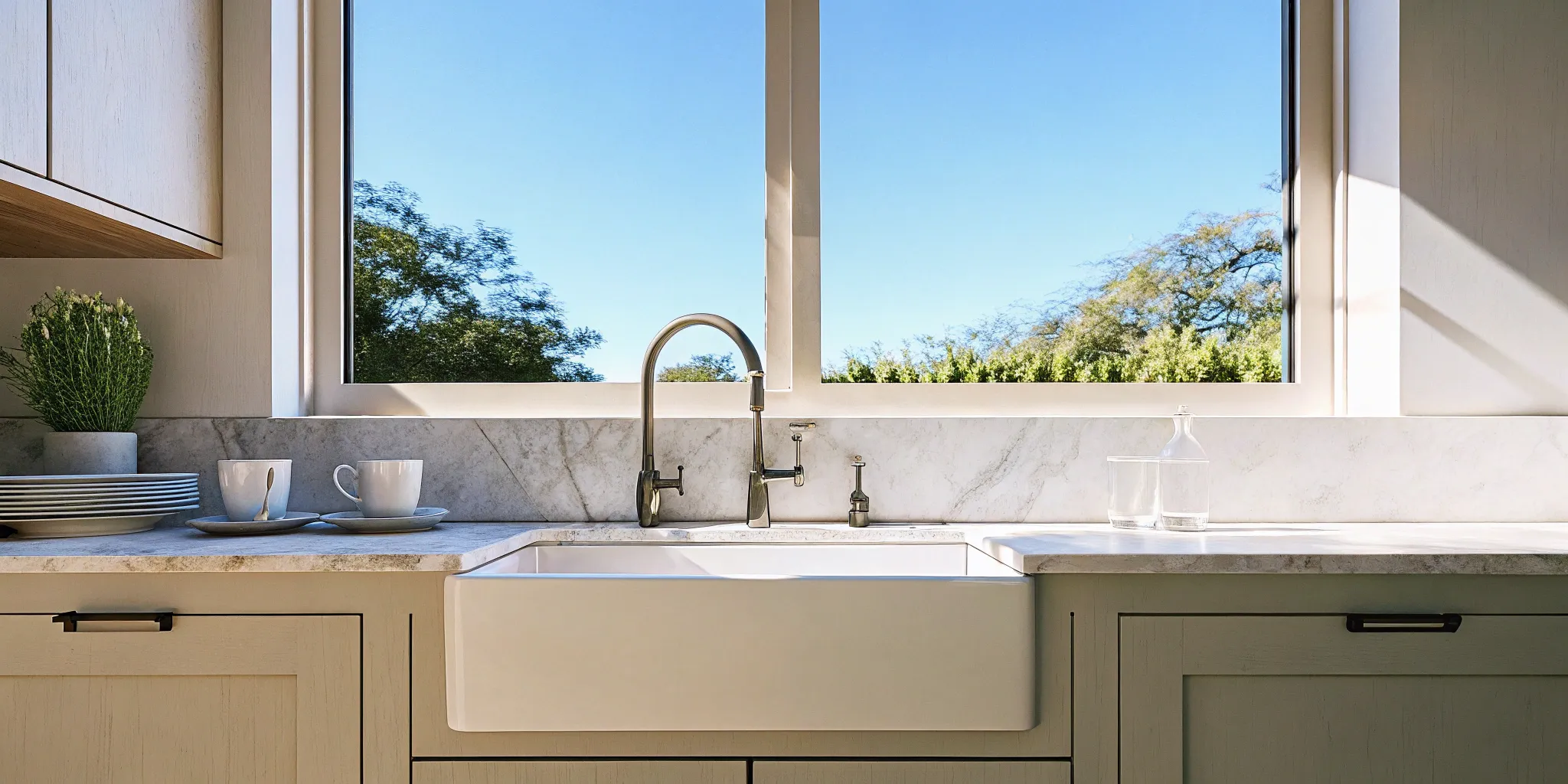
Your Pinterest board is overflowing with inspiration, and you can already picture yourself cooking in a bright, updated kitchen. So, how do you make that dream a reality? It all starts with the budget. Figuring out the numbers for your small kitchen remodel is the first step to bringing your vision to life. This guide will help you align your goals with a practical financial plan. We’ll explore how your choice of materials, layout changes, and finishes impact the final cost. Working with a design and build firm ensures your project stays on track, turning your vision into a beautiful reality without any budget surprises.
Key Takeaways
- Know where your money really goes: Your budget is shaped more by labor costs and layout changes than by the materials you choose. Keeping your kitchen’s current footprint is the single best way to manage your spending.
- Always plan for surprises: Set aside a contingency fund of 15-20% of your total budget. This financial cushion is crucial for dealing with unexpected issues, like old plumbing or wiring, without derailing your project.
- A kitchen remodel is a smart investment: Beyond the daily enjoyment of a new space, a well-planned kitchen update offers a high return on investment, typically recouping 70-80% of its cost and increasing your home’s market value.
What’s the Average Cost of a Small Kitchen Remodel?
Figuring out the cost of a small kitchen remodel can feel like trying to hit a moving target. The truth is, the final price tag depends entirely on the scope of your project, the materials you choose, and the complexity of the work. To give you a clearer picture, we’ve broken down the typical costs into three tiers. Think of these as starting points for your budget conversation. While these are national averages, they provide a solid framework for understanding what you can achieve at different price points right here in Chicagoland. A design and build firm can help you align your vision with a realistic budget from the very beginning, ensuring there are no surprises along the way.
The Budget-Friendly Makeover: $5,000–$15,000
This price range is perfect for a cosmetic refresh that breathes new life into your kitchen without a full-gut renovation. Think of it as a strategic facelift. At this level, you’re likely keeping your kitchen’s existing layout and major components. The focus is on high-impact, low-cost updates. This could include painting your existing cabinets, installing a new backsplash, swapping out old hardware for something more modern, and upgrading your faucet. You might also be able to fit in a new, budget-friendly countertop, like laminate or butcher block. It’s a fantastic way to make a big change without a huge financial commitment.
The Mid-Range Upgrade: $15,000–$35,000
This is the sweet spot for most homeowners seeking a full kitchen remodel. In this tier, you have the flexibility to make more substantial changes. This budget typically covers new semi-custom cabinets, a full suite of mid-range appliances, and quality countertops like quartz or granite. You can also afford to upgrade your flooring and lighting to completely transform the look and feel of the space. While you’ll likely stick to your kitchen’s current footprint to keep costs down, this budget allows for a comprehensive overhaul that improves both the aesthetics and functionality of your kitchen, making it a popular choice for a significant return on investment.
The High-End Transformation: $35,000–$55,000
If you’re dreaming of a completely customized, high-end kitchen, this is your tier. This budget opens the door to luxury materials, custom cabinetry, and professional-grade appliances. It also provides the funds needed for more complex work, like reconfiguring the layout, moving plumbing, or taking down a wall to create an open-concept space. You can select premium finishes, from marble countertops to custom-designed lighting fixtures. This is where you can truly tailor every detail to your specific tastes and needs, resulting in a show-stopping kitchen that you can see in our project gallery. Projects at this level often involve a complete transformation of the room.
A Note on Luxury Remodels: $75,000+
For those who envision a truly one-of-a-kind kitchen, a luxury remodel budget often starts around $75,000. This level of investment allows for a complete transformation, moving beyond simple updates to a fully customized space. Think premium materials like marble countertops, custom-built cabinetry tailored to your exact needs, and professional-grade appliances that would make a chef jealous. This budget also covers complex structural changes, such as removing walls to create an open-concept living area or reconfiguring the entire layout for better flow. According to the industry-leading Cost vs. Value Report, an upscale kitchen project in Chicago can be a significant investment, but it’s one that creates a truly bespoke environment. A project of this magnitude requires expert oversight, which is where our design and build team becomes invaluable, ensuring every detail is executed perfectly.
What Really Drives Your Kitchen Remodel Cost?
When you start planning a kitchen remodel, it’s easy to get swept up in the design details. But before you fall in love with a specific countertop or appliance, it’s helpful to understand the core components that will influence your final budget. The total cost isn’t just one number; it’s a combination of several key factors, from the size of your space to the professionals you hire. Knowing what drives the cost will empower you to make informed decisions and create a realistic financial plan for the kitchen you’ve always wanted.
How Size and Layout Impact Price
It makes sense that the bigger your kitchen, the more it will cost to remodel. More square footage requires more materials—from flooring to cabinets to countertops—and more labor to install everything. As a general guideline, you can expect to pay around $150 to $160 per square foot for a small kitchen renovation. Beyond just size, your kitchen’s layout plays a huge role in the final price. Keeping your existing footprint is the most budget-friendly approach. If you decide to move walls, relocate plumbing for the sink or dishwasher, or change the electrical wiring for appliances, the complexity and cost of the project will increase significantly.
Choosing Your Materials and Finishes
Your choice of materials and finishes is where your personal style shines through, and it’s also one of the biggest variables in your budget. Cabinets alone can account for up to 40% of your total remodel cost, with options ranging from affordable stock cabinets to fully custom creations. The same goes for countertops, where laminate is a budget-friendly choice, while high-end quartz or marble will be a larger investment. Our design and build services can help you find the perfect materials that match both your aesthetic vision and your financial goals, ensuring you don’t have to compromise on quality.
Factoring in Local Labor Rates
Hiring skilled professionals is an investment in getting the job done right, and labor can easily make up half of your total project cost. This expense covers the expertise of your general contractor, who manages the project, as well as the specialized tradespeople like plumbers, electricians, and installers. While it might be tempting to cut corners here, professional labor ensures your kitchen is not only beautiful but also safe and compliant with all building codes. At THP Builders, our award-winning team brings years of experience to every project, guaranteeing a high-quality result that lasts.
Don’t Forget About Permits
For any kitchen remodel that involves changing the structure, plumbing, or electrical systems, you will need to secure permits from your local municipality. This is a critical step that ensures the work is performed safely and meets all legal requirements. The cost for permits can range from $500 to $1,500, depending on the scope of your project and your specific location in the Chicagoland area. A professional contractor will handle the entire permitting process for you, from filing the paperwork to scheduling inspections, giving you peace of mind that your renovation is fully compliant.
Design Strategies to Maximize Space in a Small Kitchen
A small kitchen doesn’t have to feel cramped. With the right design strategies, you can create a space that is both beautiful and highly functional. It’s all about making smart choices that trick the eye and make the most of every square inch. From clever color palettes to innovative storage, these ideas will help you transform your compact kitchen into a room that feels open, organized, and ready for anything. A thoughtful approach can make even the most modest kitchen feel spacious and welcoming, proving that great design isn’t about the size of the room, but how you use it.
Use Color and Light to Create an Open Feel
The quickest way to make a small kitchen feel larger is by using color and light to your advantage. Light, airy colors are your best friend here. Think classic whites, soft grays, or light wood tones for your cabinets and countertops. These shades reflect light, creating an illusion of spaciousness and making the room feel brighter and more open. Dark colors, on the other hand, tend to absorb light and can make the walls feel like they’re closing in. By sticking to a lighter color palette, you establish a bright, welcoming foundation that you can build upon with other design elements to create a kitchen you love spending time in.
Implement a Layered Lighting Plan
Great lighting can completely change the feel of a small kitchen, eliminating shadows and making the space feel larger. A single overhead fixture just won’t cut it. Instead, a layered lighting plan is key. This involves combining different types of lighting to ensure the entire room is well-lit. Start with recessed lights for overall ambient illumination. Then, add task lighting, like under-cabinet LED strips, to brighten your countertops for food prep. Finally, consider a stylish pendant light over a peninsula or sink to add a decorative touch. A well-designed lighting scheme is a crucial part of any successful kitchen renovation, making the space both more functional and inviting.
Incorporate Smart Storage Solutions
In a small kitchen, clutter is the enemy. The key to a functional space is smart storage that keeps your countertops clear and everything you need within easy reach. This means thinking beyond standard cabinets and finding creative ways to use every available nook and cranny. The goal is to maximize your storage capacity without making the room feel crowded. From vertical solutions that draw the eye upward to clever corner units that leave no space wasted, getting creative with your storage ensures your kitchen is as practical as it is beautiful, allowing you to cook and entertain with ease.
Go Vertical with Cabinetry
One of the most effective ways to gain storage in a small kitchen is to think vertically. Instead of standard-height cabinets, consider extending them all the way to the ceiling. This simple change can dramatically increase your storage space, giving you a perfect spot for those less-frequently used items like specialty appliances or seasonal dishes. Not only does it add valuable real estate for your kitchen essentials, but it also draws the eye upward, creating an illusion of height and making the entire room feel more expansive. It’s a smart move that adds both function and a sense of grandeur to a compact space.
Utilize Wall Space and Corners
Don’t let your walls and corners go to waste. These often-overlooked areas are prime real estate for storage. You can install a magnetic knife rack or a pegboard system to hang utensils, pots, and pans, freeing up precious drawer and cabinet space. Inside your cabinets, make corners work for you with a lazy Susan or pull-out shelving so nothing gets lost in the back. These solutions are all about efficiency, helping you organize your kitchen and keep your counters clear for cooking and prep work, which is essential in a smaller footprint.
Choose the Right Cabinets and Shelving
While solid rows of upper cabinets provide plenty of storage, they can also make a small kitchen feel heavy and enclosed. To create a more open and airy atmosphere, consider mixing up your storage styles. Integrating a few sections of open shelving can break up the visual bulk of cabinetry and provide a stylish spot to display your favorite dishes or glassware. If you prefer to keep things behind doors, cabinets with glass fronts can achieve a similar effect. This approach allows you to maintain ample storage while making the room feel less cramped and more personalized. You can see beautiful examples of this in our project gallery.
Select an Efficient Layout
The layout of your kitchen is its functional backbone, and in a small space, efficiency is everything. A well-designed layout streamlines your workflow, making cooking and cleaning feel effortless. The goal is to create a logical “work triangle” between your sink, refrigerator, and stove, minimizing the steps you need to take between key tasks. Even minor adjustments to the layout can have a huge impact on how you use and enjoy your kitchen every day. Working with a design and build professional can help you determine the best possible layout for your specific room and needs.
Galley, L-Shaped, and U-Shaped Kitchens
Certain layouts are naturally suited for smaller footprints. A galley kitchen, with two parallel walls of cabinets, is incredibly efficient for narrow spaces. An L-shaped layout uses two adjacent walls, which opens up the room and can even accommodate a small dining nook. A U-shaped kitchen offers the most storage and counter space by utilizing three walls, creating a compact and highly functional work zone. Each of these layouts is designed to maximize efficiency, making it easier to move around and access everything you need without feeling boxed in, proving that a small kitchen can still be a powerhouse of productivity.
Breaking Down Your Kitchen Remodel Budget
Seeing the total cost of a kitchen remodel can feel a bit like sticker shock. But when you break it down, the numbers start to make a lot more sense. Understanding where your money goes is the first step to creating a realistic budget and making smart decisions for your home. A typical kitchen remodeling project has several key cost centers, from the big-ticket items like cabinets to the finishing touches like lighting and fixtures.
Think of this as a roadmap for your budget. While these figures are typical ranges, your final costs will depend on your specific choices, the size of your kitchen, and the scope of your project. Below, we’ll walk through the main components of a kitchen budget so you can see how it all adds up. This will help you prioritize what matters most to you, whether it’s custom cabinetry, high-end appliances, or beautiful stone countertops.
Cabinets
Cabinets are the foundation of your kitchen’s design and functionality, so it’s no surprise they often take up the largest chunk of the budget—typically around 30% to 40% of the total cost. The price varies widely based on whether you choose stock, semi-custom, or fully custom options. Basic, off-the-shelf cabinets might run you $2,000 to $3,000. For mid-range choices with more style and storage features, you can expect to spend between $4,000 and $6,000. If you’re dreaming of high-end, custom-built cabinetry tailored perfectly to your space, costs can range from $6,000 to $15,000 or more.
Countertops
Your countertops are a major focal point and a workhorse surface, and the material you choose will have a big impact on your budget. There’s a wide world of options out there to fit any style. For a budget-friendly choice, laminate countertops can range from $240 to $900. Popular and durable materials like quartz, butcher block, and stainless steel typically fall between $1,500 and $4,500. If you love the look of natural stone, granite usually costs between $2,100 and $4,200, while elegant marble can range from $2,100 to $5,700. You can see how different materials look in real projects in our gallery.
Countertop Costs Per Square Foot
To get a better handle on your budget, it helps to look at countertop prices per square foot. This lets you compare materials directly. Laminate is the most wallet-friendly option, usually running between $20 and $60 per square foot. For a step up in durability and style, materials like granite and quartz are very popular choices, typically costing anywhere from $50 to $150 per square foot, installed. If you’re aiming for a luxury look, elegant marble can range from $60 to over $200 per square foot. Remember that these prices often include installation, but it’s always a good idea to confirm what’s covered. Our team can help you explore the best options that fit both your design vision and your budget, ensuring you get a surface you love.
Appliances
Appliances are another significant investment, with costs depending on the brand, features, and finish you select. A new microwave can be anywhere from $150 to $900, while a new stove typically costs between $300 and $1,500, depending on whether you go with gas or electric. A quality dishwasher will generally run from $700 to $2,000, and a refrigerator can range from $1,000 to $3,000. While it’s easy to get excited about the latest smart features, focusing on reliable, energy-efficient models is always a smart move for your budget and your daily routine.
Flooring
Kitchen flooring needs to be tough enough to handle spills, foot traffic, and dropped utensils while still looking great. Fortunately, there are excellent options at nearly every price point. Sheet vinyl is a very affordable choice, costing between $300 and $1,000. Laminate and luxury vinyl plank (LVP) offer the look of wood or tile for a fraction of the price, typically ranging from $300 to $1,600. For timeless hardwood, you can expect to budget between $700 and $2,500, while durable and classic ceramic tile usually falls between $1,500 and $2,000.
Flooring Costs Per Square Foot
To get a more precise handle on your budget, it helps to look at flooring costs per square foot. This allows you to compare materials apples-to-apples. For a durable and budget-friendly option like sheet vinyl or luxury vinyl plank (LVP), you can expect to pay around $3 to $16 per square foot, installed. If you love the classic look of hardwood, that will typically run between $7 and $25 per square foot. Ceramic tile, another durable favorite, usually falls in the $15 to $20 per square foot range. These prices factor in both the material and the professional installation, which is key for a lasting finish in a high-traffic area. Choosing the right flooring is a balance of style, durability, and cost, which is a key part of any kitchen remodeling plan.
Lighting and Electrical
Great lighting can completely transform a kitchen, making it feel brighter, bigger, and more functional. The cost for new light fixtures can range from $50 for a simple piece to over $4,500 for a high-end, layered lighting scheme. Beyond the fixtures themselves, you’ll need to budget for electrical labor, which typically costs between $50 and $100 per hour. This is especially important if you’re moving outlets, adding under-cabinet lighting, or updating old wiring to meet current safety codes. Planning this is a key part of our design and build services.
Fixture Cost Examples
Beyond the big-ticket items, the fixtures you choose are like the finishing touches that pull the whole design together. Think of them as the jewelry of your kitchen. A new sink, for example, can range from a practical $200 stainless steel model to over $2,000 for a statement-making farmhouse sink. Faucets also have a wide price spectrum, from a simple $100 fixture to a high-tech, touchless model that can cost upwards of $1,000. Even smaller details like cabinet pulls and knobs contribute to the final cost, though they are more budget-friendly. Our design and build team can guide you through these choices, helping you select fixtures that complement your style and fit within your overall budget.
Plumbing and Fixtures
Finally, don’t forget about the sink and faucet. The costs for plumbing and fixtures, including the sink, faucet, and garbage disposal, can range from $350 to $2,000. A simple stainless steel sink and a basic faucet will be on the lower end, while a farmhouse sink with a high-end, touchless faucet will be at the top of that range. If your remodel involves moving the sink or dishwasher to a new location, remember that the cost to reroute plumbing lines will add to your overall budget. A professional contractor can give you a precise quote when you’re ready to contact us.
Sink and Faucet Cost Tiers
Your sink and faucet are more than just functional; they’re the finishing touches that can define your kitchen’s style. The cost for these fixtures can vary significantly based on the material, features, and design you choose. To help you plan your kitchen remodel, here’s a look at what you can expect at different price points.
- Basic Options ($350–$800): In this range, you’ll find durable stainless steel sinks and standard, reliable faucets. This is a practical and budget-friendly choice for a clean, simple update that gets the job done without any extra frills.
- Mid-Range Selections ($800–$1,500): Stepping into the mid-range gives you more design flexibility. Think deeper undermount sinks that create a seamless look with your countertops or a stylish faucet with a pull-down sprayer that makes cleanup a breeze.
- High-End Choices ($1,500–$2,000+): If you want a true centerpiece, this budget opens up luxury options like a classic farmhouse sink or a high-tech, touchless faucet. These are the kind of premium fixtures that make a statement, and you can see some beautiful examples in our project gallery.
Keep in mind that these costs are for the fixtures themselves. If your new layout requires moving the sink or dishwasher, you’ll also need to factor in the additional cost of rerouting the plumbing lines. This is a more involved task that will impact your overall budget, so it’s important to discuss it with your contractor early in the planning process.
What Are the Most Expensive Parts of a Kitchen Remodel?
When you’re planning your kitchen budget, it helps to know where the biggest expenses are hiding. While every project is unique, a few key areas consistently claim the largest portion of the funds. Understanding these big-ticket items from the start allows you to allocate your money wisely and make informed decisions about where to save and where to splurge. From the custom cabinets that define your style to the skilled labor that brings it all together, let’s break down the most significant costs you can expect in your kitchen remodeling project.
Cabinets: The Biggest Slice of the Pie
It might be surprising, but your kitchen cabinets often represent the single largest material expense. They can easily account for 29% to 40% of your total project cost. Why? Cabinets are more than just boxes; they are the functional and aesthetic foundation of your kitchen. The price depends heavily on whether you choose stock, semi-custom, or fully custom options, with materials, finishes, and hardware all playing a role. While the initial cost can be high, quality cabinetry is a worthwhile investment that defines the room’s character and withstands daily use for years to come.
Labor: Where Most of Your Budget Goes
While cabinets are the priciest item, labor is typically the most expensive category overall. The hands-on work of skilled professionals—carpenters, plumbers, electricians, and tile setters—can make up 50% to 60% of your total remodel cost. This is the investment that ensures everything is installed correctly, safely, and up to code. Hiring an experienced general contractor like THP Builders means you have a dedicated team managing every detail, from demolition to the final coat of paint. This expertise is what transforms a collection of materials into a beautiful, functional, and lasting kitchen.
Understanding Labor Cost Percentages
It can be surprising to see that labor makes up about half of your total budget, but this cost is what ensures a smooth and successful renovation. This percentage isn’t just for the installation; it covers the comprehensive management of your project by a general contractor and the specialized expertise of every professional involved, from the plumber handling your new sink to the electrician wiring your pendant lights. Investing in a skilled team means you’re paying for peace of mind. It guarantees that every aspect of your remodel is handled correctly, meets all safety codes, and results in a beautiful, durable kitchen. Our design and build services integrate this entire process, ensuring every expert is coordinated seamlessly.
Moving Walls and Changing Layouts
Do you dream of tearing down a wall for an open-concept space or moving the sink to a new island? Be prepared for a significant budget increase. Any project that involves structural changes or reconfiguring the layout is one of the most expensive undertakings in a remodel. Moving plumbing, gas lines, and electrical wiring requires specialized labor and more extensive demolition and reconstruction. While keeping your kitchen’s existing footprint is the most budget-friendly approach, our design and build services can help you explore new layouts that completely transform how you live and cook in your home.
How Much Should You Budget for Labor and Permits?
When you’re dreaming up your new kitchen, it’s easy to focus on the fun stuff, like cabinets and countertops. But materials are only part of the equation. The labor to install everything correctly and the permits required to do the work legally are significant parts of your budget you can’t overlook. Skilled craftsmanship is what turns beautiful materials into a functional, lasting kitchen, and hiring professionals ensures your project runs smoothly and meets all safety standards. Understanding these expenses ahead of time helps you create a realistic budget and avoid surprises. Let’s break down what to expect.
What Does a General Contractor Cost?
Your general contractor is the captain of your remodeling ship. They manage the entire project, from scheduling subcontractors to ensuring everything is up to code. For this comprehensive oversight, general contractors typically charge between 15% and 30% of the total project cost. This fee covers the complex work of project management and quality control that happens behind the scenes. When you partner with an experienced firm for your design and build services, you’re paying for a seamless process and a single point of contact, saving you from the headache of juggling multiple workers and timelines yourself.
Budgeting for Plumbers, Electricians, and More
A full kitchen remodel requires a team of skilled experts, and their labor often accounts for 50% to 60% of your total budget. You’ll need a licensed plumber for the sink and dishwasher, and a certified electrician for lighting and outlets. Plumbers in the Chicagoland area generally charge between $75 and $150 per hour, while electricians can range from $170 to $300 per hour. A reputable general contractor has a network of trusted tradespeople, ensuring every part of your kitchen remodeling project is handled by a qualified professional.
The Price of Permits
Before any walls come down or pipes get moved, you’ll likely need permits from your local municipality. Permits are non-negotiable; they ensure your renovation is safe and complies with local building codes. For a small kitchen remodel, permit costs can range from $500 to $1,500, depending on the scope of your project and where you live in Chicagoland. If you’re making structural, electrical, or plumbing changes, permits are a must. While it might seem like just another fee, a permit protects you and your home’s value. A seasoned contractor will handle the entire permitting process for you.
Smart Ways to Save on Your Small Kitchen Remodel
A stunning kitchen transformation doesn’t have to come with a shocking price tag. While it’s easy to get carried away with high-end finishes and brand-new everything, a strategic approach can save you thousands. The key is knowing where to spend and where to save. By making smart choices about materials, layout, and timing, you can achieve the kitchen of your dreams on a budget that feels comfortable.
Working with an experienced design and build team can help you identify the best cost-saving opportunities for your specific space. We can guide you toward decisions that deliver the biggest impact without draining your bank account. Here are some of the most effective ways to keep your small kitchen remodel costs in check.
Refinish, Don’t Replace Cabinets
If your existing cabinets are structurally sound, you can save a significant amount of money by refinishing them instead of tearing them out. A fresh coat of paint or a new stain can completely change the look and feel of your kitchen for a fraction of the cost of new custom or even stock cabinetry. While a DIY paint job is an option, professional refinishing will give you a more durable, factory-like finish that stands up to daily wear and tear. You can also update the hardware—new pulls and knobs are like jewelry for your cabinets and can make a huge difference in modernizing the space.
Keep Your Current Layout
One of the biggest budget-busters in any kitchen remodeling project is changing the layout. Moving walls is one thing, but relocating plumbing for the sink and dishwasher or moving gas and electrical lines for appliances adds major labor and material costs. If your current kitchen layout is functional, keeping the existing footprint is your single most effective cost-saving strategy. A talented designer can work within the current space to improve workflow and aesthetics, making it feel like a brand-new kitchen without the expense of a complete reconfiguration. This allows you to focus your budget on finishes and fixtures that you’ll see and touch every day.
Shop Smart for Materials
High-end materials are beautiful, but they aren’t the only option for a stylish kitchen. You can get a luxe look for less by choosing budget-friendly alternatives. For example, instead of granite or quartz, consider high-quality laminate countertops, which come in a huge variety of colors and patterns that mimic natural stone. For flooring, luxury vinyl tile (LVT) offers the look of hardwood or stone with superior durability and a lower price point. These smart swaps can free up funds for other priorities, like a statement backsplash or a new appliance you’ve been eyeing. It’s all about creating a high-impact look without the high-end price.
Leverage Your Small Space for Higher-Quality Materials
Here’s a little secret: a smaller kitchen can be a huge advantage when it comes to your budget. Because you have less square footage to cover, you need less material for things like flooring, countertops, and backsplashes. This means you can often afford to splurge on higher-quality options that might be out of reach in a larger space. That designer tile you’ve been eyeing for the backsplash or that beautiful slab of quartz for the counters suddenly becomes much more attainable. It’s a fantastic way to give your kitchen a high-end, custom feel without a massive price tag. You can explore our project gallery to see how premium materials can make a big impact in kitchens of all sizes.
Reuse Appliances That Are in Good Condition
When you’re planning a remodel, it’s tempting to want a full suite of brand-new, matching appliances. But if your current refrigerator, stove, or dishwasher is still in great shape and works well, consider keeping it. A new set of appliances can easily add thousands of dollars to your total cost. By reusing what you already have, you can free up a significant portion of your budget to invest elsewhere, whether that’s in better cabinets, upgraded lighting, or those countertops you love. A skilled designer can seamlessly integrate your existing appliances into the new kitchen layout, ensuring everything looks cohesive and intentional.
A Look at a $5,000 Remodel
It might sound impossible, but a beautiful kitchen update can be done on a very tight budget with smart planning. For inspiration, look at stories like the homeowner who successfully remodeled their small kitchen for about $5,000. They achieved this by being strategic, waiting for big sales events like Black Friday to purchase new items and focusing on high-impact cosmetic changes. This approach shows that you don’t always need a massive budget to make a meaningful difference. It’s all about prioritizing your goals and being resourceful. When you’re ready to discuss what’s possible with your own budget, you can always contact our team for a conversation.
DIY Demolition: Is It Right for You?
For homeowners who are comfortable with a bit of sweat equity, handling some of the demolition can trim labor costs. Tasks like removing old cabinets, tearing out flooring, or taking down a non-structural wall can be done on your own if you have the right tools and knowledge. However, this comes with a big caveat: be extremely careful. Accidentally damaging plumbing, electrical wiring, or structural components will lead to expensive repairs that erase any initial savings. For most people, it’s safer and more efficient to leave the demolition to the professionals to ensure it’s done correctly and safely from the start.
Look for Sales and Material Remnants
Timing your purchases can lead to big savings, especially on appliances. Waiting for holiday sales events like Black Friday or Memorial Day can often get you a great deal on a full appliance suite. Another pro tip for saving on countertops is to ask suppliers about remnants. If you have a small kitchen or only need a piece for an island, you may be able to find a leftover slab of high-end granite or quartz at a deep discount. A great contractor often has established relationships with suppliers and can help you find these deals, ensuring you get quality materials at the best possible price.
How Project Timing Affects Your Budget
Just like shopping, timing your actual renovation can impact the cost. Contractors are often busiest in the spring and summer, so scheduling your project for the off-season in late fall or winter might give you more flexible pricing. More importantly, it’s crucial to plan your budget’s timing. We always advise clients to set aside a contingency fund of at least 15-20% of the total project cost. In older Chicagoland homes, it’s common to uncover unexpected issues once walls are opened up. Having that buffer ensures that a surprise won’t derail your entire home renovation.
How to Pay for Your Kitchen Remodel
Once you have a realistic budget in mind, the next step is figuring out how to fund it. For many homeowners, paying for a full remodel out-of-pocket isn’t feasible, and that’s completely normal. The good news is there are several financing options available that can make your dream kitchen an achievable reality. Choosing the right path depends on your financial situation, your project’s timeline, and your comfort level with different types of loans. Exploring these avenues early in the process ensures that when you’re ready to start, the financial side is already sorted out, letting you focus on the exciting design decisions for your kitchen remodeling project.
Common Financing Options
Personal loans are a popular choice because they are often quick to secure and provide a lump sum of cash, allowing you to pay your contractor without delay. Another excellent option is a home equity loan, which lets you borrow against the value you’ve built in your home, often at a lower interest rate than a personal loan. For smaller updates or to cover specific material purchases, some homeowners use credit cards or take advantage of special financing offers from home improvement stores, though it’s wise to be mindful of interest rates. No matter which route you choose, remember to include that 15-20% contingency fund in your total loan amount to handle any surprises with grace.
Common Small Kitchen Remodel Mistakes to Avoid
Designing a small kitchen is a unique challenge where every single choice matters. With limited square footage, a minor misstep can make the space feel cramped and dysfunctional. The goal is to create a kitchen that not only looks beautiful but also feels open, airy, and works efficiently for your daily life. Avoiding a few common design pitfalls can make all the difference between a kitchen that feels tight and one that feels just right. Partnering with a professional design and build firm from the start is the best way to steer clear of these errors and ensure your final space is both stunning and smart.
Choosing Dark Colors and Heavy Materials
While dark, moody colors can be dramatic in a large room, they can make a small kitchen feel like a cave. Deep cabinet colors, dark countertops, and heavy materials can absorb light and visually shrink the space, making it feel crowded and closed-in. Instead, opt for a lighter color palette. White, cream, light gray, or soft pastels on the cabinets and walls will reflect light and create an illusion of spaciousness. This doesn’t mean your kitchen has to be boring; you can add pops of color with a vibrant backsplash, accessories, or a statement piece of art to bring in personality without sacrificing that open, airy feeling.
Overloading with Upper Cabinets
Storage is always a top priority in a kitchen, but lining every available wall with bulky upper cabinets can be overwhelming in a small space. A wall of solid doors can feel heavy and make the room feel top-heavy and claustrophobic. To strike the right balance, consider mixing up your storage solutions. You could replace some upper cabinets with open shelving to display your favorite dishes, which creates a more open and personal look. Another great option is to incorporate cabinets with glass-front doors, which provides the storage you need while still feeling lighter and less imposing than solid wood.
Selecting Bulky Furniture and Appliances
In a small kitchen, scale is everything. Standard-sized appliances can jut out past your countertops, disrupting the flow and taking up valuable floor space. Likewise, a large, chunky kitchen island or a dining table that’s too big for the room can make navigating the space a daily frustration. When selecting appliances, look for counter-depth models that sit flush with your cabinetry for a seamless, built-in look. Choose furniture with a smaller footprint, like a slim pedestal table or backless stools that can be tucked away neatly under a counter. These thoughtful choices will preserve precious square footage and make your kitchen feel much more spacious and comfortable.
What Are the Hidden Costs of a Kitchen Remodel?
Even with the most detailed plan, a home remodel can reveal a few surprises. It’s just the nature of opening up walls and floors in a home that’s been lived in for years. The key isn’t to prevent every possible surprise—that’s impossible—but to plan for them. A well-managed project anticipates these potential bumps in the road, and a smart budget includes a cushion for them. Understanding what these hidden costs might be can give you peace of mind and keep your project on track, no matter what your walls are hiding.
Uncovering Structural Issues
You never truly know what’s behind a wall until you open it up. This is especially true in the beautiful, older homes scattered throughout Chicagoland. Once demolition begins, we might uncover issues like old water damage from a long-forgotten leak, termite or carpenter ant damage, or outdated and unsafe electrical wiring. These problems have to be fixed correctly before any new work can begin, which adds time and cost to the project. A professional home renovation team has seen it all and can address these structural surprises efficiently, ensuring your new kitchen is built on a safe and solid foundation.
Bringing Your Kitchen Up to Code
Building codes exist to keep your home and family safe, and they are updated regularly. When you undertake a major remodel, you’re often required to bring the affected systems up to the current code. For a kitchen, this could mean updating the electrical wiring to handle modern appliances, adding new GFCI outlets for safety, or improving ventilation. These upgrades are non-negotiable and often require permits, which can range from $500 to $1,500 depending on the scope of the work. While it’s an added expense, think of it as a long-term investment in your home’s safety and value.
The Cost of Changing Your Mind
It’s easy to get new ideas once you see your space taking shape. Maybe you suddenly decide you want pendant lights over the island or want to upgrade from laminate to quartz countertops. This is often called “scope creep,” and it happens when new ideas are added as you go. While we always want you to love your final kitchen, making changes mid-stream can impact the budget and timeline. New materials may need to be ordered, and completed work might have to be redone. Our design and build services help you visualize the final product and make these decisions upfront, minimizing costly last-minute changes.
Why You Need a 15-20% Contingency Fund
This is your single best tool for managing unexpected costs. A contingency fund is money set aside specifically for the unknown. We recommend you plan to add about 15% to 20% more to your budget than you think you’ll need. So, if your planned kitchen remodel costs $30,000, your contingency fund should be between $4,500 and $6,000. This fund covers things like hidden structural repairs, necessary code upgrades, or minor design changes. It’s your project’s financial safety net. And if you don’t end up needing it? That’s great! You can put it back in savings or splurge on that high-end espresso machine you’ve been eyeing.
How Your Chicagoland Location Affects Remodel Costs
It’s no secret that location impacts real estate prices, and the same is true for remodeling costs. Where you live in the Chicagoland area plays a significant role in your final project budget. From the city to the suburbs, factors like local demand, material transportation, and labor rates can vary quite a bit. Understanding these regional differences is the first step to building a realistic budget for your kitchen remodeling project and ensuring there are no surprises along the way. Let’s look at how your specific spot on the map shapes the numbers.
A Look at the Chicagoland Market
The cost of everything from labor to lumber is influenced by local market conditions. In a bustling area like Chicagoland, high demand for qualified contractors can influence pricing. Material availability and the cost of getting those materials to your doorstep also come into play. A good general contractor will have strong relationships with local suppliers, which can help manage these costs effectively. Being aware that costs vary by region helps you understand why a quote for a project in one part of Chicagoland might differ from another, even if the project scope is identical.
Remodel Costs: Chicago vs. the Suburbs
Remodeling in a dense urban neighborhood often comes with a different price tag than a project in a sprawling suburb. Working in the city can involve logistical challenges like limited parking for tradespeople, navigating condo association rules, and getting materials into a high-rise building. These factors can add time and complexity, which is reflected in the cost. Conversely, while suburban projects might have easier logistics, the specific town you’re in can have its own set of premium costs based on local demand and property values. You can see examples of our work across the area in our project gallery.
Why City Renovations Can Cost More
Living in the heart of the city has its perks, but when it comes to remodeling, it can also come with a unique set of costs. The logistics alone can be more complex. Think about coordinating deliveries on a busy street, finding parking for a team of tradespeople, or navigating the rules of a condo association. Getting materials and equipment up to a high-rise apartment is a different challenge than simply carrying them into a suburban home. These factors add time and complexity, which naturally impacts the overall cost. Additionally, permits and labor rates can be higher in dense urban areas, reflecting the demand and specific requirements of city building codes. An experienced kitchen remodeling contractor understands these urban challenges and knows how to manage them efficiently, ensuring your project runs smoothly despite the hustle and bustle.
When Is the Best Time to Remodel in Chicago?
Just like the weather, the remodeling industry in Chicago has its seasons. Spring and summer are typically the busiest times, as homeowners rush to get projects done in warmer weather. This peak demand can sometimes lead to longer wait times and higher prices for both labor and materials. Planning your remodel for the off-season, like late fall or winter, could potentially offer more scheduling flexibility and even some cost savings. No matter when you start, it’s always smart to budget an extra 15% for any unexpected issues that might pop up during construction.
Is a Small Kitchen Remodel a Good Investment?
Thinking about remodeling your kitchen is exciting, but it’s also a big decision. You’re likely wondering if the cost is truly worth it. The short answer is a resounding yes. A kitchen remodel is more than just a cosmetic upgrade; it’s an investment in your home’s financial value and your daily quality of life.
How to Calculate Your Remodel’s ROI
Let’s talk numbers. When you invest in a small kitchen remodel, you’re not just spending money—you’re making a smart financial move. A well-executed kitchen update offers one of the best returns of any home improvement project. You can typically expect to recoup between 70% and 80% of your investment when it’s time to sell. This means if you spend $20,000 on your kitchen, your home’s value could increase by $14,000 to $16,000. A professional kitchen remodeling project is a powerful way to build equity in your property while getting to enjoy a beautiful new space. It’s a true win-win.
Increasing Your Home’s Value
In the competitive Chicagoland real estate market, a modern and functional kitchen can make your home stand out. Potential buyers often see the kitchen as the heart of the home, and an outdated one can be a major turn-off. By updating your space, you’re not just adding monetary value; you’re also increasing its marketability. Some smaller, strategic remodels can see a return as high as 81%. A thoughtfully designed kitchen signals that a home has been well-cared-for and can help it sell faster and for a higher price. You can see some stunning examples of value-adding transformations in our project gallery.
Beyond the Numbers: Your Daily Enjoyment
Beyond the financial benefits, consider the return on your daily life. A kitchen that’s cramped, inefficient, or just doesn’t fit your style can make cooking feel like a chore. Investing in a remodel is an investment in your own happiness and ease. A great design focuses on function, creating a workflow that makes sense for how you live, from making your morning coffee to hosting family dinners. When you work with professional design and build services, you ensure the layout and storage are tailored to you. This everyday enjoyment is a return on investment that you get to experience long before you ever think about selling.
Related Articles
- How Much Should a 10×10 Kitchen Remodel Cost?
- Kitchen Remodel Cost Estimator: A 2025 Guide
- Cost to Remodel Kitchen: A Complete Guide
- Kitchen Remodeling Ideas for Small Kitchens
Frequently Asked Questions
Why is there such a wide price range for a small kitchen remodel? The final cost comes down to the scope of your project and the materials you select. A budget-friendly remodel focuses on cosmetic changes like painting existing cabinets and updating hardware, while a high-end project might involve changing the layout, moving plumbing, and installing custom cabinets and professional-grade appliances. Your choices directly shape the final price tag, making every project’s cost unique.
What’s the first step I should take when planning my kitchen remodel budget? Before you even think about specific materials, start by defining your goals. Make a list of what you absolutely need to change for the kitchen to function better for you, and then a separate list of what you would like to have. This simple exercise helps you establish clear priorities, which will guide every financial decision you make and ensure your money goes toward the changes that matter most to you.
Is a 15-20% contingency fund really necessary? Yes, we always recommend it. Think of it as your project’s financial safety net. In many Chicagoland homes, opening up walls can reveal surprises like outdated wiring or old plumbing issues that must be addressed to meet current safety codes. This fund ensures that an unexpected repair doesn’t force you to compromise on the design elements you really want.
If I have to choose, where should I splurge and where can I save? A great approach is to invest in the items you interact with the most. Quality cabinetry and durable countertops are smart places to splurge because they are the workhorses of your kitchen and have a huge impact on the overall look and feel. You can often find cost-effective and beautiful options for things like a tile backsplash or light fixtures, allowing you to save without sacrificing style.
How long does a small kitchen remodel typically take from start to finish? The timeline depends entirely on the project’s complexity. A simple cosmetic refresh might only take a few weeks. For a more involved remodel where you’re replacing everything but keeping the layout, you can generally expect the process to take 6 to 8 weeks. If your project involves moving walls or reconfiguring plumbing and electrical, a timeline of 10 to 12 weeks is more realistic to account for design, permitting, and construction.