
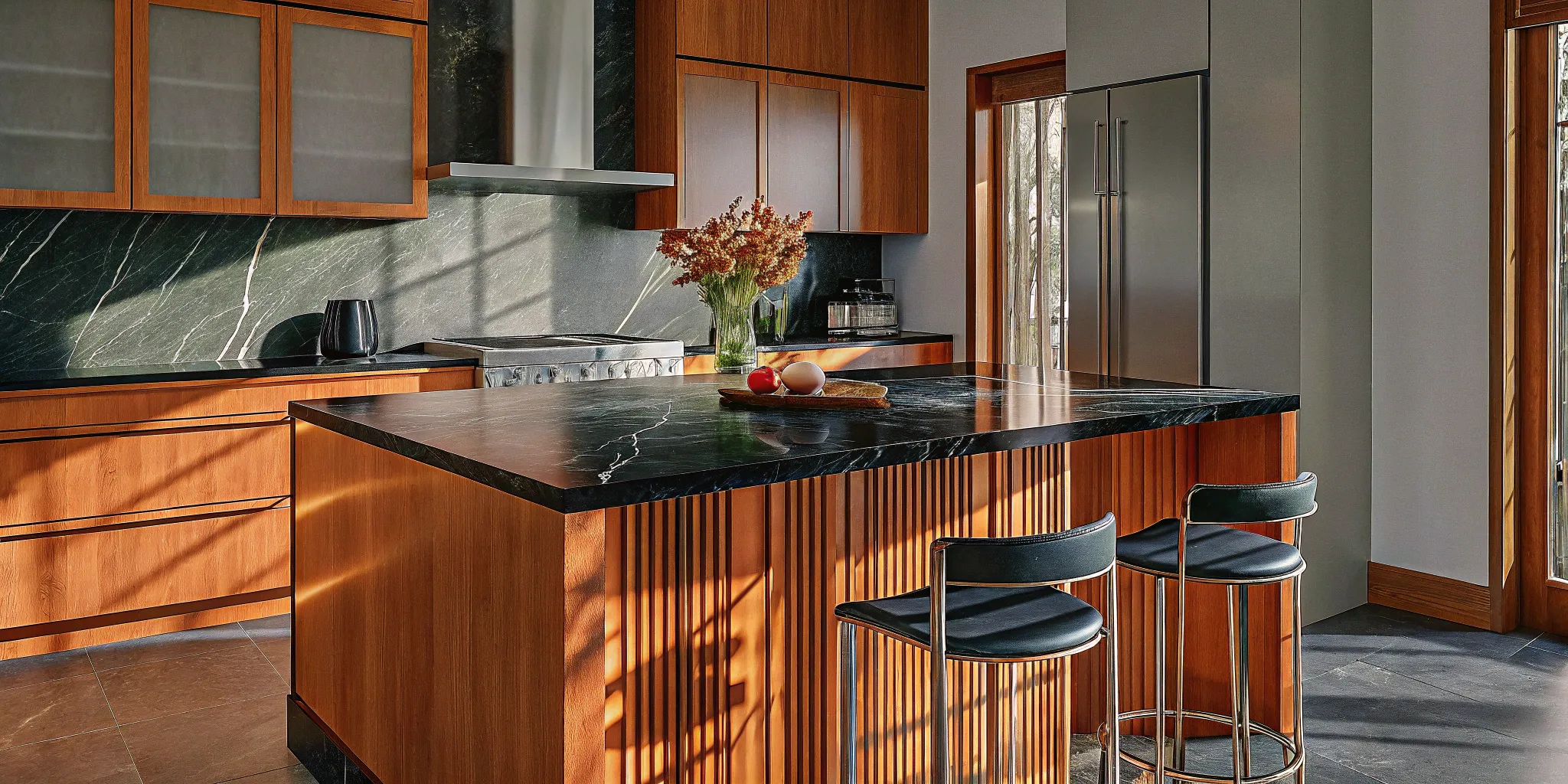
A kitchen island can completely transform your home, turning a simple kitchen into a lively social hub. But before you start picking out countertops, you need a clear picture of the total investment. Understanding the full kitchen island installation costs is about more than just the price of materials. It’s about knowing how every choice—from size and features to plumbing and electrical work—impacts your budget. This guide breaks down all the expenses, so you can confidently plan a beautiful, functional island that fits your vision and your wallet.
Key Takeaways
- Know Your Main Cost Drivers: The final price of your island comes down to a few key choices: its size, the materials you select for the countertop and base, and whether you add features like a sink or cooktop.
- Plan Beyond the Island Itself: A realistic budget includes more than just the island; remember to account for the professional work needed for plumbing and electrical, plus potential costs for permits and flooring adjustments.
- Know When to Call a Professional: While a simple, prefabricated island can be a DIY project, any installation involving new plumbing, electrical lines, or a complex custom design requires a professional to guarantee safety and a high-quality finish.
What’s the Real Cost to Install a Kitchen Island?
So, you’re dreaming of a new kitchen island—the command center for cooking, homework, and entertaining. One of the first questions that comes up is, naturally, about the cost. While there’s no single price tag, we can give you a solid idea of what to expect. On average, homeowners spend between $4,800 and $7,000 for a new kitchen island installation. The full range, however, can go from around $900 for a simple prefabricated unit to $15,000 or more for a large, feature-rich custom island.
What causes such a wide price gap? It really boils down to a few key decisions. The final cost is shaped by the island’s size, the materials you choose (like granite versus laminate), and whether it’s a ready-made piece or a fully custom design. Adding features like a sink, dishwasher, or cooktop will also increase the price, as it requires plumbing and electrical work. A large custom island with high-end appliances can easily reach the $10,000 mark or higher.
Ultimately, the island is often the centerpiece of a kitchen remodeling project, and its cost reflects its importance. It’s more than just extra counter space; it’s a hub that defines how you use your kitchen. As you start planning, thinking through these factors will help you create a realistic budget. For inspiration on how different materials and designs come together, you can explore our project gallery to see what’s possible.
Is a Kitchen Island a Good Investment?
Beyond the initial price tag, it’s important to consider what a kitchen island truly brings to your home. Think of it less as a piece of furniture and more as a lifestyle upgrade. A well-designed island can completely change how you experience your kitchen, turning it from a purely functional room into the social core of your home. It becomes the natural spot for morning coffee, after-school snacks, and a place for friends to gather with a glass of wine while you cook. This central hub adds incredible efficiency, offering extra storage, seating, and a dedicated workspace that can streamline meal prep and keep your main countertops clear.
The key to a successful investment is ensuring the island fits your space and needs perfectly. An island that’s too large can disrupt the kitchen’s workflow, while one that’s too small won’t provide the benefits you’re looking for. This is where professional planning makes a difference. A thoughtful design and build approach considers your kitchen’s layout, your family’s habits, and your long-term goals to create an island that feels like it was always meant to be there. When done right, the investment pays for itself daily through improved function and enjoyment long before you ever think about its resale value.
Understanding the Return on Investment
Let’s talk numbers. From a purely financial perspective, a kitchen island is a solid choice. Homeowners can typically expect to see a return on investment of about 60% to 80% of what they spent when it comes time to sell. So, if you invest $7,000 in a new island, you could potentially add between $4,200 and $5,600 to your home’s value. This return is influenced by the quality of the materials and the craftsmanship of the installation. A custom island with a durable quartz countertop and thoughtful features will always add more value than a basic, out-of-the-box unit.
Of course, the final ROI also depends on the overall quality of your kitchen. An island is a central feature, and its value is maximized when it complements the rest of the space. Integrating it as part of a larger kitchen remodeling project ensures a cohesive design that appeals to future buyers. Ultimately, the investment provides a dual benefit: a tangible financial return and an immediate, significant improvement in your daily life at home.
What Really Affects Your Kitchen Island Cost?
When you start planning your dream kitchen, the island is often the centerpiece. It’s where you’ll prep meals, gather with family, and entertain friends. But what will it cost? The final price tag isn’t a single number—it’s a sum of several key decisions you’ll make along the way. Understanding these factors from the start helps you create a realistic budget and ensures you invest in the features that matter most to you.
From the sheer size of the island to the gleam of its countertop, every choice has an impact. A simple, straightforward island will have a very different cost from one with a built-in wine fridge and a second sink. Let’s break down the four main elements that shape the cost of your new kitchen island so you can plan your kitchen remodeling project with confidence.
How Size Impacts the Price Tag
It might seem obvious, but the bigger the island, the higher the cost. A larger footprint requires more materials—more cabinetry, a larger countertop slab, and more finishing touches. It also demands more labor to build and install. The scale of your island should feel balanced with the rest of your kitchen. An oversized island can overwhelm a smaller space, while a tiny one might look lost in a large, open-concept kitchen. Finding that sweet spot is key to both function and budget, as the island’s dimensions are the foundation upon which all other costs are built.
Cost Increases for Larger Islands
As your island grows in size, so does the budget, and it’s about more than just extra materials. A larger island often becomes a multi-functional workstation, which means it’s more likely to include features like a prep sink, a dishwasher, or even a cooktop. Each of these additions requires professional plumbing and electrical work, which adds a significant layer of complexity and cost to the installation. A large, custom island with high-end materials and integrated appliances can easily push the total project cost past the $10,000 mark. This is why it’s so important to view the island as part of a complete kitchen remodeling plan, where all these interconnected costs are considered from the beginning.
Planning for Seating Capacity
Deciding whether your island will include seating is one of the first functional choices you’ll make, and it directly influences its size and cost. An island designed purely for prep space can be much smaller and more affordable. If you envision your family gathering for breakfast or friends chatting while you cook, you’ll need to plan for seating. A medium-sized island might comfortably seat two people, while a larger one could accommodate four or more. This requires not only a larger countertop with an overhang for knee space but also careful planning to ensure there’s enough clearance for walkways, making professional design and build services essential for creating a functional and comfortable layout.
Choosing Your Materials and Finishes
The materials you choose are one of the most significant cost drivers. The countertop is usually the biggest variable. High-end materials like natural stone, such as granite or marble, and engineered quartz will be a larger investment than options like butcher block or laminate. The base of the island also plays a role. Custom cabinetry will cost more than stock or semi-custom options. Don’t forget the smaller details, either. The cost of hardware, paint or stain, and decorative panels can add up, so be sure to factor those finishes into your overall budget.
Countertop Material Costs
Think of the countertop as the crown jewel of your kitchen island—it’s often the first thing people notice and can set the tone for the entire room. Your material choice here will significantly influence your budget. High-end options like granite, marble, or quartz offer incredible durability and a luxurious feel, typically costing between $50 and $150 per square foot. These materials make a statement and are a long-lasting investment in your home’s value. On the other hand, more affordable choices like laminate or butcher block can provide a beautiful, warm look for $20 to $50 per square foot. The right material for you depends on your budget, your personal style, and how the island fits into your overall kitchen design.
Cabinetry Cost Breakdown
The base of your island isn’t just for support; it’s your primary source of storage and a major style element that anchors the space. The cost here is driven by whether you choose stock, semi-custom, or fully custom cabinets. While stock cabinets are the most affordable, custom cabinets offer complete design freedom but come at a higher price—often around $1,200 to $1,500 per cabinet section. When you opt for a custom build, you’re paying for tailored dimensions, unique storage solutions like pull-out spice racks or integrated trash bins, and high-quality craftsmanship. Working with a design and build team allows you to create an island base that perfectly matches your needs and aesthetic, ensuring every inch is put to good use.
Simple vs. Complex: How Design Affects Cost
A simple, rectangular island is the most budget-friendly option. As you add more complex design elements, the price naturally increases. Features like multiple tiers for seating and prep space, curved edges, or intricate paneling require more skilled labor and specialized craftsmanship to create. If you’re looking for a truly one-of-a-kind piece, our design and build services can create a custom island tailored perfectly to your kitchen. These bespoke islands offer endless personalization but typically start around $3,000 and can go up to $10,000 or more depending on the features.
Costs by Island Shape
The shape of your island has a direct impact on your budget. A standard rectangular or square island is the most cost-effective choice because it uses materials efficiently and requires less complex labor to build. As you start exploring more unique shapes—like L-shaped, U-shaped, or islands with curved edges—the price naturally increases. These custom designs often require more intricate cuts for the countertop, which can lead to material waste, and the cabinetry underneath must be custom-built to fit the specific angles. This specialized work demands more time and skill, which is reflected in the final cost. Seeing how different shapes look in real kitchens can be a huge help, so exploring a project gallery is a great way to visualize how the design influences both the look and the overall investment.
Adding Features like Sinks and Cooktops
An island can be more than just counter space and storage. Many homeowners choose to integrate appliances and utilities directly into their island for a more functional workspace. Adding a prep sink, dishwasher, cooktop, or microwave drawer will significantly increase the total cost. It’s not just the price of the appliance itself; you also have to account for the professional plumbing and electrical work required to make it all work. For example, just installing a sink can add hundreds or even thousands of dollars to the project.
Plumbing Fixture Costs
Adding a sink or a dishwasher to your island is a game-changer for kitchen workflow, but it does require professional plumbing. This isn’t just about hooking up a faucet; it involves running new water supply and drain lines under your floor to the island’s location. The cost for this specialized work typically ranges from $400 to $1,500, depending on the complexity of the job and the existing layout of your home’s plumbing. This price covers the labor and materials to get the pipes in place. It’s a crucial part of any kitchen remodeling project that aims to make the island a truly functional workstation, and it’s a task that should always be handled by a licensed professional to prevent leaks and ensure everything is up to code.
Appliance Integration Costs
Beyond a sink, you might dream of integrating other appliances like a wine cooler, microwave drawer, or even a small beverage fridge into your island. This is where your island transforms from a simple workspace into a multi-functional hub. The cost to integrate built-in appliances can range from $1,000 to $3,000, not including the price of the appliance itself. This fee covers the necessary electrical work, such as adding new outlets, and the custom cabinetry modifications required to create a seamless, built-in look. These features can add significant value and convenience, and you can see beautiful examples of integrated appliances in our project gallery to get ideas for your own space.
Gas Line Installation Costs
For many home chefs, placing a cooktop in the island is the ultimate design goal, creating a social cooking experience. If you opt for a gas range, you’ll need to have a gas line professionally installed. This is a non-negotiable safety requirement that must be handled by a licensed plumber. According to data from Angi, the cost for a new gas line installation typically falls between $260 and $820. This price covers running the line from its source to your new island. Remember to also budget for proper ventilation, like a downdraft system or an overhead range hood, which is essential for air quality and is often required by building codes.
Breaking Down Costs by Kitchen Island Type
When you start planning your new kitchen island, you’ll find that options generally fall into three categories: prefabricated, semi-custom, and fully custom. Each type comes with a different level of personalization and a corresponding price tag. Understanding these categories is the first step to aligning your vision with your budget.
Prefabricated islands are your most straightforward, budget-friendly choice, while fully custom islands offer complete design freedom for a truly one-of-a-kind centerpiece. Semi-custom options sit comfortably in the middle, offering a great balance of personalization and value. The right choice for your kitchen remodeling project depends on your specific needs, the scope of your renovation, and how you plan to use the space. These price ranges will give you a solid starting point for what to expect.
Prefab Islands: The Budget-Friendly Pick
A prefabricated island is a standalone, pre-built unit you can buy directly from a retailer. Think of it as a piece of furniture. These are fantastic for adding counter space and storage to an existing kitchen without the need for major construction. The main benefit is cost, with prices typically ranging from $800 to $2,500. You can even find simple rolling carts for a few hundred dollars. The trade-off, however, is a lack of customization. You’re limited to the sizes, materials, and finishes available, and you generally can’t add plumbing or integrated appliances.
Semi-Custom: The Happy Medium
Semi-custom islands offer a happy medium between pre-made models and a fully bespoke design. This approach usually starts with a standard base structure, which you can then personalize with your choice of countertop, cabinet color, hardware, and other features. It gives you a more integrated look that matches your kitchen’s style without the full cost of a custom build. Most homeowners find this option hits the sweet spot, with typical kitchen island prices falling between $3,000 and $15,000. This flexibility makes it a popular choice for many renovation projects.
Fully Custom: A Worthy Investment
If you want an island that is perfectly tailored to your kitchen’s layout and your family’s lifestyle, a fully custom island is the way to go. Working with a design-and-build team, you can create a piece from the ground up. This means you control every detail, from the exact dimensions and materials to built-in features like a sink, cooktop, or specialized storage. This is your chance to build a true centerpiece, and you can see some beautiful examples in our project gallery. A custom island is a significant investment, typically starting around $3,000 and often exceeding $10,000 for larger, more complex designs.
Budgeting for Unexpected Installation Costs
When you’re dreaming up your perfect kitchen island, it’s easy to focus on the beautiful countertops and stylish hardware. But a successful remodel means planning for the full scope of the project, including costs that aren’t always obvious at first glance. Thinking through these potential expenses ahead of time helps you create a realistic budget and ensures there are no surprises along the way. A great kitchen remodeling plan accounts for every detail, from the big-ticket items down to the necessary behind-the-scenes work. Let’s walk through a few of the most common “hidden” costs so you can feel fully prepared.
The Cost of Plumbing and Electrical Hookups
If your vision for the new island includes features like a prep sink, dishwasher, or a sleek induction cooktop, you’ll need to budget for plumbing and electrical work. Running new water lines, drains, and electrical wiring to the middle of your kitchen requires skilled professionals to do it safely and correctly. This isn’t just about functionality; it’s about ensuring everything is up to code. The complexity of this work can add a significant amount to your total project cost, so it’s crucial to discuss these additions with your contractor early in the design and build process.
Do You Need to Budget for Permits?
Depending on where you live in the Chicagoland area and the scope of your project, you may need to secure permits for any new plumbing or electrical installations. Navigating local building codes and pulling the right permits can be a headache, but it’s a non-negotiable step to ensure your renovation is legal and safe. The cost for permits and subsequent inspections can range from several hundred to a few thousand dollars. Working with an experienced general contractor is a huge advantage here, as they will handle the entire permitting process for you, making sure all work meets the required standards.
Typical Permit Cost Range
When your project involves new plumbing or electrical lines, a building permit is almost always required. This isn’t just paperwork; it’s a crucial step that ensures all work is inspected and meets safety standards. For a kitchen island installation that includes these features, you can generally expect permit costs to fall somewhere between $460 and $2,900. This range covers the fees for filing the permit and the necessary inspections by your local municipality. The exact amount can vary depending on your specific town in the Chicagoland area, but it’s a necessary investment for a safe and compliant home renovation.
Building Code Requirements for Outlets
Building codes also dictate practical details, like the number of electrical outlets your island needs. These rules are designed for both safety and convenience. For instance, a common requirement is that any island larger than two feet by one foot must have at least one electrical outlet. If your island is larger than nine square feet, it will likely need two or more. This ensures you have convenient power for small appliances right where you need it. A professional team will know the specific codes for your area and will integrate these outlets seamlessly into your kitchen design, so you don’t have to worry about the technical details.
Will Your Flooring Need an Update?
Installing a permanent kitchen island can have a direct impact on your flooring. If you’re not planning to replace your entire kitchen floor, you’ll need to consider what’s underneath your current layout. Removing an old island or installing a new one in a different spot might expose an unfinished patch of flooring. This could mean you’ll need to source matching materials to patch the area, which can be tricky with older floors, or it might be the perfect excuse for a full flooring update. Either way, it’s a cost that should be factored into your overall home renovation budget.
Factoring in Demolition and Disposal
If you’re replacing an existing island, you also have to account for the cost of removing it. While it might seem like a simple task, it can get complicated if the old island has water, gas, or electrical hookups. In those cases, it’s best to hire a professional to safely disconnect everything before removal, which can cost $400 or more. If the island is just a simple cabinet structure with no built-in utilities, you might be able to handle the demolition yourself. Just be sure to plan for the proper disposal of the old materials.
Trending Island Designs and Their Price Tags
It’s easy to scroll through design sites and fall in love with the latest kitchen island trends. These features can transform an island from a simple workspace into a stunning centerpiece. While incorporating popular designs can make your kitchen feel truly custom, it’s important to understand how they can affect your overall budget. Many of today’s most sought-after styles require more material, specialized labor, or complex installation steps. Planning for these costs upfront is key to a successful kitchen remodeling project that you’ll love for years to come. Knowing what goes into these features will help you decide where to invest and how to create a beautiful, functional island that fits your financial plans.
The Waterfall Countertop Splurge
A waterfall countertop creates a dramatic, seamless look by extending the countertop material vertically down the sides of the island to the floor. This design is a favorite in modern and contemporary kitchens for its clean lines and luxurious feel. However, this high-end look comes with a higher price tag. It requires significantly more material, often needing a larger, more expensive slab to ensure the pattern or veining matches perfectly as it flows over the edge. The installation is also more complex, demanding precision cuts and expert craftsmanship to create a flawless finish, which adds to the labor costs.
Is Two-Tone Cabinetry More Expensive?
Using a different color for your island cabinetry than the surrounding cabinets is a fantastic way to add personality and create a visual anchor in your kitchen. This two-tone approach can make the island a true statement piece. While it’s a popular design choice, it can influence your budget. Depending on the plan, it may require ordering from two different cabinet lines or involve custom painting and finishing work on-site. This adds a layer of complexity and cost compared to using a single color throughout the space. A professional can help you explore color and finish options that achieve the look you want while keeping your budget in mind.
The Cost of Adding Built-In Seating
Turning your kitchen island into a multi-functional hub with integrated seating is a practical and popular choice. Whether it’s an extended countertop for bar stools or a built-in banquette, adding a place for family and friends to gather makes the kitchen more inviting. This added functionality requires careful planning and can increase costs. An island with seating needs to be larger to provide adequate legroom, which means a bigger countertop and more cabinetry. Custom designs for benches or unique overhangs also require additional structural support and skilled carpentry, impacting both material and labor expenses in your design and build process.
Planning for Smart Appliance Integration
Incorporating appliances directly into your kitchen island is a major trend that adds incredible convenience. Features like a built-in microwave drawer, a beverage refrigerator, a second dishwasher, or even a cooktop can streamline your workflow and free up counter space elsewhere. However, this integration significantly affects the project’s cost. Beyond the price of the appliances themselves, you’ll need to budget for the specialized installation. This often involves running new electrical wiring and plumbing lines to the center of the room, which is a complex job that requires licensed professionals to ensure everything is safe and up to code.
DIY vs. Pro Installation: Which Is Right for You?
One of the biggest decisions you’ll make is whether to tackle the island installation yourself or bring in a professional. While the idea of saving on labor costs is tempting, it’s important to weigh that against the time, skill, and potential risks involved. A weekend project can quickly turn into a month-long headache if you’re not prepared. Let’s break down what you should consider to make the best choice for your home and your sanity.
What to Expect from Professional Installation Costs
Hiring a professional team for your kitchen remodeling project means you’re paying for more than just labor—you’re investing in expertise, efficiency, and peace of mind. The average cost to have a kitchen island professionally installed is around $4,800, though this can range from $900 to over $6,500 depending on the complexity. This price covers the skilled work of carpenters, electricians, and plumbers who ensure every element is perfect, from the level of the countertop to the safety of the wiring. It also means the project gets done correctly and on schedule, without you having to manage multiple tradespeople.
General Contractor Fees
For a complex island installation that involves multiple trades—like cabinetry, countertops, plumbing, and electrical—hiring a general contractor is the smartest move. A contractor acts as your project manager, coordinating all the moving parts to ensure a seamless process. Their fee, typically 10% to 20% of the total project cost, covers this comprehensive oversight. This investment buys you a single point of contact, a professionally managed schedule, and the assurance that all work is done to a high standard. For a major home renovation, this level of coordination is invaluable, saving you from the stress of juggling multiple schedules and ensuring the final result is exactly what you envisioned.
Hiring a Plumber or Electrician
If your new island includes a sink, dishwasher, or cooktop, you’ll need to hire licensed professionals. This is non-negotiable for safety and code compliance. A plumber, who might charge between $45 and $200 per hour, will run the necessary water and drain lines. An electrician, with costs often ranging from $165 to $535 for a project, will install new wiring for outlets, lighting, and appliances. While these costs add up, they are a critical part of a functional and safe kitchen remodeling project. Attempting this work yourself can lead to dangerous mistakes and costly repairs down the road.
Handyperson Hourly Rates
If you’re installing a simple, prefabricated island that doesn’t require any new plumbing or electrical work, a handyperson might be all you need. Their services are perfect for tasks like assembling the unit, securing it in place, and attaching the countertop. With hourly rates typically falling between $50 and $150, this can be a cost-effective way to get a little help with the heavy lifting. However, for any project that involves more than basic assembly, it’s essential to bring in specialized tradespeople or a general contractor to handle the more complex aspects of the installation.
Can You Really DIY Your Kitchen Island?
If you’re handy and have experience with home improvement, a DIY installation could be a great way to save money. You could save between $40 and $140 per hour on labor by installing a simple, prefabricated island yourself. Before you commit, be honest about your skill set and the time you can dedicate to the project. Do you have the right tools? Are you comfortable with precise measurements and heavy lifting? A small mistake can lead to costly repairs, potentially wiping out any initial savings. A DIY approach is best suited for basic islands that don’t require any new plumbing or electrical work.
When to Call in a Professional
Some jobs are simply not meant for DIY. If your dream island includes a sink, a dishwasher, or a cooktop, you absolutely need to hire licensed professionals. Any work involving new electrical, gas, or water lines requires specific expertise to ensure it’s done safely and up to code. This is non-negotiable for your family’s safety and your home’s value. Similarly, a fully custom island is a project best left to a design and build team. They can handle the complexities of a unique design and coordinate all the moving parts to bring your vision to life flawlessly.
Handling Heavy Materials Safely
It’s one thing to pick out a gorgeous slab of quartz, but it’s another thing entirely to get it into your kitchen. Countertop materials are incredibly heavy and awkward to maneuver, and trying to move them without the right equipment and experience is a recipe for disaster. You risk serious personal injury, not to mention costly damage to your new countertop, cabinets, or floors. A professional installation team comes prepared with the proper tools and manpower to handle these materials safely. This is a crucial part of any kitchen remodeling project, ensuring that your beautiful new surfaces are installed without a scratch, protecting both you and your investment.
Achieving a Professional Finish
A professional finish is all about the details that you might not notice at first, but that make all the difference in the final look and feel of your kitchen. It’s the perfectly level countertop, the seamless joints, and the cabinets that are aligned with precision. These are the hallmarks of quality craftsmanship that are difficult to achieve without years of experience. When you invest in a professional installation, you’re not just paying for labor; you’re ensuring that every element of your new island is installed flawlessly. This attention to detail not only looks beautiful but also contributes to the durability and longevity of your island, making it a centerpiece you can be proud of. You can see the difference this level of care makes in our project gallery.
How to Create a Realistic Kitchen Island Budget
A well-planned budget is your best friend during a remodel. It helps you make clear decisions and prevents that sinking feeling of unexpected costs cropping up. A kitchen island is a fantastic investment, but it’s easy to overlook details that can throw your numbers off track. Thinking through these common pitfalls from the start will help you stay in control of your spending and ensure your project is a success from day one. Let’s walk through how you can create a realistic budget and stick to it.
Why You Should Always Get Multiple Quotes
Before you commit to anything, it’s smart to talk to a few different contractors. Getting multiple quotes isn’t just about finding the lowest price; it’s about finding the best value and a team you feel comfortable with. Each quote will give you a different perspective on project costs, timelines, and potential challenges. Use this opportunity to ask questions and see how they communicate. A detailed, transparent quote is a great sign that you’re dealing with a professional. When you’re ready, you can contact us to get a comprehensive estimate for your project.
Balancing Material and Labor Costs
Your total kitchen island cost is a combination of two key things: the materials you choose and the labor required to install them. It’s easy to get excited about beautiful quartz countertops or custom cabinets, but remember to factor in the cost of the skilled professionals who will bring your vision to life. Custom-built islands will naturally have higher labor costs than prefabricated ones. A good contractor will provide a breakdown of these expenses so you can see exactly where your money is going and make informed decisions for your kitchen remodel.
Don’t Let Flooring Derail Your Budget
Here’s a detail that often catches homeowners by surprise: your flooring. If you’re installing a permanent island where there wasn’t one before, you’ll likely need to make some adjustments to the floor. This could involve patching gaps, replacing tiles, or refinishing a section of hardwood. If your current flooring doesn’t extend under your old island or cabinets, you’ll need to address that. Be sure to discuss this with your contractor early on so you can include any necessary flooring work in your budget from the beginning.
Assess Your Project’s True Complexity
Not all kitchen islands are created equal. An island that’s simply extra counter space and storage is far less complex than one with a built-in sink, dishwasher, or cooktop. Adding plumbing, electrical, or gas lines requires licensed professionals to ensure everything is safe and up to code. These features add significant utility but also increase the cost and complexity of the installation. Our design and build services can help you plan for these elements, ensuring your island is both beautiful and functional.
How to Save Money on Your Kitchen Island Installation
A stunning kitchen island is a fantastic investment, but it doesn’t have to drain your savings. With some smart planning and savvy choices, you can get the feature you want while keeping your budget in check. A successful kitchen remodeling project is all about balancing your vision with your finances. The key is to know where you can save without sacrificing the quality and functionality that matter most to you. From materials to timing, a few strategic decisions can make a significant difference in the final cost. It’s about being intentional with your choices and understanding the cost implications of each element. This approach allows you to allocate your funds to the features that are most important for your family’s lifestyle, whether that’s durable countertops for homework sessions or extra storage for your baking supplies. Thinking through these details ahead of time prevents budget surprises and ensures the final result is a space you truly love. Here are some practical ways to approach your kitchen island installation with your budget in mind.
Smart Material Choices to Lower Costs
The materials you select for your island, especially the countertop, are one of the biggest factors in its overall cost. While high-end materials like marble or exotic granite are beautiful, they come with a premium price tag. To save money, consider stylish and durable alternatives. Butcher block can add warmth and character for a fraction of the cost of stone. High-quality laminate countertops now come in a huge variety of realistic patterns that mimic stone or wood. By exploring different material options for both the countertop and the island base, you can achieve a high-end look without the high-end expense.
Reusing Your Existing Countertops
If your project involves a full kitchen remodeling plan, you might have a hidden gem right under your nose: your old countertops. When you replace your perimeter countertops, the old slab doesn’t have to end up in a landfill. If it’s still in great shape, it can often be professionally cut and repurposed for your new island. This is a fantastic way to get the look of a high-end material like granite or quartz without the full cost of a brand-new slab. The key is careful planning and execution. The existing slab must be removed without cracking and needs to be large enough for your island’s design. It’s a task that requires professional skill, but the savings can be substantial.
Does Timing Affect Installation Costs?
Patience can pay off when it comes to remodeling. If your timeline is flexible, you can watch for seasonal sales on appliances, fixtures, and materials. Planning your project well in advance also helps you avoid the rush fees and costly mistakes that come with last-minute decisions. Some contractors may have more availability during slower seasons, which can sometimes lead to more competitive pricing. A well-thought-out project plan, created with professional design and build services, ensures every detail is accounted for, preventing unexpected delays and expenses down the line.
Shop Smart for Materials and Appliances
Never settle for the first quote you receive. It’s always a good idea to get estimates from at least three different contractors to compare costs for both labor and materials. When you compare, make sure you’re looking at equivalent quality and scope of work. A low bid might mean lower-quality materials or less experienced labor. Reading client reviews and checking portfolios will help you find a contractor who offers the best value, not just the lowest price. This due diligence ensures you’re partnering with a reputable professional who will deliver a quality result.
Revisiting Prefab Islands to Save Money
If a fully custom island isn’t in the budget, don’t worry. Prefabricated or stock islands are an excellent, cost-effective alternative. These ready-made units come in a wide range of styles, sizes, and finishes and are significantly less expensive than custom-built ones, with prices often ranging from a few hundred to a couple of thousand dollars. You can find them at home improvement stores or online. While a prefab island might not offer the perfect, tailored fit of a custom design, it can provide the extra counter space and storage you need at a budget-friendly price point.
Related Articles
- The Ultimate Kitchen Island Installation Guide
- Kitchen Island Base Cabinets: The Complete Guide
- The Ultimate Kitchen Island with Seating & Storage Guide
Frequently Asked Questions
Can I add a kitchen island without doing a full kitchen remodel? Absolutely. Adding a standalone island is a great way to improve your kitchen’s function without committing to a complete overhaul. Prefabricated or semi-custom islands work especially well for this, as they can be selected to complement your existing cabinetry and countertops. The main things to consider are your flooring, which may need patching if the new island has a different footprint than an old one, and ensuring the style feels cohesive with the rest of your space.
Is adding a sink or cooktop to my island really worth the extra cost? This really comes down to how you want to live in your kitchen. For many people, the added function is a game-changer. An island with a prep sink can create a highly efficient work triangle, while an island cooktop can make you feel like the host of your own cooking show. While it does increase the budget due to the need for professional plumbing and electrical work, it transforms the island from simple storage into a primary workstation that can completely change your kitchen’s workflow.
How much space do I actually need around my kitchen island? A good rule of thumb is to have at least 36 to 42 inches of clear walkway space on all sides of your island. This ensures you have enough room for people to walk by comfortably, even if someone is working at the counter. It also allows you to fully open appliance doors, like your dishwasher or oven, without creating a roadblock. A professional designer can help you find the perfect island size that maximizes function without making your kitchen feel cramped.
How long does a typical kitchen island installation take? The timeline depends entirely on the island’s complexity. A simple, prefabricated island that doesn’t require any utility hookups can often be installed in a single day. However, a custom island with a new sink, dishwasher, and electrical outlets is a more involved project. The installation itself might take several days to a week, as it requires coordination between carpenters, plumbers, and electricians to get everything just right.
What’s the single biggest budgeting mistake to avoid? The most common mistake is focusing only on the cost of the island itself and forgetting to budget for the professional labor needed to install it correctly. This is especially true for islands with built-in features. The work required to run new plumbing and electrical lines safely and up to code is a significant part of the investment. Planning for these professional services from the start ensures your budget is realistic and your project is completed safely.
Opt for Standard Sizing
One of the simplest ways to manage your island budget is to stick with standard dimensions. Custom sizes require custom materials and more intricate labor, which drives up the price. Opting for standard cabinet depths and countertop sizes means you can use materials that are more readily available and less expensive. The size of the island also directly affects the cost, as a larger footprint requires more of everything. For example, a standard 4-by-2-foot island might cost between $800 and $2,400, while a larger, more customized island can easily exceed $10,000. Working within standard measurements is a practical strategy to get a beautiful, functional island without the custom price tag.
Tackle Simple Tasks Yourself
If you have some home improvement experience, taking on parts of the project yourself can lead to real savings. You could save between $40 and $140 per hour on labor by handling tasks like assembling a prefabricated island or doing the final painting and sealing. This approach is best suited for basic islands that don’t require any new plumbing or electrical work. However, it’s crucial to be realistic about your skill level. For complex jobs, especially those involving utilities or a custom build, it’s always best to bring in a professional to ensure the work is done safely and correctly. Our kitchen island installation guide can help you decide which steps are right for a DIY approach.