
We all need a personal haven for rest and rejuvenation. That was the mission behind a remarkable project by THP Builders. They created ‘Sheyard,’ an award-winning design that truly redefines outdoor living. This isn’t just a backyard; it’s a masterclass in the art of crafting outdoor spaces. It shows how thoughtful design can turn a simple yard into a sanctuary that feels miles away from everyday stress. The ‘Sheyard’ project is a powerful example of how to create a space that calms your mind and restores your spirit, right at home.
A Pandemic’s Impact on Well-Being
As the world grappled with the isolation and uncertainties that the pandemic brought. The importance of a serene and functional living space became abundantly clear. For the homeowner, a senior who had previously led an active life. Sudden confinement within the walls of her home took an emotional toll. Seeking solace and a connection to the outdoors, she turned to THP Builders.
Finding Your Vision: Gathering Ideas and Inspiration
Every great project begins with a spark of inspiration. Before you can create your dream outdoor space, you need a clear vision of what that looks like. This is the fun part, where you get to explore possibilities and define your personal style. Think of it as creating a blueprint for your future relaxation and enjoyment. The goal is to gather ideas that not only look beautiful but also feel right for your home and lifestyle. By collecting images and concepts you love, you create a visual guide that will inform every decision, from the layout to the final decorative touches, ensuring the finished space is a true reflection of you.
Tapping into Online Idea Hubs
The internet is your best friend during the inspiration phase. Websites like Houzz and Pinterest are treasure troves of outdoor design ideas, featuring everything from sprawling landscapes to cozy, intimate patios. These platforms allow you to see what’s possible and discover new trends. As you browse, pay attention to what catches your eye. Is it a particular color scheme, a style of furniture, or a unique layout? Don’t just look at the big picture; zoom in on the details, like lighting fixtures, planter styles, and paving materials. This initial exploration is crucial for building a foundational understanding of your own tastes and preferences.
Filtering for Your Perfect Style
With millions of images available, it’s easy to feel overwhelmed. The key is to use filters to narrow your search. Most design sites allow you to sort by style (like modern, traditional, or rustic), size, and even specific features like fire pits or outdoor kitchens. This helps you cut through the noise and focus on examples that are relevant to your project. For instance, if you have a small backyard in the city, you can filter for “small urban garden” to find clever, space-saving solutions. This targeted approach makes your search more efficient and helps you find practical, achievable ideas for your own home.
Creating Digital Ideabooks
As you find images you love, save them to a digital ideabook or Pinterest board. This becomes your personal collection of inspiration that you can refer back to and share with your designer or contractor. Add notes to each image explaining what you like about it. Is it the overall mood, the combination of materials, or a specific plant? Having a well-curated ideabook is incredibly helpful for communicating your vision. It provides a clear, visual language that ensures everyone involved in the project understands your goals and aesthetic preferences from the very beginning.
Considering Different Types of Outdoor Spaces
Your backyard has the potential to be much more than just a patch of grass. Think about the different ways you can transform it into a functional and beautiful extension of your home. You might envision a simple, elegant stone patio for quiet morning coffee or a multi-level deck designed for entertaining large groups. Perhaps you dream of a lush garden with winding paths, a fully equipped outdoor kitchen, or even a covered porch that feels like a true outdoor living room. Each of these options serves a different purpose and comes with its own design considerations.
From Patios and Decks to Full Landscapes
The type of outdoor space you choose will depend on your property, budget, and how you plan to use it. Patios are great for creating a solid, level surface for dining and seating areas, while decks can be a fantastic solution for sloped or uneven yards. For a more integrated feel, a full landscape design can incorporate hardscaping, gardens, and water features into a cohesive plan. Looking through a gallery of completed projects can help you visualize how these different elements can come together and inspire ideas for your own home renovation.
Laying the Groundwork: Planning Your Outdoor Space
Once you have a vision, the next step is to create a solid plan. This is where you move from dreaming to doing, translating your ideas into a practical, buildable design. Proper planning is the most critical phase of any remodeling project; it ensures your new outdoor space is not only beautiful but also functional, durable, and perfectly suited to your needs. It involves thinking through the layout, considering the natural environment, and making decisions that will impact how you use and enjoy the space for years to come. A thoughtful plan saves time, prevents costly mistakes, and is the foundation of a successful outcome.
Start with Your “Why”: The Purpose of Your Space
Before you draw any lines on paper, ask yourself one simple question: How do I want to use this space? Your answer will guide every subsequent decision. Are you dreaming of a peaceful retreat for reading and relaxing? Or are you an entertainer who needs a large, open area for hosting summer barbecues? Perhaps you need a durable, kid-friendly zone for family playtime. Defining the primary purpose of your outdoor area helps you prioritize features and create a space that truly enhances your lifestyle. Be honest about your needs, as this will ensure the final design is one you’ll actually use.
Creating a Functional Floor Plan
Just as you would with an interior room, you need to create a floor plan for your outdoor space. Think about how people will move through the area and arrange “rooms” or zones for different activities. You might designate one area for dining, another for lounging, and a third for cooking. Consider the flow between these zones and their connection to your house. A well-designed layout feels natural and intuitive, making the space easy and enjoyable to use. This is where working with a professional can be invaluable, as a design and build team can help you create a plan that maximizes both function and beauty.
Connecting Indoor and Outdoor Living
Your outdoor space should feel like a natural extension of your home. Think about how to create a seamless transition between the two. Large glass doors or windows can blur the lines between inside and out, while using similar materials or colors for your indoor flooring and outdoor patio can create a sense of continuity. Consider the placement of doors and pathways. For example, an outdoor kitchen is most functional when it’s located near your indoor kitchen, making it easy to transport food and supplies.
Maximizing Views and Privacy
A great outdoor plan takes advantage of the best features of your property while minimizing the less desirable ones. Position seating areas to capture beautiful views, whether it’s a lush garden, a sunset, or a water feature. At the same time, think about privacy. You may want to use strategically placed plants, fences, or screens to block views of neighboring houses or busy streets. A well-designed space offers a sense of seclusion and tranquility, allowing you to fully relax and enjoy your personal oasis.
Working with Natural Elements
Your backyard is a living environment, and the best designs work with nature, not against it. Pay close attention to the existing conditions of your property, including sun, shade, and wind patterns. Understanding these elements is crucial for creating a comfortable and sustainable outdoor space. For example, placing a dining area in a spot that gets blasted by the hot afternoon sun will make it unusable for much of the day. By observing and planning around these natural factors, you can create a space that is pleasant and inviting throughout the day and across the seasons.
Understanding Sun and Shade Patterns
Observe how the sun moves across your yard at different times of the day. Identify the spots that get full sun, partial shade, and full shade. This will help you determine the best location for various activities. A sunny spot might be perfect for a small vegetable garden or a lounge chair for sunbathing, while a shady area under a mature tree could be the ideal location for a dining table. In Chicagoland, a north-facing patio might be too chilly for comfort, even in summer, so understanding your property’s orientation is key.
Accounting for Wind
Wind can have a big impact on the comfort of your outdoor space. Identify the direction of the prevailing winds and consider how to mitigate them. A well-placed fence, hedge, or screen can create a sheltered microclimate, making a windy spot much more enjoyable. This is especially important if you plan to include a fire feature, as you’ll want to place it in a location where wind won’t constantly blow smoke into your seating area. A little planning can make a huge difference in the usability of your space.
Bringing It to Life: Essential Design Elements
With a solid plan in place, it’s time to focus on the details that will bring your outdoor space to life. This is where you select the materials, furniture, and features that will define the look and feel of your new oasis. These design elements are what transform a simple patio or deck into a stylish and inviting outdoor room. From the texture of the stone underfoot to the warm glow of evening lights, every choice contributes to the overall ambiance. Thoughtful selection of these key components will ensure your space is not only functional but also a beautiful and personal retreat you’ll love for years.
Furniture and Materials: The Foundation of Your Design
The furniture and materials you choose are the building blocks of your outdoor room. Opt for comfortable, practical, and weather-resistant furniture that suits your style and the way you plan to use the space. Materials for flooring, walls, and other structures should be durable and complement the architecture of your home. Whether you prefer the warmth of natural wood, the sleekness of modern metal, or the timeless appeal of stone, your choices will set the tone for the entire area. This is a great opportunity to consider how a home addition can flow into the outdoors with cohesive material choices.
Choosing a Focal Point
Every great design has a focal point—a central feature that draws the eye and anchors the space. In an outdoor setting, this could be a variety of things: a dramatic fireplace, a beautiful sculpture, a bubbling fountain, or a stunning specimen tree. Your focal point should be placed in a prominent location and can serve as a natural gathering spot. Arranging your furniture around this central element helps to create a sense of order and purpose, making the entire space feel more cohesive and intentionally designed.
Using Rugs and Surfaces to Define Zones
In an open outdoor area, you can use different surfaces and outdoor rugs to define distinct zones for various activities. For example, you might use stone pavers for the dining area and a wood deck for the lounging zone. An outdoor rug placed under a seating arrangement instantly creates the feeling of a defined living room. This technique helps to organize the space, adding visual interest and making a large, open area feel more intimate and manageable. It’s a simple yet effective way to create “rooms” without walls.
Adding Ambiance with Fire and Water
Fire and water are powerful elements that can add a magical quality to any outdoor space. They engage the senses and create a captivating atmosphere that encourages people to gather and relax. The warm, flickering light of a fire and the gentle, soothing sound of moving water can transform a simple backyard into a luxurious resort-like retreat. Incorporating one or both of these features can significantly enhance the ambiance of your outdoor living area, making it a favorite spot for both quiet evenings and lively social gatherings.
The Warmth of a Fire Pit or Fireplace
A fire pit or outdoor fireplace is a fantastic addition that provides warmth, light, and a natural focal point for socializing. It allows you to enjoy your outdoor space on cool evenings and extends its usability into the spring and fall. Whether you choose a simple, portable fire pit or a grand, built-in stone fireplace, this feature will undoubtedly become the heart of your outdoor living area, drawing friends and family together to share stories and create lasting memories under the stars.
The Calming Sound of a Water Feature
The sound of moving water has a naturally calming and restorative effect. A simple fountain, a small pond, or a cascading waterfall can mask unwanted noise from neighbors or traffic, creating a peaceful and serene environment. Water features also add visual interest and attract birds and other wildlife to your garden. From a small, self-contained unit to a more elaborate custom design, a water feature can add a touch of elegance and tranquility to any outdoor space.
Plants and Landscaping for a Finishing Touch
Plants are the living, breathing elements that bring your outdoor design to life. They add color, texture, and fragrance, softening the hard edges of patios and walls and connecting your space to the natural world. The right landscaping can make your outdoor area feel lush, vibrant, and inviting. Even if you don’t have a green thumb, you can incorporate greenery in a way that is both beautiful and easy to maintain. Thoughtful plant selection is the final layer that completes your outdoor oasis.
Using Planters for Color and Texture
Planters and containers are a versatile way to add greenery and pops of color to any outdoor space, especially on patios, decks, and balconies. You can group pots of different sizes and styles to create a beautiful focal point or use them to define the edges of a seating area. Planters allow you to easily change your display with the seasons, ensuring your space always looks fresh and vibrant. They are a perfect solution for adding life and personality without the commitment of in-ground planting.
Selecting Low-Maintenance Greenery
To ensure your outdoor space remains a place of relaxation rather than work, choose plants that are easy to care for. Look for native species and hardy perennials like boxwoods, hostas, and ornamental grasses that are well-suited to the Chicagoland climate and require minimal watering and upkeep. Succulents like agaves and aloes are also great low-maintenance options for sunny spots. Selecting the right plants from the start will save you time and effort in the long run, allowing you to simply enjoy your beautiful surroundings.
Creating Privacy with Vertical Gardens
If you need to screen a view or create a sense of enclosure, consider a vertical garden or living wall. This can be a trellis with climbing vines, a series of wall-mounted planters, or a custom-built structure. Vertical gardens are a beautiful, space-saving way to add a lush wall of greenery that provides privacy and adds a dramatic design element. They are particularly effective in smaller urban yards where ground space is limited, allowing you to create a private, green sanctuary.
Illuminating Your Space for Mood and Safety
Outdoor lighting is a crucial element that is often overlooked. A well-designed lighting plan can dramatically transform your space after dark, creating a warm and inviting ambiance while also improving safety and security. The right lighting allows you to enjoy your outdoor area long after the sun has set, turning it into a magical evening retreat. Think of your lighting in layers, just as you would for an interior room, to create a balanced and functional scheme. If you need help with a comprehensive plan, you can always contact a professional to discuss your options.
From Barren to Breathtaking
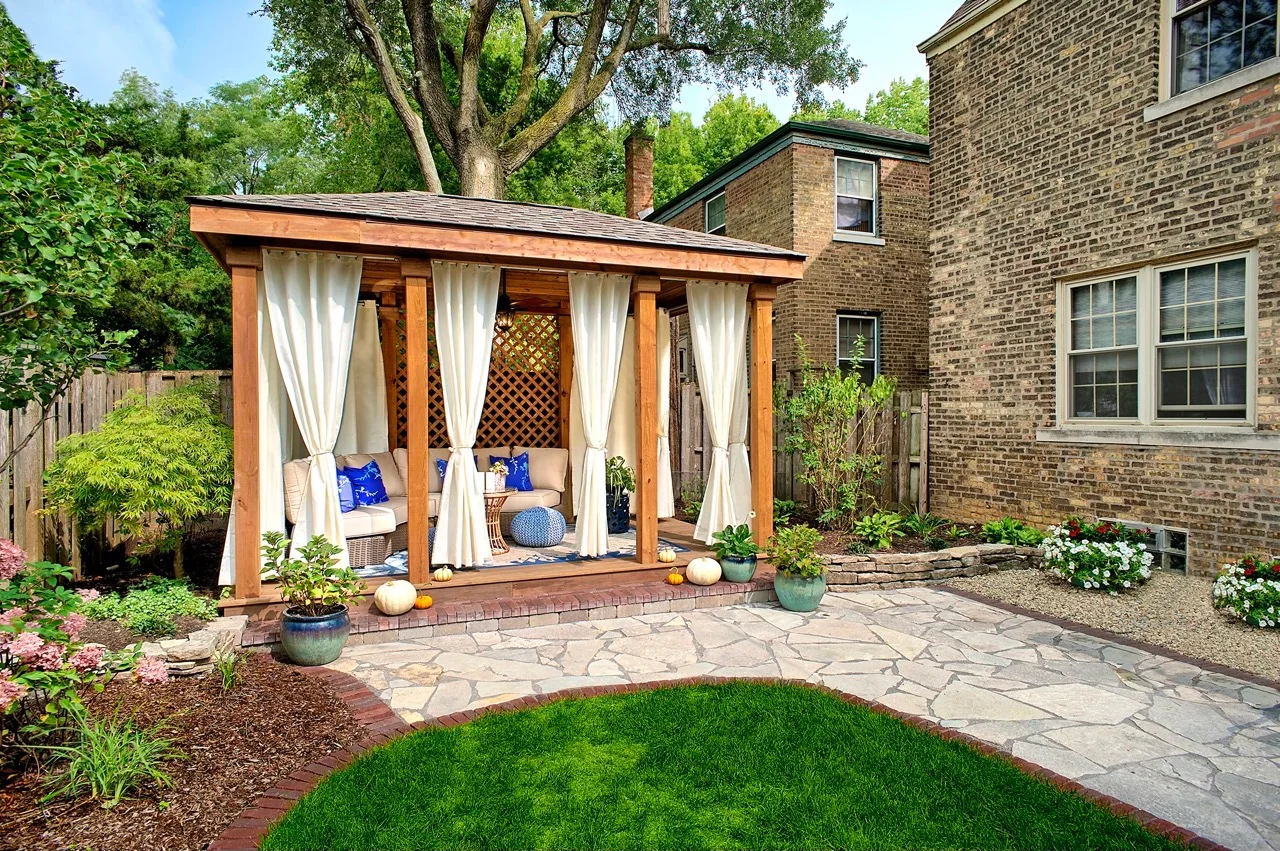
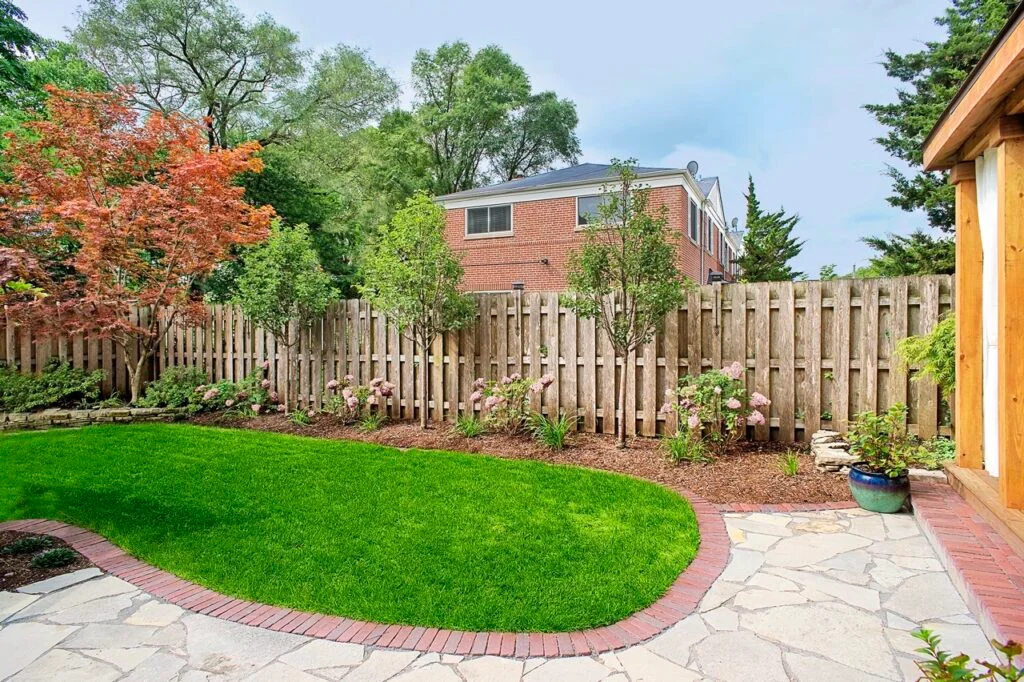
The ‘Sheyard’ project began with a vision to transform an underutilized and vacant backyard into a sanctuary of tranquility. The term ‘Sheyard’ itself is a testament to the homeowner’s desire for a space that resonated with her personality. She’s elegant, nurturing, and empowering. It was to be a place where she could find refuge and rejuvenate her spirit.
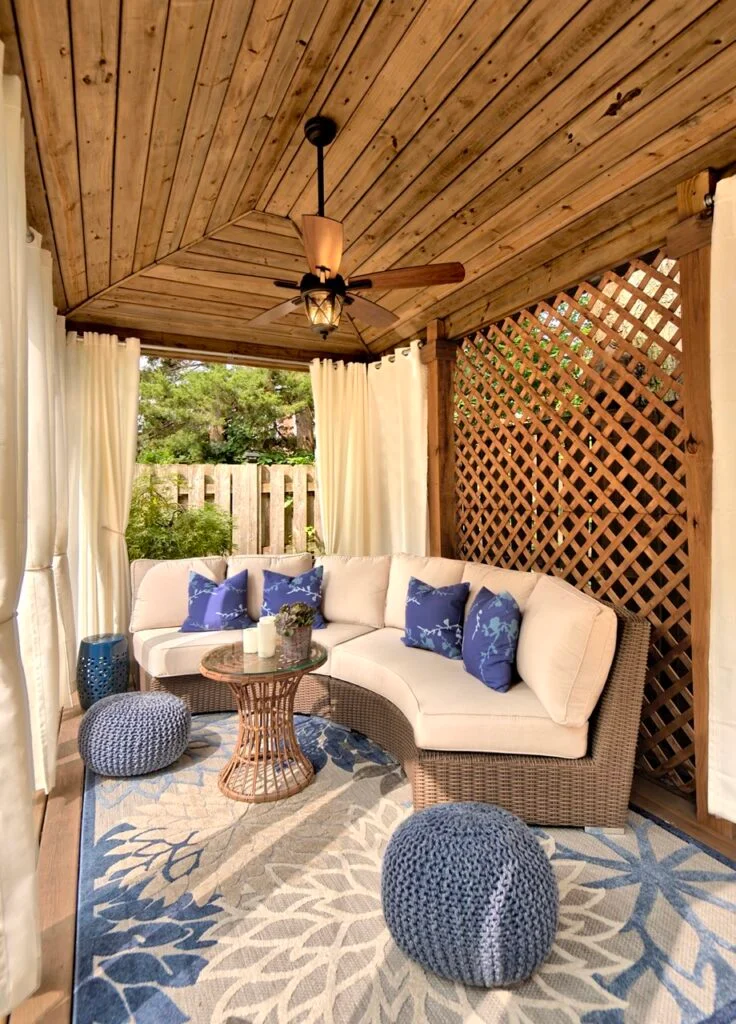
The transformation was nothing short of extraordinary. We collaborated with our Landscape Architect and interior designer. Then orchestrated a symphony of design and functionality. What was once a blank canvas evolved into a harmonious blend of textures and colors. We seamlessly integrating the elements of nature with the homeowner’s vision.
This haven wasn’t just for the day. We meticulously designed for nights as well, providing comfort untethered by the elements. Witnessing the profound impact on the homeowner’s life, we take immense pride in this project and its enduring significance.
An Impact Beyond Design
This award-winning outdoor space serves as an inspiration to homeowners and designers alike. It is a reminder that every space, no matter its size, has the potential to become a canvas of creativity and a sanctuary of well-being. This project by THP Builders demonstrates that true innovation lies not only in design but in the ability to craft environments that nurture the soul and elevate the human experience.
For this project, THP Builders received recognition by the Home Builders Association of Greater Chicago for Excellence in Design with a Gold Key Award in the Outdoor Spaces category of the 2020 Key Awards competition – Crafting a Pandemic Sanctuary: “Sheyard” by THP Builders.
If you would like to transform your backyard into an award-winning outdoor space, contact THP Builders.

Frequently Asked Questions
I love these ideas, but my backyard is tiny. How can I create a sanctuary in a small space? Small spaces are a wonderful design challenge because they force you to be intentional with every choice. Think vertically by using trellises, wall-mounted planters, or tall, slender plants to draw the eye upward and create a sense of enclosure. Choose multi-functional furniture, like a bench with built-in storage, and focus on creating one perfect focal point, such as a small, elegant water feature, rather than trying to fit everything in. The goal is to create a cozy, jewel-box-like retreat, not a miniature version of a large yard.
Where’s the best place to start if I feel overwhelmed by all the options? It’s completely normal to feel overwhelmed. Before you get lost scrolling through images, take a step back and simply ask yourself how you want to feel when you’re in the space. Do you want to feel calm and secluded, or social and energized? Answering that question gives you a powerful filter. Once you know the feeling you’re after, you can start a digital ideabook and save only the images that align with that specific mood. This approach helps you move from a sea of possibilities to a clear, focused vision.
How important is it to plan for Chicago’s weather when designing an outdoor space? It’s absolutely critical. Our four distinct seasons demand a smart approach to both materials and layout. You’ll want to choose durable materials that can withstand freeze-thaw cycles without cracking or warping. It’s also wise to consider wind patterns when placing features like a fire pit or a dining area. A well-placed screen or hedge can make a space usable on a breezy day. Thinking about sun exposure is also key to creating a comfortable spot you can enjoy from the first warm days of spring to the last crisp days of fall.
What’s the first step in creating a budget for a project like this? The best first step is to define your priorities. Based on how you plan to use the space, decide what your absolute must-haves are versus what would be nice to have. This helps you understand where you want to invest the most. Once you have a clear list of priorities, the most effective way to get a realistic budget is to consult with a professional design and build firm. They can help you understand the true costs of materials and labor and create a detailed plan that aligns your vision with what’s financially feasible.
Can I really combine different elements like a fire pit and a water feature in one design? You certainly can, and when done well, it creates a wonderfully dynamic space. The key is to create a cohesive design where each element has its own purpose and space to shine without competing with the others. This often involves using a consistent style of materials to tie everything together and carefully planning the layout to ensure good flow. A professional designer can be invaluable here, helping you achieve the right balance and scale so your yard feels like a harmonious retreat rather than a collection of disconnected features.
Key Takeaways
- Define Your ‘Why’ Before You Design: A beautiful space is useless if it doesn’t fit your lifestyle. First, decide the main purpose of your yard—is it for quiet relaxation, family fun, or hosting parties? This core function will guide every decision, from the layout to the features you choose.
- Layer Key Elements for Atmosphere: Create a rich, inviting ambiance by incorporating elements that engage the senses. A central fire pit provides warmth and a gathering spot, a water feature adds calming sound, and a thoughtful lighting plan ensures the space is usable and magical after sunset.
- Create Outdoor “Rooms” for Functionality: Treat your outdoor area like an extension of your home by creating distinct zones. Use different materials, outdoor rugs, and furniture arrangements to define separate areas for dining and lounging, which makes the entire space feel more organized and intentional.