
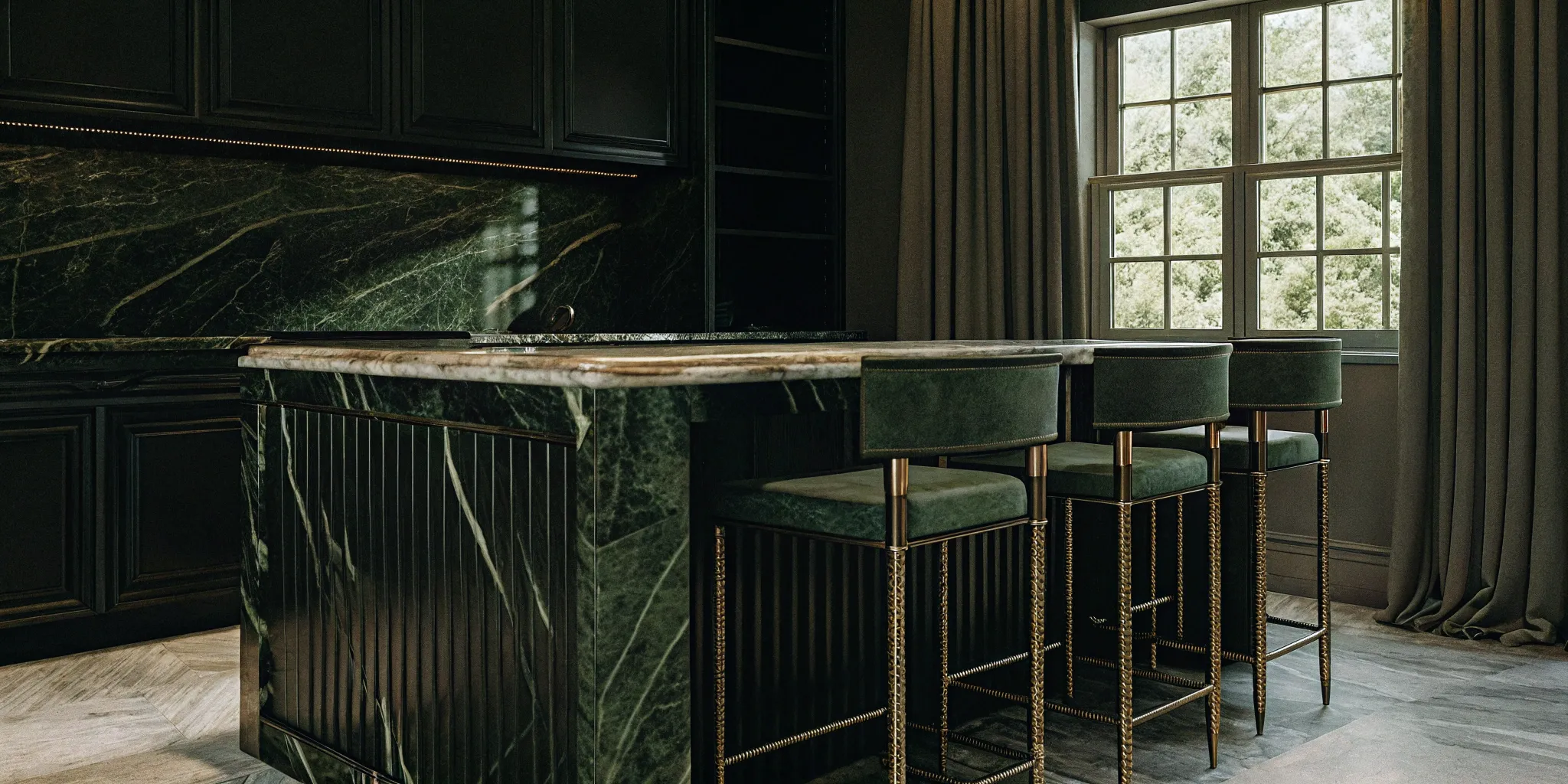
Your kitchen should be the heart of your home, not a source of frustration. Instead of settling for a generic layout that doesn’t quite fit your life, you can create a true centerpiece designed just for you. A custom kitchen island is your chance to move beyond one-size-fits-all solutions and tailor every detail to your needs. Think smart storage for every pot and pan, and the perfect seating for guests to gather while you cook. From the countertop material to the final finish, you get to call all the shots. This guide will walk you through designing an island that is truly your own.
Key Takeaways
- Prioritize Proper Spacing: Before you fall in love with a design, confirm your layout allows for at least 42 inches of clearance on all sides. This is the key to creating comfortable walkways and a kitchen that functions smoothly without feeling cramped.
- Design for How You Actually Live: The best custom island solves your specific problems. Think through your daily routines to decide on smart features like integrated outlets, deep drawers for pots, or a durable countertop material that suits your cooking style.
- Partner with a Custom Build Expert: A custom island is a specialized project. Choose a design-build team with a strong portfolio of custom work to help you avoid common pitfalls and ensure a high-quality, lasting centerpiece for your kitchen.
What Exactly Is a Custom Kitchen Island?
A custom kitchen island with seating is much more than just a countertop in the middle of your room. Think of it as the command center of your kitchen, designed from the ground up to fit your space, your style, and the way you live. Unlike a standard, off-the-shelf island, a custom piece is built to your exact specifications. It’s a functional work of art that combines extra prep space, smart storage, and a comfortable spot for family and friends to gather.
Whether you dream of a sprawling surface for baking projects, a casual spot for weeknight dinners, or a sophisticated hub for entertaining, a custom island makes it possible. The goal is to create a piece that seamlessly integrates into your kitchen’s layout and workflow. It’s an opportunity to solve your kitchen’s unique challenges, whether that’s a lack of storage, not enough seating, or an awkward traffic flow. By working with a design and build team, you can ensure every detail, from the height of the counter to the placement of outlets, is perfectly suited to you.
Defining Features of a Custom Island
The beauty of a custom island lies in the details. Customization allows you to tailor every element to your specific needs, ensuring it perfectly complements your cooking habits and entertaining style. You can incorporate a range of cabinetry options, from deep drawers for pots and pans to specialized pull-outs for spices or trash bins. This ensures your island meets your exact storage needs. Beyond storage, you can integrate features like a second sink, a wine fridge, a built-in microwave, or even a cooktop, turning your island into a multifunctional powerhouse for your kitchen remodel.
Custom vs. Standard: What’s the Real Difference?
The main difference between a custom and a standard island comes down to choice and quality. Standard, or prefabricated, islands are mass-produced in set sizes and styles. While they can be a quick fix, they often involve compromises. A custom kitchen island, on the other hand, delivers a tailored design and superior quality because you get to select the materials. You’re not limited to a few catalog options. Instead, you can choose the perfect countertop, wood finish, and hardware to match your vision, ensuring the final piece is a true reflection of your taste and a perfect fit for your home.
Why a Custom Island Might Be Your Best Kitchen Upgrade
A custom kitchen island is more than just a beautiful centerpiece; it’s a hardworking addition that can completely change how you use your space. Unlike a standard, off-the-shelf option, a custom island is designed specifically for your kitchen’s layout and your family’s lifestyle. From adding much-needed prep space to creating a casual dining spot, the benefits are tailored to you. If you’re considering a kitchen remodel, here’s why a custom island should be at the top of your list.
Expand Your Workspace and Storage
One of the biggest challenges in any kitchen is a lack of counter space and storage. A custom island directly solves this problem. It gives you a generous surface for everything from chopping vegetables to rolling out dough. But the real magic happens underneath. We can design smart storage solutions that fit your exact needs—think deep drawers for pots and pans, a dedicated pull-out for trash and recycling, or even a built-in wine fridge. By tailoring the design, you get a piece that not only looks seamless but also brings incredible order and function to your cooking space.
Create a Central Hub for Dining and Entertaining
A kitchen island with seating naturally draws people in, turning your kitchen into the true heart of your home. It creates a casual spot for morning coffee, after-school snacks, or helping with homework while dinner is cooking. When you have guests over, the island becomes the perfect gathering point. Friends can sit and chat with a glass of wine while you put the finishing touches on a meal, making entertaining feel more connected and relaxed. This multi-functional space ensures your kitchen is ready for both quiet family moments and lively get-togethers. You can see some great examples in our project gallery.
A Smart Investment in Your Home’s Value
Investing in a custom kitchen island is also a smart financial move. Kitchens are one of the most important rooms for homebuyers, and a beautiful, functional island is a highly sought-after feature. It signals a modern, well-planned space and can make your home stand out on the market. A custom island adds significant appeal and can contribute to a higher resale value, making it a key part of any home renovation aimed at long-term worth. It’s an upgrade that you’ll enjoy for years and that will pay off when it’s time to sell.
Making It Yours: How to Customize Your Island
Designing a custom kitchen island is where you can truly let your personality shine. This is your chance to create a piece that’s not just functional but also the beautiful centerpiece of your kitchen. Customization allows you to tailor the island to your specific needs, ensuring it perfectly complements your cooking habits, entertaining style, and overall kitchen design. From the overall aesthetic to the smallest functional details, every choice helps build an island that works perfectly for you and your family. Let’s walk through the key areas where you can make your mark.
What’s Your Kitchen’s Style? Farmhouse, Modern, or In-Between?
First, think about the big picture. Your island should feel like a natural extension of your kitchen’s design, not an afterthought. Are you aiming for a warm, rustic farmhouse vibe with reclaimed wood and a butcher block top? Or do you prefer a sleek, contemporary look with clean lines, a waterfall countertop, and minimalist hardware? Maybe a transitional style that blends classic and modern elements is more your speed. Gather inspiration from design magazines or our project gallery to pinpoint the features you love. A clear design direction will guide all your other choices, from materials to seating.
Choosing Cabinet and Door Styles
The cabinet and door styles you choose are what really define your island’s character. This is where you can create a cohesive look that ties into your kitchen’s overall design. Do you love the timeless look of a classic raised panel door, or does the clean simplicity of a flat-panel Shaker style feel more like you? The beauty of a custom island is that you’re not limited to just a few options. You have the freedom to select the perfect wood finish and hardware to bring your vision to life. This level of detail ensures the final piece is a true reflection of your taste and a perfect fit for your home, making your kitchen renovation feel truly complete.
How to Choose the Best Island Materials
The materials you select will define your island’s look, feel, and durability. For countertops, popular choices include quartz, granite, and marble, each offering a unique aesthetic and level of maintenance. Don’t be afraid to mix materials to create visual interest. For example, you could pair a marble work surface with a wooden breakfast bar to distinguish the cooking and dining zones, a technique used in many high-end kitchen designs. The island base offers another opportunity for customization, with options ranging from custom cabinetry that matches your kitchen to a contrasting paint color or a unique wood finish. Our design and build services can help you explore the best combinations for your home.
Finding the Perfect Seating Arrangement
How you plan to use your island seating will determine its design. Will it be a casual spot for morning coffee, a homework station for the kids, or a place for guests to gather during parties? Consider a split-level island with a bar-height section for socializing and a counter-height area for meal prep. You can also get creative with the layout, such as adding seating on two sides to encourage conversation. The chairs you choose also play a big role. Low-profile, backless stools can be tucked away to save space, while upholstered chairs with backs offer more comfort for longer periods. Explore different ideas for kitchen island seating to find what fits your lifestyle.
Should You Add a Sink, Cooktop, or Outlets?
A custom island can be so much more than just extra counter space. Think about what would make your kitchen workflow smoother. You could integrate a secondary sink for food prep, a built-in microwave drawer to free up counter space, or a wine fridge to keep your favorite bottles perfectly chilled. Many homeowners also add a cooktop to the island, creating a social cooking experience. Beyond appliances, consider adding smart features like pop-up outlets with USB ports for charging devices or integrated task lighting to illuminate your workspace. A thoughtfully designed island can truly become the functional heart of your kitchen.
Designing Your Island’s Storage and Features
Incorporating Smart Storage Solutions
A custom island is your chance to finally solve all those little kitchen annoyances. Think about what you’re always digging for. Is it the heavy stand mixer, the bulky pots and pans, or the collection of cutting boards? The real magic of a custom piece happens underneath the countertop, where we can design storage that fits your exact needs. Imagine deep, full-extension drawers that bring every pot into easy reach, a dedicated pull-out cabinet for trash and recycling bins, or even narrow vertical storage for baking sheets. This is about creating a kitchen that works for you, not against you, making your entire kitchen remodeling project feel more intuitive and organized.
Adding Unique Functional Features
Beyond clever storage, your island can become a true multifunctional workhorse. Customization allows you to integrate features that support your cooking and entertaining style. For example, adding a second prep sink to the island can create a separate workstation, which is incredibly helpful when multiple people are cooking together. You could also include a built-in wine fridge for easy access during dinner parties, an under-counter microwave drawer to keep your main countertops clear, or even a cooktop to create a more social cooking environment. These additions turn your island into the command center of your kitchen, and a professional design and build team can ensure all the necessary plumbing and electrical are seamlessly integrated.
How Much Does a Custom Kitchen Island Cost?
Let’s talk numbers. When you’re planning a kitchen remodel, the cost is always a top consideration. While there’s no one-size-fits-all price tag, a custom kitchen island typically costs between $3,000 and $5,000. Of course, this is just an average. For larger, more complex islands with premium materials and integrated appliances, the investment could be $10,000 or more.
The great thing about a custom project is that you’re in the driver’s seat. The final cost depends entirely on your choices, from the countertop material to the style of the cabinet pulls. Understanding what goes into the price will help you create a realistic budget and design an island that meets your needs without any surprises.
Key Factors That Affect Your Budget
Several key factors determine the final price tag for your custom island. Size is the most straightforward—a larger island simply requires more materials and more labor to build and install. The materials you select also play a significant role. For example, a high-end quartz or marble countertop will cost more than butcher block or laminate. The same goes for the island’s base, where custom cabinetry and millwork will be a larger investment than standard options. Finally, complexity and features can add to the cost. Integrating a sink, cooktop, or dishwasher requires plumbing and electrical work, which will influence the final price of your kitchen remodeling project.
Understanding What’s Included in the Price
When you get a quote for your custom island, it helps to see exactly where the money is going. The final price isn’t just one number; it’s a reflection of all the choices you make during the design phase. Size is a big one—a larger island naturally requires more materials and labor. Your choice of countertop materials will also have a big impact, as premium surfaces like quartz or granite are a larger investment than butcher block. Finally, complexity plays a role. Adding features like a prep sink, cooktop, or integrated outlets requires extra plumbing and electrical work, which is factored into the total cost of your kitchen remodel. Knowing how these pieces fit together helps you set a realistic budget and ensures your final island is exactly what you envisioned.
How to Save vs. Where to Splurge
When you’re setting your budget, it’s helpful to know where your money is going. Prefab or semi-custom islands can be a more cost-effective alternative, but they often come with trade-offs in quality and customization. You might be limited to certain sizes, finishes, or features. A fully custom kitchen island, however, is an investment in tailored design and lasting quality. You can select superior materials and work with a design and build team to create a piece that perfectly fits your space and lifestyle. While the upfront cost is higher, a well-crafted custom island adds significant long-term value and functionality to your home.
How to Plan Your Island’s Footprint
Before you get lost in countertop samples and seating styles, let’s talk about the foundation of a great kitchen island: its size and layout. Getting these details right is the key to creating a space that’s both beautiful and functional. One of the most common mistakes is designing an island that doesn’t fit the scale of the kitchen, leading to cramped walkways and a clumsy workflow. A thoughtful plan ensures your new island works with your space, not against it.
Measuring for the Perfect Fit and Flow
The first rule of island design is to respect your kitchen’s footprint. You need enough room to move freely, open appliance doors, and work without feeling boxed in. As a general guideline, aim to leave at least 42 to 48 inches of clearance on all sides of the island. This creates comfortable pathways and ensures you can fully open your oven, dishwasher, and refrigerator doors. A well-designed kitchen remodel prioritizes this flow, preventing the island from becoming an obstacle. Taking precise measurements from the start saves you from a layout that feels tight and inefficient.
How Many People Can You Seat?
When planning for seating, think about both comfort and function. How many people do you want to seat, and how will they use the space? For stools to tuck away neatly, you’ll want a countertop overhang of about 15 to 18 inches. This gives you plenty of knee room without forcing people to sit sideways. Also, consider how many seats you can realistically fit. While it’s tempting to squeeze in an extra chair, overcrowding makes the island feel cluttered. A good rule of thumb is to allow about 24 inches of width per person for enough elbow room.
Designing for a Better Kitchen Workflow
Your island should enhance your kitchen’s workflow, not disrupt it. Think about the classic “kitchen work triangle”—the path between your sink, stove, and refrigerator. Your island shouldn’t block these critical pathways. Instead, a custom-designed island can improve your workflow by providing a central prep station or housing a secondary sink or cooktop. Consider how you cook and move around the kitchen. Do you need a large surface for baking, or a built-in microwave? Tailoring the layout to your habits is what makes a custom island truly work for you.
How to Design the Perfect Seating Arrangement
Your kitchen island is more than just a workspace; it’s where homework gets done, friends gather for a glass of wine, and quick weekday breakfasts happen. Creating the perfect seating arrangement is key to making it the true heart of your home. It’s about blending comfort, function, and style seamlessly. Getting the details right—from the height of your stools to the placement of your outlets—will ensure your island is a place everyone wants to be. Let’s walk through the essential elements for designing a seating area you’ll love for years to come.
Bar Height or Counter Height: Which Is Right for You?
One of the first decisions you’ll make is choosing between bar-height and counter-height seating. A standard kitchen counter is typically 36 inches tall, making counter-height stools the natural choice. This height is great for families with kids and creates a comfortable spot for everything from meal prep to casual dining. Bar height, which is around 42 inches, creates a more distinct, pub-like feel perfect for entertaining. Think about how you live. If you envision your island as a social hub for adults, bar height might be perfect. If it’s a multi-purpose family station, sticking with counter height is often the more practical and versatile option for your kitchen remodel.
How Much Overhang and Legroom Do You Need?
Nothing ruins a great kitchen island faster than feeling cramped while you’re sitting at it. That’s why planning for adequate overhang and legroom is non-negotiable. The countertop should extend beyond the island base to give your knees a place to go. For comfortable seating, aim for an overhang of at least 15 inches, with 18 inches being ideal. This allows you to tuck stools completely underneath when they’re not in use, keeping your kitchen walkways clear and safe. It’s a small detail that makes a massive difference in how comfortable and functional your island feels every single day. You can see examples of this thoughtful design in our project gallery.
Where to Place Outlets and Lighting
A truly functional kitchen island is designed for modern life. This means incorporating power outlets directly into the island base or side. Having a convenient place to charge a laptop, plug in a stand mixer, or blend a smoothie without stretching a cord across the kitchen is a game-changer. Just as important is lighting. A pair or trio of beautiful pendant lights hanging over the seating area not only provides necessary task lighting but also defines the space and adds a major style element. Our design and build services always account for these crucial details to create a space that works as beautifully as it looks.
How to Choose Materials for Style and Durability
Your custom island is more than just a functional workspace; it’s the centerpiece of your kitchen. The materials you choose will define its character, durability, and how well it fits into your daily life. This is where your vision truly comes to life, blending beautiful form with everyday function. Selecting the right combination of materials ensures your island will not only look stunning on day one but will also stand up to years of family breakfasts, dinner prep, and late-night conversations.
At THP Builders, our design and build services focus on guiding you through these important choices. We help you find high-quality materials that match your aesthetic and your lifestyle. From a spill-proof countertop that can handle your kids’ art projects to a durable base that withstands scuffs from kicking feet, every detail matters. Let’s explore how to select the perfect materials for your island’s countertop, base, and seating.
What’s the Best Countertop for Your Island?
The countertop is the workhorse of your island, so it needs to be tough. But it also has a huge impact on your kitchen’s overall look. Quartz is a popular choice because it’s non-porous, resisting stains and scratches without needing to be sealed. Granite offers natural beauty with unique patterns and is highly durable. For a touch of classic luxury, marble is unmatched, though it requires more care to prevent staining and etching.
A great design strategy is to mix different materials to create functional zones. For example, you could use a butcher block section for chopping and food prep, paired with a sleek marble or quartz surface for dining and entertaining. This approach adds visual interest and tailors the island perfectly to how you use your kitchen.
Exploring Butcher Block Options
For a warm, inviting, and incredibly functional surface, butcher block is a fantastic choice. It brings a natural, organic element to your kitchen, softening the hard lines of cabinetry and stone. It’s especially at home in farmhouse or traditional designs but can also add a touch of warmth to a modern space. The best part? If you opt for an oil finish, you can chop food directly on the surface, making it a true chef’s workspace. While it does require some occasional maintenance, like re-oiling, the upkeep is simple and preserves the wood’s rich beauty for years. It’s a living surface that tells the story of the meals and memories made in your kitchen.
Considering Tile for a Unique Look
If you want your island to be a true work of art, consider tile for your countertop. This option opens up a world of creative possibilities, allowing you to introduce bold color, intricate patterns, or unique textures. From classic subway tiles to vibrant, hand-painted ceramics, you can design a surface that is completely unique to your home. While grout lines used to be a major concern, modern grouts and sealants are far more durable and stain-resistant, making maintenance much easier. A tiled island is a perfect way to make a personal statement and is a fantastic element to explore with our design and build services to ensure a flawless, lasting installation.
How to Pick the Perfect Base and Finish
The base of your island sets the stylistic tone for the entire piece. Because you’re designing a custom island, you have complete control over the materials and finish. This is a major advantage over pre-built options, as you can select superior materials that guarantee longevity. A solid wood base is a classic choice that can be painted or stained to either match your existing cabinetry for a seamless look or contrast with it to make a bold statement.
Think about the details, too. Do you want open shelving for cookbooks and decor, or closed cabinets for hidden storage? The finish you choose—whether it’s a glossy paint in a vibrant color or a rich wood stain—will complete the look. This is your chance to add personality and ensure your island is a true reflection of your style.
Popular Hardwoods for Island Bases
Choosing a solid hardwood for your island’s base is the best way to ensure it’s built to last. Unlike particleboard or MDF, solid woods like oak, maple, and cherry are incredibly strong and can withstand the daily wear and tear of a busy kitchen. Oak is known for its prominent grain and traditional feel, making it a great choice for farmhouse or classic designs. Maple offers a smoother, more uniform look that’s perfect for a clean, modern aesthetic. Cherry, with its rich reddish-brown hue that deepens over time, brings a sense of warmth and elegance to any space. These durable hardwoods ensure your island isn’t just beautiful but also a sturdy, long-term investment.
Selecting a Protective Finish
The final finish is what protects your beautiful new island from spills, scratches, and scuffs. This is a two-part process that combines color and protection. First, a stain is applied to achieve the exact color you want, whether that’s a deep espresso or a light, natural tone. Once the stain is perfect, a protective topcoat is applied. A high-quality polyurethane sealant is an excellent choice because it creates a durable barrier that resists moisture and makes cleaning up messes a breeze. This crucial step ensures your island’s base looks great for years, even with kids, pets, and entertaining in the mix.
Choosing Durable and Comfortable Seating
The seating you choose for your island is the final touch that makes it an inviting gathering spot. Your choice of stools can dramatically influence both comfort and style. Think about who will be using the seating most often. Upholstered stools offer more comfort for lingering over coffee or helping with homework, while backless wood or metal stools can be tucked neatly under the overhang to save space.
There are so many creative chair options to explore, from sleek, modern bar stools to rustic, farmhouse-inspired chairs. The material of the stools should complement the island and the rest of your kitchen. For instance, metal stools can add an industrial edge, while woven seats can bring in natural texture and warmth. Consider durability and ease of cleaning, especially if you have kids.
Avoid These Common Kitchen Island Design Mistakes
A custom kitchen island should make your life easier, not create new obstacles. While it’s exciting to dream up features and finishes, overlooking a few key design principles can lead to daily frustrations. A thoughtful design process helps you sidestep common pitfalls and ensures your new island is as functional as it is beautiful. Let’s walk through a few mistakes to watch out for so you can plan with confidence.
An Island That’s Too Big or Too Small
It’s easy to get the size wrong, either by designing an island that’s too big for the room or too small to be useful. An oversized island can make your kitchen feel cramped and difficult to move around in. A professional rule of thumb is to leave at least 42 to 48 inches of clearance on all sides. This gives you enough room to open appliance doors, walk past someone without squeezing by, and work comfortably. A well-planned kitchen remodeling project accounts for these pathways from the very beginning, ensuring your island fits perfectly within the space.
Creating an Awkward Kitchen Workflow
Your kitchen has a natural workflow, typically between the sink, refrigerator, and stove. A poorly placed island can act like a roadblock, disrupting this flow and making cooking feel inefficient. Think about how you move through the space when you prepare a meal. Your island should support your tasks, not get in the way. This is where professional design and build services become invaluable. An expert can help you map out an efficient layout that considers appliance clearance, traffic patterns, and comfortable seating, creating a truly functional heart for your home.
Underestimating Your Storage Needs
One of the best parts of a custom island is the chance to add smart storage, but many people don’t plan for it specifically. Before you finalize a design, make a list of what you want to store in your island. Is it for your stand mixer and other bulky appliances? Do you need deep drawers for pots and pans, or vertical slots for baking sheets? Maybe you’d love a dedicated pull-out for trash and recycling. Thinking through your specific storage needs ahead of time ensures every cabinet and drawer serves a purpose, helping you reduce clutter and keep your kitchen organized.
How to Choose the Right Remodeling Contractor
Bringing a custom kitchen island to life is a team effort, and choosing the right contractor is the most important decision you’ll make. This is the partner who will translate your ideas into a functional, beautiful centerpiece for your home. You want a team that not only has the technical skills but also understands your vision and communicates clearly every step of the way. Finding a remodeling partner you trust is the key to a smooth and successful project.
Find a Builder Who Specializes in Custom Kitchens
Not all kitchen remodelers specialize in custom work. A custom island is more than just extra counter space; it’s a complex piece of furniture that might involve integrating plumbing for a sink, electrical for outlets and appliances, and unique storage solutions. Look for a contractor with a portfolio that showcases a variety of custom islands. A team with specific experience will know the right questions to ask about your lifestyle, cooking habits, and entertaining needs to ensure the final product is perfectly tailored to you. You can often see this expertise in their project gallery.
Ask About Their Design and Build Process
A great contractor will have a clear, transparent process that makes you feel confident from the first conversation to the final walkthrough. Ask them to explain their approach. Do they handle both design and construction? A firm that offers integrated design and build services can create a more seamless experience, ensuring the initial vision is executed flawlessly. They should be able to guide you through every phase, from creating initial sketches and selecting materials to managing the construction timeline and final installation, keeping you informed all along the way.
How to Spot Quality Craftsmanship
A custom kitchen island is a long-term investment in your home, so quality should be a top priority. The difference between a good island and a great one often comes down to craftsmanship—the attention to detail in the joinery, the precision of the countertop installation, and the durability of the finish. Look for a builder who takes pride in their work. You can gauge their commitment to quality by reading past client reviews and asking about the materials they use. A contractor dedicated to high-quality craftsmanship will build an island that not only looks stunning but also stands up to daily life for years to come.
The Value of Handcrafted Cabinetry
When you invest in a custom island, you’re not just buying a piece of furniture; you’re commissioning a piece of fine craftsmanship. Unlike mass-produced options, a handcrafted island is built by skilled woodworkers using solid hardwoods, ensuring it’s made to last. This approach gives you complete control to personalize your island to fit your kitchen’s exact size, style, and functional needs. It’s the difference between a piece that simply fits and one that truly belongs. This commitment to quality materials and bespoke design is what turns a simple kitchen island into a durable, beautiful, and highly functional centerpiece for your home.
Check Their Portfolio and Past Work
A picture is worth a thousand words, especially when it comes to custom craftsmanship. Before you commit to a contractor, take a close look at their portfolio of past projects. This is your best window into their experience, style, and attention to detail. Look for a variety of custom kitchen islands to see if they have the versatility to bring your unique vision to life. Do the finishes look flawless? Are the designs thoughtful and well-integrated into the space? A strong project gallery will give you confidence in their ability to deliver the high-quality results you’re looking for and help you gather inspiration for your own design.
Ask About Warranties and Guarantees
A reputable contractor will always stand behind their work, and a solid warranty is proof of that confidence. This is a critical part of protecting your investment, so don’t be shy about asking for the details. Find out what their warranty covers—from the cabinetry and hardware to the installation itself—and for how long. A company that is proud of its craftsmanship will be transparent about its guarantees. This commitment to quality and client satisfaction is often reflected in what past customers have to say, so be sure to check their client reviews as well. A strong warranty provides peace of mind that your beautiful new island is built to last.
Related Articles
- The Ultimate Kitchen Island with Seating & Storage Guide
- Kitchen Island Base Cabinets: The Complete Guide
- The Ultimate Kitchen Island Installation Guide
Frequently Asked Questions
How long does it take to design and build a custom kitchen island? The timeline can vary quite a bit depending on the complexity of your design and the materials you choose. Generally, the design phase, where we plan everything from layout to finishes, can take a few weeks. Once the design is finalized and materials are ordered, the construction and installation process can take several more weeks. The key is that a custom piece is built from scratch just for you, so it’s a more thoughtful process than picking something up from a showroom.
Can I add a custom island to my kitchen without doing a full remodel? Absolutely. A custom island can be a fantastic standalone project to improve your kitchen’s function and style. The beauty of a custom design is that we can create a piece that perfectly matches your existing cabinetry, countertops, and overall aesthetic. It’s a great way to make a significant upgrade to your space without the commitment of a complete renovation.
What if my kitchen is on the smaller side? Is a custom island still an option? Yes, and this is where custom design truly shines. A standard, off-the-shelf island might overwhelm a smaller kitchen, but a custom piece can be designed to fit your exact dimensions. We can create a narrower island, a movable one on casters, or a peninsula that provides the extra counter space and seating you need without blocking the natural flow of the room.
I have some ideas, but I’m not a designer. How much of the design do I need to figure out myself? You don’t need to have it all figured out—that’s what we’re here for. Your role is to share your vision, your frustrations with your current kitchen, and how you dream of using the space. Our design and build team will listen to your ideas and guide you through the process, offering expert advice on layout, materials, and features to create a design that is both beautiful and perfectly suited to your lifestyle.
Is a custom island really worth the investment over a standard one from a store? While a prefabricated island might have a lower upfront cost, a custom island is an investment in quality, function, and a perfect fit. You get to choose superior materials that are built to last, and every detail is tailored to your specific needs—from the exact height of the counter to the type of storage inside. It solves your kitchen’s unique problems and adds lasting value to your home in a way a standard piece simply can’t.