
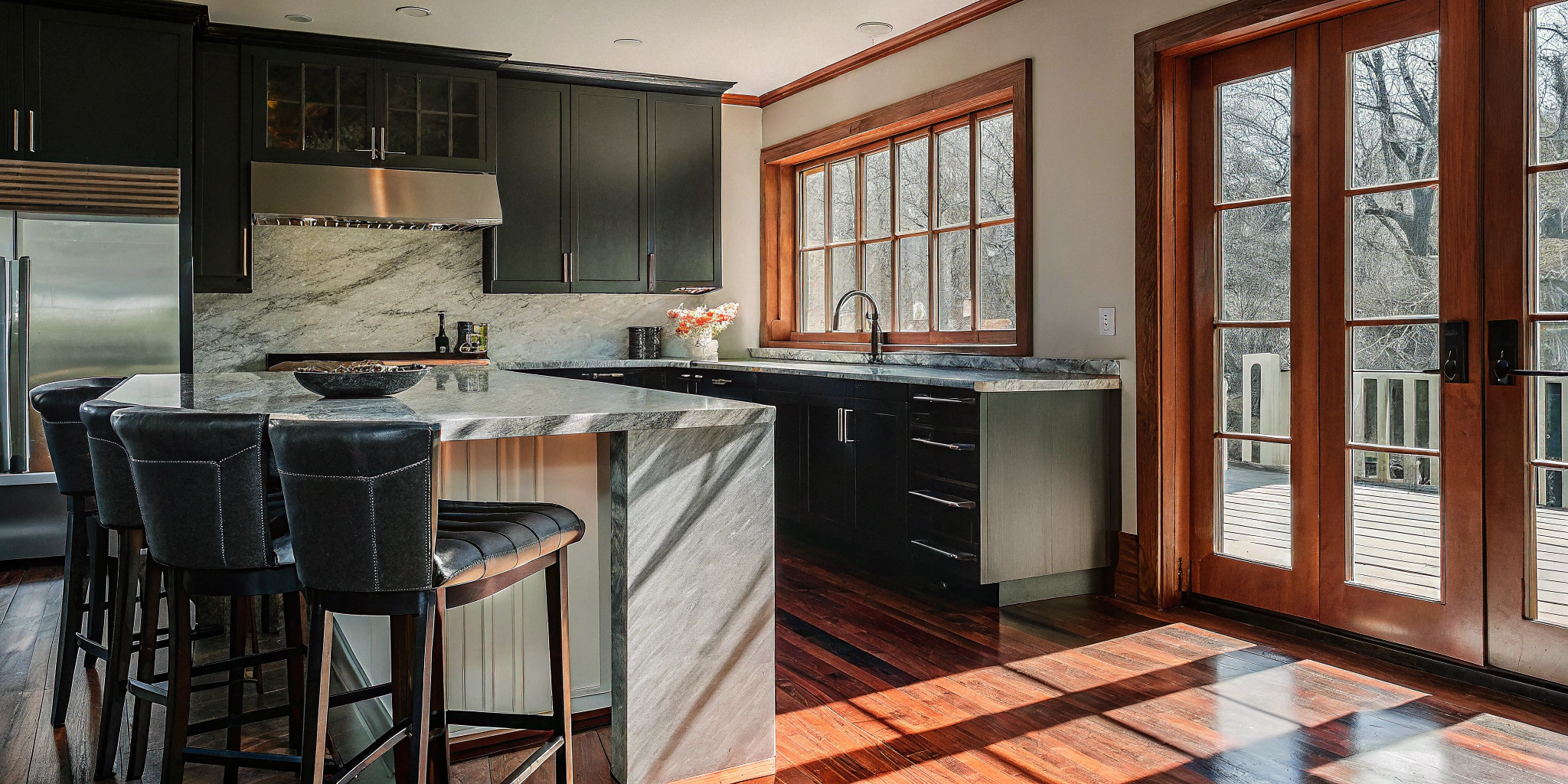
Chicago homes are full of character, from historic Greystones to modern new builds. Each one presents a unique opportunity for transformation. Whether you’re looking to create an open-concept living area in a classic bungalow or finish a basement for your growing family, planning successful home renovations in Chicago means understanding the local context. You have to consider everything from seasonal weather challenges to specific city building codes. This guide is tailored for Chicago homeowners like you. We’ll cover the key considerations for remodeling in our city, helping you make informed decisions that honor your home’s style while creating a space that works for your life.
Key Takeaways
- Plan your project before you plan your team: Define the scope of your renovation and set a realistic budget—including a 10-20% contingency fund—to get accurate quotes and start your project on solid ground.
- Vet your contractor to protect your investment: Look beyond the price tag by confirming their license and insurance, checking references, and requiring a detailed written contract that outlines every aspect of the job.
- Understand the local landscape for a smoother timeline: Work with your contractor to plan around Chicago’s distinct seasons, handle the city’s permitting process, and prepare for potential issues common in older homes.
Who Are the Top Home Renovation Companies in Chicago?
Finding the right contractor in a city like Chicago can feel like a huge task. The good news is, there are many talented and reputable companies out there. The key is to find a partner who aligns with your specific project, whether you’re overhauling a kitchen, finishing a basement, or planning a full-scale renovation. To help you get started, I’ve put together a list of some of the top home renovation companies in the area, each with its own unique strengths.
THP Builders: Your Award-Winning Local Partner
When you’re looking for a partner you can trust with your entire home, it’s hard to look past THP Builders. As an award-winning general contractor, we’ve built our reputation on a deep commitment to quality and making sure our clients are happy. We handle everything from home additions to complete renovations, always focusing on creating tailored solutions that fit your life. We believe a renovation should result in better living, and our team works with you every step of the way to make that happen. You can see the quality of our work for yourself in our project gallery and hear directly from homeowners we’ve worked with.
Kitchen & Bath Specialists
If your project is hyper-focused on the heart of the home, you might look into a specialist. Companies like Icon Remodeling concentrate on creating beautiful, customized kitchens and bathrooms. They work to design spaces that truly reflect a homeowner’s lifestyle and personal taste. This specialized approach can be a great fit if you have a very specific vision for these high-traffic rooms. Of course, a full-service contractor can also deliver incredible results, and we have extensive experience with custom kitchen remodeling projects that blend seamlessly with the rest of your home’s design.
All-in-One Design-Build Firms
For homeowners who want a single point of contact from the initial sketch to the final nail, a design-build firm is an excellent choice. Companies like Chi Renovation and Design offer this comprehensive approach, managing both the architectural design and the construction process under one roof. This can streamline communication and ensure the design intent is carried through perfectly during the build. It’s a model we believe in, which is why we also offer integrated design and build services to provide a seamless experience from concept to completion for our clients.
Basement Finishing Pros
Transforming a dark, underused basement into a bright, functional living area is a popular project in Chicago. Specialists like Synergy Builders have earned a reputation for their client-focused approach to basement renovations. They excel at turning these forgotten spaces into home gyms, offices, or family rooms. A specialized focus can be beneficial for these unique projects. At THP Builders, we also love a good transformation and have helped many Chicagoland families reclaim their lower level with our basement remodeling services, creating spaces that are both beautiful and practical for everyday life.
How Much Do Chicago Home Renovations Cost?
Let’s talk numbers. Budgeting is often the most stressful part of planning a renovation, but it doesn’t have to be. While every project is unique, understanding the typical cost ranges in Chicago can give you a solid starting point. A full home renovation can range from $75,000 to over $650,000, but that’s a huge window. The final price tag really depends on the scope of your project, the materials you choose, and the current condition of your home. Think of these figures as a guide to help you create a realistic budget and start a conversation with your contractor.
Breaking Down Costs by Project
To get more specific, it helps to look at costs for individual projects. A complete kitchen remodeling project in the Chicago area typically falls between $25,000 and $90,000 or more. For a bathroom remodeling project, you can expect to invest anywhere from $17,500 to over $50,000. If you’re looking to transform your lower level, a basement finishing project generally costs between $30,000 and $80,000. For larger-scale home renovations, a good rule of thumb is to budget $120 to $150 per square foot for quality finishes. If you’re planning a full gut renovation that involves replacing major systems, that figure can climb to $200 to $350 per square foot.
What Factors Affect Your Final Cost?
Several key factors will influence your final renovation bill. The size and scope of your project are the biggest drivers—a simple cosmetic update will cost much less than a major overhaul that involves moving walls. The quality of materials and finishes you select also plays a huge role. For example, custom cabinetry and high-end marble countertops will have a different impact on the budget than stock options and laminate. Your home’s age and location within Chicagoland can also affect costs, especially if it requires specialized labor or presents unique structural challenges. A professional contractor can help you explore these options to find a balance between your vision and your budget.
Uncovering Hidden Costs and Permit Fees
It’s smart to set aside a contingency fund—typically 10-20% of your total budget—for unexpected expenses. These “hidden” costs can pop up once walls are opened, revealing issues like outdated wiring or plumbing that needs to be brought up to code. Another cost to plan for is building permits. Most significant remodeling work in Chicago requires permits, which can cost between $2,000 and $8,000 and often take four to eight weeks to process. Working with an experienced design and build firm is a great way to manage this process, as they handle the paperwork and ensure everything is compliant from the start.
How Your Home’s Age Impacts the Budget
If you live in one of Chicago’s beautiful older homes, you know they come with a lot of character—and sometimes, a few surprises. Homes built before 1950 can have hidden issues that add to the renovation cost. It’s not uncommon to find old electrical systems, galvanized plumbing, asbestos, or lead paint that must be professionally remediated for safety. Foundation issues can also be a concern. Addressing these underlying problems is essential for a successful and lasting renovation, but it’s important to be aware that they can add $30,000 to $80,000 to your project total. An experienced contractor will know what to look for during the initial assessment.
What to Plan for Your Chicago Home Renovation
A successful home renovation starts long before the first wall comes down. Proper planning is the key to a smooth process that stays on schedule and within your budget. Thinking through the details—from city permits to seasonal timing—helps you and your contractor get on the same page and turn your vision into a reality with fewer surprises along the way. When you take the time to map out your project, you can address potential issues before they become costly problems. This proactive approach not only saves you money but also reduces the stress that can come with a major home project. By mapping out these key areas, you can approach your renovation with confidence and excitement, knowing you’ve laid the groundwork for a beautiful result.
What to Know About Chicago Building Codes
Working with Chicago’s building codes is a non-negotiable part of any major renovation. The city has specific rules to ensure all work is done safely and correctly. For many projects, you’ll find that you need several permits before work can begin. This is especially true for projects involving electrical wiring, plumbing, or structural changes like a home addition. A professional contractor will handle the permitting process for you, making sure every aspect of your renovation is fully compliant. This step is crucial for avoiding potential headaches and fines down the road and ensures your new space is not only beautiful but also safe for your family.
When Is the Best Time to Renovate in Chicago?
In a city with four distinct seasons, timing your renovation can make a big difference. Chicago’s harsh winters can create challenges, particularly for projects with exterior work like home additions or window replacements. Cold weather can slow down progress and sometimes add to the budget due to heating requirements for materials and crews. For this reason, many homeowners find that the milder spring, summer, and fall months are the best time to renovate. Planning your project during these seasons can help keep things moving efficiently and avoid weather-related delays, making the entire process feel more manageable and predictable.
Chicago’s Top Home Renovation Trends
Thinking about what’s popular can add lasting value and appeal to your home. In Chicago, open floorplans are still a favorite, creating bright, airy spaces perfect for entertaining and family life. When it comes to color, designers are moving toward soft, versatile tones. One predicted hue of the year is Digital Lavender, a calming shade that works beautifully in kitchens, bathrooms, and bedrooms. Incorporating current trends can make your home feel fresh and modern. You can see how these ideas come to life by exploring a gallery of completed projects for inspiration and ideas for your own space.
How to Set a Realistic Timeline
One of the best pieces of advice for any renovation is to build some flexibility into your timeline. It’s a simple fact that renovations almost always take longer than expected. Unforeseen issues, such as discovering hidden structural problems or waiting on a back-ordered fixture, can cause delays. An experienced contractor will help you set a practical schedule from the start and build in buffer time for these “what-ifs.” This approach helps manage expectations, reduces stress, and ensures that even with a few bumps in the road, your project continues to move forward smoothly toward the finish line.
How to Choose the Right Chicago Contractor
Finding the right contractor can feel like the most daunting part of a home renovation, but it doesn’t have to be. The right partner will make the entire process smoother, turning your vision into a reality while respecting your home and your budget. Think of it as building a team—you want someone with the right skills, a solid track record, and clear communication. A great contractor acts as your guide, handling the complexities of permits, scheduling, and construction so you can focus on the exciting parts of your project. By doing a little homework upfront, you can find a professional you trust to bring your dream home to life. At THP Builders, we believe a successful project starts with a strong partnership, which is why we prioritize transparency and collaboration from our very first conversation.
Check for Credentials and Experience
Before you even start talking about design, make sure any contractor you consider is properly licensed and insured. This is non-negotiable. A professional license confirms that the company meets local and state standards for their work. You should also verify they carry both liability insurance and worker’s compensation. This protects you from any financial responsibility if an accident happens on your property. Don’t just take their word for it—ask for copies of their licenses and insurance certificates. A reputable contractor will have this information ready and will be happy to share it. This simple step ensures you’re working with a legitimate business that stands behind its award-winning results.
Spotting Contractor Red Flags
Trust your gut. If something feels off during your initial conversations, it probably is. A major red flag is a contractor who is hesitant to put everything in writing. Beware of anyone who says, “We don’t need to write it down, we trust each other.” A detailed, written contract protects both you and the contractor by clearly outlining the scope of work, materials, timeline, and payment schedule. Other warning signs include unusually low bids (which often lead to cut corners or surprise costs later), pressure to sign a contract immediately, or a demand for a large upfront cash payment. Clear communication and a professional process are signs of a contractor who will deliver a high-quality home renovation.
How to Compare Quotes and Proposals
Getting multiple quotes is smart, but it’s only useful if you’re comparing apples to apples. Before you reach out to contractors, have a clear idea of your project’s scope and your budget. This allows each company to bid on the same set of requirements, giving you a more accurate comparison. When you receive the proposals, don’t just look at the final price. A good proposal will break down the costs for labor, materials, permits, and other expenses. If one quote is significantly lower than the others, find out why. Are they using lower-quality materials? Is their timeline unrealistic? A thorough proposal from a design and build firm will provide a clear roadmap for your project.
Read Reviews and Check References
What past clients say is one of the best indicators of what your experience will be like. Look for contractors with a strong portfolio of work and consistently positive feedback. You can find reviews on their website, Google, and other third-party sites. Don’t be afraid to ask for references, either. Speaking directly with a few recent clients can give you valuable insight into the contractor’s communication style, professionalism, and quality of work. Ask them if the project stayed on schedule, how the team handled unexpected issues, and if they would hire them again. Seeing a gallery of past projects can also help you visualize the quality you can expect.
How to Finance Your Chicago Home Renovation
Once you have a vision for your dream kitchen or finished basement, the next step is figuring out how to pay for it. The good news is you have several options for funding your project, from leveraging your home’s value to securing a personal loan. Understanding how each one works will help you choose the right path for your financial situation and the scope of your renovation. Let’s walk through the most common ways Chicago homeowners finance their remodels.
Using Home Equity Loans and HELOCs
Your home is an asset, and you can use the equity you’ve built to fund improvements. A home equity loan gives you a lump sum of cash upfront, which is perfect for a large-scale project with a clear, fixed cost, like a full kitchen remodel. You’ll have predictable monthly payments, making it easy to budget.
Alternatively, a home equity line of credit (HELOC) works more like a credit card. It gives you a revolving line of credit you can draw from as needed. This flexibility is ideal for phased projects or renovations where unexpected costs might pop up. You only pay interest on the amount you use, which can be a major advantage for managing cash flow during a long-term home addition.
Considering Personal Loans or Refinancing
If you don’t want to borrow against your home, a personal loan is another great option. These loans are unsecured, meaning your house isn’t used as collateral, and they work well for smaller to mid-sized projects. They typically come with fixed interest rates and set repayment terms, so you’ll always know what your monthly payment will be.
For a more extensive home renovation, a cash-out refinance might be the right move. This involves replacing your current mortgage with a new, larger one and taking the difference in cash. You can often secure a lower interest rate than with other loan types, rolling the cost of your renovation into one manageable monthly mortgage payment. It’s a strategic way to fund major improvements and invest back into your property.
When to Use Credit Cards for Smaller Projects
For minor updates or quick fixes, a credit card can be a convenient tool. Think of projects like buying a new light fixture, updating cabinet hardware, or tackling a small DIY paint job. The key is to use them strategically. If you have a card with a 0% introductory APR or can pay the balance off quickly, you can avoid high-interest debt. However, relying on credit cards for a major remodel is risky, as interest charges can quickly add up and inflate your total project cost. Think of them as a tool for the small stuff, not the foundation of your financing plan.
Create Your Renovation Budget
No matter how you finance your project, a detailed budget is your roadmap to success. Start by getting realistic quotes from reputable contractors to understand the true cost of labor and materials. A common mistake is hiring based on the lowest price alone, which can lead to poor quality work and expensive fixes down the road. Your budget should also include a contingency fund—typically 10-15% of the total cost—for any surprises. A well-planned budget helps you make informed decisions and ensures your project stays on track without financial stress. Ready to get a clear picture of your costs? Contact us for a detailed proposal.
Related Articles
- Home Remodeling Tips & Ideas for Chicagoland | THP Builders LLC
- Ready to Remodel Your Home in Illinois? Call Our Experts Today
- Home Renovation Illinois Archives –
Frequently Asked Questions
What’s the difference between a general contractor and a design-build firm? Think of it this way: a general contractor is your expert for the construction phase, managing all the tradespeople to bring an existing plan to life. A design-build firm, on the other hand, is your partner from the very beginning. They have an in-house team that handles both the architectural design and the construction, creating a single, seamless process from the first sketch to the final walkthrough. This integrated approach can really simplify communication and ensure everyone is on the same page.
What’s the very first step I should take when planning a home renovation? Before you even start looking at contractors or tile samples, take some time to define your goals. Ask yourself what isn’t working in your current space and what you hope to achieve with a renovation. Is it more storage, better flow for entertaining, or a more functional family area? Gather inspiration from photos you love and make a list of your must-haves versus your nice-to-haves. Having this clarity will make your first conversation with a professional much more productive.
How long should I expect my renovation to take? While a small bathroom update might take a few weeks, a full kitchen overhaul or basement finish will take a few months. The timeline really depends on the scope of your project, the permit approval process, and the lead times for materials like custom cabinets or windows. A good contractor will provide a detailed schedule upfront and explain where potential delays could happen, so you can plan accordingly and have realistic expectations from the start.
Do I need to hire an architect or designer separately? You don’t have to if you work with a company that offers design services. A design-build firm, for example, includes professional design as part of their comprehensive process. This means you work with one cohesive team that understands your vision, your home’s structure, and your budget. It saves you the step of finding and coordinating separate professionals and ensures the design is practical to build from day one.
How can I make sure my project stays on budget? The key to staying on budget is detailed planning and clear communication. Make sure your contract clearly outlines all costs for labor and materials, and always set aside a contingency fund of 10-20% for any surprises that might pop up. It’s also important to establish a process for handling changes. If you decide you want to add something mid-project, discuss the cost implications with your contractor immediately to avoid any financial stress at the end.