
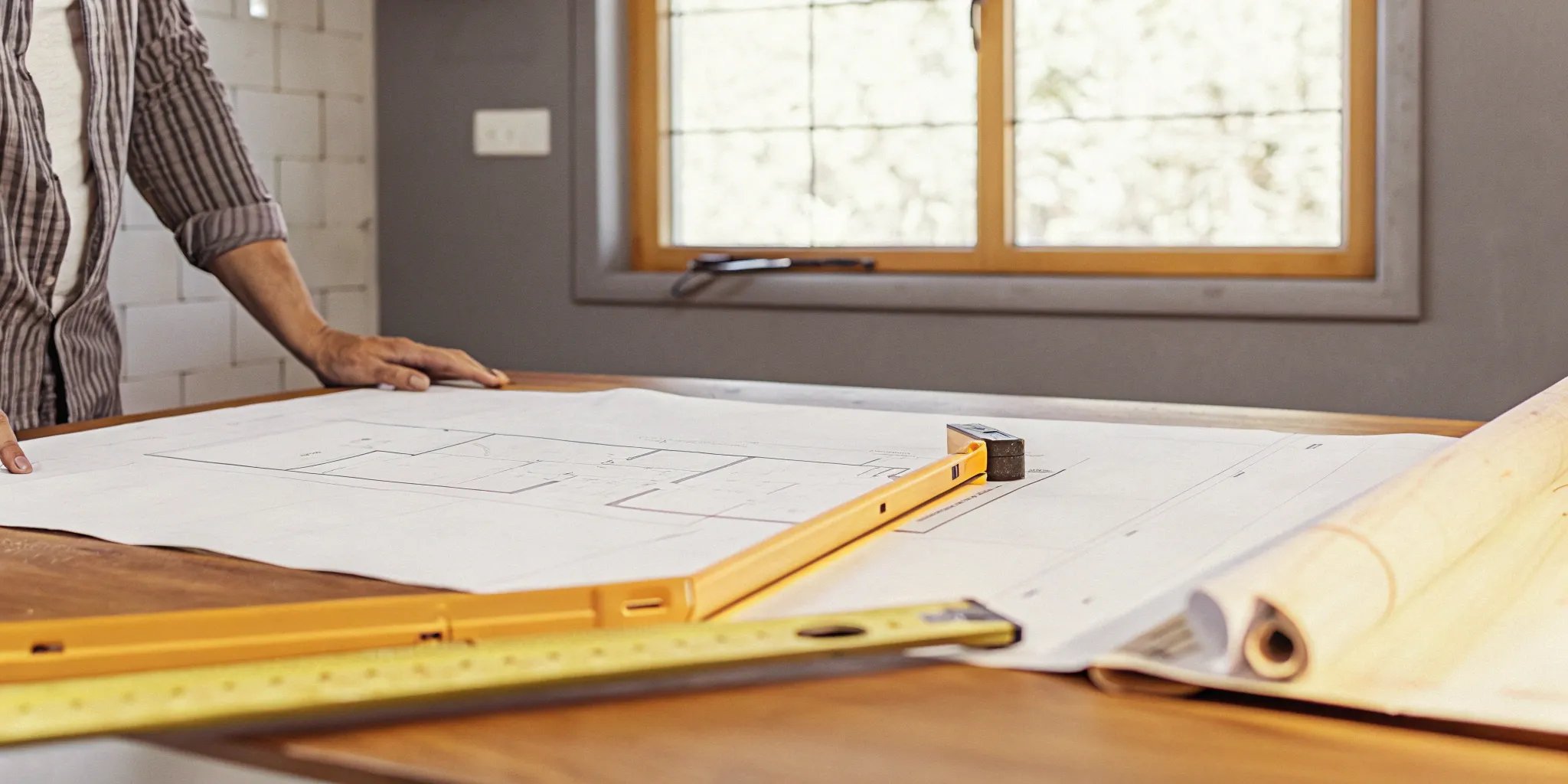
When you build a home addition, you’re inviting a team into your daily life for months. That’s why choosing a house extension contractor is about so much more than technical skill—it’s about finding a partner you can trust. You need a team that communicates clearly, respects your home, and truly understands your vision. The best projects are built on a foundation of transparency and a strong working relationship. This guide will show you exactly what to look for, from project management styles to client communication, so you can build a team that makes the entire process a positive one.
Key Takeaways
- Do Your Homework on Potential Contractors: The success of your project hinges on your contractor. Go beyond the bid by verifying their license and insurance, reviewing past projects similar to yours, and speaking with recent references to get a true sense of their work and communication style.
- Insist on a Detailed Plan and Contract: Avoid costly surprises by getting a fixed-price bid based on a detailed scope of work. Your contract should be your project’s blueprint, clearly outlining timelines, payment milestones, and specific materials to ensure everyone is on the same page.
- Prepare Your Finances and Your Home: Build a financial safety net by setting aside a 10-20% contingency fund for unexpected costs. Just as importantly, prepare your family for the temporary disruption by planning for alternate living arrangements and protecting your belongings from construction dust.
Your Checklist for Choosing a House Extension Contractor
Choosing the right contractor is the single most important decision you’ll make for your home addition. This is the team you’ll be trusting with your home, your budget, and your vision for the future. A great partnership leads to a smooth process and a beautiful result, while the wrong one can cause headaches, budget overruns, and costly delays. It’s about more than just finding someone who can swing a hammer; you’re looking for a project manager, a design partner, and a trusted advisor all in one. The right contractor will guide you through every phase, from initial design concepts to the final walkthrough, ensuring your project stays on track and within budget. They’ll handle the complexities of permits, coordinate with subcontractors, and solve problems before they impact your timeline. To make sure you find a true partner for your project, you’ll want to focus on a few key areas that separate the pros from the rest. By doing your homework upfront—vetting credentials, checking references, and ensuring a good personality fit—you can move forward with confidence, knowing your home is in capable hands.
Are They Licensed and Insured?
Before you even discuss design ideas, your first step is to verify that any potential contractor is fully licensed and insured to work in the Chicagoland area. This is non-negotiable. A proper license proves they meet local and state requirements and are knowledgeable about specific building codes that will affect your project. Insurance, including liability and workers’ compensation, protects you from being held responsible for accidents on your property. A professional company will readily provide this documentation. Think of it as your first line of defense; it ensures you’re working with a legitimate business that values safety and accountability. Any hesitation to share this information is a major red flag.
Does Their Portfolio Match Your Project?
Not all construction experience is created equal. A contractor might be great at remodeling bathrooms, but a home addition is a much more complex undertaking. It involves foundation work, structural changes, and seamlessly blending the new with the old. Look for a contractor with a strong portfolio of projects similar to yours in scope and style. Ask to see a gallery of their past work. This will give you a clear idea of their craftsmanship and whether their aesthetic aligns with your vision. Experience with similar projects means they’ve likely already solved the types of challenges your extension might present, leading to a more efficient and predictable process.
What Are Past Clients Saying?
A contractor’s reputation is built one project at a time. Find out what past clients in your community have to say about their experience. Start by reading online reviews on third-party sites to get a broad sense of their performance. Then, ask the contractor for a list of recent references you can actually speak with. A confident contractor will be happy to connect you with former clients. Ask these references about the contractor’s communication, how they handled unexpected issues, whether they stuck to the budget and timeline, and if they would hire them again. Hearing directly from other homeowners provides invaluable insight into what it’s really like to work with the team.
Gathering Local Recommendations
While online reviews are a great starting point, nothing beats a real-world recommendation from someone you trust. Your local community is an invaluable resource for finding a reliable contractor. Start by asking friends, family, and colleagues in the Chicagoland area if they’ve had a home addition or a major renovation done. People are usually happy to share their experiences—good and bad—and can give you an honest account of the process. A personal referral often gives you insight into a contractor’s communication style, reliability, and how they handle the day-to-day realities of a project, which are details you might not find in a polished online testimonial.
Talk to Your Neighbors
Your neighbors are an incredible resource, especially if they’ve recently completed a similar project. They can offer firsthand accounts of working with specific contractors and, just as importantly, share their experience navigating local regulations. Ask them how easy or difficult it was to work with the city for permits or to get approvals from a homeowner’s association (HOA). They can tell you which contractors have a good reputation in the neighborhood and which ones to avoid. A quick chat over the fence can save you a lot of time and potential frustration by pointing you toward professionals who are already familiar with the specific rules and expectations in your community.
Using Online Tools to Find the Right Fit
After gathering local recommendations, expand your search using online platforms designed to connect homeowners with construction professionals. Websites like Houzz and the National Association of the Remodeling Industry (NARI) allow you to browse local contractors, view their project portfolios, and read client reviews all in one place. These tools provide a structured way to compare different companies and see the quality of their work. When you explore a contractor’s online presence, pay close attention to their project gallery. This will help you determine if their design aesthetic and the scope of their previous work align with your vision for your home addition.
Applying Specific Search Filters
The real power of online directories lies in their search filters. Instead of scrolling through an endless list of general contractors, you can narrow your options to find the perfect fit for your project. Use filters to search for professionals who specialize in home additions within the Chicagoland area. You can refine your search even further by budget, client ratings, and professional credentials. Look for filters that highlight credentials and awards, as this can help you identify contractors who are recognized for their quality and excellence in the industry. Applying these specific filters helps you create a shortlist of highly qualified candidates who are well-suited to handle the complexities of your home extension.
Is Their Communication Style a Good Fit?
A successful home extension relies on a strong, collaborative relationship between you and your contractor. From the very beginning, you should feel that your questions are welcomed and your concerns are heard. A great contractor will establish a clear communication plan, letting you know who your main point of contact is and how you’ll receive regular updates. They should also be transparent about the project scope, timeline, and costs. This open dialogue builds trust and ensures everyone is on the same page, minimizing surprises along the way. When you contact a contractor, pay attention to how responsive and clear they are—it’s often a preview of the working relationship to come.
Hiring an Independent Inspector for Quality Assurance
Even when you’ve found a contractor you trust, it’s wise to consider hiring an independent inspector for a project as significant as a home addition. This isn’t about a lack of faith in your builder; it’s about adding a layer of quality assurance. An independent inspector acts as your personal advocate, providing an unbiased third-party assessment to ensure all work complies with local building codes and meets high standards of craftsmanship. They can check the work at critical stages, like before the drywall goes up, to catch any potential issues early on. A truly professional contractor will welcome this oversight, as it confirms the quality of their work and provides you with ultimate peace of mind.
What Can a House Extension Contractor Do for You?
When you hire a house extension contractor, you’re not just getting someone to swing a hammer. You’re partnering with a professional who manages the entire project from the first sketch to the final coat of paint. A full-service contractor offers a comprehensive suite of services designed to make the process smooth and ensure the final result is exactly what you envisioned. They handle the complex logistics so you can focus on the exciting parts, like picking out finishes for your new space. This partnership is key to transforming your home successfully.
Building Up: Single and Second-Story Additions
If you need significant extra living space, a single or second-story addition is often the best solution. This could mean adding a new primary suite, a spacious family room, or even a full second floor to accommodate a growing family. A qualified contractor manages these large-scale home additions from the ground up. They handle everything from laying the foundation and framing the new structure to ensuring the plumbing, electrical, and HVAC systems are perfectly integrated with your existing home. It’s a complex job that requires deep expertise to make the new space feel like it was always part of your house.
Building Out: Bump-Outs and Room Additions
Not every extension needs to be a massive undertaking. Sometimes, you just need a little more breathing room. Bump-outs are smaller additions that can make a huge difference, like extending your kitchen to create a breakfast nook or expanding a bathroom for a larger shower. A contractor can help you identify where a small addition can have the most impact. They manage the project to ensure the new space is structurally sound and blends seamlessly with your home’s exterior, giving you that extra square footage without the cost or scale of a full-story addition.
From Idea to Blueprint: Design and Planning
Before any construction begins, you need a solid plan. This is where a contractor’s design services come in. Many contractors, especially design and build firms, work with you to turn your ideas into detailed architectural plans. They help you think through layout, functionality, and material choices to create a design that fits your lifestyle and budget. This collaborative process ensures the final blueprints reflect your vision and provide a clear roadmap for the construction team, which helps prevent costly changes and delays down the line.
Working with a Design-Build Firm
Choosing a design-build firm streamlines your home addition by putting the design and construction processes under one roof. This means you aren’t stuck managing a separate architect and builder; instead, a single, cohesive team handles everything from the initial concept to the final build. This integrated approach creates clear communication and accountability since everyone is working together toward the same goal. A contractor offering design and build services becomes your dedicated partner, ensuring the architectural plans are not only beautiful but also practical and aligned with your budget from the start. This prevents the common disconnect between designers and builders, leading to a smoother process with fewer surprises and a final result that truly reflects your vision.
Making Sure Your Project is Up to Code
One of the most daunting parts of any home renovation is dealing with permits and regulations. A professional house extension contractor takes this entire burden off your shoulders. They understand local Chicagoland building codes and zoning laws and will prepare and submit all the necessary paperwork to get your project approved. This service is invaluable, as it ensures your extension is built safely and legally. Having an expert handle the permits not only saves you time and headaches but also protects your home’s value by guaranteeing all work is up to code.
How Much Does a House Extension Cost?
Figuring out the budget is often the first—and most stressful—part of planning a home extension. The truth is, there’s no single answer to how much a home addition will cost. The final price tag depends on the size of your project, the materials you choose, and the complexity of the work. But don’t let the variables intimidate you. Understanding what goes into the cost is the first step toward building a realistic budget and bringing your vision to life without financial surprises. A good contractor will walk you through these details, ensuring you feel confident about where every dollar is going.
Average Cost Per Square Foot
One of the most common ways to estimate the cost of a home addition is by looking at the price per square foot. In the U.S., this typically falls somewhere between $80 and $200. That’s a big range, and for good reason. The final cost is influenced by several key factors, including the complexity of the project and the quality of materials you select. For example, adding a simple sunroom with standard finishes will land on the lower end of that scale, while a full kitchen extension with custom cabinets, high-end appliances, and complex plumbing will be on the higher end. Think of this range as a starting point to help you frame your budget, but remember that a detailed quote will give you the most accurate picture.
Small, Medium, and Large Extension Estimates
To give you a clearer idea, let’s break down those costs by project size. A small extension, like a 100 to 200-square-foot bump-out, might cost anywhere from $8,000 to $40,000. For a medium-sized project of 300 to 500 square feet—think a new bedroom or a larger family room—you could be looking at a range of $24,000 to $100,000. If you’re planning a large-scale addition of 600 square feet or more, such as a multi-room wing or a second story, the cost can start around $48,000 and go well over $200,000. These figures are general estimates, and the best way to get a precise number for your specific project is to request a detailed estimate from a trusted contractor who can assess your home and your goals.
Key Factors That Influence the Cost
Several key factors will shape the final cost of your extension. The most obvious is the size and scope—a simple bump-out for a breakfast nook will cost significantly less than a two-story addition with a new primary suite. The quality of materials and finishes you select also plays a huge role, from flooring and windows to fixtures and cabinetry. Beyond the visible elements, structural changes, plumbing, and electrical work contribute to the labor costs. It’s also easy to underestimate the budget, which can cause a lot of stress down the line. A professional contractor can help you account for everything, including permits and the potential for uncovering unexpected issues, to create a comprehensive financial plan.
Room Type and Complexity
The type of room you plan to add has a massive impact on the overall cost. A simple bedroom or family room addition will cost less per square foot than a kitchen or bathroom. Why the difference? Kitchens and bathrooms are complex spaces that require extensive plumbing, electrical work, and specialized fixtures. Think about all the components: cabinetry, countertops, appliances, tile, and ventilation systems. Each of these elements requires skilled labor and adds to the material cost. A simpler room addition primarily involves framing, insulation, drywall, and flooring, making it a more straightforward and less expensive project from a construction standpoint.
Geographic Location
Where you live is a major factor in your home addition’s budget. Construction costs can vary dramatically from one state to another, and even between different neighborhoods in the same city. Labor rates, the cost of materials, and local permitting fees all change based on your location. For homeowners in the Chicagoland area, it’s essential to work with a contractor who understands the local market. National cost averages can be misleading, but a local expert can provide an accurate estimate based on real-world experience with suppliers and subcontractors in your community. This local knowledge ensures your budget is realistic from the start.
Getting an Estimate You Can Trust
A vague idea will only get you a vague estimate. To get a reliable number, you need a detailed plan. This is where working with a design and build firm is incredibly helpful, as they can translate your vision into concrete specifications. Once you have a solid plan, ask contractors for a “fixed-price bid” rather than a rough estimate. This detailed proposal outlines the specific scope of work, materials, and labor costs, giving you a firm price. This approach protects you from unexpected cost increases and allows you to compare quotes from different contractors accurately, ensuring you’re looking at the same project across the board.
Setting Your Budget and Understanding Payments
You won’t be expected to pay for the entire project upfront. Instead, you’ll follow a payment schedule with installments tied to specific project milestones, like completing the foundation or finishing the drywall. It’s a mistake to wait too long to bring in a professional, as this can lead to rushed financial decisions. Engaging a contractor early in the process helps establish a clear budget and payment plan from the start. It’s also smart to set aside a contingency fund—typically 10% to 20% of the total project cost—to cover any unforeseen expenses or changes you decide to make along the way. This buffer gives you peace of mind and financial flexibility.
Financing Your Home Addition
Once you have a solid budget, the next step is figuring out how to fund your project. For most homeowners, this means securing some form of financing. The good news is that because a home addition adds significant value to your property, there are several great options available. Think of it as an investment in your home’s future. The key is to find the right financial tool that fits your specific situation, whether you need a flexible line of credit for ongoing expenses or a single lump sum to cover a fixed-price contract. Exploring these options early will help you move forward with confidence and financial clarity.
Home Equity Loans and HELOCs
Two of the most popular ways to finance a home addition are by using the equity you’ve already built in your home. A home equity line of credit (HELOC) works a lot like a credit card. You’re approved for a certain amount and can draw funds as you need them, which is perfect for projects where costs might fluctuate. On the other hand, a home equity loan gives you the full amount in one lump sum. This is a great choice if you have a fixed-price bid from your contractor and know exactly how much you need. Both options use your home as collateral, often resulting in lower interest rates than other types of loans.
Mortgage Refinancing and Personal Loans
Another path is to refinance your mortgage. With a cash-out refinance, you replace your current mortgage with a new, larger one and receive the difference in cash. This can be an excellent strategy if you can secure a lower interest rate than your current one, essentially rolling the cost of your addition into one manageable monthly payment. If you’d rather not tap into your home’s equity, a personal loan is another possibility. These loans are typically unsecured, meaning your home isn’t used as collateral. The application process is often faster, making them a solid choice for smaller additions or if you need funding quickly.
Considering Long-Term Costs: Property Taxes
While you’re focused on the upfront costs of construction, it’s important not to overlook the long-term financial impact of your home addition. A larger, more valuable home will likely lead to an increase in your annual property taxes. When your project is complete, your local municipality will reassess your home’s value, and your tax bill will be adjusted accordingly. Before you commit to a project, it’s a wise move to get a rough idea of how much your taxes might go up. Factoring this recurring expense into your household budget from the beginning ensures your beautiful new space remains a joy, not a financial strain, for years to come.
Why Hire a Professional for Your House Extension?
The idea of adding more space to your home is exciting, and it’s easy to get swept up in design ideas and floor plans. While the DIY route might seem like a way to save money, a house extension is one of the most complex home improvement projects you can undertake. It involves structural changes, plumbing, electrical work, and a deep understanding of local regulations. This isn’t just a weekend project; it’s a major construction job that can quickly become overwhelming.
Hiring a professional contractor for your home addition is an investment in the process and the final result. A seasoned team brings expertise that prevents costly mistakes, manages the countless moving parts, and ensures the new space is built to last. They handle the logistics so you can focus on the fun parts, like choosing finishes. From navigating building codes to coordinating subcontractors and securing quality materials, a professional general contractor streamlines the entire project. This not only saves you from immense stress but also adds significant, lasting value to your home. Ultimately, you’re not just paying for construction; you’re paying for peace of mind and a seamless experience from start to finish.
They Know the Rules: Building Codes and Permits
One of the biggest hurdles in any home addition project is the paperwork. Every municipality in the Chicagoland area has its own specific set of building codes, zoning laws, and permit requirements that must be followed precisely. A professional contractor is an expert in these regulations. They know what permits are needed, how to submit plans for approval, and what inspections are required along the way. This expertise helps you avoid fines, frustrating delays, or even the nightmare scenario of having to tear down work that wasn’t approved. A full-service design-build firm handles this entire process, ensuring your project is fully compliant from day one.
Keeping Your Project on Track
A house extension involves coordinating a small army of specialists: architects, electricians, plumbers, foundation experts, roofers, and more. Managing this yourself is a full-time job. A professional contractor acts as your project manager, serving as the single point of contact for everyone involved. They create a realistic timeline, schedule all the subcontractors, order materials, and solve problems as they arise. This professional oversight keeps the project moving forward efficiently and prevents small issues from turning into major setbacks. Their experience in managing the design and construction process is essential for a successful, stress-free addition that stays on track and on budget.
Access to Pro-Grade Materials and Talent
The difference between an amateur and a professional renovation often comes down to the quality of the materials and the skill of the people installing them. Reputable contractors have long-standing relationships with trusted suppliers, giving them access to high-quality materials that aren’t always available to the public. They also have a vetted team of skilled craftspeople who take pride in their work. This ensures that every aspect of your addition, from the foundation to the trim, is built correctly and beautifully. The result is a beautiful final product that not only looks great but is also durable and adds true long-term value to your home.
Saving You Time and Giving You Peace of Mind
While you might think a DIY project saves money, it often costs you something more valuable: your time. Professionals work efficiently, follow a structured schedule, and have the experience to complete the job much faster than someone learning as they go. More importantly, a professional contractor provides a warranty for their workmanship. This is your safety net. If an issue arises with the construction after the project is complete, the contractor stands behind their work and will come back to fix it. This guarantee provides incredible peace of mind and protects your investment—a benefit you simply don’t get when you do the work yourself.
How to Keep Your House Extension on Budget
A home addition is a major investment, and keeping the project on budget is a top priority for most homeowners. While it might seem daunting, a little planning goes a long way. The key is to be proactive, understand the costs, and work with a contractor who values transparency. With a clear plan and the right team, you can manage your finances effectively and avoid stressful surprises. Here are four practical steps to help you keep your house extension budget on track from start to finish.
Define Your Must-Haves vs. Nice-to-Haves
Before you get too far into the planning, it’s important to define what you truly want and need. Make a list of your must-haves versus your nice-to-haves. This helps you and your contractor focus the budget on what matters most. A major mistake is failing to get a fixed-price bid based on a detailed project scope. Having a clear understanding of every detail, from materials to finishes, ensures your estimate is accurate. Our design and build services are structured to help you solidify these plans upfront, creating a solid foundation for your budget and preventing costly changes down the line.
What is the 30% Rule for Home Value?
Have you heard of the 30% rule? It’s a simple guideline that suggests you shouldn’t spend more than 30% of your home’s total value on a single renovation project. For example, if your home is worth $500,000, you’d aim to keep your kitchen remodel under $150,000. While not a hard-and-fast rule, it’s a great gut check to ensure your investment is proportional to your property’s value. This helps protect you from overcapitalizing, meaning you won’t spend more on the project than it adds to your home’s resale value. It’s a smart way to approach any home renovation and make sure your money is well spent.
Plan for the Unexpected: Change Orders and Extras
Even with the best planning, unexpected issues can pop up during construction. You might discover hidden structural problems or simply change your mind about a design element. That’s why it’s essential to set aside a contingency fund—typically 10% to 20% of your total project cost. This fund covers unforeseen expenses and formal “change orders,” which are amendments to the original contract. Building this buffer into your budget from day one provides peace of mind and financial flexibility. It allows you to handle surprises without derailing the entire project or causing unnecessary stress.
Don’t Settle for the First Quote
Getting quotes from several contractors is a standard part of the process, but it’s about more than just finding the lowest price. A detailed quote should clearly outline all costs, materials, and labor. When you contact us for an estimate, we provide a comprehensive breakdown so you know exactly what you’re paying for. Comparing detailed proposals allows you to assess the value each contractor offers, from their project management style to the quality of their materials. Look for a partner who is transparent, communicative, and has a proven track record of delivering projects on budget. This ensures you’re making an informed decision based on value, not just the bottom line.
Exploring Cost-Saving Alternatives
If the initial numbers for a full-scale addition feel a bit steep, don’t get discouraged. There are several smart strategies you can explore with your contractor to achieve your goals without overextending your finances. A great partner will work with you to find creative solutions that deliver the space you need while respecting your budget. It’s not always about cutting corners; it’s about making strategic choices that provide the best value for your investment. From re-imagining existing spaces to phasing the work over time, you have options that can make your dream home a reality.
Converting Existing Spaces
Sometimes the extra space you need is already part of your home, just waiting to be claimed. Instead of building an entirely new structure from the ground up, consider converting an underused area like a garage, attic, or basement. This approach can be significantly more cost-effective because the home’s foundation, walls, and roof are already in place. A professional contractor can transform these spaces into functional, beautiful living areas, whether you’re dreaming of a new guest suite, a home office, or a family playroom. A basement remodel, for example, can nearly double your usable square footage for a fraction of the cost of a new addition.
What is Value Engineering?
Value engineering is a systematic approach that your contractor can use to find the most efficient and affordable ways to achieve your project goals without sacrificing quality. It’s a collaborative process where you analyze different materials, construction methods, and design details to find the perfect balance between cost, function, and aesthetics. For instance, you might opt for a different brand of windows that offers similar energy efficiency at a lower price point or choose a composite decking material that costs less over its lifetime than wood. A skilled design and build team uses this strategy to ensure every dollar you spend is working as hard as it can for you.
Phasing the Project to Manage Cash Flow
A large home addition doesn’t have to be an all-or-nothing financial commitment. If the total cost is more than you’re comfortable with right now, talk to your contractor about phasing the project. This strategy involves breaking the work into smaller, manageable stages that you can tackle over time as your budget allows. For example, you could build the structural shell of a two-story home addition now and finish the interior of the first floor, leaving the second floor to be completed in a few years. This approach requires careful planning from the start to ensure the initial construction will support future work, but it can make a large-scale project much more attainable.
What Questions Should You Ask Potential Contractors?
Once you’ve narrowed down your list of potential contractors, it’s time to start the interview process. Think of this as a two-way conversation to see if you’re a good fit for each other. Asking smart, specific questions upfront helps you understand their process, sets clear expectations, and ensures you’re partnering with a team that can bring your vision to life. A professional contractor will welcome your questions and provide clear, confident answers. This initial dialogue is the foundation for a successful project and a positive working relationship, so don’t be shy about getting the details you need to make an informed decision.
How Long Will This Take?
A detailed timeline is more than just a start and end date; it’s a roadmap for your entire project. Ask potential contractors how they develop their schedules and what milestones you should expect along the way. It’s also important to discuss how they handle potential delays, like weather or supply chain issues. A major mistake homeowners make is failing to get a fixed-price bid and a firm schedule. A reliable contractor will provide a clear plan and be transparent about how they manage the project’s flow to keep things on track and within budget.
Who Will Be Working in My Home?
You need to know exactly who will be working in your home. Ask about the core team and their experience with projects like yours. Will they be using subcontractors for specialized work like plumbing or electrical? If so, are those subcontractors licensed, insured, and people they’ve worked with before? Some contractors are great at smaller jobs but may be underqualified to manage the more complex process of a home addition. Understanding the structure of their team ensures that every person contributing to your project is a qualified professional you can trust.
How Will You Keep Me Updated?
Clear and consistent communication is the key to a stress-free renovation. Ask about their communication process from day one. Who will be your main point of contact? How often can you expect updates—daily, weekly? Will you have scheduled check-in meetings? A contractor who prioritizes communication demonstrates a commitment to partnership and transparency. As a design-build firm, we believe in seamless service and attentive communication to ensure our clients feel informed and confident from start to finish.
Can I See Your Work and Talk to Past Clients?
Seeing is believing. A contractor’s past work is the best indicator of their quality and style. Don’t hesitate to ask to see their project portfolio or for a list of references from recent clients. Looking through their gallery of completed projects can give you a great sense of their craftsmanship and attention to detail. Speaking with former clients can also provide invaluable insight into what it’s like to work with them day-to-day. A proud contractor will be happy to share their successes and connect you with satisfied homeowners.
Warning Signs: When to Walk Away from a Contractor
Choosing the right contractor is the most critical step in your home extension journey. While the Chicagoland area has many talented professionals, it’s wise to know the warning signs of a less-than-reputable operator. Trusting your gut is important, but you should also be on the lookout for specific red flags that can signal future problems. A great contractor will make you feel comfortable and confident, providing clear documentation, transparent communication, and a pressure-free process. Anything less should make you pause and ask more questions before signing on the dotted line.
A Bid That’s Too Good to Be True
If a bid seems too good to be true, it probably is. An unusually low price is a major red flag that a contractor might be cutting corners on materials, using unqualified labor, or planning to add surprise charges later. A professional quote should be detailed and comprehensive. Be wary of anyone who gives you a vague, one-page estimate or pressures you to agree to a deal without a fixed-price bid. A trustworthy partner will provide a thorough proposal that outlines the entire scope of work, which is a core part of our design and build services. Missing paperwork is just as concerning as a low bid.
They’re Hard to Reach or Unprofessional
From your very first interaction, pay close attention to how a contractor communicates. Are they responsive to your calls and emails? Do they answer your questions clearly and patiently? Or are they hard to reach, dismissive of your concerns, or generally unprofessional? Poor communication during the hiring process will only get worse once the project starts, leading to misunderstandings, delays, and frustration. You are building a long-term relationship, and you deserve a partner who is respectful, transparent, and easy to work with. A contractor’s professionalism reflects the quality of their work and their commitment to a smooth client experience.
No Clear Contract or Warranty
A contract is your primary protection during a renovation. A vague agreement that lacks specific details about materials, timelines, payment schedules, and the scope of work is a serious red flag. It leaves too much room for interpretation and disputes down the road. Equally important is a warranty on workmanship. A contractor who stands behind their work will offer a warranty without hesitation. This shows they are confident in their quality and are committed to your long-term satisfaction. If a contractor is hesitant to provide a detailed contract or doesn’t offer a warranty, it’s best to walk away.
Feeling Pressured to Sign Now
Your home extension is a significant investment, and you should never feel rushed into a decision. Be cautious of contractors who use high-pressure sales tactics, such as claiming a special price is only available “if you sign today” or creating a false sense of urgency. Reputable professionals understand that you need time to review bids, check references, and feel completely comfortable with your choice. A contractor’s job is to provide you with the information you need to make an informed decision, not to pressure you into a sale. A confident, experienced team will encourage you to do your due diligence.
Your House Extension: A Step-by-Step Guide
A house extension is an exciting undertaking, but it’s also a complex project with many moving parts. Understanding the road ahead can make the entire experience smoother and more enjoyable. From the first sketch to the final walkthrough, a professional contractor will guide you through a structured process designed to bring your vision to life efficiently and correctly. While every project is unique, the journey typically follows four main stages: initial design, permits and approvals, construction, and the final wrap-up.
Think of it as a collaborative effort. You bring the ideas and the dream for your new space, and your contractor brings the expertise to build it. A great team will keep you informed, answer your questions, and manage the day-to-day details so you don’t have to. They’ll coordinate with architects, engineers, and tradespeople, ensuring that every aspect of the project aligns with the plan. This partnership is key to transforming a part of your house into a space that truly feels like home. At THP Builders, we’ve refined this process to ensure clarity and peace of mind for every Chicagoland homeowner we work with.
Step 1: The Consultation and Design
This is where the fun begins. Your journey starts with an initial consultation to discuss your goals, ideas, and budget. It’s the perfect time to share your inspiration photos and talk about how you envision using the new space. From there, the design phase kicks off. Working with a design and build company is a great way to streamline this step, as the team can help you select materials and create a cohesive design that fits your needs and your home’s existing style. They will translate your vision into detailed architectural plans and 3D renderings, giving you a clear picture of the final result before any construction starts.
Assembling Your Professional Team
A home addition isn’t a solo act; it’s a carefully coordinated effort that brings together a team of specialists. While your contractor is the project’s leader, they work closely with other key professionals to ensure your new space is beautiful, functional, and safe. This team typically includes an architect to design the space and a structural engineer to confirm its integrity. The right contractor acts as the conductor, managing all these moving parts so you don’t have to. When you partner with a design and build firm, these professional relationships are often already in place, creating a seamless experience from the very first conversation. This integrated approach ensures everyone is aligned with your vision and the project’s goals from the start.
Architects and Structural Engineers
Think of the architect as the artist and the structural engineer as the scientist of your project. The architect is responsible for turning your vision into a detailed blueprint. They focus on the layout, flow, and aesthetic of your home addition, ensuring it meets your family’s needs and blends with your home’s style. The structural engineer, on the other hand, makes sure that beautiful design is safe and sound. They analyze your home’s existing structure, calculate loads, and specify the necessary beams and supports to ensure the new addition is structurally secure. For any project that involves changing your home’s footprint or altering load-bearing walls, both professionals are essential. A skilled contractor coordinates their work, making sure the final plans are both inspiring and buildable.
Step 2: Securing Permits and Approvals
Before a single wall goes up, your project needs the green light from your local municipality. Building an addition involves critical legal steps, including getting plans approved and securing the necessary work permits. A skilled contractor is essential here, as they understand the local building codes and can handle the entire application process for you. They’ll submit the architectural plans and any other required documentation to the building department. This stage ensures your home addition is safe, structurally sound, and compliant with all regulations. While it can sometimes take a few weeks, getting the proper permits is a non-negotiable step that protects your investment.
Understanding the Permitting Timeline
This is the part of the process that requires the most patience. Getting plans drawn up, submitted, and approved by the city isn’t an overnight task. In fact, it can often take anywhere from four to six months. This timeline accounts for the architect and structural engineer drafting detailed plans, as well as the city’s review process, which can sometimes involve requests for revisions. A professional contractor understands this and will build this waiting period into the overall project schedule. They’ll manage the back-and-forth with the city and keep you updated, so you’re not left wondering what’s happening. It’s a crucial waiting game, but it ensures everything is done by the book.
Required Plans for Submission
To get that permit, your contractor will need to submit a comprehensive set of documents to the city. This isn’t just a simple sketch. The package typically includes detailed architectural plans for the new addition, structural plans from an engineer to ensure its safety and stability, and often energy efficiency plans to comply with modern standards. Your contractor will coordinate with the architect and engineer to gather all of these necessary documents. A full-service design and build firm is particularly skilled at managing this, as they handle the entire process from initial concept to final submission, ensuring every detail meets local requirements.
Step 3: Breaking Ground and Building
Once the permits are in hand, it’s time to break ground. The construction phase is a carefully orchestrated sequence of events. It typically starts with site preparation and laying the foundation, followed by framing the new structure. From there, the roof, windows, and siding are installed to create a weather-tight shell. Next, skilled tradespeople will run electrical wiring, plumbing lines, and HVAC ductwork. After insulation and drywall, the finishing touches—like flooring, painting, and installing fixtures—begin to transform the structure into a beautiful, functional space. A full-service design-build firm will manage this entire process, providing regular updates and ensuring the project stays on track.
Step 4: The Finishing Touches and Final Walkthrough
As construction winds down, the project enters its final phase. This involves a series of final inspections from the city to confirm that all work has been completed to code. Once the inspections are passed, you’ll do a final walkthrough with your contractor. This is your opportunity to review every detail and create a “punch list” of any minor adjustments that may be needed. Having well-made plans from the start helps ensure this final stage goes smoothly, keeping the project on budget and on schedule. After the final touches are complete, the keys are handed over, and you can finally start enjoying your stunning new space. You can see some of our finished projects in our gallery.
How to Prepare Your Home for a House Extension
Once you’ve chosen your contractor and finalized the design, the excitement really starts to build. But before the first wall comes down, a little preparation will make the entire construction process smoother for you and your family. Thinking through the logistics of living in a construction zone helps manage stress and keeps the project on track. A professional contractor will handle the heavy lifting, but taking a few key steps to prepare your space ensures your daily life is disrupted as little as possible. It’s all about creating a clear plan for your home, your belongings, and your family’s routine.
Where Will You Live During Construction?
A home addition is a major undertaking, and it’s important to be realistic about how it will affect your daily life. Depending on the scale of the project, you might lose access to essential areas like your kitchen or a primary bathroom for a significant period. Think through your family’s daily routines and identify potential challenges. Will you need to set up a temporary kitchen in the basement with a microwave and a mini-fridge? Should you plan for the kids to do their homework in a quieter part of the house, away from the noise? For extensive renovations, some families decide to arrange temporary living accommodations, but for most projects, a solid in-home plan is all you need.
How to Protect the Rest of Your Home
Construction dust has a way of getting everywhere. Before the work begins, take time to protect your existing home and belongings. Your contractor should seal off the work area with plastic sheeting and take measures to control dust, but you can provide an extra layer of defense. Move furniture, artwork, and valuables out of rooms adjacent to the construction zone. For items that can’t be moved, use heavy-duty plastic sheeting or old blankets to cover them completely. It’s also a good idea to protect your floors in high-traffic areas with temporary coverings. Discuss the dust-management plan with your contractor to ensure everyone is on the same page about keeping your living spaces clean and safe.
Set Clear Boundaries for the Work Zone
A construction site is not a playground. To keep your family and pets safe, it’s crucial to establish clear safety rules and site access from day one. Walk through the plan with your contractor to designate approved pathways for workers and to understand which areas of your home will be off-limits. Make sure your children understand they cannot enter the construction zone under any circumstances. It’s also wise to have a conversation about pets, ensuring they are secured in a safe part of the house or yard, away from open doors, tools, and materials. A professional team will prioritize a safe and organized site, but setting these ground rules provides peace of mind for everyone involved.
Related Articles
- How to Hire the Right Home Addition Contractor
- How to Hire a Bathroom Remodel Contractor
- How to Find the Right Kitchen Remodel Contractor
Frequently Asked Questions
How long does a typical house extension take from start to finish? While a small bump-out might only take a few months, a larger second-story addition can take anywhere from six months to a year or more. The timeline really depends on the project’s complexity. The initial design and planning phase can take several weeks, followed by the permit approval process, which varies by municipality. Once construction begins, factors like weather, material availability, and inspections will influence the schedule. A professional contractor will provide a detailed timeline upfront so you know what to expect at every stage.
Can I stay in my home while the extension is being built? For most projects, the answer is yes. Contractors are very experienced in sectioning off the work area to minimize disruption and keep your living space safe and clean. However, you should plan for some noise, dust, and a change in your daily routine. If the project involves a major kitchen or primary bathroom remodel, you may need to set up a temporary functional space elsewhere in your home. For very large-scale additions, some families find it more comfortable to arrange a short-term rental, but it usually isn’t necessary.
What’s the difference between a design-build firm and hiring an architect and contractor separately? When you hire an architect and contractor separately, you manage two different contracts and act as the go-between. The architect creates the plans, and then you find a contractor to build them. A design-build firm, on the other hand, handles the entire project from initial concept to final construction under one roof. This integrated approach streamlines communication, creates a more cohesive plan, and often helps control the budget more effectively because the design and construction teams work together from the very beginning.
How do I know if my property can even have an extension? Determining if your property is suitable for an addition involves a few key factors. Local zoning laws dictate how much of your lot you can build on and how close you can build to your property lines. Your contractor will investigate these regulations, often called setback requirements, to see what’s possible. They will also assess your home’s existing structure and the condition of your foundation to ensure it can support the new addition. An initial consultation is the best way to get a clear answer based on your specific property.
What is the most common mistake to avoid when planning a home addition? The biggest mistake is not having a detailed, fixed-price plan before construction begins. It’s easy to get excited and rush into the project with only a rough estimate, but this often leads to unexpected costs and stressful decisions down the road. Taking the time to work with your contractor to finalize every detail—from the layout and materials to the specific fixtures—ensures your budget is realistic and comprehensive. A solid plan is the foundation for a smooth project that finishes on time and on budget.