
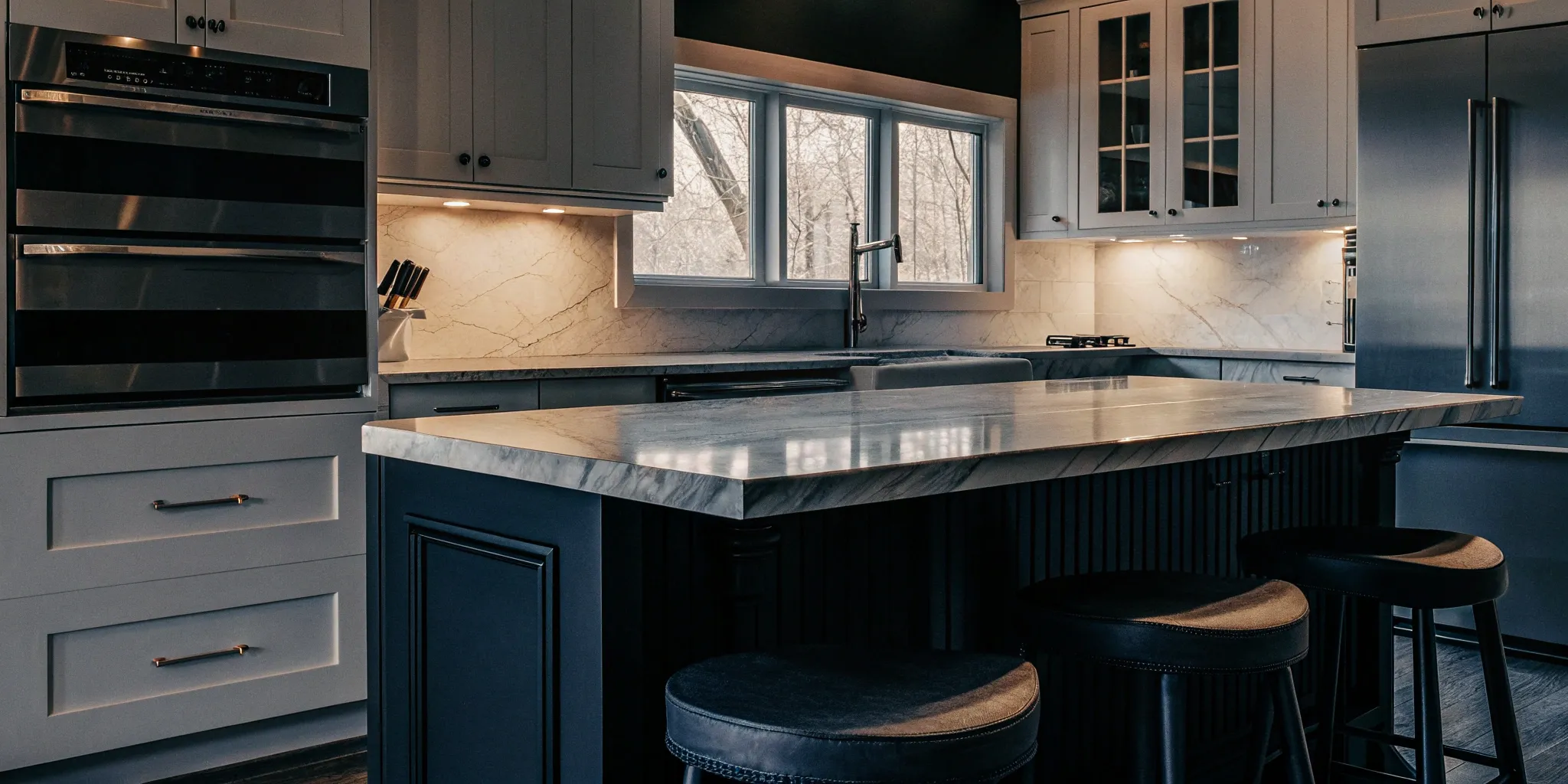
Let’s get straight to it: the first question on every homeowner’s mind is, “How much will this cost?” Getting a clear answer can feel impossible. To bring some clarity to your 10×10 kitchen renovation cost, the industry uses a standard 10×10 layout as a pricing tool. This hypothetical space creates a baseline for comparing materials and estimating labor. It’s the most effective way to begin answering the crucial question of how much should a 10×10 kitchen remodel cost. Once you understand this benchmark, you can see how your specific choices, from countertops to custom cabinets, will shape your final investment.
Key Takeaways
- Use the 10×10 model as a pricing tool, not a final quote: This industry standard is a baseline for comparing material costs, like cabinets or countertops. Your actual project price will depend on your kitchen’s specific size, the complexity of the layout, and the finishes you choose.
- A contingency fund is your project’s safety net: Always budget an extra 15-20% for unexpected issues. This fund covers necessary fixes for things you can’t see until demolition starts, like old wiring that needs updating or hidden water damage, preventing stressful budget surprises.
- Smart planning is the best way to save money: The most impactful way to control costs is to keep your kitchen’s existing layout, which avoids expensive plumbing and electrical work. Partnering with a reputable contractor is your best protection against costly mistakes and ensures your budget is managed effectively from start to finish.
So, What Is a 10×10 Kitchen Remodel, Anyway?
If you’ve started researching kitchen renovation costs, you’ve probably seen the term “10×10 kitchen” pop up everywhere. It sounds specific, but it’s not meant to be a literal floor plan you have to follow. Instead, think of it as a standardized unit of measurement the remodeling industry uses to create a baseline price for a project. It’s a simple way to compare the costs of different cabinet styles or countertop materials on an apples-to-apples basis. Understanding what this benchmark includes—and what it doesn’t—is the first step in figuring out a realistic budget for your own kitchen remodeling project.
Breaking Down the Standard 10×10 Layout
A 10×10 kitchen refers to a room that is 10 feet by 10 feet, giving you a total of 100 square feet. While many modern kitchens in the Chicagoland area are larger, this compact L-shaped layout is considered a functional standard. It provides enough space for essential appliances, adequate storage, and a decent amount of counter space for a small or medium-sized family. The 10×10 model typically includes a specific amount of cabinetry—usually around 12 cabinets of standard sizes—which is what contractors use to calculate baseline pricing for different cabinet lines. It’s a hypothetical kitchen that creates a helpful starting point.
Why Is the 10×10 an Industry Benchmark?
The 10×10 layout is the industry’s go-to tool for pricing because it simplifies a complex process. By using this standard, contractors and cabinet suppliers can give you a quick cost estimate for a basic kitchen. For example, you might see a price of $15,000 to $25,000 for a 10×10 remodel. This figure helps you compare the relative costs of different materials and finishes. Of course, your final price will depend on your kitchen’s actual size, the complexity of the layout, and the specific finishes you choose. You can see a wide range of layouts and styles in our project gallery to get a better idea of what’s possible.
How Much Should a 10×10 Kitchen Remodel Cost?
When you start planning a kitchen renovation, one of the first questions you’ll ask is, “How much is this going to cost?” While the final price tag depends on your specific choices, we can use the industry-standard 10×10 kitchen as a starting point to understand the budget ranges. It’s important to remember that these figures are national averages, and they can shift based on the materials you select, the complexity of the job, and where you live.
Think of these price tiers as a guide to help you align your vision with your budget. Whether you’re looking for a simple refresh or a complete transformation, understanding these brackets will help you have a more productive conversation with your contractor. A professional kitchen remodel is a significant investment in your home’s value and your daily life, so let’s break down what you can expect at every level. We’ll explore three common budget tiers—budget-friendly, mid-range, and high-end—to give you a clearer picture of what your money can buy. This breakdown will help you set realistic expectations and make informed decisions as you move forward with creating the kitchen you’ve always wanted. Remember, these numbers are a framework, not a fixed price list, but they are invaluable for initial planning.
Your Budget-Friendly Remodel: $15,000–$25,000
In this range, you’re looking at a smart and impactful refresh rather than a complete overhaul. The focus is on maximizing your budget by making cosmetic updates that pack a visual punch. Most budget-friendly remodels keep the kitchen’s existing layout to avoid the high cost of moving plumbing or electrical lines. You might opt for painting or refacing your existing cabinets, installing new laminate countertops, updating the hardware, and adding a simple backsplash. According to national averages, a basic 10×10 kitchen remodel costs between $150 to $250 per square foot, making this a practical choice for a functional and fresh new look.
Your Mid-Range Remodel: $25,000–$40,000
This is the most common budget range for homeowners, offering a fantastic balance of style, function, and value. A mid-range budget allows for more significant upgrades and personalization. You can typically afford to replace your old cabinets with new semi-custom ones, install durable and beautiful quartz or granite countertops, and select higher-quality appliances. This budget might also accommodate adding a kitchen island or installing new hardwood or tile flooring. You get more flexibility with materials and can create a space that truly reflects your style without venturing into luxury territory. This is where you can see your dream kitchen design start to take shape.
Your High-End Remodel: $40,000–$60,000+
If you’re dreaming of a chef’s kitchen with all the bells and whistles, this is the budget for you. A high-end remodel involves top-of-the-line materials and often includes structural changes, like removing a wall to create an open-concept living area. Expect fully custom cabinetry, premium stone countertops like marble or quartzite, professional-grade smart appliances, and sophisticated lighting design. This is where you can incorporate luxury features like a built-in wine fridge, a pot filler, or a second sink. With a high-end project, you’re not just updating a room; you’re creating a custom-tailored space designed for entertaining and everyday enjoyment.
How Do Remodel Costs Vary Across Chicagoland?
While national averages are a helpful starting point, it’s crucial to remember that location plays a huge role in your final cost. Here in the Chicagoland area, we tend to see higher costs for both labor and materials compared to other parts of the country. The price of permits, the logistics of working in the city versus the suburbs, and local supplier pricing all influence the bottom line. Because remodeling costs vary by region, working with a local, reputable contractor is the best way to get an accurate and transparent estimate tailored to your specific project and neighborhood.
What Factors Increase Your Remodel’s Price Tag?
While the 10×10 kitchen is a helpful starting point for budgeting, it’s just that—a start. The final price of your project depends entirely on the choices you make. Think of the 10×10 model as the blank canvas; the materials, layout changes, and custom details are the paint that brings your vision to life, and each one has a different price. Understanding these key cost drivers will help you figure out where you want to invest your budget and where you might be able to save. It’s all about balancing your dream kitchen with a realistic financial plan.
How Your Choice of Materials Impacts Cost
The materials you select are one of the biggest variables in your kitchen remodel budget. The cost difference between stock cabinets from a big-box store and fully custom cabinetry can be thousands of dollars. The same goes for countertops—laminate is a budget-friendly option, while high-end marble or quartzite will command a premium. These choices extend to every surface, from the flooring under your feet to the backsplash tile behind your stove. Our project gallery is a great place to see how different materials and finishes come together to create a specific look and feel, which can help you prioritize what matters most to you.
Why Labor and Complexity Are Major Cost Factors
It’s easy to focus on the tangible items like appliances and cabinets, but the hands-on work is a huge part of your budget. Labor costs often account for a significant portion of the total project price. This isn’t just for installation; it covers everything from demolition and site prep to the skilled tradespeople who handle your plumbing, electrical, and intricate tile work. A straightforward project with minimal changes will naturally require less labor than a complex renovation with custom built-ins and detailed finishes. Investing in a professional team ensures your kitchen remodeling is done right, preventing costly mistakes and ensuring a beautiful, lasting result.
Will You Need Structural Changes or a New Layout?
If your dream kitchen involves a new layout, be prepared for that to be a major cost driver. Keeping your kitchen’s existing footprint is the most budget-friendly approach. As soon as you start moving walls, relocating plumbing for a new sink location, or running new gas and electrical lines for appliances, the complexity and cost increase significantly. These changes require more permits, specialized labor, and engineering to ensure everything is safe and up to code. While an open-concept layout can be transformative, it’s important to weigh the functional benefits against the substantial impact on your budget.
Design Decisions That Affect Your Bottom Line
Beyond the basic materials, specific design choices can also add up quickly. For example, choosing a quartz countertop is one decision, but opting for a waterfall edge that flows down the side of your island is an additional design choice that increases material and labor costs. The same applies to cabinets—a simple shaker style is often more affordable than a door with intricate beading or glass inserts. Details like under-cabinet lighting, custom appliance panels, and high-end plumbing fixtures are all design decisions that affect the final price tag. Our design and build services help you make these choices to create a cohesive design that aligns with your budget.
Professional Design Fees
It might feel like just another expense, but professional design fees are one of the smartest investments you can make in your kitchen remodel. This fee covers the expertise of a designer who creates a cohesive plan, helps you select materials that fit your budget, and ensures the final space is both beautiful and functional. A well-thought-out design prevents costly changes mid-project and helps you avoid common layout mistakes that can reduce your kitchen’s efficiency. Investing in a professional team ensures your kitchen remodeling is done right, preventing expensive errors and delivering a lasting result. At THP Builders, our integrated design and build services streamline this process, making sure your vision is perfectly translated from concept to completion.
Functional Layout Requirements
The single biggest factor that can inflate your budget is changing the kitchen’s layout. Keeping your kitchen’s existing footprint is the most budget-friendly approach. The moment you decide to move the sink, relocate the stove, or shift an appliance, the project’s complexity and cost rise dramatically. This is because relocating plumbing, gas, and electrical lines requires skilled labor, additional materials, and often new permits. The 10×10 pricing model assumes a simple, existing layout, which is why it serves as such a clean baseline. Any structural work, like removing a wall to create an open-concept space, will also significantly impact the final price tag, so it’s crucial to discuss these plans with your contractor early on.
How External Factors like Tariffs Can Affect Pricing
It’s not just your design choices that shape the final cost of your remodel; broader economic forces can also play a significant role. Factors like international trade policies can directly impact your budget. For instance, tariffs, which are essentially taxes on imported goods, can increase the price of many common kitchen components. This includes everything from cabinets and appliances to flooring and tile that are manufactured overseas. When these costs rise for suppliers, they are eventually passed on to you, the homeowner. This is why working with a seasoned contractor is so important. We stay informed about market fluctuations and can help you make smart material selections that provide the best value, ensuring your kitchen remodeling project stays on track financially.
Where Does Your Kitchen Remodel Budget Go?
It’s one thing to set a budget for your kitchen remodel, but it’s another to know where all that money actually goes. Seeing a line-by-line breakdown helps you understand the value behind each part of the project and make informed decisions about your priorities. While every project is unique, most kitchen renovation costs follow a similar pattern. Here’s a look at how a typical budget is divided among the key components of your new kitchen.
Cabinets: Your Biggest Budget Item (35-40%)
It’s no surprise that cabinets take the biggest slice of the budget. They are the foundation of your kitchen’s design, defining its style, layout, and storage capacity. The cost varies widely depending on whether you choose stock, semi-custom, or fully custom cabinets. While stock options are more affordable, custom cabinetry offers endless possibilities for personalization and a perfect fit. Your choice here is one of the most impactful decisions you’ll make, influencing both the final look and the overall functionality of your space. A well-designed kitchen remodel starts with great cabinets that are built to last.
Stock Cabinets: $2,000 – $5,000
Stock cabinets are your most budget-friendly option, typically costing between $2,000 and $5,000 for a 10×10 kitchen. These are pre-manufactured cabinets that come in standard sizes and a limited range of styles and finishes. You can find them at most big-box home improvement stores, and their main advantage is immediate availability and low cost. The trade-off is a lack of customization. You’ll have to work with the sizes offered, which can sometimes lead to awkward gaps or the need for filler pieces. While they are a practical choice for a quick and affordable update, they don’t offer the tailored fit or unique design possibilities of other options.
Semi-Custom Cabinets: $4,000 – $10,000
Semi-custom cabinets are the happy medium for many homeowners, with costs for a 10×10 layout generally falling between $4,000 and $10,000. This option starts with a stock cabinet framework but allows for a much wider range of modifications. You can choose from an extensive catalog of door styles, finishes, and hardware, and even alter certain dimensions to better fit your space. This flexibility allows you to get a more personalized look and improved functionality without the premium price tag of fully custom work. If you want a kitchen that feels more unique than a standard big-box design but need to keep an eye on the budget, semi-custom is an excellent choice.
Fully Custom Cabinets: $10,000+
For a kitchen that is truly one-of-a-kind, fully custom cabinets are the ultimate choice, with prices starting at $10,000 and going up from there. These cabinets are designed and built from scratch to your exact specifications. You have complete control over the material, style, size, and color, allowing you to create a space that perfectly suits your needs and aesthetic. As one expert notes, custom cabinets are a great investment because they “help you use every bit of space and can greatly improve how the kitchen looks and works.” This is where professional design and build services shine, helping you craft a layout that maximizes every inch for a beautiful and highly functional kitchen.
Labor: The Cost of Skilled Work (20-25%)
Great materials are only as good as the people who install them. Labor costs cover the team of skilled professionals—carpenters, electricians, plumbers, and painters—who bring your vision to life. This is not the place to cut corners. Paying for experienced, licensed, and insured tradespeople ensures the work is done correctly, safely, and up to code. A professional general contractor manages this entire process, coordinating schedules and overseeing quality control. This expertise is what protects your investment and guarantees a beautiful, functional kitchen that stands the test of time. Our award-winning team handles every detail, so you don’t have to.
Typical Hourly Rates for Professionals
When you hire a professional team, you’re paying for a range of specialized skills, and the costs for these experts are usually calculated by the hour. These rates can vary quite a bit depending on experience and the complexity of the work. For instance, a kitchen designer might charge anywhere from $65 to $250 per hour. Skilled tradespeople also have specific rates; you can expect to pay around $75 per hour for an electrician and between $55 and $85 per hour for a plumber. These individual costs are typically managed by your general contractor, whose fee covers the coordination and oversight of the entire project. Investing in qualified professionals is what ensures every part of your remodel, from the wiring to the faucet, is installed perfectly.
Countertops: A Major Design Choice (10-15%)
Your countertops are a major focal point and a hardworking surface, so they need to be both beautiful and durable. The price can range significantly based on the material you select. Options like laminate are budget-friendly, while materials such as quartz, granite, and marble sit at the higher end of the spectrum. When choosing, think about your lifestyle and how you use your kitchen. Do you need something low-maintenance and stain-resistant like quartz, or do you love the natural, unique look of granite? This choice will have a big impact on your daily life and the overall aesthetic you see in our project gallery.
Laminate Countertops: $1,000 – $3,000
If you’re focused on a budget-friendly refresh, laminate countertops are an excellent choice, typically ranging from $1,000 to $3,000 for a standard 10×10 kitchen. Today’s laminate isn’t what you might remember from your childhood kitchen; it comes in a huge array of styles that convincingly mimic stone or wood, giving you a high-end look for a fraction of the price. While it’s not as heat-resistant or durable as natural stone, it offers a fantastic aesthetic for the cost. This option allows you to allocate more of your budget to other impactful areas, like cabinets or appliances, while still achieving a fresh, updated feel in your kitchen remodel.
Granite or Quartz Countertops: $3,000 – $8,000
For a more significant investment in both beauty and durability, granite and quartz are the top contenders, with costs typically falling between $3,000 and $8,000. Granite offers one-of-a-kind natural beauty, as no two slabs are ever the same, though it does require periodic sealing to protect it from stains. Quartz, an engineered stone, provides incredible durability and is non-porous, making it resistant to stains and bacteria without any maintenance. Both materials are a fantastic long-term investment for your home. Our design and build services can help you explore the endless color and pattern options to find the perfect fit for your style.
Appliances: Budgeting for the Essentials (15-20%)
From your refrigerator to your dishwasher, appliances are the engine of your kitchen. This part of the budget can flex dramatically depending on your needs and preferences. A standard suite of appliances from a reliable brand will get the job done beautifully. However, if you’re a passionate home chef or want the latest smart-home technology, you might opt for high-end, professional-grade models. It’s important to select your appliances early in the design and build process, as their dimensions are critical for creating a seamless and functional cabinet layout.
Standard vs. High-End Appliance Packages
Choosing your appliances comes down to how you live in your kitchen. A standard appliance package from a trusted brand offers everything you need for daily life. These are the reliable workhorses that cook family dinners and keep your groceries fresh without any fuss. On the other hand, a high-end package is for the passionate home chef or the tech-savvy homeowner who wants professional-grade performance and smart features. Think commercial-style ranges, built-in refrigerators that sit flush with your cabinets, and whisper-quiet dishwashers. This choice is a core part of your kitchen remodeling plan, as it directly impacts both your budget and your daily routine.
Individual Appliance Cost Estimates
To give you a clearer idea of how appliance costs break down, here are some typical price ranges. A standard refrigerator might cost between $1,500 and $3,000, while a high-end, built-in model can easily run from $8,000 to $15,000 or more. For cooking, a quality range will typically fall between $1,000 and $2,500, but a professional-grade version can cost anywhere from $5,000 to $12,000. A reliable dishwasher is usually in the $700 to $1,500 range, with premium models known for quiet operation costing upwards of $2,000. These figures are estimates, but they show how quickly costs can add up. Selecting appliances early in the design and build process is crucial for creating an accurate budget.
Don’t Forget Flooring, Lighting, and Plumbing
These three elements are the essential finishing touches that pull your kitchen together. Flooring needs to be durable and water-resistant, with popular choices ranging from hardwood to luxury vinyl tile. Lighting is crucial for both safety and ambiance; a good plan includes task, ambient, and accent lighting. Finally, plumbing covers your sink, faucet, and garbage disposal, plus any work needed to move water lines for a new layout. While these items might seem smaller, they play a huge role in your kitchen’s daily usability and overall feel. Getting them right is a key part of a successful home renovation.
Flooring Costs by Material
The right flooring is the unsung hero of a kitchen, tying the whole design together while standing up to spills, foot traffic, and daily life. Your material choice will have a direct impact on your budget. Flooring needs to be durable and water-resistant, with popular choices ranging from hardwood to luxury vinyl tile. Luxury vinyl tile (LVT) is a popular and cost-effective option, offering impressive durability and a huge range of styles that can mimic hardwood or stone. If you’re looking for a timeless, classic look, hardwood floors are a beautiful investment that adds warmth and value, though they come at a higher price point. When planning your kitchen remodeling project, consider both the look you want and the performance you need from your floors.
Budgeting for Lighting and Electrical
Great lighting can completely transform a kitchen, making it feel brighter, larger, and more functional. A well-thought-out lighting plan is a non-negotiable part of a modern remodel. Lighting is crucial for both safety and ambiance; a good plan includes task, ambient, and accent lighting. Ambient lighting, like recessed cans, provides overall illumination. Task lighting, such as under-cabinet strips, brightens your workspaces for chopping and prep. Finally, accent lighting, like pendant lights over an island, adds style and personality. Budgeting for lighting also means accounting for the electrical work behind the scenes, which requires a licensed electrician to ensure everything is safe and up to code. Our design and build services always include a comprehensive lighting plan to make your new kitchen shine.
Allocating Funds for Plumbing
Plumbing might not be the most glamorous part of your kitchen remodel, but it’s absolutely essential to get it right. This portion of your budget covers more than just a new sink and faucet. Plumbing covers your sink, faucet, and garbage disposal, plus any work needed to move water lines for a new layout. It also includes hooking up the dishwasher and the ice maker in your refrigerator, and all the necessary pipes and valves to make them work flawlessly. If you plan to keep your kitchen’s current layout, plumbing costs will be relatively modest. However, if you want to move your sink to a new island or relocate your dishwasher, you’ll need to budget more for the labor required to re-route the water and drain lines through your walls and floors.
What’s the Return on Investment for a Kitchen Remodel?
A kitchen remodel is more than just a home improvement project; it’s a strategic investment in your property’s value. While you’re enjoying your beautiful new space, you can also feel good knowing it’s likely to pay off when it’s time to sell. According to industry reports, homeowners can generally expect a significant return on their investment, often recouping between 70% and 85% of the cost of a minor or mid-range remodel. This makes updating your kitchen one of the smartest ways to increase your home’s appeal to future buyers. A thoughtfully designed and well-executed kitchen is a major selling point that can help your home stand out in a competitive market.
Beyond the numbers, however, is the immediate return you get in your daily life. This is the ROI you can’t measure on a spreadsheet—the joy of cooking in a functional, beautiful space, the ease of hosting family gatherings, and the simple pleasure of starting your day in a room you love. A professional kitchen remodel enhances your lifestyle and solves the daily frustrations of an outdated layout. That feeling of creating a home that truly works for you and your family is priceless. It’s an investment in your happiness and well-being that starts paying dividends the moment the project is complete.
How to Save Money on Your Remodel Without Cutting Corners
A beautiful kitchen remodel doesn’t have to drain your savings. The secret isn’t about finding the cheapest materials or labor, but about making smart, strategic decisions that give you the most impact for your investment. By focusing your budget on what matters most to you and being clever about where you save, you can create a stunning new kitchen without compromising on quality. It’s all about knowing where to spend and where you can pull back. These tips will help you stretch your dollars further while still achieving the high-end look you want for your home.
What to DIY vs. When to Call a Pro
If you’re handy and have some free weekends, tackling a few tasks yourself can be a great way to save on labor costs. Simple jobs like painting the walls, handling some of the demolition (with guidance!), or even assembling flat-pack cabinets are manageable for many homeowners. This lets you put more of your budget toward professional work and higher-quality materials. However, it’s crucial to know your limits. For complex and licensed trades like plumbing, electrical, and gas line work, always call in a professional. A small mistake in these areas can lead to disastrous leaks, safety hazards, or failed inspections, resulting in fixes that cost far more than hiring an expert from the start.
Get a High-End Look with Cost-Effective Materials
You can get a luxurious look without the luxury price tag if you choose your materials wisely. For example, stock or semi-custom cabinets from a reputable brand can look just as beautiful as fully custom ones for a fraction of the price. If your existing cabinet boxes are in good shape, you could also consider painting or refacing them and simply adding new hardware for a fresh look. When it comes to countertops, materials like quartz can mimic the look of high-end marble without the cost or maintenance. Exploring our project gallery can give you fantastic ideas for how different materials come together to create a beautiful, cohesive design.
Could Cabinet Refacing Save You Money?
If your kitchen layout works well and your cabinet boxes are structurally sound, cabinet refacing is a fantastic money-saving alternative to a full replacement. This process involves keeping your existing cabinet frames and replacing the doors and drawer fronts with new ones. The exterior of the boxes is then covered with a matching veneer. This approach can save a significant amount on materials and labor, and it often cuts the project time in half. The key thing to remember is that refacing only changes the outside. If you dislike the interior layout of your cabinets or they are in poor condition, a full kitchen remodel with new cabinetry is the better long-term solution.
Keep Your Existing Layout to Save Thousands
One of the most effective ways to keep your remodel budget in check is to work within your kitchen’s existing footprint. Moving walls, plumbing, gas lines, or major electrical wiring is a surefire way to drive up costs significantly. Each change requires multiple trades—plumbers, electricians, drywallers—and additional permits and inspections, which all add up. If your current layout is functional, you can still achieve a dramatic transformation. By keeping the appliances and sink in their current locations, you can focus your budget on the elements that make the biggest visual impact, like new cabinets, beautiful countertops, and modern appliances, creating a brand-new space without the expense of a total reconfiguration.
Break the Project into Smaller Phases
If a full-scale renovation feels financially overwhelming, consider breaking the project into smaller, more manageable phases. This approach allows you to spread the cost over time while still making meaningful progress. For example, you could start with Phase One: replacing your countertops and adding a new backsplash. A few months later, Phase Two could be upgrading your appliances and installing new flooring. This strategy not only makes the project more affordable but also gives you time to live with each change and thoughtfully plan the next step. Planning a long-term home renovation in stages can be a smart way to achieve your dream kitchen without the stress of a single, massive investment.
Look for Rebates and Contractor Discounts
There are often savings available that you might not know about. Keep an eye out for manufacturer rebates on appliances, especially during holiday sales events, which can save you hundreds of dollars. Another significant benefit of working with an established general contractor is access to trade discounts. We have long-standing relationships with suppliers for everything from cabinetry to countertops, which often allows us to source high-quality materials at a better price than you could get on your own. These savings can really add up, helping you stretch your budget further. When you work with our team, we help you find these opportunities to save without ever sacrificing quality.
What Hidden Costs Should You Plan For?
Let’s talk about the part of a remodel that no one likes to think about: the surprises. Even with a perfect plan and a detailed budget, unexpected costs can pop up. It’s not about poor planning; it’s simply the nature of home renovation. When you start opening up walls and floors, you might find issues that need to be addressed before the pretty stuff can go in. This is why we always tell our clients to build a contingency fund of 15-20% of their total budget.
Think of it as your project’s safety net. This extra cash gives you peace of mind, ensuring that a surprise discovery doesn’t derail your entire project. Hidden costs typically fall into a few key categories: pre-existing problems with the house, code compliance issues, administrative hurdles, and supply chain hiccups. Understanding what these might be ahead of time helps you prepare mentally and financially. An experienced partner for your kitchen remodeling project will help you anticipate these possibilities from the very beginning, making the process feel much more manageable. A good contractor doesn’t just build your kitchen; they guide you through these potential challenges with clear communication and expert problem-solving, turning a stressful situation into a straightforward fix.
What If You Find Structural Issues or Water Damage?
Especially in older Chicagoland homes, you never quite know what’s behind the drywall. During demolition, it’s not uncommon to uncover hidden problems like old water damage from a slow leak, rotted floor joists, or even unexpected structural elements that interfere with your new layout. These aren’t just minor inconveniences; they are issues that must be fixed correctly to ensure your home is safe and your new kitchen is built on a solid foundation. While a thorough contractor will look for red flags during the initial assessment, some problems are simply invisible until the old cabinets and flooring are removed. This is where having an experienced team that has seen it all before becomes a huge advantage.
The Cost of Updating Electrical and Plumbing to Code
Building codes exist to keep you and your family safe, and they’ve changed a lot over the years. Your home’s original wiring or plumbing might not meet today’s standards. When you remodel a kitchen, you’re often required to bring everything up to the current code. This can mean adding more electrical outlets, installing GFCI protection near the sink, or replacing old plumbing lines. These upgrades weren’t part of your aesthetic vision, but they are non-negotiable for safety and for passing inspections. A professional design and build firm will factor these potential requirements into the plan, so they feel less like a surprise and more like a scheduled part of the project.
Planning for Permit Delays and Inspections
If your kitchen remodel involves changing the layout or moving electrical or plumbing, you will need permits from your local municipality. The cost of the permits themselves can range from several hundred to over a thousand dollars. But the “hidden” cost often comes from delays. The time it takes to get a permit approved can vary, and waiting for an inspector’s sign-off can add days or even weeks to your timeline. These delays can have a ripple effect on your project schedule and labor costs. Working with a contractor who has a deep understanding of local permit processes is key to keeping your project moving forward as smoothly as possible.
Understanding Permit and Inspection Fees
Permits and inspections are the behind-the-scenes costs that ensure your new kitchen is safe and built to last. While the fees themselves can range from a few hundred to over a thousand dollars, the real cost can be in the time it adds to your project. Waiting for permit approvals or for an inspector to sign off on the work can create delays that affect the entire construction schedule. This is where having a seasoned local contractor becomes invaluable. An experienced team knows the specific requirements for different Chicagoland municipalities and can manage the process efficiently, minimizing downtime. As part of our design and build services, we handle these administrative hurdles for you, turning a potentially stressful part of the renovation into a seamless step in the process.
How to Handle Material Price Changes or Delays
You’ve picked out the perfect quartz countertop and a stunning backsplash tile. But what happens if, between getting your quote and placing the order, the price goes up? Or worse, what if that tile is on backorder for three months? Material prices can fluctuate, and supply chain delays are a real possibility. This can force you to either wait, which can increase labor costs, or choose a different, potentially more expensive, in-stock option. A great contractor will help you manage this by encouraging you to finalize selections and order materials early in the process, minimizing the risk of these kinds of costly surprises.
How to Create a Realistic Kitchen Remodel Budget
A realistic budget is the single most important tool for a successful kitchen remodel. It’s more than just a number; it’s a roadmap that guides your decisions, manages expectations, and keeps your project on track from start to finish. Creating one isn’t about limiting your vision—it’s about empowering it. By understanding where your money is going and planning for every possibility, you can avoid stressful surprises and focus on the excitement of transforming your space. A well-thought-out budget ensures you can achieve the kitchen you want without the financial strain. It all starts with a clear plan, honest conversations about your priorities, and a little bit of expert guidance.
What Are Your Top Remodel Priorities?
Before you look at a single countertop sample, figure out what matters most to you. Your budget should be a direct reflection of how you use your kitchen. If you’re a passionate home chef, maybe you’ll allocate more funds to a professional-grade range and durable countertops. If you host every family holiday, a large, inviting island could be your top priority. A great way to start is by making a list of “must-haves” and “nice-to-haves.” This simple exercise helps you decide where to invest and where you can be more flexible. Spend your money where it will bring you the most joy and function, and you’ll end up with a kitchen you truly love.
Why You Should Get Multiple Contractor Estimates
Getting at least three detailed estimates from reputable contractors is a crucial step. This isn’t about finding the cheapest option—it’s about finding the best value and the right partner for your project. A thorough estimate will break down costs for labor, materials, and permits, giving you a clear picture of what’s included. Be wary of any bid that seems too good to be true, as it might signal cut corners or inexperienced work. When you compare estimates, you’re also getting a feel for each company’s communication style and professionalism. Always hire a contractor who is licensed, bonded, and insured, and who has a portfolio of work and positive reviews you can trust.
Why You Need a 15-20% Contingency Fund
Think of a contingency fund as your project’s safety net. Setting aside an extra 15% to 20% of your total budget for the unexpected is non-negotiable, especially in older Chicagoland homes. During demolition, you might uncover issues like old plumbing, outdated wiring that isn’t up to code, or hidden water damage. These problems need to be addressed before the remodel can continue, and they aren’t included in your initial estimate. Having a contingency fund means these surprises are manageable hiccups, not budget-breaking disasters. It provides peace of mind and ensures your home renovation can proceed smoothly without financial stress.
How Your Timeline Affects Overall Costs
In remodeling, time really is money. The longer your project takes and the more complex it is, the more it will cost in labor. A project that involves moving walls, rerouting plumbing, or complex electrical work will naturally have a longer timeline and a higher price tag than a cosmetic update. Scope creep—adding new tasks or changing your mind mid-project—is a common culprit for extending timelines and inflating costs. Working with a professional on a detailed design and build plan from the start helps create a realistic schedule, minimizing delays and keeping labor costs in check.
Typical Project Duration for a 10×10 Kitchen
It’s helpful to have a realistic timeline in mind before the dust starts to fly. A full 10×10 kitchen remodel typically takes between 8 and 12 weeks from demolition to the final walkthrough. This timeframe accounts for the entire sequence of events: tearing out the old kitchen, potential plumbing and electrical work, passing inspections, installing new drywall, laying flooring, setting cabinets, and templating for countertops, which can take a couple of weeks to fabricate. Once the counters are in, the backsplash, final paint, and appliance installation can happen. This careful, step-by-step process is essential to a quality result and is a core part of our design and build services, ensuring each phase is completed correctly before the next begins.
Align Your Remodel with Your Home’s Value
A kitchen remodel is more than just a beautiful new space; it’s a significant investment in your home’s value. While you’ll enjoy it every day, it’s smart to think about the return on that investment. Generally, you can expect to recoup about 50% to 70% of what you spend when you eventually sell your home. The key is to make choices that add broad appeal and lasting quality. This means avoiding overly personal or trendy designs that might not resonate with future buyers. Instead, focus on a timeless aesthetic, durable materials, and a highly functional layout—the hallmarks of a smart home renovation that pays off in both daily enjoyment and future resale value.
Why the Right Contractor Is Your Best Budget Protection
It might seem counterintuitive, but hiring the right professional is the single most important step you can take to protect your kitchen remodel budget. While it’s tempting to go with the lowest bid, a cheap contractor can quickly become your most expensive mistake. A quality general contractor does more than just manage the construction; they act as your project’s financial guardian. They have the experience to create accurate estimates, anticipate potential issues, and schedule tradespeople efficiently to avoid costly delays.
An experienced team also has established relationships with suppliers, which can sometimes lead to better pricing on materials than you could get on your own. They understand the nuances of Chicagoland building codes and permit processes, saving you from fines and rework orders. Think of your contractor as an investment. A true professional partner brings expertise and a structured process that keeps your project on track and, most importantly, on budget. They provide the peace of mind that comes from knowing your investment is being managed wisely, turning a potentially stressful process into an exciting one.
How Professionals Prevent Expensive Mistakes
The biggest value a professional contractor brings is their ability to see problems before they happen. During demolition, what looks like a simple wall removal to you might be a load-bearing structure to them. An expert can identify these critical details during the planning phase, preventing a catastrophic and costly error. Clear, consistent communication is at the heart of this process. A great contractor establishes a strong line of communication from day one, ensuring your vision, material choices, and budget are perfectly aligned. This prevents misunderstandings that lead to ordering the wrong tile or installing cabinets you didn’t approve—mistakes that can cost thousands to fix. Our design and build services integrate this communication from the very beginning, ensuring a smooth project from concept to completion.
How to Spot Red Flags That Lead to Cost Overruns
Knowing what to look for in a contractor is just as important as knowing what to avoid. A major red flag is an unusually low bid. If one estimate is significantly cheaper than the others, it often means they’re cutting corners on materials, insurance, or skilled labor, and you’ll pay for it later. Also, be wary of contractors who provide a vague, one-page estimate. A professional quote should be detailed and itemized. Other warning signs include high-pressure sales tactics, a demand for a large upfront cash payment, or an inability to provide references or a portfolio. The positive feedback from past clients is often the best indicator of a contractor’s reliability and commitment to staying on budget.
What to Expect in a THP Builders Kitchen Estimate
We believe transparency is the key to a successful partnership. When you receive a kitchen estimate from THP Builders, you won’t just see a single number. You’ll get a comprehensive, itemized proposal that breaks down the costs for every part of your project. This includes line items for demolition, cabinetry, countertops, labor, permits, and more. This level of detail ensures there are no surprises and gives you a clear understanding of where your money is going. It also allows us to work with you to adjust the scope if needed to align with your budget. While online averages suggest a 10×10 kitchen can range from $15,000 to over $60,000, your project is unique. To get a clear and accurate picture of your investment, it’s best to get in touch for a detailed, no-obligation estimate.
Related Articles
- Kitchen Remodel Cost Estimator: A 2025 Guide
- The Ultimate Guide to Kitchen Renovation Services
Frequently Asked Questions
Is the 10×10 price an all-inclusive quote for my kitchen? Think of the 10×10 price less as a quote and more as a ruler. It’s an industry tool used to measure the relative cost of different cabinet lines or countertop materials on a level playing field. A true, all-inclusive estimate for your specific kitchen will be much more detailed. It will account for the actual size and layout of your space, demolition, professional installation, plumbing, electrical work, permits, and all the specific finishes you choose.
How long will my kitchen remodel actually take? The timeline for a kitchen remodel depends entirely on the scope of your project. A simple cosmetic refresh involving paint, new countertops, and a backsplash might take a couple of weeks. A full gut renovation that includes moving walls, changing the layout, and custom cabinetry could take several months from the initial design to the final walkthrough. A professional contractor will provide a detailed project schedule upfront so you know exactly what to expect.
Can I save money by purchasing my own materials? While it can seem like a way to cut costs, buying your own materials often introduces more risk and complexity. A general contractor manages the entire process, from ensuring the correct quantities are ordered to coordinating deliveries and handling any items that arrive damaged. They also have established relationships with suppliers. When you have a professional manage the materials, you’re protecting your project’s timeline and ensuring everything is on-site when the trade professionals need it.
My kitchen isn’t 10×10. How can I get an accurate estimate for my space? That’s completely normal—very few kitchens are an exact 10×10 layout. The best way to get a precise and reliable estimate is to have a professional contractor see your space in person. During a consultation, they can take accurate measurements, discuss your vision and priorities, identify any potential challenges, and create a detailed proposal based on the real scope of work for your home.
What’s the most important thing to invest in if my budget is tight? If you have to prioritize, focus your budget on the foundational elements that are difficult and expensive to change later. This means investing in a functional layout and good quality cabinets that will last. These form the backbone of your kitchen. You can always choose a more modest countertop or backsplash for now and plan to upgrade it in the future. Great “bones” will give you a kitchen that works beautifully for years to come.