
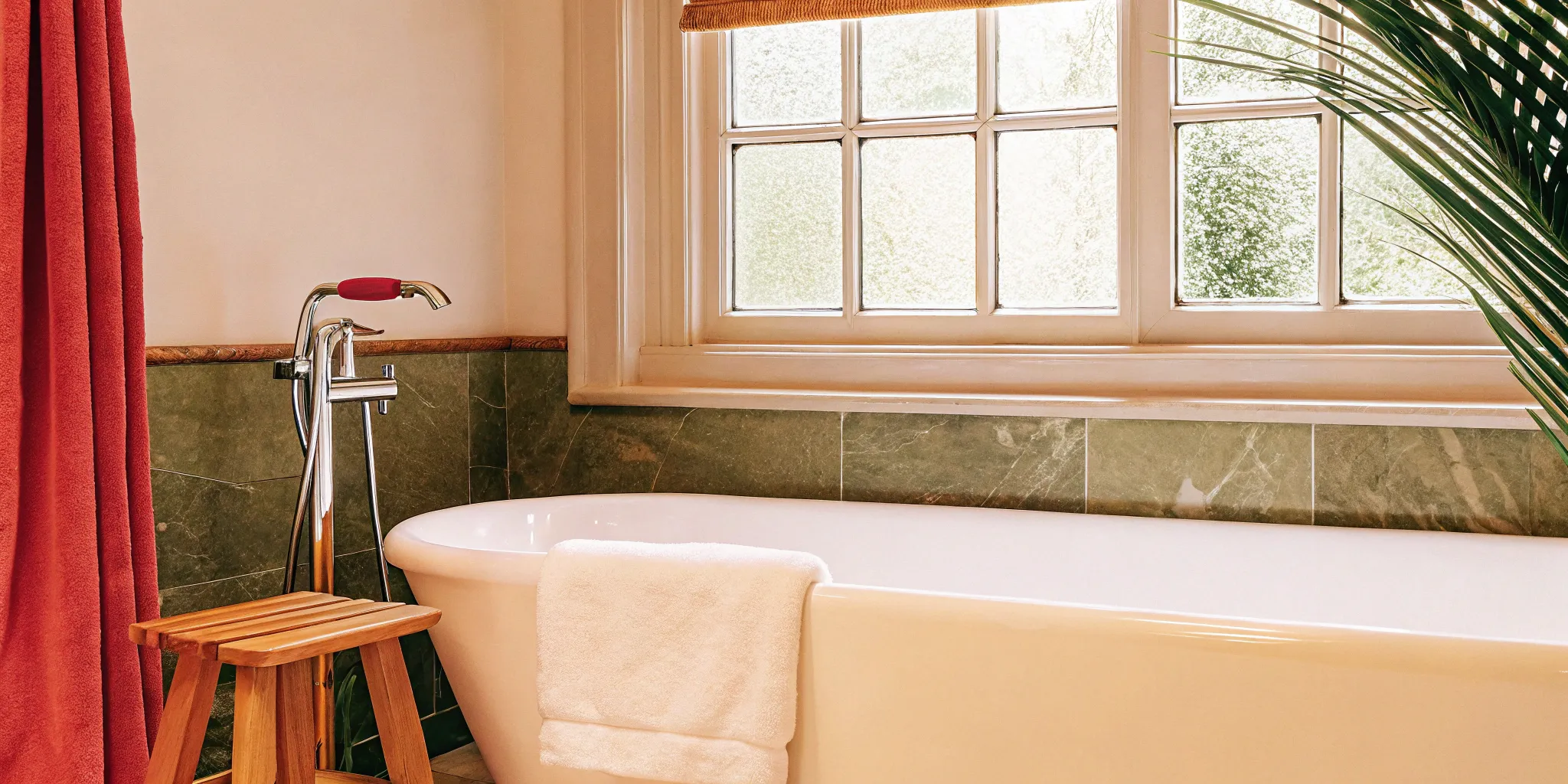
Your master bathroom should be a retreat, but for many of us, it’s a source of daily frustration. From cluttered countertops and poor lighting to an outdated layout that just doesn’t work, an inefficient bathroom can start your day on the wrong foot. A master bathroom renovation is your opportunity to fix these pain points and create a space that truly serves you. It’s about more than just new tile and fixtures; it’s about designing a functional, organized, and calming environment that simplifies your routine and helps you unwind. This guide will walk you through everything you need to know to transform your chaotic bathroom into a personal sanctuary.
Key Takeaways
- Plan Before You Pick a Single Tile: A successful renovation starts with a detailed plan, not a tile sample. Finalize your layout, set a realistic budget with a 20% contingency fund, and establish a clear timeline before making any design decisions to avoid costly changes later.
- Design for Real Life, Not Just Photos: Create a bathroom that is as functional as it is beautiful by prioritizing a smart layout, durable materials suited for wet environments, and proper ventilation. A space that works for your daily routine will bring you joy long after the project is finished.
- Choose the Right Partner for a Smooth Process: The contractor you hire is the most important choice you’ll make. Look for a professional design-build team with a proven track record and a focus on clear communication to ensure your project runs efficiently and your vision is executed perfectly.
What Is a Master Bathroom Renovation?
A master bathroom renovation is your chance to transform a purely functional room into a personal retreat. It’s about more than just updating old tile or a leaky faucet; it’s about creating a space that fits your lifestyle, helps you unwind after a long day, and gets your morning started on the right foot. Whether you’re dreaming of a spa-like oasis with a soaking tub or a sleek, modern space with smart features, a successful renovation starts with a clear vision.
Before you start picking out paint colors or browsing for vanities, it’s important to understand the full scope of your project. This means thinking through exactly what you want to change, how you use the space now, and how you’d like to use it in the future. Are you looking for simple cosmetic updates, or do you need to completely reconfigure the layout to make it work better for you? Getting this foundation right will make every subsequent decision—from budgeting to choosing materials—much simpler. A well-planned bathroom remodeling project not only adds value to your home but also enhances your daily life, turning an ordinary routine into a more enjoyable experience.
Define Your Project Scope
Let’s start with the fun part: daydreaming, but with a purpose! Before you get lost in inspiration photos, think about your daily routine. What are the current pain points in your bathroom? Not enough counter space? An awkward shower door? When planning a renovation, think about what’s most important to you. Do you need a big bathtub for relaxing soaks, or would you prefer a larger, more luxurious walk-in shower? Make a list of your “must-haves” and your “nice-to-haves.” This simple exercise helps you prioritize, ensuring the final design truly aligns with your lifestyle. It also gives you a clear starting point when you begin exploring ideas in a project gallery.
Renovate vs. Remodel: What’s the Difference?
You’ll hear these two words used a lot, and while they sound similar, they mean very different things for your project’s scope and budget. Renovating typically involves updating the look and feel of your existing bathroom. Think of it as a cosmetic refresh: replacing fixtures, installing a new vanity in the same spot, or painting. Remodeling, on the other hand, involves changing the structure or layout of the space—like moving walls or relocating plumbing. A bathroom remodel usually costs between $6,456 and $24,715, as it’s a more complex project. Understanding this distinction is crucial for planning, as our design and build services can help with either path, but the process and budget will differ significantly.
Key Design Elements for Your Master Bathroom
A truly great master bathroom is more than just a collection of nice fixtures; it’s a space where every element works together to create a functional and relaxing retreat. Before you start picking out tile, it’s important to think through the core components that will define your new bathroom. A thoughtful plan considers how you actually use the space every day, from the flow of traffic during the morning rush to the way the lighting makes you feel at the end of a long day.
Getting these foundational elements right is the key to a successful renovation that you’ll love for years to come. Focusing on a smart layout, the right fixtures, and proper lighting and ventilation will ensure your finished bathroom is not only beautiful but also practical and comfortable. This is where working with an experienced team can make all the difference, as they can help you see possibilities and avoid common pitfalls in the design and build process.
Smart Layout and Space Planning
The layout is the backbone of your master bathroom. Start by thinking about your daily routine and what you need most. Are you dreaming of a large, freestanding tub for soaking, or would you rather have a spacious walk-in shower and double vanity? If you share the bathroom, consider creating separate zones for each person to make mornings smoother. A well-planned layout maximizes every square foot, making the room feel more open and intuitive to use. Don’t be afraid to explore different configurations—sometimes moving a toilet or a doorway can completely transform the space and improve its overall flow.
Choosing and Placing Fixtures
Once you have a layout, you can start selecting fixtures that fit your style and functional needs. It’s crucial to choose materials and fixtures specifically designed for a high-moisture environment to prevent water damage and wear over time. Think about both form and function: a beautiful faucet should also be easy to use, and a stylish vanity needs to provide enough storage. The placement of each fixture is just as important as the fixture itself. You’ll want to ensure there’s enough clearance around the toilet and that shower doors can open without hitting anything. You can find plenty of inspiration by looking through a project gallery of completed bathrooms.
Layering Light and Ensuring Proper Ventilation
Great lighting can make a bathroom feel brighter, bigger, and more inviting. The best approach is to layer your lighting with a mix of ambient, task, and accent lights. Ambient lighting, like a central ceiling fixture, illuminates the whole room. Task lighting is essential for grooming areas like the vanity and shower. Accent lighting can highlight architectural details or artwork. Just as critical is proper ventilation. A high-quality exhaust fan is non-negotiable in a bathroom to control moisture, prevent mold and mildew, and protect the integrity of your bathroom remodeling investment.
Top Master Bathroom Design Trends
Planning a master bathroom renovation is the perfect opportunity to blend your personal style with features that will feel fresh for years to come. While timeless design is always a smart choice, looking at current trends can spark incredible ideas for creating a space that’s both beautiful and highly functional. From turning your bathroom into a personal spa to integrating smart technology, today’s trends are all about enhancing comfort, convenience, and character. Let’s explore some of the top design directions that are shaping modern master bathrooms.
Creating a Spa-Like Retreat
More than ever, homeowners are looking to transform their master bathrooms into a personal sanctuary—a place to unwind and recharge. This trend is all about creating a serene, luxurious atmosphere that rivals your favorite spa. Think about incorporating features like a deep, freestanding soaking tub where you can relax after a long day. Large, walk-in showers with rainfall showerheads, body jets, or even steam functions can turn your daily routine into a therapeutic experience. The goal is to design a space that promotes relaxation and self-care. A thoughtful bathroom remodeling plan can help you select the right elements to build your very own peaceful escape right at home.
Integrating Smart Technology
Technology is seamlessly making its way into every room of the house, and the bathroom is no exception. Smart features are becoming popular for the convenience and touch of luxury they add to daily routines. Imagine starting your day with a smart mirror that displays the weather or your calendar while you brush your teeth. You can also install heated floors controlled by your phone, ensuring you never step onto a cold tile again. Digital shower systems can remember your preferred water temperature and pressure, while waterproof speakers can play your favorite music or podcast. Integrating these elements requires careful planning, which is why working with a professional design and build service is key to getting it right.
Eco-Friendly and Sustainable Materials
Designing with the planet in mind is a trend that’s here to stay. Using sustainable materials in your bathroom renovation not only reduces your environmental footprint but also adds unique, natural beauty to your space. You can find gorgeous vanities made from reclaimed wood or bamboo, countertops crafted from recycled glass, and tiles made from natural stone. Beyond materials, you can also choose high-efficiency fixtures like low-flow toilets and faucets to conserve water. These eco-friendly choices prove that you don’t have to sacrifice style for sustainability. In fact, these materials often bring a warm, organic texture that makes a bathroom feel even more inviting and provides plenty of fresh ideas for a stylish retreat.
Trending Colors and Finishes
The colors and finishes you choose set the entire mood for your master bathroom. Lately, we’re seeing a strong move toward palettes inspired by nature. Calming ocean blues, serene greens, and warm, earthy neutrals like beige and taupe are popular for creating a tranquil atmosphere. For a softer touch, pastels like blush pink or mint green are also making an appearance alongside crisp, clean whites. When it comes to hardware, mixed metals are having a moment. Don’t be afraid to pair a matte black faucet with brushed gold cabinet pulls. These details add a layer of visual interest and personality. You can browse a gallery of projects to see how different combinations can bring a design to life.
How Much Does a Master Bathroom Renovation Cost?
Let’s get right to it—the budget. It’s the one question every homeowner has, and the answer isn’t always simple. The cost of a master bathroom renovation depends on your vision, the size of your space, and the materials you choose. While a high-end, spa-like retreat will have a different price tag than a simple, modern update, understanding the typical cost breakdown is the first step in planning a project that fits your financial comfort zone.
Think of your budget as the foundation of your renovation. A clear financial plan helps you and your contractor make smart decisions, ensuring you can create a beautiful, functional bathroom without unexpected financial stress. We’ll walk through the average costs, what drives them up or down, and how to build a budget that works for you.
Breaking Down the Average Cost
Nationally, a master bathroom remodel can range anywhere from around $10,000 to over $25,000, with the average landing somewhere in the middle. For a mid-range project, homeowners often spend about $16,000. If you’re planning a more luxurious, high-end renovation with premium materials and custom features, that figure could climb to $30,000 or more.
Of course, these are just averages. Costs in the Chicagoland area can differ based on local labor and material prices. The key is to see these numbers as a starting point. They give you a realistic picture of what to expect as you begin to gather inspiration and define the scope of your own bathroom remodeling project.
What Influences the Final Price?
Several key factors determine your final project cost. The size of your bathroom is a major one, as more square footage means more materials and labor. The quality of the finishes you select—from tile and countertops to faucets and lighting—also plays a huge role. High-end marble will cost significantly more than classic ceramic tile.
Labor typically makes up 40% to 65% of the total budget, which is why the scope of your project is so important. Moving plumbing, changing the layout, or doing complex electrical work requires skilled professionals and adds to the cost. The “wet” areas, like a custom walk-in shower or a freestanding tub, are often the most expensive components to update.
How to Plan Your Budget (and a Contingency Fund)
When you’re ready to build your budget, start by prioritizing what’s most important to you. Is it a spacious new shower, a double vanity, or heated floors? Knowing your must-haves helps you allocate funds effectively. A great rule of thumb is to set aside an extra 20% of your total budget as a contingency fund. This buffer covers any surprises that might pop up once walls are opened, giving you peace of mind.
Working with a professional team from the start can help you stick to your budget. Our design and build services ensure that your bathroom is planned with your financial goals in mind, preventing costly changes down the line. Keeping a detailed record of all your expenses will also help you stay on track from demolition day to the final reveal.
Common Renovation Mistakes to Avoid
A successful master bathroom renovation is as much about what you don’t do as what you do. Even with the best intentions, a few common missteps can lead to budget overruns, frustrating delays, and a final result that doesn’t quite hit the mark. The good news is that these mistakes are entirely preventable with a bit of foresight. By understanding the common pitfalls before you start, you can ensure your project runs smoothly and delivers the beautiful, functional space you’ve been dreaming of. A professional team can help you sidestep these issues from the very beginning of your bathroom remodeling project.
Avoiding Planning and Design Pitfalls
One of the biggest errors homeowners make is rushing into a renovation without a detailed plan. It’s tempting to jump straight to picking out tile and fixtures, but a solid plan is the foundation of your entire project. Without it, you risk making last-minute decisions that can compromise the design and inflate your budget. A thorough plan should map out everything from the layout and plumbing locations to electrical wiring and storage needs. This is where working with a design and build firm can be a game-changer, as they help you consider every detail before the first hammer swings.
Steering Clear of Material Selection Errors
Your master bathroom is a high-moisture environment, and not all materials are created equal. Choosing materials based on looks alone without considering their durability can lead to long-term problems like water damage, mold, and mildew. For example, using porous natural stone on a shower floor without proper sealing or opting for standard drywall instead of moisture-resistant green board can cause serious issues down the road. Always stick with materials specifically rated for bathroom use. You can see examples of beautiful, durable materials in our project gallery to get ideas for your own space.
Don’t Overlook Ventilation and Moisture Control
Proper ventilation is not a feature you should ever skip. Since bathrooms are constantly exposed to steam and moisture, adequate airflow is essential to protect your investment. Forgetting to install a properly sized exhaust fan can lead to peeling paint, warped cabinetry, and the growth of mold and mildew, which can be harmful to both your home and your health. A quiet, efficient fan is a small but critical component of any bathroom renovation. It works behind the scenes to keep the air fresh and prevent the damaging effects of excess humidity, ensuring your new bathroom stays beautiful for years to come.
How to Maximize Storage and Functionality
A beautiful master bathroom that doesn’t function for your daily life will quickly lose its charm. The goal of a great renovation is to blend stunning design with practical solutions that make your routines easier. A cluttered countertop is often a sign of poor storage planning, but with a thoughtful approach, you can create a space where everything has its place, keeping your sanctuary serene and organized.
This is where smart design choices come into play. From clever built-ins that use every inch of space to fixtures that do double duty, maximizing functionality is about more than just adding cabinets. It’s about creating an intuitive flow that supports how you actually use the room. By planning for storage from the very beginning, you ensure your new bathroom remodel not only looks incredible but also makes your day-to-day life feel a little more seamless and a lot less stressful.
Smart Built-In Storage Solutions
The most effective way to keep a bathroom tidy is with integrated, built-in storage. Unlike bulky freestanding furniture, built-ins are designed to fit your space perfectly, turning awkward corners or empty walls into valuable real estate. Think about recessed medicine cabinets that hide behind a mirror or a tall, slender linen cabinet built right into the wall. A shower niche is another fantastic addition, providing a sleek, waterproof spot for shampoos and soaps without cluttering up your shower floor. Custom cabinetry solutions can be tailored to your exact needs, whether you need deep drawers for towels or specialized compartments for styling tools.
Space-Saving Fixtures and Designs
To make your bathroom feel larger and more open, consider fixtures that save precious floor space. A floating vanity is a perfect example; by mounting it to the wall, you expose the flooring underneath, which creates an illusion of a bigger room. It also has the practical benefit of being much easier to clean around. You can pair this with wall-mounted faucets to free up counter space for a clean, minimalist look. Instead of a bulky towel bar, consider stylish wall hooks, which are just as effective but have a much smaller footprint. These thoughtful choices contribute to a sleek, uncluttered aesthetic that enhances both form and function.
Daily Organization Systems That Work
Once you have your main storage structures in place, the final step is to organize the interior for daily use. A beautiful vanity is only as good as what’s inside. Incorporate drawer dividers, tiered trays, and pull-out organizers to keep smaller items like makeup and toiletries from becoming a jumbled mess. Designate specific zones for different categories—one drawer for skincare, another for hair products. This level of detailed planning is a key part of our design and build services, ensuring your new bathroom is intuitively organized from the day you start using it. A well-ordered space makes you feel more comfortable and pampered every single day.
Choose Durable Materials and Fixtures
Your master bathroom is one of the hardest-working rooms in your home. It faces daily challenges from water, steam, and humidity, so choosing materials that can stand up to the environment is non-negotiable. While it’s tempting to go for the trendiest finish or the lowest price tag, durability should be your top priority. Investing in high-quality, moisture-resistant materials from the start will save you from costly repairs and headaches down the road. Think of it this way: a beautiful tile that cracks or a countertop that stains easily will quickly lose its appeal.
Think of your flooring, countertops, and fixtures as the foundation of your new space. They need to be tough, easy to clean, and built to last. This is where having a professional team can make all the difference. We help homeowners select materials that not only look beautiful but are perfectly suited for a bathroom setting, ensuring your investment looks and functions great for years to come. Our design and build services focus on creating a cohesive plan where every material is chosen with both style and longevity in mind, so you can feel confident in every choice.
Moisture-Resistant Flooring Options
When it comes to bathroom flooring, water is the enemy. You need a surface that won’t warp, stain, or become damaged from constant exposure to moisture. That’s why it’s essential to select flooring that is inherently water-resistant. Porcelain and ceramic tiles are fantastic choices because they are non-porous, incredibly durable, and come in endless styles and colors. Natural stone like travertine or marble also offers excellent water resistance and a timeless, high-end look, though it may require periodic sealing to maintain its integrity. These materials provide a solid, worry-free foundation for your dream bathroom.
The Best Countertop Materials
Your bathroom countertop is more than just a place to set your toothbrush; it’s a major design statement. For a master bathroom, you’ll want a material that balances beauty with brawn. Countertops made from natural stone like granite or quartzite are excellent options because they are highly durable and resistant to moisture and stains when properly sealed. They bring a touch of luxury and natural elegance to the space. Engineered quartz is another popular choice, offering a non-porous surface that requires zero sealing and comes in a vast array of colors and patterns, perfectly mimicking the look of natural stone without the maintenance.
Selecting Plumbing Fixtures and Hardware
The faucets, showerheads, and cabinet pulls you choose are the finishing touches that tie the whole room together. But they aren’t just for looks—these pieces need to withstand constant use and a humid environment. It’s crucial to select plumbing fixtures and hardware specifically rated for bathroom use to avoid issues like rust and corrosion. Finishes like chrome, brushed nickel, and stainless steel are known for their durability and resistance to tarnishing. When making your selections, consider both the aesthetic and the ergonomics. A beautiful faucet that’s awkward to use will quickly lose its charm.
How to Manage Your Renovation Timeline
A renovation timeline is more than just a calendar of start and end dates. It’s a detailed roadmap that keeps your project on track and your budget in check. One of the most common mistakes homeowners make is underestimating how long a project will take, which can lead to a lot of frustration. A well-managed timeline accounts for every phase, from initial design to the final coat of paint, and includes buffers for those little surprises that can pop up along the way.
Working with an experienced contractor is the best way to create a timeline that’s both ambitious and achievable. They understand the sequence of tasks—knowing that plumbing and electrical work must happen before the drywall goes up, for instance. This expertise helps prevent costly delays and ensures your home renovation moves forward smoothly. Think of the timeline as a shared agreement that keeps everyone, from you to the tile installer, aligned on the goals and daily progress.
Set a Realistic Project Schedule
It’s easy to get excited and want to jump right in, but rushing into a bathroom remodel without a solid plan can lead to unexpected costs and delays. A realistic schedule is your best defense against this. It should map out every single step, including design approvals, ordering materials, demolition, construction, and inspections. Remember to factor in lead times for custom items like vanities or special-order tile, as these can often take several weeks to arrive.
A professional contractor will help you build a schedule that’s grounded in reality. Our design and build services focus on creating a comprehensive plan from the start, so you know what to expect. This detailed approach ensures that every phase is properly planned, preventing bottlenecks and keeping the project flowing.
Work with Your Contractor and Set Expectations
Clear and consistent communication with your contractor is the secret ingredient to a successful remodeling project. Your timeline is a guide, but things can change. A material might be backordered, or an unexpected issue could be uncovered during demolition. When you have a strong relationship with your build team, you can work through these challenges together without derailing the entire project.
Establish a communication rhythm that works for both of you, whether it’s a quick daily text or a more detailed weekly meeting. This ensures you’re always aware of the progress and what’s coming up next. A good contractor will be proactive in keeping you informed. At THP Builders, we pride ourselves on our transparent process and the strong relationships we build with our clients, which you can read about in our reviews.
Understand Permit Requirements
Depending on the scope of your project, you will likely need permits from your local municipality. Permits are essential for ensuring your renovation is safe and complies with building codes. The process of applying for and receiving permits can take several weeks, so it’s a critical first step that must be included at the very beginning of your timeline. Don’t make the mistake of assuming this can be handled quickly.
Your contractor should manage the entire permitting process, from submitting the paperwork to scheduling the necessary inspections. These inspections happen at key stages—like after the plumbing is roughed in but before the walls are closed up. Each inspection is a milestone in your timeline that must be passed before work can continue. Factoring these steps into your bathroom remodeling plan from day one will help you avoid unnecessary and stressful delays.
The Renovation Process, Step-by-Step
Once the budget is set and the design is finalized, it’s time for the work to begin. A professional renovation follows a structured process to ensure everything runs smoothly, from demolition to the final walkthrough. Knowing what to expect at each stage can make the entire experience feel more manageable and less stressful. Here’s a breakdown of how a typical master bathroom renovation unfolds.
Step 1: Planning and Design
This initial phase is the most critical for a successful outcome. As one expert notes, “One of the biggest errors homeowners make is rushing into a bathroom remodel without a well-thought-out plan.” Taking the time to map out every detail with your contractor prevents costly changes and delays down the road. This is where you’ll finalize your layout, select materials, and confirm plumbing and electrical placements. It’s also the stage to address crucial but often overlooked elements. For example, since bathrooms are high-moisture areas, a proper ventilation plan is essential to prevent mold and mildew. Working with a team that offers design and build services ensures these technical details are handled from the very beginning.
Step 2: Construction and Installation
With a solid plan in hand, the construction phase kicks off. This usually starts with demolition, where the old bathroom is carefully stripped down to the studs. From there, your contractor will handle any structural changes, rough-in the new plumbing and electrical, and install insulation and drywall. This is where professional oversight is key to avoiding common pitfalls like choosing the wrong materials or fixtures for the space. An experienced remodeler will also know to “double-check all connections and consider updating old pipes while walls are open,” a smart move that can save you from major headaches later. This meticulous approach is what defines a quality bathroom remodeling project.
Step 3: Final Touches and Inspection
This is where your vision truly comes to life. Tiling, painting, and flooring are installed, followed by the vanity, countertops, and fixtures. Lighting, mirrors, and hardware are the finishing touches that complete the look. A common mistake at this stage is forgetting about practical needs; failing to add enough storage space can quickly lead to a cluttered and inefficient bathroom. Finally, a thorough inspection is conducted with your contractor to ensure every detail meets your expectations and that all work is up to code. Using durable, bathroom-rated materials ensures your beautiful new space is built to last. A well-executed remodel is one of the most satisfying home upgrades you can make, especially when it’s done right.
Bring Your Dream Bathroom to Life with a Pro
A master bathroom renovation is a significant investment in your home and daily comfort. While the DIY route can be tempting, partnering with a professional ensures the project is handled correctly from start to finish. An experienced team can help you avoid common pitfalls, manage complex plumbing and electrical work, and create a space that is both beautiful and highly functional. Finding the right partner is the key to transforming your vision into a reality without the stress.
How to Find the Right Contractor
Choosing the right contractor is about finding a partner you can trust. Effective communication is the foundation of a successful project; it’s what keeps timelines on track and ensures everyone is on the same page. While it’s wise to get multiple quotes, be wary of making a decision based on price alone. Homeowners who choose a contractor based on the lowest bid often face issues like surprise fees or poor communication down the line. Instead, look for a team with a proven track record. Check out their past projects, read their client reviews, and ask about their process. A great contractor will be transparent, responsive, and dedicated to bringing your vision to life.
The Benefits of Design and Build Services
One of the best ways to streamline your renovation is to work with a firm that offers design and build services. This approach integrates the design and construction phases under one roof, creating a single point of contact and a seamless workflow. With one team managing everything, communication is clearer and the relationship between you and your builder is stronger. This integrated process helps you avoid common remodeling mistakes, from poor planning to choosing the wrong materials. The result is a cohesive plan that perfectly balances stunning aesthetics with the practical functionality your master bathroom needs to serve you well for years to come.
Related Articles
- 35+ Master Bathroom Remodel Ideas for a Luxury Spa
- Small Bathroom Remodel: The Ultimate Guide
- Remodel a Very Small Bathroom: Ideas & Costs –
- Small Modern Bathroom Ideas That Feel Bigger
- How to Plan a Small Bathroom with Shower Layout
Frequently Asked Questions
How long will my master bathroom renovation actually take? While every project is unique, a full master bathroom remodel typically takes anywhere from four to nine weeks from the start of demolition to the final touches. This timeline accounts for everything from plumbing and electrical work to tiling and inspections. Simpler cosmetic updates might be quicker, but factors like custom orders for vanities or tile can extend the schedule. We create a detailed, realistic timeline for every project so you know exactly what to expect.
What’s the real first step to starting a bathroom renovation? Before you do anything else, spend some time thinking about what you truly want from the space. Start a folder of inspiration photos and make two simple lists: one for your “must-haves” and another for your “nice-to-haves.” This simple exercise helps you clarify your vision and priorities. Once you have a general idea, the next step is to have a conversation with a professional who can help you understand what’s possible within your space and budget.
Can I stay in my home while you’re renovating the bathroom? Absolutely. The vast majority of our clients live at home during their bathroom renovation. Our team takes great care to minimize disruption to your daily life. We make sure to seal off the work area to contain dust and debris, and we clean up the site at the end of each day. We’ll work with you to establish clear pathways and a schedule that respects your routine as much as possible.
Do I need to hire a separate designer and architect? Not when you work with a design-build firm like us. Our integrated approach means our design and construction teams work together under one roof from the very beginning. This streamlines the entire process, ensuring your vision is perfectly translated into the final build without the communication gaps that can happen when working with separate companies. You get one cohesive team dedicated to your project.
What’s the biggest difference between a simple renovation and a full remodel? Think of it this way: a renovation is like giving your bathroom a new outfit, while a remodel is like changing its entire bone structure. A renovation focuses on cosmetic updates like new paint, fixtures, or a vanity in the same location. A remodel is more complex and involves changing the layout, such as moving walls, relocating the toilet, or converting a tub into a walk-in shower.