
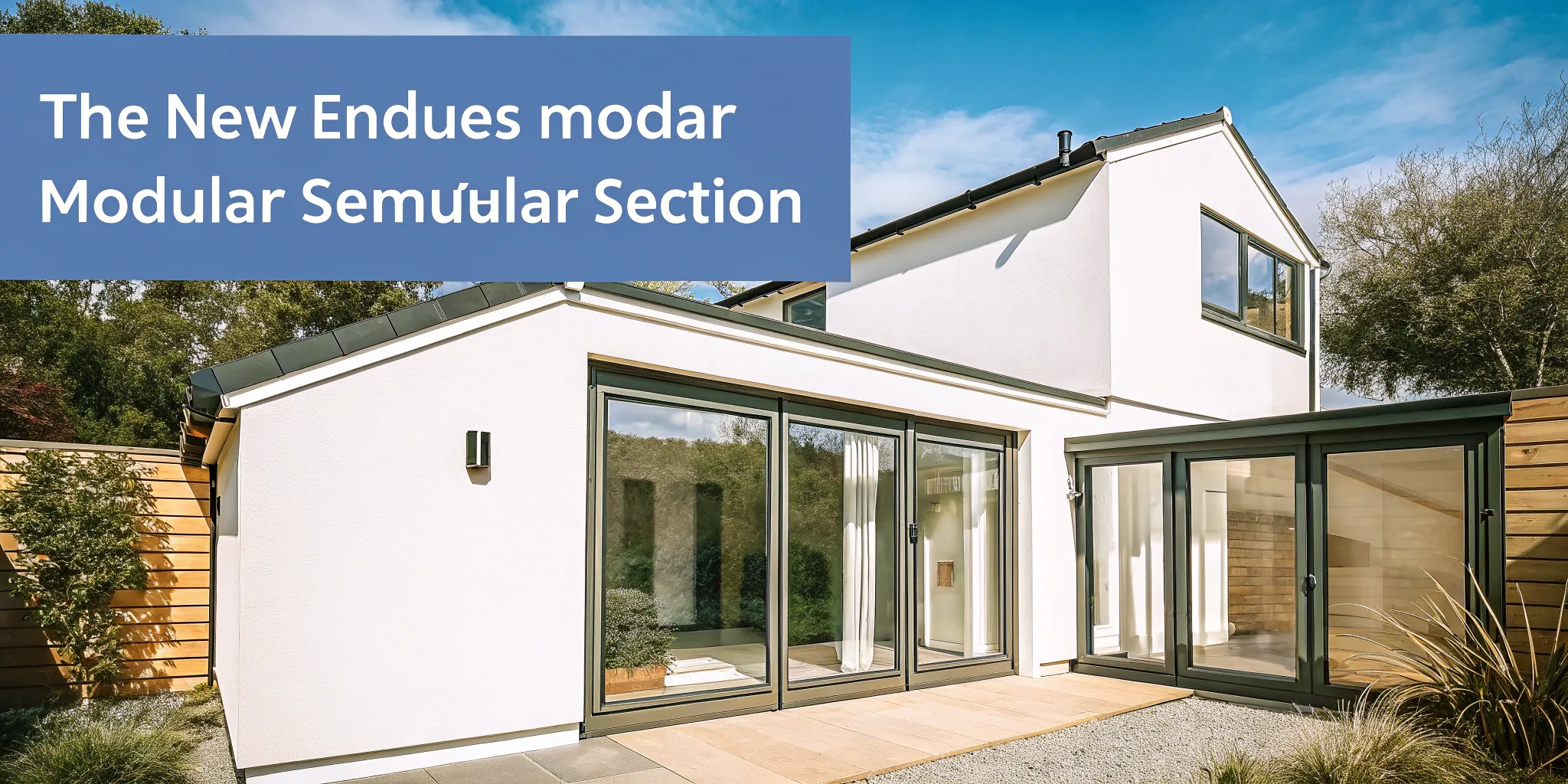
The term “modular” might bring to mind cookie-cutter designs or temporary structures, but modern modular construction is a world away from those old stereotypes. Today, this building method offers incredible quality, durability, and a surprising level of customization. The process allows for precision engineering in a climate-controlled environment, resulting in a structure that is often tighter and more energy-efficient than a traditional build. A modular addition to an existing home can be designed to seamlessly match your house’s architectural style, from the roofline down to the siding. Let’s clear up the common myths and show you how sophisticated and beautiful these modern additions can truly be.
Key Takeaways
- Expect a Faster Timeline, Not a Simpler Project: While off-site construction significantly shortens the on-site disruption, a modular addition still requires meticulous site prep, foundation work, and complex installation to be successful.
- Prioritize Seamless Integration Over Total Customization: Modern modular additions offer plenty of design flexibility, but the most critical factor for success is how well the new structure connects to your existing home’s foundation, roof, and systems.
- Hire for Modular Expertise, Not Just General Contracting: The right contractor needs specific experience managing factory coordination, crane logistics, and the technical challenges of setting and connecting modules—skills that go beyond a traditional build.
What Is a Modular Home Addition?
If you’re looking for more living space but love your home and neighborhood, a modular addition might be on your radar. Think of it as a streamlined way to expand your house. Instead of building everything from the ground up on your property, the main parts of your new room or rooms are constructed in a factory-controlled environment. These sections, or “modules,” are then transported to your home and assembled on-site.
This process is often faster and more efficient than a traditional build, which means less daily disruption for you and your family. The goal is simple: to give you the extra space you need, whether it’s for a growing family, a new home office, or an in-law suite. While the construction method is different, the result is a permanent structure that becomes a fully integrated part of your home. Understanding how these additions work is the first step in deciding if this modern construction method is the right fit for your home addition project.
Modular vs. Traditional Additions
When you compare modular and traditional additions, you’re really looking at two different construction philosophies. A traditional, or “stick-built,” addition is constructed piece by piece right on your property. This method offers endless customization but can be subject to weather delays and a longer project timeline.
Modular additions, on the other hand, promise speed and upfront cost savings because of the efficient factory assembly. It’s a common myth that modular means “cookie-cutter,” when in fact you have many customization options. The main trade-off often comes down to quality and longevity, where traditional home renovations typically have the edge, providing superior durability over the long term.
Common Types of Modular Additions
Modular additions are versatile and can be designed to meet a wide range of needs. One of the most common types is a second-story addition, where modules are lifted by a crane and placed on top of your existing home to create a new floor. Another popular option is a “bump-out” or side extension, which expands your home’s footprint on the ground level—perfect for a larger kitchen or a new family room.
Beyond these, you can also use modular construction for specialized spaces. Many homeowners add prefab structures to serve as dedicated home offices, creative studios, or even self-contained guest houses. Our design and build services can help you figure out the best way to add the functional space your family needs.
Why Choose a Modular Addition?
When you think about adding space to your home, you might picture months of construction, a constant stream of workers, and a yard full of materials. While that’s a reality for traditional builds, a modular addition offers a refreshingly different approach. It’s a smart choice for many homeowners because it streamlines the entire process, often delivering a beautiful new space with less stress and more predictability. The core idea is simple: your addition is built in a controlled, indoor environment while we handle the prep work at your home.
This parallel process is what makes modular additions so appealing. Instead of a long, sequential timeline, you get efficiency. The benefits go beyond just speed; you’ll find that modular construction offers impressive quality control, budget certainty, and a much smaller impact on your daily life. If you’re looking for a way to expand your home that respects your time, budget, and peace of mind, a modular home addition is definitely worth exploring. It combines modern building technology with the custom, high-end finish you expect from a full home renovation, giving you the best of both worlds.
Build Faster
One of the most significant advantages of a modular addition is the speed. Because the modules are constructed off-site in a factory at the same time we’re preparing the foundation at your home, the project timeline can be cut down dramatically. In many cases, a modular addition can be completed in about half the time of a traditional, on-site build. This means you and your family get to enjoy your new living space, whether it’s a primary suite or an expanded kitchen, much sooner. The shorter construction window also means fewer weeks of disruption, which is a welcome relief for any homeowner.
Save Money and Stick to Your Budget
Budgeting for a major home project can be nerve-wracking, as unexpected costs can easily derail a traditional build. Modular additions offer a level of financial predictability that is hard to match. Since the majority of the structure is built in a factory setting, the price is often fixed upfront. This helps you avoid surprise expenses related to weather delays, material cost fluctuations, or unforeseen labor issues. By carefully planning your project with our design and build team, you can move forward with confidence, knowing your budget is secure and your financial comfort zone is protected from start to finish.
Get Superior Quality and Energy Efficiency
Building a home addition inside a climate-controlled facility eliminates many of the variables that can compromise quality. Materials are protected from rain, snow, and humidity, and the construction process is standardized for precision and consistency. This factory-built approach results in a structure that is incredibly durable, with tight seams and superior insulation. The end result is a high-quality, energy-efficient space that can be even better built than a traditional addition. This commitment to quality ensures your new space is not only beautiful but also comfortable and cost-effective for years to come.
Enjoy Less Disruption at Home
Living through a home renovation can be chaotic. A major benefit of modular additions is that you can often stay in your home while the bulk of the work is happening. Since the addition is built off-site, the on-site disruption is limited to the foundation work and the final installation, which can take just a few days. This means less noise, dust, and foot traffic disrupting your family’s routine. Our clients consistently tell us how much they appreciate this streamlined process, which you can read about in their reviews. It allows you to get the extra space you need without putting your life on hold.
How Much Do Modular Additions Cost?
Talking about the cost of a home addition can feel a bit like asking, “How much does a car cost?” The answer depends entirely on what you’re looking for. Modular additions are often seen as a budget-friendly option, but the final price tag is influenced by a lot more than just the factory-built box. The size of the addition, the complexity of the design, and the quality of the materials you choose all play a significant role.
Beyond the module itself, you’ll need to account for costs like design and engineering fees, building permits, foundation work, and delivery and crane services. Plus, there’s the crucial step of connecting the new module to your existing home, which includes everything from roofing and siding to electrical and plumbing hookups. A successful project requires a team that understands how to seamlessly blend the old with the new. Our design and build services ensure every detail is considered from the start, giving you a clear picture of the total investment required.
What Influences the Final Price?
Several key factors determine the final cost of your modular addition. The base price of the module is just the starting point. Customizations, high-end finishes, and complex floor plans will naturally increase this initial cost. Site preparation is another major variable; if your property has challenging terrain or requires extensive excavation for the new foundation, your budget will need to reflect that.
Finally, the process of integrating the module with your home can introduce costs that are easy to overlook. Properly connecting a modular extension often requires additional adjustments and structural reinforcements to your existing house. This ensures the final structure is sound and weatherproof, but it can add to the overall project expense.
Modular vs. Traditional Addition Costs
When comparing modular and traditional stick-built additions, the cost savings with modular often come from efficiency. Because the modules are built in a controlled factory environment, the process is streamlined, and labor costs can be lower. Modular additions are often built much faster than traditional ones, which means you’ll spend less on labor and can enjoy your new space sooner.
However, the total project cost for a modular addition can sometimes be comparable to a traditional one. While you save on on-site labor, you have added expenses like transportation and crane rental. The key is to compare detailed quotes for both options. A well-managed traditional home addition can be just as cost-effective, especially for complex projects that require significant on-site customization to match an older home’s character.
Planning Your Budget and Financing
Creating a realistic budget is one of the most important steps in any remodeling project. Start by getting detailed quotes that break down every expense, from the module itself to the final coat of paint. It’s also smart to set aside a contingency fund—typically 10% to 20% of the total project cost—to cover any surprises. Even with the efficiencies of modular building, unexpected project challenges like site issues or utility complications can arise.
To keep your budget on track, consider working with a contractor who offers a fixed-price agreement. This type of contract provides a clear, upfront cost for the entire project, which helps you avoid budget overruns. When you’re ready to discuss your ideas, we can help you create a detailed budget and provide a transparent estimate for your project.
Can You Customize a Modular Addition?
One of the biggest myths about modular additions is that they’re all one-size-fits-all. The reality is quite the opposite. Modern modular construction offers an incredible amount of flexibility, allowing you to create a space that is uniquely yours and blends seamlessly with your existing home. Think of the modular process as a more efficient way to build, not a limitation on your design choices. You still have control over the layout, finishes, and architectural details that make a house feel like a home.
The key is working with a design-build team that understands how to translate your vision into a modular format. From the initial floor plan to the final paint color, you can personalize nearly every aspect of your new addition. Whether you’re dreaming of a spacious new primary suite, a functional in-law apartment, or a sun-drenched kitchen extension, a modular addition can be tailored to meet your family’s needs. The process involves selecting everything from window styles and siding materials to interior fixtures and flooring, ensuring the final product is a perfect reflection of your style.
Matching Your Home’s Style
Your new addition shouldn’t look like an afterthought. The goal is to create a seamless transition between the old and new, making it feel as though the extra space was always there. A well-designed modular addition achieves this by carefully matching your home’s existing architectural style. This includes mirroring the roof pitch, window and door styles, and exterior cladding—whether it’s brick, siding, or stucco.
A skilled contractor will help you select materials and design elements that complement your home’s character. By focusing on these details, your addition will enhance your home’s curb appeal and overall aesthetic. You can explore a project gallery to see how custom additions can integrate flawlessly with different home styles, from historic bungalows to modern constructions.
Popular Design Trends to Consider
Choosing a modular addition doesn’t mean you have to settle for a dated design. In fact, modular construction has evolved to embrace the same modern trends you see in site-built homes. Today’s modular designs can look just like any other traditionally built residence, incorporating popular features that homeowners love. You can design your addition with an open-concept layout, large windows for natural light, or vaulted ceilings for an airy feel.
Current trends like dark exterior cladding, streamlined kitchens with curved islands, and integrated smart home technology are all possible with a modular build. You can also plan for features like stylish pergolas or custom built-ins. Discussing your ideas with a design and build expert can help you incorporate the latest trends while ensuring the space remains timeless and functional for years to come.
Choosing Materials and Finishes
The finishes are what truly make a space your own, and with a modular addition, you have full control over these important details. Just as with a traditional remodel, you’ll be able to select all the interior and exterior materials. This includes everything from the type of flooring and the style of your light fixtures to the countertops in your new kitchen or bathroom. You can opt for sustainable and eco-friendly materials, install integrated indirect lighting for a modern touch, or choose classic finishes that match the rest of your home.
Working with a professional team ensures you have access to high-quality options and expert guidance. Whether you have a specific vision or need help exploring possibilities, you can hand-pick every element to create a cohesive and beautiful new space. This level of personalization is central to making your home renovation a success.
The Modular Addition Process, Step by Step
A modular addition follows a streamlined and efficient path, but it still requires meticulous planning and expert execution. Unlike a traditional build where everything happens on your property, the modular process splits the work between a factory and your home. Understanding these steps will help you know what to expect and how to prepare for a smooth, successful project. From initial designs to the final walkthrough, having a clear roadmap is key.
Step 1: Planning and Permits
This foundational stage is where your vision takes shape. Before any construction begins, you’ll work closely with your design and build team to finalize the layout, materials, and finishes for your new space. This is also the time to secure a fixed-price agreement with your contractor, which gives you a clear, upfront cost and protects you from unexpected budget increases. Your contractor will then handle the technical details, like creating architectural plans and ensuring the design complies with local Chicagoland zoning laws and building codes. They will manage the entire permitting process, so you can focus on the exciting parts of the design and build services.
Step 2: Off-Site Construction
While your home’s foundation is being prepared, your new addition is already being built in a climate-controlled factory. This is one of the biggest advantages of modular construction. Building the modules off-site is often twice as fast as traditional methods and keeps the process on schedule, safe from weather delays. In the factory, skilled craftspeople assemble the structure, install insulation, run electrical wiring and plumbing, hang drywall, and even install windows and doors. This controlled environment ensures high-quality construction and precision. By the time the modules are ready for delivery, they are nearly finished, minimizing the disruption at your home.
Step 3: Delivery and Installation
This is the most exciting day of the project. The completed modules are transported to your property, carefully lifted by a crane, and set onto the new foundation. The real expertise of your construction team shines here as they perfectly integrate the new structure with your existing home. While the process is efficient, it’s important to remember that factors like weather can cause delays. Once the modules are in place, your contractor will complete the final connections for your home addition. This includes tying into your home’s electrical and plumbing systems, finishing the roofing and siding, and completing any interior seams to create a flawless transition between the old and new spaces.
Potential Challenges to Plan For
Even with a streamlined process like a modular addition, any home construction project comes with its share of potential hurdles. Knowing what to expect ahead of time helps you and your contractor create a solid plan to handle anything that comes up. The goal isn’t to worry, but to be prepared. An experienced team will anticipate these issues and have solutions ready, ensuring your project stays on track.
Working with a general contractor who has managed countless home additions in the Chicagoland area means you have an expert on your side. They’ve seen it all and can guide you through each phase, from initial site prep to the final walkthrough. This partnership is key to turning potential challenges into minor, manageable steps in the process. A well-laid plan is your best tool for a smooth and successful home expansion.
Preparing Your Site and Foundation
Before your new module arrives, your property needs to be ready to receive it. This involves more than just clearing a space; it requires creating a new foundation that seamlessly connects to your existing home. If your design involves removing a load-bearing wall to create an open-concept flow, a thorough structural assessment is essential to ensure your home’s integrity is maintained. This isn’t a step to rush.
Properly integrating the new structure with the old is critical. Your contractor will need to make sure the connection is weatherproof, structurally sound, and visually cohesive. This might involve reinforcing parts of your existing home to support the addition. A skilled team plans for these adjustments from the very beginning, making sure your new space feels like it was always part of your home.
Managing Delivery and Weather
While your addition is protected from the elements during its off-site construction, the delivery and installation phases are subject to Mother Nature. A sudden storm or high winds can delay the crane work needed to set the module in place. A good contractor will monitor the forecast closely and build buffer days into the schedule to account for potential weather delays.
Beyond weather, other logistical factors can come into play. Supply chain issues or labor availability can sometimes affect timelines for any construction project. The most important thing is clear communication. Your project manager should keep you informed about any schedule changes and explain how they plan to keep the project moving forward. This transparency helps manage expectations and ensures everyone is on the same page.
Understanding Local Zoning Rules
Every town and county in the Chicagoland area has its own specific set of zoning laws and building codes. These rules dictate how large your addition can be, how close it can be to your property line, and what permits are required. Trying to figure this out on your own can be a major headache, and missteps can lead to costly delays or fines.
This is where a local expert becomes invaluable. A contractor with deep experience in your area will handle the entire permitting process for you. They know who to talk to, what paperwork to file, and how to ensure your project complies with all local regulations. Our design and build services include managing these complexities, so you can focus on the exciting parts of your home renovation.
How to Prep Your Home for a Modular Addition
While your new addition is being built in a factory, your existing home needs to get ready to welcome it. Preparing your property is one of the most important phases of the project, ensuring that when the modules arrive, they can be installed smoothly, safely, and efficiently. A successful installation depends on a solid foundation, seamless utility connections, and clear access for delivery. This isn’t just about clearing a patch of lawn; it’s a coordinated effort that sets the stage for the entire project’s success.
This prep work is where having a skilled general contractor truly pays off. They handle the complex logistics and technical assessments, transforming your property from its current state into a prepared site that’s ready for the new structure. From analyzing load-bearing walls to planning crane access, every detail is mapped out long before delivery day. This careful planning is what makes the final installation look so effortless and ensures your new home addition integrates perfectly with your existing space. The next steps cover the three key areas your contractor will manage to get your home ready.
Assessing Your Property and Structure
Before a new module can be attached, your home needs a thorough check-up to make sure it can handle the new structure. This isn’t something you can eyeball; it requires a professional structural assessment. Your contractor will examine critical elements like your foundation’s integrity, the location of load-bearing walls, and how the new and old rooflines will connect. They also look at framing, insulation, and siding to plan a seamless and weatherproof seal between the two structures. If a wall needs to be removed to open up the space, an engineer will confirm it’s done without compromising your home’s stability. This step ensures your finished addition is safe, stable, and feels like it was always part of your home.
Connecting and Modifying Utilities
Your new addition will need electricity, heating, cooling, and plumbing, and those services have to come from your existing house. Prepping for this involves more than just running a few new wires and pipes. Your contractor will assess your home’s current systems to ensure they can support the extra demand. This might mean upgrading your electrical panel, extending HVAC ductwork, or tapping into existing plumbing lines. A professional design and build team plans these connections carefully to make sure everything functions correctly and meets local building codes. Properly integrating these systems is key to making your new space comfortable and fully functional from day one.
Ensuring Clear Site Access
One of the biggest logistical hurdles is getting the finished modules from the street to your foundation. These large sections are delivered on flatbed trucks and lifted into place with a crane, which requires a wide, clear path. Your contractor will perform a site visit to map out the best route, identifying potential obstacles like trees, fences, sheds, or overhead power lines. You may need to trim branches or temporarily remove a section of fencing. They will also coordinate street access for the delivery trucks and crane, sometimes requiring temporary permits. Planning for clear site access is essential for a safe and efficient installation day, preventing costly delays and headaches.
Common Myths About Modular Additions
Modular construction has come a long way, but some outdated ideas still float around. If you’ve heard things that make you hesitant, let’s clear the air. Many common beliefs about modular additions are based on old information and don’t reflect the high-quality, flexible options available today. Understanding the reality behind these myths can help you see if a modular addition is the perfect fit for your home and family.
Myth: They’re Low Quality
Let’s tackle the biggest misconception first: that modular means flimsy or cheap. The opposite is actually true. Modular additions are built in a climate-controlled factory, which protects materials from weather damage and allows for precision engineering that’s hard to replicate on-site. Every component must meet or exceed the same local and state building codes as traditional construction. This controlled process ensures a tight, durable structure. When you partner with an experienced team for your home additions, you can be confident that the final product is a permanent, well-built structure designed to last for decades.
Myth: You Can’t Customize Them
Another common myth is that choosing a modular addition means you’re stuck with a boring, cookie-cutter design. This couldn’t be further from the truth. Modern modular additions offer extensive customization. You have a say in everything from the floor plan and window placement to the siding, roofing, and interior finishes. The goal is to create a space that flows seamlessly with your existing home. Our design and build services focus on tailoring every detail to match your home’s architectural style and your personal taste, ensuring the new addition feels like it was always there.
Myth: They Don’t Add Value
Some homeowners worry that a modular addition won’t increase their property value as much as a traditional one. A well-designed, professionally installed modular addition is a significant asset that appreciates right along with your home. Because they are built to the same high standards and can be beautifully customized, they are viewed as a permanent and valuable part of the property. Just like any major home renovation, a modular addition that adds functional living space—like a new primary suite or an expanded kitchen—is a smart investment that enhances your home’s marketability and overall worth.
Is a Modular Addition the Right Choice for You?
Deciding between a modular and a traditional home addition comes down to your priorities. Modular additions offer an exciting alternative to conventional construction, with speed being their most significant advantage. Because the sections are built in a factory while your site is being prepared, the overall project timeline can be much shorter. This is a huge plus for anyone who wants to minimize the disruption of having a construction crew at their home for months on end.
However, the choice isn’t just about speed. You also have to think about design flexibility, your property’s specific challenges, and how seamlessly the new structure will blend with your existing home. While the factory process is controlled and efficient, the real test comes during installation. Properly integrating a modular unit requires deep expertise to ensure everything lines up perfectly, from the roofline to the electrical wiring. It’s a fantastic option for many, but it’s important to weigh the pros and cons for your unique situation before moving forward.
When to Choose a Modular Addition
A modular addition is often a great fit for homeowners who need more space, fast. If your family is growing and you need an extra bedroom or playroom, or if you’ve decided to add a dedicated home office or an in-law suite, modular construction can deliver it in a fraction of the time. The main goal is to help you gain significant living space without the stress and hassle of moving. If your primary concern is getting your project done quickly and minimizing the on-site construction chaos, a modular addition is definitely worth considering.
Key Factors to Consider
While modular additions are often built faster than traditional ones, the real work begins when the module arrives at your property. These additions can be a second story placed on top of your house or an extension built onto the side, and both require a flawless connection. Integrating the new structure with your home’s existing foundation, plumbing, and electrical systems is a complex job. These necessary adjustments and reinforcements can sometimes offset the time and cost benefits associated with prefab building, especially if your older home has a few quirks. It’s crucial to work with a team that knows how to make the new and old parts of your home come together perfectly.
Exploring Other Remodeling Options
If a modular addition doesn’t feel quite right, you have plenty of other great choices. Traditional home additions offer unmatched design freedom, allowing you to create a custom space that flows perfectly with your home’s character. While the timeline might be longer, the result is a truly bespoke extension built to your exact specifications. You can also create more usable space within your home’s current footprint. A basement remodel can transform an underused area into a vibrant family room, home gym, or guest suite. Sometimes, a thoughtful home renovation is all it takes to reconfigure your layout for a more open and functional home.
How to Find the Right Modular Addition Contractor
Choosing the right contractor is the single most important decision you’ll make for your modular addition project. This is the team that will turn your vision into a reality, manage the logistics, and ensure the new structure integrates seamlessly with your existing home. A great contractor brings not only technical skill but also clear communication and transparency to the table. Finding a partner you trust is key to a smooth and successful renovation. The right team will have the specific experience needed to handle the unique challenges of modular construction, from factory coordination to on-site installation.
Questions to Ask Every Contractor
When you start interviewing potential contractors, having a list of questions ready will help you compare your options effectively. Go beyond asking about their license and insurance—those are the basics. Ask about their communication process. How often will you receive updates? Who will be your main point of contact? It’s also smart to discuss the payment structure. Inquire if they offer a fixed-price agreement, which locks in the total cost upfront and protects you from unexpected budget increases. A contractor who can confidently answer these questions and provide a clear plan is one who values transparency and client satisfaction. This initial conversation sets the tone for your entire design and build service experience.
Look for Proven Modular Experience
Modular additions aren’t the same as traditional, stick-built projects. They require a specialized skill set that includes coordinating with off-site factories, managing transportation logistics, and expertly craning and setting large modules into place. When vetting a contractor, ask to see a portfolio of their completed modular home additions. Look for projects similar in scope and style to what you have in mind. A contractor with proven modular experience will understand the nuances of connecting the new structure to your existing home, ensuring everything is weathertight, structurally sound, and perfectly aligned. This expertise is what separates a good result from a great one.
Understand Warranties and Support
A successful project doesn’t end the day construction is complete. Before signing any contract, make sure you have a clear understanding of the warranties provided for both materials and labor. What happens if an issue arises a few months down the road? A reputable contractor will stand behind their work and offer a comprehensive warranty that gives you confidence in your investment. Ask about their process for handling post-project service calls and support. Knowing you have a reliable partner to turn to for any future needs is crucial. Reading through a contractor’s past client reviews can also offer great insight into their commitment to long-term customer satisfaction.
Related Articles
- How to Hire the Right Home Addition Contractor
- Home Additions – THP Builders LLC
- Home Addition Cost Per Sq Ft: A 2025 Guide
Frequently Asked Questions
How long does a modular addition project actually take from start to finish? While the on-site work is much faster, the entire project timeline includes design, permitting, and factory construction. From the day you sign a contract to the final walkthrough, a typical project can take anywhere from three to six months. The biggest time-saver is that the factory builds your module while your contractor prepares the foundation, cutting the on-site disruption down to just a few weeks.
Will a modular addition look out of place next to my older Chicago-area home? Not at all, as long as it’s designed thoughtfully. The key is to work with a skilled design-build team that focuses on matching your home’s existing architectural details. You can customize everything from the roof pitch and window styles to the exterior siding or brick, ensuring the new space looks like it was always part of the original structure.
Can I really live at home during the entire construction process? For the most part, yes. One of the main benefits of a modular addition is that the majority of the construction happens off-site in a factory. The disruptive on-site work, like foundation prep and the final installation, is condensed into a much shorter period. This means you can avoid the weeks or months of daily noise and dust that come with a traditional build.
Are modular additions always the most affordable option? Not necessarily. While the efficiency of factory construction can lead to savings on labor, you have to factor in other costs like transportation and crane rental. The final price depends heavily on your design’s complexity and the finishes you choose. It’s always best to compare detailed quotes for both modular and traditional additions to see which makes the most financial sense for your specific project.
What’s the most overlooked part of planning a modular addition? Many people focus on the module itself and forget about the complexity of integrating it with the existing house. The most critical work happens on-site when the new structure is connected to your home’s foundation, roof, and utilities. This connection must be perfectly sealed and structurally sound, which often requires expert adjustments to your current home.