
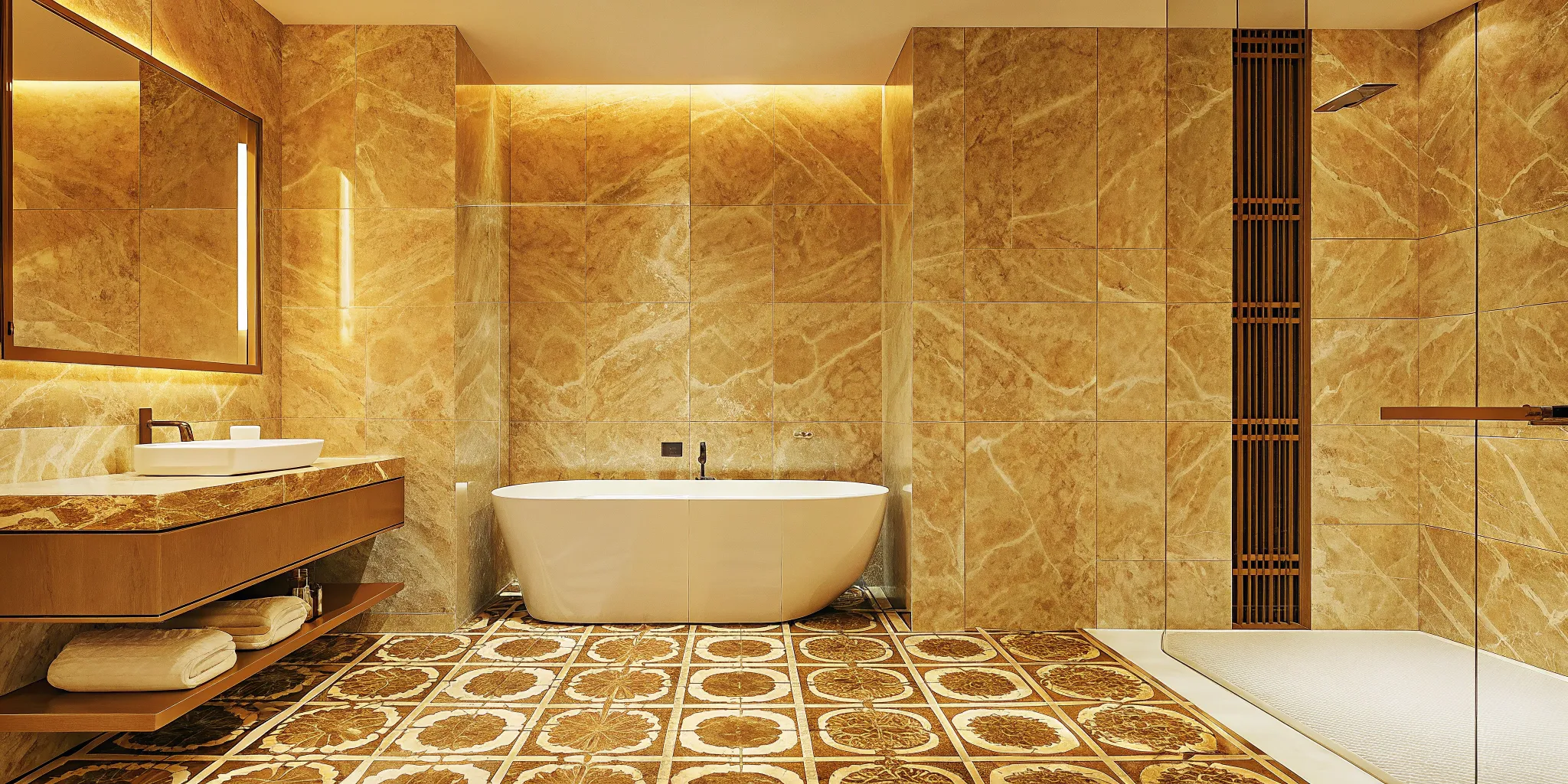
When you start budgeting for a bathroom update, it’s easy to focus on the fun stuff, like picking out the perfect floor tile or a modern vanity. But the expenses you can’t see are the ones that often cause the most stress. The true price of a small bathroom remodel goes far beyond materials. It includes professional labor, city permits, demolition, and a contingency fund for surprises you might find behind the drywall. This guide is designed to give you a complete financial picture, helping you plan for every line item so there are no budget blowouts along the way.
Thinking about a bathroom remodel often brings up a mix of excitement and anxiety. While you’re dreaming of a spa-like shower, you might also be worried about unexpected costs that could derail your budget. It’s a valid concern. The final price of a small bathroom remodel often includes more than just the beautiful tile and new vanity you see on the surface. This guide pulls back the curtain on the entire process. We’ll talk about the hidden costs, like potential repairs behind the walls and city permits, so you can build a comprehensive budget that accounts for everything, ensuring a smooth and stress-free renovation from start to finish.
Key Takeaways
- Your Budget Is Tied Directly to Your Vision: The final cost depends on your goals. A simple cosmetic refresh can be done for a few thousand dollars, while a mid-range makeover involves new fixtures and tile, and a luxury overhaul allows for layout changes and high-end materials starting at $15,000+.
- Plan for More Than Just Materials: Remember that professional labor often accounts for 30-50% of the total cost. You also need to budget for essentials like city permits, debris removal, and a 10-20% contingency fund to handle any surprises found behind the walls.
- Splurge Smartly to Maximize Your Investment: Get a high-end look by keeping your current plumbing layout, refinishing your existing tub instead of replacing it, and mixing premium materials in high-impact spots (like a backsplash) with more affordable options for larger areas.
What’s the Real Price of a Small Bathroom Remodel?
Figuring out a budget for your small bathroom remodel is the first real step toward making it happen. The final price tag can vary widely because a “remodel” can mean anything from a simple coat of paint to moving walls. To give you a clearer picture, we can break down the costs into three general categories: the quick refresh, the mid-range makeover, and the luxury overhaul. Each level comes with a different scope of work and, of course, a different price point. Thinking about which category aligns with your vision will help you set a realistic budget from the start.
Understanding National Averages and Cost Per Square Foot
To get a general idea of what to expect, it helps to look at national averages. According to This Old House, a small bathroom remodel costs about $6,500 on average, with the full range falling anywhere between $1,500 and $15,000. This wide gap depends on the scope of your project and the quality of materials you choose. Another way to look at it is cost per square foot, which typically runs from $115 to $300. This figure usually includes everything from demolition and materials to labor and installation. Keep in mind that these are just ballpark numbers. Costs in the Chicagoland area can differ, so it’s always best to get a detailed estimate from a local professional who understands the market.
How Bathroom Size and Type Affect Your Budget
When we talk about a “small” bathroom, we’re usually referring to a space that’s around 5×8 feet or 6×6 feet. For a room this size, the average remodel cost hovers around that $6,500 mark. While that might sound like a significant investment for a small space, a professional bathroom remodel is one of the best ways to add value to your home. In fact, homeowners can often see a return on investment (ROI) of around 74%. The final cost will depend on whether you’re updating a powder room, a guest bath, or a small primary bathroom, as each has different requirements for fixtures and finishes.
Cost Breakdown for a 5×8 Bathroom
Let’s get more specific. For a standard 5×8 foot bathroom, you can expect the total cost to land somewhere between $6,456 and $12,695. This range typically covers the essentials: a new toilet, vanity, sink, flooring, and basic tile work for the shower or tub surround. The lower end of this estimate assumes you’re keeping the existing layout and plumbing locations, while the higher end allows for better-quality materials and potentially moving a fixture or two. Your choices in tile, countertops, and lighting will be the biggest factors that push your budget one way or the other. Looking through a project gallery can give you a great sense of what’s possible at different price points.
Estimates for Half-Baths and Full-Bath Conversions
Not all small bathrooms are created equal. A simple half-bath or powder room update is the most affordable, starting around $3,000 for cosmetic changes like a new sink, toilet, paint, and lighting. However, if your project is more ambitious, like converting a half-bath into a full bathroom, the cost jumps significantly. This type of renovation can cost around $10,000 because it involves much more than just new fixtures. It requires changing the layout, adding new plumbing for a shower or tub, and updating the electrical work to meet code. This is where comprehensive design and build services become essential to ensure the project is planned and executed correctly.
The Quick Refresh: Big Impact on a Small Budget
If your bathroom is functional but just needs a little sprucing up, a quick refresh is a great option. For this type of project, you can expect to budget between $1,500 and $6,500. This price range typically covers cosmetic updates that don’t involve changing the bathroom’s layout. Think of it as a facelift: a fresh coat of paint, new floor tile, and updated fixtures like a modern faucet, showerhead, and lighting. You might also replace the vanity with a standard, off-the-shelf model. A professional bathroom remodeling project at this level focuses on high-impact changes that make the space feel new without the cost of moving plumbing or electrical lines.
The Mid-Range Makeover: A Complete Transformation
When you want to do more than just cosmetic updates, you’re moving into the mid-range makeover territory. A typical budget for this level falls between $6,500 and $15,000. This investment allows for higher-quality materials and more significant changes. You could upgrade to better fixtures, install a semi-custom vanity, or choose more distinctive tile. This budget may also accommodate minor layout adjustments, like shifting a toilet a few inches. It’s important to remember that skilled labor often accounts for 30-50% of the project cost, ensuring everything is installed perfectly. You can see examples of these beautiful transformations in our project gallery.
The Luxury Overhaul: Creating Your Dream Spa
For a complete transformation that turns your small bathroom into a personal spa, you’ll be looking at a luxury overhaul. These projects typically start at $15,000 and can go much higher, depending on your tastes. This budget opens the door to premium materials like natural stone, custom cabinetry, and high-end features like a curbless shower or heated floors. It also allows for a complete reconfiguration of the layout, including moving walls and relocating plumbing to create a more functional space. While it’s a bigger investment, a high-end bathroom remodel offers a solid return, often recouping around 74% of its cost in added home value. These projects benefit from integrated design and build services to ensure a seamless result.
What Really Determines Your Final Remodel Price?
When you start planning a bathroom remodel, it’s easy to get caught up in the fun stuff—like picking out tile and dreaming about a spa-like shower. But several key factors will shape your final budget. Understanding these from the start helps you set realistic expectations and make smart decisions about where to invest your money. From the finishes you choose to the complexity of the work behind the walls, each choice has a direct impact on the bottom line. Let’s break down the four biggest variables that influence the cost of your project.
From Tile to Taps: How Materials Impact Your Budget
Your personal style shines through in your material choices, but this is also where your budget can see the biggest swings. The cost of flooring, tiles, countertops, and fixtures varies dramatically. For example, classic ceramic tile is a durable and budget-friendly option, while high-end natural stone or intricate mosaic patterns will command a much higher price. The same goes for your vanity, toilet, and shower fixtures. Our design and build services can help you find materials that fit both your aesthetic and your budget, ensuring you get a look you love without any financial surprises.
Understanding Labor Costs in Chicagoland
Labor is a significant part of any remodeling budget, typically making up 30% to 50% of the total project cost. In the Chicagoland area, the demand for skilled, reliable craftspeople is high, which influences rates. Hiring an experienced, licensed, and insured team like THP Builders means you’re paying for expertise, efficiency, and peace of mind. While it might be tempting to cut corners here, quality labor prevents costly mistakes and ensures your new bathroom is built to last, protecting your home’s value for years to come.
How Regional Price Differences Play a Role
It’s no surprise that where you live plays a big part in your remodeling budget. Costs can be very different depending on your location, with major metropolitan areas like Chicago often having higher price points than more rural settings. In fact, some reports show that renovation costs can be as much as 25% higher in big cities. This difference is largely driven by local labor rates, which can account for nearly half of your total project expenses. The demand for skilled professionals, local material pricing, and even permitting fees all vary by region. That’s why getting a detailed estimate from a local contractor is so important—it gives you a realistic financial picture based on the market right here in Chicagoland, not just a national average.
Will You Need Plumbing and Electrical Updates?
What’s happening behind the walls is just as important as what you see on the surface. If your remodel requires moving a toilet, sink, or shower, you’ll need to account for the cost of re-routing plumbing lines. The same applies to electrical work for new lighting, outlets, or exhaust fans. These tasks require licensed professionals to ensure everything is safe and up to code. Simple updates that use existing plumbing and electrical locations will always be more budget-friendly than a complete overhaul requiring extensive rewiring or pipe relocation.
The Cost of Changing Your Bathroom’s Layout
Altering the layout of your bathroom is one of the quickest ways to increase your project’s cost. Keeping your toilet, shower, and vanity in their current spots is the most effective strategy for managing your budget. Moving these major fixtures involves significant plumbing and electrical work, as mentioned above, and can also require structural changes to walls and floors. If you’re looking to transform your space without breaking the bank, we can often suggest creative bathroom remodeling solutions that work within the existing footprint to give it a completely new feel.
Where Does the Money Go? A Breakdown of Remodel Expenses
When you start planning your budget, it helps to know where your money is actually going. A bathroom remodel involves several key components, each with its own price tag. Understanding this breakdown helps you decide where to invest and where you might be able to save. From the big fixtures to the final coat of paint, here’s a look at how the costs typically stack up for a professional bathroom remodeling project.
Budgeting for Vanities, Toilets, and Tubs
This is where a significant piece of your budget will land. The major fixtures—your vanity, toilet, and tub or shower—are the workhorses of the bathroom. On average, a small bathroom remodel costs around $6,500, but the total can range from $1,500 to $15,000. This wide range comes down to the quality of materials you choose and how much you change. Simply replacing a faucet is much different than installing a brand-new walk-in shower. These foundational pieces set the tone for the entire room, so it’s a key area to allocate funds.
How Economic Trends Affect Your Budget
It’s also important to remember that remodel costs aren’t set in stone and can be influenced by the wider economy. Things like supply chain disruptions can affect the availability and price of materials, from tile to fixtures. Similarly, a busy housing market can impact labor rates. For example, while the average small bathroom remodel cost is around $6,500, the range can stretch from $1,500 to $15,000 based on these variables and your material choices. This isn’t meant to be alarming, but it’s a good reason to build a contingency fund into your budget. Working with an experienced contractor helps you anticipate these shifts and make informed decisions to keep your project on track financially.
Average Cost for a New Tub or Shower
The tub or shower is often the centerpiece of a bathroom, and its cost can range from $600 to $2,000 for the unit itself. On the lower end of that spectrum, you’ll find standard acrylic tubs or simple, pre-fabricated shower stalls. As you move toward the higher end, you can explore options like deeper soaking tubs or showers with sleeker designs and finishes. This price doesn’t typically include complex tile work or custom glass doors, which would add to the cost. For a budget-friendly alternative, refinishing your existing tub can be a great way to give it a fresh, new look for a fraction of the price of a full replacement.
Average Cost for New Cabinets or a Vanity
Your bathroom vanity is a key functional and aesthetic element, and you can expect to budget between $736 and $2,177 for a new one. The final price depends heavily on size, material, and whether you choose a stock, semi-custom, or fully custom piece. A standard, off-the-shelf vanity from a home improvement store will fall on the lower end, while a custom-built unit designed to fit your space perfectly will be a larger investment. You can see a variety of beautiful vanity styles we’ve installed in our project gallery to get ideas for your own space.
Average Cost for a New Toilet
While it might not be the most glamorous part of your remodel, a new toilet is a necessary expense, typically costing between $400 and $1,500. A basic, builder-grade model will be at the low end of this range. The price increases as you add features like comfort-height seating, water-saving dual-flush technology, or sleek one-piece designs that are easier to clean. While it’s easy to overlook, choosing the right toilet can improve your bathroom’s daily comfort and even help reduce your water bills over time, making it a smart place to invest.
How Much Should You Spend on Tile and Flooring?
Flooring and tile choices have a huge impact on both your budget and the final look of your space. The cost per square foot can vary dramatically depending on what you select. For example, basic flooring might average around $12.70 per square foot, while intricate tile work can climb to over $33.00. Budget-friendly vinyl is a durable and stylish option, while natural stone or high-end ceramic tile will command a higher price. Your choice here is a major factor in the overall project cost, so it’s worth exploring different materials in our gallery to see what you love.
The Cost of Retiling a Shower
When it comes to your shower, the tile is the star of the show, and its cost can vary significantly. While a complete new shower installation can range from around $650 to over $2,100, the final price for retiling depends heavily on your material choice. Classic ceramic tile offers a clean, durable look without a hefty price tag, making it a popular choice for many bathroom remodeling projects. If you’re dreaming of something more luxurious, like natural stone or a detailed mosaic, the cost will be higher. Remember, the price includes not just the tile itself but also the skilled labor, waterproofing, and prep work needed to ensure a beautiful, long-lasting result.
The Price of a Fresh Coat: Walls and Paint
A fresh coat of paint is one of the most effective ways to transform a bathroom without a massive expense. Paired with new wall tiles for a backsplash or shower surround, it can make the entire room feel brand new. While planning for paint and basic tile, it’s also smart to build a cushion into your budget. We always recommend setting aside an extra 10% to 20% as a contingency fund. This covers any surprises that might pop up once the walls are opened, like old plumbing or water damage, ensuring your project stays on track.
Factoring in Lighting and Ventilation
Never underestimate the power of good lighting. Swapping out dated fixtures for modern, functional lighting can completely change the atmosphere of your bathroom, making a small space feel brighter and more open. According to the National Association of the Remodeling Industry, upgrading light fixtures is a popular trend for a reason—it enhances both the look and usability of the room. This is also the perfect time to install a new, quieter, and more efficient exhaust fan to protect your new investment from moisture.
Choosing Affordable Countertops and Storage
Materials like countertops, fixtures, and vanities can cost anywhere from $1,000 to $5,000. A great strategy is to mix and match materials to get a high-end look without the high-end price tag. For instance, you could pair a cost-effective vinyl floor with a stunning quartz countertop or special-order accent tiles for the shower niche. Thoughtful design and build services can help you find this perfect balance, creating a beautiful and functional space that respects your budget.
Don’t Forget These Hidden Remodel Costs
When you start dreaming up your new bathroom, it’s easy to focus on the fun stuff—the beautiful tile, the sleek vanity, and that perfect soaking tub. Budgeting for these big-ticket items feels straightforward. But what about the costs you can’t see? A successful remodel depends on a realistic budget, and that means accounting for the expenses that often catch homeowners by surprise. Thinking about these potential costs ahead of time isn’t meant to be discouraging; it’s about being prepared so you can move forward with confidence and avoid stressful budget blowouts.
From city paperwork to the surprises lurking behind your drywall, several factors can add to your final bill. Understanding these potential expenses from the start helps you create a more accurate budget and prevents that sinking feeling when an unexpected invoice appears. This is also where working with an experienced team makes a world of difference. A professional contractor can help you anticipate these costs based on years of experience with projects just like yours. They’ve seen it all and can guide you on what to expect in a home of your age and style. When you’re ready to plan, a detailed consultation can help you map out every expense for your bathroom remodeling project, ensuring there are as few surprises as possible.
The Deal with Permits and Inspections
Before a single tile is removed, your project needs the green light from your local municipality. Any remodel that involves changing plumbing, electrical systems, or structural layouts requires a permit. Here in the Chicagoland area, the cost and requirements for these permits can vary from one suburb to the next, but you should plan for them to add at least several hundred dollars to your budget. While it might seem like a hassle, this step is non-negotiable. Proper permits and inspections ensure your new bathroom is safe and up to code, which protects your family and your home’s value. A professional contractor will manage the entire permitting process for you, ensuring everything is filed correctly.
Preparing for Unexpected Repairs Behind the Walls
The most common surprises in any bathroom remodel appear after demolition begins. Once the old fixtures and drywall are gone, you might uncover issues like hidden water damage, patches of mold, outdated plumbing that needs replacing, or old wiring that doesn’t meet current safety standards. It’s impossible to know what’s back there until you open things up. That’s why it’s so important to build a contingency fund—typically 10% to 20% of your total project cost—into your budget. This financial cushion ensures that unexpected repairs don’t derail your project. Think of it as an investment in your home’s long-term health and safety.
Do You Need to Budget for a Designer?
Hiring a professional for the design phase isn’t just an extra expense; it’s an investment in getting the final result right. A great designer helps you create a layout that is both beautiful and highly functional, maximizing every square inch of your space. They can also save you from making costly mistakes, like choosing materials that aren’t suitable for a wet environment or creating a floor plan that feels cramped. Many homeowners find that a streamlined design and build service is the perfect solution. This approach integrates the design and construction phases, ensuring your vision is executed flawlessly from start to finish.
The Cost of Demolition and Debris Removal
Your old bathroom doesn’t just vanish into thin air. The demolition process creates a lot of waste, from the old tub and toilet to broken tiles and drywall. Disposing of all this debris comes with a cost. You’ll likely need to budget for a dumpster rental and any associated disposal fees. While it might not be the most glamorous part of your remodel, it’s a necessary expense to account for. When you work with a full-service remodeling firm, the cost of demolition and waste removal is typically built into your overall project quote, which means one less thing for you to worry about coordinating and paying for separately.
Planning Your Project: Timeline and Expectations
Once you have a handle on the potential costs, the next big question is always about time. How long will your bathroom be out of commission, and what should you expect from the process? A successful remodel is as much about managing the timeline as it is about managing the budget. Understanding the different phases, from initial design to the final walkthrough, helps set realistic expectations. It ensures you’re prepared for the disruption and can look forward to the final result without unnecessary stress. Let’s walk through what a typical timeline looks like and why planning ahead is your most powerful tool.
How Long Does a Small Bathroom Remodel Take?
While the actual hands-on construction for most small bathroom remodels takes about one to three weeks, that’s only part of the story. The total project timeline, from your first idea to the final polish, is much longer. This initial phase includes design consultations, selecting materials, ordering products, and securing permits. The complexity of your project is the biggest variable; a simple cosmetic update will be on the shorter end, while moving plumbing or walls will extend the schedule. Working with an experienced team helps streamline this process, ensuring that once construction begins, it proceeds efficiently and with minimal delays.
Why You Should Plan Your Project Months in Advance
It might sound excessive, but you really do need to plan your project months before you want the work to start. This is especially true if you have your heart set on special fixtures or custom items, as they can take a long time to arrive. Supply chain issues can cause unexpected delays, and waiting on a specific tile or vanity can bring the entire project to a halt. Planning ahead gives you a buffer to navigate these potential hurdles. Our design and build services focus on creating a detailed plan and timeline upfront, ordering all your materials well in advance to ensure everything is on-site before demolition even begins.
The Payoff: Homeowner Satisfaction After Remodeling
After all the planning, budgeting, and temporary inconvenience, is it worth it? The answer is a resounding yes. Homeowners consistently report being incredibly happy with their finished bathrooms, giving the project a “near-perfect joy score.” Beyond the daily enjoyment of a beautiful, functional space, a bathroom remodel is a smart financial move. It can significantly increase your home’s value, with an average return on investment of around 74%. This investment pays off not just in dollars and cents, but in the quality of your daily life, which is a reward that’s hard to put a price on. You can see the satisfaction for yourself in our client reviews.
Where to Splurge vs. Save on Your Remodel
Knowing where to invest your money and where to pull back is the secret to a successful bathroom remodel. It’s not about cutting corners; it’s about making strategic choices that give you the biggest impact for your budget. A well-planned bathroom remodel is an investment in your home and your daily routine. Focusing your spending on the elements you’ll see and use most often ensures you’ll love the result for years to come.
Think of it as a balancing act. You can achieve a high-end look without a limitless budget by pairing premium items with more affordable, yet still beautiful, alternatives. The key is to identify your non-negotiables—the features that will truly make the space feel special to you—and build the rest of the plan around them. This approach allows you to create a bathroom that feels luxurious and personal, while keeping the final price tag in check. We can help you figure out exactly where your dollars will do the most work.
Splurge-Worthy Upgrades You Won’t Regret
When you’re deciding where to splurge, focus on the high-touch, high-visibility items. Think about the things you interact with every single day: the vanity, the shower fixtures, and the lighting. Investing in a quality vanity with durable countertops or a thermostatic shower system you’ll love using is money well spent. These upgrades not only improve your daily experience but can also add significant value to your home. In fact, a thoughtful bathroom remodel can offer an impressive return on investment. By prioritizing these key features, you ensure your budget goes toward what truly matters.
Custom vs. Stock: Where it Matters Most
One of the biggest decisions you’ll make is between custom-built pieces and stock items you can buy off the shelf. Stock vanities, tiles, and fixtures are budget-friendly and readily available, making them a great choice for keeping costs down. Custom options, on the other hand, are made specifically for your space, offering a perfect fit and a unique design. Our design and build services can help you explore both paths. A great strategy is to mix and match: pair a standard-size vanity with a custom quartz countertop or use affordable subway tile in the shower with a stunning, high-end mosaic in the niche.
Smart Swaps for a High-End Look on a Budget
You don’t need to cover every surface in marble to get a luxurious feel. Making smart swaps is one of the best ways to manage your budget. If you’ve fallen in love with a pricey designer tile, consider using it as a statement-making backsplash behind the sink instead of on the entire floor. This gives you that high-impact look for a fraction of the cost. Another fantastic cost-saver is refinishing instead of replacing. If your existing bathtub is in good shape, having it professionally reglazed can make it look brand new and save you thousands in plumbing, demolition, and installation costs.
Design Tricks to Make Your Space Feel Bigger
Even if you can’t change your bathroom’s footprint, you can absolutely change how it feels. Strategic design can create an illusion of spaciousness without the cost of a full-blown home addition. One of the most effective strategies is to get things off the floor. As experts at Sweeten point out, using wall-mounted sinks and toilets frees up visible floor space, which instantly makes the room feel larger. The same principle applies to your walls and floors; choosing larger tiles creates fewer grout lines, making surfaces appear more expansive and seamless. Paired with a fresh coat of light-colored paint to reflect light and modern fixtures to brighten corners, these thoughtful choices are central to a successful design and build process, proving that a small space can still feel grand.
Let’s Talk Labor: What to Expect for Contractor Costs
Beyond the beautiful tiles and shiny new fixtures, a significant portion of your bathroom remodel budget will go toward labor. The people who bring your vision to life—from the general contractor coordinating the project to the specialized tradespeople handling the wiring and plumbing—are a critical investment. Understanding these costs upfront helps you create a realistic budget and avoid surprises down the road.
What Does a General Contractor Actually Do?
When you partner with a general contractor, you’re paying for expertise, project management, and peace of mind. Labor can be a large slice of the total project cost, sometimes up to two-thirds of your budget. This is why it’s so important to get detailed quotes from a few reputable contractors. A professional will provide a clear breakdown of costs for both labor and materials, allowing you to compare apples to apples. This process isn’t just about finding the lowest price; it’s about finding the best value and a team you trust to handle your home renovations with skill and care.
Budgeting for Plumbers, Electricians, and Tilers
Certain jobs require a specialist’s touch, and for good reason. Licensed plumbers and electricians ensure your bathroom is functional, safe, and up to code. These professionals typically charge by the hour, with rates varying based on the work. You can expect plumbers to charge anywhere from $45 to $200 per hour, while electricians often fall in the $50 to $100 per hour range. Overall, skilled labor can make up 30% to 50% of your total budget. Investing in qualified pros for your bathroom remodeling project protects your home and prevents costly issues later on.
Why Working in Tight Spaces Can Cost More
It might sound counterintuitive, but a smaller bathroom doesn’t always mean a smaller price tag per square foot. The reality is that working in confined areas can be more challenging and time-consuming for skilled professionals. Plumbers and electricians often need extra time and precision to maneuver in tight corners, which can lead to higher labor costs. Think about trying to solder a pipe or wire a new fixture with very little elbow room—it simply takes more care and effort. This added complexity is one of the key factors that really determines your final remodel price, as labor is a significant investment in any quality renovation.
The Cost Difference: Pro vs. DIY Labor
Looking to trim the budget? Taking on a few tasks yourself can be a great way to save money. Simple jobs like painting the walls, swapping out a mirror, or installing a new towel bar are often perfect for a weekend DIY project. However, it’s crucial to be honest about your skill level. Complex work involving plumbing or electrical systems should always be left to licensed professionals. Messing with these systems can lead to dangerous mistakes and expensive repairs. By strategically choosing which tasks to tackle yourself, you can manage your costs effectively while still achieving a high-quality result.
Smart Ways to Save on Your Bathroom Remodel
A beautiful bathroom remodel doesn’t have to drain your savings. With some strategic planning and smart choices, you can create a space you love while keeping your budget in check. It’s all about knowing where to invest your money for the biggest impact and where you can find clever savings without sacrificing quality. These practical tips will help you get the most value out of every dollar you spend on your project.
Save Money by Refinishing, Not Replacing
Before you start tearing everything out, take a good look at what you already have. That dated bathtub or shower might not need to be replaced. Refinishing existing fixtures can give them a brand-new look for a fraction of the cost of a replacement. This approach is not only budget-friendly but also reduces waste, making it a more sustainable choice. A professional reglazing can cover up stains, chips, and outdated colors, leaving you with a smooth, glossy surface that looks and feels new. It’s a fantastic way to update the core elements of your bathroom without the expense and hassle of a full replacement.
Why Keeping Your Current Layout Saves Big
One of the most significant ways to save on a bathroom remodel is to keep your existing layout. Moving the toilet, sink, or shower involves rerouting plumbing and electrical lines, which is complex, time-consuming, and expensive. By working with the current footprint, you avoid these major costs and simplify the entire renovation process. This doesn’t mean your bathroom can’t feel completely transformed. New fixtures, tile, and a fresh vanity can make a dramatic difference, even if they stay in the same spot. A smart design can maximize the space you have without the need for a costly overhaul of the plumbing.
Choose Budget-Friendly (and Beautiful) Materials
You can achieve a high-end look without a high-end price tag by mixing materials. Consider using a cost-effective option like luxury vinyl for the flooring and then splurging on a beautiful, eye-catching tile for a smaller area, like the shower niche or a backsplash behind the sink. This “high-low” approach lets you add a touch of luxury where it matters most while saving on larger surfaces. Our design and build services can help you find the perfect combination of materials that fits your style and your budget, ensuring a gorgeous result that looks anything but cheap.
Opt for In-Stock and Prefabricated Options
While custom pieces are beautiful, you can save a significant amount of money by choosing in-stock and prefabricated items. Think about major components like the vanity or shower. A prefabricated shower unit, for example, is often much more affordable than a fully custom-tiled one and can be just as stylish. The same goes for vanities and tile that are readily available from suppliers. Opting for materials that are in stock not only lowers the initial cost but also helps prevent project delays caused by waiting for special orders. This simple strategy is one of the most effective ways to manage your budget and ensure your bathroom remodeling project stays on schedule.
Which Remodel Tasks Can You Actually DIY?
If you’re comfortable with a bit of DIY, you can cut down on labor costs by handling some tasks yourself. Jobs like painting, demolition (carefully tearing out old fixtures), and installing new accessories like towel bars or mirrors are often manageable for handy homeowners. However, it’s crucial to know your limits. Leave the complex and critical work, like plumbing and electrical updates, to licensed professionals. This ensures the job is done safely and correctly, preventing costly mistakes or hazards down the road. Taking on the simpler tasks lets you contribute to the project while a pro handles the rest.
When to Hire a Handyman for Smaller Jobs
While a full-scale remodel benefits from a dedicated team, not every update requires a licensed plumber or electrician. For smaller, isolated tasks, hiring a handyman can be a smart, budget-friendly move. Think about jobs like installing a pre-assembled vanity that connects to existing plumbing, hanging a new mirror, touching up paint, or replacing a light fixture. These are often the perfect tasks for a skilled handyman. However, it’s critical to draw a clear line: any work that involves moving plumbing lines or altering electrical wiring should always be left to a licensed professional. For a cohesive, large-scale project, an integrated design and build service is the best approach, but for minor updates, a trusted handyman can be the perfect fit.
DIY vs. Hiring a Pro: Which is Right for You?
Deciding whether to tackle your bathroom remodel yourself or bring in a professional is one of the biggest choices you’ll make. Your final decision will likely come down to three things: your budget, your timeline, and your personal skill set. While rolling up your sleeves can be rewarding, it’s important to be realistic about what’s involved. A full remodel is much more than a weekend project, and a small mistake can quickly turn into a major expense.
Hiring a professional general contractor means you have an expert managing every detail, from pulling permits to coordinating plumbers and electricians. They ensure the work is done correctly and up to code, giving you peace of mind. On the other hand, if you’re just looking for a cosmetic refresh, a DIY approach can be a great way to update your space without breaking the bank. Let’s break down when each path makes the most sense.
When to Hire a Pro (and Why It’s Worth It)
When your remodel involves more than just paint and new towels, a professional is your best bet. For complex jobs like moving walls or changing plumbing and electrical wiring, you should always hire licensed professionals. Mistakes in these areas aren’t just costly; they can be dangerous and cause major damage to your home. A professional contractor handles the complexities you don’t see, like ensuring proper waterproofing behind your shower tiles and venting your exhaust fan correctly. They also manage the project timeline and coordinate all the different tradespeople, so you don’t have to spend your days juggling schedules. This expertise not only ensures a beautiful, functional result but also protects your home’s value.
How to Vet and Hire the Right Contractor
Once you decide to bring in a professional, the next step is finding the right one. Start by looking for contractors with a strong portfolio of projects similar to yours. A company that specializes in bathroom remodeling will understand the specific challenges and opportunities of the space. Spend some time on their website, looking through their project gallery and reading what past clients have to say. Positive customer reviews and clear, professional photos of their work are excellent indicators of quality and reliability. From there, you can create a shortlist of two or three contractors to contact for a consultation.
When you meet with them, ask for a detailed, itemized quote—not just a single number. A professional proposal will break down the costs for labor and materials, so you can compare offers accurately. This is also your chance to ask important questions: Are they licensed and insured? How do they handle the permit process? Can they provide references? A trustworthy contractor will be transparent and happy to answer all your questions. Choosing the right partner is about more than the lowest bid; it’s about finding a team with the expertise and communication style that makes you feel confident in your investment.
Is a DIY Bathroom Remodel a Good Idea?
A DIY approach is perfect when you’re focused on simple cosmetic changes. If your goal is to refresh the space on a tight budget, you can save a lot of money by doing some of the work yourself. Easy jobs like painting the walls, swapping out the vanity hardware, installing a new faucet, or hanging a new mirror are all great weekend projects for a handy homeowner. These smaller updates can make a huge impact on the look and feel of your bathroom without requiring specialized skills. You can even find inspiration for high-impact finishes by looking through a professional project gallery to see what styles you can replicate with off-the-shelf materials.
How to Get Clear, Accurate Contractor Quotes
If you decide that hiring a pro is the right move, the next step is to gather quotes. It’s always a good idea to get estimates from a few different contractors to compare. A detailed quote should clearly outline the scope of work, the cost of materials, and the price for labor. Be wary of any bid that seems unusually low, as it may not include everything. When you compare offers, make sure you’re comparing apples to apples. A trustworthy contractor will walk you through their estimate, explain the process, and answer all your questions so you feel confident in your decision. When you’re ready, you can contact a design-build firm to get a comprehensive quote for your project.
Is it Possible to Negotiate the Price?
While you can’t haggle over the price of a bathroom remodel like you would at a flea market, you can absolutely ensure you’re getting the best possible value. The key is to understand what you’re paying for. Since labor can make up as much as two-thirds of the total cost, this isn’t the place to look for the cheapest option. Instead, focus on clarity and transparency. Getting several detailed quotes from reputable companies allows you to compare what’s included, from the quality of materials to the scope of the work. A trustworthy contractor will provide a comprehensive breakdown, helping you understand where every dollar is going for your home renovations and ensuring there are no hidden fees.
Thinking Long-Term: ROI and Personal Value
Once you’ve settled on a budget, it’s helpful to shift your perspective from cost to investment. A bathroom remodel isn’t just an expense; it’s a strategic improvement to your home that pays you back in two important ways. First, there’s the tangible return on investment (ROI) you can see when it’s time to sell. A modern, updated bathroom is a huge draw for potential buyers and can significantly increase your home’s market value. But just as important is the personal value you get from the space every single day. It’s about creating a room that makes your daily routine easier, more comfortable, and more enjoyable. Finding the right balance between these two goals is the key to a truly successful project.
What’s the Average Return on Investment?
From a purely financial standpoint, a bathroom remodel is one of the smartest investments you can make in your home. On average, homeowners can expect to recoup about 74% of the project’s cost in added home value. This means that if you spend $15,000 on your remodel, your home’s value could increase by over $11,000. This impressive ROI makes a bathroom remodel a powerful tool for building equity. Of course, this return depends on the quality of the work. A professionally executed renovation using durable materials is far more likely to impress future buyers than a project with visible flaws, making your choice of contractor a critical part of the investment.
Remodeling for Resale vs. Personal Enjoyment
While a strong ROI is a great perk, you’re also the one who will be using this bathroom every day until you sell. A well-planned bathroom remodel is an investment in your home and your daily routine. If you’re planning to sell soon, you might lean toward neutral colors and classic finishes that appeal to a broad audience. But if you’re staying for the long haul, don’t be afraid to let your personality shine through. Focusing your spending on the elements you’ll see and use most often ensures you’ll love the result for years to come. Our design and build services can help you find that perfect balance, creating a space that feels uniquely yours while still being a smart, long-term investment.
How to Create a Remodel Budget You Can Stick To
A successful remodel starts long before the first hammer swings—it begins with a solid, realistic budget. Creating a financial plan you can stick to is the best way to ensure your project is exciting, not stressful. It helps you make clear decisions, prioritize what matters most, and finish with a space you love without any financial regrets. Think of your budget as the roadmap for your renovation. It guides every choice, from the tile you pick to the features you decide to include. A well-thought-out budget isn’t about limiting your creativity; it’s about channeling it effectively. It empowers you to make smart choices that align with both your vision and your finances. When you know your numbers, you can confidently decide where to invest in high-end finishes and where to find beautiful, cost-effective alternatives. This proactive approach transforms the entire experience, replacing uncertainty with confidence and control. With a clear plan, you can move forward with your bathroom remodeling project, knowing exactly where your money is going and what to expect along the way. It’s the foundation upon which a smooth, enjoyable, and ultimately successful renovation is built.
Step 1: List Every Single Expense
First things first: decide on a maximum budget you are truly comfortable spending. From there, make two lists: your “must-haves” and your “nice-to-haves.” This helps you prioritize where to allocate funds. Maybe a walk-in shower is non-negotiable, but you’re flexible on the brand of fixtures. Getting clear on these priorities upfront makes decisions easier down the line. The next step is to get multiple price estimates from different contractors to understand the potential costs. A detailed quote should break down labor and materials so you can see exactly what you’re paying for. Finally, ordering your materials early can help you avoid delays and stick to your timeline and budget.
Step 2: Build in a Contingency Fund for Surprises
If there’s one piece of advice you take away, let it be this: always build a contingency fund into your budget. This is extra money, typically 10% to 20% of your total project cost, set aside for the unexpected. During a remodel, surprises can and do happen, especially in older homes. We might open up a wall and find outdated wiring or hidden water damage that needs to be addressed. Your contingency fund is your project’s safety net, ensuring these discoveries don’t derail your entire renovation. Having this buffer provides peace of mind and keeps your project on track without forcing you to make last-minute compromises on your vision.
Step 3: Explore Your Payment and Financing Options
Once you have a budget estimate, it’s time to think about how you’ll pay for the project. Some homeowners use savings, while others explore financing. Options like a home equity loan, a home equity line of credit (HELOC), or a specific renovation loan can make your dream bathroom a reality. It’s a good idea to research these options to see which one best fits your financial situation. When you’re ready to move forward, our team at THP Builders can provide a clear, detailed quote to help with your planning. Our design and build services create a seamless process from start to finish, ensuring transparency and helping you manage costs effectively.
Related Articles
- Bathroom Remodel Cost: What to Expect & Budget For
- Small Bathroom Remodel: The Ultimate Guide
Frequently Asked Questions
Why is there such a big price range for a small bathroom remodel? The final cost really comes down to the scope of your project. A simple refresh with new paint and fixtures will be on the lower end, while a complete overhaul involving new tile, a custom vanity, and high-end materials will naturally cost more. The biggest price drivers are your taste in materials and whether you decide to change the bathroom’s layout, which involves more complex plumbing and electrical work.
What’s the most common surprise that increases a bathroom remodel budget? The most frequent surprises are found behind the walls after demolition. It’s common to uncover issues like old, corroded plumbing, hidden water damage, or outdated electrical wiring that needs to be brought up to code for safety. This is precisely why having a contingency fund of 10-20% of your total budget is so important—it gives you a safety net to handle these fixes without derailing your project.
If I have a tight budget, what’s the one thing I shouldn’t skimp on? You should never cut corners on professional labor, especially for plumbing and electrical work. While it might be tempting to find a cheaper, unlicensed handyman, mistakes in these areas can lead to leaks, water damage, or serious safety hazards. Investing in skilled, licensed professionals ensures the job is done right the first time, protecting your home and saving you from much more expensive repairs in the future.
Is it really that much cheaper to keep my bathroom layout the same? Yes, absolutely. Keeping your toilet, sink, and shower in their current locations is the single most effective way to manage your budget. As soon as you decide to move these fixtures, you introduce the need to reroute plumbing pipes and electrical wiring within your walls and floors. This adds significant labor costs and complexity to the project.
How can I get a high-end look without a massive budget? A great strategy is to mix and match your materials. You can create a luxurious feel by splurging on one or two high-impact items and saving on others. For example, you could pair a beautiful but affordable subway tile in the shower with a stunning, more expensive mosaic tile in the niche. Or, you could choose a standard-sized vanity and top it with a gorgeous quartz countertop for a custom look.