
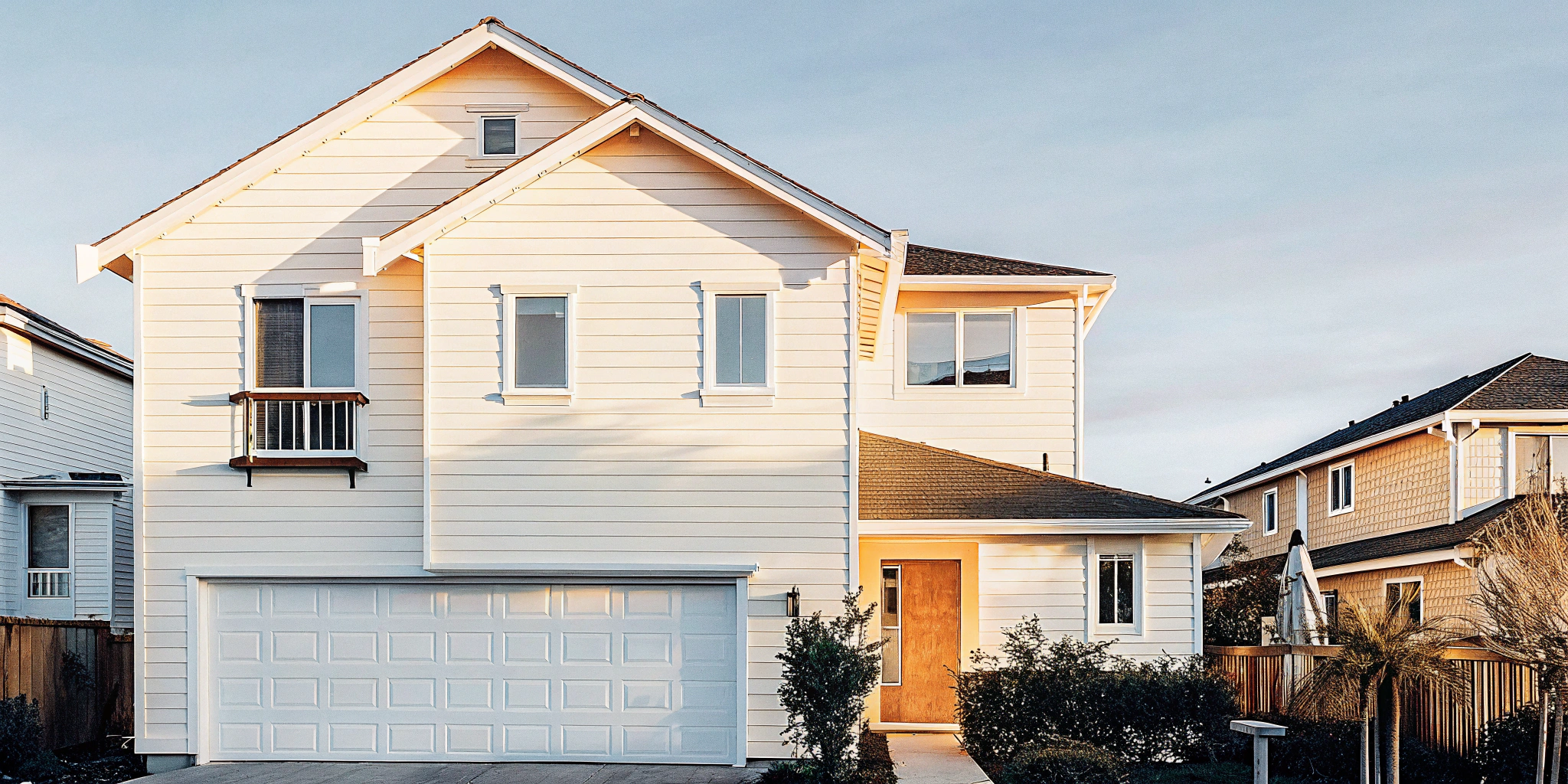
A simple per-square-foot number can make the cost to add a second story seem straightforward. But that initial estimate rarely tells the whole story. The real expenses aren’t in the new walls and windows—they’re hidden in things like reinforcing your home’s foundation, upgrading the electrical panel, or paying for architectural plans. These “invisible” costs are what make or break a budget. Our goal is to give you a transparent look at every line item, ensuring you can plan your second floor addition with confidence and no surprises.
Key Takeaways
- Understand Your Project’s Unique Cost Drivers: The initial cost-per-square-foot is just a starting point; your final budget will be shaped by your home’s existing foundation, the complexity of your design, and the quality of materials you choose.
- Budget for More Than Just Construction: A realistic financial plan must include “hidden” costs like architectural plans, building permits, and potential utility upgrades, plus a 10-20% contingency fund to handle surprises.
- Invest in a Second-Story Specialist: This is a complex structural project, not a standard remodel. Hiring a contractor with proven experience in building up is the most critical step to ensure your project is safe, efficient, and avoids costly mistakes.
What’s the Cost Per Square Foot to Add a Second Story?
Figuring out the budget for a major renovation is often the most stressful part of the process. While every project is unique, understanding the cost per square foot can give you a solid starting point for planning your second-story addition. This number helps you create a baseline budget, but remember that it’s an average. The final price tag will depend on your specific design, material choices, and the existing condition of your home. Think of it as a helpful guidepost on your journey to expanding your living space.
Understanding the Typical Price Range
When you start researching costs, you’ll see a wide range. Generally, you can expect to invest anywhere from $100 to $300 per square foot for a second-story addition. This spectrum covers everything from a simple build-out to a high-end, custom space. To make sense of that, it helps to break it down. A budget-friendly addition might fall between $100 and $140 per square foot, using standard materials. A mid-range project with better quality finishes and some custom touches typically lands in the $140 to $200 range. For a luxury home addition with premium materials and a fully custom design, costs can easily exceed $200 to $300 per square foot.
Average Costs for Different Project Scopes
The size and complexity of your project are the biggest factors influencing the final cost. A partial second-story addition, like adding a master suite or two bedrooms over a section of your home, is a popular choice. For a project around 500 square feet, you can generally expect the cost to fall between $150,000 and $250,000. This type of addition requires careful integration with your existing roofline and structure to look seamless. A full second-story addition, which essentially doubles your home’s square footage, is a much larger undertaking. These projects often start at $100,000 and can easily exceed $300,000, depending on the finishes and structural requirements needed to support an entire new level of living space.
Adding a Room Over the Garage
Building a room over the garage is a fantastic way to add functional space without increasing your home’s footprint. This type of project, often called a bonus room or an in-law suite, typically costs between $70,000 and $250,000. The wide range depends heavily on the garage’s existing structure and how you plan to use the new space. A key first step is a structural assessment to confirm the foundation and framing can support the extra weight. Creating a simple office or playroom will be on the lower end of the cost spectrum, while a full suite with a bathroom and kitchenette requires extensive plumbing and electrical work, pushing the budget higher. A professional design and build firm can help you explore the possibilities and ensure the new space is both safe and beautifully integrated with your home.
How Your Location Impacts the Final Cost
That national average is a great starting point, but where you live plays a huge role in your final cost. Construction prices can swing significantly from one state—or even one city—to the next. Here in the Chicagoland area, costs for labor, materials, and permits are often higher than in more rural parts of the country, which is typical for major metropolitan areas. Everything from local building codes to the cost of getting materials to your site can influence the price tag. The only way to get a true sense of what your project will cost is to speak with a local contractor who understands the market. Getting a personalized quote is the most important first step.
What Factors Drive the Cost to Add a Second Story?
When you start researching the cost of a second-story addition, you’ll see a lot of “per square foot” estimates. While these numbers are a helpful starting point, they don’t tell the whole story. The final price tag for your project depends on a unique mix of factors, from your home’s current condition to the specific finishes you choose for your new space. Think of the square-foot price as a baseline—the real cost comes into focus when you start making decisions about design, materials, and scope.
Understanding these key cost drivers is the first step toward creating a realistic budget. It helps you see where your money is going and where you might have opportunities to save. A home addition is a complex project with many moving parts, and each one influences the bottom line. Let’s break down the five biggest factors that will shape the budget for your second-story addition.
Why Your Local Market Matters
Where you live has a huge impact on remodeling costs, and the Chicagoland area is no exception. The price for adding a second story changes a lot based on your specific town, local building codes, and the current demand for construction services. Labor rates for skilled tradespeople, the cost of materials from local suppliers, and even permit fees can vary from one suburb to another. A contractor who is deeply familiar with the local market can provide a more accurate estimate because they understand these regional nuances and have established relationships with suppliers and inspectors.
How Design Complexity Affects Your Budget
A straightforward, rectangular addition will almost always cost less than one with a complex layout, multiple rooms, or intricate architectural details. The more corners, custom windows, and complicated rooflines you add, the more labor and materials are required. Building up is already a complex process that involves removing your existing roof and potentially reconfiguring rooms on the first floor to accommodate a new staircase. Working with a professional design and build team can help you create a beautiful, functional space that respects your budget without sacrificing your vision.
Is Your Home’s Structure Ready?
This is one of the most critical—and often overlooked—cost factors. Your home’s original foundation and framing were designed to support a single story, not two. Before any work begins, a structural engineer must assess whether your foundation can handle the additional weight. If your home’s base isn’t strong enough for a second story, you’ll need to pay for it to be made stronger. This isn’t a corner you can cut; ensuring your home is structurally sound is essential for your family’s safety and the longevity of your investment.
Choosing Your Materials and Finishes
This is where you have the most control over your budget. The materials and finishes you select can cause the cost per square foot to swing dramatically. Basic, builder-grade materials will keep you at the lower end of the price spectrum, while high-end and custom selections will increase costs significantly. Think about flooring (carpet vs. hardwood), windows (vinyl vs. wood-clad), bathroom fixtures, lighting, and cabinetry. You can see a wide range of styles and finishes in our project gallery to get a better idea of how different choices affect the final look and feel of a space.
Factoring in Labor and Contractor Fees
Labor is a major component of any renovation budget. The total price of an addition includes more than just the square footage; it also covers the skilled professionals who build your project, the project manager who keeps everything on schedule, and the contractor’s overhead. This includes insurance, equipment, and permits. While it might be tempting to choose the lowest bid, an experienced and reputable contractor provides value that goes beyond the price. Their expertise ensures the project is built to code, runs smoothly, and results in a high-quality addition you’ll love for years to come.
How Long Does a Second-Story Addition Take?
Once you have a handle on the budget, the next big question is always, “How long will this take?” It’s completely understandable—you want to know when you’ll get to enjoy your new space and how long your daily life might be disrupted. A second-story addition is a major undertaking, and the timeline reflects that. It’s much more than just the weeks of active construction; the process starts long before the first hammer swings. From initial design conversations and architectural drawings to securing permits from your local municipality, a significant amount of work happens behind the scenes. Setting a realistic timeline from the start helps manage expectations and makes the entire experience feel much smoother.
From Design to Completion
So, what does the full timeline look like? Generally, you can expect the entire process for a second-story addition to take anywhere from six to twelve months from the first design meeting to the final walkthrough. The initial design and planning phase, where we create blueprints and you select materials, can take a couple of months. After that, we move on to securing building permits, which can be an unpredictable step depending on your local village or city’s workload. This part of the process alone can sometimes take several weeks or more, so it’s important to factor that waiting period into your overall plan.
Once the permits are approved, the actual construction can begin. This phase typically lasts between three to six months, though the exact duration depends on the project’s complexity, weather delays, and the availability of materials. A professional team will manage the schedule to keep things moving efficiently, from framing the new level and installing the roof to running electrical and plumbing lines. While it feels like a long time, remember that each step is crucial for building a safe, beautiful, and lasting addition to your home. You can learn more about what to expect during each phase of the timeline.
How Does the Size of Your Addition Affect the Price?
When you’re planning a home addition, it’s natural to assume that a bigger space automatically means a proportionally bigger price tag. While that’s true to an extent, the relationship between size and cost isn’t always a straight line. In fact, the cost per square foot often goes down as the total size of your addition goes up. This is because every project has a mix of costs that stay the same regardless of size and costs that change with every square foot you add. Understanding this balance is key to creating a realistic budget for your dream space.
Breaking Down Fixed vs. Variable Costs
Think of it this way: some project expenses are one-time costs. These are your fixed costs, and you’ll have to cover them whether you’re adding a small sunroom or a massive new wing. This category includes things like architectural design fees, building permits, excavation, and pouring the foundation. Even the cost of getting equipment and a crew to your home is a fixed expense. Because these costs are front-loaded, a smaller addition has fewer square feet to absorb them, which is why a 200-square-foot project will have a much higher cost per square foot than a 1,000-square-foot one.
The Economy of Scale: Why Bigger Can Be Cheaper
This is where the principle of “economy of scale” comes into play. Once you’ve covered the fixed costs, the price of adding more space becomes more predictable. The larger your home addition, the more you can spread those initial expenses out, effectively lowering your average cost per square foot. It’s like buying in bulk—the unit price gets better with a larger quantity. This efficiency is why building a slightly larger addition can sometimes offer more value for your investment. You get more functional living space without a dramatic leap in the overall project budget.
Budgeting for Small vs. Large Additions
So, what does this look like in real numbers? While every project is unique, you can use general estimates as a starting point. For example, a modest 600-square-foot addition might range from $60,000 to $180,000. A more substantial 1,000-square-foot addition could run from $100,000 to $300,000, depending on the complexity and finishes. These figures show how the cost per square foot can decrease with a larger project. Of course, the final price depends heavily on your material choices and design details, which you can explore in our project gallery for inspiration.
What Hidden Costs Should You Plan For?
When you start dreaming about a home addition, it’s easy to focus on the big picture: the extra bedroom, the new home office, or that perfect primary suite. The initial cost-per-square-foot estimate feels like the most important number, but it’s really just the starting point. To create a truly realistic budget, you have to account for the expenses that aren’t always obvious at first glance. These “hidden” costs aren’t about contractors trying to pull a fast one; they’re simply the necessary, behind-the-scenes work required to make your new space safe, functional, and seamlessly integrated with the rest of your home.
Thinking about these potential expenses from the beginning is one of the smartest things you can do. It prevents sticker shock down the line and ensures your project stays on track without stressful, last-minute financial scrambles. From reinforcing your home’s structure to paying for permits and even planning for temporary housing, a well-prepared budget is your best tool for a smooth renovation. Let’s walk through the most common hidden costs so you can plan with confidence.
Don’t Forget Structural and Foundation Work
Before you can build up, you have to make sure your home’s foundation can handle the extra weight. Think of it this way: you wouldn’t add a heavy second layer to a cake without making sure the bottom layer is strong enough to hold it. Your home is no different. An engineer will need to assess your existing foundation and first-floor structure. If it’s not up to the task, you’ll need to budget for reinforcements, which can be a significant expense. This foundational work is non-negotiable for the safety and longevity of your home, ensuring your new addition is built on solid ground.
Budgeting for Permits and Inspections
Navigating local building codes and securing the right permits is a critical part of any major renovation. This isn’t just paperwork; it’s a system of checks and balances that ensures your project is built to current safety standards. The costs for permits and the required inspections can vary quite a bit depending on your Chicagoland municipality, but they are an unavoidable part of the process. A professional contractor will handle the logistics of filing for permits, but the fees are a direct cost to you. Planning for this expense ensures your project starts on the right foot and avoids any legal headaches or stop-work orders.
Planning for Architect and Design Fees
A successful second-story addition does more than just add square footage—it enhances your home’s overall flow and curb appeal. That’s where professional design comes in. Architects and designers translate your vision into a detailed blueprint that your construction team can execute flawlessly. These design and build services are an investment in your home’s future value and your daily enjoyment. The fees typically represent a percentage of the total project cost, so it’s important to factor them into your initial budget. This upfront planning ensures your new space is both beautiful and functional, not just a box tacked onto your roof.
Will You Need HVAC or Electrical Upgrades?
Adding a whole new floor to your home means you’re also adding demand on your existing utility systems. Your current HVAC unit might not be powerful enough to efficiently heat and cool the expanded space, and your electrical panel may need an upgrade to handle more circuits. The same goes for your plumbing and hot water heater. While it’s an added expense, this is often a great opportunity to install newer, more energy-efficient systems that can save you money on utility bills for years to come. Factoring in these potential upgrades ensures every part of your home works together harmoniously.
Factoring in Temporary Housing Costs
Depending on the scale of your project, there will likely be a period when living at home is simply not practical or safe—especially when the roof is removed. Many families choose to move out for a few weeks or even months during the most disruptive phases of construction. Whether you stay with relatives, book a long-term Airbnb, or find a short-term rental, you’ll need to account for these temporary living expenses in your budget. Planning for this ahead of time reduces stress and allows the construction crew to work more efficiently, which can help keep your project on schedule.
Considering Exterior Finishes and Siding
Your new addition needs to look like it’s always been a part of your home, not an afterthought. This means carefully selecting exterior finishes—siding, trim, roofing, and windows—that either perfectly match your existing materials or create a thoughtful, intentional contrast. The choices you make here have a major impact on your budget. Standard vinyl siding will keep costs down, while premium materials like fiber cement, brick, or stone will be a larger investment. A professional home addition specialist can help you source materials that blend seamlessly with your current exterior, ensuring a cohesive look that boosts your home’s curb appeal and value.
Accounting for Landscaping and Yard Repair
Let’s be honest: a major construction project is tough on your yard. Heavy equipment, material deliveries, and constant foot traffic can leave your lawn, flower beds, and even your driveway looking worse for wear. It’s smart to set aside a portion of your budget specifically for landscape repair. This might include re-sodding the lawn, replacing damaged shrubs, or even fixing cracked concrete. Planning for these final touches from the start helps manage stress and ensures that once the construction dust settles, the outside of your home looks just as beautiful as the inside. It’s the final step in completing your project and restoring your home’s curb appeal.
Which Design Choices Drive Up the Cost?
When you’re dreaming up your new second story, it’s easy to focus on the fun stuff, like choosing paint colors and flooring. But some of the most significant costs are tied to the structural and foundational changes your home will need. Certain design choices have a much bigger impact on your budget than others. Understanding these potential high-ticket items from the start can help you plan more effectively and avoid surprises down the road.
Planning a major home addition involves more than just the new space itself; it requires integrating the new level with your existing home seamlessly. This often means making significant changes to your home’s structure, roof, and first-floor layout. From reinforcing what’s below to adding what’s new, these elements are critical for a safe and successful project. Let’s look at the four design choices that tend to increase costs the most, so you can go into your project with a clear picture of the investment required.
The Price of a Stronger Foundation
Before you can build up, you have to make sure the ground floor can handle the pressure. Your home’s original foundation was designed to support its initial weight and structure. Adding an entire second story introduces a massive amount of new weight that the existing foundation may not be equipped to bear. An experienced contractor will assess your foundation’s integrity early on. If it needs to be strengthened to support the addition, this can add a significant amount to your project cost—sometimes $5,000 or more. It’s a non-negotiable safety step and a crucial part of our design and build services.
How a New Roofline Impacts the Bottom Line
Adding a second story isn’t as simple as placing a new level on top of your house. In most cases, your entire existing roof has to be removed and rebuilt. This is a complex and disruptive process that many homeowners underestimate. The cost of deconstructing the old roof, framing a new one, and installing new roofing materials, insulation, and gutters contributes substantially to the overall budget. This step is one of the biggest undertakings in a second-story addition, requiring careful planning and execution to protect your home from the elements during construction and ensure the final structure is sound.
The Surprising Cost of a New Staircase
A new level needs a new way to get there, and that means adding a staircase. The cost of a staircase can easily start at $3,000 and go up from there, depending on the design, materials, and complexity. But it’s not just the cost of the stairs themselves. You also have to account for the space they will occupy on your first floor. This often requires reconfiguring your current layout, which can involve moving walls or changing room functions. Planning for a staircase is a key part of any home renovation that includes a second story.
Why Relocating Windows and Doors Costs More
The impact of a second-story addition often ripples down to the first floor. To create a cohesive look and ensure structural integrity, you may need to move or replace existing windows and doors. This could be necessary to align with the new floor plan, support the structure above, or simply to make the home’s exterior look balanced and intentional. The labor and materials for these modifications can add up quickly, affecting your overall budget. A thoughtful design and build process will account for these changes from the beginning, ensuring the final result feels like it was always meant to be.
What Common Budgeting Mistakes Should You Avoid?
Creating a budget for a second story addition is a huge step, and it’s easy to get caught up in the excitement of picking out finishes and finalizing floor plans. But a successful project depends on a realistic and comprehensive budget. Even the most carefully planned projects can face unexpected turns, and being financially prepared is the best way to keep stress low and your project on track. The key is to anticipate potential costs and sidestep common financial pitfalls from the very beginning.
Working with an experienced contractor can help you build a budget that covers all your bases. A great partner will walk you through every line item, from the big structural changes down to the smallest details. They’ll help you understand where your money is going and why, ensuring there are no major surprises along the way. By learning from the mistakes others have made, you can create a solid financial plan that turns your vision for a home addition into a beautiful reality.
Forgetting About the Hidden Costs
When you think about the cost of an addition, you probably picture lumber, windows, and flooring. But some of the most significant expenses are the ones you don’t see. A lot of the cost comes from work that isn’t immediately obvious, like reinforcing the first floor to support the new weight above it. You also need to account for updating your home’s essential systems. This can involve running new plumbing, upgrading your electrical panel, and extending your HVAC system to efficiently heat and cool the new space. These “hidden” costs are crucial for a safe and functional addition and should be a core part of your initial budget.
Skipping the Permit Math
Before any construction can begin, you’ll need the proper permits from your local municipality, and these come with fees. It’s a common mistake to overlook these administrative costs, but they are a mandatory part of the process. Permit fees can range from a thousand to several thousand dollars, depending on the scope of your project. You should also consider if you’ll need to live elsewhere while the most disruptive work is happening. Factoring in the potential cost of a short-term rental or an extended hotel stay is important for keeping your overall budget in check and avoiding financial strain during the renovation.
Not Working With Your Home’s Current Layout
The architectural style of your house plays a big role in the cost of your addition. It’s generally more affordable to build a second story that complements your home’s current look. For example, adding a second floor to a colonial-style house is often more straightforward than adding one to a single-story ranch, which might require a more complex and expensive design to look cohesive. Trying to force a completely different architectural style can lead to costly structural modifications and an awkward final appearance. A thoughtful design and build service can help you create an addition that feels like a natural extension of your home.
Building Without a Financial Safety Net
No matter how perfectly you plan, unexpected issues can pop up during a major renovation. That’s why a contingency fund is non-negotiable. This is a portion of your budget set aside specifically for unforeseen problems or changes you decide to make along the way. A good rule of thumb is to have a contingency of about 15-30% of your total budget during the design phase. Once construction starts, a fund of 5-10% is typically sufficient. Think of it as a financial safety net. Having this cushion gives you the flexibility to handle surprises without derailing your project or compromising on quality.
How to Save Money on Your Second Story Addition
A second-story addition is a significant investment, but that doesn’t mean the budget has to spiral out of control. With some careful planning and smart decision-making, you can manage costs effectively without compromising on the quality or the vision you have for your expanded home. It’s all about being strategic from the very beginning—from the initial design sketches to the final material selections. Thinking ahead about where to spend and where to save can make a huge difference in the final price tag, ensuring you get the extra space you need without the financial stress. Here are a few practical ways to keep your home addition budget on track.
Save Big With Smart Design Choices
One of the most effective ways to manage costs is right in the design phase. Working with your home’s existing architectural style is far more budget-friendly than trying to force a completely different look. For example, adding a second floor to a colonial-style home is typically more straightforward and less expensive than adding one to a sprawling ranch house, which might require more complex structural changes. Opting for a simpler, more standard layout will also help. Complex rooflines, numerous corners, and custom-shaped rooms increase both labor and material costs. Our design and build services focus on creating beautiful, functional spaces that respect your budget and your home’s original character.
Choose Your Materials Wisely
The materials and finishes you choose play a huge role in the overall cost. While it’s tempting to go for high-end, luxury everything, you can save a substantial amount by selecting materials strategically. This doesn’t mean you have to settle for low quality. It’s about finding the right balance between cost, durability, and aesthetics. Consider choosing standard-grade, high-quality options for things like flooring, windows, and fixtures instead of premium, designer brands. A knowledgeable contractor can guide you toward reliable products that look great and perform well without the hefty price tag. You can see examples of beautifully finished projects in our gallery that blend different materials to achieve a stunning result.
Using Lightweight Construction Materials
Here’s a cost-saving tip that might surprise you: the weight of your building materials matters—a lot. Building your second story with a timber or steel frame instead of traditional brick can be significantly cheaper. The reason is simple physics. Lighter materials put less strain on your home’s existing structure. This often means you can avoid or reduce the need for expensive foundation reinforcement, which is one of the biggest potential “hidden” costs in a second-story addition. It’s a strategic choice that can save you thousands without compromising on strength or safety, making it a key consideration for any home addition project.
Sourcing Recycled Building Materials
Being budget-conscious doesn’t mean you have to sacrifice character or quality. Sourcing recycled or reclaimed building materials is a fantastic way to save money while adding a unique touch to your new space. Think reclaimed wood for a statement ceiling beam, salvaged doors with vintage charm, or unique fixtures that you won’t find in a big-box store. This approach is not only eco-friendly but also allows you to get high-quality materials with a story to tell. A great contractor can help you find reputable sources and incorporate these pieces seamlessly into your design, proving that a beautiful result is all about a smart balance of materials, which you can see in our project gallery.
Why Project Timing Matters for Your Budget
Timing can have a surprising impact on your budget. If you’re already planning other major updates, consider bundling them with your second-story addition. Tackling a full home renovation and an addition at the same time can lead to significant savings. Your contractor can schedule trades more efficiently, you may get better pricing on bulk material orders, and you’ll only have to deal with one period of disruption. This approach streamlines the entire process, from permitting to final cleanup, saving you both time and money. Consolidating projects is a smart way to maximize your investment and get more done with a single, coordinated effort.
How the Right Contractor Saves You Money
It might sound counterintuitive, but hiring the right contractor—not necessarily the cheapest one—is one of the best ways to save money. An experienced team that specializes in home additions knows how to anticipate challenges, prevent costly mistakes, and keep the project on schedule. They have established relationships with suppliers, which can lead to better material pricing. Most importantly, a reliable company communicates clearly and transparently, which helps avoid misunderstandings and expensive change orders down the line. Investing in a trusted, professional contractor ensures the job is done right the first time, saving you from the headaches and costs of repairs in the future.
What’s the Best Way to Budget for Your Addition?
Creating a budget for a home addition can feel like trying to hit a moving target, but it doesn’t have to be. With a bit of planning and foresight, you can build a financial roadmap that keeps your project on track and minimizes stress. The key is to think beyond the initial quote and account for every part of the process. Let’s break down how to create a budget that sets your project up for success from day one.
Start by Setting a Realistic Budget
First things first: you need a realistic starting point. While every project is unique, a second-story addition typically costs between $100 and $150 per square foot for standard finishes. Knowing these general figures helps you align your vision with your finances. Think of this as your baseline. From here, you can work with your contractor to get a detailed estimate based on your specific design, materials, and your home’s existing structure. A clear budget helps everyone stay on the same page and ensures there are no major sticker-shock moments down the road. It’s the foundation of a successful home renovation.
Why You Need a Contingency Fund
If there’s one rule in remodeling, it’s to expect the unexpected. That’s where a contingency fund comes in. This isn’t a slush fund for fancy upgrades; it’s a dedicated safety net for unforeseen issues, like discovering hidden structural problems or needing to reroute old plumbing. We recommend setting aside 10% to 20% of your total project cost. Having this buffer protects your budget from being derailed by surprises that can pop up once demolition begins. A well-planned design and build process will account for this, giving you peace of mind that you’re prepared for whatever comes your way.
How to Plan for the Unexpected
Beyond your contingency fund for true surprises, your budget should also include costs that are predictable but often overlooked. These aren’t “if” expenses, but “when.” For example, you’ll need to account for permit fees, which can run anywhere from $1,000 to $5,000 in the Chicagoland area. You might also need to budget for temporary housing if you can’t live in your home during construction. Other potential costs include reinforcing the first floor to support the new weight and upgrading your electrical, plumbing, or HVAC systems to service the new space. An experienced general contractor will help you identify these expenses early on.
How to Find the Right Contractor for Your Project
Choosing the right contractor is the single most important decision you’ll make for your second-story addition. This project is a massive undertaking that involves the very foundation of your home, so you need a partner you can trust completely. The right team will not only deliver high-quality work but also make the entire process smoother and less stressful. Think of it as a long-term relationship; you’ll be communicating daily, making decisions together, and trusting them with your largest asset.
A great contractor acts as your guide, helping you understand everything from structural requirements to material selections. They should be transparent, communicative, and, most importantly, experienced in the specific challenges of building up. Their expertise will be the difference between a seamless project and a series of costly headaches. When you find a team that specializes in complex home additions, you’re not just hiring builders—you’re investing in peace of mind. The goal is to find a reliable company that talks openly and clearly with you, ensuring your vision for a better living space becomes a reality.
Why Second-Story Experience Is a Must
Not all general contractors are equipped to handle a second-story addition. This type of project is far more complex than a kitchen or bathroom remodel. It requires a deep understanding of structural engineering, foundation support, and how to seamlessly integrate a new level with your existing home. When vetting potential contractors, ask to see a portfolio of their completed second-story projects. A proven track record is your best indicator of future success. You want a team that has been there, done that, and knows how to anticipate challenges before they become problems. Take a look at their project gallery to see the quality and style of their work firsthand.
How to Get Detailed, Accurate Bids
Once you have a shortlist of experienced contractors, it’s time to talk numbers. Be wary of anyone who gives you a vague, one-page quote. A professional and trustworthy contractor will provide a detailed, itemized estimate that breaks down the costs for labor, materials, permits, and other expenses. Getting multiple detailed quotes allows you to compare your options fairly. It also gives you a chance to gauge each contractor’s professionalism and transparency. Don’t just look at the bottom line; check their past work and read client reviews to make sure they are as reliable as their estimate is thorough. This step is crucial for creating a realistic budget and avoiding surprise costs down the road.
The Advantage of a Design-Build Firm
For a project as complex as a second-story addition, partnering with a design-build firm is one of the smartest choices you can make. This approach streamlines the entire process by bringing the design and construction teams together under one roof from day one. Instead of you acting as the go-between for a separate architect and builder, you have a single, unified team working toward the same goal. This creates clear communication and a single point of accountability, which is invaluable. The team designs your project with a deep understanding of real-world construction costs, ensuring your plans are both beautiful and achievable within your budget. This integrated approach, which is central to our design and build services, helps prevent the common disconnect that leads to costly redesigns and delays, resulting in a smoother project and a better final outcome.
Don’t Skip the Fine Print: Contracts and Warranties
Before you sign on the dotted line, carefully review the contract. It should clearly outline the full scope of work, a project timeline with key milestones, a payment schedule, and details on how changes or unexpected issues will be handled. A solid contract protects both you and the contractor. It’s also important to ask about warranties. What kind of guarantee do they offer on their workmanship and the materials used? A reputable contractor will stand behind their work. Working with a design and build firm can often streamline this process, as one contract covers everything from architectural plans and permits to the final construction, ensuring everyone is on the same page from day one.
Is a Second Story Addition Right for You?
Deciding to expand your home is a huge step, and when you can’t build out, building up seems like the perfect solution. A second-story addition can double your living space without sacrificing your yard, but it’s a complex project with a lot to consider. Before you start dreaming of new bedrooms and bathrooms, it’s important to weigh the costs, benefits, and potential impact on your home’s value. Let’s walk through the key questions to help you decide if this major renovation is the right move for your family and your home.
Building Up vs. Building Out: A Cost Comparison
One of the first questions homeowners ask is whether it’s cheaper to build up or out. Generally, expanding your home’s footprint with a ground-level addition is less expensive than adding a second story. Building up is a more involved process that requires significant structural work. Your home’s existing foundation needs to be strong enough to support an entire new level, which often means it needs reinforcement. Plus, the project involves completely removing your current roof and then building a new one, which adds to the complexity and cost. A well-planned home addition of any kind is an investment, but the structural demands of a second story typically place it in a higher price bracket.
Ground-Floor Additions
If you have the lot space, a ground-floor addition is often a more straightforward and cost-effective way to expand your home. Building out avoids some of the biggest structural hurdles that come with building up. You won’t have to worry about reinforcing your entire home’s foundation to support a new level, nor will you face the massive disruption of removing and rebuilding your roof. While a new foundation is needed for the addition itself, the overall process is typically less complex. This makes a ground-floor home addition an excellent choice for adding a family room, an in-law suite, or a larger kitchen without the intensive engineering a second story requires.
Basement Finishing
For homeowners looking for the most budget-friendly way to add functional square footage, finishing the basement is often the answer. This approach lets you use the space you already have, completely sidestepping the major structural work and costs associated with building a new addition from the ground up. There’s no need for new foundation work or complex roofing changes. Instead, you can focus your budget on creating a space that perfectly fits your family’s needs—whether that’s a cozy family room, a home gym, or a dedicated home office. A professional basement remodel can transform an underused area into one of the most popular spots in your house.
Weighing the Pros and Cons of Adding a Story
Adding a second story is one of the most transformative projects you can undertake. The biggest pro is gaining a massive amount of square footage while preserving your outdoor space—a huge plus for smaller lots. You also get a chance to completely rethink your home’s layout. However, it’s a major and often disruptive renovation. Many families find they need to move out during construction. The cost can also be a significant con, as it’s influenced by everything from your design choices to the materials you select. It’s a project that requires careful planning and a realistic budget to manage the expense and disruption effectively.
Will a Second Story Increase Your Home’s Value?
A second-story addition is more than just an expense; it’s an investment in your property. While you might not recoup every dollar when you sell, these projects typically offer a solid return. Most homeowners see about a 65% return on their investment, which means a second story can significantly increase your home’s market value. Beyond the numbers, the real value comes from creating a home that truly fits your family’s needs for years to come. Our design and build services focus on creating functional, beautiful spaces that not only add financial value but also improve your daily life, which is a return you can’t put a price on.
Is This Your Forever Home?
The conversation around ROI often focuses on resale value, but the real question to ask yourself is how long you plan to stay in your home. If you see this as your long-term family home, the financial return becomes just one part of a much bigger picture. The true value of a second-story addition shines when you plan to stay and enjoy it for years to come. It gives you the power to customize your space to perfectly match your family’s needs, whether that means adding bedrooms for growing kids, creating a dedicated home office, or designing the primary suite you’ve always wanted. This isn’t about a quick flip; it’s about investing in your quality of life. A thoughtful design and build process ensures your new space is tailored to how you live, making your home more functional and enjoyable every single day.
Related Articles
- Home Addition Cost Per Sq Ft: Pricing Breakdown
- The Guide to a Second Story Addition
- Second Story Addition Guide: Costs, Planning & Design
- Second Story Addition Guide | Planning, Costs & Tips
- Second Story Home Addition in Chicago: Costs, Planning & Design
Frequently Asked Questions
Why can’t I get a simple, flat cost per square foot for my addition? A cost-per-square-foot estimate is a great starting point, but it can’t tell the whole story because every home is different. The final price depends heavily on your home’s existing structure, the complexity of your design, and your material choices. For example, a home that needs significant foundation reinforcement will cost more than one that doesn’t. Similarly, a straightforward rectangular addition with standard finishes will be much more affordable than a custom layout with high-end materials.
What’s the single biggest unexpected cost I should prepare for? The most significant potential expense that often surprises homeowners is the need for structural reinforcement. Your home’s original foundation was only engineered to support a single story. Before any work can begin, we have to ensure it can safely handle the immense weight of a new level. If your foundation needs to be strengthened, it’s a crucial and non-negotiable investment in your home’s safety and longevity.
Do I really need to move out during the renovation? For a second-story addition, it’s almost always necessary to live elsewhere for at least a portion of the project. The most disruptive phase is when your existing roof is removed, which exposes your home to the elements and makes it unsafe to occupy. Planning for temporary housing from the start reduces stress for your family and allows our construction crew to work more efficiently, which helps keep your project on schedule.
Is it always more expensive to build up instead of out? Generally, yes. Adding a second story tends to have a higher cost per square foot than a ground-level addition. This is because building up involves more complex and expensive structural work. The process requires removing your entire roof, potentially reinforcing your home’s foundation to support the new weight, and then building a brand new roof structure, all of which adds to the labor and material costs.
How much should I actually budget for a contingency fund? A contingency fund is your project’s financial safety net, and it’s absolutely essential. We recommend setting aside 10% to 20% of your total estimated project cost. This isn’t for splurging on upgrades; it’s for handling any true surprises that might pop up once walls are opened. Having this buffer in place provides peace of mind and ensures that an unexpected issue won’t derail your budget or your timeline.