
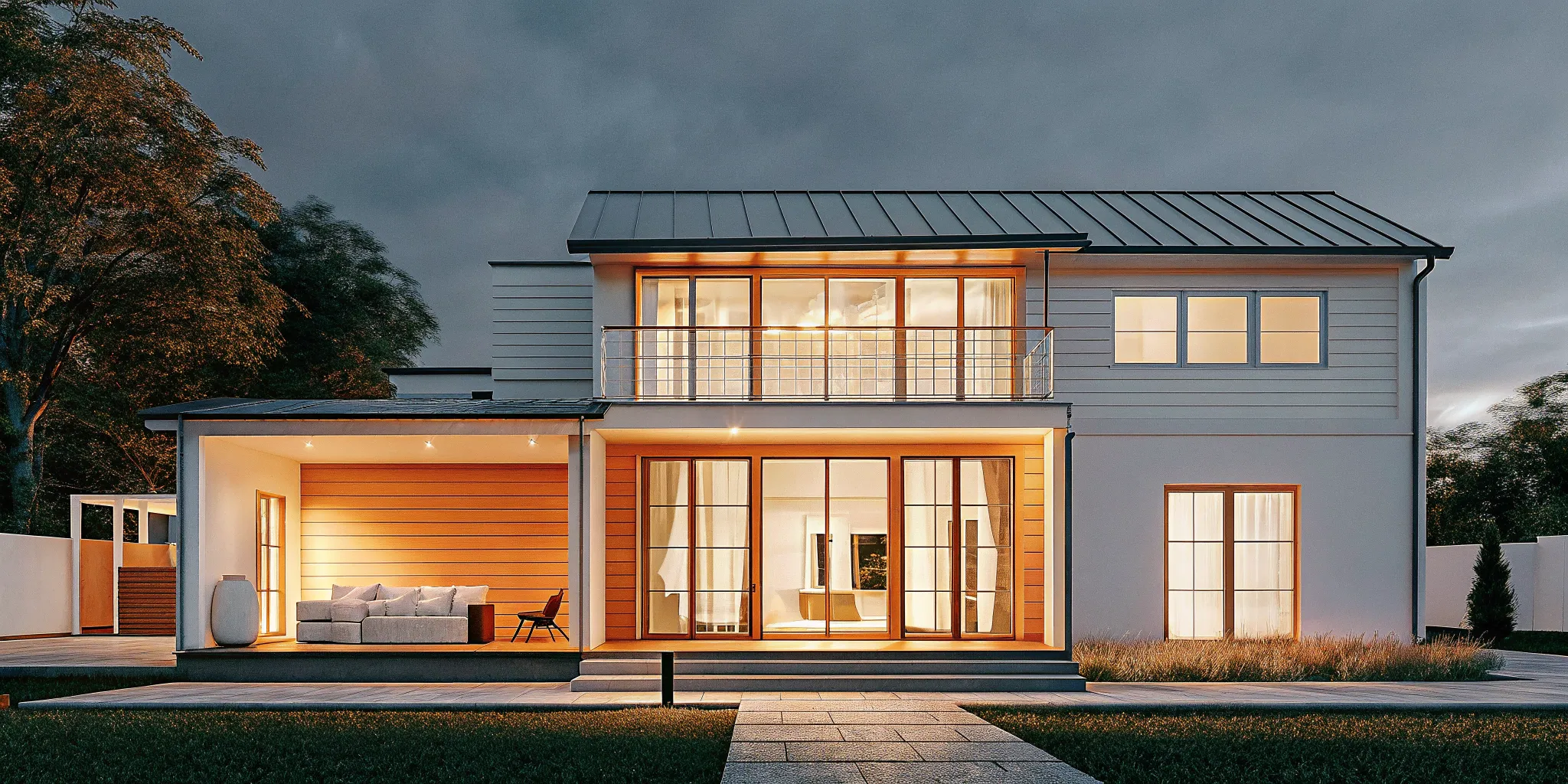
You love your neighborhood and can’t imagine leaving your home. The only problem? You’re completely out of space. Building up is the perfect solution, letting you gain square footage without sacrificing your yard. A second story addition can literally double your living area, creating room for new bedrooms, a primary suite, or a dedicated home office. But turning that dream into a reality brings up big questions about cost, design, and your home’s structure. This guide walks you through the entire process, from checking your foundation to planning a layout that truly works for your family.
Key Takeaways
- Start with a Structural Reality Check: A second story is only possible if your home’s foundation can handle the extra weight. Your first step is to hire a professional team to conduct a thorough structural assessment and handle all necessary permits, ensuring the project is safe and compliant from day one.
- Budget Beyond the Build: Your total investment includes more than just construction. Factor in costs for design, engineering, permits, essential utility upgrades, and a contingency fund. You also need to plan for the expense and logistics of temporary housing, as you’ll likely need to move out.
- Design for a Cohesive Home: A successful addition should feel like a natural part of your house, not a separate box on top. Work with your design team to carefully plan the staircase location for good flow and match the exterior materials, windows, and roofline to your home’s original style.
Is Your Ranch Ready for a Second Story Addition?
Adding a second story to a ranch house is a fantastic way to gain space without losing your yard, but it’s a project that depends entirely on your home’s existing structure. Before you start dreaming of new bedrooms and bathrooms, the first step is a practical one: figuring out if your house can actually handle the extra weight and structural changes. Think of it as a check-up for your home’s framework. A successful home addition is built on a solid, well-understood foundation. From the concrete slab under your feet to the rafters over your head, every component needs to be evaluated by a professional to ensure the final result is safe, sound, and built to last.
Can Your Foundation Handle the Weight?
Everything starts with your foundation. It was originally designed to support a single-story home, so the biggest question is whether it can hold the significant weight of a second floor. Adding another level can introduce tens of thousands of pounds of new load, and your foundation must be able to transfer that weight safely to the ground. A structural engineer will need to assess the footing size, the concrete’s condition, and the soil it rests on. In the Chicagoland area, factors like the frost line also play a critical role. This isn’t a step to guess on; a professional evaluation is the only way to know for sure if your home’s base is up to the task.
Reinforcing Your Home’s Structure
Once the foundation is cleared, the next focus is the framing that will support the new level. Your current ceiling joists, which hold up drywall, are not strong enough to serve as floor joists for living space above. They will need to be replaced with much larger, stronger joists to handle the weight of people, furniture, and walls. Your home’s existing exterior walls will also be analyzed to see if they can carry the load of a second story. In many cases, they may need to be reinforced. This is a critical part of the design and build process that ensures your expanded home is structurally integrated and completely safe.
What Happens to Your Existing Roof?
One of the most dramatic parts of building up is that your entire existing roof has to be removed. This is a complex phase that essentially opens your home to the elements for a period of time. A skilled contractor will have a detailed plan to protect your house from rain and weather while the new floor is framed and the new roof is built. This process requires careful coordination and efficient work to minimize disruption and prevent any potential water damage. It’s a major undertaking, but it’s also the step that transforms your single-story ranch into a two-story home.
What Are the Benefits of Adding a Second Story?
Beyond the obvious benefit of more square footage, adding a second story can fundamentally change how you experience your home. It’s an opportunity to solve the functional problems of your current layout, create dedicated spaces for work and family, and increase your home’s long-term value. A well-planned addition isn’t just about adding rooms; it’s about redesigning your home to better fit your life. From creating a more logical flow between spaces to introducing more natural light, the advantages of building up can be felt throughout the entire house, making it a more comfortable and enjoyable place to live for years to come.
Improve Your Home’s Layout and Flow
One of the biggest wins of a second-story addition is the chance to rethink your home’s entire layout. You can finally create that spacious primary suite you’ve been dreaming of, add much-needed bedrooms for a growing family, or design a quiet home office away from the main living area. As noted by the experts at Sweeten, this lets you make your home bigger without taking up more of your yard. A professional design and build team can help you map out a new floor plan that not only adds space but also improves the flow, making your home feel more intuitive and organized.
Enjoy Better Views and Natural Light
Lifting your perspective can completely change your view—literally. A second story offers a higher vantage point, often providing better views of your neighborhood and surrounding landscape. As This Old House points out, you get a nicer view from a higher level. This elevation also means more access to natural light. With new, strategically placed windows, you can flood your upstairs—and often the downstairs, too—with sunlight. This not only makes your home feel brighter and more welcoming but can also help reduce your reliance on artificial lighting during the day. You can see some beautiful examples of light-filled spaces in our project gallery.
Create More Privacy for Your Family
As families grow, the need for personal space becomes more apparent. A second-story addition is the perfect solution for creating separation between public and private zones in your home. By moving bedrooms upstairs, you establish a dedicated, quiet retreat for family members. This layout is ideal for hosting guests, as the downstairs living, dining, and kitchen areas can remain active without disturbing those who have turned in for the night. This added privacy is a simple but powerful way to make daily life more harmonious for everyone under one roof.
Lower Your Future Energy Bills
While a major renovation is a significant investment, it also comes with modern upgrades that can pay off over time. A new second story is built with today’s energy-efficient materials and standards, including high-performance windows and superior insulation. When built correctly, a new second story can help your home use less energy for heating and cooling, which can lower your bills. This means your new space will be comfortable year-round without sending your utility costs through the roof. It’s a practical benefit that adds to the overall value and sustainability of your updated home.
What Are the Different Types of Second Story Additions?
Not all second-story additions are created equal. Depending on your home’s structure, your budget, and your specific needs, there are several different approaches you can take to build up. The most common image is a full second floor built on top of a single-story ranch, but that’s just one of many possibilities. You can add a partial story over a specific section like the garage, use modular components to speed up construction, or incorporate dormers to make an attic space more functional. Understanding these options is the first step in figuring out which type of home addition is the right fit for your project.
Full Second Story vs. Two-Story Addition
It’s important to know the difference between these two common terms. A full second-story addition involves building a new level directly on top of your existing home’s footprint. In contrast, a two-story addition expands your home both upwards and outwards, adding new space on the ground floor and a second floor above it. According to the design resource Cedreo, a second-story addition builds new rooms on top of your existing house, while a two-story addition builds out and up. Your choice will depend on whether you need more ground-floor living space or simply want to add bedrooms upstairs.
Partial Additions Over a Garage or Wing
If a full second story is more than you need or want to invest in, a partial addition is an excellent alternative. This popular option involves building a new room or suite over an existing part of your home, most commonly the garage. This is a cost-effective way to add a primary bedroom, a bonus room for the kids, or a private guest suite without altering the entire roofline of your house. It’s a targeted approach that can solve specific space shortages while still delivering a high return on investment and a major improvement in your home’s functionality.
Modular Additions
For homeowners looking to minimize on-site construction time, modular additions offer an innovative solution. With this method, the new second story is constructed in sections in a factory-controlled environment. Once complete, the modules are transported to your home and lifted into place by a crane, where they are then secured and finished. This process can significantly shorten the project timeline and reduce the amount of disruption to your daily life. While it requires meticulous planning and engineering upfront, the speed of assembly on-site is a major advantage for many families.
Dormer Additions and “Pop-Tops”
If you have an existing attic with sloped ceilings, you may not need a full second story to gain usable space. Dormer additions are structures that project vertically from the plane of a sloped roof, creating more headroom and usable floor area while adding windows for natural light. A “pop-top” is a more extensive version where a portion of the roof is raised to create a partial second story. These are clever ways to transform an underutilized attic into a functional bedroom, office, or playroom without the scale and expense of a full second-floor build.
How Much Does a Second Story Addition Cost?
Let’s talk about the big question on everyone’s mind: the budget. Planning for a second-story addition is a major financial decision, and understanding the potential costs is the first step toward making your dream a reality. While every project is different, we can break down the typical expenses and highlight the factors that will shape your final number. This way, you can go into the process with a clear picture of the investment required for your home.
A Breakdown of Average Costs
So, what’s the bottom line? For a second-story addition, you can generally expect the cost to range from $175,000 to over $350,000. It’s a wide range because so many variables come into play. It’s also important to know that adding a second story is often more expensive per square foot than building a brand-new house. This is because the project involves complex structural work, demolition, and carefully integrating the new level with the existing home. Our team specializes in these kinds of complex home additions, ensuring every detail is handled correctly from the foundation up.
Estimating Cost Per Square Foot
Breaking it down by square foot can give you a clearer picture. Generally, you can expect to invest anywhere from $200 to $400 per square foot for a second-story addition. So, for a 1,000-square-foot addition, you’re looking at a range of $200,000 to $400,000. Why such a big gap? The final price tag depends heavily on the complexity of the project, the materials you choose, and local labor costs here in the Chicagoland area. For example, high-end finishes in a new primary bathroom will cost more per square foot than a simple bedroom. It’s a significant investment, and these figures reflect the detailed structural work required to build up safely.
What Factors Influence the Final Price?
Your final project cost will depend on a few key things. The most obvious is the size—more square footage means a higher price tag. The complexity of the design also plays a big role; a simple, rectangular addition will cost less than one with multiple dormers or a complicated roofline. Finally, your choice of finishes makes a huge difference. High-end materials, custom cabinetry, and luxury bathroom fixtures will increase the budget compared to standard options. Looking through a project gallery can help you see how different finishes and styles affect the overall look and feel of a space.
Initial Planning and Design Fees
It’s easy to focus on the construction itself, but the costs start long before the first wall comes down. Your total investment includes more than just the build-out. You’ll need to budget for the crucial planning phase, which involves several professional services. This includes architectural or design and build services to create the blueprints, as well as a structural engineer to ensure your plans are safe and sound. There are also municipal permit fees, which can vary depending on where you live in the Chicagoland area. Plus, you might need to upgrade essential utilities like your HVAC system or electrical panel to handle the new space. A good rule of thumb is to set aside a contingency fund to cover any surprises along the way.
Fluctuating Material Costs
The price of building materials like lumber, windows, and roofing isn’t set in stone. Market conditions can cause these costs to change, sometimes between when you get an initial estimate and when the materials are actually purchased for your job. While no one can predict the market with perfect accuracy, working with an experienced contractor makes a huge difference. A seasoned team has established relationships with suppliers and a deep understanding of pricing trends. They can build realistic allowances into your budget and keep you informed of any significant changes, helping you make smart decisions without derailing your project’s finances. This expertise is key to managing the variables that are simply part of any major renovation.
Budgeting for Hidden Costs and Upgrades
Beyond the main construction costs, there are other expenses to plan for. These include fees for architects and structural engineers, city permits, and demolition. It’s also smart to set aside a contingency fund (typically 10-15%) for any surprises that might pop up once the walls are opened. A major consideration is your home’s existing utilities. Your electrical panel will likely need an upgrade to handle the extra load, and your HVAC system may need to be replaced or expanded to heat and cool the new space efficiently. A comprehensive design and build service will account for these elements from the start, preventing unexpected budget issues down the road.
How You Can Save Money on Your Addition
While a second-story addition is a major investment, there are several practical ways to keep costs in check without compromising on quality. One of the most effective strategies is being thoughtful about your material selections. Opting for high-quality, standard-sized windows and doors instead of custom ones can make a big difference, as can choosing stylish but less expensive flooring and stock cabinetry. If you have some DIY skills, you might save by handling tasks like interior painting or demolition cleanup, but be sure to leave all structural work to the professionals to avoid costly mistakes. Ultimately, the best way to manage your budget is through meticulous planning. Finalizing every detail of your home addition before construction starts helps prevent expensive changes and ensures the project stays on track financially.
How Do You Design a Second Story That Flows?
Once you’ve confirmed your home’s structure can handle the weight, the fun part begins: designing your new second story. This is where your vision for more space starts to take shape. But a great design is more than just drawing a few rooms on a floor plan. It’s about creating a space that flows naturally with the rest of your home, functions beautifully for your family, and looks like it was always meant to be there. Thinking through a few key elements from the start will make all the difference in your final result.
Finding the Perfect Spot for Your Stairs
One of the first and most critical decisions you’ll make is where to put the staircase. It’s a surprisingly tricky piece of the puzzle because it carves out a significant footprint on both your first and second floors. You need to think about how it will affect the flow of your existing living space downstairs while providing convenient access to the new level above. It also needs to be practical—is it wide enough to move a king-sized bed or a new sofa upstairs? A thoughtful design and build process considers all these factors, ensuring your staircase is an elegant transition, not a daily obstacle.
Creating a Smart and Functional Layout
With the staircase in place, you can map out the rooms. Think about how you want to live in this new space. Will it be a primary suite, kids’ bedrooms, or a home office? For maximum convenience, consider adding a full bathroom upstairs. No one wants to run downstairs in the middle of the night. An upstairs laundry room is another game-changer that can simplify your daily routine. Placing the staircase in a central location can also help create a more efficient layout, reducing the need for long, dark hallways and maximizing your usable square footage. Planning for function first ensures your home addition truly improves your lifestyle.
Stacking Plumbing to Reduce Costs
Here’s a pro tip that can save you a significant amount of money and future headaches: stack your plumbing. This simply means designing your new second-floor bathroom or laundry room to be directly above the kitchen or a bathroom on the first floor. By aligning the new plumbing with the existing pipes below, you simplify the entire installation process. This reduces the amount of new piping needed and cuts down on labor costs. It’s a smart, efficient design choice that not only helps your budget but also makes future maintenance much easier. A thoughtful design and build process always looks for practical efficiencies like this to deliver the best value for your investment.
Aligning Windows for a Cohesive Look
The best second-story additions look like they were always part of the original home, not an afterthought. A key detail in achieving this seamless look is window placement. Whenever possible, try to line up the new windows on the second floor directly above the ones on the first floor. Using similar shapes and sizes also helps create a sense of visual harmony and balance from the outside. This simple design rule prevents the addition from looking like a box that was just dropped on top of your house. It’s a small detail that has a huge impact on your home’s curb appeal, ensuring the final result is both beautiful and intentional. You can see examples of this cohesive approach in our project gallery.
Considering Noise Between Floors
A functional layout is about more than just room placement; it’s about how your family will live in the space every day. One often-overlooked detail is sound transfer between floors. Think carefully about what rooms will be above others to ensure your home remains a peaceful retreat. For instance, placing a noisy room like a laundry room or a kids’ playroom directly above a quiet space like your primary bedroom or the main living room can create daily disruptions. A better plan would be to position bedrooms over quieter first-floor areas. This kind of thoughtful planning is a hallmark of a great home renovation and makes a world of difference in your long-term comfort.
Making It Look Like It’s Always Been There
You want your second story to feel like a natural extension of your home, not a clunky box plopped on top. The key to a seamless look is careful planning and quality craftsmanship. From the outside, the new roofline should complement the old one, and the siding, trim, and windows should match your home’s existing style. The goal is for the final result to look as if your house was always a two-story home. A well-designed addition blends in perfectly and enhances your home’s curb appeal, while a poorly executed one can look awkward and out of place. You can see examples of beautifully integrated additions in our project gallery.
What Permits and Rules Do You Need to Know?
Before you can start building up, you have to sort out the paperwork. Adding a second story to your home involves more than just design and construction; it requires careful attention to local rules and regulations. This part of the process can feel overwhelming, but it’s a critical step to ensure your project is safe, legal, and built to last. Working with an experienced contractor is key, as they will manage the permits and approvals, letting you focus on the exciting parts of your home’s transformation.
Checking Local Zoning and Height Restrictions
Every town and city has its own set of rules for what you can build, and Chicagoland is no exception. These local zoning ordinances dictate things like how tall your home can be, how much of your lot it can cover, and how far it must be from your property lines. Before you get too attached to a specific design, it’s essential to check these regulations. A great design and build service will investigate these requirements for you at the very beginning of the project, ensuring your new addition is fully compliant and avoiding costly surprises down the road.
The Permit and Inspection Process Explained
Once your plans are finalized, they need to be submitted to your local building department for a permit. This isn’t just a formality; it’s a crucial safety check. Officials review your architectural drawings to confirm they meet all current building codes for structural integrity, safety, and energy efficiency. Throughout the construction of your home addition, an inspector will visit the site at key milestones to verify the work is being done correctly. This process protects you and your investment, and your general contractor will handle all the submissions, scheduling, and communication with the inspectors.
Working With Your HOA Guidelines
If you live in a neighborhood with a Homeowners Association (HOA), you have one more layer of approval to secure. HOAs often have their own specific rules about home exteriors, including design styles, materials, and even paint colors. You’ll need to submit your plans to the HOA board for their review and approval before any work can begin. Ignoring this step can lead to fines or even being forced to alter your finished project. Your contractor can help you prepare the necessary documents for the HOA, ensuring your new second story not only meets your needs but also fits seamlessly into your community’s aesthetic.
What’s It Really Like to Live Through Construction?
Once the designs are finalized and the permits are in hand, it’s time for the most transformative part of the process: construction. This phase is exciting, but let’s be honest, it can also be disruptive. Knowing what’s coming will help you prepare your family and your home for the work ahead. A successful project isn’t just about the final result; it’s also about making the construction journey as smooth as possible.
The key to a low-stress build is planning. You’ll need to think about where you’ll live, how long the project will realistically take, and how you’ll handle the day-to-day logistics of a major renovation. Working with an experienced team that prioritizes clear communication is essential. They can guide you through the entire process, from the first swing of the hammer to the final walkthrough. Our design and build services are structured to keep you informed and confident every step of the way, ensuring there are no surprises.
Deciding Whether to Stay or Go
For a second-story addition, the big question is always, “Can we stay in our house?” In most cases, the answer is no. This type of project involves removing your roof, which exposes your main living area to the elements, dust, and debris. For safety and sanity, your house will likely be unlivable during the most intensive phases of construction.
You should plan for temporary housing well before the project begins. Some families stay with relatives, while others find a short-term rental nearby. Even if you have a finished basement you think you could use, remember that construction involves loud noises, utility shut-offs, and a significant amount of dust. Making arrangements to live elsewhere will make the entire experience much more comfortable for you and your family.
How Long Will Construction Really Take?
Adding a second story is a complex undertaking, and it’s important to have a realistic timeline. While every project is unique, one family found they had to move out for about four months while the second floor was being built. Your contractor will provide a detailed schedule, but remember that unforeseen issues can pop up. Weather is a major factor—you’ll need a clear stretch of good weather when the roof is removed.
Other things like permit inspections or unexpected supply delays can also affect the timeline. The best approach is to build some flexibility into your own plans. A great contractor will keep you updated with regular progress reports and immediately inform you of any potential delays. This open communication is key to managing expectations and keeping the project on track.
How to Manage Daily Life During the Build
Even if you’ve moved out, you’ll still be managing the project. It’s a good idea to protect any belongings left in the house. Cover heavy furniture with plastic sheeting and move valuable or sentimental items into storage. Also, think about your landscaping—talk to your contractor about protecting plants, patios, and walkways from construction traffic.
Be prepared for a certain level of disruption. There will be work crews, material deliveries, and the constant sounds of progress. We recommend scheduling regular check-ins with your project manager. This gives you a dedicated time to ask questions, see the progress, and address any concerns. A well-managed home addition project depends on a strong partnership between you and your builder.
How to Prepare Your Home for the Build
Getting your home ready for construction is about more than just clearing out a room. It’s about protecting your belongings and setting the stage for a smoother project. Before the work begins, take time to pack away anything valuable, sentimental, or fragile. This includes artwork, photos, and delicate decor. For large items that can’t be moved, like a piano or a heavy sofa, cover them securely with thick plastic sheeting to shield them from dust. It’s also a good idea to clear pathways for the construction crew, both inside and outside. A little preparation upfront can prevent a lot of stress and potential damage, ensuring your focus stays on the exciting transformation of your home addition.
Tips for Managing the Project with Your Contractor
A successful renovation is built on a strong partnership with your contractor, and the foundation of that partnership is communication. From the start, establish a clear line of communication. Ask who your main point of contact will be and decide on a regular schedule for check-ins, whether it’s a quick daily text or a more detailed weekly meeting. This gives you a dedicated time to ask questions, get updates, and make decisions without feeling like you’re chasing someone down. A great contractor will be proactive with updates, but don’t hesitate to reach out if you have a concern. You can see what this kind of partnership looks like by reading reviews from other homeowners who have been through the process.
Drawbacks and Alternatives to Consider
A second-story addition is an incredible way to transform your home, but it’s also one of the most intensive and disruptive projects you can undertake. It’s a major commitment of time, money, and patience. Before you move forward, it’s important to look at the process with clear eyes and consider if it’s truly the right fit for your family and your finances. Sometimes, the reality of construction means exploring other options. Weighing the challenges against the benefits will help you decide whether to build up, renovate your existing space, or even look for a new home that already meets your needs.
The Reality of Construction Disruption
There’s no way to sugarcoat it: a major renovation is messy and loud. When you add a second story, your home becomes an active construction zone. For several months, you can expect a daily rhythm of work crews arriving early, the sounds of saws and hammers, and a constant layer of dust. Your roof will be completely removed, leaving your home covered by tarps and exposed to the elements for a period. Material deliveries will take up space in your driveway, and your yard will see a lot of foot traffic. While a professional team works hard to contain the chaos, understanding the level of disruption is key to preparing yourself for the journey to a beautiful, expanded finished space.
Is It Better to Move Than to Renovate?
This is the ultimate question for many homeowners facing a space crunch. The answer depends entirely on your priorities. Moving can be a simpler path—you find a house you like, and you buy it. But it comes with its own costs, including realtor fees, closing costs, and the emotional toll of leaving a neighborhood you love. Renovating, on the other hand, allows you to stay put and create a home that is perfectly tailored to your family’s needs. It’s an investment in the property you already own. To make the right choice, you need to compare the cost and timeline of an addition with the current real estate market. Getting a detailed estimate can give you the numbers you need to make an informed decision for your family.
Why Should You Hire a Professional Team?
While the idea of tackling a home project yourself can be tempting, adding a second story is in a completely different league than painting a room or retiling a bathroom. This is a major structural undertaking that involves complex engineering, strict building codes, and intricate design work. The safety of your home and family is on the line, making professional expertise non-negotiable. A team of experts, from architects to builders, ensures your project is not only beautiful and functional but also structurally sound and built to last. They handle the complexities so you can focus on the excitement of expanding your home.
Putting Structural Safety and Code Compliance First
First, let’s talk about the foundation. Your ranch home was originally built to support one story, not two. Before you can build up, a structural engineer needs to assess if your foundation can handle the extra weight. They’ll examine the concrete, soil conditions, and original construction to determine what reinforcements, like new support beams or pillars, are needed. A professional general contractor will manage this entire process, ensuring every aspect of your addition meets local building codes. This isn’t just about passing inspections; it’s about guaranteeing your home remains a safe place for your family for years to come.
Accessing Professional Design and Expertise
A successful addition looks like it was always part of the original house, not an afterthought. This is where the skill of architects and designers comes in. They help you create a layout that flows seamlessly with your existing floor plan and an exterior that complements your home’s style. Beyond aesthetics, they have the expert knowledge to handle complex zoning laws and building regulations, ensuring your vision is actually buildable. Our design and build services bring architects, designers, and builders together from the start, creating a cohesive plan that balances your dreams with structural realities and your budget.
Why Quality Work and Project Management Pay Off
The final look and feel of your new space depend entirely on meticulous planning and high-quality work. A reputable general contractor is the project manager who keeps everything on track, coordinating schedules, managing subcontractors, and ensuring every detail is executed perfectly. They provide honest assessments about what’s feasible, prioritizing your safety and investment. When you work with an experienced team on your home additions, you’re not just paying for construction; you’re investing in peace of mind. You can trust that the project will be managed efficiently, the craftsmanship will be top-notch, and the final result will be a space you love.
Will a Second Story Addition Increase Your Home’s Value?
Adding a second story is one of the biggest investments you can make in your home, so it’s smart to think about what it means for your property value. While adding square footage almost always increases your home’s worth, the actual return isn’t a simple calculation. The value comes from a mix of factors, including the final cost, the quality of the work, and how the new space fits into your local real estate market.
A successful home addition does more than just add rooms; it improves your home’s flow, function, and overall appeal to future buyers. When planned thoughtfully, it can be a fantastic way to get the space you need without moving. But before you start picking out paint colors, it’s important to weigh the potential financial return against the market realities of your neighborhood. This will help you make an informed decision that benefits your family now and pays off later.
Calculating Your Potential Return on Investment (ROI)
When you think about return on investment (ROI), you’re comparing the cost of your renovation to the value it adds to your home. For a major project like a second-story addition, it’s rare to see a 100% return, but the goal is to recoup as much as possible while creating a home you love. A great first step is to talk with a local real estate agent. They can give you a clear picture of what homes like yours are selling for and how much more a two-story home might command in your specific Chicagoland neighborhood.
One of the biggest things to watch out for is over-improving for your area. If your addition makes your home significantly more expensive than any other on the block, you may have a hard time getting that money back when you sell. Working with a design and build team can help you create a plan that adds functional, beautiful space while staying aligned with your home’s potential market value.
How Much Value Can a Second Story Add?
While there’s no magic number for the exact value a second story will add, the increase is often substantial. The final appraisal value depends heavily on the quality of the work and the functionality of the new space. An addition that adds two bedrooms and a full bathroom will naturally add more value than one that just adds a large open room. More importantly, a seamless design that looks original to the house is what truly captures high value. Future buyers in the competitive Chicagoland market are looking for homes with thoughtful layouts and quality craftsmanship. A well-executed home addition not only increases your home’s square footage on paper but also enhances its overall appeal, making it a more desirable property and a solid long-term investment.
Will Your Addition Fit the Neighborhood?
Beyond the numbers, your addition’s value is tied to how well it fits in with your home and your neighborhood. An addition that looks like a natural extension of the original house will always be more appealing than one that looks tacked on. The design should respect your home’s architectural style, from the roofline to the window placement. This kind of seamless integration is what makes a home feel cohesive and thoughtfully designed.
The quality of the construction is also a huge factor. A well-built addition with high-quality finishes will stand the test of time and impress potential buyers. You can see examples of beautifully integrated projects in our project gallery. Ultimately, the goal is to create a space that not only meets your family’s needs but also enhances your home’s character and makes it a standout property in your local market.
What Common Mistakes Should You Avoid?
Adding a second story is an exciting way to gain space without leaving the home you love. But a project of this scale has its share of potential pitfalls. Being aware of the common missteps homeowners make can help you plan better, save money, and keep your project running smoothly from start to finish. Let’s walk through the three biggest mistakes to sidestep.
Mistake #1: Underestimating the Budget and Timeline
It’s easy to get swept up in design ideas, but a realistic budget is the foundation of a successful addition. A second story can cost anywhere from $175,000 to over $350,000, depending on the size, materials, and complexity. It’s also important to know that adding a story is often more expensive per square foot than building a new home from scratch. To avoid financial strain, plan for the unexpected by setting aside a contingency fund—typically 10% to 20% of your total budget—to cover any surprises. Careful financial planning is the best way to ensure your project stays on track without compromising your vision for your home addition.
Mistake #2: Skipping Professional Help
While the DIY spirit is admirable, a second-story addition is not the place for it. This is a complex structural project that requires a team of experts. One of the most critical mistakes is trying to manage it without a qualified general contractor, architect, and structural engineer. An engineer’s assessment is essential to confirm your home’s foundation can handle the immense weight of a new level. Attempting this work without professional oversight puts your home’s safety at risk and can lead to costly code violations. Working with an experienced design and build team ensures your addition is not only beautiful but also structurally sound and built to last.
Mistake #3: Ignoring Permits and Utility Needs
Before you even think about blueprints, you need to investigate local regulations. The first step is checking your local zoning laws to confirm a second-story addition is even allowed in your area. Failing to secure the right permits can shut your project down before it even begins. Beyond permits, you should also anticipate the need for utility upgrades. Your current electrical panel, for instance, may not be equipped to handle the demands of an entire new floor. Addressing these regulatory and utility needs early in the planning process will prevent major delays and unexpected expenses down the road, keeping your renovation on schedule.
Related Articles
- The Guide to a Second Story Addition
- How to Hire the Right Home Addition Contractor
- Home Addition Cost Per Sq Ft: A 2025 Guide
Frequently Asked Questions
How long does the entire process take, from design to completion? While every project has its own timeline, you should generally plan for the entire process to take several months. The initial design and planning phase, which includes architectural drawings and securing permits, can take two to three months alone. Once construction begins, it can last anywhere from four to six months, or sometimes longer, depending on the project’s complexity, weather delays, and inspections.
Is it really necessary to move out during construction? For your own safety and sanity, yes. This isn’t like a kitchen remodel where you can seal off one part of the house. The project involves removing your entire roof, which exposes your main living space to the elements. The process is also extremely loud and dusty, with crews and materials constantly moving through the site. Planning for temporary housing makes the experience much less stressful for you and your family.
Will adding a second story increase my property taxes? You can expect your property taxes to go up after the project is complete. Because you are adding significant square footage and improving your home, its assessed value will increase. This new, higher value is what your local government will use to calculate your property tax bill. The exact amount of the increase will depend on your municipality’s specific tax rate and assessment practices.
How do you ensure the new addition matches the style of my original ranch home? A seamless look is one of the most important goals of a second-story addition. Our design process starts by carefully studying your home’s existing architectural character. We pay close attention to details like the pitch of your roof, the style of your windows, and the materials used on the exterior. The goal is to create a design where the new level feels like it was always part of the original home, not something that was added on later.
What’s the very first step if I’m seriously considering this project? The best first step is to schedule a consultation with a design-build firm. Before you can get into design ideas, you need to know if your home’s foundation and structure can even support a second story. A professional team can guide you through that initial feasibility assessment, which involves bringing in a structural engineer, and then help you understand the potential costs and scope of the project.