
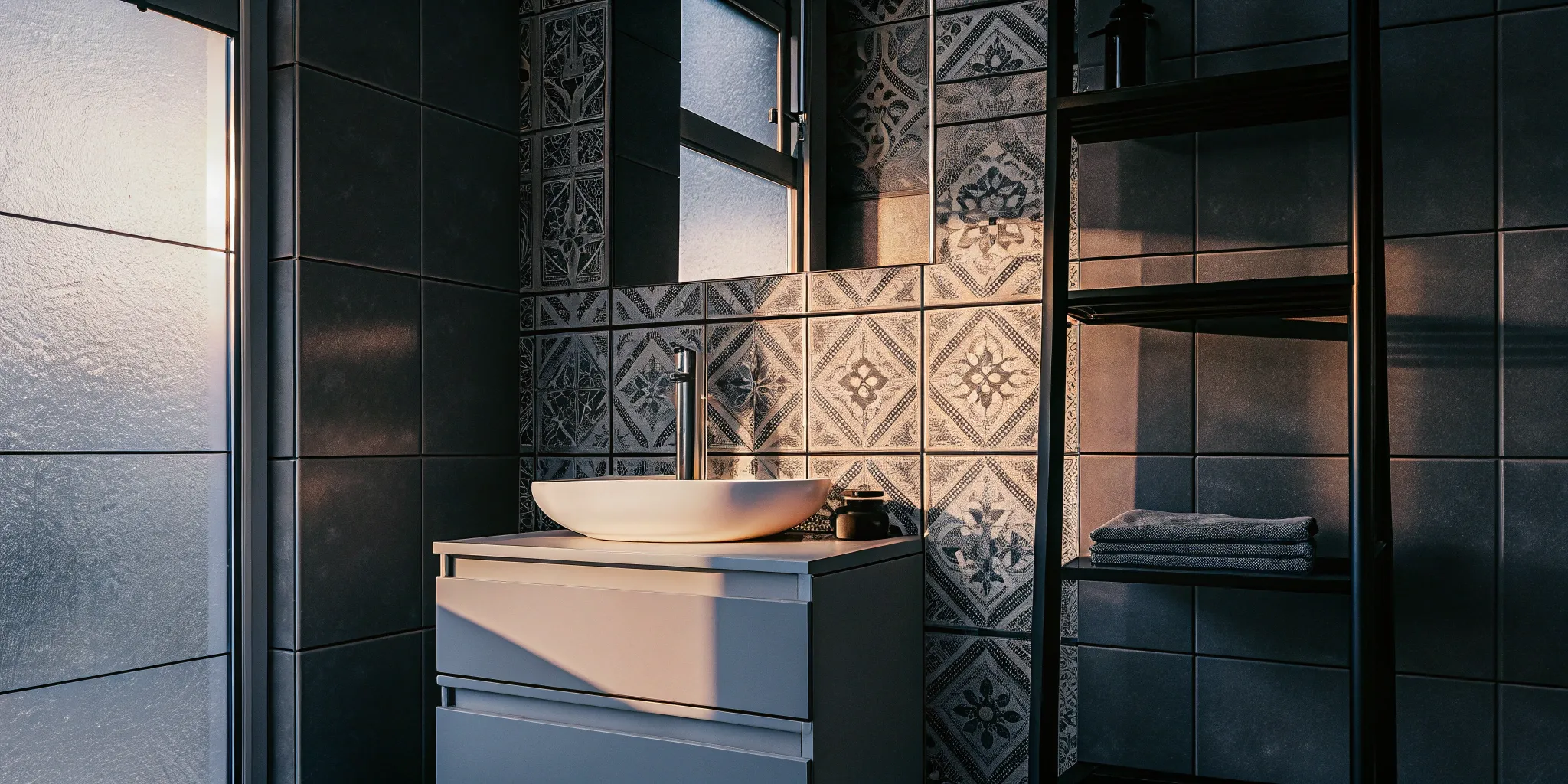
Let’s be honest: a small bathroom remodel won’t magically add square footage to your home. But what it can do is make the space feel significantly larger, brighter, and more comfortable. The secret lies in smart design and a few clever visual tricks that professionals use to transform cramped quarters into airy retreats. It’s all about creating an illusion of space through strategic placement of fixtures, the right materials, and thoughtful lighting. This isn’t about smoke and mirrors; it’s about intentional design. Here, we’ll explore effective small bathroom layout ideas that will help you maximize your room’s potential and create a space that feels surprisingly open and serene.
Key Takeaways
- Prioritize a Functional Layout Over More Fixtures: A successful small bathroom is defined by its flow. Arrange fixtures along a single wall or use corners to create clear, open pathways, which makes the space feel more comfortable and intuitive to use.
- Select Fixtures and Storage That Free Up Floor Space: Create the illusion of a larger room by choosing wall-mounted (“floating”) vanities and toilets. Use vertical space with built-in niches and tall, narrow cabinets to keep surfaces clear and the floor visible.
- Amplify Light and Sightlines with Smart Finishes: Use a light color palette, large mirrors, and a clear glass shower enclosure to make the room feel brighter and more open. These choices reflect light and eliminate visual barriers, tricking the eye into seeing a more expansive space.
What Makes a Small Bathroom Layout Successful?
A successful small bathroom layout isn’t about finding a secret trick that magically adds square footage. It’s about being strategic. The goal is to create a space that is functional, feels open, and supports your daily routine without feeling cramped. With smart design choices, even the most compact bathroom can become a comfortable and stylish retreat. The key is to prioritize function and flow before you even think about tile colors or fixture styles.
The most important rule is to plan for how you’ll actually use the space. This means arranging the toilet, sink, and shower in a way that creates clear, easy pathways. You should be able to move from the door to any fixture without having to sidestep a vanity corner or squeeze past the toilet. Because fixtures are difficult and costly to move once installed, careful planning is essential to avoid a layout that feels crowded or awkward.
A thoughtful layout is the foundation of any great bathroom remodeling project. It ensures every element has a purpose and its own designated space, which helps reduce clutter and creates a sense of calm. By maximizing every inch, a successful layout can make your small bathroom feel surprisingly spacious and perfectly suited to your needs.
Use Corners to Maximize Your Space
When you’re working with a small bathroom, every square inch counts. One of the most overlooked areas with major potential? The corners. Instead of letting them become dead space, you can use them to your advantage. Placing key fixtures like the shower or vanity in the corners frees up the central area of the room, making it feel more open and easier to move around in. This strategy is all about creating better traffic flow and a less cluttered visual field. A well-planned bathroom remodeling project can transform a cramped room into a functional, airy retreat simply by rethinking how you use the corners. It’s a clever approach that works wonders without needing to knock down walls. By shifting the visual weight of the room away from the center, you create an illusion of more space and a more comfortable, practical layout for your daily routine. This isn’t just about fitting things in; it’s about designing a space that feels intentional and calm, where you aren’t constantly bumping into things. It’s a foundational principle for making a small space work smarter, not harder.
Tuck in a Corner Shower
A bulky, square shower can dominate a small bathroom, making the whole room feel tight. The solution? Put your shower in a corner to save precious floor space. Corner shower designs, like neo-angle or rounded models, are specifically made for this purpose. Their shape cuts across the corner, removing the sharp angle and opening up the floor. This not only gives you more room to move but also makes the entire bathroom feel larger. It’s a simple switch that can completely change the dynamic of your layout, turning a tight spot into a smart and stylish feature of your bathroom without sacrificing function.
Angle Your Vanity for Better Flow
A good layout makes your bathroom feel open and practical, while a poor one can feel awkward, even with beautiful materials. If your current vanity creates a bottleneck near the doorway, consider a corner vanity. Placing a vanity diagonally across a corner can soften the room’s sharp lines and create a more organic flow. This is especially effective for improving the path from the door to the toilet or shower. You can find vanities designed to fit perfectly into corners, or a skilled contractor can create a custom solution that maximizes both storage and floor space while keeping your main walkway clear and unobstructed.
Try a Diagonal Design
Beyond just placing one fixture in a corner, you can apply a diagonal approach to the entire room’s design. This layout strategy helps ensure you have enough room to move, bend, and turn without bumping into anything. The path from the door to each fixture should feel direct and clear. For instance, laying floor tiles on a diagonal can visually stretch the room, making it appear wider and longer. This is a classic designer trick that fools the eye into seeing more space than is actually there. Our design and build services can help you map out a layout that uses diagonal lines to create a sense of spaciousness and effortless movement.
Streamline Your Space with a Linear Layout
A thoughtful layout can make even the most compact bathroom feel open and luxurious. One of the most effective strategies for a small space is a linear design, which arranges the main fixtures along one or two walls. This approach creates a clear, unobstructed path from the door to the end of the room, making the space feel longer and more organized. By aligning the sink, toilet, and shower, you create a sense of order and simplicity that visually expands the room.
This streamlined setup isn’t just about looks; it’s also incredibly practical. Grouping your fixtures often simplifies the plumbing and electrical work required for a bathroom remodel, which can be a smart move for your timeline and budget. A linear layout is a classic for a reason—it’s an efficient, elegant solution that maximizes both function and the feeling of spaciousness. It proves that you don’t need a huge footprint to create a bathroom that feels both comfortable and high-end.
The All-on-One-Wall Solution
The simplest and often most effective linear layout places the sink, toilet, and shower or tub in a single line against one wall. This is a go-to for professional designers because it leaves the opposite wall completely free, creating an open and easy-to-clean floor plan. This layout is the gold standard for maximizing flow and function. By consolidating all the plumbing into one wall, the design and build process becomes more efficient. The result is a clean, uncluttered look that feels intentional and spacious, no matter how small the room is.
Design a Galley-Style Bathroom
If your bathroom is long and narrow, a galley-style layout might be the perfect fit. This design places fixtures on two parallel walls with a central walkway in between. For example, you could have the vanity on one side and the toilet and shower on the other. To keep the walkway from feeling tight, consider space-saving fixtures. A corner shower with a rounded glass door, for instance, can free up valuable floor space and soften the room’s angles. You can find plenty of inspiration for this classic layout in our project gallery.
Perfecting the Three-Quarter Bath
Do you really need a bathtub? If not, opting for a walk-in shower can completely transform a small bathroom. This turns the space into a three-quarter bath and opens up a world of design possibilities. Without a bulky tub taking up a third of the room, you gain more floor space and create an opportunity for a larger vanity, a storage cabinet, or simply a more open feel. A glass-enclosed walk-in shower adds a touch of luxury and keeps the sightlines clear, making it a smart and stylish choice for any home renovation.
How Can You Add Storage Without the Clutter?
One of the biggest challenges in a small bathroom is finding a place for everything without making the room feel cramped. The secret isn’t about adding more furniture; it’s about integrating smart, efficient storage that works with your layout, not against it. A successful bathroom remodeling project transforms a cluttered space into a serene and functional retreat by making every square inch count. From walls to hidden nooks, there are plenty of opportunities to store your essentials neatly and stylishly. By thinking creatively about your storage, you can keep your countertops clear and maintain that open, airy feeling you want in a small space. Let’s look at a few ways to achieve a clutter-free bathroom.
Go Vertical with Your Storage
When you can’t build out, build up. Using your vertical space is the most effective way to add storage without sacrificing precious floor area. Think about tall, narrow linen towers that fit snugly in a corner or floating shelves that can hold towels and decorative items. We often recommend building shelves directly into the wall, creating recessed niches in the shower for shampoo bottles or above the toilet for toiletries. This approach keeps things tidy and accessible while drawing the eye upward, which can make the entire room feel more spacious and open.
Find Opportunities for Built-Ins
For a truly seamless and high-end look, nothing beats custom built-in storage. Unlike standalone furniture, built-ins are designed to fit your space perfectly, ensuring they don’t block movement or look out of place. Consider a recessed medicine cabinet behind your mirror or a vanity custom-built to fit an awkward alcove. These integrated solutions hide clutter behind closed doors and contribute to a clean, cohesive design. Our design and build services focus on creating these kinds of smart, personalized storage features that make your daily routine easier.
Choose Multi-Functional Fixtures
In a small bathroom, every piece should work hard. Opt for fixtures and furniture that serve more than one purpose. A vanity with deep drawers or integrated shelving is a classic example. You can also find mirrors that double as medicine cabinets or shower benches that have built-in storage. Even smaller choices, like a wall-mounted faucet, can free up counter space around the sink. By selecting items that are both stylish and practical, you reduce the number of individual elements in the room, which instantly makes it feel less crowded and more organized.
Discover Hidden Storage Spots
Some of the best storage opportunities are the ones you don’t immediately see. A professional designer can help you identify underused areas in your bathroom. Think about installing a shallow shelf above the doorframe for extra towels or baskets. Toe-kick drawers at the base of your vanity can hold cleaning supplies or a scale. We’ve even installed narrow, pull-out cabinets between the toilet and the wall for discreetly storing essentials. You can see examples of these clever solutions in our gallery. It’s all about finding those hidden spots and turning them into functional, clutter-busting features.
What Design Tricks Make a Small Bathroom Feel Bigger?
Once you’ve settled on a layout, you can use a few clever design tricks to create an illusion of space. The right colors, materials, and lighting can transform a cramped bathroom into one that feels open, airy, and comfortable. These finishing touches are where your bathroom’s personality really comes to life, proving that even the smallest rooms can have a big impact. A thoughtful bathroom remodeling plan considers these details from the very beginning to ensure a cohesive and spacious-feeling result. By layering these strategies, you can make your small bathroom feel much larger than its actual square footage.
Use Light Colors and Smart Patterns
Color has a powerful effect on how we perceive a space. To make your small bathroom feel bigger, stick with a light and airy color palette. Shades of white, soft gray, and pale beige are excellent choices because they reflect light, making the room feel brighter and more open. This doesn’t mean your bathroom has to be boring; you can introduce texture with glossy tiles or a subtle wall finish. When it comes to patterns, think simple. Large-format tiles with minimal grout lines can make the floor and walls feel more expansive. Avoid small, busy patterns, which can overwhelm the space and make it feel cluttered.
Place Mirrors Strategically
A well-placed mirror is one of the oldest and most effective tricks in the book for expanding a room. A large mirror above the vanity will instantly make the bathroom feel twice its size by reflecting the space back on itself. For an even greater effect, consider placing a mirror on the wall opposite a window. This will capture and bounce natural light around the room, brightening up every corner. You can also opt for mirrored medicine cabinet doors, which provide hidden storage while contributing to the sense of openness. You can find plenty of inspiration for mirror placement in our project gallery.
Opt for Clear Glass and Open Shelving
Visual barriers can make a small bathroom feel sectioned off and cramped. Swap out that opaque shower curtain or frosted door for a frameless clear glass enclosure. This simple change allows your eye to travel all the way to the back wall, making the entire room feel like one continuous space. It also lets light flow freely, which is crucial in a small area. For storage, consider adding a few open shelves instead of a bulky, closed cabinet. While it seems counterintuitive, open shelving feels lighter and less intrusive, giving you a place for towels and decor without adding visual weight.
Brighten Up with the Right Lighting
Good lighting is essential in any bathroom, but it’s a complete game-changer in a small one. A single overhead fixture often casts shadows and makes a room feel dim. Instead, use a layered lighting approach. Start with a central ceiling fixture for general ambient light, then add task lighting, like a pair of sconces on either side of the mirror, to eliminate shadows. A backlit mirror is another fantastic option that provides even, flattering light. If your layout allows, adding a light inside the shower can make a huge difference. Our design and build services always include a custom lighting plan to make your new bathroom shine.
Give Yourself Room: Bathroom Spacing Essentials
A successful small bathroom layout isn’t just about what you put in it; it’s about the space you leave out. Proper spacing, or clearance, is the invisible framework that makes a room feel comfortable and functional rather than cramped and awkward. Once fixtures are installed, they’re difficult and expensive to move, so getting the layout right from the start is key. Following established spacing guidelines ensures you have enough room to move, get ready, and clean without bumping into corners or squeezing past fixtures. It’s the secret to creating a bathroom that feels intuitive and relaxing, no matter its size. A thoughtful plan considers not just where things go, but how you’ll live and move around them every single day.
Know Your Clearances for Comfort
Think of clearances as your personal space bubble inside the bathroom. For a successful bathroom remodeling project, these measurements are non-negotiable. Your toilet, for instance, needs at least 21 inches of clear space in front of it, though 30 inches is much more comfortable. From the center of the toilet to a wall or another fixture, you’ll want a minimum of 15 inches, with 18 inches being the ideal. If you’re dreaming of double sinks, make sure there are at least 36 inches between their centers to avoid bumping elbows. These numbers ensure your bathroom is truly usable, not just a collection of fixtures packed into a tight space.
Plan for Easy Traffic Flow
The golden rule for any bathroom layout is simple: design for function and flow before you even think about tile colors. Every element should support easy movement and comfortable use. You need clear, unobstructed pathways from the door to the sink, toilet, and shower. Can you step out of the shower and reach for a towel without contorting yourself around the toilet? Is there enough room to bend over the sink without bumping into the wall behind you? This is where professional design and build services make a world of difference, ensuring your final layout is as practical as it is beautiful.
Consider Accessibility for the Future
A great design serves you well both now and in the years to come. Incorporating accessibility features from the start is a smart move for any homeowner. This can be as simple as planning for a wider doorway—at least 32 inches is a good standard—to accommodate walkers or wheelchairs. Think about installing slip-resistant flooring and adding blocking in the walls for future grab bars. Placing light switches and towel racks at an easy-to-reach height also makes the space more user-friendly for everyone, from children to older adults. Planning for future needs ensures your bathroom remains a safe and comfortable space for a lifetime.
Smart Fixture Choices for Tight Spaces
The fixtures you choose are the workhorses of your bathroom, but in a small space, they have to do double duty by being both functional and space-conscious. The right toilet, vanity, and shower can completely change the perception of size in a compact room. It’s not just about finding the smallest options available; it’s about selecting smart designs that use space efficiently and contribute to an open, airy feel.
When planning your bathroom remodeling project, think about how each fixture interacts with the room’s layout. A bulky vanity can make a bathroom feel cramped, while a sleek, wall-mounted one can create an illusion of spaciousness. Similarly, the choice between a bathtub and a walk-in shower can dictate the entire flow of the room. By making deliberate choices, you can craft a bathroom that feels comfortable and looks beautiful, no matter its square footage. Let’s look at some specific fixture strategies that make a big impact in tight quarters.
Space-Saving Toilets and Vanities
Your toilet and vanity take up the most significant real estate in a small bathroom, so choosing wisely here is key. Consider a compact or round-front toilet instead of an elongated one to save precious inches. A wall-mounted toilet is an even better option, as it hides the tank in the wall and lifts the bowl off the ground, freeing up floor space. For your vanity, look for narrow-depth models or consider a pedestal sink to minimize its footprint. Even small details matter—a standing toilet paper holder or one built into the wall can save a few inches over a wall-mounted version.
The Great Debate: Walk-In Shower vs. Tub
This is a classic dilemma in small bathroom design. If you aren’t someone who takes regular baths, forgoing the tub for a walk-in shower can be a game-changer. A walk-in shower often gives you more design flexibility and opens up opportunities for built-in storage niches. Plus, their low or non-existent curbs make them more accessible and safer to get into. If a tub is non-negotiable, look into smaller, deeper soaking tubs that offer a luxurious feel without demanding as much floor space as a standard tub-shower combo. You can see examples of both in our project gallery.
Float Your Fixtures to Free Up Floor Space
One of the best tricks for making a small bathroom feel bigger is to get things off the floor. Wall-hung or “floating” fixtures, like vanities and toilets, create an uninterrupted line of sight across the flooring, which visually expands the space. A floating vanity also makes cleaning underneath a breeze. You can apply this same principle to storage. Instead of a bulky floor cabinet, use your vertical space with built-in wall niches, corner shelves, or tall, narrow storage units. Our design and build services can help you integrate these custom solutions to keep your bathroom tidy without taking up valuable floor space.
What Are the Biggest Small Bathroom Layout Mistakes to Avoid?
A great small bathroom layout is as much about what you leave out as what you put in. It’s easy to get carried away with exciting ideas, but a few common missteps can quickly turn your dream remodel into a cramped and awkward space. By understanding these potential pitfalls ahead of time, you can create a design that is both beautiful and highly functional. Let’s walk through the biggest mistakes we see so you can sidestep them in your own project.
Overcrowding the Room
This is the number one mistake in small bathroom design. The temptation is real: you want a double vanity, a separate shower, and plenty of storage. But trying to fit too many elements into a tight space will make it feel cluttered and difficult to use. Every fixture needs breathing room. Following proper spacing guidelines for clearances around the toilet and vanity isn’t just about following rules; it’s about ensuring daily comfort and flow. A thoughtfully designed bathroom with fewer, well-placed items will always feel more luxurious than one that’s packed to the gills.
Blocking Natural Light
Never underestimate the power of light. Natural light, in particular, is your best friend in a small bathroom, making it feel brighter, cleaner, and more expansive. A common error is placing a tall cabinet or a wall where it blocks a window, instantly making the room feel darker and smaller. If you have a window, make it a focal point. Use frosted or reeded glass for privacy instead of heavy curtains. Then, layer in a smart lighting plan with overhead lights for general brightness and sconces by the mirror for task lighting. A well-lit space is a welcoming space, and our bathroom remodeling projects always prioritize a great lighting scheme.
Ignoring Your Vertical Space
When floor space is at a premium, the only way to go is up. Forgetting to use your walls for storage is a huge missed opportunity. Instead of a wide, short vanity that eats up floor area, think about taller, more narrow solutions. You can use wall space for storage by adding built-in shower niches, floating shelves above the toilet, or a recessed medicine cabinet that sits flush with the wall. These strategies keep toiletries and towels organized and off the countertops without taking up a single square inch of your precious floor plan. This keeps the room feeling open and tidy.
Choosing Bulky Fixtures
The scale of your fixtures has a massive impact on how large the room feels. A standard-sized vanity or a deep soaking tub can completely overwhelm a small bathroom. Instead, look for fixtures designed for compact spaces. A wall-mounted or “floating” vanity is a fantastic choice because it exposes the floor underneath, creating an illusion of more space. The same goes for a wall-hung toilet. These space-saving fixtures not only look sleek and modern but are also easier to clean around. When you partner with a professional for your remodel, they can help you source the perfect fixtures that fit your room’s scale and your style.
The Best Materials and Hardware for Small Bathrooms
Once you’ve settled on a layout, the materials and hardware you choose will make all the difference. The right selections can trick the eye, making your small bathroom feel much larger and more open than its actual footprint. From the floor under your feet to the door you walk through, every surface plays a role in creating a sense of space. A thoughtful bathroom remodeling plan considers these details from the very beginning to ensure a cohesive and expansive feel. Let’s look at a few key areas where your choices can have a major impact.
Choose Flooring That Opens Up the Room
The floor is your bathroom’s foundation, and it can either make the room feel cramped or spacious. To create an open feel, choose tiles in light colors like white, beige, or pale gray. These colors make the room feel bigger because they reflect light. Consider using large-format tiles. With fewer grout lines, the floor appears less busy and more seamless, which helps expand the space visually. A continuous pattern, like laying tile diagonally, can also draw the eye across the room and make it feel wider.
Select Wall Finishes That Reflect Light
Your walls offer a huge opportunity to make a small bathroom feel brighter and more airy. Glossy or semi-gloss paint in a light shade is a great start, as the sheen will bounce light around the room. You can take this a step further with your tile choices. Glossy ceramic or glass tiles for your shower surround or as a backsplash will amplify light. Don’t forget the power of mirrors. A large, well-placed mirror can visually double the size of your space. For a modern look, consider a frameless mirror or a mirrored medicine cabinet. You can see how these elements come together in our project gallery.
Rethink Your Bathroom Door
A standard inward-swinging door can be a major space-waster in a tight bathroom, claiming valuable square footage that could be used for storage or simply for more comfortable movement. If your layout allows, consider an outward-opening door, but make sure it doesn’t obstruct a hallway. Even better, sliding or pocket doors can save space in small bathrooms by disappearing into the wall when open. A stylish barn door can also work well, adding a decorative touch while freeing up the interior. These are the kinds of smart solutions a professional design and build service can help you integrate seamlessly.
Ready to Plan Your Small Bathroom Remodel?
With a clear vision of what you want, you can start turning those ideas into a concrete plan. Taking the time to prepare properly ensures your project runs smoothly and results in a space you’ll love for years to come. The two most important first steps are understanding the physical limitations of your space and finding the right partner to bring your vision to life. These initial actions set the foundation for a successful and stress-free renovation.
Measure and Assess Your Space
Before you fall in love with a specific vanity or tub, grab a tape measure. A detailed assessment of your current bathroom is the most critical first step. As experts at The Spruce note, “fixtures are hard to move once installed,” so it’s essential to get the layout right from the start. Measure the room’s total dimensions, and note the locations of the door, windows, and existing plumbing. This will give you a realistic canvas to work with. When planning, always try to follow recommended spacing rules rather than just the bare minimums to create a more comfortable and functional bathroom. This initial homework will make your first conversation about a bathroom remodel much more productive.
Partner with a Professional for a Flawless Finish
While your measurements provide the blueprint, a professional designer brings it to life. A thoughtful layout is what makes a bathroom feel open and practical; a poor one can feel cramped, even with beautiful materials. An experienced team can see possibilities you might miss, suggesting creative solutions that maximize every square inch. Taking the time to think about your needs and wants helps a professional create the best small bathroom floor plan for your home. Working with a design-build firm means you have a dedicated partner to guide you from initial concept to the final, flawless finish. When you’re ready to discuss your project, our team is here to help you create a space that is both beautiful and perfectly functional.
Related Articles
- How to Plan a Small Bathroom with Shower Layout
- 50 Brilliant Small Bathroom Ideas with Shower & Toilet
- Remodel a Very Small Bathroom: Ideas & Costs
- Your Guide to the Perfect Master Bathroom Layout
- Small Bathroom Remodel: The Ultimate Guide
Frequently Asked Questions
Is a walk-in shower always the best choice for a small bathroom? Not necessarily, but it often is. If you rarely take baths, swapping a bulky tub for a walk-in shower with a clear glass enclosure is one of the most effective ways to make the room feel larger. It opens up sightlines and can give you more flexibility with your layout. However, if you have small children or truly love a good soak, a tub might be a priority. In that case, look for smaller, deeper soaking tubs that provide a comfortable experience without taking up as much floor space as a standard tub-shower combo.
Can I use dark colors in my small bathroom, or do I have to stick to white? You can absolutely use dark colors, but you have to be strategic. While an all-white bathroom is a classic way to create a sense of space, a dark color can add drama and a cozy, sophisticated feel. The key is balance. Consider using a dark, moody color on an accent wall or the floor, but then pair it with excellent lighting, a large mirror, and reflective finishes like glossy tiles to keep the space from feeling closed in.
What’s the most important measurement to get right in a small bathroom layout? While all clearances are important, the clear space in front of your fixtures is what truly impacts daily comfort. Pay close attention to the room in front of the toilet and the main pathway from the door to the sink and shower. You need enough space to move and turn around without feeling squeezed. A minimum of 21 inches in front of the toilet is required by code, but aiming for 30 inches will make a world of difference in how functional the bathroom feels.
My bathroom has no windows. How can I make it feel less like a cave? A windowless bathroom requires a smart lighting and materials plan. First, layer your lighting. Don’t rely on a single overhead fixture. Instead, use a combination of a bright ceiling light, task lighting like sconces beside the mirror, and even a light inside the shower. Next, install the largest mirror the space can handle to bounce all that light around. Finally, choose finishes with a bit of sheen, like semi-gloss paint or glossy tiles, which will help reflect light and make the room feel brighter.
Besides a smaller vanity, what’s another smart way to create more floor space? Getting fixtures off the ground is a fantastic strategy. A wall-mounted or “floating” toilet is a perfect example. Because the tank is hidden in the wall and the bowl is lifted off the ground, your flooring can run uninterrupted underneath it, which visually expands the room. This same principle applies to a floating vanity. Seeing more of the floor instantly makes a room feel larger and more open.