
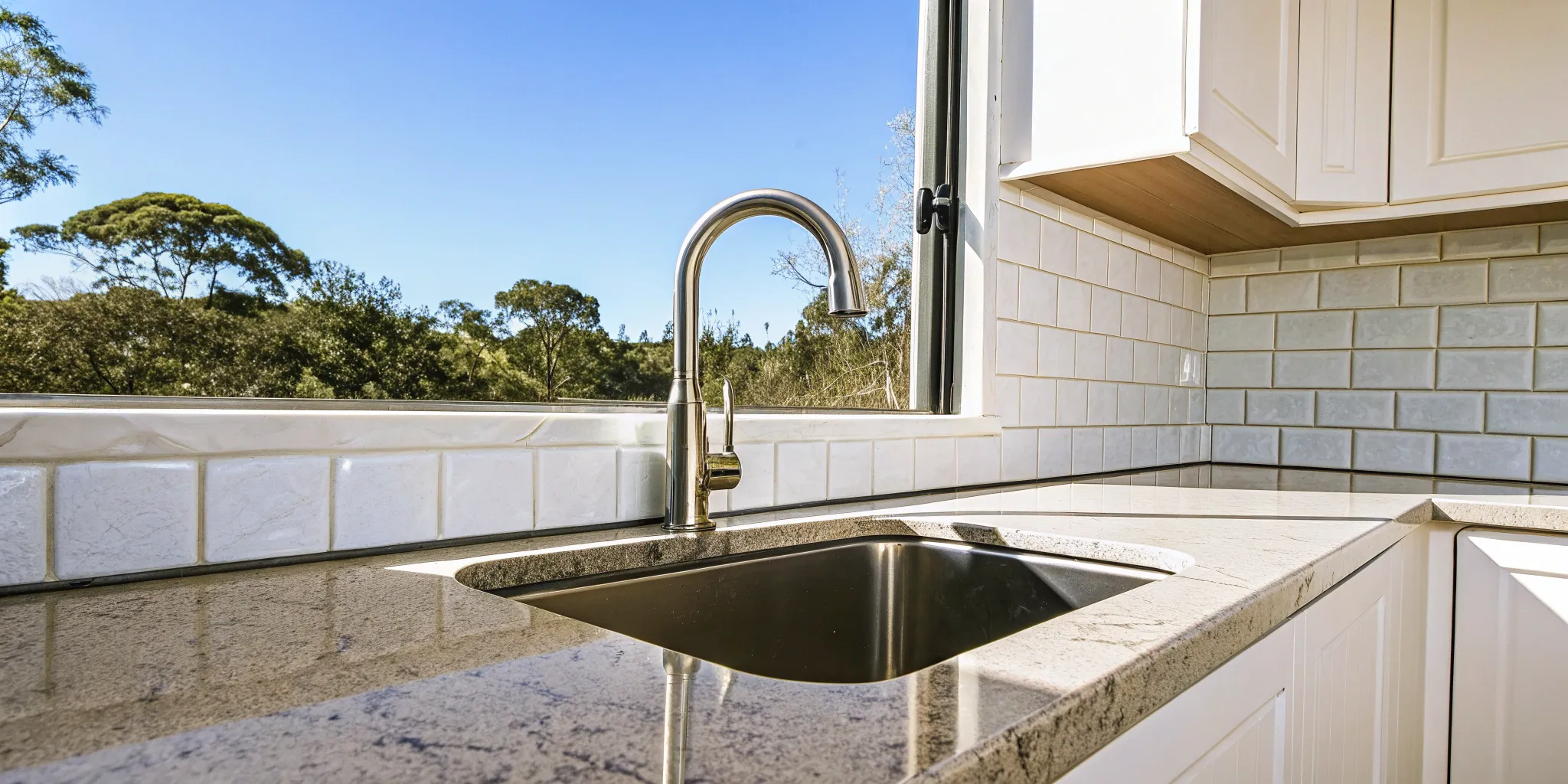
Thinking about a kitchen remodel is exciting, but the first question that pops into everyone’s mind is always about the price. Trying to find a straight answer online can be frustrating, with huge ranges that don’t always apply to our homes here in Chicagoland. A major reason for this confusion is the cost of appliances, which can vary by tens of thousands of dollars. That’s why the most practical way to start planning is by understanding the small kitchen remodel cost without appliances. This gives you a clear, realistic baseline for the project itself—the craftsmanship, cabinets, countertops, and flooring that truly transform the space. This guide will break down those core costs so you can build a confident budget.
Key Takeaways
- Establish a Realistic Financial Plan: A small kitchen remodel without new appliances typically falls between $9,000 and $25,000. Your most crucial financial tool is a 10-20% contingency fund set aside for unexpected issues that may surface during demolition.
- Focus on High-Impact Savings: The two most effective ways to control costs are to keep your kitchen’s existing layout, which avoids expensive plumbing and electrical work, and to reface or refinish your cabinets instead of replacing them entirely.
- Finalize Your Plan Before Demolition Begins: Rushing the planning phase is a costly mistake. Make every decision on materials, finishes, and hardware with your contractor before any work starts to prevent expensive mid-project changes and delays.
What’s the Real Cost of a Small Kitchen Remodel (Excluding Appliances)?
Let’s get right to it. When you set aside the cost of new appliances, a small kitchen remodel typically lands somewhere between $9,000 and $25,000. The national average hovers around $16,000, but here in Chicagoland, the final number depends heavily on your taste in materials and the scope of your project. Think of this as the cost for the “bones” of your kitchen—the cabinets, countertops, flooring, and professional craftsmanship that bring it all together. This range gives you a realistic starting point for planning your budget and helps you understand what’s possible for your home.
A helpful way to estimate your own costs is to think in terms of square footage. Most small kitchen remodeling projects cost between $100 and $250 per square foot. This price covers the fundamental elements that transform the space. So, for a standard 10×10 foot kitchen (100 square feet), you can see how the math leads you right back to that $10,000 to $25,000 range. This figure includes the demolition of the old kitchen, installation of new materials, plumbing and electrical work, and fresh paint to finish the look.
One of the biggest factors that can push your budget toward the higher end of that spectrum is changing the kitchen’s layout. If you want to move your sink, dishwasher, or oven, you’re also talking about moving the plumbing and electrical lines behind the walls. These changes add significant labor and complexity to the job. The most effective way to manage costs is to keep your kitchen’s existing footprint. A professional design and build team can help you reimagine the space within its current layout, maximizing function and style without the expense of a major reconfiguration.
Even without buying new appliances, the bulk of your budget will go toward materials and labor. Cabinets are often the single largest expense, followed by countertops and the labor required for a flawless installation. According to various cost guides, you can expect skilled labor to make up about 15% to 30% of your total project cost. Investing in experienced professionals ensures that your beautiful new materials are installed correctly, giving you a kitchen that not only looks fantastic but is built to last.
What Factors Drive Remodel Costs?
When you start planning a kitchen remodel, the first question is usually, “How much will this cost?” The truth is, there’s no single price tag. The final cost of your project is a collection of choices you make along the way. Think of it less like buying a product off the shelf and more like creating a custom recipe—you control the ingredients. Understanding the key factors that influence your budget gives you the power to decide where to save and where to splurge.
From the physical size of your space to the intricacy of the design, every detail plays a role. The materials you choose for your countertops and cabinets can swing the price significantly, as can the level of craftsmanship required to bring your vision to life. A simple refresh will cost far less than a full-scale renovation that involves moving walls or rerouting plumbing. By breaking down these cost drivers, you can build a realistic budget and plan a kitchen remodel that fits your home and your finances perfectly. Let’s look at the main components that will shape your project’s bottom line.
Kitchen Size and Layout
It might seem obvious, but the size of your kitchen is a primary factor in your remodel’s cost. A larger space requires more materials—more flooring, more countertop surface, and more cabinetry—which naturally increases the price. However, it’s not just about square footage. The layout is just as important.
If you plan to keep your kitchen’s existing footprint, you’ll save considerably on labor costs. But if your project involves moving walls, reconfiguring the plumbing for a new sink location, or running new electrical for an island, the complexity and cost go up. A well-designed small kitchen can be incredibly functional, and a thoughtful layout can make the space feel larger and work smarter without the expense of a major overhaul.
Quality of Materials
Your material selections are where you have the most control over your budget. The finishes you choose for your kitchen—from cabinets and countertops to flooring and backsplashes—come in a vast range of price points. For example, custom-built solid wood cabinets will be a larger investment than stock or semi-custom options. Similarly, a high-end quartz or granite countertop will cost more than laminate.
This is where you can balance your aesthetic goals with your financial ones. You might decide to splurge on a durable, beautiful countertop that will be a daily workhorse and save on a classic, affordable subway tile for the backsplash. Exploring our project gallery can give you a great sense of how different materials look and feel in a finished space.
Professional Labor
Hiring skilled professionals is an investment in the quality and longevity of your kitchen. Labor costs, which include demolition, installation, plumbing, electrical work, and finishing, typically make up a significant portion of the total project budget. While it might be tempting to cut corners here, professional craftsmanship ensures the job is done correctly, safely, and up to code.
An experienced team can foresee potential issues, manage subcontractors, and keep the project on schedule, saving you from costly mistakes and headaches down the road. When you partner with a design and build firm, you’re paying for a seamless process and the peace of mind that comes with knowing your home is in capable hands.
Scope and Complexity
The scope of your project is the single biggest factor determining its cost. Are you planning a simple cosmetic update or a complete gut renovation? A straightforward refresh involving new paint, cabinet hardware, and a new faucet will be on the lower end of the cost spectrum.
On the other hand, a project that involves changing the layout, removing a load-bearing wall to create an open-concept space, or adding new windows is far more complex. These structural changes require more intensive labor, engineering, and materials, which drives up the price. Defining a clear scope from the beginning helps you create an accurate budget and prevents “scope creep,” where small additions gradually inflate the final cost.
Permits and Hidden Costs
Every major renovation comes with a few costs that are easy to overlook in the initial planning stages. If your remodel involves structural, electrical, or plumbing changes, you will likely need to secure permits from your local municipality. These permits ensure the work meets safety standards and building codes, and their costs can range from a few hundred to over a thousand dollars.
It’s also wise to plan for the unexpected. Once demolition begins, you might uncover issues like old, faulty wiring, hidden water damage, or asbestos that need to be addressed. Building a contingency fund—typically 10-15% of your total budget—gives you a financial cushion to handle these surprises without derailing your project. An experienced contractor can help you anticipate these potential costs when you discuss your project.
Where Does the Money Go? A Budget Breakdown
When you start planning a kitchen remodel, it can feel like you’re just guessing at numbers. Seeing the total cost is one thing, but understanding exactly where each dollar is going is what empowers you to make smart decisions. A typical budget for a small kitchen remodel (without appliances) can be broken down into a few key categories. Knowing these percentages helps you allocate your funds effectively and decide where to splurge and where to save. Let’s walk through a standard budget breakdown.
Cabinets: The Largest Slice of Your Budget (35-40%)
It’s no surprise that cabinets take up the biggest portion of the budget. They are the backbone of your kitchen, defining its layout, style, and storage capacity. This expense covers not just the cabinets themselves but also the hardware, delivery, and installation. Costs can range from around $100 to over $200 per linear foot, depending on whether you choose stock, semi-custom, or fully custom options. While it’s a significant investment, high-quality cabinetry is essential for a functional and beautiful kitchen remodel that stands the test of time. They set the entire tone for the space, so this is one area where your choices make a huge impact.
Labor: The Cost of Craftsmanship (20-25%)
This is where the magic happens. Labor costs cover the team of skilled professionals who bring your vision to life—from demolition and installation to plumbing, electrical work, and finishing touches. While it might be tempting to cut corners here, investing in experienced craftsmanship is crucial for a successful project. Professional labor ensures everything is done correctly, safely, and up to code, preventing costly mistakes and future headaches. Our design and build services manage every aspect of this process, so you can trust that your project is in expert hands from start to finish. Think of this as paying for peace of mind.
Countertops: Where Style Meets Surface (10-15%)
Your countertops are a major focal point and one of the hardest-working surfaces in your home. The cost can vary dramatically based on the material you choose, with options ranging from affordable laminate to high-end quartz and granite. Prices often fall between $15 and $70 per square foot, installed. When making your selection, consider both the look and the lifestyle of your household. Do you need something that’s scratch- and stain-resistant? Or is a specific aesthetic your top priority? You can browse our project gallery to see how different countertop materials look in real Chicagoland homes.
Flooring: The Foundation of Your Kitchen (7-10%)
The right flooring grounds your kitchen design and needs to withstand heavy foot traffic, spills, and everything in between. Material costs typically range from $3 to $10 per square foot, plus installation. Popular choices like luxury vinyl, ceramic tile, and hardwood each come with their own price points and maintenance needs. When choosing your flooring, think about durability, comfort, and how it connects with the rest of your home’s style. A durable, easy-to-clean floor is a practical investment that will pay off for years to come.
Finishing Touches: Lighting, Paint & Hardware (5-8%)
Don’t underestimate the power of the final details! This category includes everything that adds personality and polish to your kitchen: light fixtures, faucets, cabinet pulls, paint, and a backsplash. While individually small, these costs can add up. For example, a new lighting plan alone can range from $500 to $2,000. These finishing touches are where you can really infuse your style into the space. They are the elements that tie the whole design together and make your new kitchen feel uniquely yours.
Permits & The Unexpected (3-5%)
Every remodel has its surprises. This part of the budget covers two important things: building permits and a contingency fund. Most remodels that involve moving walls or altering plumbing and electrical systems require permits, which can cost between $500 and $1,500. It’s also wise to set aside a contingency fund (we recommend 10-15% of your total budget) for unexpected issues that might pop up, like hidden water damage or outdated wiring. An experienced contractor can help you anticipate these potential costs and plan accordingly. If you have questions about what your project might require, feel free to contact us for a consultation.
How Your Material Choices Affect the Bottom Line
The materials you choose for your kitchen—from the cabinets to the countertops and flooring—are one of the biggest factors influencing your final project cost. It’s a classic balancing act between the look you want, the durability you need, and the budget you have. A high-end material like custom cabinetry or marble countertops can easily consume a large portion of your funds, while more budget-conscious options can deliver a beautiful result without the hefty price tag.
This is where planning becomes so important. Understanding the pros, cons, and price points of different materials helps you make informed decisions. You might decide to splurge on durable quartz countertops that will last for decades and save on luxury vinyl flooring that beautifully mimics hardwood for a fraction of the cost. Working with an experienced design and build team can be a huge advantage here, as we can guide you toward materials that fit your aesthetic, lifestyle, and financial plan, ensuring you get the best possible value from your investment.
Cabinets: Laminate vs. Solid Wood
Cabinets are often the most significant material expense in a kitchen remodel, so your choice here matters. If your existing cabinet boxes are in good shape, refinishing or refacing them is almost always the most budget-friendly route. However, if you need new cabinets, you have a spectrum of options. Stock or semi-custom cabinets offer a fantastic middle ground, providing style and function without the high cost of fully custom builds. Material-wise, laminate or thermofoil cabinets are typically less expensive than solid wood. While solid wood offers timeless appeal and longevity, modern laminates are incredibly durable and come in a vast array of colors and finishes, giving you plenty of design flexibility.
Countertops: Laminate vs. Quartz vs. Granite
Your countertops are a major focal point, and the cost can vary dramatically. Laminate is the most affordable option and has come a long way in terms of style, but it’s less resistant to heat and scratches than stone. On the higher end, granite and quartz offer superior durability and a premium look. Granite is a natural stone, meaning every slab is unique, but it requires periodic sealing to prevent stains. Quartz is an engineered product known for its incredible durability and non-porous surface, making it maintenance-free. You can see beautiful examples of both in our project gallery to help you decide which look you prefer.
Flooring: Vinyl vs. Tile vs. Hardwood
When it comes to kitchen flooring, you need something that can handle spills, foot traffic, and dropped utensils. Luxury vinyl flooring is a popular and cost-effective choice because it’s waterproof, durable, and can convincingly mimic the appearance of more expensive materials like hardwood or stone tile. Ceramic or porcelain tile is another durable, water-resistant option with a classic appeal, though it can feel hard and cold underfoot. While beautiful, solid hardwood is generally the most expensive option and is more susceptible to water damage, making it a less practical choice for a busy kitchen unless you’re diligent about cleaning up spills immediately.
Smart Swaps: High-Impact, Lower-Cost Materials
Creating a stunning kitchen doesn’t always mean choosing the most expensive materials for every surface. The key is to invest strategically. You can achieve a high-end look by mixing different materials to create texture and visual interest. For instance, consider installing a striking, high-quality tile for the backsplash—a relatively small area—while opting for more standard cabinets. Upgrading the hardware on stock cabinetry can also make it feel much more custom. Another great strategy is to use a more expensive material, like butcher block or quartz, on a kitchen island to create a focal point, while using a more affordable option for the perimeter countertops.
How to Save Money on Your Small Kitchen Remodel
A stunning kitchen transformation doesn’t have to come with a shocking price tag. I know it can feel overwhelming when you start looking at costs, but with some strategic planning and smart decisions, you can achieve the kitchen of your dreams while keeping your budget firmly in check. It’s all about knowing where to spend for maximum impact and where you can find clever savings. These cost-effective strategies will help you make every dollar count, ensuring you get a beautiful, functional space without overextending your finances.
A thoughtful approach to your kitchen remodeling project allows for significant savings without compromising on the quality or style you envision for your home. By focusing on high-impact changes that you’ll notice every day—like countertops and lighting—you can create a kitchen that feels brand new. This isn’t about cutting corners on quality; it’s about making intelligent choices that prioritize what’s most important to you and your family’s lifestyle. From working with your existing layout to timing your purchases just right, there are plenty of ways to be resourceful. Let’s explore some of the most effective ways to manage your remodel costs so you can move forward with confidence and excitement.
Keep Your Current Layout
One of the most significant ways to control costs is to work with your kitchen’s existing footprint. Moving walls or changing the location of plumbing and electrical lines adds major expenses due to the need for plumbers, electricians, and drywall specialists. Keeping your sink, dishwasher, and stove in their current spots eliminates these complex and costly tasks. This single decision can save you thousands of dollars and simplify the entire renovation process. By maintaining the layout, you can focus your budget on the elements that make the biggest visual impact, like new countertops, cabinets, and lighting.
Consider Cabinet Refacing Over Replacement
Cabinets are often the biggest line item in a kitchen budget, but you don’t always need to start from scratch. If your cabinet boxes are in good structural shape, refacing or refinishing them is a fantastic, budget-friendly alternative to a full replacement. Refacing involves replacing the doors and drawer fronts and applying a new veneer to the exterior of the boxes, giving you a completely new look for a fraction of the cost. If your current cabinets just need a refresh, a professional paint job can work wonders. This approach lets you achieve a high-end look without the expense of brand-new custom cabinetry.
Tackle Smart DIY Projects
If you’re feeling handy, taking on a few projects yourself can lead to some serious savings. Tasks like painting the walls, swapping out old cabinet hardware for new pulls, or even installing a peel-and-stick backsplash are manageable for most homeowners. However, it’s crucial to know your limits. For your safety and the integrity of your home, always leave the complex work—like electrical, plumbing, and gas line adjustments—to licensed professionals. Partnering with a design and build team ensures these critical jobs are done right, preventing costly mistakes down the road.
Time Your Purchases to Save
Patience can pay off when it comes to buying materials. Just like you’d wait for a sale to buy a new TV, you can save on big-ticket kitchen items by timing your purchases. Keep an eye out for major sales events like Black Friday, Labor Day, or Memorial Day, when retailers often offer deep discounts on flooring, countertops, and lighting fixtures. Planning your remodel around these sales can cut your material costs significantly. It requires a bit of foresight, but the savings can free up room in your budget for other upgrades or simply leave more money in your pocket.
Common Budgeting Mistakes to Avoid
Creating a budget for your kitchen remodel is one of the most important steps you’ll take. A well-planned budget acts as your roadmap, guiding your decisions and keeping the project on track. But it’s easy to make a few missteps along the way that can lead to stress and unexpected costs. Thinking through these common pitfalls ahead of time will help you create a realistic financial plan, ensuring your remodel is a positive experience from start to finish. Let’s walk through the four biggest budgeting mistakes we see homeowners make and how you can steer clear of them.
Underestimating the Total Cost
It’s easy to get excited about new cabinets and countertops, but it’s the smaller details that often get overlooked in an initial budget. Things like permit fees, new electrical outlets, plumbing adjustments, and debris disposal can add up quickly. It’s a common mistake to underestimate these overall costs, which can put a strain on your finances later. The best way to get a complete picture is to work with a professional who can provide a detailed, line-item estimate. A thorough plan from an experienced kitchen remodeling contractor will account for every expense, giving you a clear and accurate understanding of the total investment required.
Forgetting a Contingency Fund
If there’s one piece of advice to take to heart, it’s this: always have a contingency fund. This is a buffer—typically 10% to 20% of your total budget—set aside for the unexpected. Especially in older Chicagoland homes, you never know what you might find behind the walls. This fund covers unforeseen issues like outdated wiring that needs updating, hidden water damage, or structural problems that need to be addressed. Think of it as your project’s safety net. It provides peace of mind and ensures that a surprise discovery doesn’t derail your entire remodel or force you to make compromises on your vision.
Ignoring Long-Term Value
When you’re trying to stick to a budget, it can be tempting to choose the cheapest materials available. However, spending a little more on quality items often provides better long-term value. For example, durable quartz countertops might have a higher upfront cost than laminate, but they will last for decades and add significant resale value to your home. It’s important to choose materials and features that give you the most for your money over time. You can see examples of beautiful, high-value projects in our remodeling gallery. Investing in quality craftsmanship and materials means you’ll enjoy your kitchen for years to come without worrying about premature repairs or replacements.
Rushing the Planning Process
A successful remodel is built on a solid foundation of careful planning. Rushing through the design and selection phase is one of the most costly mistakes you can make. Changing your mind about the layout, materials, or finishes after the work has already begun leads to delays and significant extra costs for labor and materials. Take your time to finalize every detail before demolition starts. Working with a design and build firm can be incredibly helpful here, as they guide you through the process, ensuring every decision is made thoughtfully. A well-prepared plan is your best defense against budget overruns and project regrets.
How to Plan Your Budget for a Successful Remodel
A successful remodel starts long before the first hammer swings—it begins with a solid, realistic budget. Planning your finances carefully is the single best thing you can do to ensure your project is exciting, not stressful. When you know where your money is going, you can make confident decisions and focus on the fun parts, like picking out your new countertops. A well-thought-out budget acts as your roadmap, guiding every choice from materials to finishes. It helps you and your contractor stay on the same page, preventing surprises and ensuring the final result is a kitchen you love, without any financial regrets. Let’s walk through the key steps to building a budget that sets your project up for success from day one.
Set Realistic Expectations
The first step in budgeting is understanding what a project like yours typically costs. While online articles might give you a national average—often citing a range of $10,500 to $15,000 for a small kitchen—it’s important to remember that costs can vary significantly based on your location, the scope of work, and the materials you choose. Think of these numbers as a starting point, not a final price tag. Your budget should reflect your specific goals for your kitchen remodel. Are you dreaming of custom cabinets and quartz countertops, or are you looking for smart, stylish updates with stock materials? Being honest about your priorities and what you can afford will help you create a practical financial plan.
Get Multiple Professional Estimates
Once you have a general idea of your budget, it’s time to get detailed estimates from qualified professionals. We recommend getting quotes from at least three different local contractors. This isn’t about finding the cheapest option; it’s about understanding the market and finding the best value. A detailed, itemized estimate is a sign of a thorough and professional contractor. It should clearly break down the costs for labor, materials, permits, and any other fees. This transparency allows you to compare quotes accurately and see exactly what you’re paying for. This process is also your first chance to interview potential partners and find a team you can trust. When you’re ready, you can contact us to get the conversation started.
Partner with an Experienced Contractor Like THP Builders
Choosing the right contractor is the most important decision you’ll make for your remodel. A great contractor does more than just build; they act as your project manager, advocate, and guide. They can help you refine your budget, suggest cost-effective material alternatives, and manage the entire project to keep it on schedule and prevent costly mistakes. Before signing a contract, always check a company’s references, read their reviews, and confirm they are licensed and insured. Partnering with an experienced team like THP Builders ensures your project is handled professionally from start to finish, turning your vision into a beautiful, functional kitchen that adds lasting value to your home.
Related Articles
- Small Kitchen Remodel Cost: A Complete Price Guide
- How Much Does a Kitchen Remodel Cost? [2025 Data]
- How Much Should a 10×10 Kitchen Remodel Cost?
Frequently Asked Questions
How long does a small kitchen remodel typically take? While every project is unique, a small kitchen remodel generally takes about three to six weeks from the start of demolition to the final touches. This timeline accounts for tearing out the old kitchen, installing new cabinets and countertops, handling any plumbing and electrical work, laying new flooring, and finishing with paint and a backsplash. A professional contractor will provide you with a detailed schedule so you know exactly what to expect and when.
Is it really that much cheaper to keep my kitchen’s current layout? Yes, it makes a huge difference. The most significant savings come from avoiding the need to move plumbing, gas, and electrical lines. Relocating your sink, dishwasher, or stove requires hiring licensed plumbers and electricians to reroute pipes and wires behind your walls, which adds considerable labor and complexity to the job. By keeping your kitchen’s existing footprint, you can dedicate more of your budget to the beautiful, high-impact finishes you’ll see and use every day.
What’s the difference between refacing and replacing cabinets? Replacing cabinets means completely tearing out the old cabinet boxes and installing brand-new ones. Refacing, on the other hand, keeps the existing cabinet structure intact. We simply replace the doors and drawer fronts and then apply a new veneer to the exterior of the boxes to match. If your cabinet boxes are still in good condition, refacing can give you the look of a brand-new kitchen for a fraction of the cost and with much less disruption.
Do I really need a contingency fund for a small project? Absolutely. Think of it as your project’s financial safety net. Even in a straightforward remodel, surprises can be hiding behind the walls, especially in older homes. You might uncover outdated wiring that isn’t up to code or signs of an old leak that needs to be addressed. Having a contingency fund—usually 10-15% of your total budget—means you can handle these unexpected issues without causing stress or derailing your project.
What’s the first step I should take if I’m considering a remodel? Before you do anything else, spend some time thinking about your vision. Start gathering inspiration from photos of kitchens you admire and make two simple lists: what you love about your current kitchen and what you absolutely want to change. Once you have a clear idea of your goals, the next step is to start a conversation with a professional. An experienced design and build team can help you translate your ideas into a workable plan and a realistic budget.