
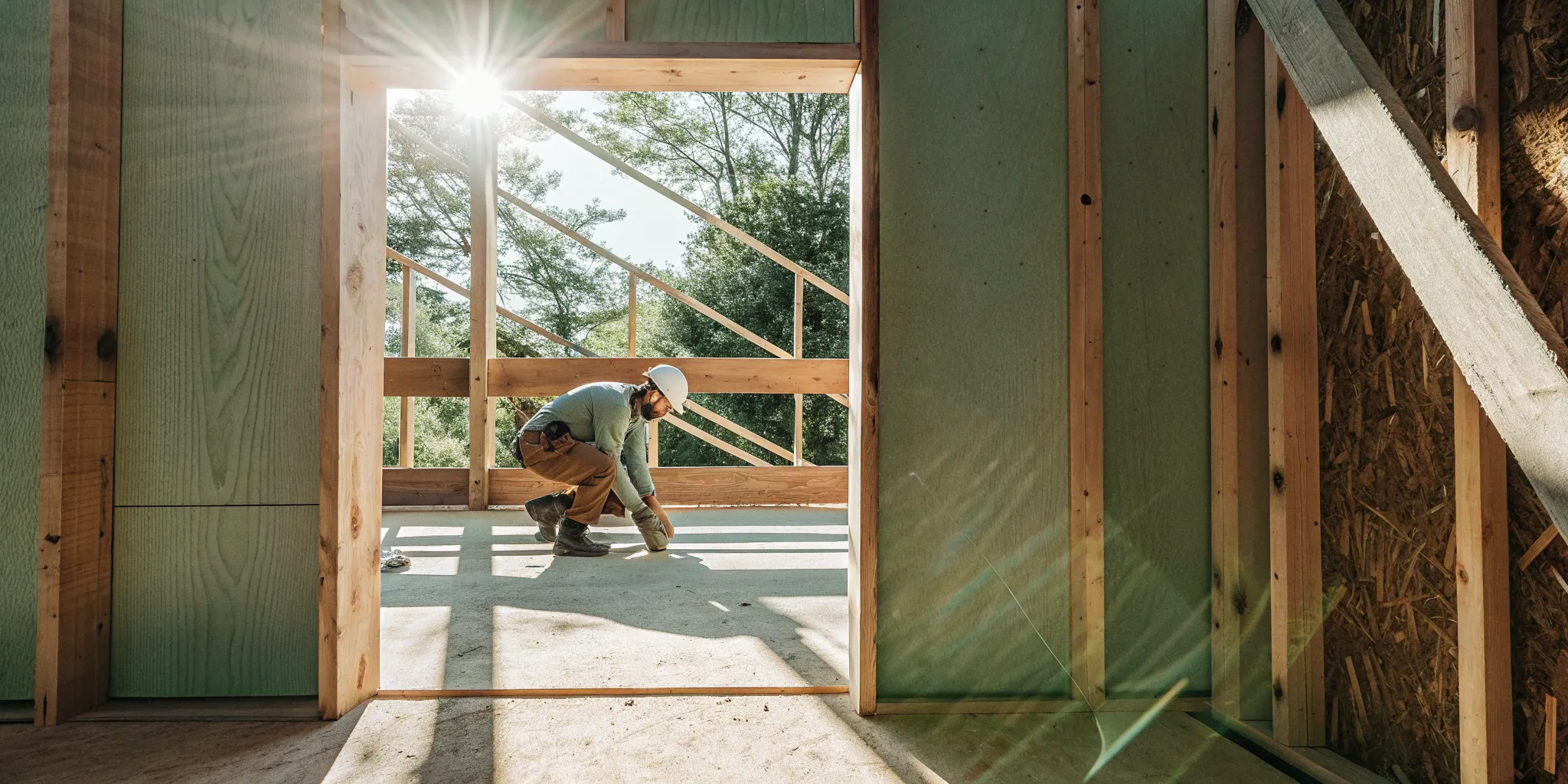
I love the satisfaction of a weekend DIY project. But while painting a room is rewarding, structural work is a different league entirely. Wood framing is the backbone of your home—a job where safety, building codes, and absolute precision are non-negotiable. This isn’t the place to learn as you go; a single mistake can compromise your entire home. For a project this critical, you need the expertise of professional wood framing contractors. They have the experience and tools to get it done right the first time. This guide will show you exactly how to find and choose the perfect one for your project.
Key Takeaways
- Vet Your Contractor Thoroughly: Go beyond a simple search by verifying their license and insurance, looking through a portfolio of their past work, and calling recent references to understand their quality and professionalism.
- Put Everything in Writing: A successful project depends on a clear, signed contract. Ensure it outlines the complete scope of work, a project timeline, a payment schedule, and the specific materials being used.
- Framing Isn’t a DIY Job: Your home’s frame is its structural core where mistakes are costly and dangerous. Hiring a professional ensures the work is precise, meets all building codes, and is built to last.
What Does a Wood Framing Contractor Actually Do?
When you think about a home remodel, you probably picture new cabinets, sparkling countertops, or a fresh coat of paint. But before any of that can happen, you need a solid structure. That’s where a wood framing contractor comes in. Think of them as the artists who build the skeleton of your home. They are the specialists responsible for creating the sturdy framework that supports every other part of your house, from the walls and floors to the roof over your head. Their work is the hidden foundation of a beautiful and safe home, ensuring everything is strong, square, and built to last for decades.
Common Framing and Carpentry Services
Framing isn’t a one-size-fits-all job. Depending on the project, your contractor will use specific techniques to build a safe and durable structure. While you don’t need to become an expert, understanding the basics can help you follow along with the process and appreciate the skill involved. The two most common services you’ll likely hear about are rough framing and stick framing. These methods form the essential structure for everything from a small room reconfiguration to a brand-new home addition, setting the stage for all the finishing touches you’re excited to see.
Rough Framing
Rough framing is exactly what it sounds like: creating the rough outline of the structure. This is the critical first step where the skeleton of your project is built. Using materials like wood and sometimes steel, contractors construct the home’s main frame, including the walls, floor joists, and roof trusses. This is the phase where your blueprints start to look like a real, three-dimensional space. Precision is everything here, as the rough frame must be perfectly square and level to support drywall, windows, and doors correctly. It’s the foundational work that ensures the long-term safety and integrity of your home.
Stick Framing
Stick framing, also known as platform framing, is the most common method used in modern residential construction. The name comes from the process of building the frame “stick by stick.” Contractors build the walls for one floor, then lay a platform (which becomes the floor for the level above) on top of them, and then repeat the process for the next story. This technique is popular because it’s efficient and offers incredible design flexibility, making it ideal for the custom layouts seen in modern design and build projects. It allows for open-concept spaces and unique room shapes while meeting strict building codes.
Building Your Home’s Structural ‘Bones’
A strong, well-built frame is the most important part of any building. It’s often called the “bones” or “skeleton” of the house for a good reason: if the frame isn’t right, the rest of the building won’t be either. A framing contractor’s primary job is to construct this essential framework. They interpret blueprints to assemble the studs, joists, and rafters that form the shape of your home. This structure is what drywall, insulation, siding, and roofing will eventually be attached to. Getting this stage perfect is non-negotiable for the long-term stability and safety of any home renovation project.
Assembling Walls, Floors, and Roofs
A framing contractor’s work touches nearly every major structural component of a house. They meticulously build the interior and exterior walls that create your rooms, erect the floor systems you walk on, and construct the roof structure that protects you from the elements. Whether it’s for a new build or a home addition, their goal is to make sure every frame they build is strong, secure, and perfectly aligned. They work with precision to ensure that every wall is plumb and every corner is square, creating a solid base for all the finishing work that follows.
Prepping for Windows and Doors
Framing is more than just putting up solid walls; it’s also about creating the openings that bring light and life into your home. A key responsibility of a framing contractor is to frame the rough openings for all windows and doors. This requires incredible precision. If an opening is even slightly off, it can lead to drafts, water leaks, or difficulty operating the window or door. Professional framers install these openings to fit perfectly, ensuring they seal tightly against the weather and function smoothly for years to come. This attention to detail is a hallmark of a quality design and build service.
The Critical Role of Window Installation
When your contractor frames the rough openings for windows, it’s about more than just leaving a space. This stage demands absolute precision because even a tiny error can cause major headaches, like drafts, sticking sashes, or water leaks. But the frame is just the beginning. The actual installation and sealing process is what truly protects your home. A window must be sealed tightly to prevent issues like water damage and to keep air from leaking out. This meticulous work is a critical step in any home addition or renovation, ensuring your new windows function perfectly while contributing to your home’s comfort and energy efficiency for years to come.
What About Custom Framing Projects?
While any framing job requires skill, custom projects demand an even higher level of expertise. Think of vaulted ceilings, curved walls, or complex rooflines. Professional framing contractors have the experience and specialized tools to handle these unique challenges effectively, ensuring the project stays on schedule. Their proficiency allows them to translate an architect’s complex vision into a structurally sound reality. When you look through a gallery of finished projects, it’s the expert framing underneath that makes those stunning custom features possible. An experienced team can solve problems on the fly and ensure even the most ambitious designs are built safely and correctly.
How to Find the Right Wood Framing Contractor
Finding the right wood framing contractor is one of the most critical steps in your home renovation or addition. The framing is your home’s skeleton, and everything else—from drywall and insulation to your beautiful new kitchen cabinets—depends on it being strong, straight, and built to last. A great framing contractor ensures the structural integrity of your project, while a poor one can cause headaches for years to come. So, where do you even begin your search?
The good news is that you have plenty of resources at your fingertips. The key is to approach your search methodically to build a list of qualified, trustworthy candidates. It’s not about finding the cheapest option, but about finding a true partner who will set your project up for success. By combining online research with personal recommendations and a thorough check of their credentials, you can feel confident you’re hiring a pro who will do the job right. We’ll walk through a few simple, actionable steps to help you find the perfect framing expert for your home addition or renovation.
Finding the Best Contractors Online
The internet is a fantastic place to start building your list of potential framing contractors. A simple search for “wood framing contractors in Chicagoland” will give you a starting point, but you can get more specific by using professional directories and review sites. Look for contractors with a professional website that showcases their work. A well-maintained site with a gallery of past projects is a great sign that they take pride in what they do. Pay attention to how they present themselves and whether they clearly outline their services. This initial online research helps you create a shortlist of contractors who appear professional and have experience with projects similar to yours.
Get Referrals from Other Pros
Some of the best recommendations come from others in the building industry. If you’re working with an architect or designer, ask them who they trust for framing work. You can also reach out to local lumber suppliers. These businesses work with contractors every day and know who consistently does quality work, pays their bills on time, and maintains a good reputation in the community. Tapping into this network can lead you to highly-skilled framers who might not have a huge online presence but are well-respected by their peers. Professional organizations like the Home Builders Association of Greater Chicago are also excellent resources for finding vetted members.
Ask Industry Insiders for Recommendations
Some of the most reliable recommendations you’ll get won’t come from a website, but from other professionals in the building industry. If you’re already collaborating with an architect or a designer, they should be your first call. They have firsthand experience with local contractors and can point you toward framers whose work meets their high standards. You can also ask for suggestions at your local lumber yard. The staff there interact with builders daily and know who has a reputation for quality and reliability. These industry insiders have a professional stake in giving good advice, as their own reputations are on the line, making their referrals incredibly valuable.
Ask Around for Local Recommendations
Don’t underestimate the power of a good old-fashioned word-of-mouth referral. Talk to friends, family, and neighbors in the Chicagoland area who have recently completed a renovation or home addition. They can give you an honest, firsthand account of their experience with a framing contractor. Hearing directly from someone you trust can provide insights you won’t find online. Plus, hiring a local contractor means they’ll be familiar with area-specific building codes and permit requirements, which can save you a lot of trouble down the road. Checking a contractor’s local reviews can also give you a great sense of their standing in the community.
Partner with a General Contractor
For larger projects like a home addition or a complete gut renovation, your search might not be for just a framing contractor, but for a general contractor who manages the entire job. Think of a general contractor as your project’s single point of contact. They oversee everything from start to finish, including hiring and scheduling the expert framers, electricians, and plumbers. This approach saves you the immense stress of coordinating multiple teams. A great general contractor ensures every phase of the project flows smoothly, handling the timeline, budget, and subcontractors so you don’t have to. It’s their job to turn a complex process into a seamless experience for you.
How a Design-Build Firm Simplifies the Process
Taking it a step further, a design-build firm offers an even more integrated approach by combining design and construction services under one roof. This means the architect, designer, and construction team are all part of the same company, working together from day one. One of the biggest advantages is the streamlined communication; there’s no disconnect between the people designing your space and the people building it. This collaborative model fosters a strong sense of accountability, as everyone is on the same team. When you partner with a design-build firm, your vision is translated into a feasible, beautiful plan that is executed efficiently, helping to control costs and speed up the timeline.
Always Verify Their Credentials
Once you have a few promising candidates, it’s time to do your due diligence. Never hire a contractor without first verifying their credentials. At a minimum, you should confirm that they are licensed to work in your area and carry both general liability insurance and workers’ compensation. This is non-negotiable—it protects you from financial risk if an accident happens on your property. Don’t just take their word for it; ask to see copies of their license and insurance certificates. A professional contractor will have this information ready and will be happy to provide it. This step ensures you’re working with a legitimate business that adheres to industry standards.
Your Contractor Vetting Checklist
Once you have a shortlist of potential framing contractors, it’s time to do your homework. This vetting process is your best tool for separating the true professionals from the rest. Taking the time to thoroughly check each candidate protects your investment, your home, and your peace of mind. Think of it as an interview process where you’re in the driver’s seat. A great contractor will welcome your questions and be transparent with their credentials and work history. This step ensures that the team building the literal foundation of your walls and roof is qualified, reliable, and the right fit for your project. By following these steps, you can move forward with confidence, knowing your home is in capable hands.
Are They Licensed and Insured?
This is the absolute first step and a complete non-negotiable. A legitimate contractor will be licensed to work in your area and carry both general liability insurance and workers’ compensation. Licensing proves they meet state and local standards, while insurance protects you from financial responsibility if an accident happens on your property. Don’t just take their word for it—ask for copies of their license and insurance certificates. You can often verify a license online through state government websites. This simple check ensures the contractor operates professionally and meets the necessary requirements for quality and safety.
Check if They Are Certified and Bonded
Beyond licensing and insurance, you should also ask if a contractor is certified and bonded. Think of certifications as extra credit—they show a contractor has gone above and beyond to master their craft by meeting specific industry standards. While not always required, it’s a strong indicator of their commitment to quality. Being bonded, on the other hand, is like a safety net for you. A bonded contractor has a surety bond, which is a financial guarantee that protects you if they fail to complete the job or fulfill their contract. This protection is crucial for large-scale projects like a home addition, ensuring you have a way to recover losses. A professional contractor understands these credentials build trust and will be upfront about their status, giving you confidence that your investment is protected.
Does Their Experience Match Your Project?
Not all framing experience is created equal. A contractor who specializes in small sheds might not be the right fit for a complex, multi-story home addition. You need a team with a proven track record of completing projects similar to yours in size and scope. Ask them directly about their experience with your type of project, whether it’s a new build, a kitchen expansion, or a second-story addition. A professional with relevant expertise will understand the specific challenges and nuances of your job, leading to a more efficient process and a better final result. They should be able to speak confidently about past projects that mirror your own.
Take a Look at Their Portfolio
The best way to gauge a contractor’s quality of work is to see it for yourself. Ask to see a portfolio of their completed projects. Most professional contractors will have a gallery on their website or a physical lookbook they can share with you. As you review their work, pay attention to the details. Do the lines look clean and precise? Does the work look sturdy and well-executed? Looking at their past projects gives you a tangible sense of their craftsmanship and style. If possible, ask if you can visit a current job site to see their team in action and observe how they maintain the work area.
Go Beyond Reviews: Call Their References
What past clients have to say is incredibly valuable. Start by searching for the contractor online to read reviews on various platforms. While a single negative review isn’t necessarily a deal-breaker, look for patterns in the feedback. Next, ask the contractor for a list of three to four recent references—and actually call them. Prepare a few questions ahead of time, such as: “Did the project stay on schedule and on budget?” “How was the communication throughout the process?” and “Would you hire them again?” Speaking directly with former clients gives you firsthand insight into what it’s like to work with the contractor.
Do They Prioritize Safety and Code Compliance?
The frame is your home’s skeleton, and its structural integrity is critical. A top-tier contractor will prioritize safety and have a deep understanding of local building codes. Ask them about their safety protocols and how they ensure their job sites are secure. They should also be able to explain how they stay current with Chicagoland’s specific building regulations. This knowledge is essential for passing inspections and ensuring your home is built to last. A contractor who is serious about safety and code compliance is a contractor who is serious about quality.
Inquire About Their Tools and Equipment
The tools a contractor uses can tell you a lot about their commitment to quality. A professional team will have modern, well-maintained equipment because they know it directly impacts the precision and efficiency of their work. Outdated or poorly cared-for tools can lead to mistakes and delays. You don’t need to know the name of every saw and nail gun, but it’s fair to ask about their equipment. A contractor who invests in high-quality tools is investing in the quality of your home. Their use of modern methods, from laser levels for accuracy to specialized nail guns for a secure build, demonstrates a dedication to their craft and ensures a structurally sound result for your project.
Essential Questions to Ask Your Framing Contractor
Once you have a shortlist of potential contractors, it’s time to start the conversation. Asking the right questions upfront helps you understand their process, clarifies expectations, and ensures you’re partnering with a true professional. Think of this as an interview where you’re hiring for one of the most important roles in your home renovation. A great contractor will welcome your questions and provide clear, confident answers. This initial discussion sets the tone for the entire project, so don’t be shy about digging into the details. A little preparation now can save you from major headaches down the road.
What’s the Project Timeline?
A clear timeline is the backbone of a smooth project. Ask potential contractors for a detailed schedule that outlines key milestones, from the start date to the final inspection. Find out how they handle potential delays, whether from weather, material backorders, or unexpected issues. A professional contractor will have contingency plans in place and a system for keeping you informed. You should also ask how often you can expect updates on their progress. Knowing what to expect and when helps you coordinate with other trades and keeps the entire home renovation moving forward without unnecessary stalls.
What Materials Will They Use?
The materials used for framing are literally the bones of your home, so quality is non-negotiable. Ask your contractor what type of lumber they plan to use and why they chose it for your specific project. Different materials, like engineered lumber or specific grades of wood, can impact both the cost and the structural integrity of your home. This is a great time to discuss your budget and priorities. A good contractor can explain the pros and cons of different options, helping you make an informed decision that aligns with your goals and is part of a comprehensive design and build service.
How Do They Coordinate with Other Crews?
Framing doesn’t happen in a vacuum. It needs to be perfectly coordinated with plumbers, electricians, and other specialists. Ask the contractor how they manage this collaboration. Who is responsible for scheduling the other trades? How do they ensure the framing accommodates plumbing and electrical plans without issues? You should also clarify who handles pulling permits and scheduling city inspections. A seasoned general contractor will manage this entire process seamlessly, ensuring every part of the project is integrated correctly and up to code, preventing costly rework later on.
What Kind of Warranty Do They Offer?
Even with the best team, it’s important to know you’re protected. Ask about the warranties they offer on both their workmanship and the materials they use. A reputable contractor will stand behind their work and should be able to provide you with documentation detailing what’s covered and for how long. It’s also wise to ask about their process for addressing any issues that might arise after the project is complete. Knowing they have a clear system for post-project support gives you valuable peace of mind and shows they are committed to your long-term satisfaction.
How Much Does Wood Framing Cost?
When you start budgeting for your remodel, you’ll quickly find that wood framing costs aren’t one-size-fits-all. The final price tag depends on a mix of factors, from the people doing the work to the specific materials you choose. Understanding these variables will help you read estimates with confidence and have more productive conversations with your contractor. Let’s break down the main components that influence the cost of framing your project.
Understanding the Average Cost of Wood Framing
When budgeting for a home renovation, it helps to have a ballpark figure for wood framing. On average, you can expect framing to cost anywhere from $7 to $16 per square foot. For a 2,000-square-foot home, that’s a range of $14,000 to $32,000. Keep in mind this is a starting point, as the price of materials, especially lumber, can fluctuate. Since framing is a material-intensive stage of construction, these price swings can have a noticeable impact on your final budget. A good contractor will be transparent about current material costs when preparing your estimate.
Beyond materials, the complexity of your project is a huge factor in the final price. A straightforward home addition will cost less to frame than a design with vaulted ceilings or an intricate roofline. These custom features require more skill and time, which is reflected in the labor costs. This is why hiring a licensed and insured professional is so important for ensuring the structural work is done correctly and safely. A quality contractor can provide a detailed estimate that accounts for the specific design of your project, giving you a clear picture of the investment.
Why Labor and Location Impact Cost
Labor is one of the biggest line items on any framing estimate. The cost isn’t just about hourly rates; it’s about efficiency and skill. An experienced and productive team is essential to finish the job correctly and on time, preventing costly delays down the road. The right crew knows how to work together seamlessly, ensuring every stud is plumb and every angle is true. Here in the Chicagoland area, labor rates are also influenced by local market demand. When you hire a professional team, you’re paying for expertise, reliability, and the peace of mind that comes with knowing the structural core of your home is in good hands.
Key Reasons Framing Costs Can Be High
Beyond labor, several other factors can influence your framing estimate. The cost of lumber itself has seen significant fluctuations, and it makes up a large portion of the budget. The complexity of your project is another major driver. A simple, rectangular basement finish will cost less to frame than a custom home addition with vaulted ceilings, curved walls, or complex rooflines. These intricate designs require more materials, more intricate cuts, and significantly more time and skill from the crew. Finally, framing is physically demanding and carries inherent risks, which means higher insurance costs for the contractor. These expenses are built into the overall price to ensure the job is done safely and professionally.
How Material Choices Affect Your Budget
While standard lumber forms the basis of most framing projects, your specific needs might call for different materials, which can affect the cost. For instance, engineered lumber might be required for longer spans without support posts, while some areas may need fire-retardant wood to meet building codes. Even using pre-cut studs can change the final price. During the design and build phase, your contractor will help you determine the right materials for your project. These choices are based on structural requirements and local codes, ensuring your home is both safe and built to last.
Does Project Size and Complexity Change the Price?
It’s no surprise that the size and scope of your project heavily influence the cost. Framing a large home addition will naturally cost more than framing a single interior wall. But complexity plays an equally important role. A simple, rectangular room with standard 8-foot ceilings is far more straightforward to frame than a space with vaulted ceilings, curved walls, or numerous window openings. Each unique architectural feature requires more intricate cuts and additional labor, all of which contribute to the final cost. A detailed plan for your home renovation will help your contractor provide an accurate estimate that accounts for these complexities.
Residential vs. Commercial: What’s the Cost Difference?
While you’re focused on your home, it’s helpful to know that framing for commercial buildings is a different ballgame. Commercial structures often require heavier-duty materials and more complex framing techniques to support greater loads and meet different building codes. This is why a contractor who specializes in residential projects is so important. They understand the specific materials, codes, and construction methods needed for a home. They can plan a bathroom remodeling project or a second-story addition with the right scale in mind, ensuring your project is built safely and efficiently without the unnecessary expense of commercial-grade construction.
Professional vs. DIY: Why Hire a Pro for Framing?
The satisfaction of a DIY project is undeniable. Painting a room or installing a new backsplash can be a rewarding weekend task. But when it comes to the structural frame of your home, the stakes are significantly higher. Framing is the skeleton that supports everything else—your walls, your roof, and your floors. It’s a job where precision, safety, and code compliance aren’t just nice-to-haves; they’re absolutely essential.
While tackling a framing project yourself might seem like a way to save money, it often introduces risks that can lead to bigger headaches and expenses down the road. A professional framing contractor brings the experience, tools, and knowledge needed to build a foundation that is safe, sound, and perfectly square. For major projects like home additions or full renovations, hiring an expert isn’t just a good idea—it’s a crucial step in protecting your home’s value and your family’s safety. Before you pick up that nail gun, let’s walk through why bringing in a pro is the smarter choice.
Ensuring You Meet Building Codes
One of the biggest hurdles in any structural project is the web of local building codes and permit requirements. These rules aren’t just suggestions; they are legal standards designed to ensure your home is safe. A professional contractor is an expert in these regulations and knows exactly what’s needed to pass inspection in the Chicagoland area. They handle the entire process, from submitting plans to scheduling inspections, which saves you from navigating a complex and often frustrating bureaucratic system. Getting it wrong can mean tearing out completed work, facing fines, and dealing with major project delays.
Getting the Job Done with Precision
Professional framers build structures that are perfectly plumb, level, and square. This precision is critical because every other part of your home depends on it. If the framing is off by even a fraction of an inch, you’ll see the consequences in wavy drywall, uneven floors, and doors that don’t close properly. Experienced contractors use specialized tools and techniques to deliver high-quality results that a DIYer simply can’t replicate. Their work ensures that your kitchen remodeling or basement finishing project has a flawless foundation, making every subsequent step smoother and the final outcome beautiful.
Leaving Job Site Safety to the Experts
Framing is physically demanding and comes with serious safety risks. It involves lifting heavy lumber, operating powerful tools, and often working at heights. Professional crews are trained in safety protocols and have the right equipment to prevent accidents. More importantly, a reputable contractor carries liability insurance and workers’ compensation. This protects you, the homeowner, from being financially responsible if someone gets injured on your property. Taking on a structural project yourself without the proper insurance can expose you to significant personal and financial risk.
How Hiring a Pro Saves You Time and Money
While the upfront cost of hiring a professional is higher than doing it yourself, it often saves you money over the life of the project. A professional team works efficiently, preventing costly delays that can throw your entire renovation schedule off track. They also minimize material waste and avoid the expensive mistakes that are common in DIY attempts. Think about the cost of having to fix a structural error discovered months or even years later. Investing in professional home renovations from the start ensures the job is done right the first time, protecting your investment and giving you peace of mind.
Common Hiring Mistakes to Avoid
Choosing the right framing contractor is a huge step in your home renovation. To make sure your project goes smoothly from start to finish, it helps to know what potential pitfalls look like. By steering clear of a few common missteps, you can build a great relationship with your contractor and ensure your project is a success.
The Pitfall of Choosing the Lowest Bid
It’s always tempting to go with the lowest price, but this can be a risky move in construction. A bid that seems too good to be true often is. The cost of labor has a major impact on framing costs, and a skilled, efficient team is necessary to get the job done right and on time. An unusually low bid might signal that a contractor is cutting corners by using subpar materials, hiring inexperienced labor, or carrying inadequate insurance. Instead of focusing only on the price tag, consider the overall value a contractor brings to your design and build project.
Why You Can’t Afford to Skip a Background Check
Doing your homework on a potential contractor is one of the most important things you can do. A thorough background check helps confirm you’re hiring a reputable and experienced professional. Start by verifying their license and insurance, then read online reviews and testimonials. Ask to see a portfolio of their previous work—a quality contractor will be proud to show you their past projects. Having a contractor who truly understands the scope and average costs associated with your type of project is invaluable. This due diligence protects your investment and gives you peace of mind.
Insist on Clear and Consistent Communication
Clear and consistent communication is the bedrock of a successful project. Framing is a critical stage that affects your home’s structural integrity, your budget, and your timeline, so there’s no room for misunderstandings. Before work begins, make sure you and your contractor are on the same page about every detail. Establish a plan for regular updates, whether it’s a daily text or a weekly call. Don’t be afraid to ask questions or voice concerns. A professional contractor will welcome open dialogue and work to keep you informed every step of the way.
Always Get Everything in Writing
Never start a project without a comprehensive, signed contract. This document is your roadmap, and it protects both you and your contractor. A proper contract should do more than just list the final price; it should detail the entire scope of your home renovation. Make sure it clearly outlines the project timeline, payment schedule, specific materials to be used, and procedures for handling any changes or unexpected issues. A detailed contract ensures everyone understands their responsibilities and helps prevent disputes down the road.
How to Prepare for Your Framing Project
Once you’ve chosen your contractor and finalized the design, the real excitement begins. But before the first nail is hammered, a few key steps need to happen to ensure the framing phase goes off without a hitch. A great general contractor will manage this process for you, but knowing what to expect helps you stay informed and prepared. This preparation phase is all about laying the groundwork for a smooth, efficient, and successful build. From paperwork to site prep, getting these details right sets the tone for the entire project.
Sorting Out Permits and Paperwork
Before any construction can begin, you need the proper building permits. This isn’t just red tape; permits ensure that your project meets local safety standards and building codes. Acquiring the right permits can influence project timelines, so it’s a step that needs to be handled correctly from the start. As part of our design and build services, we manage the entire permitting process for our clients. We handle the applications, submit the plans, and coordinate with local inspectors to make sure everything is approved and above board, letting you focus on the exciting parts of your renovation.
Getting the Job Site Ready
A clean and accessible work site is a safe and efficient one. Before the framing crew arrives, the area needs to be properly prepared. This often involves clearing the space of any furniture or belongings, ensuring there’s a clear path for material deliveries, and setting up protective barriers to keep dust and debris from spreading to other parts of your home. We work with you to create a site preparation plan that minimizes disruption to your daily life. Getting the site ready ensures the team can start immediately and work without delays, which is essential since framing is the critical first step in building your home’s structural integrity.
Making Your Final Material Selections
Your choice of materials can have a big impact on your project’s budget and timeline. Decisions about using standard lumber versus engineered wood, for example, should be finalized well before framing begins. Last-minute changes can lead to ordering delays and increased costs. We walk you through the pros and cons of different materials during the design phase, helping you select the best options for your specific project, whether it’s a new home addition or a full renovation. Finalizing these choices early allows us to order everything on time and keep your project moving forward smoothly.
Coordinating with Your Other Contractors
Framing doesn’t happen in a vacuum. It’s a foundational step that requires careful coordination with other trades, like plumbers, electricians, and HVAC technicians, who will need to run pipes, wires, and ducts through the walls and floors. A skilled general contractor is like a project’s conductor, ensuring every team knows when and where they need to be. We manage this complex schedule so that all the different specialists can work together seamlessly. This level of coordination is key to preventing mistakes, avoiding rework, and ensuring your home renovation stays on schedule and on budget.
What to Expect When the Framing Begins
Once the demolition is done and the foundation is ready, the framing stage begins. This is one of the most exciting parts of any remodel because you’ll see the new shape of your space come to life almost overnight. The skeleton of your new kitchen, bathroom, or home addition will rise from the ground up, giving you the first real glimpse of the final result. It can also be one of the loudest and messiest phases, but a professional team will keep the site organized and safe. Understanding the key steps will help you appreciate the process as your vision takes shape.
Understanding the Project Stages
Framing is the critical process of building the structural support—the “bones”—of your project. This framework is what everything else, from drywall to electrical wiring, will depend on. The process typically starts from the bottom up. First, the crew will build the floor system. Then, you’ll see the walls go up one by one, complete with openings for future windows and doors. Finally, they’ll add the ceiling joists and the roof structure. It’s a fast-moving stage, and seeing the daily progress is incredibly rewarding. A well-executed framing process is the foundation for a successful home renovation, ensuring the structural integrity of your home for years to come.
Staying in the Loop with Progress Updates
With so much happening so quickly, clear communication is essential. A professional contractor will keep you in the loop every step of the way. You should expect a clear plan for how and when you’ll receive updates, whether it’s through daily on-site check-ins, weekly summary emails, or a dedicated project management app. This ensures you always know what’s been accomplished and what’s next on the schedule. Our team at THP Builders prioritizes keeping you informed, so you’ll always have a direct line to your project manager for any questions. Regular updates help you feel connected to the project and confident that everything is moving along as planned.
What to Expect from Inspections and Quality Checks
Framing isn’t just about assembling lumber; it’s about precision engineering that must meet strict local building codes. Throughout the framing process, there will be scheduled pauses for municipal inspections. An inspector will visit the site to verify that the structure is sound, properly secured, and compliant with all safety regulations before any wiring or insulation is installed. While these inspections can sometimes feel like a delay, they are a crucial quality control step. They provide third-party verification that your home addition or remodel is being built correctly, giving you peace of mind that your home is safe and sound.
How to Handle Payments and Change Orders
Your contract will outline a payment schedule, which is often tied to project milestones like the completion of framing. It’s important to stick to this schedule to keep the project running smoothly. However, remodels can sometimes uncover surprises, like hidden plumbing or structural issues, that require a change order. A change order is a formal document that details the new work, its cost, and any impact on the timeline. Your contractor should discuss any necessary changes with you before proceeding. It’s always a good idea to have a contingency fund—typically 10-15% of the total project cost—set aside to handle these unexpected but necessary adjustments.
How to Keep Your Framing Project on Track
Once the hammers start swinging, it’s exciting to see your home’s new structure take shape. But how do you ensure everything stays on schedule and within budget? Keeping a framing project on track comes down to clear communication and a solid plan. A professional contractor will guide you through the process, but knowing what to expect helps you be a proactive and informed partner in your own home renovation. Here’s how you can help keep your project moving smoothly from start to finish.
Set Clear Expectations from Day One
The best way to ensure a smooth project is to start with a crystal-clear understanding of the plan. Before any work begins, you and your contractor should agree on a detailed timeline, a payment schedule, and a communication plan. Your contract should outline every key milestone. Professional wood framing contractors are skilled at managing projects effectively because they establish these expectations from day one. Our design and build services focus on creating a comprehensive plan upfront, so there are no surprises about what will be delivered and when. This initial alignment is the foundation for a successful project.
Make Time for Regular Progress Checks
You don’t need to be on-site every day, but scheduling regular check-ins is a great way to stay informed. This could be a weekly phone call, an email update with photos, or a planned walkthrough. Framing is a critical phase that influences the structural integrity and timeline of your entire renovation, so it’s important to know it’s being done right. Don’t be afraid to ask questions or request clarification on what you’re seeing. A good contractor will be happy to walk you through the progress and explain the next steps. Viewing our home remodeling videos can also give you a better sense of what each stage looks like.
How to Address Issues as They Arise
Even with the best planning, home remodeling can uncover surprises, like hidden plumbing or unexpected structural issues. That’s why it’s smart to have a plan for handling them. First, set aside a contingency fund—typically 10% to 15% of the project cost—to cover unforeseen expenses. Second, make sure your contract includes a clear process for change orders. This ensures that any changes to the scope, cost, or timeline are formally documented and approved by you before work proceeds. An experienced team knows how to handle these variables and find effective solutions for any home renovations challenge.
What Does Project Completion Look Like?
What does it mean for the framing to be “done?” The finish line for this stage typically includes the completion of all walls, floors, and roof structures according to the blueprints. Before moving on, the work will need to pass a municipal framing inspection to ensure it meets all local building codes. This is a major milestone! Once the inspection is passed, your contractor will likely schedule a walkthrough with you to review the work and address any questions. This is also when a milestone payment is often due, so be sure to refer back to the schedule outlined in your contract.
Related Articles
- How to Hire the Right Home Addition Contractor
- How to Hire a Bathroom Remodel Contractor
- How to Find the Right Kitchen Remodel Contractor
- How to Hire a Basement Finishing Contractor –
Frequently Asked Questions
What’s the difference between a framing contractor and a general contractor? Think of a general contractor as the director of a movie and a framing contractor as a key member of the crew, like the lead camera operator. A framing contractor is a specialist who physically builds the wooden structure of your home. A general contractor, like our team at THP Builders, manages the entire project. We hire, schedule, and oversee the framing contractor along with all the other specialists, like plumbers and electricians, to ensure everything comes together perfectly.
How long does the framing stage of a remodel usually take? The timeline for framing really depends on the size and complexity of your project. For a simple interior wall change, it might only take a day or two. For a large home addition, it could take a couple of weeks. Factors like weather can also play a role. Your contractor should give you a clear and realistic schedule for this phase before any work begins so you know exactly what to expect.
Can I stay in my home while the framing is being done? This depends entirely on the scope of your project. If you’re building a self-contained home addition, it’s often possible to live in the main house with minimal disruption. However, for large-scale renovations that affect the core of your home, it can be noisy, dusty, and sometimes unsafe. It’s best to have an honest conversation with your contractor about the logistics to decide on a plan that works for your family.
What happens if the framing fails inspection? This might sound scary, but it’s a normal part of the construction process that a professional contractor is prepared to handle. If an inspector requests a correction, it’s your contractor’s job to fix the issue promptly and correctly. They will work directly with the inspector to understand what needs to be changed, make the adjustments, and schedule a re-inspection. This is a key reason you hire an expert—they ensure the final product is safe and fully up to code.
Is it a big deal to move a wall or window once framing has started? Yes, making changes after the framing is underway can be a significant adjustment. Because the frame is the structural skeleton of your home, moving a wall or changing a window opening affects not just the lumber but also the project’s timeline and budget. If a change is necessary, your contractor will issue a formal “change order” that details the new work and any associated costs for your approval before proceeding. This is why thorough planning during the design phase is so important.