
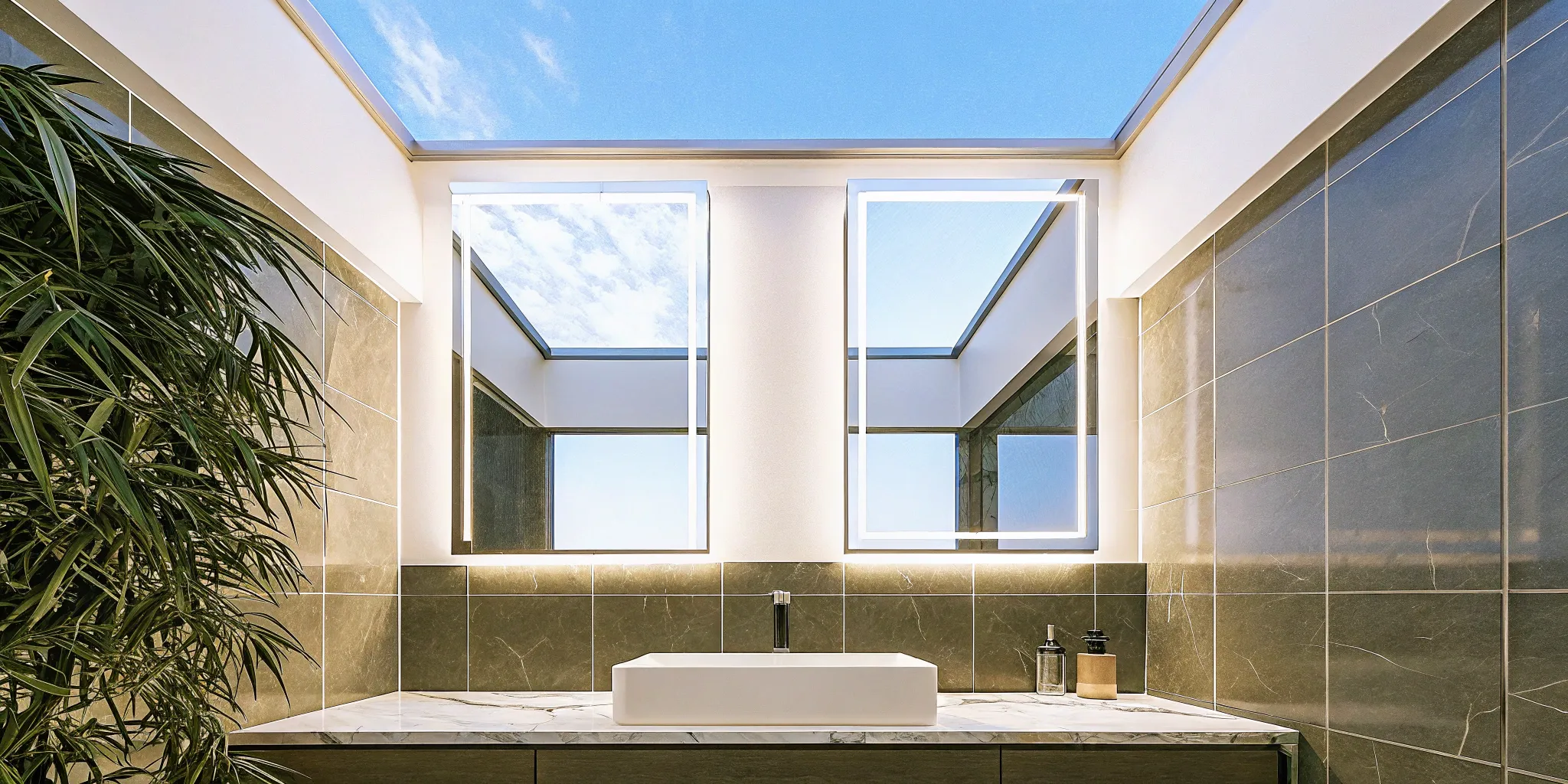
Your bathroom should be a sanctuary, not a storage closet you happen to shower in. If your small bathroom feels more chaotic than calm, it’s time for a change. A great remodel is about more than just new tile; it’s about smart design that maximizes both function and style in a tight space. With the right approach, you can make your bathroom feel twice its size—without moving a single wall. That’s why we’ve gathered the essential bathroom remodeling ideas small bathrooms need for a stunning transformation. These design secrets will help you turn a cramped room into an open and inviting retreat.
Key Takeaways
- Create the illusion of space with light and reflection: Use a light color palette to make the room feel airy, and install a large mirror and a clear glass shower door to bounce light and create a sense of depth.
- Choose smart, space-saving fixtures and storage: Opt for a floating vanity and a compact toilet to free up valuable floor space. Utilize vertical areas with wall shelves and built-in niches to keep clutter out of sight.
- Focus on a functional layout and layered lighting: Arrange fixtures to create clear sight lines and easy movement. Combine different light sources—like ceiling lights and vanity sconces—to ensure the entire room is bright and welcoming.
What Qualifies as a Small Bathroom?
The term “small bathroom” can feel a bit subjective, but in the world of home design, it generally refers to a space that’s around 40 square feet or less. This often translates to a standard 5×8 foot layout, which is just enough room for a toilet, a single sink, and either a shower or a tub. If you’re constantly strategizing how to open the door without hitting the vanity or finding creative ways to store your towels, you’re likely working with a small bathroom. But don’t let the limited square footage discourage you. A compact space presents a unique design challenge that, when solved correctly, can result in a highly efficient and beautiful room that feels surprisingly spacious.
Defining “Small”: From a 5×8 Foot to a 40-Square-Foot Space
When we talk about a 5×8 foot bathroom, we’re usually describing a full bath layout in its most compact form. This is the classic size for many guest bathrooms or the only bathroom in a smaller home. Anything less than that, like a 25-square-foot powder room, is definitely in the “small” category. The key isn’t just the total area but how the fixtures are arranged within it. A poorly planned layout can make even a medium-sized bathroom feel cramped. Recognizing your bathroom’s size is the first step toward finding clever design solutions that make the most of every single inch you have.
Planning Your Small Bathroom Remodel
A successful small bathroom remodel hinges on thoughtful planning. Before you even think about picking out tile or browsing for vanities, you need a clear strategy. When space is at a premium, every decision—from the direction the door swings to the type of faucet you choose—has a significant impact on the final result. The goal is to create a plan that addresses your current frustrations while reflecting your personal style. This initial phase is all about asking the right questions and setting clear priorities. Taking the time to map out your project ensures that your investment not only adds value to your home but also improves your daily routine. A well-executed plan is the foundation of a beautiful and functional bathroom remodel.
Start by Identifying the Problems You Want to Solve
The best way to begin is to make a list of everything you dislike about your current bathroom. As the experts at Carey Brothers suggest, you should first “figure out what problems you want to fix.” Is the lack of counter space a constant issue? Is the lighting dim and unflattering? Does the layout feel awkward and inefficient? Be specific. Write down every pet peeve, from the leaky faucet to the outdated floor tile. This list will become your guide, helping you focus on changes that will make a real difference. It ensures your remodel is centered on solving practical problems, not just chasing trends.
Prioritize Your Needs vs. Your Wants
Once you have your list of problems, it’s time to separate your absolute must-haves from your nice-to-haves. For a small bathroom, this step is crucial. You might want a freestanding tub and a double vanity, but your space may only realistically accommodate a luxurious walk-in shower. As Houzz points out, you shouldn’t feel obligated to include features that don’t fit your lifestyle or the room’s footprint. Focus on what you’ll use every day. Do you need more storage more than you need a second sink? Is a high-efficiency toilet a higher priority than decorative floor tile? Answering these questions will help you allocate your budget effectively and make smart design choices.
Consider the Unique Challenges of Remodeling an Older Home
Many of us in the Chicagoland area live in beautiful older homes, but their charm often comes with unique remodeling challenges. A small bathroom in a 1920s bungalow, for example, might have unconventional plumbing, plaster walls, or non-standard dimensions that can complicate a renovation. It’s important to anticipate these potential hurdles from the start. An experienced contractor can help you understand the specific quirks of your home and develop a plan that respects its character while updating its function. Properly managing a home renovation in an older property ensures that you avoid unexpected costs and delays down the road.
Which Design Styles Make a Small Bathroom Feel Bigger?
Choosing the right design style is the first step toward a bathroom that feels open and inviting, not cramped. The overall aesthetic sets the tone for every other choice you’ll make, from fixtures to finishes. Certain styles are naturally better at creating an illusion of space. Let’s look at a few of our favorites that work wonders in compact bathrooms.
Embrace Modern Minimalism for a Clutter-Free Look
When in doubt, simplify. Modern and minimalist designs are perfect for small bathrooms because they focus on “less is more.” Think clean lines, geometric shapes, and a lack of fussy details. By keeping the visual landscape uncluttered, you trick the eye into seeing more open area. Opt for functional pieces like a sleek, wall-mounted vanity and a simple, frameless mirror. This approach isn’t about being cold; it’s about intentional choices that make your bathroom remodel feel both sophisticated and spacious. Every item has a purpose, which helps maintain a serene, organized atmosphere.
Try Scandinavian Simplicity for an Airy Feel
If you love a bright, airy feel, Scandinavian design is your best friend. This style is all about simplicity, functionality, and a connection to nature. It relies on a neutral color palette—soft whites, light grays, and warm beiges—to reflect light and make the room feel expansive. Natural wood tones, especially in lighter finishes, add warmth without weighing the space down. To get the look, pair a light wood vanity with simple chrome or matte black fixtures. The goal is to create a calm and functional retreat. You can see how we bring these concepts to life in our project gallery.
Get Cozy with a Modern Farmhouse Vibe
A small bathroom can still be full of character. The contemporary farmhouse style blends rustic charm with modern sensibilities for a look that’s both cozy and clean. The key is balance. You might pair a classic element like a shiplap accent wall with sleek, modern fixtures. This style also lets you play with flooring. A unique patterned tile can ground the space and add personality without making it feel busy. Our design and build services can help you find that perfect mix of old and new, creating an inviting bathroom that feels surprisingly open.
Add Warmth with Rustic Charm
For a style that feels grounded and authentic, consider adding rustic charm. This look celebrates natural, unrefined materials to create a warm and inviting atmosphere. Think beyond shiplap and focus on textures like a stone vessel sink, a reclaimed wood vanity, or flooring that mimics aged barn wood. The key is to balance these heavier elements with plenty of light. For instance, you could pair a rugged wood vanity with a simple, large mirror and bright wall sconces to keep the space from feeling dark. Warm metal finishes like copper or oil-rubbed bronze complete the look, adding a touch of timeless elegance. We often incorporate these elements in our bathroom remodeling projects to create a personal sanctuary that feels connected to nature.
Go Bold with an Industrial Edge
If you prefer a more urban, edgy aesthetic, an industrial design might be the perfect fit. This style draws inspiration from warehouses and factories, featuring raw materials and a utilitarian feel. Don’t be afraid to go bold with decor. You can make a statement with an exposed brick accent wall, concrete-inspired floor tiles, or dark metal fixtures and framing. To keep a small bathroom from feeling too heavy, balance these elements with clean lines and good lighting. For example, a black-framed glass shower door maintains an open sightline, while unique tiles like subway or fish scale can add a fun pattern without overwhelming the space. This style proves that a small bathroom can have a big personality. Check out our project gallery to see how we bring bold design ideas to life.
Which Fixtures Maximize Space in a Small Bathroom?
The fixtures you choose can be your secret weapon in a small bathroom. It’s not just about function; the right vanity, toilet, and shower can visually expand your space, making it feel open and comfortable instead of cramped. By making a few strategic choices, you can transform how your bathroom looks and feels without knocking down a single wall. These clever fixture swaps are some of the most effective ways to reclaim space and add a touch of modern style.
Free Up Floor Space with a Floating Vanity
One of the best ways to create a sense of spaciousness is to lift things off the floor. A floating vanity does exactly that. By mounting it to the wall, you expose the flooring underneath, which tricks the eye into seeing a larger room. This clean, modern look prevents the vanity from feeling like a bulky piece of furniture that eats up precious square footage. Plus, it’s a practical choice—cleaning the floor underneath is a breeze. You can see some beautiful examples of how we integrate these into our bathroom remodeling projects to create an airy, uncluttered feel.
Choosing Compact Options like a 24-Inch Vanity
In a small bathroom, every single item needs to earn its place. This is especially true for the vanity. Opting for a compact model, like a 24-inch vanity, is a brilliant move because it provides essential counter space and storage without overwhelming the room. This smaller footprint helps maintain clear sight lines and allows for easier movement, which is critical for a functional layout. Choosing a more modest vanity size supports a minimalist design, keeping the visual landscape clean and making the room feel more open. It’s one of those intentional selections that proves you don’t have to sacrifice style or utility, even when you’re short on space.
Save Room with a Compact or Corner Toilet
Let’s be honest, no one gets excited about choosing a toilet, but the right one can be a game-changer in a tight space. Standard toilets have a surprisingly large footprint. Opting for a compact or corner model can free up several inches of valuable real estate, which makes a huge difference in a small bathroom. These designs are engineered to fit neatly into smaller areas without sacrificing comfort or performance. This simple swap can improve the room’s flow and give you more flexibility with the placement of other fixtures, like your vanity or storage.
Rethink Your Shower and Tub Setup
If your small bathroom has a bulky bathtub you rarely use, it might be time to reconsider its place. For many homeowners, a spacious, well-designed walk-in shower is a far more practical and luxurious option. Removing the tub can instantly make the bathroom feel less crowded and more open. If you can’t part with a tub, consider a sleeker model or a shower-tub combo with a slim profile. Our design and build services can help you figure out the best layout for your lifestyle and make the most of every square inch.
Let Light In with a Glass Shower Door
A shower curtain or frosted glass door acts like a wall, visually cutting your bathroom in half. To make the entire room feel like one cohesive space, choose a clear, frameless glass shower door. This simple change allows your eye to travel all the way to the back wall, creating an illusion of depth. It also lets light flow freely throughout the room, making it feel brighter and more expansive. It’s a sophisticated touch that has a massive impact on the overall sense of openness, and you can find plenty of inspiration in our project gallery.
What Are the Smartest Small Bathroom Storage Ideas?
A small bathroom can quickly feel cramped and chaotic when there’s nowhere to put anything. Towels, toiletries, and cleaning supplies all need a home, but finding space without adding bulk is the real challenge. The key is to get creative and make every square inch count. Smart storage isn’t just about hiding clutter; it’s about designing a space that feels organized, open, and easy to use. A well-planned bathroom remodeling project is the perfect opportunity to transform a tiny room into a functional and serene retreat by addressing storage from the very beginning.
Instead of thinking about how to fit more in, the best approach is to build storage up and into the existing structure. This means looking beyond the traditional vanity cabinet and considering the untapped potential of your walls and even the space between the studs. From using vertical wall space with floating shelves to choosing clever, multi-functional furniture, there are plenty of ways to add storage that enhances your bathroom’s style instead of detracting from it. By integrating solutions like built-in niches and stylish organizers, you can create a bathroom that feels both personal and practical. Let’s look at a few effective strategies to get your bathroom organized for good.
Go Vertical with Wall Cabinets and Shelves
When floor space is limited, the only way to go is up. Using your walls for storage is one of the most effective ways to keep a small bathroom from feeling crowded. Mounting cabinets, vanities, and shelves on the wall frees up the floor, which instantly creates the illusion of a larger room. Consider adding a set of sleek floating shelves above the toilet to hold decorative items or neatly folded towels. A tall, narrow linen cabinet can also provide a surprising amount of storage without taking up a wide footprint. You can see beautiful examples of vertical storage in our project gallery. This approach keeps your essentials accessible while maintaining a clean, uncluttered look.
Carve Out Storage with Built-In Niches
For a truly seamless and high-end storage solution, look no further than built-in niches. These recessed shelves are built directly into the wall, giving you valuable storage without taking up any room within the bathroom itself. A shower niche is a game-changer, providing the perfect spot for shampoo, conditioner, and soap while eliminating the need for clumsy shower caddies. Outside the shower, a recessed wall niche can serve as a stylish home for rolled towels or toiletries. Because they require professional installation, built-ins are a fantastic feature to include in your remodeling plans. Our design and build services can help you map out the perfect placement for niches that are both functional and beautiful.
Choose Furniture That Does Double Duty
In a small space, every piece of furniture should work hard. Choosing items that serve more than one purpose is a smart way to maximize your bathroom’s functionality. A vanity is the most obvious example—instead of a pedestal sink, opt for a vanity with deep drawers or cabinets to hide away plumbing and store cleaning supplies or extra toilet paper. A stylish storage ladder can hold towels while adding a decorative touch. You could also place a small bench or ottoman with hidden storage inside for a place to sit and stash laundry. The goal is to find pieces that offer practical storage solutions while contributing to the overall aesthetic of your bathroom.
Corral Clutter with Stylish Baskets and Bins
Once you have your main storage systems in place, the final touch is to organize the little things. Using attractive baskets, bins, and trays is an easy and affordable way to keep your shelves and drawers tidy. Woven baskets are perfect for holding rolled-up towels or extra toilet paper, adding a warm, natural texture to the room. Use clear acrylic organizers inside your vanity drawers to neatly separate makeup and toiletries. On a countertop or open shelf, a small decorative tray can corral everyday items like soap dispensers, lotions, and perfumes, making the space feel intentional rather than cluttered. This simple step makes a huge difference in maintaining a clean and orderly bathroom.
Incorporate DIY Towel Storage
Let’s get creative with how you store your towels. Instead of a standard towel bar, think about solutions that add character and save space. A decorative ladder leaned against the wall is a popular choice for a reason—it offers plenty of hanging space while adding a rustic or modern touch, depending on the style you choose. You can also mount a series of stylish hooks or even painted wooden crates to the wall for a custom, built-in feel. These personal touches are what make a space feel truly yours. Combining these ideas with the woven baskets we talked about earlier is a simple trick to keep everything looking neat and intentional, turning a practical need into a design feature of your bathroom remodeling project.
Does Your Bathroom Layout Maximize Space?
The secret to a spacious-feeling bathroom isn’t always about knocking down walls. More often, it’s about a smart, strategic layout. How you arrange the essential elements—the toilet, sink, and shower—can completely change the perception of space, turning a cramped room into a functional, airy retreat. A thoughtful floor plan considers everything from the swing of the door to the path you walk from the sink to the shower. It’s about creating a sense of flow and intention that makes the room feel larger and more intuitive to use. When every fixture has its perfect place, the entire room breathes better.
This is where professional planning makes a world of difference. An experienced designer can see possibilities you might miss, like tucking a shower into an unused corner or shifting a doorway to open up a wall for a larger vanity. They help ensure every square inch is used effectively without feeling crowded. Our design and build services focus on creating layouts that are both beautiful and practical, tailored specifically to your room’s dimensions and your family’s needs. By rethinking the arrangement from the ground up, you can make even the smallest bathroom feel surprisingly open and comfortable.
Get Your Fixture Placement Right
Where you place your fixtures is one of the most critical decisions in a small bathroom remodel. Instead of lining everything up against one wall, consider using the corners. A corner sink or a corner shower unit can free up valuable central space, making the room easier to move around in. You should also think about what you truly need. Does a large bathtub make sense, or would a sleek walk-in shower serve you better and open up the floor plan? Wall-mounted toilets and vanities are other fantastic options, as they lift everything off the floor, creating an uninterrupted line of sight that makes the room feel bigger.
Keep Sight Lines Clear and Uninterrupted
Your eye needs room to travel. When you walk into a small bathroom, if your view is immediately blocked by a bulky vanity or a shower curtain, the space will feel closed in. The goal is to create long, clear sight lines from the doorway to the furthest wall. This might mean choosing a vanity with a smaller profile or opting for a clear glass shower door instead of an opaque one. Keep decor minimal and intentional. A single piece of art or a simple rug can define the style without adding visual clutter. You can see great examples of this principle in our project gallery.
Make it Easy to Move Around
Think about how you actually move around in your bathroom each day. Can you open the vanity door without having to squeeze past the toilet? Is there enough room to comfortably dry off when you step out of the shower? A layout with good traffic flow feels intuitive and effortless. The shape of your room—whether it’s a narrow rectangle or a small square—will dictate the best arrangement. Planning the layout around your daily routines is a core part of any successful bathroom remodeling project and prevents those daily annoyances that come with a poorly designed space.
Save Floor Space with a Pocket or Barn Door
A traditional swinging door is a space hog. The arc of the door’s swing can take up nearly 10 square feet of usable space, dictating where you can and can’t place fixtures. Reclaiming that space is easy with a pocket or barn door. A pocket door conveniently slides into the adjacent wall, disappearing completely when open. A barn door slides along a track on the outside of the wall, adding a stylish, rustic, or modern touch. Either choice eliminates the door swing, giving you much more flexibility with your layout and instantly making the room feel more open.
What Colors and Materials Work Best in a Small Bathroom?
The right colors and materials are your secret weapons in a small bathroom remodel. They do more than just look pretty; they can trick the eye into seeing a larger, brighter space. Making smart choices here is about balancing aesthetics with functionality. You want a room that feels open and reflects your personal style, but you also need surfaces that can stand up to steam and daily use. From paint hues to tile textures, every decision contributes to the final look and feel of your sanctuary.
Brighten Up with Light and Airy Colors
It’s a classic design rule for a reason: light and bright colors make a small room feel more spacious. Hues like soft white, light gray, pale blue, or even a warm beige can work wonders by reflecting light and creating an airy atmosphere. This doesn’t mean your bathroom has to be boring. Think of a light color palette as a clean canvas. You can easily introduce personality and color with accessories. As design experts often note, one bold decoration or a small, vibrant rug can be enough to set the style for the whole room. Check out our project gallery to see how we use color to transform compact spaces.
Play with Patterns and Textures
An all-white bathroom can feel a bit sterile if you’re not careful. That’s where patterns and textures come in to add depth and character. Don’t be afraid to use a bold pattern on the floor tile or create an accent wall in the shower with unique fish-scale or geometric designs. Even classic subway tile can be laid in a herringbone pattern for extra visual interest. Wallpaper is another fantastic option, especially in a powder room where you can make a big statement without overwhelming the space. Combining different textures—like a smooth quartz countertop, a rustic wood vanity, and sleek metal fixtures—creates a layered, sophisticated look for any bathroom remodeling project.
Try Popular Color Palettes like Grey and Wood
If you’re looking for a can’t-miss combination, look no further than grey and wood. This pairing has become incredibly popular for a reason: it strikes the perfect balance between modern and warm. Many successful designs use combinations of grey and wood tones to create a space that feels both sophisticated and inviting. The grey provides a cool, neutral backdrop that makes the room feel clean and open, while the natural wood elements—whether it’s in the vanity, shelving, or mirror frame—add texture and prevent the space from feeling sterile. This versatile palette works beautifully with a range of styles, from Scandinavian to modern farmhouse, and you can see examples of it in our work.
Splurge on Luxury Materials like Marble or Concrete
Here’s a little secret about small bathrooms: they are the perfect place to indulge in high-end materials. Since you need less material for a small bathroom, you might be able to afford nicer options that would be too costly for a larger space. Think about a stunning marble countertop for your vanity or a feature wall of handcrafted tile in the shower. These luxurious touches can make the entire room feel custom and high-end. Materials like quartz, marble, or even polished concrete for an industrial vibe can add a major “wow” factor. This is a key part of the design process where a small investment can make a huge impact on the final result.
Use Mirrors to Create the Illusion of Space
Mirrors are a small bathroom’s best friend. They reflect light, both natural and artificial, which instantly makes the room feel brighter and more open. But their real magic lies in creating the illusion of depth. Every item in a small bathroom makes a big difference, and a well-placed mirror can double the perceived size of the room. Instead of a small, standard medicine cabinet, consider a large, decorative mirror that extends across the wall above your vanity. This not only serves a functional purpose but also acts as a beautiful focal point, making the entire space feel more expansive and thoughtfully designed.
Choose Materials That Can Handle Moisture
A bathroom is a hardworking space that deals with a lot of moisture, so durability is key. Choosing materials that are built to last will save you from future headaches and repairs. For flooring and shower walls, porcelain and ceramic tiles are excellent choices because they are water-resistant and easy to clean. When it comes to style, you have plenty of options, from timeless subway tiles to trendy terrazzo or geometric patterns. For countertops, quartz is a fantastic non-porous and durable material. Investing in high-quality, moisture-resistant materials is a cornerstone of any successful home renovation, ensuring your beautiful new bathroom stays that way for years to come.
How Can Lighting Make Your Small Bathroom Look Bigger?
Lighting is one of the most powerful tools in a designer’s toolkit, and in a small bathroom, it’s a total game-changer. The right lighting plan can make a cramped space feel open, bright, and even luxurious. It’s about more than just screwing in a brighter bulb; it’s about creating a thoughtful strategy that combines different types of light to make the room functional and beautiful. A well-lit bathroom isn’t just easier to get ready in—it’s a more pleasant place to be. By layering light, taking advantage of natural sources, and placing fixtures strategically, you can completely transform the look and feel of your bathroom without knocking down a single wall. These tricks work together to eliminate dark corners, create the illusion of height, and add a warm, welcoming glow that makes your small bathroom feel like a personal retreat. A great bathroom remodeling project hinges on getting the lighting just right, turning a purely functional room into a space you actually enjoy spending time in. Think of it as setting the stage: bright and clear for your morning routine, and soft and relaxing for an evening soak. With a few smart choices, your lighting can do all the heavy lifting to make your small bathroom shine.
Layer Your Lighting Like a Pro
The best way to light any room, especially a small bathroom, is with layers. Think of it in three parts: ambient, task, and accent lighting. Ambient light is your general, overall illumination—think recessed ceiling lights or a central flush-mount fixture that fills the whole space. Next, task lighting focuses on specific areas where you need clear light, like the vanity. Sconces on either side of the mirror are perfect for this, as they light your face evenly without casting shadows. Finally, accent lighting adds a touch of drama, highlighting a beautiful tile detail or a piece of art. This layered approach ensures your bathroom is perfectly lit for every need while creating depth and a warm, inviting atmosphere.
Make the Most of Natural Light
If your bathroom has a window, you’ve hit the jackpot. Natural light is your best friend when it comes to making a small space feel bigger and more open. The key is to let as much of it in as possible. Avoid heavy curtains or dark blinds that block the sun. Instead, opt for translucent shades, frosted glass, or a simple film that provides privacy without sacrificing light. You can also use mirrors to amplify the effect. Placing a large mirror directly across from a window will bounce light all around the room, making it feel instantly brighter and more expansive. You can see great examples of this in our project gallery.
Where to Position Your Light Fixtures
Where you put your lights is just as important as which ones you choose. For the vanity, placing sconces on either side of the mirror at eye level provides the most flattering, shadow-free light for your daily routine. An overhead light bar can cast shadows, which isn’t ideal. Don’t forget the shower! It’s a common mistake to leave this area dark. Installing a dedicated waterproof recessed light or a wet-rated fixture inside the shower makes the whole bathroom feel brighter and more complete. Finally, put everything on a dimmer. This simple addition gives you total control, allowing you to adjust the brightness for a high-energy morning or a calm, spa-like evening.
Quick DIY Ideas for a Small Bathroom Refresh
Not quite ready for a full-scale renovation? That’s perfectly fine. You can still breathe new life into a dated or cramped bathroom with a few weekend projects. These simple DIY ideas are budget-friendly and deliver a big impact, helping you fall in love with your space all over again. Think of them as the perfect refresh to hold you over until you’re ready to begin a complete bathroom remodeling project with a professional team. From the transformative power of paint to clever storage solutions, here are a few ways you can update your bathroom in just a couple of days.
Never Underestimate a Fresh Coat of Paint
Never underestimate what a fresh coat of paint can do. It’s one of the easiest and most affordable ways to completely change the look and feel of your small bathroom. Give your walls, ceiling, or even an old vanity a new lease on life. To save time and money, look for a quality paint that has primer mixed in. For small spaces, light and airy colors like soft white, pale gray, or a barely-there blue can work wonders, making the room feel more open and bright. Painting is a simple project that offers a major payoff, instantly making your bathroom feel cleaner and more modern.
Swap Out Your Hardware and Faucets
Look at the details. Dated hardware can make an entire room feel stuck in the past. A quick and satisfying update is to change out old knobs, drawer pulls, and faucets for new ones. This small change can have a surprisingly significant impact on your bathroom’s overall style. Consider coordinating your new hardware—including towel bars and light fixtures—in a modern finish like matte black or brushed brass. You can often find more affordable options when you buy items in multi-packs. For inspiration on how different finishes can complement a design, check out our project gallery of completed bathrooms.
Refresh Walls with Peel-and-Stick Tiles
If you’re dreaming of a stylish backsplash or a bold floor but aren’t ready for a full tile job, peel-and-stick tiles are your new best friend. They are a fantastic, low-commitment way to add pattern and personality. You can put these on a small accent wall behind the vanity or use them as a backsplash for a quick style update. They are designed to go directly over many existing surfaces, including old tile, which means no messy demolition. While they are a great temporary fix, for a durable and permanent solution, nothing beats professionally installed tile as part of a larger home renovation.
Install Floating Shelves for Style and Storage
In a small bathroom, every inch of space counts. Go vertical by installing simple floating shelves to add both storage and a decorative touch. The wall space above the toilet is often overlooked but is the perfect spot for a few shelves. You can use reclaimed wood for a rustic vibe or get sleek, minimalist shelves from a home goods store. Use them to display rolled-up towels, store toiletries in pretty jars, or add a touch of green with a small, low-light plant. It’s a practical way to get items off your countertop while adding a bit of personal flair to the room.
How to Budget for a Small Bathroom Remodel
Let’s talk about the budget. It’s the part of the remodeling process that feels the most intimidating, but it doesn’t have to be. A well-planned budget is your roadmap, guiding your decisions and ensuring you end up with a space you love without any financial surprises. The key is to be realistic about costs and clear about your priorities from the start. A successful bathroom remodeling project is an investment in your home, and planning your finances thoughtfully is the first step toward a beautiful and functional result that adds real value.
Focus on Cost-Effective Updates to Save Money
You don’t always need to gut the entire room to make a big impact. If you’re working with a tight budget, focus on high-impact, low-cost updates. A fresh coat of paint can completely change the mood of a room, while swapping out dated hardware, faucets, and light fixtures can give your bathroom a modern facelift for a fraction of the cost of a full renovation. Instead of replacing a perfectly good bathtub, consider having it professionally refinished. These smaller changes can refresh your space significantly, allowing you to allocate more of your budget toward a key feature, like a new vanity or beautiful floor tile.
Is $10,000 Enough for a Bathroom Remodel?
This is a common question, and the honest answer is: it depends. A $10,000 budget can certainly be enough for a beautiful cosmetic refresh in a small bathroom. This typically covers things like a new vanity, toilet, fixtures, fresh paint, and new flooring, assuming you aren’t moving any plumbing or walls. However, if your dream bathroom includes high-end materials like natural stone, custom cabinetry, or a reconfigured layout, your costs will likely be higher. The best way to stay on track is to create a clear plan that separates your “must-haves” from your “nice-to-haves.” Our design and build services help you do just that, ensuring your final design aligns perfectly with your budget.
Are You Making These Small Bathroom Remodeling Mistakes?
A small bathroom remodel is an exciting project, but a few common missteps can quickly turn your dream space into a cramped and costly headache. Thinking through your project and avoiding these pitfalls from the start will help ensure the process is smooth and the result is a bathroom you absolutely love. From choosing the right fixtures to setting a realistic budget, a little planning goes a long way. Let’s walk through some of the most frequent mistakes homeowners make so you can steer clear of them.
Don’t Overcrowd the Space
When space is limited, every single item counts. It’s easy to fall in love with countless design ideas, but trying to incorporate too many can make a small bathroom feel cluttered and chaotic. Instead of adding lots of little decorations, focus on making a statement with one or two key pieces. As design experts at Houzz note, “One bold decoration or a small rug can be enough to set the style for the whole room.” Think of it as curating your space. Choose functional items that are also beautiful, and let your high-impact choices—like gorgeous tile or a unique vanity—be the stars of the show. You can find plenty of inspiration in our project gallery.
Know When to Call a Professional
While the DIY approach can be tempting, a bathroom remodel involves complex plumbing and electrical work that’s best left to the experts. A small mistake can lead to big, expensive problems like leaks or code violations. According to This Old House, plumbers can charge between $45 and $200 per hour, while electricians range from $50 to $100 per hour. Hiring a professional from the start ensures the job is done right, safely, and efficiently. Our design and build services manage every aspect of your project, from initial concept to coordinating licensed tradespeople, so you can relax knowing your remodel is in capable hands.
Avoid Fixtures That Are Too Big
A standard-sized vanity or toilet can completely overwhelm a small bathroom, making it feel tight and difficult to move around in. It’s crucial to choose fixtures that are proportional to the room. Look for compact toilets designed for smaller footprints and consider space-saving sinks like wall-mounted or corner models. A smaller vanity can also make a huge difference. This simple switch can free up valuable floor space and create a more open, airy feel. Our approach to bathroom remodeling always prioritizes a smart layout with appropriately scaled fixtures to make your space feel as large as possible.
Be Realistic About Your Budget and Timeline
It’s easy for the scope and budget of a remodel to expand once you get started. Being realistic about costs and timelines from day one is key to a stress-free project. While the average small bathroom remodel costs around $6,500, the final price can range from $1,500 to over $15,000 depending on the materials you choose and the extent of the work. Unexpected issues can also pop up, so it’s wise to build a 10-15% contingency fund into your budget. Working with an experienced contractor can help you create an accurate estimate and a clear schedule, preventing surprises along the way. You can contact us for a detailed consultation to get your project started on the right foot.
Related Articles
- Small Modern Bathroom Ideas That Feel Bigger
- 50 Brilliant Small Bathroom Ideas with Shower & Toilet
- Remodel a Very Small Bathroom: Ideas & Costs –
Frequently Asked Questions
If I can only make one big change, what will have the most impact? That’s a great question because it forces you to focus on what really matters. If I had to pick just one, I’d say swapping a bulky, floor-mounted vanity for a floating one. Lifting the cabinet off the floor instantly creates an illusion of more space because your eye can see the flooring extend all the way to the wall. It’s a clean, modern look that makes a surprisingly big difference in how open the room feels.
Does my small bathroom have to be all white to feel spacious? Absolutely not! While a light color palette is a great starting point for making a room feel airy, it doesn’t have to be sterile or boring. Think of soft whites or light grays as your canvas. You can then layer in personality with a beautifully patterned floor tile, a vanity painted in a soft color, or rich textures through your towels and accessories. The goal is to reflect light, not to erase all character from the room.
Is it a mistake to keep a bathtub in a small bathroom? This really comes down to your lifestyle. If you never take baths, then replacing a bulky tub with a sleek, glass-enclosed walk-in shower is a fantastic way to reclaim space and make the room feel much larger. However, if you love a good soak, you don’t have to sacrifice it. You can opt for a tub with a slimmer profile and pair it with a clear glass panel instead of a shower curtain to maintain an open sightline.
How can I add storage without adding bulky furniture? The key is to think vertically and use the walls. Instead of a wide cabinet that eats up floor space, consider tall, narrow shelving that draws the eye upward. Floating shelves above the toilet are perfect for holding essentials without feeling heavy. The most seamless solution is to incorporate built-in niches into the wall, especially in the shower. These give you valuable storage without taking up a single inch of elbow room.
What parts of a bathroom remodel can I do myself, and when should I call a professional? You can definitely tackle cosmetic updates on your own to refresh your space. Things like painting the walls, swapping out cabinet hardware, changing a light fixture, or installing floating shelves are great weekend projects. However, the moment your project involves moving plumbing, doing electrical work, or altering the layout, it’s time to call in a professional. These tasks require licensed expertise to ensure they’re done safely and correctly, preventing costly problems down the road.