You’ve spent hours scrolling through Pinterest and saving photos of your dream kitchen. You know the exact style of cabinets you want and the perfect countertop material. Now, how do you turn that vision into a reality? This is where a thoughtful plan makes all the difference. A successful remodel bridges the gap between inspiration and execution. This guide provides the actionable steps you need to get there. We’ll cover how to define your functional needs, prioritize your wants versus your must-haves, and communicate your ideas clearly to a design team, ensuring your kitchen remodeling Evanston project perfectly captures the look and feel you’ve been dreaming of.
Key Takeaways
- Plan Your Project Before You Start: A successful remodel depends on solid prep work. Define your budget, including a 10-20% contingency fund for surprises, and gather inspiration photos to create a clear roadmap that prevents costly changes later on.
- Vet Your Contractor Thoroughly: Your choice of contractor is the most critical decision you’ll make. Always verify their license and insurance, check references from past clients, and get detailed written estimates to ensure you’re partnering with a trusted professional.
- Know What to Expect During Construction: A full kitchen remodel is a multi-month process. Understanding the key phases—from design and material selection to demolition and final installation—helps you set realistic expectations and plan for the temporary disruption to your routine.
What Kitchen Remodeling Services Are Available in Evanston?
When you decide to remodel your kitchen in Evanston, you’ll find a wide range of services to bring your vision to life. Whether you’re dreaming of a simple refresh or a complete floor-to-ceiling overhaul, there’s a local professional who can help. Some companies specialize in specific areas, like custom cabinetry, while others offer a full-service approach that covers every detail from the initial design sketch to the final coat of paint.
The key is finding a partner who can manage all the moving parts. A comprehensive kitchen remodeling project involves much more than just picking out new appliances. It requires careful planning, project management, and the coordination of various skilled tradespeople, including plumbers, electricians, and installers. Working with a general contractor who offers a complete suite of services ensures that every aspect of your renovation is handled seamlessly, saving you the stress of juggling multiple contacts and timelines. This integrated approach is the surest path to a beautiful, functional kitchen that truly feels like the heart of your home.
Award-Winning Design and Build with THP Builders
One of the best approaches to a stress-free renovation is partnering with a design-build firm. This means one team handles your entire project, from the initial architectural drawings to the final construction. At THP Builders, our design and build services create a single, streamlined process for your Evanston kitchen remodel. You have one point of contact, ensuring clear communication and a cohesive vision from start to finish. This integrated method prevents the miscommunications that can happen when design and construction are handled by separate companies, leading to a smoother project and a result that perfectly matches your original dream.
Full-Service Kitchen Renovations
A full-service kitchen renovation takes the design-build concept and applies it to every single task your project requires. Think of it as a complete, hands-off experience where your contractor manages everything. This includes creating the initial layout, helping you select fixtures and finishes, handling demolition, and overseeing all installations. A full-service contractor also coordinates all the specialized tradespeople needed for the job. This comprehensive management ensures that every part of your kitchen renovation is executed to the highest standard, giving you peace of mind and a stunning final product without the headache of managing it yourself.
Custom Cabinets and Countertops
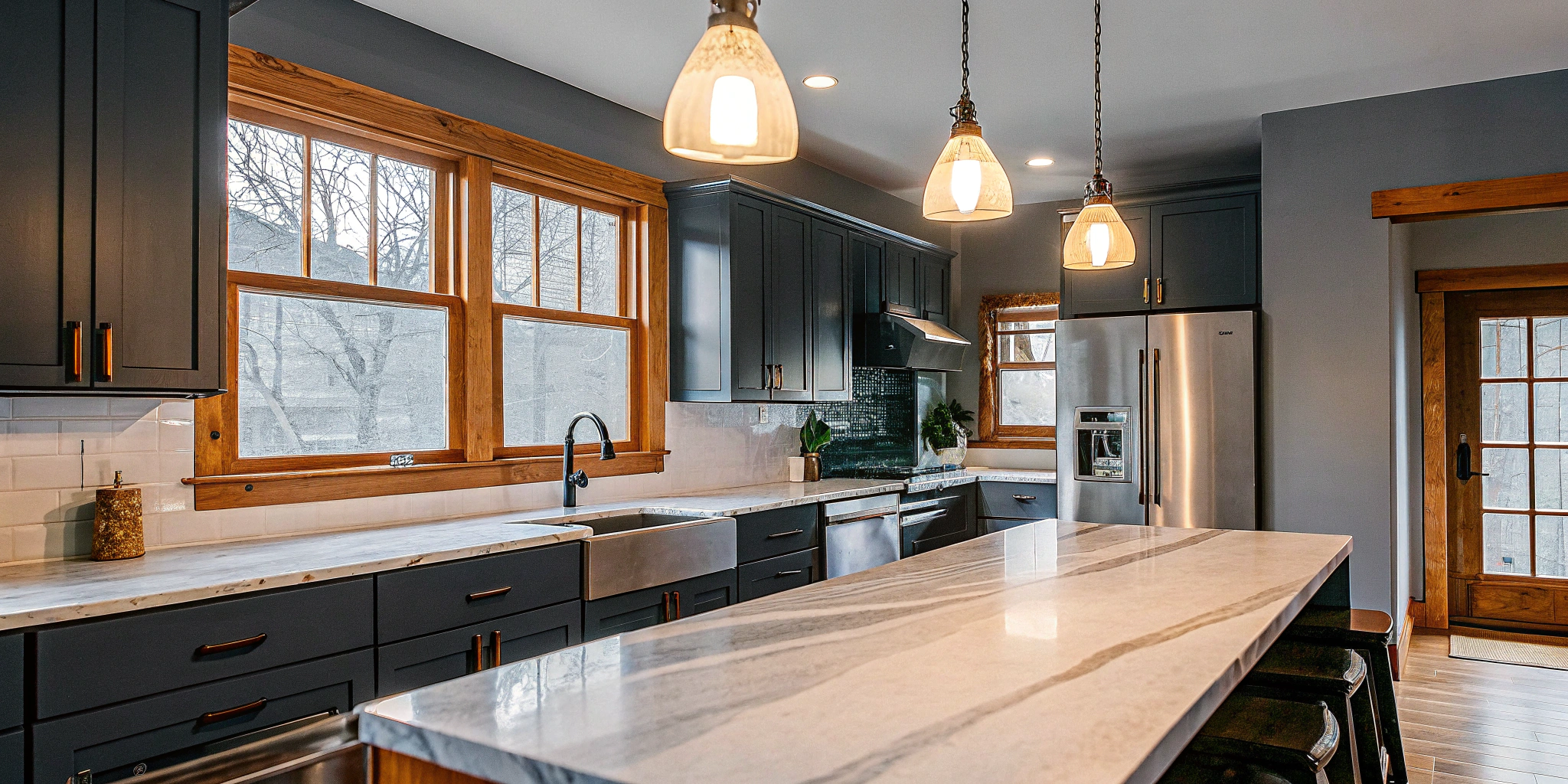
Your cabinets and countertops are the visual cornerstones of your kitchen, defining its style and functionality. In Evanston, you have access to a huge variety of options, from durable quartz and luxurious granite to beautiful custom-designed cabinets that maximize every inch of your space. The right choices can transform your kitchen’s workflow and aesthetic. A skilled design team can help you explore materials and layouts that fit your lifestyle and budget. You can see how these elements come together by looking through a project gallery to find inspiration for your own perfect combination of style and practicality.
Plumbing and Electrical Upgrades
Beneath the beautiful surfaces of any modern kitchen is a complex network of plumbing and electrical systems. A proper remodel almost always involves updating these critical components. This could mean running new water lines for a pot filler or an island sink, adding dedicated circuits for high-powered appliances, or installing sophisticated lighting plans with dimmers and under-cabinet LEDs. Especially in older Evanston homes, bringing these systems up to current code is essential for safety and functionality. Hiring a qualified contractor ensures that all plumbing and electrical work is handled by licensed professionals, protecting your home and your investment.
New Flooring Installation
The right flooring ties the entire kitchen together, so it’s a decision that deserves careful thought. You need something that not only looks great but can also withstand heavy foot traffic, spills, and everything else that comes with a busy kitchen. Popular choices include classic hardwood, durable porcelain tile, and modern luxury vinyl plank. Each material offers a different balance of comfort, maintenance, and style. Professional installation is key to ensuring your new floor is level, secure, and built to last for years to come, providing a beautiful and resilient foundation for your new kitchen design.
How to Plan Your Evanston Kitchen Remodel
A successful kitchen remodel begins long before the first hammer swings. Thoughtful planning is the single most important step you can take to ensure your project stays on track, on budget, and results in a space you truly love. It’s your roadmap to a smooth renovation, helping you make clear decisions and communicate your vision effectively. By taking the time to map out the details now, you’re setting the stage for a beautiful and functional kitchen that will serve your family for years to come.
Set a Realistic Budget (and a Contingency Fund)
Let’s talk numbers. Setting a budget is the foundation of your kitchen plan. Start by researching the costs of materials, appliances, and labor in the Evanston area to get a clear picture of what your vision might cost. One of the most common pitfalls is underestimating the total expense. A great contractor can help you understand where your money is going and how to get the most value. It’s also smart to set aside a contingency fund—typically 10% to 20% of your total budget—to cover any unexpected surprises that might pop up once the walls are opened up. This buffer ensures that a small issue doesn’t derail your entire project.
Define Your Style and Functional Needs
This is where your dream kitchen starts to take shape. Begin by gathering inspiration. Create a folder of images from design magazines or a Pinterest board to capture the look and feel you want. These visual examples are incredibly helpful for communicating your preferences to your design team. Beyond aesthetics, think deeply about how you use your kitchen. Are you an avid baker who needs more counter space? Do you entertain often and want a better flow into the dining area? Be specific about your functional needs. If you need more storage, for example, point out where your current kitchen is lacking and explore solutions like custom cabinetry or a walk-in pantry with our design and build services.
Understand Local Permit Requirements
Navigating building codes might not be the most glamorous part of remodeling, but it’s absolutely essential. For a kitchen remodel in Evanston, you will likely need permits, especially if you’re moving walls, changing the layout, or updating electrical and plumbing systems. These regulations are in place to ensure your new kitchen is safe and built to last. While a professional, licensed contractor will handle the entire permitting process for you, it’s good to be aware of what’s required. Ensuring your project is fully compliant protects your investment and gives you peace of mind.
Plan for Life During Construction
A kitchen renovation is exciting, but it also temporarily disrupts your daily routine. Planning for life without a functional kitchen can make the process much less stressful. Before construction begins, set up a temporary kitchen station in another part of your home, like the dining room or basement. A microwave, a coffee maker, a mini-fridge, and some basic utensils can go a long way. It’s also a good idea to budget for more takeout and easy-to-prepare meals. One of the most common mistakes homeowners make is failing to plan for this adjustment, so thinking ahead will make the construction phase feel much more manageable.
How Much Does a Kitchen Remodel Cost in Evanston?
Figuring out the cost of a kitchen remodel is often the first, and most daunting, step for any homeowner. In Evanston, the final price tag can vary widely based on the size of your kitchen, the quality of materials you choose, and how much you change the existing layout. Are you simply swapping out cabinets and countertops, or are you tearing down walls and reconfiguring the entire space? Each decision impacts the bottom line.
To give you a clearer picture, we’ve broken down the typical costs into three main categories: budget-friendly, mid-range, and high-end. Think of these as starting points for your conversation. While these ranges provide a solid estimate, the best way to understand the investment for your specific project is to get a detailed quote. A professional kitchen remodeling contractor can walk you through the options and create a plan that aligns your vision with your budget, ensuring there are no surprises along the way.
The Budget-Friendly Remodel: $15k – $30k
A beautiful kitchen update is absolutely possible without a six-figure budget. In the $15,000 to $30,000 range, you can make significant cosmetic improvements that breathe new life into your space. On the lower end, this could mean professionally painting existing cabinets, updating hardware, installing a new backsplash, and upgrading light fixtures. If you’re aiming for a more complete overhaul, this budget can cover new stock or semi-stock cabinets, laminate or butcher block countertops, durable flooring like luxury vinyl tile, and a new set of standard, energy-efficient appliances. It’s all about making smart, high-impact choices that refresh the look and feel of your kitchen.
The Mid-Range Renovation: $30k – $60k
This is a popular budget range for many Evanston homeowners because it allows for a more comprehensive transformation with higher-quality materials and some customization. A mid-range renovation often includes semi-custom cabinets, durable countertops like quartz or granite, and a full suite of new, stylish appliances. You might also have the flexibility to make minor layout adjustments, such as adding a functional kitchen island or creating a dedicated pantry space. This level of investment significantly improves your kitchen’s daily usability and aesthetic appeal, creating a space that truly works for your family. You can see examples of these transformations in our project gallery.
The High-End Transformation: $60k+
If you’re dreaming of a truly luxurious, custom kitchen, a budget of $60,000 and up will get you there. This is where you can invest in top-of-the-line features and create a space tailored perfectly to your tastes. Think fully custom cabinetry, premium stone countertops with waterfall edges, professional-grade appliances, and intricate tile work. This budget also accommodates more complex structural changes, like removing walls to create an open-concept living area or reconfiguring plumbing and electrical systems for an ideal layout. Working with a design and build team ensures every detail, from millwork to lighting, is flawlessly executed.
Watch Out for Hidden Costs and Budget Busters
No matter your budget, it’s wise to plan for the unexpected. A common mistake is underestimating the total project cost, so we always recommend setting aside a contingency fund of 10-20% of your total budget. This buffer can cover unforeseen issues that might pop up once walls are opened, such as outdated wiring or hidden plumbing problems that need to be brought up to code. Don’t forget to also factor in the cost of eating out or ordering takeout while your kitchen is under construction. An experienced contractor will help you anticipate these potential expenses upfront, creating a realistic budget that keeps your project on track.
How to Choose the Right Kitchen Remodeling Contractor in Evanston
Choosing a contractor is the single most important decision you’ll make for your kitchen remodel. This is the team you’re trusting with your home, your budget, and your vision. Finding the right partner means looking beyond the price tag to find a team with the right experience, a solid reputation, and a communication style that works for you. Taking the time to vet your options thoroughly will pay off with a smoother process and a final result you’ll love for years to come.
Research and Compare Local Contractors
Your search for the perfect contractor starts online. Begin by creating a list of local professionals who specialize in kitchen remodeling. Websites like Angi can be a good starting point to find remodelers in Evanston and get a general sense of the market. Once you have a few names, visit their websites. Look for a professional, easy-to-use site with a detailed portfolio of their work. A robust project gallery shows they are proud of their results and gives you a feel for their style and quality. Shortlist the contractors whose work aligns with your vision.
Verify Licenses, Insurance, and Credentials
This step is non-negotiable. Before you even think about signing a contract, you need to confirm that your potential contractor is properly licensed and fully insured. This protects you from liability for any accidents that might happen on your property during the renovation. A reputable contractor will have no problem providing you with proof of their credentials. This is a key part of selecting the best contractors, as it demonstrates their professionalism and commitment to operating legally and safely. Don’t be shy about asking for this information upfront; any hesitation on their part is a major red flag.
Check References and Review Past Projects
Online reviews are helpful, but talking to past clients gives you the real story. Ask each contractor for a list of recent references—and actually call them. Ask about their experience with communication, how the team handled unexpected issues, and whether the project stayed on schedule and on budget. Were they happy with the final result? Beyond references, take another deep dive into their portfolio. Do they have a proven track record of completing projects similar to yours? Seeing consistent, high-quality award-winning results will give you confidence that they can deliver on their promises for your home.
Get Multiple, Detailed Written Estimates
Once you’ve narrowed your list to your top two or three contenders, it’s time to request detailed written estimates. A simple price on a piece of paper isn’t enough. A proper estimate should be a comprehensive document that breaks down the costs for labor, materials, permits, and other expenses. This allows you to compare offers accurately and understand exactly what is included. While it’s tempting to go with the lowest bid, remember that quality and reliability are just as important. A clear, professional estimate is often a sign of a well-organized and trustworthy contractor you can get in touch with to discuss your project further.
What Permits Do You Need for a Kitchen Remodel in Evanston?
Let’s talk about one of the less glamorous, but absolutely essential, parts of a kitchen remodel: permits. It’s easy to think of permits as just bureaucratic red tape, but they’re actually in place to protect you, your family, and your home’s value. A properly permitted project ensures that all the work—especially the stuff hidden behind the walls—meets strict safety standards. Skipping this step can lead to major headaches down the road, including issues with your homeowner’s insurance, fines from the city, and problems when it comes time to sell your home. Having the right permits on file shows that your beautiful new kitchen was built to last. For a project as significant as a kitchen remodel, understanding the permitting process in Evanston is a critical step. It’s the official green light that confirms your plans are sound and your project is compliant with local codes, giving you peace of mind from start to finish. Depending on the scope of your renovation, you may need a general building permit as well as separate permits for electrical and plumbing work. Each one serves a specific purpose in verifying the safety and quality of the installation. Think of it as a quality-control check that safeguards your biggest investment.
Building Permits for Structural Changes
If your kitchen renovation involves changing the room’s structure, you’ll definitely need a building permit. This applies to tasks like moving or removing walls, altering window or door openings, or changing the overall layout. The City of Evanston requires detailed plans and worksheets to be submitted before issuing any building permits. This review process confirms that your proposed changes are structurally sound and adhere to all local building codes. It’s a crucial step for any project that goes beyond simple cosmetic updates, ensuring the long-term safety and integrity of your home. An experienced contractor will prepare and submit all the necessary documentation for you, making sure every detail is covered.
Electrical and Plumbing Permits
Beyond structural changes, any updates to your kitchen’s electrical or plumbing systems will require their own specific permits. This includes moving outlets, adding new lighting, relocating a sink, or installing a gas line for a new stove. The City of Evanston is very clear that any electrical, plumbing, or HVAC work requires signed worksheets from licensed contractors. This is a non-negotiable safety measure. These specialized residential permits ensure that all wiring and pipes are installed correctly by qualified professionals, preventing potential hazards like fires or leaks. It’s a critical check that protects your home and everyone in it.
Why You Need Licensed Professionals for Permitting
Trying to handle the permit process on your own can be overwhelming, which is why working with a licensed professional is so important. A seasoned general contractor, like our team at THP Builders, understands Evanston’s specific codes and requirements inside and out. We manage the entire process for you, from preparing the detailed drawings and filling out the correct permit documents to coordinating inspections. The city emphasizes using licensed pros because it guarantees the work is documented correctly and meets all safety standards. This not only ensures a smoother, faster approval process but also gives you confidence that your kitchen is being remodeled correctly and safely.
How Long Permit Approval Takes
So, how long will you have to wait for your permits? The honest answer is: it depends. The timeline for permit approval in Evanston can vary based on the complexity of your remodel and how busy the city’s building department is. A simple project might get approved relatively quickly, while a major renovation with structural changes will take longer. This is why it’s so important to submit your application early in the planning phase. An experienced contractor can help by ensuring all your paperwork is complete and accurate from the start, which can prevent unnecessary delays. You can always check the city’s general information on permits and licenses for updates, but building this waiting period into your project schedule is the best strategy.
What Are the Latest Kitchen Design Trends in Evanston?
A kitchen remodel is your chance to create a space that not only functions perfectly for your family but also reflects your personal style. If you’re looking for inspiration, here are some of the top design trends we’re seeing in Evanston homes. These ideas focus on creating a kitchen that is beautiful, highly functional, and built to last.
Popular Color Palettes and Finishes
Homeowners are moving toward calm and inviting color schemes. Think less stark white and more soft, nuanced neutrals like warm beiges, gentle grays, and even muted pastels. These colors create a serene backdrop that feels both timeless and modern. They also offer incredible versatility, pairing beautifully with a wide range of finishes, from matte black hardware to warm brass faucets. This approach allows the quality of your materials and the thoughtful details of your kitchen design to really shine.
Integrating Smart Kitchen Technology
Technology is seamlessly making its way into the kitchen, and for good reason. The goal isn’t to be flashy; it’s about making daily life easier and more efficient. Imagine preheating your oven on your way home from work with a smartphone app or using a touchless faucet when your hands are messy. Smart refrigerators that help you track groceries and automated lighting that adjusts to the time of day are also popular additions. Integrating these smart home features can streamline your routines and add a touch of modern convenience to your home.
Embracing Open-Concept Layouts
The desire for a kitchen that connects with the rest of the home is stronger than ever. Open-concept layouts remove walls between the kitchen, dining, and living areas, creating a single, expansive space. This design is perfect for families who love to entertain or simply want to interact while cooking and relaxing. An open layout also maximizes natural light, making the entire area feel brighter and more spacious. Achieving this often requires structural changes, which is where professional design and build services become essential for a safe and seamless transition.
Choosing Sustainable and Eco-Friendly Materials
Sustainability is a major focus in modern kitchen design, with more homeowners choosing materials that are both beautiful and environmentally responsible. This can mean opting for countertops made from recycled materials, selecting cabinetry crafted from reclaimed wood, or using bamboo for your flooring. Another key aspect is choosing paints and finishes with low or zero volatile organic compounds (VOCs). These eco-friendly choices not only reduce your environmental footprint but also contribute to a healthier indoor air quality for your family.
How to Talk to Your Contractor About Budget and Design
Open and honest communication is the foundation of a successful remodeling project. When you and your contractor are on the same page about design, budget, and expectations, the entire process runs more smoothly. It’s not about being demanding; it’s about being a clear and collaborative partner in creating your dream kitchen. A great contractor wants to understand your goals to bring your vision to life within your financial comfort zone. Having these conversations early and often prevents misunderstandings and ensures the final result is exactly what you hoped for. Here’s how to have productive conversations about the two most important aspects of your project: your design vision and your budget.
Be Clear and Specific About Your Vision
Saying you want a “modern” or “traditional” kitchen is a good start, but these terms can mean different things to different people. The best way to communicate your aesthetic is visually. Create a folder of inspiration images from magazines or online sources like Pinterest. Include pictures that show the specific cabinet styles, countertop materials, color palettes, and lighting fixtures you love. This gives your contractor a concrete reference point. You can even browse our project gallery to find examples of work we’ve done that might align with your tastes. The more specific you are, the more accurately your design and build team can capture the look and feel you’re dreaming of.
Prioritize Your Needs vs. Wants
Every project involves balancing dreams with reality, and that’s where prioritizing comes in. Before meeting with your contractor, make two lists: one for your “must-haves” and one for your “nice-to-haves.” Your must-haves are the non-negotiable elements, like better storage, more counter space, or a specific type of appliance. For example, if you need more storage, tell your contractor exactly where your current kitchen is lacking. This allows them to suggest effective solutions, like custom cabinetry or a walk-in pantry. Your “nice-to-haves” are the features you’d love to include if the budget allows, like a wine fridge or high-end decorative hardware. This list helps your contractor guide you toward the best investments for your money.
Discuss Your Budget Flexibility Upfront
Talking about money can feel awkward, but it’s one of the most important conversations you’ll have. Be transparent about your total budget from the very first meeting. A professional contractor will respect your number and use it to develop a realistic plan. They can help you understand where the costs are allocated—typically with cabinetry, appliances, and countertops taking up the largest shares. It’s also wise to set aside a contingency fund of 10-20% for any unexpected issues that might pop up once demolition begins. Discussing your budget openly allows your kitchen remodeling team to recommend materials and design solutions that will give you the best result without financial stress.
Understand the Contract and Payment Schedule
Once you’ve aligned on a design and budget, you’ll receive a formal contract. Don’t just skim it—read it carefully. This document should clearly outline the full scope of work, the specific materials to be used, a projected timeline, and a detailed payment schedule. Make sure you understand every line item and don’t be afraid to ask for clarification. A reputable contractor will have a payment schedule tied to specific project milestones, not arbitrary dates. Stay involved in the process by reviewing plans and providing input regularly. This ensures you remain in control and that the project is progressing as agreed. When you’re ready to start the conversation, contact our team to schedule a consultation.
How Long Does a Typical Kitchen Remodel Take in Evanston?
One of the first questions on every homeowner’s mind is, “How long will my kitchen be out of commission?” It’s a fair question! While every project is unique, understanding a general timeline helps you plan your life around the renovation. A full kitchen remodel is a marathon, not a sprint, and typically spans several months from the initial idea to the final, beautiful result.
The entire process can be broken down into two main stages: the planning and design phase, followed by the actual construction. Rushing either of these can lead to mistakes and regrets down the road. A well-managed project, like the ones we handle at THP Builders, follows a structured timeline to keep things moving smoothly and ensure you know what to expect every step of the way. Let’s walk through the phases so you can get a clearer picture of the journey ahead.
The Planning and Design Phase
This is where your dream kitchen begins to take shape. The planning and design phase is arguably the most critical part of the entire remodel, and it generally takes between two and eight weeks. During this time, you’ll work closely with our team to finalize your layout, select materials like cabinets and countertops, and create a detailed blueprint. A thorough plan is the secret to a smooth construction process. Investing time here prevents costly changes and delays once the work has started. This is the stage where we use our design and build services to make sure every detail is perfect before a single hammer is swung.
The Construction Timeline
Once the design is finalized and materials are ordered, the construction can begin. This hands-on phase typically lasts between six and twelve weeks. The total time from your first conversation with a contractor to the final walkthrough often lands somewhere between three and six months. The construction phase includes demolition, framing, plumbing and electrical work, drywall, painting, and installing cabinets, countertops, flooring, and appliances. While it might seem like a long time to be without a kitchen, each step is essential for building a high-quality space that will last for years. You can see examples of these transformations in our project gallery.
What Can Cause Project Delays?
Even with the best planning, unexpected issues can pop up. It’s smart to build a little wiggle room into your timeline for potential delays. Common hold-ups include waiting for city permits to be approved, discovering unforeseen structural or plumbing issues behind the walls, or backorders on custom materials and appliances. A seasoned contractor will anticipate these possibilities and communicate with you immediately if a problem arises. The goal is to address these challenges efficiently to keep the project on track as much as possible, but it’s always good to be prepared for the unexpected.
How Seasons Can Affect Your Timeline
Believe it or not, the time of year can influence your remodeling schedule. Spring and summer are popular seasons for home renovations, which means contractors are often busier, and material suppliers can have longer lead times. If you’re planning a project during these peak months, it’s wise to start the design process and book your contractor well in advance. Remodeling during the fall or winter might offer more flexibility. Regardless of when you start, the key is to plan ahead. This gives you the best chance of securing your preferred contractor and getting the materials you want without significant delays.
What to Expect During the Kitchen Remodeling Process
A kitchen remodel is an exciting journey, but it’s also a complex project with many moving parts. Understanding the road ahead can make the entire experience smoother and more enjoyable. When you partner with an experienced team, you’ll have a guide for every phase, from the first sketch to the final reveal. A professional contractor manages the logistics so you can focus on the creative decisions that will shape your new space. The process generally follows four key stages, ensuring your project stays on track and your vision is realized perfectly.
Step 1: Initial Consultation and Design
This is where your dream kitchen starts to take shape. The first step is an in-depth conversation with a design team to discuss your goals, lifestyle, and aesthetic preferences. During this initial consultation, you’ll share your ideas, inspiration photos, and functional needs. Our experts will listen, offer professional insights, and help translate your vision into a workable plan. We handle every part of the process, from space planning and layout design to selecting fixtures that fit your style. This collaborative approach ensures the final design and build services result in a kitchen that is both beautiful and perfectly suited to you.
Step 2: Selecting and Ordering Materials
Once the design is finalized, it’s time for one of the most exciting parts: choosing the materials that will bring your kitchen to life. This includes everything from custom cabinets and countertops to flooring, tile, lighting, and hardware. Seeing and touching samples is key to making confident decisions. We guide you through the selection process, helping you find high-quality materials that align with your budget and design goals. You can browse our project gallery to see how different materials come together in a finished space. After you’ve made your choices, we handle all the ordering and coordination to ensure everything arrives on time for construction.
Step 3: The Construction Phases
With a solid plan and materials on the way, the physical transformation begins. The construction phase starts with careful preparation of your home to protect it from dust and debris, followed by the demolition of the old kitchen. From there, our skilled craftspeople get to work. This stage includes any structural changes, running new plumbing and electrical lines, installing drywall, and painting. Next, we install your new flooring and cabinets, followed by countertops, backsplashes, and appliances. Our integrated design-build process ensures a seamless transition from one task to the next, keeping the project moving forward efficiently.
Step 4: The Final Walkthrough and Completion
As the project nears its end, we conduct a final walkthrough with you. This is a crucial step to ensure every detail of your new kitchen meets your expectations and our high standards of quality. Together, we’ll inspect the finished work, test appliances and fixtures, and create a “punch list” of any minor adjustments that may be needed. Your complete satisfaction is our top priority, and this final review guarantees that the space is perfect before we officially call the project complete. It’s this commitment to detail that has earned us so many positive client reviews over the years.
Related Articles
- Kitchen Remodeling North Shore – Transform Your Space | Thp Builders LLC
- Kitchen Remodeling in Chicagoland | Expert Design by Thp Builders LLC
- Kitchen Remodeling Near Me Glenview | THP Builders
- Kitchen Remodeling Near Me Wilmette | THP Builders
Frequently Asked Questions
How do I know if I need a full renovation or just a smaller update? A great way to decide is to think about your kitchen’s function, not just its looks. If the layout works well but the cabinets and countertops are dated, a cosmetic update like refacing cabinets, installing a new backsplash, and upgrading appliances might be all you need. However, if you constantly feel cramped, lack counter space, or find the workflow frustrating, it’s a sign you need a full renovation that addresses the layout and structure of the room.
What’s the biggest mistake to avoid during a kitchen remodel? The most common mistake is hiring a contractor based on the lowest price alone. While budget is important, a bid that’s significantly lower than others often means corners are being cut, whether in materials, insurance, or skilled labor. A successful project depends on a partnership with a trustworthy, licensed, and experienced professional who communicates clearly and provides a detailed, transparent estimate. Investing in the right team from the start saves you from costly fixes and headaches later on.
Can I really live in my home while my kitchen is being remodeled? Yes, you absolutely can, but it requires some planning. Before the work begins, set up a temporary kitchen in another area of your home, like the dining room or basement. A mini-fridge, microwave, and coffee maker can make a huge difference. It’s also a good idea to plan for more simple meals or takeout during the main construction phase. A professional contractor will also take steps to seal off the work area to minimize dust and disruption to the rest of your house.
How involved should I expect to be once construction starts? Your main involvement happens during the planning and design phase. Once construction is underway, a good general contractor will manage the entire process, including coordinating tradespeople, overseeing schedules, and handling day-to-day problem-solving. You won’t need to be on-site every day. Your role becomes one of communication—checking in with your project manager regularly and being available to answer questions or approve decisions as they arise.
Why is a contingency fund so important, even with a fixed-price contract? A contingency fund is your project’s safety net. Even with the most detailed planning, it’s impossible to know what’s behind your walls until demolition begins. You might find outdated wiring, hidden plumbing issues, or unexpected structural problems that need to be addressed to meet current safety codes. Having a fund of 10-20% of your total budget set aside ensures these surprises don’t derail your project or force you to compromise on your design choices.