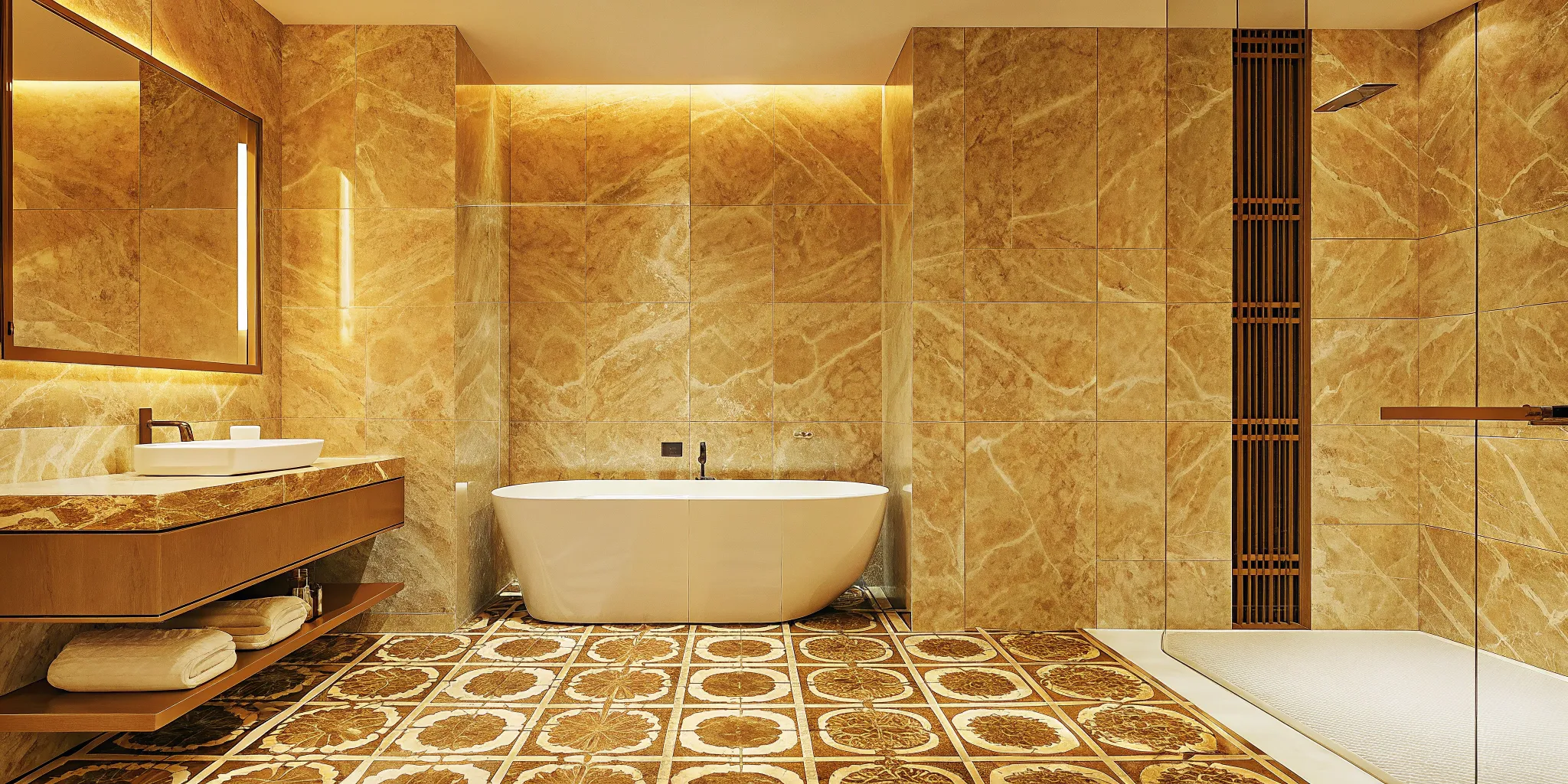
The Science Behind the Layout A master bathroom layout is about more than just fitting a tub and a vanity; it’s about the “flow of morning rituals.” Leveraging Fred’s CAPS (Certified Age-in-Place Specialist) knowledge, we design layouts that prioritize accessibility without sacrificing luxury. For example, we often recommend wider door frames and curbless shower entries, features that are sleek and modern today but essential for safety in the years to come.
Understanding dimensions is key. A standard water closet requires specific clearance for comfort, while a double vanity needs at least 60 to 72 inches to be truly functional for two people. Our expertise ensures that your floor plan avoids common pitfalls, such as “door interference” or inadequate lighting placement.
Explore More Bathroom Design Ideas:
- Small Bathroom Layout Solutions
- Choosing the Right Materials for Your North Shore Bath
Key Takeaways
- Start with Your Square Footage: The size of your bathroom is the foundation for your entire plan. A standard 110-200 sq. ft. space comfortably fits a separate tub and shower, while a larger footprint of 200+ sq. ft. opens the door to luxury features like a private water closet.
- Focus on a Layout That Works for You: A great design is about creating easy traffic flow and logical zones for your daily routine. To keep your project on budget, consider planning your new layout around your home’s existing plumbing locations.
- Balance Your Wish List with Reality: While popular features like walk-in showers and heated floors are exciting, a successful remodel aligns these wants with practical considerations like your budget, building codes, and potential structural changes.
How Big Does Your Master Bathroom Need to Be?
One of the first questions homeowners ask when planning a remodel is, “How big should my master bathroom be?” The answer really depends on your home’s layout, your daily routine, and your vision for the space. Understanding the typical dimensions for different types of bathrooms can help you set realistic expectations and decide what’s possible. Whether you’re working with a compact footprint or have room to spare, a thoughtful layout can make all the difference.
From a purely functional space to a sprawling, spa-like retreat, the size of your bathroom will determine which features you can include. Thinking about size and scope early on helps you create a clear plan for your bathroom remodeling project. Let’s look at the common size categories to help you find the right fit for your home and lifestyle.
The Minimum Space for a Functional Master Bath
If you’re tight on space, you can still create a beautiful and functional full bathroom. The minimum size for a bathroom with a toilet, sink, and shower is around 40 square feet. While this is more common for a guest bath or a secondary bathroom in a smaller home, it can work for a master suite if space is at a premium. A smart layout is crucial here, often involving a corner shower and a single vanity to maximize every inch. With clever design choices, even a compact bathroom can feel comfortable and uncluttered.
What Is the Average Master Bathroom Size?
For most homeowners, the ideal master bathroom falls somewhere between 110 and 200 square feet. This size provides enough room for the features that make a master bath feel like a personal oasis. You can comfortably fit a separate shower and bathtub, a double vanity with two sinks, and ample storage without the room feeling cramped. This range offers the flexibility to create a comfortable and functional space that meets the needs of two people getting ready at the same time, making it the most popular choice for master suite renovations.
How Your Home’s Age Affects Bathroom Size
If your current master bathroom feels a bit snug, you’re not alone. The age of your home often dictates the original footprint you’re working with. In older homes, master bathrooms were typically designed to be more utilitarian, often ranging from 75 to 100 square feet. In contrast, newer constructions prioritize spacious, spa-like environments, with primary bathrooms expanding to between 115 and 210 square feet. This difference in design philosophy is why many older homes require thoughtful home renovations to create the open, luxurious feel that modern homeowners desire, sometimes by borrowing space from an adjacent closet or room.
A Note on Terminology: Primary vs. Master Bathroom
As you explore design ideas, you’ll likely see the term “primary bathroom” used alongside “master bathroom.” The design and real estate industries are shifting toward this new terminology to be more inclusive. A primary bathroom is simply the largest bathroom in the house, typically connected to the main bedroom. It’s the one that usually contains features like a double vanity, a separate tub and shower, and more elaborate finishes. We use both terms, but wanted to give you a heads-up so you know they refer to the same beautiful, functional space you’re dreaming of creating.
Sizing Up for a Luxury Master Bath
If you dream of a true sanctuary, a master bathroom that is 200 square feet or larger provides the canvas for a luxury retreat. This generous footprint allows you to incorporate high-end, spa-like features like a large freestanding soaking tub, an expansive walk-in shower with multiple showerheads, and even a separate room for the toilet. You’ll also have space for a dedicated makeup vanity, comfortable seating, or custom cabinetry. A project of this scale often benefits from integrated design and build services to ensure every detail contributes to a cohesive and stunning final result.
Understanding Other Standard Bathroom Sizes
While your master bathroom might be the star of your renovation plans, it’s helpful to know the terminology for other bathroom types you might have or want to add to your home. Understanding these standard sizes and layouts can help you plan a cohesive remodel for your entire house, whether you’re finishing a basement or reconfiguring a guest suite. Each type serves a specific purpose, and knowing the difference will make conversations with your design and build team much smoother. From the compact powder room to the practical Jack and Jill, here’s a quick guide to the other bathroom layouts you’ll encounter.
Quarter Bath
A quarter bath is the most basic bathroom setup, containing just a toilet. You’ll often find these in older homes, tucked away in a basement or near a workshop where quick access is more important than full amenities. While less common in new builds, adding a quarter bath can be a smart, space-saving solution for specific areas of your home. For example, it’s a practical addition near a back door or pool area to keep foot traffic out of your main living spaces. During a basement finishing project, including a simple quarter bath can add significant convenience without requiring a large footprint.
Half Bath (Powder Room)
The half bath, or powder room, is a staple in modern homes, especially on the main floor. It includes two of the four main components: a toilet and a sink. Designed primarily for guests, a powder room offers convenience and helps maintain the privacy of your family’s full bathrooms upstairs. Because they are typically small, powder rooms are the perfect place to make a bold design statement with dramatic wallpaper, a unique vanity, or stylish lighting. A well-placed half bath is a highly desirable feature that adds function and value to your home’s main living and entertaining areas.
Three-Quarter Bath
A three-quarter bath is a versatile option that includes a toilet, a sink, and a shower—but no bathtub. This layout is an excellent compromise when you need more than a powder room but don’t have the space or need for a full bath with a tub. Three-quarter baths are perfect for guest bedrooms, home offices that double as guest spaces, or basements. They provide everything a guest needs to get ready comfortably. Opting for a sleek walk-in shower instead of a tub/shower combo can make a smaller room feel more open and modern, making this a popular choice in many home renovations.
Standard Full Bath
A standard full bathroom contains all four key elements: a toilet, a sink, a shower, and a bathtub. Often, the shower and tub are combined to save space, making this layout fit comfortably within about 40 square feet. This is the classic workhorse bathroom found in hallways and serving secondary bedrooms in many homes. It provides complete functionality for family members and overnight guests alike. While it’s a practical and common layout, you can still personalize the space with your choice of tile, fixtures, and vanity to match your home’s overall style. You can see a variety of beautiful and functional examples in our project gallery.
Jack and Jill Bathroom
A Jack and Jill bathroom is a clever layout designed to be shared between two bedrooms, with doors connecting to each room. This setup typically includes a double vanity, allowing two people to get ready at once, with a separate, private compartment for the toilet and shower or tub. Measuring around 65 square feet or more, this layout is a fantastic solution for kids’ bedrooms, promoting sharing while still offering privacy. A well-designed Jack and Jill bathroom can streamline morning routines and is a highly functional feature for families. It’s a smart way to provide en-suite access to two rooms with just one full bathroom.
A Guide to Bathroom Fixture Spacing and Dimensions
Once you have a general floor plan in mind, it’s time to think about the fixtures. The success of any bathroom layout comes down to the details—specifically, how much space you leave between each element. Proper spacing isn’t just about following building codes; it’s about creating a room that feels comfortable and functions effortlessly. A few inches can make the difference between a cramped walkway and a comfortable path, or a door that swings freely versus one that bumps into the toilet. Planning these key dimensions from the start ensures your finished master bath is as practical as it is beautiful. From the vanity to the tub, every piece has an ideal footprint that contributes to the room’s overall flow and usability.
Choosing the Right Double Vanity Size
A double vanity is a staple of the modern master bath, but it requires careful planning to fit correctly. The size of your bathroom will largely dictate the size of your vanity. For instance, a spacious master bath of 110 to 200 square feet can easily accommodate a generous double vanity without feeling crowded. Standard double vanities typically range from 60 to 72 inches wide, giving each person enough elbow room. When planning, remember to account for not just the cabinet itself, but also the space needed to open doors and drawers and to stand comfortably at the sink. Considering these common bathroom sizes and dimensions will help you choose a vanity that complements your space perfectly.
Standard Vanity and Countertop Dimensions
Beyond the overall width, other standard dimensions are key to a functional vanity. Most bathroom countertops are about 21 inches deep, which gives you enough space for a sink and your daily essentials without jutting too far into the room. The height is also important for comfort, typically falling between 32 and 36 inches. A taller, 36-inch “comfort height” vanity is becoming more popular because it reduces the need to bend over. When you’re planning your bathroom remodel, thinking through these measurements ensures your new vanity isn’t just stylish but also perfectly suited to your daily routine, from brushing your teeth to getting ready for the day.
How to Size Your Shower and Tub
Deciding on the right shower and tub involves more than just picking a style you love; it’s about how they fit into the overall layout. Many modern master bathroom designs focus on creating distinct wet and dry zones, which makes the room feel more organized and spa-like. A standard walk-in shower needs at least 36 by 36 inches, while a freestanding tub requires clearance on all sides to make a visual statement and allow for easy cleaning. By carefully considering the dimensions of your shower and tub, you can create a layout that feels balanced, functional, and luxurious.
Standard Bathtub Dimensions and Clearance
A standard alcove bathtub, the kind that fits neatly between three walls, is typically 60 inches long and 30 to 32 inches wide. While this is a common footprint, the space around the tub is just as important for creating a functional layout. You’ll want to leave at least 21 inches of clear floor space along the side of the tub. This ensures you have enough room to comfortably step in and out, kneel down to bathe children, or simply clean the area without feeling cramped. This clearance is a non-negotiable detail in any professional bathroom remodeling project because it directly impacts the safety and usability of your new space.
Standard Shower Dimensions and Clearance
For a comfortable walk-in shower, the minimum recommended size is 36 by 36 inches. This gives you enough elbow room to move around freely. If you have more space, expanding to 36 by 48 inches or larger can make your shower feel much more luxurious. Just as with a tub, clearance is key. Plan for at least 24 inches of clear space in front of the shower entrance. This allows a shower door to swing open without hitting anything and gives you a safe, dry spot to step out onto. You can see how these dimensions play out in real-world designs by exploring a gallery of finished projects, which can help you visualize the flow in your own master bath.
Where Should the Toilet Go? Placement and Clearance Tips
While it might not be the most glamorous fixture, the toilet’s placement is critical to a functional bathroom. Building codes mandate minimum clearances to ensure comfort and accessibility, but giving it a little extra room can make a big difference. You’ll generally need at least 21 inches of clear space in front of the toilet and 15 inches from its centerline to any wall or fixture on the side. Factoring in these bathroom layout dimensions early in the planning process prevents awkward arrangements and ensures your final layout is comfortable for everyday use.
Required Space for a Toilet
When you’re mapping out your new bathroom, the toilet’s placement is a critical detail that depends on specific measurements. Building codes are clear on this to ensure the space is both usable and comfortable. You’ll need to plan for at least 21 inches of clear space in front of the toilet, which gives you enough room to move without feeling boxed in. On either side, you should have a minimum of 15 inches from the centerline of the toilet to the nearest wall or fixture, like a vanity or shower wall. These aren’t just arbitrary numbers; they are the key to a functional layout. Following these essential clearance tips ensures your finished bathroom feels open and works smoothly, preventing any awkward shuffling or cramped corners in your daily routine.
How to Add Smart Storage to Your Bathroom Plan
Great design is about finding the perfect balance between beauty and practicality, and that’s where smart storage comes in. A cluttered countertop can instantly make a beautiful bathroom feel chaotic. Instead of relying on bulky furniture, consider integrating storage directly into your design. Floating vanities create a sense of openness while providing drawer space, and recessed medicine cabinets offer hidden storage without taking up any room. These master bath decor ideas not only keep your essentials organized but also contribute to a clean, modern aesthetic that makes your master bath feel like a true retreat.
Planning for Walkways and Doors
Think of the paths between your vanity, shower, and toilet as the main highways of your bathroom—if they’re congested, your whole routine gets backed up. Proper spacing is all about creating a room that flows. A clear walkway of at least 30 inches is a good starting point, but 36 inches feels much more comfortable, especially in a shared space. It’s also crucial to consider the swing of every door, from the main entry to the shower and vanity cabinets. A few inches can be the difference between a door that opens freely and one that constantly bumps into the toilet or another person. Thoughtful planning of these pathways is a key part of any successful bathroom remodeling project, ensuring your new space is easy to move through, not just beautiful to look at.
Designing for Accessibility (ADA Standards)
While the Americans with Disabilities Act (ADA) standards are required for public spaces, they offer a fantastic blueprint for creating a safer, more comfortable bathroom for everyone. This concept, often called universal design, is about making smart choices now that will serve you well for years to come. Consider incorporating features like a wider 36-inch doorway, a curbless walk-in shower, and reinforced walls where you might want to add grab bars later. Even giving the toilet a little extra breathing room—more than the minimum 21 inches in front—can make a huge difference in daily comfort. Integrating these principles into your design and build plan helps future-proof your home, ensuring it remains functional and accessible for a lifetime.
Which Master Bathroom Layout Is Right for You?
Choosing the right layout is the foundation of a successful bathroom remodel. The floor plan dictates how you move through the space, where your fixtures will live, and ultimately, how functional and relaxing your new bathroom will feel. While there are endless ways to arrange a room, most designs fall into a few tried-and-true categories. Understanding these popular layouts can help you visualize what’s possible for your own home and communicate your vision more clearly. From open and airy to private and compartmentalized, each layout offers unique benefits depending on your space and lifestyle. Let’s explore four common floor plans that work beautifully for master bathrooms of all sizes.
The Flexible L-Shaped Layout
The L-shaped layout is a classic for a reason. By placing fixtures and vanities along two adjacent walls, it opens up the center of the room, creating a spacious and uncluttered feel. This design is especially effective in square or wide bathrooms, as it makes excellent use of corners. A large master bathroom can easily be 110-200 square feet or more, and this layout helps define distinct zones for bathing, grooming, and storage without making the room feel choppy. You could have a long double vanity on one wall and a beautiful freestanding tub and walk-in shower on the other, with plenty of open floor space in between. It’s a flexible choice that supports a comfortable, seamless flow for your daily routines.
The Efficient U-Shaped Design
If you have a bit more space to work with and crave organization, the U-shaped design is a fantastic option. This layout utilizes three walls, which is perfect for creating a clear separation between different functional areas. Many U-shaped plans focus on separating wet and dry zones, which enhances both usability and visual appeal. For instance, you might place a stunning soaking tub or a large shower at the far end of the “U” as a focal point, with vanities and storage flanking it on either side. This approach provides an incredible amount of counter and cabinet space, making it a practical choice for couples who need their own dedicated areas.
The Streamlined Linear Plan
For long, narrow bathrooms, the linear plan (or single-wall layout) is a smart and stylish solution. This contemporary design places all the main fixtures—toilet, sink, and shower or tub—along one wall. This arrangement simplifies plumbing and creates a clean, unobstructed pathway, making the room feel longer and more open. To keep it from feeling like a hallway, you can incorporate modern design elements like floating vanities to free up floor space and statement lighting to draw the eye upward. A linear plan is a testament to the idea that you don’t need a massive footprint to create a highly functional and beautiful master bathroom design.
The Functional Split-Layout Bathroom
Privacy is a top priority for many homeowners, and the split-layout bathroom delivers just that. This design compartmentalizes the space, often placing the toilet in its own small room, or “water closet.” This simple separation allows multiple people to use the bathroom simultaneously without sacrificing privacy. Every home deserves a space that feels calm and restorative, and this layout helps achieve that by creating a more organized and serene environment. Beyond just the toilet, you can also use partial walls or glass partitions to subtly divide the showering and vanity areas, giving each zone its own distinct purpose while maintaining an open feel.
How to Choose the Best Layout for Your Bathroom
Choosing the right layout is the foundation of a successful bathroom remodel. It’s about more than just fitting in a tub and a toilet; it’s about creating a space that feels intuitive, comfortable, and perfectly suited to your daily routine. A great layout can make a small bathroom feel spacious and a large one feel like a luxurious retreat. Before you start pinning your dream vanities and tile, it’s important to think through the practicalities of your space. By considering a few key factors from the start, you can design a bathroom that is both beautiful and highly functional for years to come. A professional design-build team can help you explore creative solutions that achieve your goals.
Start by Measuring Your Space
Before you fall in love with a specific design, grab a tape measure. Knowing the exact dimensions of your bathroom is the critical first step. Measure the length and width of the room, the ceiling height, and the locations and sizes of doors and windows. A large master bathroom can easily be over 110 square feet, so understanding your existing dimensions helps you make realistic decisions about what you can fit. This isn’t just about the total square footage; it’s about mapping out the usable space to ensure every fixture has the room it needs to function properly.
Work With Your Existing Plumbing
One of the biggest factors influencing your remodeling budget is plumbing. While you can move toilets, sinks, and showers anywhere you want, relocating the water supply and drain lines adds significant cost and complexity to the project. When planning your new layout, take a close look at your existing plumbing. If the current setup is functional, working with it can save you a considerable amount of time and money. This is a practical way to keep your project on budget while still achieving a major transformation.
Think About Your Daily Traffic Flow
A bathroom should be easy to move around in, even with more than one person using it. Think about the main pathways—from the door to the vanity, the shower, and the toilet. You need clear, unobstructed routes. Consider things like the direction the door swings and whether you’ll have enough room to open vanity drawers and cabinets without bumping into anything. Prioritizing good traffic flow ensures the room feels open and functional, not cramped. This is especially important for creating a space that feels relaxing rather than stressful.
Considering Practicality: One Large Bath or Several Smaller Ones?
When planning a renovation, you might face a big question: should you create one large, luxurious master bathroom or use the space for multiple smaller, functional bathrooms? The answer depends entirely on your family’s lifestyle. A sprawling master bath of over 200 square feet can become a true personal oasis with spa-like features, perfect for a couple seeking a private retreat. However, for a busy household, the practicality of having an extra full bathroom to ease morning congestion might be far more valuable. A successful remodel aligns your vision with your daily needs, ensuring the final space solves problems rather than creating new ones. It’s a balance between creating a sanctuary and ensuring smooth traffic flow for everyone in the home.
How to Make the Most of Natural Light
Never underestimate the power of natural light. It can completely transform a bathroom, making it feel larger, cleaner, and more inviting. As you plan your layout, think about how you can maximize any existing windows. Could you place the vanity where it will catch the morning sun? If you’re short on windows, consider adding a skylight or a solar tube to bring light into the space. Incorporating natural light is one of the most effective ways to give your bathroom that bright, spa-like ambiance you’re dreaming of.
Small Master Bath Layouts That Feel Spacious (100-150 sq. ft.)
Working with a smaller master bathroom doesn’t mean you have to compromise on luxury or function. In fact, a footprint between 100 and 150 square feet is the perfect canvas for smart, creative design choices that make a big impact. Instead of seeing limitations, view this as an opportunity to create a highly efficient and personal sanctuary. With the right layout, you can make your bathroom feel open, airy, and completely uncluttered. Let’s look at a few layouts that work beautifully in this size range.
Fitting a Walk-In Shower in a Small Bathroom
Many people assume walk-in showers are only for sprawling master suites, but they are one of the best ways to maximize a smaller space. By removing the bulky tub-shower combo, you create a more open and streamlined feel. A glass enclosure, or even a doorless design, prevents the shower from visually cutting off a section of the room, helping the entire bathroom feel larger. This approach allows for more flexibility in your bathroom remodeling plan, giving you a functional and modern space that’s easy to use and clean.
Using Corner Designs to Save Space
Corners are often the most underutilized areas in any room, and your bathroom is no exception. A layout that incorporates corner fixtures can be a game-changer for improving flow and freeing up valuable floor space. Consider placing a neo-angle shower or a corner vanity to tuck major elements neatly out of the main traffic path. This not only makes the room feel more spacious but also creates a more efficient and comfortable layout for your daily routine. Using every inch of your bathroom wisely makes the space more functional and attractive.
Integrating Clever Storage Solutions
In a small bathroom, clutter is the enemy of a calm, relaxing atmosphere. That’s why integrating storage seamlessly into your design is so important. Floating vanities are a fantastic choice because they open up the floor, creating an illusion of more space. You can also take advantage of the area inside your walls by adding recessed medicine cabinets or building storage niches into your shower. These design and build services ensure your storage feels like a natural part of the room, keeping your countertops clear and your essentials neatly organized.
Design Tricks to Make a Small Bathroom Feel Bigger
Beyond the layout itself, several design strategies can trick the eye and make a compact bathroom feel much larger. It starts with creating a cohesive visual plane. Choose a light, continuous color palette for the walls and floor, and consider using large-format tiles to minimize grout lines, which can make a space feel busy. A large, frameless mirror is another essential tool; it reflects light and the room itself, creating an illusion of depth. Similarly, swapping a shower curtain for a clear glass door instantly removes a visual barrier, allowing your eye to travel to the back wall. A successful bathroom remodel combines these elements, like pairing a floating vanity that exposes more floor space with strategic lighting to create a bright, airy, and open atmosphere.
Smart Layouts for Mid-Sized Master Baths (150-200 sq. ft.)
When your master bathroom falls into the 150-to-200-square-foot range, you’ve hit the sweet spot. This size gives you enough room to create a truly functional and comfortable retreat without feeling cavernous. It’s the perfect canvas for a bathroom remodel that includes some of the most sought-after features, like a separate tub and shower, a spacious double vanity, and smart storage solutions.
With this much space, you can move beyond the basics and design a layout that truly fits your lifestyle. The key is thoughtful planning to make every square foot count. By focusing on a layout that separates different activities, you can create a bathroom that feels both luxurious and incredibly practical for daily use. Let’s look at a few popular approaches for making the most of a medium-sized master bath.
How to Fit a Separate Shower and Tub
One of the biggest advantages of a medium-sized master bath is having enough room for both a walk-in shower and a separate soaking tub. This layout instantly elevates the feel of the space, turning it into a personal spa. The best designs focus on separating wet and dry zones, which enhances both usability and visual appeal. You can place the shower and tub along the same wall or in opposite corners, creating distinct areas for your quick morning rinse and your relaxing evening soak.
This separation makes the room feel more organized and intentional. A glass-enclosed shower keeps the space feeling open, while a freestanding or drop-in tub can serve as a stunning focal point. By giving each fixture its own dedicated space, you create a more luxurious and functional environment that you can see in our project gallery.
Making Room for a Double Vanity
If you share your master bathroom, a double vanity is less of a luxury and more of a necessity for maintaining morning harmony. Practical designs often incorporate a double vanity, and a medium-sized bathroom provides ample space to do it right. You’ll want at least 60 to 72 inches of wall space to ensure both you and your partner have enough personal counter and elbow room.
A double vanity layout also opens up great design opportunities. You can choose two separate mirrors and light fixtures to define each person’s space or opt for one large, seamless mirror to make the room feel bigger. Many layouts also include a central storage tower or open shelving between the sinks, adding symmetry and extra organization. Our design and build services can help you plan a vanity that perfectly balances style with your daily needs.
Layouts That Maximize Counter and Storage Space
Clutter is the enemy of a relaxing bathroom. A medium-sized footprint gives you the chance to integrate ample storage and counter space right into your layout, keeping surfaces clear and serene. Think beyond a small medicine cabinet and consider adding a dedicated linen closet, built-in wall niches in the shower, or a vanity with deep drawers instead of just cabinets.
The final cost of a bathroom remodel depends on multiple factors, including the layout and location of plumbing fixtures, so planning for storage from the start is crucial. Extending your vanity countertop can create a dedicated spot for a makeup station, while floor-to-ceiling cabinetry can house everything from towels to toiletries. Thoughtful storage is a cornerstone of any successful home renovation, ensuring your new bathroom is as functional as it is beautiful.
Luxury Master Bath Floor Plans for Large Spaces (200+ sq. ft.)
When you have over 200 square feet to work with, your master bathroom can transform from a purely functional room into a true personal retreat. This generous footprint allows for a more thoughtful and luxurious layout, where you can separate different zones and incorporate high-end features that cater to your lifestyle. Instead of just fitting in the essentials, you can design a space that feels expansive, calming, and perfectly suited for two people to use at once without getting in each other’s way. This is where you can truly create a sanctuary within your home. Think about dedicated areas for bathing, grooming, and dressing, all flowing together seamlessly. You can include a large, custom-built vanity with dual sinks, ample counter space, and specialized storage. There’s room for a spacious walk-in shower alongside a separate, elegant tub. From a show-stopping bathtub to a completely private toilet area and even a connection to your walk-in closet, a large master bath opens up a world of design possibilities. Let’s look at a few layouts that make the most of a spacious floor plan.
Creating a Spa Vibe with a Freestanding Tub
Every home deserves a space that feels calm and restorative, and a large master bath is the perfect place to create that spa-like atmosphere. The key to this design is often a stunning freestanding tub that acts as the centerpiece of the room. Unlike standard built-in tubs, a freestanding model makes a bold statement and adds a touch of elegance. Placing it near a large window can fill your bathing area with natural light, while a central placement creates a dramatic focal point. With a variety of styles available, from classic clawfoot to modern sculptural designs, you can find the perfect tub to anchor your personal oasis. Our bathroom remodeling projects often feature these tubs as the star of the show.
Designing a Private Water Closet
One of the most requested features in a luxury bathroom remodel is a private water closet. This is a small, separate room for the toilet, enclosed by a door. This layout focuses on separating wet and dry zones, which enhances both usability and visual appeal. A private water closet offers a level of privacy that’s simply unmatched in a standard open-plan bathroom, making it much more comfortable for two people to share the space at the same time. It also improves hygiene by containing the toilet in its own area. We can incorporate this feature seamlessly into your floor plan using space-saving solutions like a pocket door, ensuring your design and build services result in a bathroom that is as practical as it is beautiful.
Standard Water Closet Dimensions
When planning your private water closet, getting the dimensions right is key for both comfort and meeting building codes. You’ll generally need at least 21 inches of clear space in front of the toilet and 15 inches from its centerline to any wall or fixture on the side. This ensures you have enough room to move comfortably. For the room itself, a minimum space of 30 inches wide by 60 inches deep is standard. However, if you have the space, I often recommend going a bit wider—around 36 inches. That extra half-foot makes a surprising difference, preventing the space from feeling cramped. Thoughtfully planning these dimensions ensures your new water closet is a truly functional and private part of your master bath retreat.
Connecting a Walk-In Closet to Your Master Bath
If you have a lot of space to play with, connecting your master bathroom directly to a walk-in closet creates the ultimate owner’s suite. This layout is optimized so that more than one person can take advantage of the bathroom’s features at the same time, streamlining your daily routines. Imagine stepping out of a spacious shower and walking directly into your closet to get dressed. This seamless flow makes getting ready in the morning or winding down at night feel effortless. This is also your chance to incorporate premium fixtures, like a multi-head shower system, a custom double vanity with high-end faucets, or even a built-in coffee bar. These thoughtful touches are what transform a large bathroom into a truly luxurious part of your home renovations.
What Are Today’s Most-Requested Master Bath Features?
As you plan your new master bathroom, it’s helpful to know what features are resonating most with homeowners right now. Today’s master bath is all about creating a personal sanctuary—a place that blends function with pure comfort. From spa-like amenities to smart technology, certain elements consistently top the list for creating a space that feels both modern and restorative. If you’re looking for ideas to include in your own bathroom remodel, these popular requests are a great place to start.
Why Everyone Wants a Large Walk-In Shower
Homeowners are moving away from cramped shower stalls and embracing large, open walk-in showers. These designs create a feeling of spaciousness and luxury, turning a daily routine into a more relaxing experience. With a larger footprint, you can incorporate features like built-in benches, multiple showerheads, or even steam functions. Walk-in showers are not only practical but also a strong visual element, often featuring beautiful tilework that acts as a focal point. They are especially popular in master bathrooms that have enough room to dedicate to a truly expansive and comfortable bathing area, making the entire space feel more open and inviting.
The Appeal of Heated Floors and Smart Tech
Comfort is king in modern bathroom design, and nothing says comfort quite like stepping onto a warm floor on a chilly Chicago morning. Heated flooring is a highly sought-after feature that adds a touch of everyday luxury. Alongside comfort, convenience is a top priority. Smart technology is making its way into the bathroom with features like anti-fog mirrors with built-in lighting, digital shower controls that set your preferred temperature, and even waterproof speakers. These thoughtful additions are designed to streamline your routine and make the space more efficient and enjoyable to use.
Must-Haves: Freestanding Tubs and Double Vanities
A freestanding tub is the ultimate statement piece for a spa-inspired bathroom. It serves as a beautiful sculpture in the room, inviting you to unwind and soak away the day. Unlike built-in tubs, they offer more placement flexibility and create an airy, high-end feel. Just as important for a shared master bath is the inclusion of double vanities. Providing separate sinks and counter space is a practical solution that adds harmony to a couple’s morning routine. You can see beautiful examples of both in our project gallery. Together, these features help create a calm, restorative space that feels both personal and beautifully designed.
Current Trends: Showers Over Tubs and Sustainable Choices
For years, the tub-shower combo was a bathroom staple, but today’s homeowners are rethinking their priorities. Many are choosing to forgo a tub altogether in favor of a larger, more luxurious walk-in shower. This shift reflects a focus on how we actually live—if you take a shower every day and a bath once a year, it makes sense to dedicate more square footage to your daily routine. This trend also opens up exciting design possibilities for your bathroom remodeling project, allowing for features like built-in benches, dual showerheads, and seamless, curb-less entry that enhances both accessibility and style.
Alongside this focus on personal luxury, there’s a growing desire for sustainability. Homeowners are increasingly looking for eco-friendly options that reduce their environmental impact without sacrificing performance. This can be as simple as installing low-flow toilets and showerheads that conserve water or choosing vanities made from reclaimed wood. Materials like recycled glass tiles and countertops made from sustainable composites are also gaining popularity, proving that a beautiful, modern bathroom can also be a responsible one.
Popular Materials for a Modern Bathroom
The materials you choose are essential for creating that clean, spa-like feel that defines a modern master bath. On floors and walls, large-format porcelain or ceramic tiles are a top choice. Their sheer size means fewer grout lines, which creates a seamless, expansive look that’s also easier to clean. For countertops, quartz continues to dominate because it offers the beautiful look of natural stone, like marble, but with superior durability and without the need for regular sealing. It’s a practical choice that delivers a high-end aesthetic.
To balance the cool tones of tile and stone, many designs incorporate natural wood elements. A warm oak or walnut vanity can add organic texture and prevent the space from feeling sterile. When it comes to fixtures, matte black and brushed gold or brass finishes are still incredibly popular, offering a sophisticated alternative to traditional chrome. You can see how we bring these materials together in our project gallery, creating bathrooms that are both on-trend and timeless.
How to Prepare for Common Remodeling Challenges
A master bathroom remodel is an exciting project, but even the most carefully planned renovation can have its surprises. Knowing what to expect helps you prepare for potential hurdles and ensures a smoother process from start to finish. Let’s talk about a few common challenges you’ll want to consider as you finalize your floor plan and get ready to build your dream bathroom. By planning for these ahead of time, you can work with your contractor to create a clear strategy that keeps your project on track and minimizes stress, allowing you to focus on the beautiful results ahead.
Balancing Your Vision with Your Budget
It’s easy to get swept up in beautiful design ideas, but your project’s success depends on balancing your vision with your budget and the physical constraints of your room. The final cost of a bathroom remodel is shaped by many factors, including the room’s dimensions, the materials you choose, and the complexity of the layout. For example, deciding between a standard-sized shower and a custom-tiled, oversized one will have a significant impact. Being upfront about your budget from the start allows your design team to recommend creative solutions and material selections that give you the high-end look you want without overspending.
Understanding Costs and Return on Investment (ROI)
A bathroom remodel is one of the smartest investments you can make in your home. While it’s exciting to think about the beautiful new space, it’s also important to consider the return on investment (ROI). A well-planned and professionally executed bathroom renovation doesn’t just improve your daily life; it can also significantly increase your home’s resale value. According to the National Association of Realtors, a bathroom remodel can recover over 70% of its cost upon resale. The key to achieving this strong return is quality craftsmanship and timeless design. Potential buyers are drawn to updated, functional bathrooms, but they can also spot shoddy work from a mile away. Investing in a professional remodel ensures that everything from the plumbing to the tilework is done correctly, which protects your home’s value and makes your project a true long-term asset.
What to Know About Plumbing and Structural Changes
One of the biggest variables in any bathroom renovation is the plumbing. While you can place fixtures anywhere in a new floor plan, moving the existing plumbing lines for a toilet, sink, or shower adds significant cost and complexity to the project. If you’re working with a smaller budget, you can keep costs in check with some strategic layout considerations. Keeping your new fixtures in the same general location as the old ones is the most effective way to manage your budget. If your dream layout requires relocating plumbing, a professional contractor can assess the structural requirements and give you a clear picture of the work involved.
A Quick Guide to Building Codes and Permits
Navigating local building codes and permits can feel overwhelming, but it’s a crucial part of the remodeling process. These regulations exist to ensure your new bathroom is safe, functional, and built to last. For big bathroom remodels, you usually need permits, especially if you’re moving walls, changing electrical wiring, or altering plumbing systems. The good news is you don’t have to figure this out on your own. Your contractor should handle these for you. Our design and build services include managing the entire permit process, ensuring every aspect of your project is fully compliant with Chicagoland’s codes.
Ready to Plan Your Dream Master Bath?
Feeling inspired by all the possibilities? Turning those ideas into a concrete plan is the next exciting step. A successful remodel hinges on thoughtful design, the right building partner, and a clear understanding of the process. When you’re ready to move from dreaming to doing, focusing on these key areas will help ensure your project runs smoothly and results in a master bathroom you’ll love for years to come. It’s all about translating your vision into a functional, beautiful space that fits your home and your lifestyle.
Why a Professional Design Matters
A truly great master bathroom is more than just a collection of stylish fixtures; it’s a space designed for your daily life. A professional design considers every detail, from traffic flow to storage needs. For example, a well-planned layout will separate wet and dry zones—like the shower and vanity areas—to improve usability and create a more open, relaxing feel. This is where expert design and build services make a difference. A designer helps you see beyond the current footprint, ensuring practical elements like a double vanity are perfectly placed and that every inch of the room serves a purpose, blending form and function seamlessly.
Partnering with THP Builders in Chicagoland
Choosing the right team to bring your vision to life is one of the most important decisions you’ll make. A professional design-build firm can help you work through the complexities of a layout, ensuring your new master bath is both beautiful and practical. As a Chicagoland-based contractor, we understand the unique character of homes in the area and stay current on local trends and building codes. We believe in a collaborative approach, working with you to create a space that reflects your style and meets your needs. You can see our past projects to get a feel for our commitment to quality craftsmanship and award-winning results.
Understanding Project Timelines and Permits
Every remodeling project comes with questions about timelines and costs. The final price of a bathroom remodel depends on factors like the room’s size, the materials you choose, and whether you change the layout or move plumbing fixtures. Careful planning during the design phase can help keep costs in check, especially if you’re working with a specific budget. An experienced contractor will also manage the entire permit process, so you don’t have to worry about the paperwork. We provide a clear project scope and timeline from the start, so you always know what to expect. If you have questions about your specific project, get in touch with our team to start the conversation.
Related Articles
- Your Guide to the Perfect Master Bathroom Layout
- How to Plan a Small Bathroom with Shower Layout
Frequently Asked Questions
What are the biggest factors that will affect my bathroom remodeling budget? The most significant cost drivers in a bathroom remodel are typically layout changes and material choices. If you decide to move fixtures like the toilet or shower, the project will involve relocating plumbing and electrical lines, which adds to the labor and complexity. Beyond that, the finishes you select play a huge role. Things like custom tile work, high-end stone countertops, and premium fixtures will influence the final cost more than the size of the room itself.
If I have enough space, should I always include a separate bathtub and shower? This really comes down to your personal lifestyle. If you love a long soak, a freestanding tub can be a wonderful centerpiece for your retreat. However, if you’re someone who only takes showers, you might get more daily enjoyment from a larger, more luxurious walk-in shower with features like a bench or multiple showerheads. While a separate tub is often seen as a plus for resale value, the best choice is always the one that makes your daily routine more comfortable and enjoyable.
How long does a typical master bathroom remodel take from start to finish? The timeline for a master bathroom project can vary quite a bit depending on the scope of the work. A straightforward remodel where fixtures stay in the same place might take several weeks. A more complex renovation that involves changing the layout, moving walls, and custom work will naturally take longer, often a few months from the initial design phase to the final walkthrough. The process includes design, material selection, permitting, demolition, and construction, so a clear plan from the start is key.
Can I still live in my home while my master bathroom is being remodeled? Yes, you can absolutely stay in your home during the renovation. A professional remodeling team will take care to seal off the work area to minimize dust and disruption to the rest of your house. The main inconvenience is that you won’t have access to your master bathroom during construction. You’ll need to plan on using another full bathroom in your home for the duration of the project.
I’m overwhelmed by all the layout options. Where’s the best place to start? It’s completely normal to feel that way! The best starting point isn’t looking at floor plans, but thinking about your daily routine. Make a simple list of what you love and what frustrates you about your current bathroom. Do you and your partner bump elbows at the sink? Is there never enough storage? Answering these questions will give you a clear set of goals. From there, you can gather inspiration photos and talk with a design-build professional who can help translate your needs into a functional and beautiful layout.