
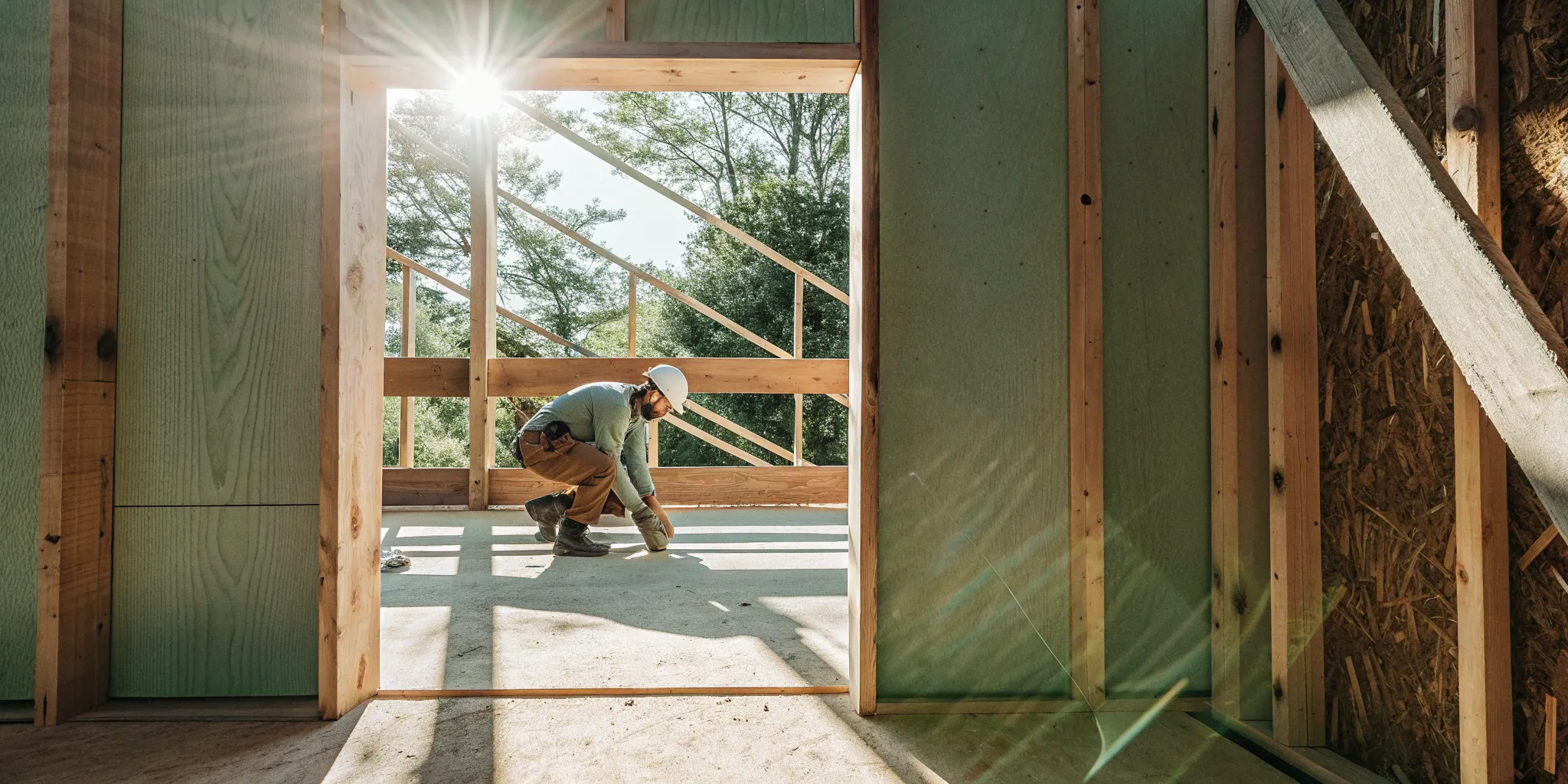
Ready to give your home’s exterior a facelift? Taking on a DIY siding project is tempting, but this is one job where every detail matters. A tiny mistake can cause huge headaches like moisture damage or ugly warping later on. I’m here to give you an honest, behind-the-scenes look at what a real wood siding installation requires. We’ll cover everything from the essential support structure to the final trim pieces. My goal is to give you the confidence to decide: is this a project you can handle, or is it time to call a pro for a flawless finish?
Key Takeaways
- Get the look of wood without the constant upkeep: NewTechWood offers the warm, classic aesthetic of natural wood but is engineered to resist fading, stains, and rot, freeing you from the demanding cycle of sanding and repainting.
- A successful installation is all in the prep work: For a durable, professional finish, you must build a proper support structure for ventilation and leave precise expansion gaps between boards. These steps are critical to prevent future warping and moisture damage.
- Make a smart investment in your home’s future: This siding is not only a low-maintenance choice but also an eco-friendly one, made from 95% recycled materials. Its 25-year transferable warranty adds long-term peace of mind and tangible value to your property.
What Is NewTechWood Siding?
When you’re planning a home renovation, the siding you choose plays a huge role in your home’s curb appeal and long-term durability. It’s one of those decisions that defines the look of your house for years to come. One option that’s been getting a lot of attention is NewTechWood. It’s a composite material that blends the classic look of wood with modern technology, giving you the best of both worlds. Let’s look at what makes it a smart choice for so many homeowners.
Why Choose NewTechWood?
So, what’s the big deal with NewTechWood? It comes down to its UltraShield technology. Think of it as a protective cap that covers every side of the board, making it incredibly resistant to everyday life. Spilled coffee during a morning rush, a splash of wine from the patio, scratches, and fading from the sun—this siding is built to handle it. This shield also prevents cracking, swelling, and mold, which means you spend less time on upkeep and more time enjoying your home. Plus, it comes with a 25-year limited warranty that you can even transfer to a new owner, which is a great selling point down the road.
Is NewTechWood Siding Eco-Friendly?
If sustainability is important to you, you’ll appreciate NewTechWood’s commitment to the environment. Their products are made from 95% recycled materials, including reclaimed wood fibers and plastic bottles. To put that in perspective, the company saves more than 12 million pounds of plastic from ending up in landfills every single month. They manage their own recycling process and undergo yearly environmental checks to ensure their practices are safe and responsible. By choosing this siding, you’re not just getting a durable exterior; you’re also making an eco-conscious decision. You can learn more about their materials and see the installation process on their website.
How NewTechWood Compares to Other Siding
Choosing the right siding is a big decision that impacts your home’s curb appeal, maintenance schedule, and protection against the elements. While traditional materials have their place, NewTechWood’s composite siding offers a unique blend of beauty and brawn. It’s designed to give you the look you want without the constant upkeep. Let’s break down how it compares to other popular options so you can feel confident in your choice for your home renovation project.
NewTechWood vs. Traditional Wood
There’s no denying the classic beauty of natural wood siding, but its charm comes with a lot of work. NewTechWood gives you that same warm, inviting look without the vulnerabilities. Made from a unique composite material, it’s significantly more fire-resistant than traditional wood, offering extra peace of mind. It also stands up to moisture and rot, which is a huge plus in Chicagoland’s varied climate. While natural wood can warp, swell, or decay over time, NewTechWood is engineered to withstand harsh weather, making it a more durable and reliable choice for the long haul.
Common Wood Species and Costs
When you look at traditional wood, you’ll find a variety of species like cedar, pine, and spruce, each with its own look and price point. Generally, you can expect the material costs for wood siding to fall somewhere between $1 and $5 per square foot, with labor adding another $2 to $5 per square foot. But the initial price tag doesn’t tell the whole story. Natural wood demands a long-term commitment to maintenance. To protect it from moisture and prevent rot, you’ll need to stain, seal, or paint it every few years. These ongoing costs and labor can add up significantly over the life of the siding, turning a seemingly affordable option into a more expensive one over time.
Key Differences in Preparation
Preparing for a wood siding installation is a meticulous process that can’t be rushed. Before you even begin, you have to acclimate the wood to your local environment. This means unbundling the boards and letting them sit outside for up to two weeks so they can adjust to the humidity and temperature, which helps prevent shrinking or swelling after they’re installed. You also need to carefully inspect what’s underneath your old siding to ensure the vapor barrier and insulation are intact. In contrast, composite siding like NewTechWood is engineered for stability and doesn’t require this lengthy acclimation period, simplifying the preparation phase and reducing the risk of installation errors related to moisture changes.
How It Stacks Up Against Vinyl and Fiber Cement
When you look at NewTechWood next to vinyl, the difference in quality is clear. Vinyl siding can expand, warp, and fade when exposed to moisture and sunlight, but NewTechWood’s composite structure resists these issues, maintaining its integrity and color for years. Compared to fiber cement, NewTechWood offers a more authentic wood-like finish without the maintenance headaches. Fiber cement is tough, but it can be prone to cracking and requires regular painting to keep it looking fresh. NewTechWood is designed to deliver that beautiful aesthetic from day one, saving you from future maintenance and care.
Cost vs. Lifespan: A Quick Comparison
Let’s talk about the investment. The upfront cost of NewTechWood composite siding is often comparable to high-end or exotic wood options and is generally higher than standard wood or vinyl. However, the real value comes into play over time. With traditional wood, you have to factor in the recurring costs of staining, sealing, and repairing. With NewTechWood, those maintenance tasks are virtually eliminated. Its impressive lifespan means you won’t be thinking about a replacement anytime soon. When you consider the long-term savings, NewTechWood proves to be a smart and economical choice for homeowners who want a beautiful, long-lasting exterior.
Everything You Need for Installation
Before you start any project, it’s always a good idea to get organized. Laying out all your tools and materials ahead of time makes the entire installation process feel smoother and more manageable. Think of it as your pre-game huddle—a few minutes of prep work can save you hours of searching for that one specific screw later on. Getting everything in order ensures you can keep your momentum going once you begin.
Your Must-Have Tool Checklist
The good news is you won’t need a workshop full of specialized equipment for this project. Most standard woodworking tools will do the trick. For the best results, I recommend using carbide-tipped blades when you make your cuts; they’ll give you a cleaner edge on the composite material. When it comes to fasteners, choose high-quality stainless steel or coated deck screws. They’re designed to resist corrosion and will ensure your beautiful new siding stays securely in place for years to come, no matter what the Chicago weather throws at it. Proper tools are a cornerstone of any successful home renovation.
Helpful Tools for Solo Installation
Working alone means you have to be your own assistant, but a few clever tools can make all the difference. Siding gauges are a lifesaver; they clip onto the siding you just installed and hold the next board perfectly in place, freeing up your hands for fastening. A good set of sawhorses provides a stable cutting station, and a laser level can help you establish straight, true lines across long walls without needing someone to hold the other end of a chalk line. These aren’t necessarily “must-haves,” but they will definitely reduce frustration and help you achieve those clean, professional-looking results you’re aiming for.
NewTechWood Parts and Hardware List
NewTechWood siding is designed as a complete system, with specific parts that work together to create a seamless, professional finish. Getting familiar with these components will make assembly much easier. Here’s a quick rundown of the key pieces you’ll be working with:
- AW02 Starter Strip: This piece gets everything started, creating the foundation for your first siding board.
- AW08 Installation Clips: These clever clips are used to attach the siding boards to the structure.
- US09 Standard Siding Board: The star of the show, these boards feature a tongue-and-groove design for a snug fit.
- F Trim (US44) & I Trim (US45): These trim pieces are for finishing touches. The F trim caps open sides, while the I trim is used where two boards meet.
- Corner Fascia (US46 & US47): These provide a clean finish on outer and inner corners.
- T-7 Rubber Stoppers: You’ll use these to secure the final board in place.
Don’t Forget Your Safety Gear
Alright, let’s talk about staying safe. No home improvement project is worth an injury, so please make sure you have the right protective gear. This includes gloves to protect your hands, long sleeves, and proper eye protection. When you’re cutting the siding, it’s also a good idea to wear a mask to avoid inhaling any dust. Taking these simple precautions helps ensure your project is successful for all the right reasons. And remember, if you ever feel like a project is beyond your skill set or comfort level, it’s always best to call in a professional.
Prepping for Your Wood Siding Installation
A beautiful, long-lasting siding job is all in the prep work. Just like with any major home renovation, taking the time to get the foundation right makes all the difference. Before you even think about hanging that first board, there are a few essential steps to cover that will set your project up for success. Getting these details sorted out now will save you from major headaches later and ensure your new siding looks fantastic for years to come. It’s the classic “measure twice, cut once” philosophy, and it’s the secret to a professional-grade finish that truly protects your home from the elements. Think of this as building the perfect canvas for your home’s new look. It’s not the most glamorous part of the project, but it’s arguably the most important. From navigating local regulations to building a solid support system and planning your layout, this groundwork is what separates a DIY-looking job from a stunning, durable exterior that adds real value to your property. We’ll walk through exactly what you need to do to get your home ready for its new siding, ensuring every board fits perfectly and your home is protected for decades.
Do You Need a Permit? Checking Local Codes
This is one of those steps you absolutely cannot skip. Before you start, you need to check in with your local municipality about building codes and permits. Every town in the Chicagoland area has its own set of rules, and they’re in place to ensure your project is safe and structurally sound. Ignoring this can lead to fines or even having to redo the work. Plus, having the proper permits on file is crucial if you ever decide to sell your home. If sorting through regulations sounds overwhelming, remember that a professional contractor handles this process as part of their design and build services.
How to Prepare Your Wall Structure
Your siding is only as good as the structure holding it up. This framework, typically made of pressure-treated wood, is the skeleton for your entire project. It needs to be installed correctly to ensure your siding remains stable and secure through Chicago’s wild weather seasons. It’s also important to install a breathable vapor barrier behind the support structure. This lets your walls breathe while preventing moisture from getting trapped, which is key to avoiding mold and rot. Because this step is so critical to the longevity of your siding, we always recommend having a licensed professional handle the installation.
Installing a Moisture Barrier
Think of a moisture barrier as your home’s last line of defense against the elements. It’s a specially designed wrap that goes over your home’s sheathing, directly under the siding. Its job is to stop water from getting into your wall structure while still allowing water vapor to escape. You’ll want to install it by starting at the bottom of the wall and working your way up, overlapping each new layer over the one below it by a few inches. This creates a shingling effect that effectively sheds any water that might find its way behind the siding, protecting your home from potential rot and mold issues down the line.
Building a Rainscreen with Furring Strips
Here’s a fact that surprises many homeowners: no matter how well siding is installed, some water will eventually get behind it. That’s where a rainscreen comes in. By attaching vertical furring strips (thin strips of wood) to the wall over the moisture barrier, you create a small, intentional air gap between the barrier and the siding. This gap is a game-changer. It gives any trapped moisture a clear path to drain away and allows air to circulate, drying everything out. This simple step is one of the most effective ways to prevent rot and dramatically extend the life of your siding, making it a crucial part of any quality home renovation.
Installing Insect Screens
Creating an air gap for ventilation is great, but it also creates a potential opening for insects and debris. To solve this, you’ll need to install an insect screen or a specialized venting material at the top and bottom of the rainscreen wall. This material is designed to be breathable, allowing air and moisture to move freely, but it forms a physical barrier that keeps pests from making a home behind your siding. It’s a small but critical detail that ensures your rainscreen system works as intended without any unwelcome guests. This finishing touch on your prep work protects the integrity of your entire siding system for the long haul.
Measure Twice: Planning Your Layout
Now for the fun part where you can start to see your vision come together. Before you make your first cut, take the time to measure everything carefully and draw up a detailed plan for your project. This helps you map out where each board will go, account for windows and doors, and make sure you order the right amount of material. A good plan is your roadmap to a smooth installation and a polished, professional finish. It’s the same thoughtful approach we take when designing a new kitchen layout, and it ensures the final result is exactly what you pictured.
Calculating Your Material Needs
Getting your material estimate right is key to keeping your project on track and on budget. Start by measuring the width and height of each wall you plan to cover, then multiply those numbers to get the total square footage. From there, you’ll need to subtract the area of any features the siding won’t cover, like windows and doors. Just measure their width and height, calculate their square footage, and deduct it from your total. This will tell you exactly how much siding you need to buy. It’s always a smart move to order about 10% extra to account for any miscuts or mistakes—it’s much better to have a little leftover than to run out mid-project.
Ensuring Proper Ground Clearance
This is a small detail that makes a huge difference in the longevity of your siding. You must leave adequate space between the bottom edge of your first siding board and the ground. A good rule of thumb is to maintain a clearance of at least eight inches. This prevents rainwater from splashing up from the ground onto your siding, which can lead to moisture damage, staining, and premature wear on the finish. In a place like Chicagoland, where we see plenty of rain and snow, this step is critical for protecting your investment and the integrity of your home’s structure. It’s one of the foundational details that ensures your home renovation stands the test of time.
Your Step-by-Step Wood Siding Installation Guide
With your space prepped and your tools ready, it’s time to start the installation. Precision is key here, as each step builds on the last. Taking your time now ensures a beautiful, long-lasting finish for your home’s exterior. This process requires careful attention to detail, from establishing a level base to accommodating for the material’s natural expansion and contraction. Follow these steps closely for a seamless installation that looks professionally done.
Step 1: Install Window, Door, and Corner Trim
Think of trim as the frame for your home’s new look—it’s the finishing touch that defines the edges and makes everything look sharp and complete. Before you hang a single siding board, you need to install the trim around all your windows, doors, and corners. This step is crucial for two reasons: it creates a clean, professional aesthetic and, more importantly, it acts as your first line of defense against moisture. Getting this right is a non-negotiable for a durable, weather-tight finish. It’s the kind of foundational detail that ensures the final result looks polished, much like the detailed tile work in a bathroom remodel.
Start by measuring and cutting your trim pieces to fit snugly around each opening. For a classic look, 1×2 inch wood trim works beautifully. When you’re ready to attach the trim, use 2-inch stainless steel nails. It might seem like a small detail, but using stainless steel is important because it won’t rust and leave unsightly streaks down your siding over time. According to siding experts, you should always install corner boards and trim before the siding goes on, as this creates a clean edge for the siding planks to butt up against.
For a truly seamless look, especially at the corners, you’ll want to miter the ends of the trim where they meet. This just means cutting them at a 45-degree angle so they join together perfectly, creating a sharp, continuous line. Once all your trim is in place, the final step is to seal everything up. Apply a quality exterior caulk anywhere the wood trim meets another material, like brick or your foundation. This simple step is vital for preventing moisture from sneaking in behind the siding. After the caulk has cured, you can apply your stain and sealant to protect the wood and tie the whole look together.
Step 1: Install Corner Trims and Starter Strips
First things first, let’s set the foundation for a perfect installation. Begin by installing the corner trims where your walls meet, whether they are inner or outer corners. Once they’re securely in place, you’ll attach the Starter Strip (AW-02) along the very bottom of the wall. This piece is critical because it provides the base for your first siding board. You absolutely must make sure it’s perfectly level. Use a quality level and double-check your work, because any inconsistencies here will be magnified as you move up the wall. A solid, level start is the secret to a flawless finish that looks straight and professional.
Creating a Starter Plank for the First Course
With your starter strips in place, the next step is to create a special first plank to get everything going. This isn’t a separate piece you buy; you’ll actually make it from a standard siding board. Take one of the tongue-and-groove planks and carefully cut off the groove side using a table saw. This modification gives you a smooth, straight bottom edge that will sit perfectly on your starter strip. A level start is the foundation for the entire wall, so take your time here. Line up this custom-cut plank with your level line and fasten it securely to the plywood sheathing with 2-inch stainless steel nails. Getting this first course perfectly straight is one of the most critical steps in any successful home renovation, as it dictates how the rest of your siding will look.
Step 2: Mount Your First Siding Board
Now that your starter strip is secure, you can place the first siding board right on top of it. This board is secured using special AW-08 clips. Attach the clips to the top groove of the board, then screw them directly into the joists or furring strips behind the siding. It’s important to leave a small gap at the bottom of this first board to allow for proper airflow, which helps prevent moisture issues down the line. Make sure this first board is snug and secure before you move on to the next one. This initial board sets the precedent for the rest of the wall, so take your time to get it just right.
Step 3: Continue Installing Boards
As you continue adding more boards, working your way up the wall, remember to leave small gaps between them. This is crucial for allowing the composite material to expand and contract with temperature changes. Forgetting this step can lead to buckling or warping. For example, an 8-foot board installed in chilly 14°F weather needs a 4/16-inch gap, but on a warm 86°F day, it only needs a 1/16-inch gap. Getting these measurements right is a non-negotiable part of a professional home renovation that stands the test of time. Always check the manufacturer’s specific guidelines for the temperature on your installation day.
Step 4: Add the Finishing Touches
To complete the installation, you’ll need to secure the very top board using rubber stoppers (T-7). These hold the final piece in place without visible fasteners, maintaining a clean aesthetic. For a truly polished look, use F trim (US44) and I trim (US45) to cover any open ends and seams around windows, doors, and corners. These finishing pieces are what truly tie the whole project together, giving your siding a crisp, high-end appearance that protects the edges from the elements. You can see examples of this detailed work in our project gallery, where every finish is executed with precision.
Filling Nail Holes for a Clean Look
After all the work of measuring, cutting, and installing, it’s the small details that create a truly professional result. One step you don’t want to skip is filling the nail holes on your trim and any face-nailed boards. While it might seem minor, this finishing touch is crucial for achieving that seamless, polished look. Using a quality wood filler designed for exterior use not only hides the fasteners but also adds an extra layer of protection, sealing the holes against moisture that could seep in over time. Taking a little extra time on this final detail ensures your new siding looks flawless and is well-protected, contributing to a high-quality home renovation that will look great for years to come.
Common Installation Mistakes to Avoid
You’re putting in the time and effort to give your home a beautiful, durable exterior, so the last thing you want is a simple mistake to undo all your hard work. Getting the details right during installation is what separates a siding job that looks great for a few years from one that lasts for decades. A few common slip-ups can lead to warping, moisture issues, or an uneven finish down the road.
Paying close attention to how you fasten the boards, accounting for temperature changes, and making sure you’re following local rules are the keys to a successful project. Think of it as setting your siding up for success from day one. When you’re planning a major exterior update as part of a larger project, these are the kinds of details a professional team focuses on to deliver a flawless finish. Taking the time to get these steps right ensures your home renovation not only looks fantastic but is also built to last.
How to Avoid Fastening and Nailing Errors
How you fasten your siding boards is more important than you might think. One of the most common errors is driving screws or nails in at an angle, sometimes called “toe-nailing.” Every fastener should go straight into the surface at a 90-degree angle. This ensures the siding is held securely against the support structure without putting unnecessary stress on the board.
When screws are angled, they can create pressure points, which may lead to cracking or warping over time as the siding expands and contracts. Take a moment with each screw to make sure it’s perfectly straight. This small detail provides a much stronger, more stable hold and contributes to a clean, professional look across the entire wall.
Choosing the Right Fasteners
The type of screws or nails you use might seem like a minor detail, but it’s one of the most important decisions for ensuring your siding lasts. Given Chicagoland’s weather, you need fasteners that can stand up to moisture without rusting. That’s why you should always choose high-quality stainless steel or coated deck screws. They’re specifically designed to resist corrosion, which means you won’t see rust streaks running down your beautiful new siding in a few years. Using the right hardware is a non-negotiable part of any quality home renovation, as it ensures your siding stays securely in place for the long haul.
Proper Nailing Techniques
Once you have the right fasteners, it’s all about how you install them. A common mistake is driving screws in at an angle, which is sometimes called “toe-nailing.” It’s crucial that every fastener goes straight into the surface at a 90-degree angle. When screws are angled, they create uneven pressure points on the board. As the siding naturally expands and contracts with temperature changes, this pressure can lead to cracking or warping over time. Taking an extra second to line up each screw perfectly straight ensures a stronger hold and a flawless, professional-looking finish that protects your investment.
Are You Leaving Room for Expansion?
Siding materials, including composites like NewTechWood, naturally expand in the heat and shrink in the cold. If you don’t leave room for this movement, your siding can buckle or warp. It’s essential to leave a small gap between the boards. The exact size of this gap depends on the temperature on the day you install it—a colder day requires a slightly larger gap than a warm day.
Equally important is ventilation. Siding should never be installed directly against a flat wall. It needs an air gap of at least one inch behind it to allow moisture to escape. This is typically achieved by installing the siding on a support structure of joists or furring strips. Proper airflow prevents mold and rot, protecting both your siding and your home’s structure.
Why You Shouldn’t Caulk Joints
It might seem intuitive to seal the joints between siding boards with caulk to keep water out, but this is one of the biggest mistakes you can make. The NewTechWood system is designed to manage moisture through ventilation—that air gap we talked about is there for a reason. When you caulk the joints, you block the path for any water that gets behind the siding to drain and evaporate. Instead of protecting your home, the caulk traps moisture against your wall structure, creating the perfect environment for mold and rot. This can compromise not just your siding but the integrity of your home’s structure, a common issue we address in our home renovation projects.
Preventing Siding Overload and Code Issues
Before you even begin your project, it’s a good idea to check in with your local building authority. Every municipality has its own building codes, and a siding project might require a permit. Ignoring these regulations can lead to fines or, in a worst-case scenario, an order to remove the siding and start over. A quick call or visit to your local planning office can clarify what’s needed.
This step ensures your installation is safe, compliant, and won’t cause any issues if you decide to sell your home later. If handling permits and codes feels overwhelming, remember that this is a standard part of the process for any professional design and build service.
DIY or Hire a Pro?
Deciding whether to tackle a siding project yourself or bring in a professional is a major crossroads. While the satisfaction of a DIY job is tempting, siding installation is a complex task where small mistakes can lead to big problems down the road. It’s about more than just attaching boards to a wall; it involves structural integrity, weatherproofing, and adherence to local codes. Before you pull out the ladder, it’s crucial to honestly evaluate the project’s demands against your own experience, time, and toolset.
Making the right choice ensures your investment not only looks great but also protects your home for years to come. Let’s walk through what you need to consider to make a confident decision.
Can You DIY This Project?
First, be realistic about your skill level. While you can use standard woodworking tools, you’ll get the best results with specific equipment like carbide-tipped blades for clean cuts. You also need to be comfortable with precise measurements and planning. Before you even start, you’ll have to look up local building codes and secure the right permits.
Safety is another huge factor. You’ll need the proper gear—gloves, eye protection, and a mask—especially when cutting materials. Most importantly, this type of siding requires a support structure built behind it. The manufacturer recommends hiring a licensed professional to install this framework, as it’s foundational to the entire project’s success and longevity.
When to Call in a Professional
If you have any hesitation about building the support structure or ensuring proper ventilation, it’s time to call a professional. In fact, the siding manufacturer strongly encourages it. This isn’t just a suggestion; it’s a recommendation based on the technical requirements for a successful installation. The siding itself is not designed to bear weight, and it can’t be installed over your old siding. A professional team understands these limitations and knows how to prep the surface correctly.
Hiring an experienced contractor ensures the critical details, like the one-inch air gap for ventilation, are handled perfectly. This prevents moisture issues and protects your warranty. For a project this significant, working with a team that specializes in home renovations provides peace of mind that the job is done right, from the structural supports to the finishing touches.
The Benefits of Working With an Experienced Contractor
When it comes to a project as important as your home’s siding, the person doing the work matters just as much as the materials you choose. While a DIY approach can be rewarding, the technical precision required for siding installation is significant. An experienced contractor brings a level of skill and knowledge that ensures the job is done right the first time, protecting your investment and your home. Here are a few key advantages of working with a professional.
- Expertise and Precision: A professional contractor understands the science behind a successful installation. They know how to build the essential support structure that allows for proper ventilation and prevents moisture damage. This foundational work is critical for the siding’s longevity and is a core part of any professional home renovation. Their attention to detail ensures every board is level, every gap is correct, and the final result is flawless.
- Handling Codes and Permits: Every town in the Chicagoland area has specific building codes that can be complicated to understand. An experienced contractor is well-versed in these local regulations and will manage the entire permitting process for you. This saves you from potential headaches, fines, or the risk of having to redo work, ensuring your project is fully compliant from start to finish.
- Warranty Protection: Many siding manufacturers, including NewTechWood, require installation by a licensed professional to keep the product warranty valid. Hiring an expert not only gives you a high-quality finish but also safeguards your 25-year warranty. This protects your investment and provides long-term assurance that your siding is covered.
- Efficiency and Peace of Mind: A professional team has the experience and tools to complete the job efficiently and correctly, saving you countless hours and potential frustration. Ultimately, hiring a contractor who specializes in design and build services offers peace of mind. You can trust that every detail is being managed by experts, allowing you to enjoy the process and look forward to the beautiful result without the stress.
How to Care for Your New Siding
One of the best parts of choosing NewTechWood siding is how little you have to do to keep it looking fantastic. Gone are the days of scraping, sanding, and repainting every few years. This siding is designed for durability and ease, but a little bit of know-how will ensure it stays in top condition for decades. Taking care of your new siding is straightforward and simple, giving you more time to enjoy your beautiful home.
Your Simple Cleaning and Care Routine
You can officially cross “paint the house” off your to-do list for good. With NewTechWood, the rich color is built directly into the protective outer shield, so you’ll never have to sand, paint, or oil the siding to maintain its appearance. For routine upkeep, a simple wash with soap and water is all it takes to remove dirt and grime. This low-maintenance feature is a huge plus for any homeowner, freeing up your weekends for more important things. It’s a key reason we recommend it for our home renovation projects.
Why You Should Avoid Pressure Washing
When your siding needs a refresh, reaching for a pressure washer might seem like the quickest solution, but it’s a shortcut you should avoid. The intense force can be too harsh, even for durable composite materials like NewTechWood. For traditional wood siding, the risks are even greater. Experts warn that a pressure washer can damage the finish and the wood itself. The high-pressure spray can also force water into seams and behind the siding, leading to hidden moisture issues like mold, rot, and warping. Over time, this method can also strip away protective coatings, leaving your home’s exterior vulnerable. It’s always better to stick with the simple, gentle cleaning methods recommended by the manufacturer to protect your investment for the long haul.
How to Prevent Damage and Moisture
While NewTechWood is incredibly tough, a couple of preventative measures will protect your investment. Proper ventilation is key; the siding should be installed on a support structure that allows for at least an inch of airflow behind it. This prevents moisture from getting trapped, which is crucial for the health of your home’s exterior. Also, be mindful of energy-efficient windows. Low-E glass can reflect a significant amount of heat, which may damage the siding. When planning home additions, it’s a good idea to consider window placement to avoid any issues.
What to Expect for Years to Come
Your new siding is built to last, and it comes with a 25-year limited warranty to prove it. This warranty can even be transferred to a new owner, which is a great selling point if you ever decide to move. You can also feel good about your choice, as NewTechWood products are made from 95% recycled materials like plastic bottles and wood fibers. This eco-friendly composition not only helps the environment but also creates a highly durable material that resists rot and pests. It’s a smart, sustainable choice that reflects our commitment to quality and better living.
Warranty, Samples, and Where to Buy
Once you’ve decided on NewTechWood siding, the next steps are figuring out the logistics. A big part of feeling confident in your choice comes from understanding the warranty that backs it up and knowing exactly where to get your materials. This protects your investment and ensures your home renovation project goes smoothly from start to finish. Let’s walk through what you need to know about the warranty, where to buy the siding, and how you can get your hands on samples.
What Does the 25-Year Warranty Cover?
One of the standout features of NewTechWood is its robust 25-year limited warranty. This isn’t just a piece of paper; it’s a promise that your siding will stand up to the elements and perform for decades. For homeowners, this means long-term peace of mind. What’s even better is that the warranty is transferable. If you decide to sell your home down the road, the warranty can be passed on to the new owner, which is a fantastic selling point that adds real value to your property. It shows that you’ve invested in quality materials that are built to last.
Where to Buy NewTechWood
Finding NewTechWood products for your project is straightforward. The company partners with various retailers, so you can source the materials locally. NewTechWood’s website has a helpful tool to locate the nearest store or online retailer that carries their siding. This makes it easy to get what you need, whether you’re tackling the project yourself or working with a contractor. Of course, when you partner with a full-service team like us for your design and build project, we handle all the material sourcing for you, ensuring you get the right products delivered on time.
How to Get Samples and Find the Best Price
Before you commit to a color, it’s always a good idea to see it in person. You can get NewTechWood samples through their retail partners, like Home Depot. This allows you to see how the siding looks next to your home’s other exterior features and in different lighting throughout the day. While the manufacturer doesn’t typically offer direct coupons, keep an eye out for special deals or promotions from their retailers. It’s always worth asking your local supplier if they have any upcoming sales. This can be a great way to manage costs on your siding project without compromising on quality.
Related Articles
- Step-by-Step Vinyl Siding Installation Instructions
- The Ultimate Guide to Vinyl Siding Overlap
Frequently Asked Questions
How does NewTechWood hold up in Chicago’s weather? This siding is engineered specifically to handle the kind of four-season climate we have in Chicagoland. Its composite material resists moisture, so it won’t rot, swell, or warp from heavy rain or melting snow. It’s also built to remain stable through our dramatic temperature swings, which is a huge advantage over materials that can become brittle in the cold or warp in the summer heat.
Will the color of NewTechWood siding fade over time? One of the best features of this siding is its color stability. The color is integrated into the protective outer layer, known as the UltraShield cap, not just painted on the surface. This technology gives it excellent resistance to fading from UV rays, so you can trust that the color you choose today will stay rich and vibrant for years without ever needing to be repainted.
Can I install NewTechWood directly over my old siding? No, you should never install NewTechWood over existing siding. For the material to perform correctly and be covered by its warranty, it needs proper airflow behind it. This is achieved by installing a support structure that creates a one-inch air gap, which prevents moisture from getting trapped. Removing the old siding is a critical step to ensure a durable, long-lasting result.
Is this siding really as low-maintenance as it sounds? Yes, it truly is. The days of scraping, sanding, and staining your home’s exterior are over. The protective shield on NewTechWood resists everyday stains, mold, and mildew. For general upkeep, all you typically need is a simple cleaning with soap and water to wash away any dirt or grime that accumulates over time, leaving it looking as good as new.
What’s the biggest mistake to avoid during installation? The most critical error is failing to account for proper ventilation and expansion gaps. The material naturally expands and contracts with temperature changes, and not leaving adequate space between the boards can cause them to buckle. Similarly, installing the siding without an air gap behind it can trap moisture, leading to serious problems. Getting these details right is essential for a successful project.