
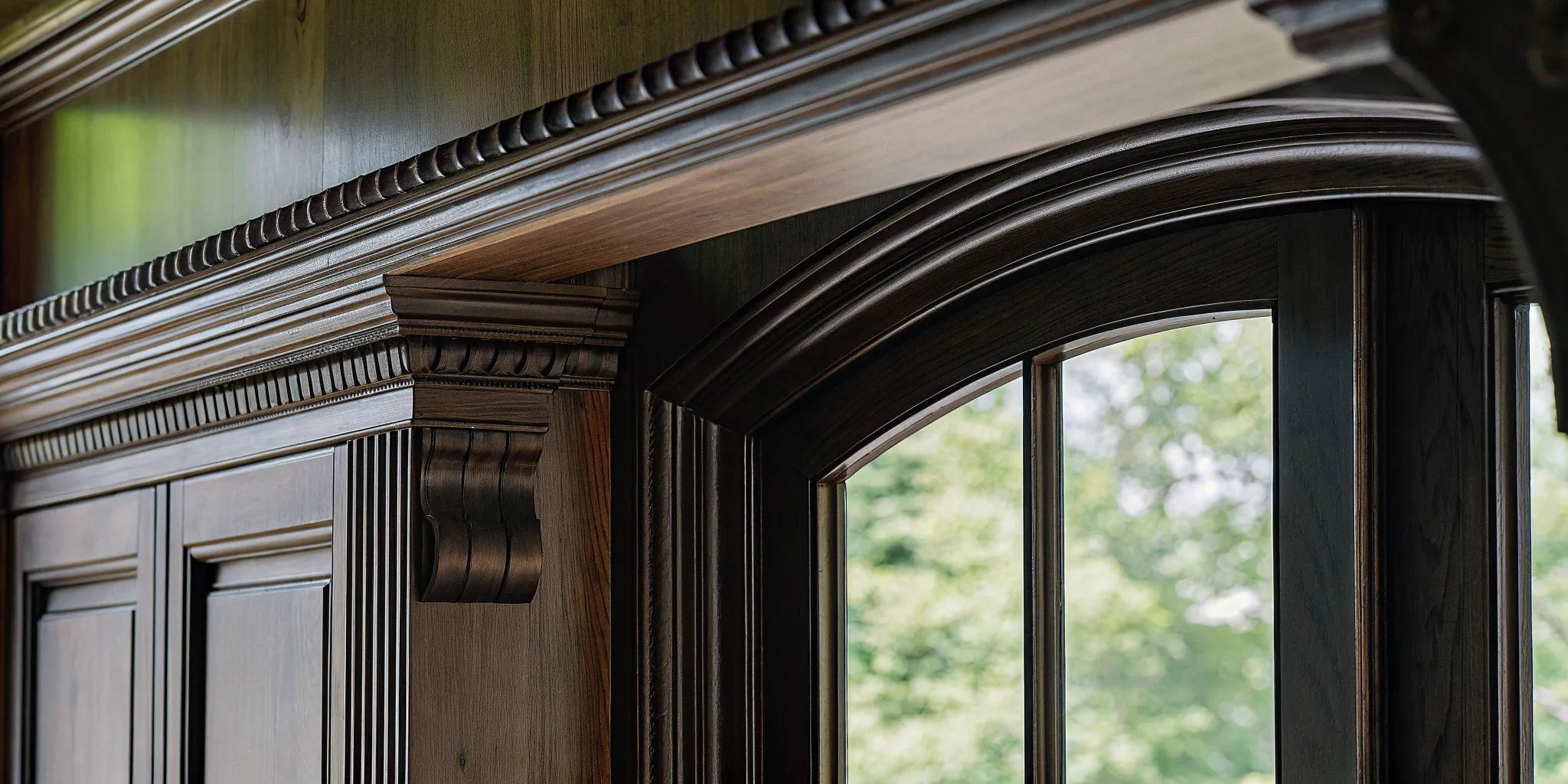
Every home remodel has two parts: the science and the art. The science is the structure—the framing, plumbing, and electrical systems that make your home work. The art is what makes it feel like yours. This is where finish carpentry comes in. Think of it as the final, defining brushstroke on a masterpiece. It’s the intricate woodwork that adds personality, elegance, and a sense of true luxury to every room. So, what is finish carpentry beyond just installing trim? It’s a specialized craft that demands a keen eye for detail and a deep understanding of design, turning a house into your custom home.
Key Takeaways
- Define Your Home’s Style with Details: Finish carpentry, which includes everything from trim and molding to custom built-ins, is what gives your space its final character. These are the details that create a polished, high-end look and tie your entire design together.
- Know When to Hire an Expert: While simple trim work can be a rewarding DIY project, complex jobs like custom cabinetry or intricate molding require a professional’s touch. Investing in an expert ensures flawless, tight joints and a result that adds true value to your home.
- Go Beyond Looks with Smart Storage: Great finish carpentry does more than just beautify a room; it improves its function. Use custom built-ins like shelving, window seats, or mudroom cubbies to solve storage problems and create a more organized, livable space.
So, What Exactly Is Finish Carpentry?
Think of finish carpentry as the final layer of artistry that turns a house into a home. After the structural work is done—the framing, drywall, and major systems are in place—the finish carpenter comes in to add all the beautiful, visible woodwork that gives your space its character. This includes everything from the baseboards along the floor and the crown molding near the ceiling to the trim around your windows and doors. It also covers more intricate projects like installing custom cabinetry, building fireplace mantels, and crafting built-in shelving.
This is where the personality of your home really comes to life. It’s the difference between a room that feels like a box and one that feels polished, intentional, and complete. The precision and detail involved in finish carpentry are what create clean lines, seamless transitions, and a sense of high-quality craftsmanship. When you walk into a beautifully remodeled room and admire the details, you’re often appreciating the work of a skilled finish carpenter. You can see stunning examples of this detailed work in our project gallery, where every element comes together to create a cohesive design.
The Details That Make a House a Home
Finish carpentry is what gives a room its final, polished look. It’s the essential step that bridges the gap between construction and interior design, defining the style and feel of your space. The type of trim, the design of the doors, and the style of the cabinetry all contribute to the overall aesthetic, whether you’re aiming for a modern, traditional, or rustic vibe. These details do more than just look good; they create a sense of harmony and completeness. A well-executed kitchen remodel, for example, relies on perfect cabinet installation and trim work to feel truly finished and functional.
How It Pulls Your Entire Remodel Together
In any remodeling project, finish carpentry is the critical final phase that ties everything together. It’s the work that covers the seams where walls meet floors and ceilings, hides the gaps around windows and doors, and provides the crisp, clean edges that signify a professional job. Without this crucial step, even the most ambitious home renovations can feel unfinished and disconnected. These intricate details are what make a new space feel like it has always been a part of your home, ensuring the final result is not just beautiful but also feels whole and thoughtfully designed.
What Does a Finish Carpenter Actually Do?
Once the drywall is up and the major systems are in place, the finish carpenter steps in to transform a construction site into a polished, livable home. Think of them as the detail-oriented artists of the remodeling world. Their work is what you see and touch every day—the elements that give your home its unique character and style. They are responsible for all the final wood and trim details that complete a room’s interior, taking it from a basic structure to a finished space.
From the clean lines of a door frame to the elegance of custom-built cabinetry, a finish carpenter’s craftsmanship is on full display. They handle a wide range of tasks that require a keen eye, a steady hand, and an incredible amount of precision. Their job is to ensure every visible wood element is perfectly installed, fitted, and finished, making the space feel complete and thoughtfully designed. This is the work that truly brings a home renovation to life, adding the personality and polish that reflects your taste. They bridge the gap between construction and interior design, making sure every detail aligns with the overall vision for your home.
Perfecting Trim, Molding, and Doors
One of the most fundamental jobs of a finish carpenter is installing all the interior trim work. This includes the baseboards that run along the floor, the crown molding that joins the walls to the ceiling, and the casings that frame your windows and doors. This work might seem simple, but it requires incredible precision to create the crisp, clean lines that define a professionally finished space. Every corner must be perfectly mitered, and every seam must be seamless. This detailed work is what gives a room its architectural character and sense of completeness, turning a plain box into a sophisticated space.
Crafting Custom Cabinets and Shelving
Finish carpenters are the experts behind beautiful, functional cabinetry. Whether you’re dreaming of a gourmet kitchen, a spa-like bathroom vanity, or a wall of custom bookshelves in your home office, they bring those visions to life. Unlike off-the-shelf options, custom cabinets are built to the exact specifications of your space, ensuring a perfect fit and maximizing every inch of storage. A skilled carpenter can create pieces that perfectly match your home’s style, from sleek and modern to classic and ornate. This level of customization is a hallmark of high-end design and build services.
Designing Smart Built-In Storage Solutions
In any home, smart storage is a game-changer. Finish carpenters excel at creating built-in solutions that are both practical and beautiful, blending seamlessly with your home’s design. Think of a cozy window seat with hidden drawers, a functional mudroom with custom cubbies for each family member, or an elegant entertainment center that conceals wires and clutter. These custom pieces add immense functionality to your home, helping you stay organized while enhancing the room’s aesthetic. They are especially valuable in projects like a basement remodeling, where clever built-ins can define different zones for living, working, and playing.
Creating Beautiful Decorative Woodwork
Beyond the basics, finish carpenters are responsible for the stunning decorative elements that make a home truly special. This is where their artistry really shines. They can craft and install intricate details like coffered ceilings, elegant wainscoting, custom fireplace mantels, and beautifully detailed staircases with hand-carved newel posts and balusters. These architectural features serve as focal points and add a layer of sophistication and charm that simply can’t be replicated with standard materials. You can see countless examples of this transformative work in our project gallery, where decorative woodwork brings a sense of luxury and character to every room.
Custom Door Frames and Pediments
A door is more than just an entry point; it’s an opportunity to make a statement. Finish carpenters are the ones who ensure that statement is one of elegance and quality. They meticulously install door frames and casings, ensuring every line is clean and every joint is tight. For an extra touch of architectural character, they can add decorative elements like pediments—the ornamental structures that sit above a door frame. These details are what transform a simple opening into a grand entrance, adding a layer of sophistication that refines the entire room’s character. It’s this level of detail that takes a home from a basic structure to a beautifully finished space.
Barn Doors and Winding Staircases
Some of the most stunning features in a home are born from the creativity and skill of a finish carpenter. Think of a rustic sliding barn door that adds texture and charm to a room, or a graceful winding staircase that serves as a sculptural focal point. These aren’t off-the-shelf items; they are custom woodworking projects designed, built, and installed to fit your home perfectly. Creating these elements requires a blend of artistry and technical expertise, turning functional pieces into true works of art. These features often become the centerpiece of a home renovation, showcasing a commitment to unique, high-quality design.
Installing Hardwood Flooring
While flooring installation can be its own specialized trade, a finish carpenter’s role is crucial for achieving a seamless, professional look. Their expertise comes into play where the floor meets the rest of the room. They ensure that the hardwood flooring aligns perfectly with the baseboards, door casings, and any built-in cabinetry. This process requires incredible patience and attention to detail to guarantee there are no awkward gaps or uneven lines. It’s this craftsmanship that ensures the final visual result is flawless, making the flooring feel like an integrated part of the home’s overall design rather than a separate element.
Rough Carpentry vs. Finish Carpentry: What’s the Difference?
Think of your home renovation like this: rough carpentry builds the strong, sturdy skeleton, while finish carpentry provides the beautiful, polished appearance. While both are essential forms of woodworking, they happen at different stages of a project and require completely different skill sets. Rough carpentry is about structure, function, and framing—the things you don’t see. Finish carpentry is all about the fine details you do see, the elements that give your home character and make it feel complete. Understanding the distinction helps you appreciate the craftsmanship that goes into every stage of your home renovation.
From Structural to Stunning: The Role of Aesthetics
The primary goal of rough carpentry is to build the framework of a structure. This includes framing walls, floors, and roofs using standard lumber like 2x4s and 2x6s. It’s all about creating a sound and stable structure that meets building codes and will last for decades. The work is purely functional, not decorative, and it gets completely covered up by drywall, siding, and other finishing materials.
Finish carpentry, on the other hand, is entirely focused on aesthetics. It’s the specialized trade that adds the final, decorative touches that you see and interact with every day. This includes installing baseboards, crown molding, window and door casings, and custom built-ins like cabinets and shelving. It’s the work that transforms a basic structure into a refined living space, and you can see stunning examples in our project gallery.
When Does the Finish Carpenter Show Up?
The timing of these two trades is a key difference that highlights their distinct roles. Rough carpentry is one of the first things to happen on a job site after the foundation is laid. The rough carpenters frame the entire structure, creating the shell of the home or addition that all other trades will work within.
Finish carpentry comes much later in the process, often as one of the final steps in a remodel. It takes place after the plumbing, electrical, insulation, and drywall are all installed and painted. The finish carpenter’s job is to install all the detailed woodwork that completes the room, tying all the design elements together. This sequencing is a crucial part of our design and build services that ensures a polished final product.
Why Every Single Detail Matters
While both trades require skill, the nature of that skill is very different. Rough carpentry demands an understanding of structural loads, building codes, and efficient construction. The work is done with larger materials and power tools, and while accuracy is important, the focus is on strength and integrity. A fraction of an inch might not matter here.
Finish carpentry is a craft of precision and artistry. A fraction of an inch is everything. It requires an incredible eye for detail, meticulous measurements, and the ability to create tight, seamless joints that look flawless. Finish carpenters work with more delicate materials and focus on making every detail perfect. This level of craftsmanship is what truly defines a space, turning a simple kitchen remodel into a showpiece and adding significant value to your home.
Trim Carpentry vs. Finish Carpentry
It’s easy to get these terms mixed up because they are so closely related. The simplest way to think about it is that trim carpentry is a specific job that falls under the larger umbrella of finish carpentry. Finish carpentry is the broad category for all the final, visible woodwork that completes a room—from installing doors and cabinets to building custom shelving. Trim carpentry, on the other hand, focuses specifically on installing the linear decorative moldings, like baseboards, crown molding, and the casings around windows and doors. So, while a finish carpenter does trim work, their skills often extend to much more complex projects that define the character of your home.
Production Work vs. Fine Woodworking
It’s a common mistake to picture a finish carpenter painstakingly hand-carving every piece of wood like a fine furniture maker. While that level of artistry exists, most residential finish carpentry is more accurately described as production work. This doesn’t mean it’s low quality; it means the focus is on working efficiently and precisely with modern materials like MDF or pre-primed pine to achieve a flawless look quickly. The goal is to install trim and cabinetry with tight joints and clean lines that elevate the entire space. This approach ensures your bathroom remodel or home addition stays on schedule without sacrificing a professional finish.
Fine woodworking, in contrast, is a much slower, more artistic craft. It often involves using traditional hand tools, complex joinery techniques, and exotic hardwoods to create one-of-a-kind pieces like custom furniture or intricate architectural details. While our carpenters bring an incredible level of craftsmanship and attention to detail to every project, the work is geared toward creating a beautiful, cohesive home in a timely manner. This blend of efficiency and artistry is what allows us to deliver the stunning results you can see in our project gallery, where every detail contributes to a polished and complete living space.
What Makes a Master Finish Carpenter?
Becoming a master finish carpenter takes more than just knowing how to use a saw. It’s a craft that demands a unique blend of technical skill, artistic vision, and an unwavering commitment to precision. This is the work that truly transforms a house into a home, adding the character and polish that you see and feel every day. The difference between a good result and a stunning one often comes down to the person behind the tools. A true professional brings a specific set of abilities and a well-honed toolkit to every project, ensuring every detail is just right. From perfectly mitered corners on your crown molding to custom built-ins that fit like a glove, their expertise is what makes the final space sing. It’s this combination of skill and artistry that defines our design and build services and brings your vision to life.
The Right Technical Skills and Expertise
At its core, finish carpentry is the work that turns the inside of a house from a basic structure into a finished living space. This requires a deep understanding of how different materials work. A master carpenter knows how wood expands and contracts with Chicago’s changing seasons, which type of wood is best for a high-moisture bathroom versus a formal dining room, and the right joinery techniques for invisible seams. This expertise goes beyond simply following instructions; it involves problem-solving on the spot to ensure every piece of trim, cabinet, and door fits flawlessly, contributing to a beautiful final look in your home renovation.
A Natural Eye for Design
Technical skill is crucial, but what separates a craftsman from a master is a keen eye for design. Finish carpenters need a skilled hand and a good sense of beauty. Because their work is always on display, exact measurements and precision are incredibly important—any mistake is easy to spot. This means understanding proportion, scale, and how the lines of a room flow together. It’s about seeing how a particular style of baseboard will complement the window casings or how wainscoting will affect the feel of the room. This artistic sensibility allows them to translate a design plan into a tangible, beautiful reality, which you can see in our project gallery.
A Peek Inside Their Toolbox
To achieve such a high level of precision, a finish carpenter relies on a specialized set of tools. While a rough carpenter might use a framing hammer, a finish carpenter uses lighter hammers and nail guns that won’t mar the wood’s surface. Their toolbox is filled with instruments for exactness. You’ll find a wide range of tools for measuring, cutting, and installing, including tape measures, speed squares, combination squares, and digital angle gauges. Miter saws are essential for creating perfect angles for trim, while scribing tools allow them to fit wood perfectly against uneven walls—a common challenge in older homes. Each tool has a specific purpose, all aimed at achieving a flawless finish.
Advanced Techniques and Guiding Principles
The difference between good and great finish carpentry often lies in a set of guiding principles that professionals use to achieve flawless results. These aren’t just about cutting straight lines; they’re about understanding how to work with the unique quirks of a home and how the human eye perceives details. These techniques are what allow a skilled carpenter to create the crisp, seamless look that defines a high-end remodel. By learning a few of these trade secrets, you can better appreciate the level of craftsmanship that goes into a truly professional job. It’s this attention to detail that we bring to every home renovation, ensuring the final product is nothing short of stunning.
Use “Reveals” for a Flawless Finish
One of the biggest secrets to professional-looking trim is a simple but powerful technique called a “reveal.” Instead of trying to make a piece of trim perfectly flush with the edge of a window or door frame, a skilled carpenter will intentionally step it back by about a quarter of an inch. According to the experts at Fine Homebuilding, this creates a subtle shadow line that cleverly hides any minor imperfections or inconsistencies in the frame. This small detail makes the entire installation look cleaner, sharper, and more intentional. It’s a perfect example of how a master carpenter works with light and shadow to create a result that looks perfect, even when the underlying structure isn’t.
Prioritize Parallel Lines Over Perfect Levels
It might sound counterintuitive, but in finish carpentry, what looks right is often more important than what is technically perfect. Houses, especially older ones, are rarely perfectly level or square. If you install crown molding perfectly level in a room with a sloping ceiling, it will actually highlight the imperfection and look crooked. Instead, professionals focus on creating parallel lines. This means the trim should run parallel to the ceiling or floor, even if they aren’t perfectly level. This visual trick ensures the work looks harmonious and intentional, creating a sense of balance that is much more pleasing to the eye than rigid adherence to a level.
Mark Directly Instead of Measuring
We’ve all heard the saying, “measure twice, cut once,” but professionals often take it a step further by eliminating the measurement altogether. Whenever possible, it’s more accurate to hold a piece of trim in place and mark it directly where it needs to be cut. This technique, known as direct marking, bypasses the potential for human error that comes with reading a tape measure, transposing numbers, or making tiny miscalculations. By marking the wood in its final position, you get a perfect, real-world measurement every time. It’s a simple shift that saves time, reduces waste, and results in tighter, more accurate joints in any project, from a basement remodel to a full home build.
Spread Out Imperfections
No wall is perfectly flat, and no two surfaces are perfectly parallel. A master carpenter knows how to handle these real-world imperfections so they become completely invisible. If you’re installing trim between two walls that are slightly out of alignment, forcing the pieces to fit will only create obvious gaps. The professional approach is to spread the imperfection out across several pieces. By making tiny, gradual adjustments to the angle of each cut, the carpenter can subtly accommodate the discrepancy. This ensures that each piece fits snugly against the next, and the overall installation looks seamless, without any noticeable gaps or awkward angles.
Hide End Grain on Wood Trim
When you look at a piece of wood, the cut end—known as the end grain—has a rougher, more porous appearance that absorbs stain and paint differently. Leaving it exposed can make an otherwise beautiful installation look unfinished. Professionals go to great lengths to hide the end grain. If a piece of trim has to end abruptly on a wall, they will often create a “return,” which is a tiny, mitered piece that turns the trim back into the wall. This small detail covers the exposed end grain and gives the trim a clean, finished edge, making it look like a solid, intentional part of the room’s architecture.
Plan Your Workflow for Efficiency
Great finish carpentry isn’t just about skill; it’s also about strategy. Before making a single cut, an experienced carpenter thinks through the entire installation process. They consider the best order to install the trim pieces to minimize difficult cuts and ensure a smooth workflow. For example, it’s often easier to fit a longer, more flexible piece of trim to a shorter, more rigid one. Planning the sequence of work not only makes the job more efficient but also leads to a higher-quality result. This kind of strategic thinking is a core part of our design and build services, ensuring every project runs smoothly from start to finish.
Know What Doesn’t Need to Be Perfect
While finish carpentry is all about precision, an experienced professional also knows where they can save time and effort. Not every cut needs to be absolutely perfect if it’s going to be covered by another piece of trim. For example, the end of a baseboard that will die into a door casing doesn’t need a perfect mitered corner, as the casing will hide it completely. Understanding how all the pieces of the puzzle fit together allows a carpenter to focus their energy on the visible joints and details that truly matter. This practical knowledge is a sign of a true expert who works not just harder, but smarter.
Why Quality Finish Carpentry Is a Smart Investment
Finish carpentry is what transforms a construction site into a home. It’s the collection of final details that gives a room its character and polish. While rough carpentry builds the strong bones of your house, finish carpentry is the beautiful skin that everyone sees and interacts with every day. From the trim that frames a room to the custom cabinets that define your kitchen, these final touches are far more than just decoration. They are essential for creating a space that is not only visually stunning but also functional, cohesive, and valuable for years to come.
Add Lasting Value and Character to Your Home
Think of finish carpentry as the jewelry of your home. It’s the elegant crown molding, the crisp baseboards, and the perfectly cased windows that tie a room together. These details create clean lines and a sense of completeness that makes a space feel thoughtfully designed and high-end. This attention to detail doesn’t just improve your daily enjoyment of the space; it also enhances your home’s perceived value. When potential buyers see meticulous trim work and quality built-ins, they see a well-cared-for home. You can see examples of how these details complete a room in our project gallery.
Create More Functional, Livable Spaces
Beyond aesthetics, great finish carpentry makes your home work better for you. This is where smart design meets skilled craftsmanship to solve everyday problems. Imagine custom-built shelving that turns an awkward nook into a functional library, or a mudroom with integrated benches and cubbies that finally tames the clutter. In a kitchen remodel, well-designed cabinetry can streamline your cooking process and maximize storage. These built-in elements make your home more livable by creating organized, efficient spaces tailored specifically to your family’s needs.
Why True Craftsmanship Always Shows
The quality of finish carpentry can make or break a remodeling project. While it might seem like a small detail, the difference between professional and amateur work is immediately obvious in the tight joints, seamless seams, and flawless surfaces. An expert finish carpenter has the precision and experience to ensure every cut is perfect and every piece fits exactly as it should. This level of craftsmanship ensures your investment not only looks beautiful but also stands the test of time. When you work with a trusted team, you get a polished result that reflects true quality and care.
Common Finish Carpentry Mistakes to Avoid
Finish carpentry is where the magic really happens in a home remodel—it’s the final layer of detail that makes a space feel complete and polished. But because it’s all about precision, even small mistakes can stand out and detract from the final result. Knowing what can go wrong is the first step to making sure everything goes right. From choosing the wrong trim for your bathroom to ending up with sloppy, gapped corners, these common errors can turn a dream project into a frustrating experience.
The good news is that these mistakes are entirely avoidable with careful planning and the right expertise. A successful project depends on more than just a good design; it requires meticulous execution from start to finish. By understanding these potential pitfalls, you can ensure the finishing touches on your home renovation are a source of pride for years to come. Let’s walk through the most common issues and how to steer clear of them.
Choosing the Wrong Materials for Your Project
One of the most underestimated mistakes in finish carpentry is selecting the wrong material for the job. At a glance, all trim might look similar, but using the wrong type can lead to warping, cracking, or other issues down the line. For example, MDF (medium-density fiberboard) is a popular, budget-friendly option, but it swells when exposed to moisture, making it a poor choice for bathrooms or basements. Solid wood is beautiful and durable but can expand and contract with temperature changes. Understanding which material works best for each application is key to a lasting, beautiful finish. A professional can guide you toward the best options for your home’s specific needs and your project’s budget.
Overlooking the Importance of Measurements
In finish carpentry, accuracy is everything. Even being off by a fraction of an inch can result in unsightly gaps, uneven lines, and joints that just don’t meet up correctly. Accurate measurements are crucial to ensure that all the pieces—from crown molding to window casings—fit together seamlessly. When measurements are off, the only solution is often to hide the mistake with excessive caulk, which eventually cracks and yellows, highlighting the initial error. True craftsmanship is visible in the tight, clean joints and level lines that only come from meticulous measuring and cutting. This attention to detail is what separates an amateur job from a truly professional one, which you can see in our project gallery.
Hiring an Inexperienced Carpenter
Many homeowners don’t realize that finish carpentry is a highly specialized skill. Hiring a general handyman or an inexperienced contractor can lead to poor-quality work that ultimately costs more to fix. An expert finish carpenter has the right tools, a deep understanding of how different materials behave, and the patience to get every detail perfect. They know how to scribe trim to uneven walls and create flawless mitered corners. Entrusting these final touches to a skilled professional ensures the work is done right the first time. When you partner with an award-winning team, you’re investing in quality craftsmanship that adds lasting value and beauty to your home.
DIY or Hire a Pro: How to Decide?
One of the biggest questions for any home project is whether to tackle it yourself or bring in a professional. Finish carpentry, with its focus on detail, makes this decision especially important. While rolling up your sleeves for a DIY project can be rewarding, some jobs require a level of precision that only a seasoned expert can provide. The right choice depends on the project’s complexity, your comfort level with carpentry tools, and the final look you want to achieve. Thinking through these factors will help you decide the best path forward for your home and your sanity.
Finish Carpentry Projects You Can DIY
If you’re handy and have some experience, there are a few finish carpentry projects you can likely manage on your own. These are typically the final touches that don’t involve complex cuts or structural changes. Think about tasks like installing simple baseboards, putting up basic window and door trim, or adding simple molding. These projects are a great way to dip your toes into carpentry and can certainly enhance a room’s aesthetic appeal. Just remember to be patient, measure twice (or three times!), and make sure you have the right tools for the job to get clean, professional-looking results.
When It’s Time to Call a Professional
For more complex jobs, calling an expert is almost always the right move. Well-executed finish carpentry can dramatically increase your home’s value, and that’s where a professional’s skill really shines. If your project involves custom built-in shelving, intricate crown molding, wainscoting, or installing kitchen cabinets, hiring a pro is a wise investment. These tasks require specialized tools and years of experience to get just right. A professional carpenter ensures every joint is tight, every surface is level, and the final result is flawless. You can see the difference professional craftsmanship makes in our project gallery.
How to Plan and Budget for a Finish Carpenter
Once you decide to hire a professional, a little planning goes a long way. Start by clearly defining the scope of your project. The details you choose, from simple trim to ornate woodwork, will influence the overall cost. We recommend getting a detailed quote that outlines all material and labor costs so there are no surprises. Working with a design and build firm can help you refine your vision and create a solid plan. Think of professional finish carpentry not as an expense, but as an investment in your home’s beauty, function, and long-term value.
Related Articles
- The Ultimate Guide to Kitchen Cabinet Doors
- How Much Do Custom Kitchen Cabinets Cost?
Frequently Asked Questions
How long does the finish carpentry stage usually take in a remodel? The timeline for finish carpentry really depends on the scope of your project. Installing simple baseboards and window trim in a single room might only take a day or two. However, more intricate work like custom cabinetry, a complex staircase, or detailed wainscoting can take several weeks. The key is to remember that this work is all about precision, and a true craftsman will take the time needed to get every detail just right rather than rushing the final, most visible stage of your renovation.
Does finish carpentry include painting or staining the wood? Typically, the finish carpenter focuses on the skilled installation of all the wood elements—the cutting, fitting, and fastening. The painting or staining is usually handled by a professional painter who comes in after the carpentry is complete. In a well-managed project, these trades are scheduled back-to-back for a seamless transition. When you work with a design-build firm, this coordination is all handled for you, ensuring a smooth process from installation to the final coat of paint.
Can good finish carpentry really increase my home’s value? Absolutely. Think of it this way: when you walk into a home, you can immediately feel the quality. Flawless trim, perfectly fitted cabinets, and thoughtful built-ins are tangible signs of a high-quality renovation. This attention to detail not only makes your home more beautiful and functional for you but also signals to potential buyers that the home has been well-cared-for. It creates a high-end impression that can make your home stand out and command a better price.
My house is older and the walls aren’t perfectly straight. Can finish carpentry still look good? This is a very common situation, especially in older homes, and it’s where a skilled professional truly proves their worth. An experienced finish carpenter has specific techniques to handle uneven walls and floors. They can scribe trim to fit perfectly against a wavy wall, ensuring there are no unsightly gaps. This ability to adapt and solve problems on-site is a hallmark of true craftsmanship and is essential for achieving a polished, professional look in any home, new or old.
What’s the difference between trim, molding, and casing? It’s easy to get these terms mixed up, but they refer to specific types of woodwork. “Casing” is the trim that is installed to frame your windows and doors. “Baseboards” are the trim that runs along the bottom of the wall where it meets the floor. “Molding” is a more general term for decorative woodwork, but it’s often used to describe pieces like crown molding, which adds a finishing touch where the walls meet the ceiling.
Hiring a Professional Finish Carpenter
When you decide to bring in an expert for your home’s finishing touches, it’s important to know that not all carpenters are created equal. Finish carpentry is a highly specialized field that demands a unique combination of technical precision and artistic sensibility. This isn’t a task for a general handyman; it’s a craft that requires years of dedicated experience to master. The right professional will have a deep understanding of materials, a keen eye for design, and the patience to ensure every single detail is perfect. Hiring a true specialist is what guarantees your investment in a home renovation results in a flawless, high-quality finish that you’ll admire for years to come.
Career Paths and Specializations
The journey to becoming a master finish carpenter often starts long before they pick up a miter saw. Many of the most skilled professionals have a background in general construction, which gives them a holistic understanding of how a home is built from the ground up. This foundation is critical because it informs every cut and placement they make. They aren’t just adding trim; they’re completing a complex system that needs to work together seamlessly. This distinction is what separates a good carpenter from a great one and ensures the final product is not only beautiful but also soundly integrated with your home’s structure.
Why Experience in General Construction Matters
Many of the best finish carpenters begin their careers in rough carpentry, building the structural frames of houses. This experience provides an invaluable education in how a home functions from the inside out. They understand how walls are framed, how buildings settle over time, and why a wall might not be perfectly plumb or straight. This background allows them to anticipate challenges and adapt their techniques to ensure a perfect fit, even in older Chicagoland homes with quirky imperfections. A carpenter who knows the “bones” of a house is far better equipped to apply the beautiful “skin” that everyone will see.
The Value of Specialization
Finish carpentry is a distinct specialty that focuses entirely on the aesthetic and artistic details of a project. While a rough carpenter is concerned with structural integrity, a finish carpenter is an artist whose medium is wood. Their role is to execute the final, visible touches with an incredible level of precision, turning a basic room into a polished and inviting space. This specialization is why their work has such a profound impact on your home’s overall feel. You can see this artistry in the custom built-ins and flawless trim work featured in our project gallery.
Understanding Costs and Hourly Rates
Because finish carpentry is a specialized skill that demands a high degree of precision, it typically costs more than general carpentry. You can expect to pay an hourly rate that reflects the craftsman’s expertise, specialized tools, and the meticulous attention to detail required for the job. While rates can vary, they often fall between $40 and $100 per hour. It’s helpful to view this not as an expense, but as an investment in the final quality of your home. You are paying for the experience needed to create flawless mitered corners and perfectly fitted built-ins—details that make a significant difference in the final result and add lasting value.
Who Works with Finish Carpenters?
On any major remodeling project, a finish carpenter is a key member of a larger, collaborative team. They rarely work in isolation, as their job is to apply the final layer of detail over the work of many other trades, including framers, drywallers, and painters. Understanding how they fit into the bigger picture highlights the importance of a well-coordinated project. When all the professionals are on the same page, the entire process runs more smoothly, and the final result is a cohesive and beautifully executed design where every element works in harmony.
Homeowners, Designers, and General Contractors
Finish carpenters work closely with a variety of people, including homeowners, interior designers, architects, and general contractors. In an ideal scenario, a general contractor or a design and build firm manages the project, acting as the central point of communication. This ensures the finish carpenter is brought in at the right time and that the surfaces they’ll be working on are properly prepared. When you work with an integrated team, this collaboration is built into the process, guaranteeing that the carpenter’s expert craftsmanship is the perfect final touch on a well-executed plan.