Remodeling a home in the Chicagoland area comes with its own unique set of considerations. From the character of our older homes to local permit requirements, national cost averages only tell part of the story. To plan effectively, you need a clear picture of the whole house remodel cost right here in our community. This guide is tailored for Chicago-area homeowners like you. We’ll explore the typical price ranges for projects in our market, discuss common issues found in local homes that can affect the budget, and explain how to find a trusted contractor who understands the nuances of renovating in this region.
Key Takeaways
- Build a Contingency Fund: Set aside 10-20% of your total budget for a contingency fund. This is your non-negotiable safety net for handling unexpected issues, like outdated wiring or hidden water damage, without compromising your project’s goals.
- Know Your Main Cost Drivers: The final price of your remodel is primarily determined by four factors: the project’s square footage, your material choices, labor complexity, and any structural changes. Adjusting these elements is the most effective way to manage your budget.
- Vet Your Contractor Thoroughly: Your contractor can make or break your project. Protect your investment by verifying their license and insurance, checking recent references, and insisting on a detailed, itemized estimate before signing any contracts.
What Does a Whole House Remodel Really Cost?
Let’s get right to it—the question on every homeowner’s mind. Planning for a full home renovation means figuring out the budget, and the numbers can feel all over the map. Generally, you can expect a whole house remodel to start around $150,000 and climb upwards of $300,000 for a complete gut and rebuild. Another way to look at it is by square footage, where costs often land between $100 and $400 per square foot.
While that’s a wide range, it gives you a realistic starting point. The final price tag depends entirely on your vision, your home’s current condition, and the choices you make along the way. Think of it less as a fixed price and more as a flexible investment in creating a space that truly works for you and your family. Understanding what goes into that number is the first step toward building a budget you can feel confident about.
How Project Scope Shapes Your Budget
The scope of your project is the single biggest factor shaping your budget. It’s a combination of the area size, the materials you choose, and the complexity of the work. For example, remodeling a 2,500-square-foot home will naturally cost more than a 1,500-square-foot bungalow. Beyond size, the quality of finishes plays a huge role. Custom cabinetry and high-end appliances in a kitchen remodel will have a different price point than stock options.
It’s also important to plan for costs beyond the materials and construction itself. Your total budget should account for things like design services, building permits, and labor. We also always recommend setting aside a contingency fund—typically 10-20% of the total cost—to cover any surprises that might pop up once the walls are opened up. Planning for these expenses from the start prevents stress later on.
A Look at Remodeling Costs in Chicagoland
Here in the Chicagoland area, remodeling costs are unique to our market. While national averages are a good guide, local factors make a big difference. For a standard remodel using quality, but not luxury, materials, you might see costs in the range of $15 to $60 per square foot. If you’re dreaming of a high-end transformation with premium finishes, custom work, and significant structural changes, that number could be closer to $100 to $250 per square foot.
Every home is different, and the best way to get a clear picture for your project is to see what’s possible. Looking through a gallery of local projects can give you a feel for the level of craftsmanship you can expect at different price points. Ultimately, a detailed conversation with a trusted local builder will help you translate your dream home into a realistic and actionable budget.
What Are the Biggest Cost Drivers in a Remodel?
When you start planning a home remodel, the budget is usually the first thing on your mind. Understanding where your money is going is key to feeling confident and in control of your project. While every home and every project is unique, a few key factors consistently have the biggest impact on the final price tag. Think of these as the main levers you can pull to adjust your budget up or down.
The most significant cost drivers are the scale of your project, the materials you choose, the complexity of the labor involved, and any necessary structural or system upgrades. A simple cosmetic refresh in a small powder room will have a vastly different budget than a full-scale kitchen remodel that involves moving walls and rerouting plumbing. By breaking down these core components, you can see how your vision translates into a realistic budget and make informed decisions that align with your financial goals. We’ll walk through each of these drivers so you can plan your renovation with clarity.
How Home Size Affects Your Bottom Line
It might seem obvious, but the bigger the space, the more it costs to renovate. The overall square footage of your project is a fundamental factor in determining the budget. Most remodeling costs are estimated on a per-square-foot basis, typically ranging from $100 to $400. A larger area requires more materials—from flooring and paint to drywall and tile—and more hours of labor to complete the work. That’s why renovating a 2,000-square-foot home will naturally cost more than updating a 1,200-square-foot condo, even if the scope of work is similar. Understanding this helps you set realistic expectations for your full home renovation from the very beginning.
The Impact of Your Material Choices
Your taste in materials and finishes plays a huge role in your remodeling budget. This is where you have a great deal of control. For example, choosing high-end materials like custom cabinetry, marble countertops, and designer fixtures can easily double your costs compared to more budget-friendly (but still beautiful) options like stock cabinets and laminate or quartz countertops. The same goes for flooring, tile, lighting, and appliances. We help our clients find the perfect balance between the aesthetic they love and the budget they have, ensuring every selection contributes to a stunning and valuable final result. You can see examples of different material choices in our project gallery.
Understanding Labor and Project Complexity
Labor is a significant part of any remodeling budget, often accounting for 30% to 50% of the total cost. This isn’t just about paying people to show up; it’s about investing in the skill, experience, and craftsmanship required to execute your project flawlessly. A simple paint job requires less specialized labor than a complex bathroom remodel that involves intricate tile work, plumbing rerouting, and electrical updates. Projects that require structural changes, like removing a wall, will also increase labor costs due to the complexity and expertise needed. Investing in a professional, experienced team ensures the work is done correctly, safely, and to code.
Factoring in Structural and System Upgrades
Sometimes, the most important work happens behind the walls. If you live in an older Chicagoland home, your remodel might uncover the need for upgrades to your electrical, plumbing, or HVAC systems to meet current building codes and safety standards. These updates are crucial for the long-term health and safety of your home. Similarly, any project that changes the footprint of your house, like a home addition, will involve significant structural work. It’s also wise to budget for potential surprises, such as discovering old wiring or hidden water damage once demolition begins. A good contractor will help you anticipate these possibilities during the planning phase.
A Room-by-Room Cost Breakdown
Thinking about a whole-house remodel can feel overwhelming, especially when it comes to the budget. The total number can seem huge, but breaking it down room by room makes the process much more approachable. This way, you can see exactly where your money is going and prioritize the spaces that matter most to you and your family. While every project is unique, understanding the typical investment for each space gives you a solid foundation for planning.
From the high-traffic kitchen to a cozy bedroom, each area has its own set of considerations that influence the final price tag. A kitchen remodel, for example, involves plumbing, electrical work, appliances, and cabinetry, making it one of the more expensive projects. A bedroom update, on the other hand, might focus more on aesthetics like paint and flooring, resulting in a lower cost. By looking at your home one room at a time, you can create a more accurate and realistic budget that aligns with your vision and financial goals. We’ll walk through the average costs for the most commonly renovated rooms, giving you a clearer picture of what to expect. This breakdown will give you a solid starting point for planning your dream home renovation and having productive conversations with your contractor.
Budgeting for Your Kitchen Remodel
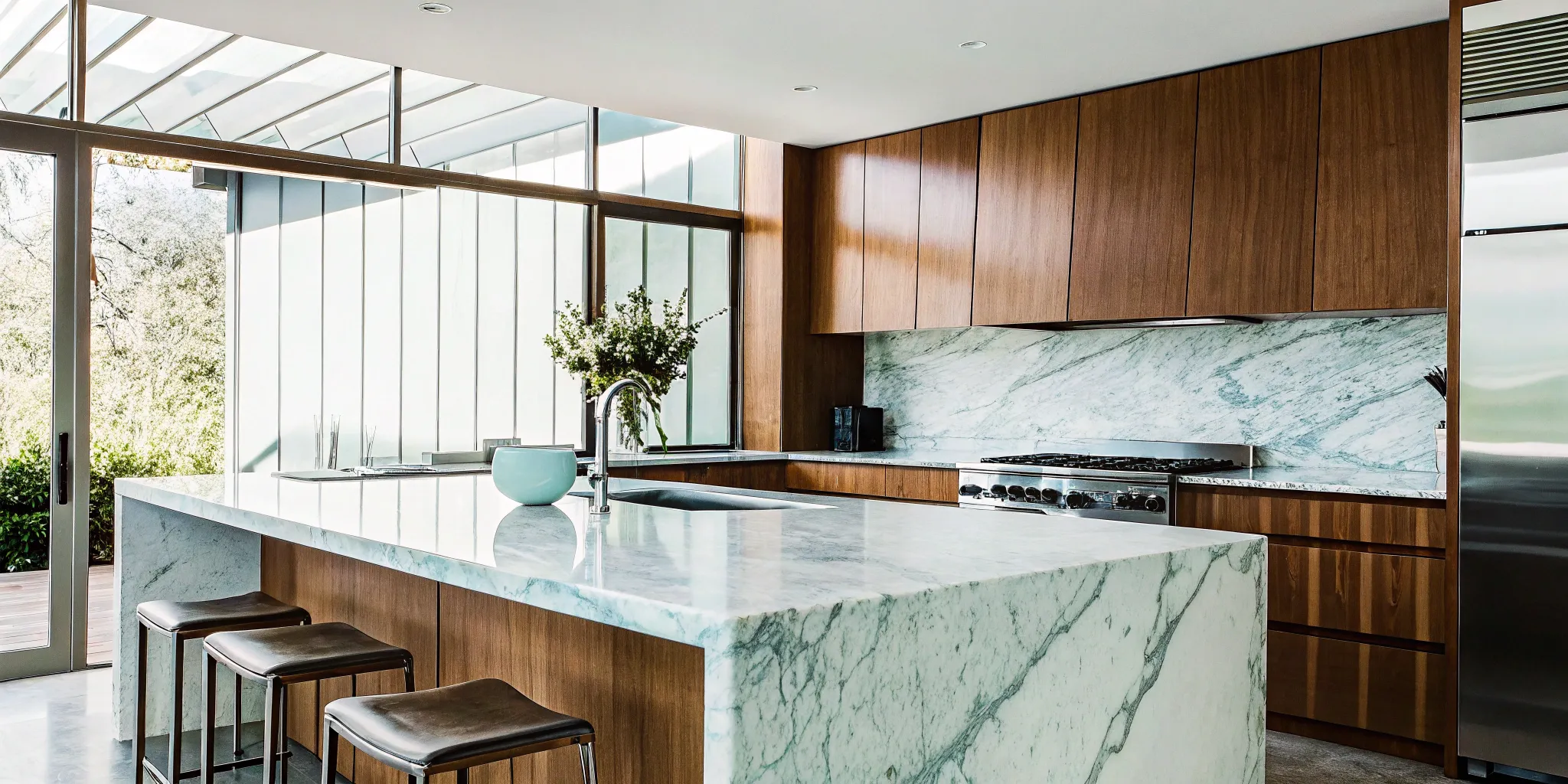
The kitchen is often called the heart of the home, and it’s usually one of the biggest investments in a remodel. A minor refresh with new paint and updated hardware might start around $15,000. For a more typical mid-range kitchen remodel involving new cabinets, countertops, and appliances, you can expect to budget around $30,000. If you’re dreaming of a complete overhaul with a new layout, high-end appliances, and custom features, the cost can easily exceed $60,000. The final price depends heavily on your choice of materials, the complexity of the design, and whether you’re moving any walls or plumbing.
The Price of a Bathroom Renovation
A bathroom renovation can transform a purely functional space into a personal retreat. The cost can vary quite a bit depending on your vision. On average, a standard bathroom update falls somewhere between $8,000 and $20,000. This usually covers new fixtures, tile, a vanity, and fresh paint. If you’re planning a more luxurious primary suite with a walk-in shower, a soaking tub, and high-end finishes, the investment could top $30,000. The size of the bathroom and whether you need to reroute plumbing are major factors that will shape your final bathroom remodeling budget.
Investing in a Finished Basement
Finishing your basement is a fantastic way to add valuable square footage to your home without building an addition. The cost to transform an unfinished space into a functional living area typically ranges from $20,000 to $75,000. The final price depends on what you have in mind. A simple family room will be on the lower end, while a project that includes a wet bar, a full bathroom, and a home theater will be at the higher end. A professional basement remodeling project is a smart investment that can significantly improve your home’s usability and value.
Updating Living Spaces and Bedrooms
Refreshing your living room and bedrooms can have a huge impact on your home’s daily comfort and style. These projects are generally less expensive than kitchen or bathroom remodels because they don’t involve major plumbing or appliances. A living room update typically costs between $2,000 and $10,000, while a bedroom refresh can range from $1,500 to $7,500. These costs usually cover things like new flooring, paint, updated light fixtures, and custom built-ins. These types of home renovations are a great way to breathe new life into your home without a massive financial commitment.
Uncovering the Hidden Costs of Remodeling
Even with a perfect plan, a whole house remodel can reveal a few surprises. Think of it like this: your home has a history, and until you open up the walls, you don’t know all its secrets. This is where a detailed budget and a great contractor make all the difference. The goal isn’t to avoid every surprise—that’s impossible—but to be financially and mentally prepared for them.
Many of these “hidden” costs aren’t truly hidden, but rather, they’re items homeowners don’t always think to budget for. This includes everything from local permits and correcting old construction to the cost of making changes once the project has already started. A professional remodeler will help you anticipate these potential expenses from the beginning, building them into your overall financial plan. That way, you can move forward with confidence, knowing you have a buffer for the unexpected.
Handling Permits and Inspections
Before any major work begins, your project needs the green light from your local municipality. This means securing the right permits, which ensure your remodel is safe and up to code. Permit fees vary depending on where you live in the Chicagoland area and the scope of your project, but they are a non-negotiable part of your budget. An experienced contractor will manage the entire permitting process for you, from submitting paperwork to scheduling inspections. This not only saves you a headache but also ensures your design and build services are fully compliant from day one.
Preparing for Unexpected Repairs
Here’s where the real surprises can pop up. Once demolition starts, you might uncover issues like outdated wiring that isn’t up to code, leaky pipes hidden behind a wall, or even structural problems that need to be addressed. These are especially common in older homes. While it can be frustrating to spend money on things you can’t see, fixing them is crucial for the safety and longevity of your home. This is exactly why a contingency fund is so important. Planning for these potential repairs ensures that a discovery doesn’t derail your entire project or force you to compromise on your vision.
When Utilities Need an Upgrade
Sometimes, your home’s existing systems can’t support your new vision. For example, your dream kitchen remodel with high-end appliances might require more power than your current electrical panel can provide. Or, moving a toilet during a bathroom renovation could reveal old plumbing that needs to be replaced to meet modern standards. Upgrading your electrical, plumbing, or HVAC systems adds to the cost, but it’s a necessary investment. It ensures your newly renovated space functions perfectly and safely, preventing much bigger problems down the road.
How Change Orders Affect Your Budget
A change order is a formal adjustment to your project plan after construction has started. It’s completely normal to have new ideas as you see your space take shape—maybe you decide you want a different tile or want to add a set of built-in shelves. While we can accommodate these shifts, it’s important to understand that changes can impact both your budget and your timeline. Each change order will detail the new costs for materials and labor. Having open communication with your project manager and tapping into your contingency fund can help you make these adjustments smoothly without adding unnecessary stress.
How to Create a Smart Remodel Budget
Creating a budget for your whole house remodel is the most important first step you’ll take. Think of it less as a restriction and more as a roadmap for your project. A clear, realistic budget helps you make confident decisions, keeps your project on track, and ensures there are no stressful financial surprises along the way. It’s about aligning your vision for your home with a financial plan that works for you. When you know your numbers, you can focus on the exciting parts of the renovation, like choosing finishes and seeing your new space come to life.
Set a Realistic Financial Goal
The first step is to determine what you can comfortably afford to spend. A comprehensive budget goes beyond the cost of new countertops and flooring. Your total figure should include money for permits, materials, and professional labor. It’s also wise to factor in any financing costs if you’re taking out a loan. Being upfront about your financial goal from the beginning helps a design and build team guide you toward choices that fit your vision without stretching you too thin. A great contractor will work with you to prioritize your wants and needs, ensuring every dollar is spent effectively to create a home you love.
Why You Need a 10-20% Contingency Fund
No matter how carefully you plan, remodeling can uncover surprises, especially in older homes. That’s why you should always set aside an extra 10–20% of your total budget for a contingency fund. This isn’t for splurging on upgraded fixtures; it’s a safety net for unexpected costs like discovering hidden water damage behind a wall or needing to update old wiring to meet current codes. Having this buffer prevents a minor issue from derailing your entire project or forcing you to make compromises on things you really care about. It’s the single best way to protect your investment and your peace of mind.
Explore Your Financing and Payment Options
If you aren’t paying for your remodel entirely with cash, it’s a good idea to explore your financing options early in the process. Many homeowners use the equity in their house to fund renovations through a home equity loan or a home equity line of credit (HELOC). You can borrow money using the equity, which is the part of your home you own outright. If you plan to get a loan, discuss the possibilities with your bank right away to understand what you qualify for. This will give you a firm budget to work with as you start talking to contractors and planning the details of your project.
How to Choose the Right Remodeling Contractor
Choosing the right contractor is arguably the most important decision you’ll make for your home remodel. This is the team you’re trusting with your home, your budget, and your vision for the future. The right partner makes the entire process smoother and more enjoyable, while the wrong one can lead to headaches and costly mistakes. It’s about more than just finding the lowest bid; it’s about finding a skilled, reliable, and communicative partner who understands your goals. To make sure you find the best fit for your project, focus on three key areas: verifying their professional credentials, getting clear and detailed estimates, and making sure their communication style works for you. Taking the time to vet your options thoroughly will pay off in the long run, giving you peace of mind and a finished space you absolutely love. A great home remodeling company is built on trust, which is why we encourage every homeowner to ask tough questions and find a team that feels like a true partner.
Verify Their Licenses, Insurance, and Credentials
This is the first, non-negotiable step. Before you even talk about design, make sure any contractor you consider is fully licensed and insured. A license proves they meet local and state requirements to perform the work, while insurance protects you from liability if an accident happens on your property. Ask for proof of both general liability insurance and worker’s compensation. Beyond the basics, look for a team with a proven track record. Do they have awards or certifications? A history of award-winning results demonstrates a commitment to quality and craftsmanship that goes beyond just meeting the minimum standards.
Get Detailed Estimates and Check References
A vague estimate on the back of a napkin won’t cut it. A professional contractor should provide a detailed, itemized quote that breaks down the costs for labor, materials, permits, and any other fees. This transparency is crucial for keeping your project on budget and helps you understand exactly what you’re paying for. Don’t be afraid to ask questions if something is unclear. Equally important is checking references. Ask to speak with a few recent clients and read online reviews. Inquire about their experience—did the team stick to the timeline and budget? How did they handle challenges when they came up?
Find a Partner with a Great Communication Style
You’ll be working closely with your contractor for weeks or even months, so finding someone you can communicate with easily is essential. During your initial conversations, pay attention to how they listen and respond to your questions. Do you feel heard? Do they explain their process clearly? A great partner will establish a clear communication plan from the start. Ask them who your main point of contact will be, how often you’ll receive updates, and how they manage change orders. You want a team that is proactive, responsive, and makes you feel comfortable throughout your design and build journey.
How Long Will Your Whole House Remodel Take?
Once you have a budget in place, the next big question is always, “How long will this take?” A whole house remodel is a significant undertaking, and the timeline can vary just as much as the cost. The key is understanding that the process is split into distinct phases, each with its own schedule. From initial concepts to the final walkthrough, patience and good planning are your best friends. The total duration depends entirely on the size and complexity of your project, but we can break it down into two main stages: planning and construction.
The Planning and Design Timeline
Before a single hammer swings, there’s a critical planning and design phase. This is where we translate your vision into a concrete plan. It involves creating architectural drawings, selecting every material from flooring to fixtures, finalizing layouts, and securing the necessary permits. Investing ample time here is essential; a well-thought-out plan from our design and build services team is the best way to prevent costly delays and surprises once construction begins. This stage can take anywhere from a few weeks to several months, depending on the project’s complexity and how quickly decisions are made.
Mapping Out Construction Milestones
With a solid plan approved, the construction phase can begin. A complete home renovation typically takes between six and 12 months from demolition to the final touches. Of course, smaller projects have shorter timelines. A standard kitchen remodel, for instance, might take six to eight weeks, while a more custom job could extend to 10 or 12 weeks. This stage includes major milestones like demolition, framing, plumbing and electrical work, drywall installation, and finally, the finishing touches like painting, flooring, and fixture installation. A professional contractor will map out these steps for you, ensuring you always know what to expect next.
Smart Ways to Save on Your Remodel
A whole house remodel is a significant investment, but that doesn’t mean you have to drain your savings to create the home you want. With some careful planning and smart decision-making, you can manage your budget effectively without sacrificing quality. The key is knowing where you can save and where it’s worth spending a little more. From tackling a few tasks yourself to being strategic about your material choices, there are plenty of ways to make your renovation dollars stretch further. It’s all about finding the right balance between your vision and your budget.
What to DIY vs. When to Hire a Pro
Doing some of the work yourself can definitely reduce your total costs. If you’re handy, tasks like painting, tearing out old carpet, or even handling some of the demolition can be great ways to save on labor. However, it’s crucial to be realistic about your skills and the time you can commit. For anything structural, electrical, or plumbing-related, it’s always best to call in the professionals. A botched DIY job can lead to more expensive repairs down the line. Our design and build services team can help you figure out a plan that works for your budget, which often includes keeping your current room layout to avoid the high cost of moving walls and plumbing.
Make Strategic Choices on Materials and Timing
Your material selections have a huge impact on the final price tag. Using high-end materials like marble countertops and custom cabinetry will drive up costs, while budget-friendly options like laminate or butcher block can keep them lower. A great strategy is to mix and match: splurge on a statement piece like a backsplash and save on less visible items. You can find plenty of inspiration in our project gallery. Making all your decisions early also prevents expensive, last-minute changes. Contractor availability and material prices can also shift with the seasons, so planning your project during a slower period might offer some savings. And remember to always set aside an extra 10–20% of your budget for those unexpected surprises.
Get the Best Return on Your Remodeling Investment
A whole house remodel is more than just a fresh coat of paint and new floors; it’s a significant investment in your home and your lifestyle. While creating a space you love is the primary goal, it’s also smart to think about how your project will affect your home’s long-term value. Making strategic choices ensures you not only enjoy your beautifully updated home but also see a solid return on your investment if you ever decide to sell. The key is to focus on updates that add both personal joy and market appeal, which you can see in our project gallery.
Focus on High-Impact Improvements
When it comes to getting the most bang for your buck, not all rooms are created equal. Year after year, kitchens and bathrooms consistently offer the best return on investment. Think about it—these are the functional heart of the home. A beautifully updated kitchen can transform daily life, while a modern, spa-like bathroom adds a touch of luxury. Potential buyers notice these spaces first, and a well-executed renovation here can make your home stand out. Prioritizing these high-traffic areas is one of the most effective ways to increase your home’s value and your enjoyment of it.
Balance Your Dream Home with Resale Value
It’s easy to get carried away with custom features that perfectly suit your unique style, but it’s wise to keep an eye on resale value. The goal is to find a happy medium between your dream design and what will appeal to a broad range of future buyers. Overly personal or trendy choices might not resonate with others, and over-improving for your neighborhood could mean you won’t recoup the costs. Our design and build services can help you make timeless choices that feel personal yet have wide appeal, ensuring your investment is protected without sacrificing the home you’ve always wanted.
Related Articles
- Kitchen Remodel Cost Estimator: A 2025 Guide
- General Contractor Kitchen Remodel: The Ultimate Guide
- Cost to Remodel Bathroom: Your 2025 Budget Guide
Frequently Asked Questions
How do I know if my budget is realistic for a full home remodel? A realistic budget starts with understanding the major cost drivers, like the size of your home and the quality of materials you want to use. A great first step is to create a prioritized list of your “must-haves” versus your “nice-to-haves.” This helps you see where you want to invest the most. The best way to confirm your budget is to have a detailed conversation with a professional contractor who can provide an itemized estimate based on your specific goals and your home’s current condition.
What’s the single biggest mistake homeowners make when budgeting for a remodel? The most common mistake is not setting aside a contingency fund. It’s easy to build a budget based on the things you can see, like new cabinets and flooring, but remodels often uncover surprises behind the walls. Forgetting to plan for the unexpected, like needing to update old wiring or fix a hidden leak, can put a huge strain on your finances and force you to make compromises on the parts of the project you were most excited about.
How can I keep costs down without making my home look cheap? This is all about making strategic choices. You can achieve a high-end look by mixing and matching materials. For example, you might splurge on a beautiful, durable countertop that serves as a focal point in the kitchen, but choose more standard, classic cabinetry. Good design and excellent craftsmanship will always have more impact than simply choosing the most expensive materials for every single item.
Besides the kitchen and bathroom, what updates give the best return? While kitchens and bathrooms are always top performers, finishing a basement is another fantastic investment. It adds valuable, usable square footage to your home, which is a huge draw for both your family’s enjoyment and future buyers. A well-planned home addition can also provide a strong return, especially if it adds a needed bedroom or creates a more functional, open-concept living area.
How much does the design and planning phase really matter for the budget? The planning phase is everything. Rushing through design and material selections is a recipe for budget overruns later. Taking the time to finalize every detail before construction begins—from the exact tile you want to the final room layout—prevents expensive change orders and delays. A solid, well-documented plan is the best tool you have for keeping your project on track and on budget.