
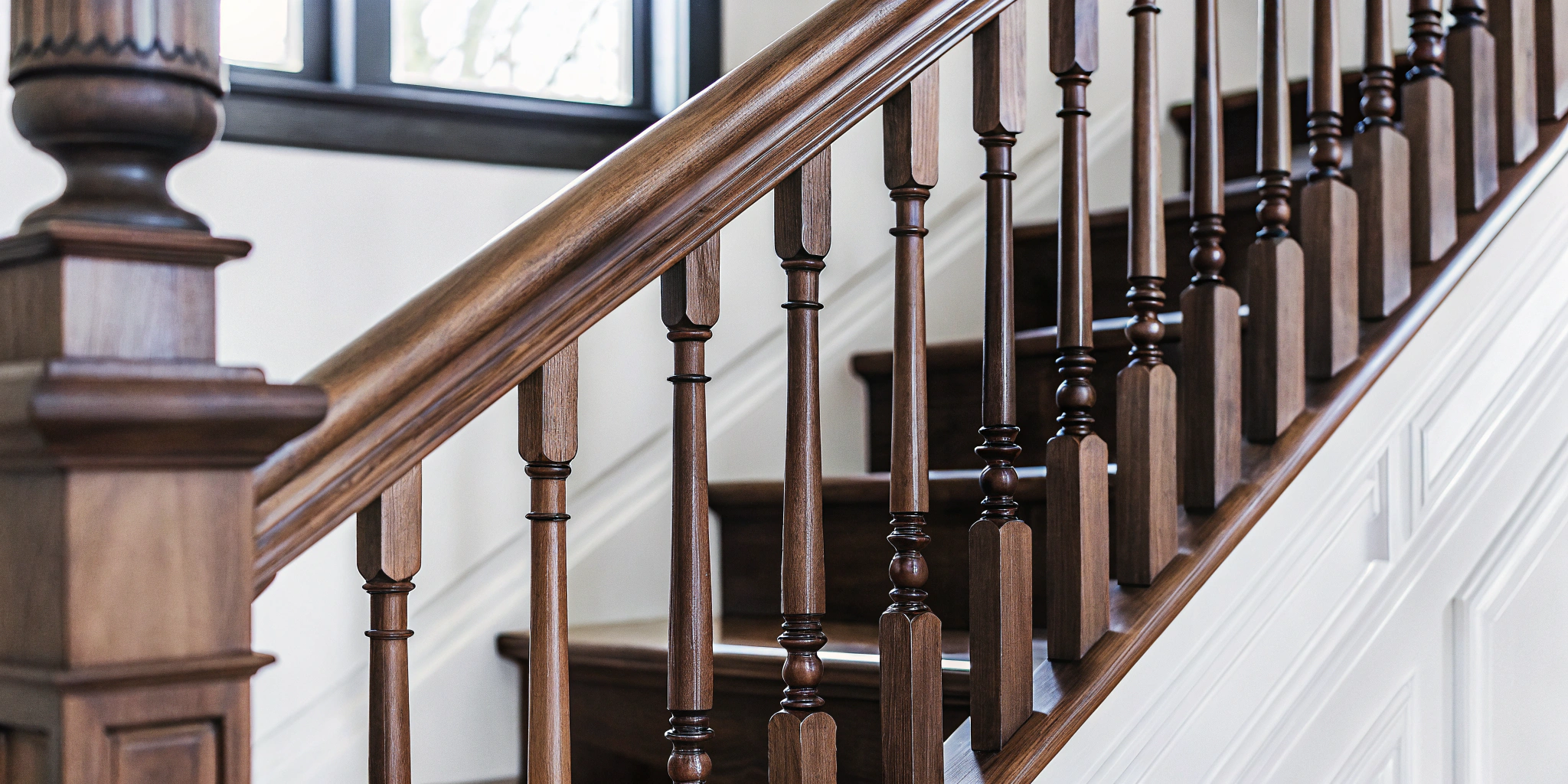
You’ve seen finish carpentry your whole life, even if you didn’t know what to call it. It’s the crisp baseboards that run along the floor, the trim that frames your doorways, and the mantel that makes your fireplace a true focal point. These aren’t just afterthoughts; they are the essential details that keep a room from feeling like a plain, empty box. They add architectural interest and signal that a home has been thoughtfully designed and cared for. Understanding these key elements is the first step in creating a space that feels truly complete and high-quality.
Key Takeaways
- Focus on the Finishing Details: Finish carpentry is all the final, visible woodwork—like trim, molding, and built-ins—that gives your home its polished look and personality after the major construction is done.
- Unify Your Home’s Design: Using consistent trim styles creates a cohesive flow between rooms, while custom features like wainscoting or a new mantel add unique character and solve practical storage needs.
- Craftsmanship Creates Value: The precision required for seamless joints and a flawless installation is best left to a professional; this expert touch not only looks better but also adds significant, lasting value to your home.
What is Finish Carpentry?
Ever walked into a room and felt it was truly finished? That sense of polish and completeness often comes down to the details—the elegant trim, the perfectly fitted cabinetry, and the clean lines around doors and windows. This is the art of finish carpentry. Think of it as the final, decorative layer that transforms a house’s basic structure into a refined and stylish home. It’s the work that happens after the drywall is up and the major construction is done, focusing on all the visible woodwork that makes a space feel cohesive and intentional. It’s the crown molding that graces the ceiling, the baseboards that ground the room, and the custom built-ins that add both function and beauty.
Finish carpentry is where craftsmanship truly shines. It requires an incredible amount of precision, an eye for design, and a steady hand. Unlike the structural work that gets hidden behind walls, these details are meant to be seen and admired every day. From a beautifully crafted fireplace mantel that serves as a focal point to the intricate casing around a window, these elements add character and personality. You can see stunning examples of how these final touches complete a space in our project gallery. It’s the difference between a room that’s simply built and one that’s thoughtfully designed, turning functional spaces into inspiring environments.
Finish vs. Rough Carpentry: What’s the Difference?
It’s helpful to think of carpentry in two main stages: rough and finish. Rough carpentry is all about the skeleton of your home—the framing, flooring, and roofing that create the core structure. These carpenters build the strong bones of the house, but their work is mostly covered up later.
Finish carpenters, on the other hand, come in to handle the aesthetic details. They focus on the smaller, more intricate wood elements inside the house that you see and interact with daily. This includes installing trim, baseboards, cabinetry, and doors. While a rough carpenter ensures your house is sturdy and sound, a finish carpenter ensures it’s beautiful and complete, making them essential partners in any successful home renovation.
Why It’s the Most Important Final Detail
So, why is finish carpentry so important? Because it’s what ties your entire design together. These final details are what give a room its distinct style, whether it’s modern and minimal or classic and ornate. High-quality finish work can make a standard room feel custom and luxurious, adding significant visual appeal and character.
Beyond aesthetics, excellent craftsmanship can also increase your home’s value. Thoughtfully chosen and perfectly installed trim, built-ins, and moldings are features that potential buyers notice and appreciate. Finish carpentry allows for incredible personalization, letting you infuse your unique style into every corner. Our design and build services focus on integrating these details seamlessly to create a space that is uniquely yours.
Where to Spot Finish Carpentry in Your Home
Once you know what to look for, you’ll start seeing finish carpentry everywhere. It’s in the details that make a house feel like a home—the subtle, polished touches that tie a room together. These elements are often so well-integrated that we don’t notice them individually, but without them, a space would feel incomplete and rough around the edges. It’s the work that happens after the drywall is up and the major construction is done, turning a basic structure into a refined living space. From the floor to the ceiling, these finishing touches are the unsung heroes of interior design. Let’s walk through some of the most common places you’ll find this beautiful craftwork in your own home.
Baseboards: The Foundation of Your Trim
Look down at where your walls meet the floor. That strip of wood running along the bottom is the baseboard, and it’s a classic example of finish carpentry. Its main job is to cover the awkward gap between the drywall and the flooring, creating a clean, seamless transition. For an even more refined look, a smaller, thinner piece of trim called shoe molding is often added at the very bottom. It hugs the floor tightly, concealing any remaining gaps and giving the baseboard a solid, grounded appearance that makes the entire room look more polished.
Crown Molding: Drawing the Eye Upward
Now, look up. The decorative trim that smooths the transition between the walls and the ceiling is called crown molding. It adds a touch of elegance and sophistication, drawing the eye upward and making a room feel taller and more stately. Crown molding can range from simple and modern to ornate and traditional, depending on your home’s style. It’s also used to finish the tops of cabinets, creating a built-in look that feels custom and complete, which is a key detail in our kitchen remodeling projects.
Window and Door Casings: Framing Your Views
The trim that frames your windows and doors is called casing. It’s another hardworking piece of finish carpentry that serves both a practical and aesthetic purpose. Functionally, it covers the gap between the wall and the window or door frame. Aesthetically, it adds architectural definition and character. The style of your casing—whether it’s simple and flat or detailed and decorative—plays a huge role in establishing the overall design personality of your space, from modern farmhouse to classic traditional. It truly makes your windows and doors feel like intentional parts of the design.
Wainscoting and Chair Rails: Adding Classic Character
Chair rails are the horizontal moldings you often see running along the middle of a wall, typically in dining rooms or hallways. Originally designed to protect walls from scuffs from the backs of chairs, they now serve as a beautiful decorative element. They can break up a large wall, create a visual separation for different paint colors, or serve as a cap for wainscoting. Wainscoting itself is the paneling that covers the lower portion of a wall, adding texture, dimension, and a timeless, formal feel to any room.
Custom Built-ins: Style Meets Storage
Finish carpentry isn’t just about trim. It also includes crafting custom built-ins that are both beautiful and functional. Think of perfectly fitted bookshelves that flank a fireplace, a window seat with hidden storage, or the custom cabinets that define your kitchen. These pieces are designed to fit your space and your needs exactly, offering a level of quality and integration that you can’t get from standalone furniture. Our design and build services often include creating these custom solutions to make a home truly unique and organized.
Stairways: More Than Just a Path
A staircase is often a major focal point in a home, and its details are pure finish carpentry. The handrail you hold onto, the decorative balusters (or spindles) that support it, and the newel posts that anchor the entire system are all meticulously crafted and installed. These components must be not only beautiful but also sturdy and safe. A well-designed staircase can be a stunning architectural feature, guiding the flow of your home and showcasing incredible woodworking skill. It’s a perfect example of where form and function meet.
Mantels: The Heart of the Room
The fireplace is the heart of many living rooms, and its mantel and surround are key elements of finish carpentry. The mantel is the shelf above the fireplace opening, while the surround is the decorative framework around it. This is where a carpenter’s artistry can truly shine, creating a focal point that sets the tone for the entire room. Whether it’s a rustic wood beam or an elegant, painted masterpiece, a beautifully crafted mantel can transform a simple fireplace into a stunning centerpiece of your home renovation.
How Finish Carpentry Transforms Your Space
Finish carpentry is so much more than just the trim around your floors and windows. It’s the final, artful touch that pulls your entire home together, turning a collection of rooms into a complete and polished space. These details are what give a home its personality and sense of quality. From creating visual flow to adding practical storage, the right finish work can completely change the way you experience your home, making it feel more intentional, elegant, and uniquely yours.
Achieve a Cohesive, Polished Look
Think of finish carpentry as the common thread that connects every room in your home. When you use consistent styles for baseboards, door casings, and window trim, you create a seamless visual journey from one space to the next. This repetition establishes a rhythm and makes the entire house feel unified and thoughtfully designed. Instead of rooms feeling disconnected, they flow into one another gracefully. This sense of cohesion is a hallmark of a professional home renovation, making your home feel both larger and more harmonious. It’s this attention to detail that takes a design from good to truly exceptional.
Inject Personality with Architectural Details
If your walls are the canvas, finish carpentry is the intricate brushwork that brings the picture to life. This is where you can infuse your home with character and style. Ornate crown molding can add a touch of traditional elegance to a living room, while clean, flat-stock trim can create a sharp, modern feel. Details like wainscoting, coffered ceilings, or a custom fireplace mantel add depth, texture, and a sense of history to a space. These elements are what prevent a room from feeling like a plain box, giving it a distinct personality that reflects your own taste.
Use Trim to Define and Frame Your Space
Finish carpentry acts like a picture frame for your home’s best features. Casing around a window draws your eye to the view outside, while a beautifully crafted doorway creates a grand entrance to a room. Baseboards ground the walls, providing a clean transition to the flooring, and chair rails can break up a tall wall or protect it from scuffs in high-traffic areas like dining rooms. These elements help define the architecture of each room, creating clear boundaries and points of interest. Our design and build services focus on using these details to create spaces that are both beautiful and intuitive.
Gain Smart Storage with Custom Built-ins
One of the most impactful forms of finish carpentry is custom built-in storage. Imagine floor-to-ceiling bookshelves that perfectly frame a fireplace, a window seat with hidden drawers, or a media center designed specifically for your electronics. Unlike standalone furniture, built-ins are integrated directly into your home’s architecture, which saves space and eliminates clutter. They provide a high-end, custom look while solving everyday storage problems. This is an especially popular feature in basement remodeling projects, where custom bars and entertainment units can transform the space into a functional and stylish retreat.
How to Choose the Right Materials for Your Trim
The material you choose for your finish carpentry is just as important as the design itself. It sets the tone for the entire room, influencing everything from durability to the final aesthetic. Whether you’re drawn to the timeless warmth of natural wood or the clean, crisp look of a painted finish, the right material will bring your vision to life. Making a thoughtful choice here ensures your new trim, shelving, or mantel not only looks fantastic but also stands up to daily life in your home. Let’s walk through some of the most popular options to help you find the perfect fit for your project.
Choosing Your Wood: A Quick Guide
You can’t go wrong with classic wood. Each species has a unique personality and set of strengths that make it suitable for different applications. Pine is a soft, affordable wood that’s easy to work with and takes paint beautifully, making it great for baseboards or custom shelving. Oak is a much harder wood, known for its durability and distinct grain pattern, offering a traditional look that many homeowners love. For a smoother, more modern feel, maple is an excellent choice for cabinetry and built-ins. And if you’re after a touch of elegance, cherry’s rich, reddish-brown color deepens beautifully over time, adding warmth and character to any space. These classic wood species provide a timeless foundation for any design.
Is MDF or Composite Right for You?
While solid wood is a fantastic choice, it’s not the only one. Medium Density Fiberboard (MDF) is an engineered wood product that has become a go-to material in modern finish carpentry. Because it’s made from compressed wood fibers, MDF has a perfectly smooth surface without any knots or grain, making it an ideal canvas for paint. It’s also typically more affordable and dimensionally stable than solid wood, meaning it won’t expand or contract with changes in humidity. This makes MDF a practical and versatile option for everything from crown molding to wainscoting, especially in projects where you want a flawless, painted finish without the higher cost.
Materials for High-Moisture Areas like Bathrooms
When it comes to spaces like bathrooms, the constant humidity changes the game entirely. You need materials that can stand up to steam and moisture without warping, swelling, or staining over time. For flooring and shower surrounds, porcelain and ceramic tiles are always a winning choice. They are incredibly dense, water-resistant, and easy to clean, making them one of the best materials for humid environments. For countertops, quartz is another fantastic option because it’s non-porous, meaning it won’t absorb water, harbor bacteria, or stain easily from spilled makeup or soap.
For the woodwork, like vanities and built-in shelving, it’s smart to look beyond standard options. Marine-grade plywood is an excellent choice for cabinetry because it’s specifically engineered to resist moisture and is far less likely to warp. If you do have natural wood elements, protecting them is key. Using a quality humidity-fighting finish like an oil-based polyurethane provides a durable barrier against moisture damage. Selecting the right materials from the start is a critical step in any successful bathroom remodeling project, ensuring your beautiful new space is built to last.
Paint or Stain? Selecting Your Finish
Once you’ve picked your material, the next step is deciding how to finish it. This choice dramatically affects the final look. A coat of paint can completely transform a room, offering a clean, uniform appearance and endless color possibilities. Different sheens, like matte, satin, or semi-gloss, add another layer of customization. On the other hand, a stain is designed to enhance the natural beauty of the wood, letting the grain and texture shine through. Staining is a wonderful way to add warmth and depth, celebrating the character of the wood itself. You can see beautiful examples of both painted and stained finishes in our project gallery.
Considering Eco-Friendly Materials
If sustainability is a priority for you, you’ll be happy to know there are many eco-friendly options available for finish carpentry. You can look for woods certified by the Forest Stewardship Council (FSC), which ensures they come from responsibly managed forests. Using fast-growing renewable species like bamboo is another great way to minimize environmental impact. We’re also seeing a rise in the use of reclaimed and upcycled materials, which not only reduces waste but also brings a unique story and character to your home. These sustainable options allow you to create a beautiful space you can feel good about.
What Goes Into Flawless Finish Carpentry?
Finish carpentry is what transforms a house from a basic structure into a polished, inviting home. It’s the art of the final touch—the details that catch your eye and make a space feel complete. Unlike rough carpentry, which creates the frame of your house, finish work is all about aesthetics and precision. It requires a steady hand, an eye for detail, and a deep understanding of how materials work together. From the clean lines of a window casing to the elegant curve of crown molding, this is where true craftsmanship shines, turning functional elements into features that define your home’s character and add lasting value.
Why Precision is Non-Negotiable
In finish carpentry, there’s no room for “close enough.” Even the smallest gap in a miter joint or a slightly uneven baseboard can disrupt the visual harmony of a room. This is the work that turns the inside of a house from a basic structure into a finished living space. Every cut must be exact, and every angle must be perfect. This level of precision ensures that all the different elements—from door trim to wainscoting—flow together seamlessly. Good finish carpentry not only makes a home more beautiful but also increases its value, because these are the details that signal quality and care to potential buyers.
The Tools Needed for a Professional Finish
Achieving that flawless look isn’t possible without the right equipment. A professional finish carpenter arrives with much more than a hammer and a saw. They use a variety of tools specifically designed for precision work, including compound miter saws for cutting complex angles, pneumatic nail guns that leave minimal marks, and specialized measuring tools like coping saws and angle finders. Knowing how to use these tools effectively is a skill honed over years of practice. This expertise allows a professional to work efficiently while creating crisp lines and tight fits that are simply impossible to achieve with basic hand tools.
Precision and Measuring Instruments
When it comes to finish carpentry, “close enough” just doesn’t cut it. Every measurement has to be spot-on to ensure those seamless joints and clean lines that make a room feel polished. This is where a professional’s toolkit really shines. Beyond a standard tape measure, they rely on tools like digital angle finders to perfectly match corners that aren’t a perfect 90 degrees, and long levels to ensure everything from a mantel to a chair rail is perfectly horizontal. This meticulous attention to detail is what prevents those tiny, distracting gaps and ensures every element flows together. It’s this level of care that signals true quality in a home renovation.
Cutting and Shaping Tools
Once the measurements are perfect, it’s time to make the cut. A professional finish carpenter uses a whole arsenal of specialized saws to get the job done right. A compound miter saw is essential for cutting the complex angles needed for crown molding and trim, while a table saw handles the long, straight rips for custom built-ins. For intricate curves, like those needed to fit trim against an uneven wall, a coping saw is the tool of choice. And when it comes to fastening, pneumatic nail guns are used to leave minimal marks, creating a much cleaner finish than a traditional hammer and nail. Knowing how to use these tools effectively is a skill honed over years of practice, allowing a pro to create the crisp, tight fits you see in our project gallery.
Understanding Joints and Installation Techniques
The true mark of an expert finish carpenter lies in their ability to create perfect joints—the points where two pieces of trim meet. Creating tight joints and precise installations requires excellent woodworking skills and incredible attention to detail. Whether it’s a miter joint at the corner of a window frame or a coped joint for inside corners of crown molding, the goal is a connection so seamless it looks like a single piece of wood. A seasoned pro knows how to account for uneven walls and tricky angles, carefully fitting each piece before permanently attaching it to ensure a perfect, lasting result.
Advanced Joinery for Strength and Beauty
The real artistry in finish carpentry is revealed in the joinery—how two pieces of wood meet. Whether it’s the sharp 45-degree angle of a miter joint on a door frame or a complex coped joint for the inside corner of crown molding, the objective is always the same: to create a connection so tight and seamless it appears to be a single, continuous piece. This requires an incredible amount of skill and an unwavering attention to detail. It’s not just about cutting wood; it’s about understanding how to make those cuts fit perfectly, even when the walls and corners of a home aren’t perfectly square. This level of craftsmanship is what separates standard work from the stunning, award-winning results we strive for in every home renovation.
The Skills Behind the Craft
Becoming a great finish carpenter takes more than just knowing how to use a saw. It’s a unique blend of technical skill, artistic vision, and practical problem-solving. Because these details are the most visible elements in a room, they have to be perfect. This requires a deep understanding of geometry, a steady hand for precise execution, and the patience to adapt to the unique challenges every home presents. Unlike structural work that gets hidden behind drywall, this is the craftsmanship that you and your guests will see and admire every single day. It’s this combination of skills that truly defines the quality of the final product and makes a house feel like a thoughtfully designed home.
Mathematical and Geometric Accuracy
In the world of finish carpentry, precision is everything. There is simply no such thing as “close enough.” A gap of just a sixteenth of an inch in a miter joint can create a visible dark line that disrupts the entire look of a room. Every measurement must be exact, and every angle must be cut with geometric accuracy. This meticulous approach ensures that each piece of trim, molding, and cabinetry fits together flawlessly, creating clean lines and a harmonious flow throughout the space. This commitment to precision is a core part of our design and build process, as it’s these tiny details that add up to a truly professional and high-quality finish.
Problem-Solving Uneven Surfaces
No house is perfect. Walls bow, floors slope, and corners are rarely a perfect 90 degrees. A skilled finish carpenter knows this and comes prepared to solve these challenges on the fly. Instead of trying to force a straight piece of trim against a wavy wall, they use techniques to scribe the wood to match the wall’s contour for a perfect fit. When installing trim between two surfaces that aren’t parallel, a pro won’t make one end perfect and leave the other with a large gap. As experts at Fine Homebuilding note, they make small, gradual adjustments to each piece to create a visually pleasing result. This adaptability is a crucial skill that turns imperfections into seamless installations.
Physical Stamina and Attention to Detail
While finish carpentry is an art form, it’s also physically demanding work that requires incredible focus. A carpenter might spend hours on their knees fitting baseboards or on a ladder installing crown molding. Maintaining a high level of precision throughout a long day requires not just physical stamina but also mental endurance. The ability to stay focused on the smallest details, even after hours of work, is what ensures a flawless outcome. This dedication is essential because, unlike framing or plumbing that gets covered up, this work is always on display. It’s the final statement of quality in a home, and it has to be perfect.
Techniques That Create a Professional Look
What separates truly exceptional finish carpentry from average work? Often, it comes down to a handful of subtle but powerful techniques that professionals use to achieve a flawless finish. These are the “tricks of the trade” learned through years of experience, and they make a world of difference in the final appearance and durability of the work. These methods are designed to handle the realities of a home—from imperfect walls to the natural movement of wood—and create a result that looks clean, intentional, and beautifully crafted. Understanding these techniques can help you appreciate the level of skill that goes into a high-end renovation.
Using a “Reveal” to Hide Imperfections
One of the smartest techniques in a carpenter’s playbook is the “reveal.” Instead of trying to make trim perfectly flush with the edge of a door or window frame, a pro will intentionally step it back by about a quarter of an inch. This creates a subtle shadow line that is visually pleasing and incredibly practical. Wood naturally expands and contracts with changes in humidity, so a perfectly flush joint today could be an ugly, gapped one tomorrow. The reveal cleverly hides these slight movements and minor imperfections, ensuring the trim always looks crisp and intentional. It’s a small detail that makes a huge impact on the long-term quality of the work.
Scribing for a Perfect Fit
When a piece of trim needs to fit against an irregular surface like a stone fireplace or a slightly wavy wall, you can’t just rely on a straight cut. This is where scribing comes in. A carpenter will hold the trim piece in place and use a compass or scribing tool to trace the exact contour of the uneven surface onto the wood. Then, they carefully cut along that line, creating a custom-fit edge that follows every bump and curve perfectly. This technique ensures there are no unsightly gaps and is a hallmark of true craftsmanship, turning a potential eyesore into a seamless, integrated part of the design.
Hiding End Grain with Returns
If you look at the end of a cut piece of wood, you’ll see the end grain. It’s more porous than the face of the wood, so it absorbs paint and stain differently and can look rough. A pro will never leave this exposed. Instead, they create a “return,” which is a tiny, mitered piece of trim that turns the corner and terminates back into the wall. This technique neatly caps the end of the trim, hiding the end grain and giving the molding a clean, finished look as if it grew right out of the wall. It’s a subtle detail that signals high-quality work and is essential for a polished appearance.
Prioritizing Visual Lines Over Perfect Level
This may sound counterintuitive, but sometimes the most important thing isn’t being perfectly level—it’s looking perfectly straight. If a ceiling or floor has a slight slope (which is common in many homes), installing a perfectly level piece of crown molding or baseboard can actually highlight the imperfection, making the trim look crooked in relation to the rest of the room. A skilled carpenter knows to split the difference or run the trim parallel to the existing lines of the house. The goal is to create visual harmony, ensuring that everything looks right to the eye, which is often more important than what a level says.
How Finish Carpentry Fits Modern Design Trends
Finish carpentry is where your home’s personality truly comes to life, and just like fashion, its styles evolve. While classic, ornate trim will always have its place, today’s trends are expanding to include a wider range of aesthetics, from sleek minimalism to bold, expressive designs. The right details can make your home feel current, personal, and thoughtfully designed. It’s about more than just covering the gaps between drywall and flooring; it’s about making a statement that reflects how you live.
Modern finish carpentry is all about intention. Whether you’re drawn to the quiet elegance of clean lines or the drama of a pop of color, these finishing touches are what pull your entire home renovation together. By understanding what’s current, you can make choices that not only look fantastic but also add significant, lasting value to your home. Let’s look at a few key trends that are shaping the way we think about trim, molding, and custom built-ins.
Minimalism: The Power of Simple, Clean Lines
One of the biggest shifts in interior design is the move toward simplicity, and finish carpentry has followed suit. This trend is all about the beauty of understatement, focusing on “clean lines, subtle curves, and uncluttered designs.” Instead of intricate, multi-layered crown molding, you might see a simple, single-layer trim that creates a crisp border between the wall and ceiling. Flat-stock baseboards and streamlined window casings without decorative grooves are also popular, creating a look that feels both modern and timeless. This less-is-more approach helps create a calm, open atmosphere and allows your home’s architecture and furnishings to stand out. You can see beautiful examples of this in our project gallery.
Using Bold Colors and Mixed Materials
On the other end of the spectrum, many homeowners are getting more adventurous with their design choices. While neutral palettes are still a go-to, “vibrant and bold colors are making a significant impact.” Imagine baseboards, crown molding, or even an entire wall of wainscoting painted in a deep, moody green or a sophisticated navy blue. This trend also extends to mixing materials. Think of a rustic, reclaimed wood mantel paired with a sleek metal fireplace surround, or custom bookshelves that combine natural wood with industrial pipe fittings. These creative combinations allow you to infuse your space with personality and create a truly custom look through our design and build services.
How Modern Details Add Lasting Value
Choosing finish carpentry that reflects current trends isn’t just about immediate visual appeal; it’s a smart investment in your home’s future. High-quality, well-executed finish work instantly signals a well-cared-for home. As experts note, “quality craftsmanship can boost your home’s market value” because it adds a layer of polish and customization that buyers notice. Thoughtful details like custom built-ins for storage or perfectly mitered corners on window casings add both form and function. When you invest in professional craftsmanship for these finishing touches, you’re not just completing a room—you’re adding tangible value that will pay off for years to come.
Why Hire a Professional for Your Finish Carpentry?
While the satisfaction of a DIY project is undeniable, finish carpentry is one area where professional expertise truly makes a difference. These are the final, visible details that tie your entire remodel together, and the margin for error is incredibly small. Think of it as the final brushstroke on a painting—it requires a steady hand, the right tools, and an artist’s eye to get just right.
A professional carpenter brings years of experience to your project, ensuring every cut is precise and every joint is seamless. They can anticipate challenges, like uneven walls or tricky corners, and have the skills to handle them without a hitch. Hiring an expert not only saves you from potential frustration and costly mistakes but also guarantees a polished, high-end result that looks intentional and beautiful. Our design and build services integrate this level of detail from the very beginning, ensuring every element of your space works in harmony. The difference is clear when you see the final product.
What a Difference an Expert Makes
Expert craftsmanship goes beyond simply installing trim. It’s about understanding how different wood species, profiles, and finishes can transform a room. A professional finish carpenter works with you to create personalized designs that complement your home’s architecture and your unique style. They can suggest a style of crown molding that adds height to your living room or design custom built-ins that are both functional and a stunning focal point. This level of artistry ensures that the final details don’t just fill a space but enhance it, creating a cohesive and thoughtfully designed home. This attention to detail is a hallmark of our home renovations.
The Path to Becoming a Master Carpenter
The flawless results you see in a professionally finished home don’t happen by accident. They’re the product of years of dedicated training and hands-on experience. Becoming a master carpenter is a serious commitment to the craft, involving a long and rigorous journey of learning, practice, and refinement. It’s a path that builds not just technical skill, but also a deep understanding of materials, an eye for design, and the problem-solving abilities needed to handle the unique challenges of every home. This dedication is what separates a true professional from a hobbyist and ensures the final product is nothing short of exceptional.
Training, Apprenticeships, and Experience
The journey typically begins with a formal apprenticeship, which is an intensive, multi-year program that combines classroom instruction with on-the-job training. These programs, which often last three to four years, are designed to provide aspiring carpenters with the comprehensive skills and knowledge needed to succeed. Apprentices learn everything from reading blueprints and understanding building codes to mastering the tools of the trade, all while working under the direct supervision of seasoned professionals. This hands-on experience is invaluable, as it’s where they learn to apply their knowledge in real-world situations, developing the precision and confidence that define a true craftsperson.
Licensing and Professional Standards
After completing an apprenticeship and gaining thousands of hours of experience, a carpenter’s journey isn’t over. In many areas, they must obtain a license to work professionally, which often requires passing a comprehensive exam on building codes, safety protocols, and industry best practices. This process ensures that they not only have the technical skills but also adhere to the high professional standards that keep your home safe and sound. Earning this credential is a significant milestone that validates their expertise. This commitment to formal training and professional standards is what gives you peace of mind when you hire a professional team for your home renovation.
Get a Flawless Installation That Lasts
Finish carpentry is a game of millimeters. As experts note, everything must be measured, cut, and attached perfectly, with very little room for error. A professional ensures that every mitered corner is tight, every seam is invisible, and every piece of trim is securely fastened for long-term durability. They have the specialized tools and techniques to produce clean lines and smooth transitions that are difficult to achieve on your own. This precision guarantees that your new baseboards, casings, and cabinetry will not only look flawless upon installation but will also withstand the daily wear and tear of life, looking great for years to come.
How Quality Trim Increases Your Home’s Value
The quality of your home’s interior details has a direct impact on its market value. Well-executed finish carpentry is a clear signal to potential buyers that a home has been cared for and professionally updated. Details like elegant crown molding, custom shelving, and solid wood doors make a space feel more luxurious and appealing, which can significantly increase its worth. Investing in professional installation is not just an upgrade for your own enjoyment; it’s a smart financial decision that adds tangible value and helps your home stand out when it’s time to sell. Our team is committed to delivering this kind of lasting quality in every project we undertake.
Related Articles
Frequently Asked Questions
What’s the main difference between finish carpentry and the other kind, rough carpentry? Think of it this way: rough carpentry builds the strong, sturdy skeleton of your house—the framing and structure that get hidden behind the walls. Finish carpentry is all the beautiful, detailed woodwork you actually see and interact with every day. It’s the final layer of polish, like the baseboards, door trim, and custom cabinetry, that makes a house feel like a complete and stylish home.
Is it a bad idea to have different styles of trim in different rooms? Not at all, as long as it’s done with intention. While using the same trim throughout your home creates a very cohesive flow, you can certainly use different styles to define separate spaces. For instance, you might choose more ornate crown molding for a formal dining room and a simpler, cleaner trim for a casual family room. The key is to ensure the transition feels natural and the styles complement your home’s overall character.
Is MDF a good material, or is it just a cheaper substitute for real wood? MDF isn’t a lesser material, just a different one with its own strengths. Because it has a perfectly smooth surface with no grain or knots, it’s an excellent choice for any trim or built-in that you plan to paint. It provides a flawless, uniform finish. Solid wood is the better option when you want to stain the piece and let the natural beauty and grain of the wood become a design feature itself.
How does finish carpentry fit into the timeline of a bigger renovation project? Finish carpentry happens near the end of a project, which is why it’s called the “finish” work. It typically begins after the drywall is installed and primed. The trim, doors, and cabinets go in before the final coat of paint is applied and often before the final flooring is installed. This ensures all the beautiful new woodwork gets a clean, professional finish without being damaged by other construction.
Can I add new finish carpentry to my home without doing a full remodel? Absolutely. Upgrading your finish carpentry is one of the most effective ways to refresh a room without committing to a massive renovation. Swapping out dated baseboards and door casings for a more modern style, adding crown molding to a living room, or installing custom bookshelves can completely change the feel of a space on its own.